Hand Tools
Lyle Electrical Disconnect Pliers: Hands-On Review and Knockoff Comparison
A close look at Lyle's beetle-jaw electrical disconnect pliers, including a side-by-side comparison with a cheaper lookalike pair.
Introduction
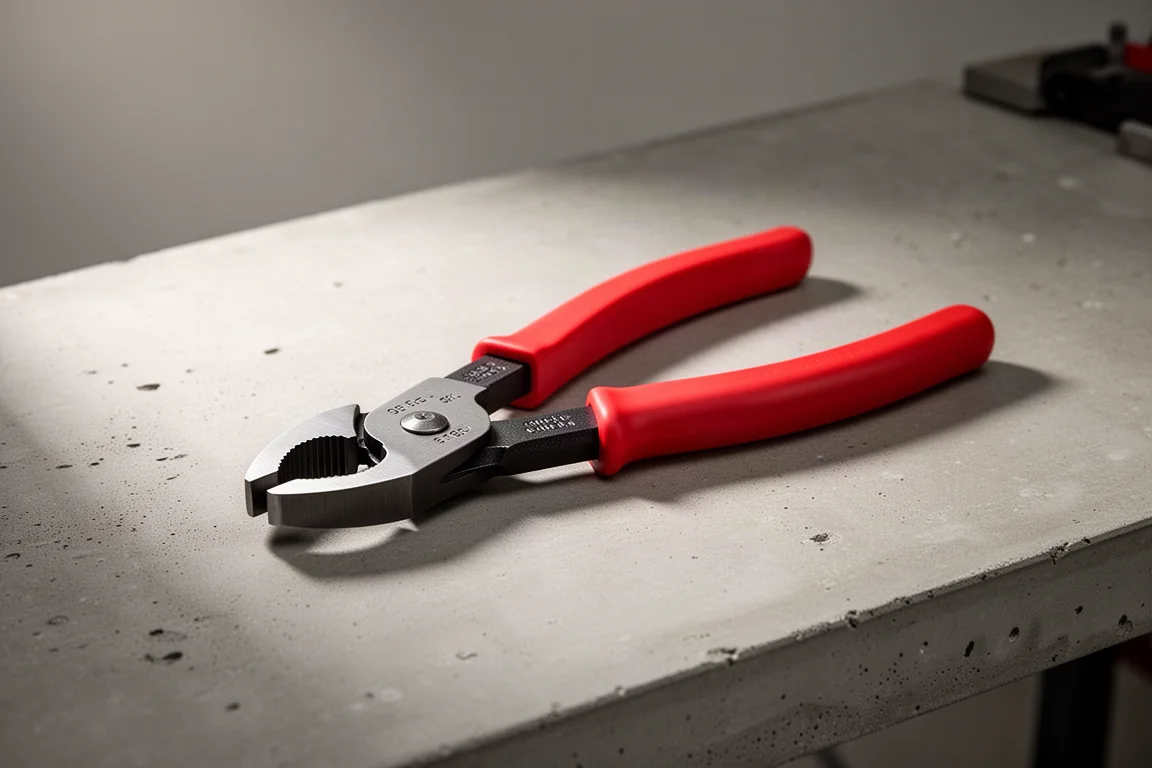
Lyle has made several generations of electrical disconnect pliers. The company started with a conventional stamped-steel design, then moved to a solid beetle-jaw style that gives you more ability to grab, hold, and twist connectors without the tool getting in the way. That latest version is the one under the microscope here, because Lyle’s pliers have an interesting problem: they look almost identical to a flood of cheaper unbranded pairs sold online.
To find out whether the brand name is worth anything, I picked up an inexpensive lookalike pair and put the two side by side. The comparison turned out to be more revealing than expected.
What the Lyle Disconnect Pliers Are
The current Lyle tool is a spring-loaded plier with a curved, beetle-like jaw shape, marked as patent pending. The design intent is clear: unlike the older stamped-steel version, this one gives you a firmer grip on stubborn electrical connectors and more leverage for twisting them free. That matters when you are working deep in an engine bay, where connector tabs are brittle and access is awkward.
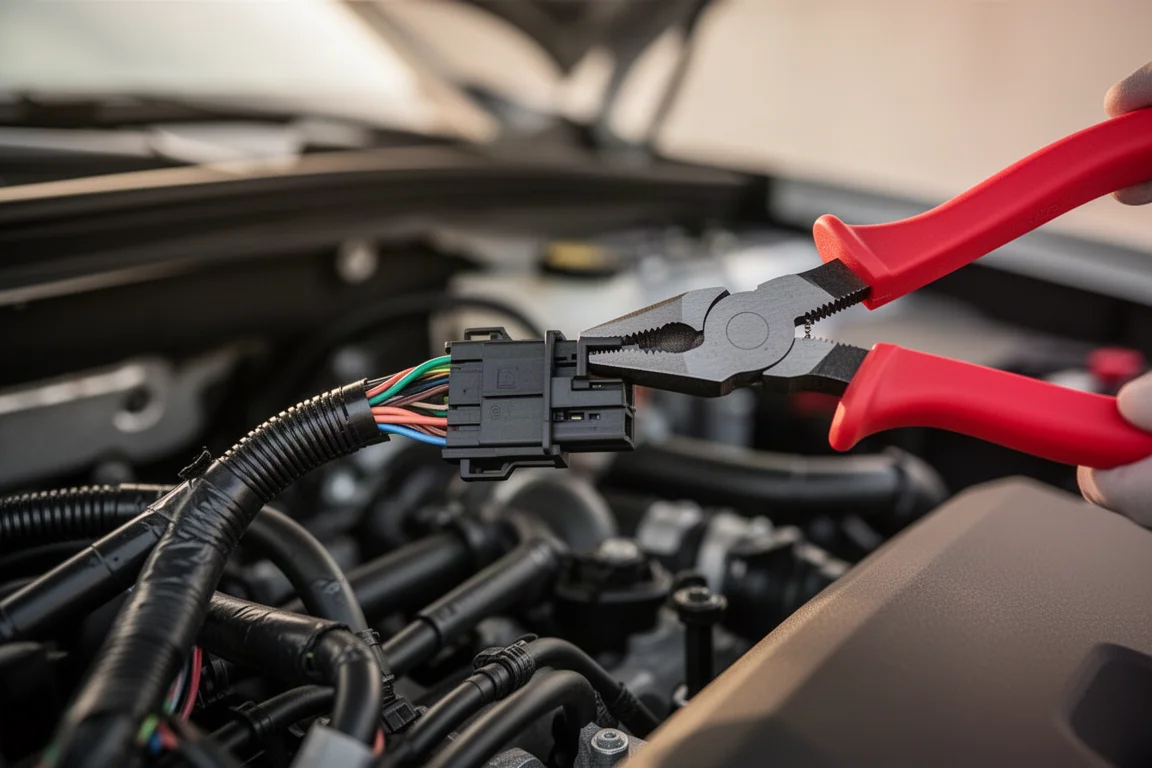
The bent jaw profile also helps you get a hold on connectors without the plier body blocking your line of sight or your hand path, which is exactly the frustration these tools exist to solve.
Side-by-Side with the Cheap Pair
The unbranded pair was bought for around $18 for two pliers after a discount, so under $9 each. The Lyle versions launched in the $30s, dropped to the $20s, and may now be under $20 depending on when you look. The unbranded packaging listed a made-in-China origin and product copy that closely mirrors Lyle’s own listing, and some knockoffs even appear under the same product number as the Lyle tool.
Once unwrapped, the two pairs were strikingly similar: same general shape, same dipped handles, same riveted joint. The cheap pair is not spring loaded, matching the older Lyle design, and its head is slightly thicker. The Lyle has small notches or ledges on the jaws that the cheap pair lacks, a slightly larger rivet, and a smoother, quicker joint action.
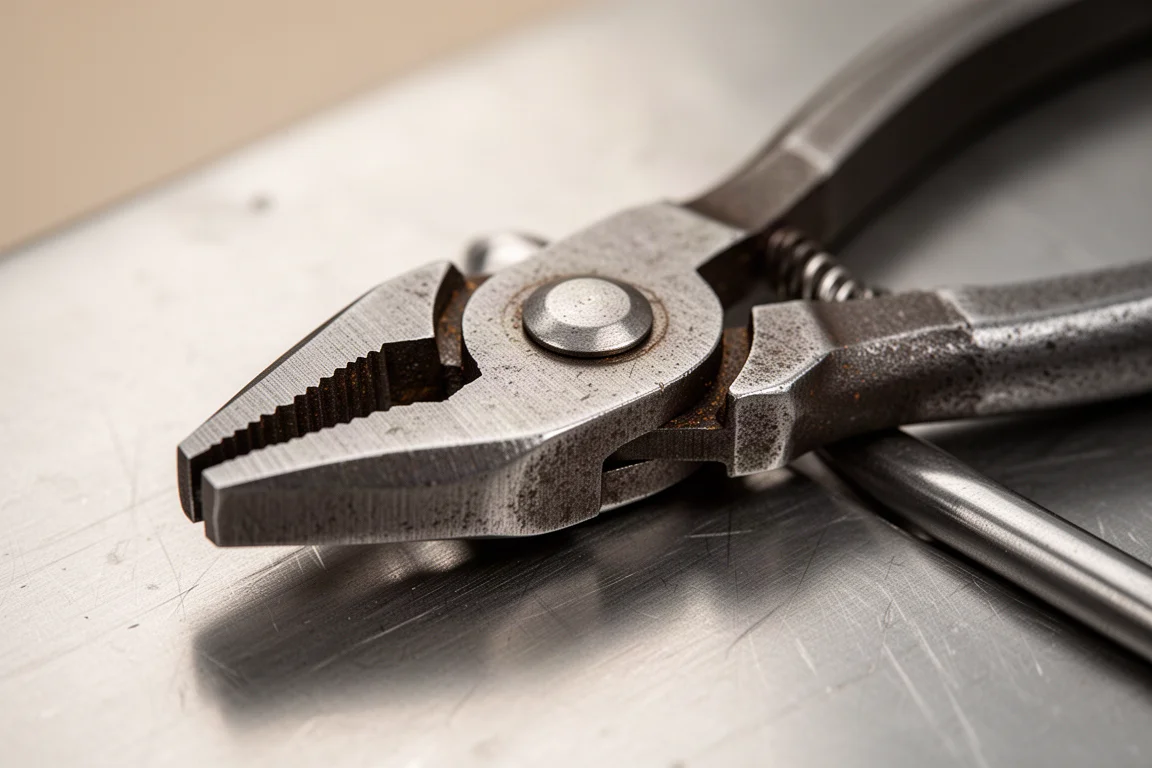
Under compression, the Lyle feels just a touch stiffer and springier. These are tiny differences, but they add up to a tool that feels better finished.
Build Quality: Where the Difference Shows
Finish work is the clearest separator. The cheap pair showed rough spots on the jaw end that looked like sloppy grinding, while the Lyle’s finish is noticeably cleaner. The Lyle’s spring is also both larger and stronger than the one on the cheap pair. Both tools have dipped handles with a heavier plastic over-mold, and the Lyle’s grip coating is noticeably thicker and more even, with no perceptible seam line where the two coatings meet.
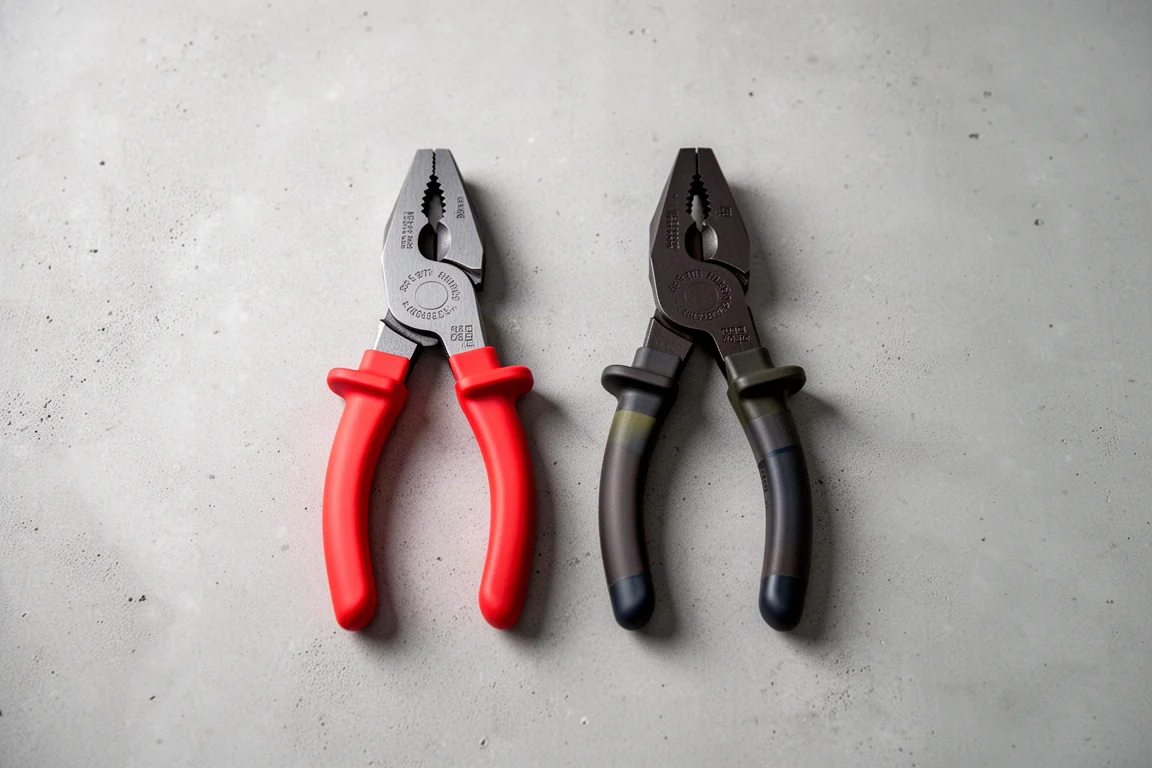
The most plausible explanation is that one factory produces all of these pliers and grades the output: the best-finished examples get a final buff, laser etching, a stronger spring, and the Lyle branding, while the rest go into the cheap pile. The tools are extremely similar in metal and forming; it is the finish work, and possibly the spring, that separates them.
Is the Lyle Worth the Extra Money?
Functionally, the two pairs are darn close. You are likely paying for a better-finished tool rather than one that will necessarily last dramatically longer, though the stronger spring is a point in Lyle’s favor. For many people, a cleaner finish and a smoother action will be worth the premium, especially if the price keeps drifting down toward the $20 mark.
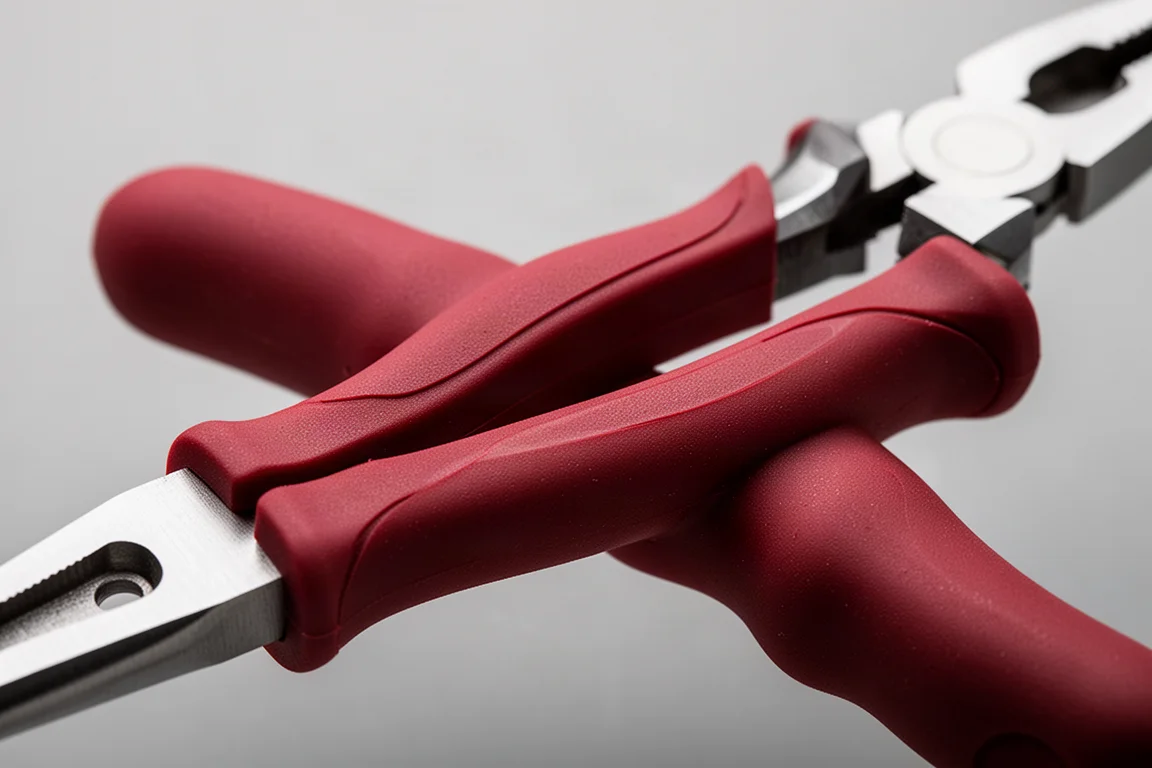
The honest caveat: the cheap pair was under $9 each, and for occasional connector work it may do the same job. If you use these tools regularly, the Lyle’s superior finish and refined action make it the safer buy. If you only need a disconnect plier once in a blue moon, the budget option is hard to argue with.
Conclusion
The Lyle electrical disconnect pliers are a genuinely well-thought-out tool, and the beetle-jaw design is an excellent step up from the older stamped-steel approach. The comparison with the cheap lookalike suggests both may come from the same factory, with Lyle getting the premium-graded versions. You pay a bit more for visibly better finish work, a stronger spring, and a smoother feel. For regular use, that is a reasonable trade; for occasional use, the budget pair gets you remarkably close for less.
Product link
View more details for Lyle Electrical Disconnect Pliers
This product is mentioned in the review. Check the specifications, options, and compatibility before buying.
View more details for Lyle Electrical Disconnect PliersFurther reading
Related Reviews
Hand Tools
Best Diagonal Cutters 2026: 16 Pliers Tested for Cutting Power and Durability
We put 16 diagonal cutters through nail, screw, drill bit, and hex key tests to find the best value picks for your toolbox.
Hand Tools
Best Hex L Key Sets 2026: Nine Sets Tested for Real-World Torque
Nine hex L key sets from budget to premium, tested for torque, fit, and durability. See which sets deliver real performance and which ones to skip.
Hand Tools
Best Locking Pliers 2026: Top Picks Tested for Grip and Durability
We tested 18 brands of 10-inch locking pliers for grip strength, jaw bite, build quality, and ease of release to find the best options for tough jobs.