Telescopes
Lunt Hydrogen Alpha Solar Telescopes: The 40mm Entry Model vs the 100mm Double Stack
A close look at Lunt's entry-level 40mm F10 hydrogen alpha solar telescope and how it stacks up against the far larger 100mm double stack model.
Introduction
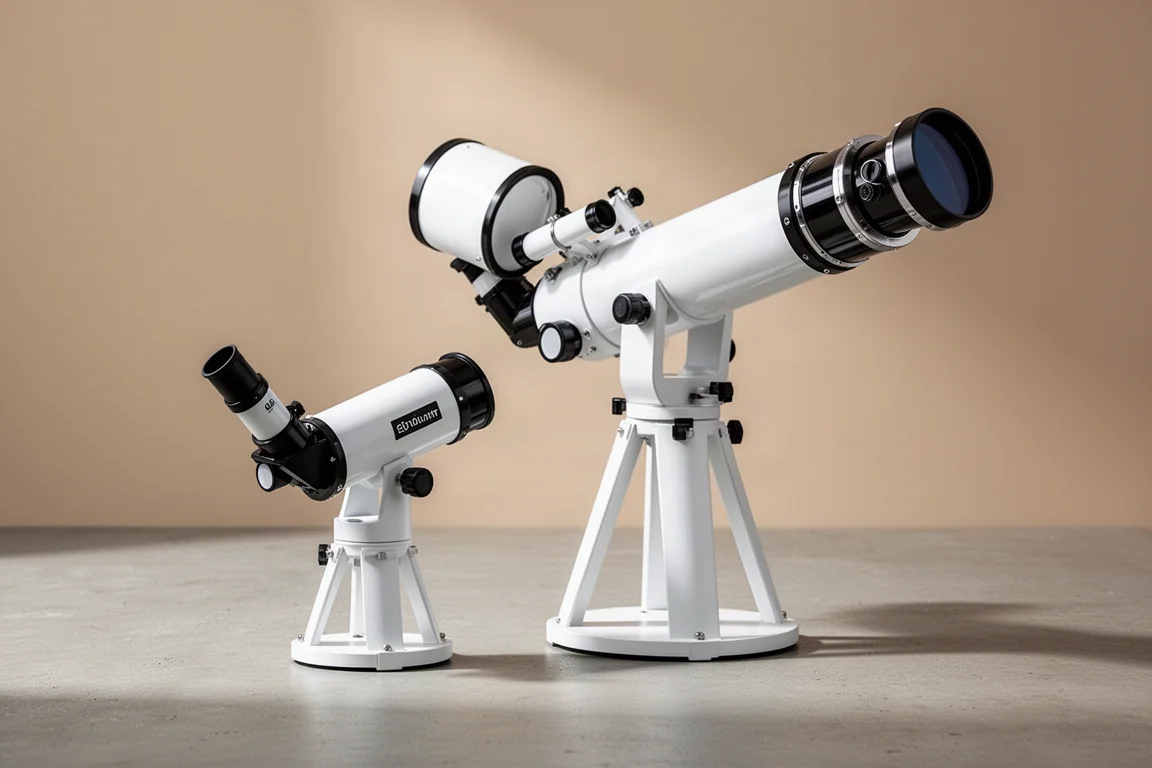
Hydrogen alpha solar viewing is one of the most rewarding ways to observe the sun, showing prominences, filaments, and surface detail that no other filter type reveals. The challenge has always been price: many capable hydrogen alpha instruments sit well beyond what a first-time solar observer wants to spend. Lunt builds a full line of hydrogen alpha solar telescopes, and its 40mm F10 is the lowest-end model in the series. We take a close look at what this compact scope delivers, and how it compares to Lunt’s much larger 100mm double stack model, to help you decide which end of the lineup makes sense for you.
First Impressions of the Lunt 40mm
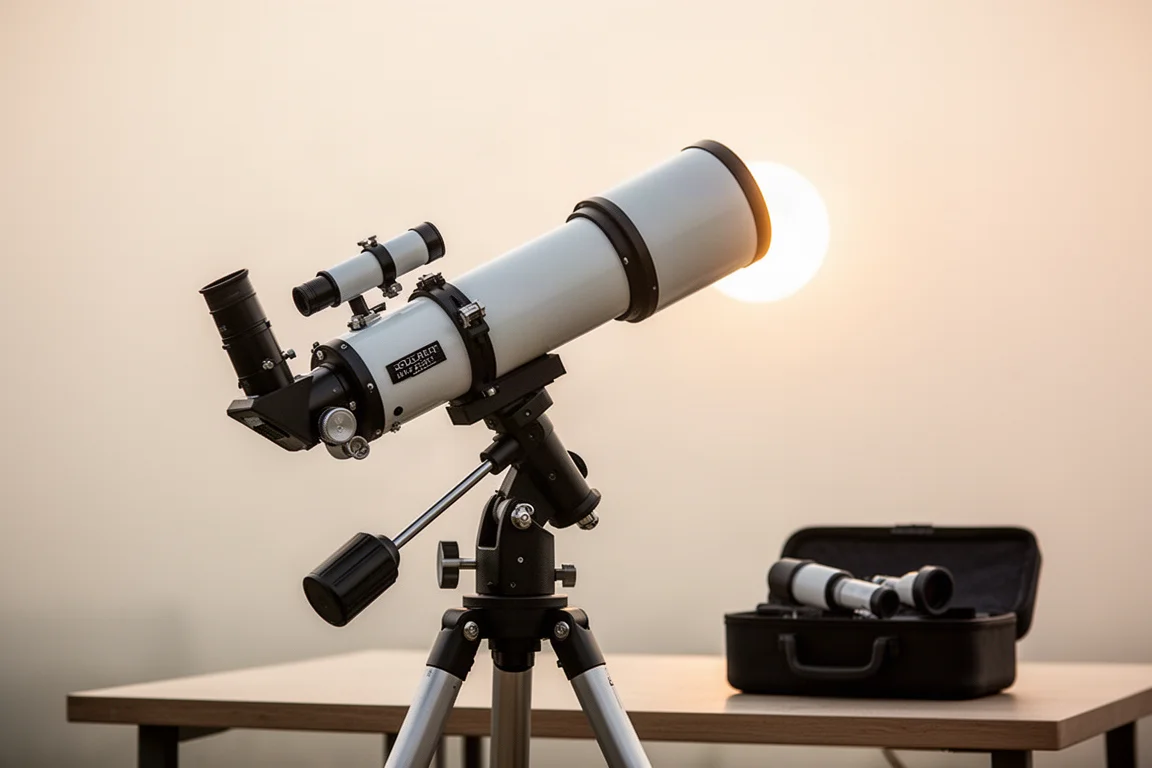
The Lunt 40mm F10 arrives well protected, in a box within a box with foam padding, an operator manual, and a product card. It comes preassembled: the main telescope with the etalon, a B500 blocking filter, and a helical focuser. The scope is very light, well made, and the fit and finish are good.
The integrated sun finder is a genuine highlight. It was exactly aligned the first time it was used, which makes finding the sun far less fiddly than it can be with some solar instruments. A Vixen dovetail is included in the box, so mounting is straightforward on most common setups.
Design and Build Details
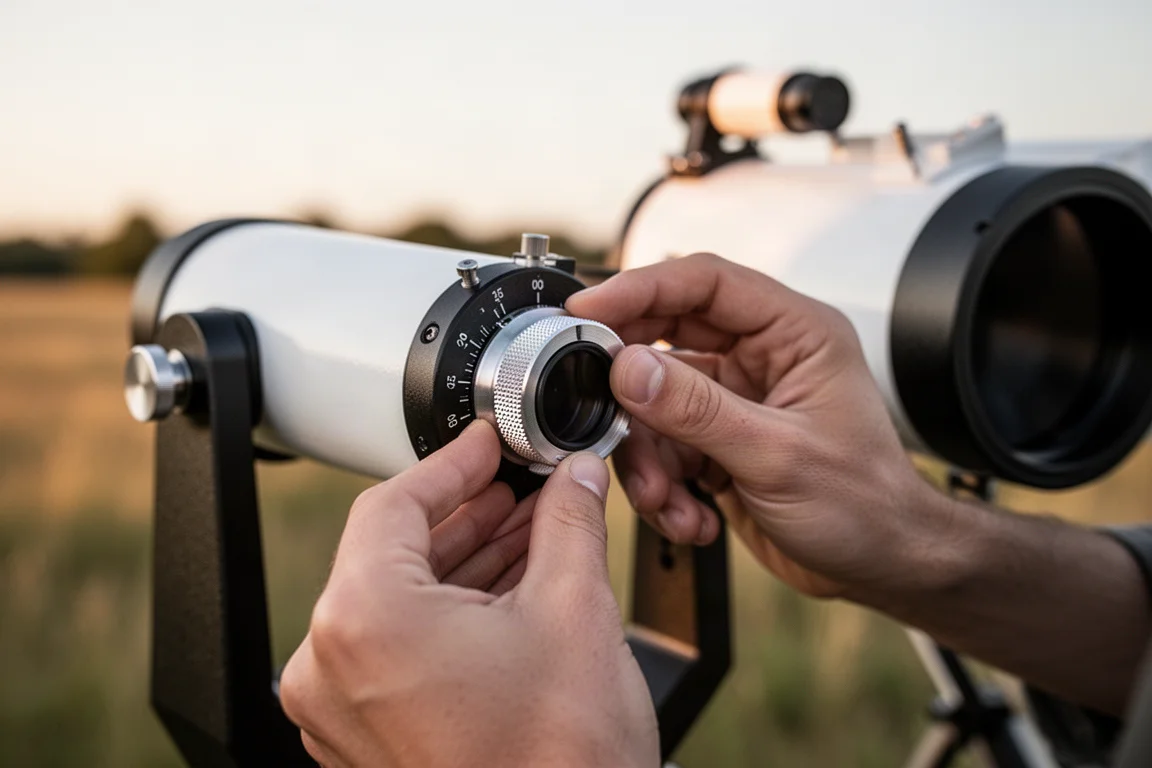
Adjusting for hydrogen alpha is handled by a tilt tuner at the front of the scope. Tilt tuners work well when placed near the objective, and this placement keeps the design simple and affordable. The helical focuser works, but there is not a tremendous amount of native focus travel. The solution is a locking screw at the back that lets the focuser tube slide out for a much longer range. In practice, that extension was needed nearly all the way out to reach focus with an eyepiece, then pushed almost all the way back in for a camera.
If you have been used to coarse and fine focus on other telescopes, a helical focuser takes some patience to nail down exact focus. It is a cost-saving compromise, and it is the main ergonomic difference between this scope and pricier rack and pinion systems.
How It Performs on the Sun
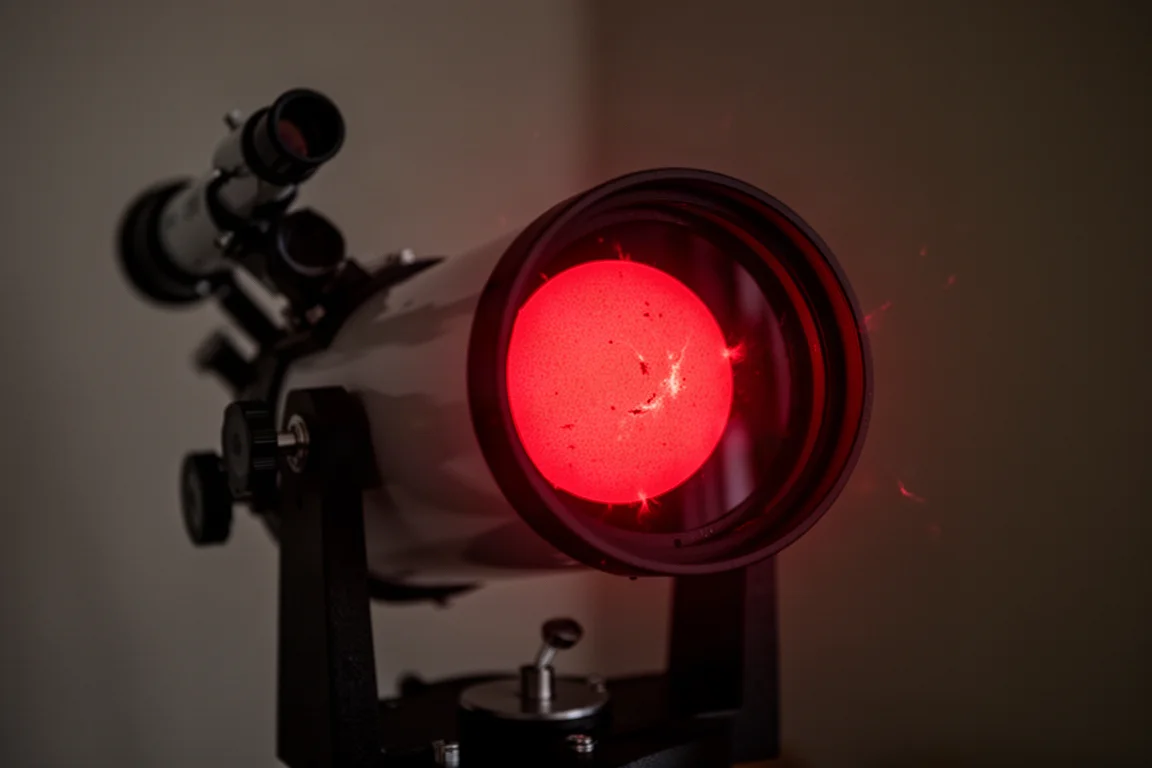
Once centered, dialed in, and focused, the reaction to this little scope is simple: it punches well above its weight. Moderate expectations were clearly exceeded. Using a Tele Vue 18.2mm Delite eyepiece, the view filled most of the field with a pleasing full disc, and the visual view closely matched the photographic results.
The image shows numerous prominences along the limb, sunspots, filaments, and other active detail. Image brightness is very uniform across the disc, which is not something you always see when viewing the sun. Lunt sells optional eyepieces and a zoom eyepiece for this scope if you want a ready-made visual kit.
How It Compares to the Alternatives
For anyone looking at entry-level hydrogen alpha scopes, the main competitors are the Coronado PST, which is also a 40mm F10, and the Daystar Quark Chromosphere, which is a filter rather than a complete telescope. In direct comparison, the Lunt 40mm is the superior instrument of the two 40mm options and provides a much more pleasing image.
The Quark costs roughly 50% more and requires a separate telescope, a sun finder, and an ERF filter you must apply yourself. Some Quarks produce incredible images when paired with the right telescope, but user reports suggest quality can be inconsistent, with outstanding performers alongside occasional duds. If you already own a small refractor, a Quark is worth considering, but check community feedback carefully before buying.
40mm vs 100mm: Where the Money Goes
The Lunt 100mm Universal Double Stack hydrogen alpha telescope costs many times the price of the 40mm, and it is worth understanding exactly what that extra money buys. First, the 100mm has a much larger aperture and is a truly universal instrument: it handles hydrogen alpha solar viewing, white light solar viewing, planetary work, and nighttime use on stars, galaxies, and nebulae. The 40mm is dedicated solely to hydrogen alpha.
Second, the 100mm is a double stack design, which delivers far higher surface detail than a single stack system like the 40mm. Third, it uses a rack and pinion focuser with coarse and fine focus, a much more refined focusing experience.
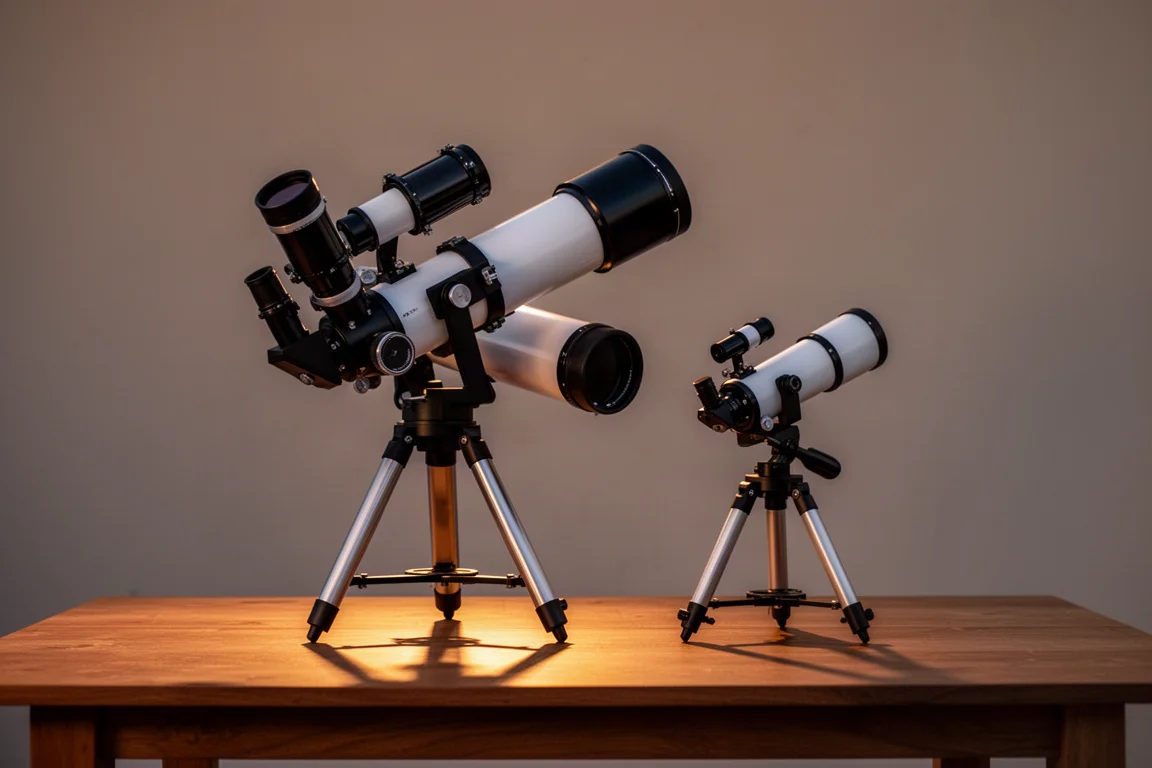
A casual glance at the full disc view suggests the little Lunt hangs in there surprisingly well against the 100mm. But the discerning eye quickly notices the difference: the 100mm shows much more surface detail and higher resolution, more prominences visible along the limb, and those prominences rendered in more detail. With a 2.5x barlow in the system, the gap widens further. Zooming in on a sunspot region really highlights the superiority of the larger aperture instrument.
Buying Advice
The Lunt 40mm F10 is the best budget-friendly way to experience hydrogen alpha solar viewing, and it is genuinely impressive for its size and price. Choose it if you want a dedicated, ready-to-use solar scope without a large investment. Choose the 100mm double stack if you want maximum surface detail, a more refined focuser, and a telescope that also covers white light solar, planetary, and deep-sky observing. If your interest is strictly hydrogen alpha and budget matters, the 40mm is the clear value pick.
Conclusion
There is nothing quite like viewing the sun in hydrogen alpha, and the Lunt 40mm F10 makes that experience accessible without feeling like a compromised toy. It is light, well built, easy to aim, and delivers a uniform, detailed view that belies its entry-level position. The 100mm double stack remains the instrument for observers who want the full picture, but as a first step into solar observing, the little Lunt is an easy recommendation.
Product link
View more details for Lunt 40mm F10 Hydrogen Alpha Solar Telescope
This product is mentioned in the review. Check the specifications, options, and compatibility before buying.
View more details for Lunt 40mm F10 Hydrogen Alpha Solar TelescopeFurther reading
Related Reviews

Telescopes
Sightron SJ75 UF and Sky-Watcher HS125: Two Telescopes Worth Watching
A look at two notable telescopes from a recent camera and optics expo: a sharp new astrograph from Sightron Japan and a compact fast reflector from Sky-Watcher.

Telescopes
SV503 102ED Review: A Budget 102mm Refractor That Surprises
The SV503 102ED is an affordable 102mm doublet refractor that delivers surprisingly decent star shapes and a smooth focuser, despite some chromatic aberration and light falloff.

Telescopes
SVBony MK127 Review: A Compact Maksutov-Cassegrain That Surprises
The SVBony MK127 is a 127mm Maksutov-Cassegrain telescope with a unique 0.65x reducer, making it a versatile option for visual astronomy and even some deep-sky imaging.