Telescopes
Lunt 100MT Universal Telescope Review: One Scope for Hydrogen Alpha, White Light, and Night Sky
A hands-on look at the Lunt 100MT Universal, a triple-role telescope that works as a hydrogen Alpha solar scope, a broadband solar scope, and a nighttime instrument.
Introduction
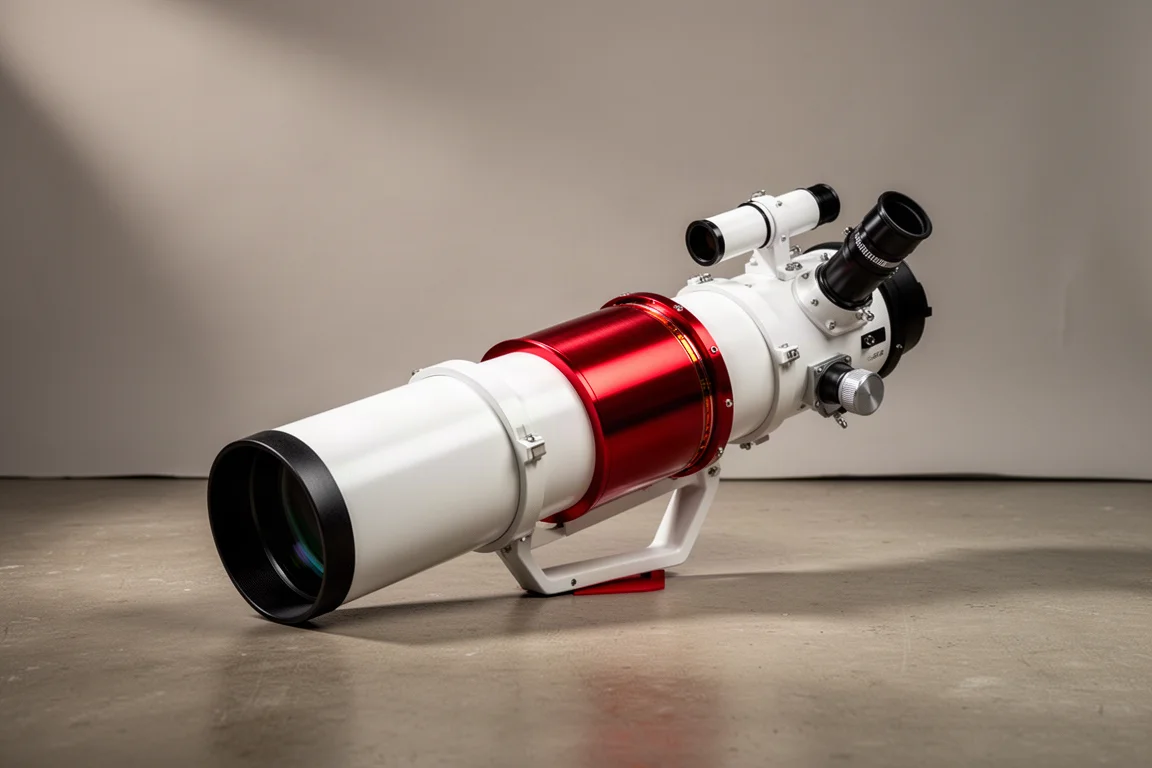
The Lunt 100MT Universal is a telescope built to do three jobs: hydrogen Alpha solar observing, broadband solar observing, and nighttime viewing. That combination is rare in one instrument, and it is the main reason this scope attracts attention from observers who want a single high-quality tube rather than a shelf of specialized hardware.
Full disclosure: this scope and its accessories were purchased personally for this review, with no compensation from Lunt. The goal here is a practical, hands-on assessment of what the package includes, how it performs, and who it actually makes sense for.
What Is the Lunt 100MT Universal?
The 100MT Universal functions as a hydrogen Alpha solar scope, a broadband solar scope, and a nighttime scope. One important clarification before going further: a dedicated hydrogen Alpha telescope like the Lunt is completely different from adding a hydrogen Alpha filter to a normal telescope for astrophotography purposes. Never try to look at the sun with a simple HA eyepiece or camera filter, as blindness could be the result. Solar observing is only safe with a proper solar telescope or a dedicated solar filter.
What’s in the Package
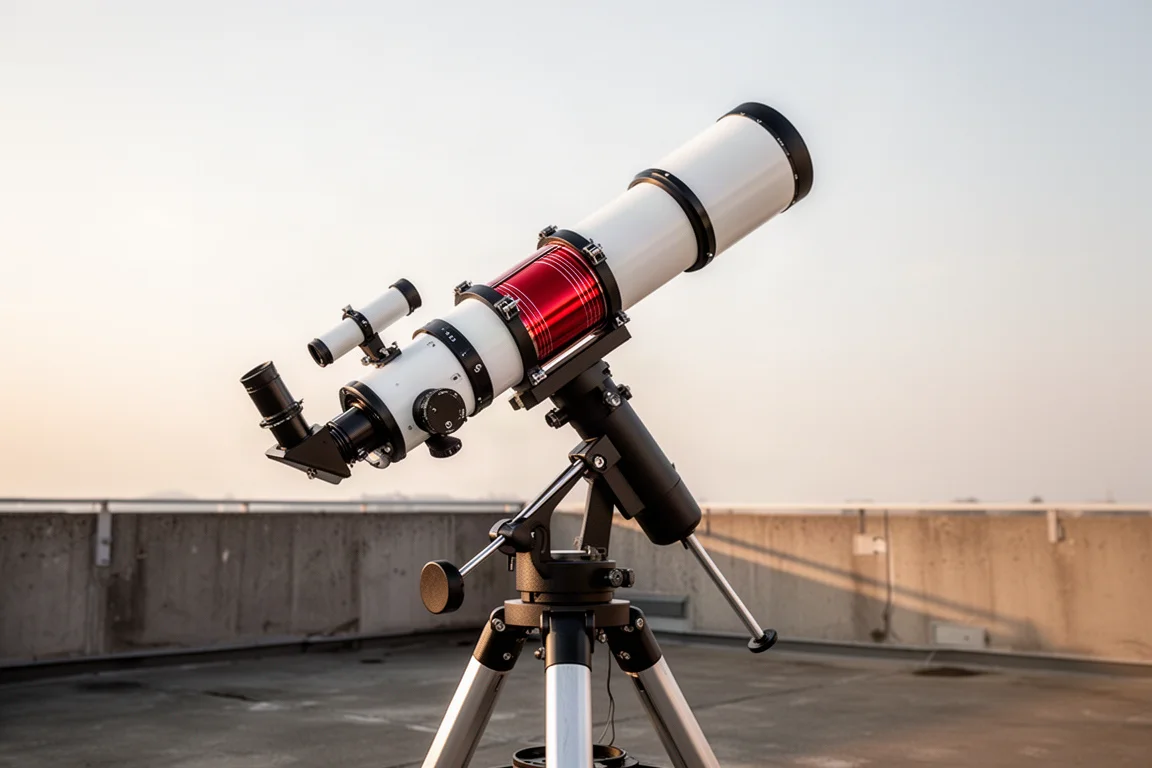
The package reviewed here included the optical tube assembly, two hydrogen Alpha etalons so the scope can be double stacked, a B1200 blocking filter, a focuser for the night sky, a handle with an integrated solar finder, and a hard case.
The blocking filter is an essential element for viewing hydrogen Alpha wavelengths. It eliminates harmonic wavelengths from the etalons so you only see the wavelength of 656.28 nanometers, and it also removes any residual UV and IR light. The correct blocking filter size depends on the telescope aperture, and in this configuration the B1200 is best suited to visual observing with this aperture.
Build Quality and Design
The optical tube assembly is solid and well made, with excellent fit and finish. The red anodized coating on the main etalon chamber and handle is a nice touch, and the solar finder integrated into the handle works neatly as part of the tube design.
The focuser is very smooth. One caveat on the sample reviewed here: the fine focus is not as good as the Feather Touch focuser found on other premium refractors. It travels part way before it actually catches and starts to turn the focuser, which is worth knowing if fine-focus feel matters to you.
Single Stack vs Double Stack Views
To show the difference between single stack and double stack configurations, images were captured of the full solar disc and a close-up using a 2.5x Tele Vue Powermate. The double stack view shows more contrast and a more three-dimensional effect, with more detail on the surface, in the filaments, and in the prominences. That said, both versions do show all the same features.

For visual observers, single stack is often bright and pleasing. For anyone chasing maximum surface contrast, double stacking is where the 100MT shows its full potential.
Accessories Worth Considering
A few extras were added beyond the standard package. A Daystar flat panel is unnecessary for visual use, but it is important for getting the best results when imaging. Lunt does not make one, so it came from another supplier.
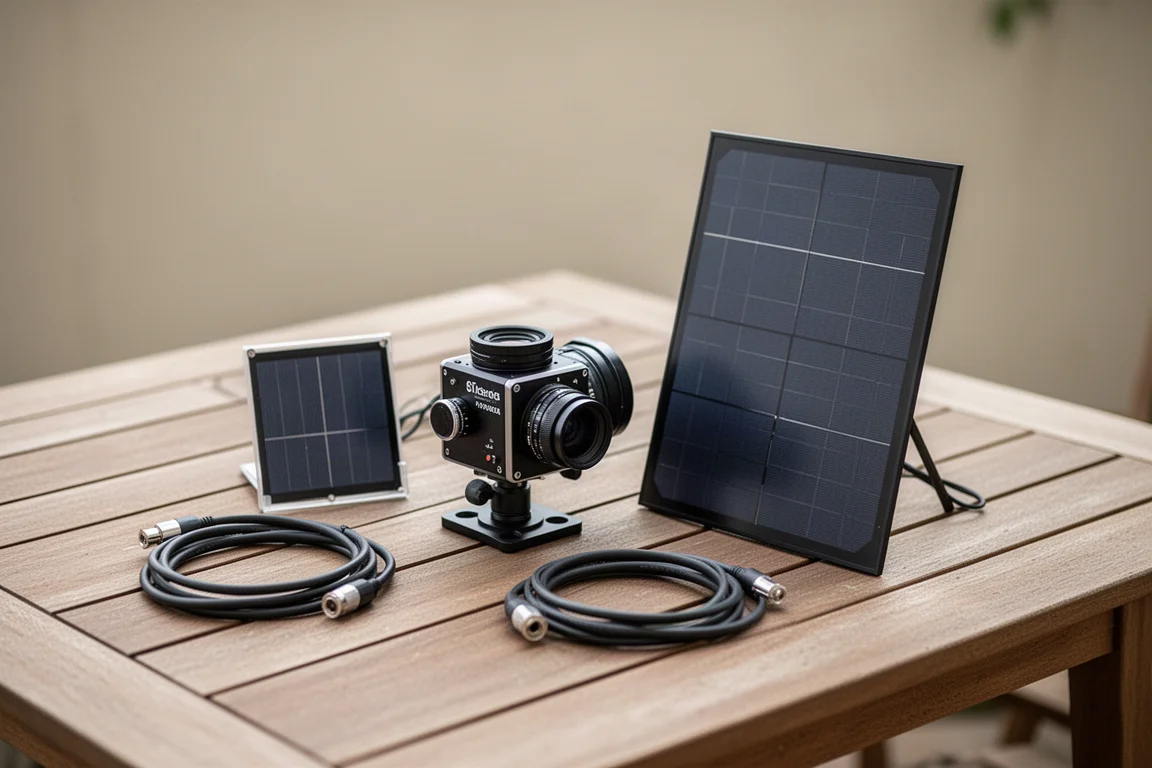
A Herschel wedge was added for white light solar observing, which is what turns the 100MT into a broadband solar scope. A tilt ring adapter for the B1200 blocking filter is only used with high-magnification double stack imaging, where it helps mitigate the effect of Newton rings. A sun shade for the camera or observer keeps you in the shade and reduces heat noise on your camera when imaging.
Using It as a Nighttime Scope
Although this unit is used strictly for solar work, since the owner already has larger APO refractors, it was tested as a night scope and found to perform very well. The dedicated nighttime focuser in the package supports that role, and it means the same tube that tracks sunspots by day can serve under the stars at night.
Things to Consider Before Buying
This is a significant investment, and the scope earns its price through quality, ruggedness, and versatility rather than through being a bargain. Think about which roles you will actually use: solar-only observers may not need the nighttime focuser, while imagers should budget for a flat panel. Also weigh the fine-focus quirk described above against the otherwise excellent build quality.
Buying Advice
If your priority is serious hydrogen Alpha solar observing with the option of double stacking, plus the flexibility of white light solar and nighttime use, the Lunt 100MT Universal is a strong, high-quality choice. If you only want casual solar glimpses or occasional stargazing, a less specialized instrument will serve you better.
Conclusion
The Lunt 100MT Universal is a very high-quality, rugged, and versatile instrument. Its double stack capability, solid build, and genuine three-mode flexibility make it a rewarding purchase for dedicated observers, provided the significant investment matches how often you will use it.
Product link
View more details for Lunt 100MT Universal Telescope
This product is mentioned in the review. Check the specifications, options, and compatibility before buying.
View more details for Lunt 100MT Universal TelescopeFurther reading
Related Reviews

Telescopes
Sightron SJ75 UF and Sky-Watcher HS125: Two Telescopes Worth Watching
A look at two notable telescopes from a recent camera and optics expo: a sharp new astrograph from Sightron Japan and a compact fast reflector from Sky-Watcher.

Telescopes
SV503 102ED Review: A Budget 102mm Refractor That Surprises
The SV503 102ED is an affordable 102mm doublet refractor that delivers surprisingly decent star shapes and a smooth focuser, despite some chromatic aberration and light falloff.

Telescopes
SVBony MK127 Review: A Compact Maksutov-Cassegrain That Surprises
The SVBony MK127 is a 127mm Maksutov-Cassegrain telescope with a unique 0.65x reducer, making it a versatile option for visual astronomy and even some deep-sky imaging.