Hand Tools
Best Low-Profile Ratcheting Bit Drivers: Five Compact Tools Compared
Five offset ratcheting bit drivers, from Vessel and Klein to the Engineer DR-55, compared on tooth count, bit storage, spinner design, and real-world usability.
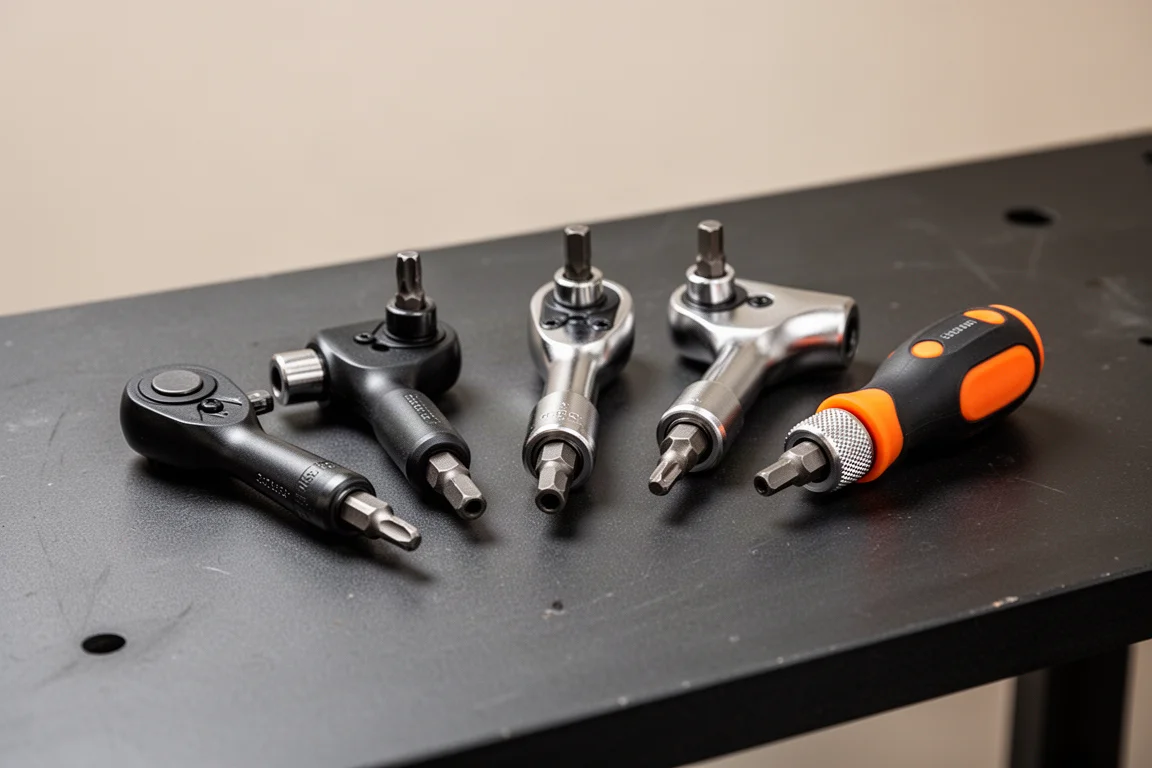
Introduction
Low-profile ratcheting bit drivers occupy a curious corner of the tool world. They are primitive in concept, yet the designs have evolved in wildly different directions, and no single one gets everything right. This roundup looks at five of them: the Vessel TD-76, the Klein 65200, the Engineer DR-55 mini offset ratchet, the Chapman CM13, and the Blue Point RBZ 810. Each has a clear personality, and a couple of them are genuinely useful if the right situation shows up.
Vessel TD-76
The Vessel TD-76 is made in Taiwan and shares a similar layout with the Klein. Its strongest plus is built-in bit storage, and it ships with tiny, low-profile bits to match its low-profile design. The touch of orange on the housing also makes it easy to find in a crowded drawer.
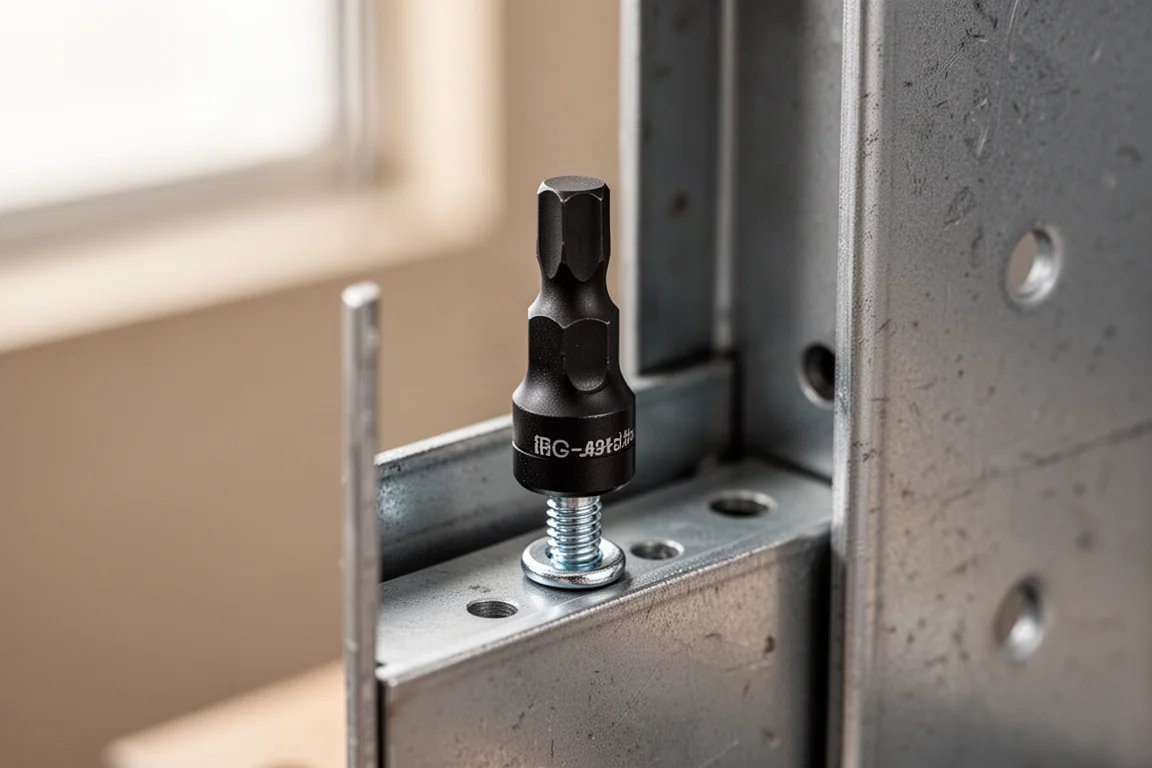
The weak point is the ratchet itself: the tooth count works out to roughly a 16-tooth mechanism, which is not much, and it shows in use. The bigger annoyance is the direction lever. It sits right where your hand naturally chokes up on the tool, and because your grip is asymmetric, it is far too easy to flip the ratchet direction by accident while working. If you can live with that, the bit storage makes it a tidy little kit.
Klein 65200
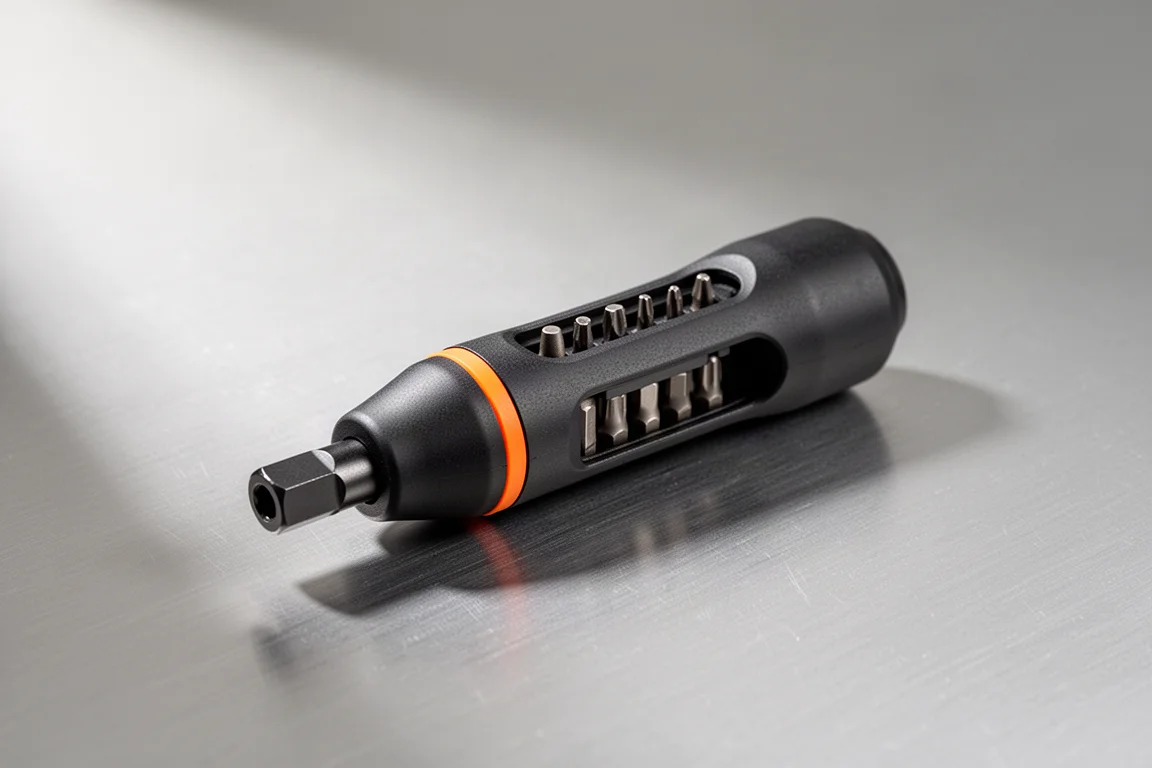
The Klein 65200 is also made in Taiwan, and of the stubby offset designs here, it is the closest to being dialed in. Its ratchet runs around 72 teeth, and the smoothness is immediately noticeable compared with the Vessel.
What really sets the Klein apart is the spinner. It sits on the more useful side of the tool, so once a bit is in, you can use the spinner with real comfort. Because it uses quarter-inch hex, a quarter hex nut driver works in it, and the included 5/16 nut driver has a pass-through design, so you can run it down a long bolt to reach a nut. The direction lever is still occasionally bumped, but far less often than on some competitors. Of the designs compared here, this is the one that makes the strongest case for owning one.
Engineer DR-55 Mini Offset Ratchet
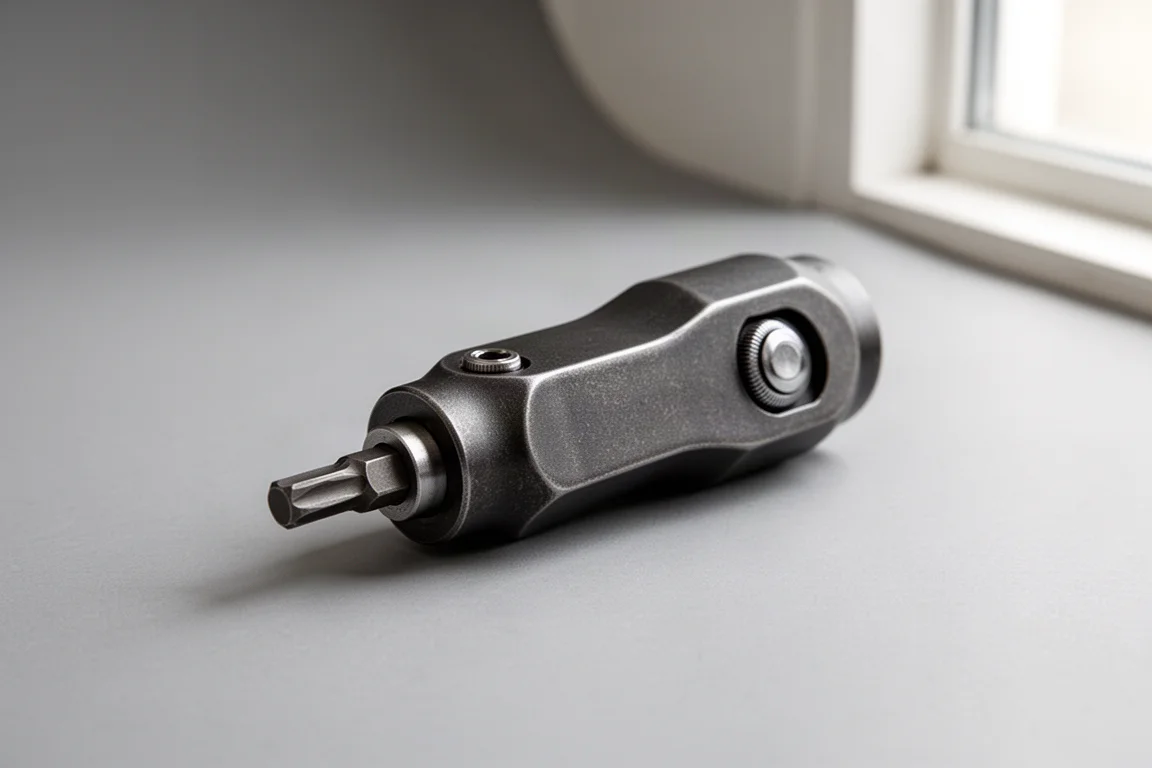
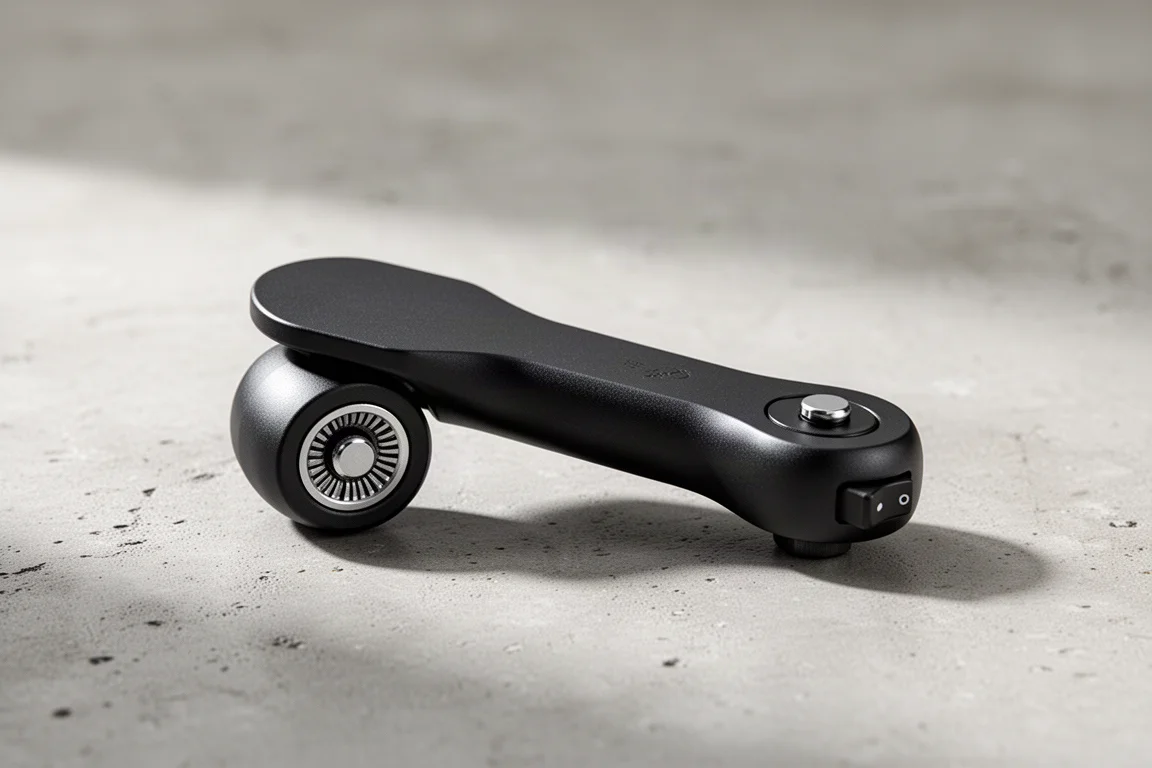
The Engineer DR-55 mini offset ratchet is made in Japan and brings some thoughtful touches. It has an integrated plastic spinning wheel, though it sits on the less useful side of the tool, and the shift lever for direction has been moved down to a spot that mostly stays out of the way.
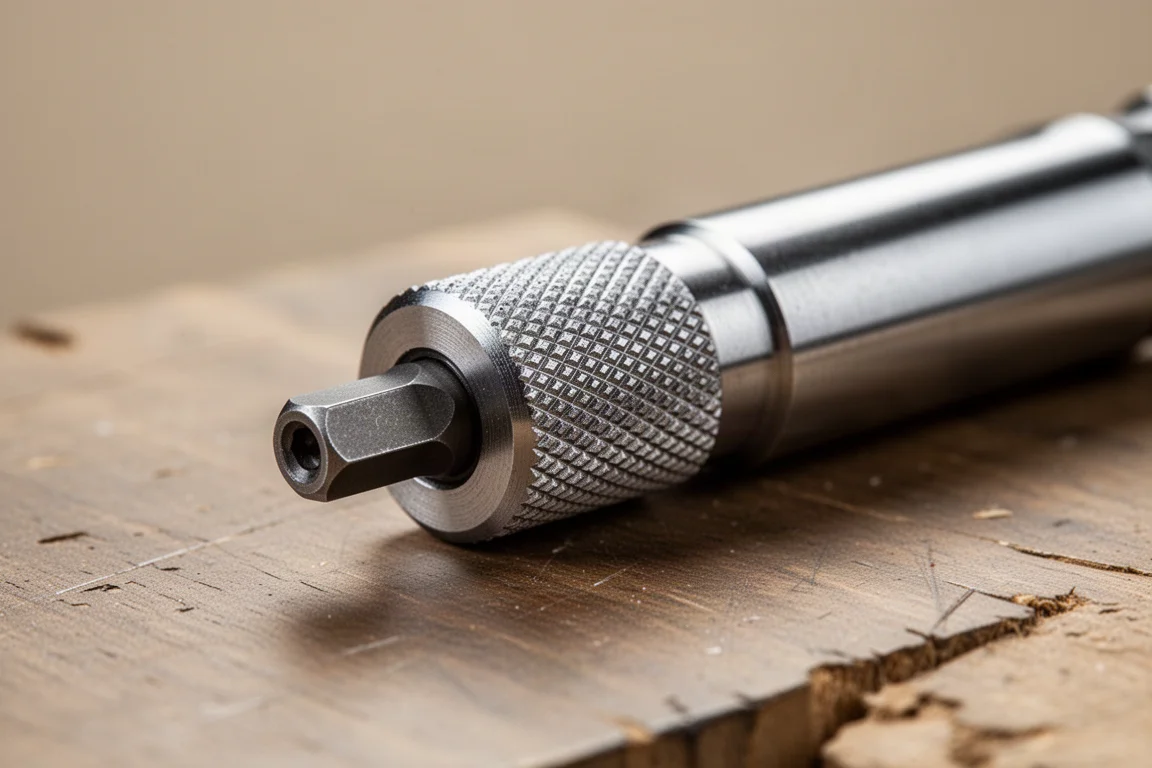
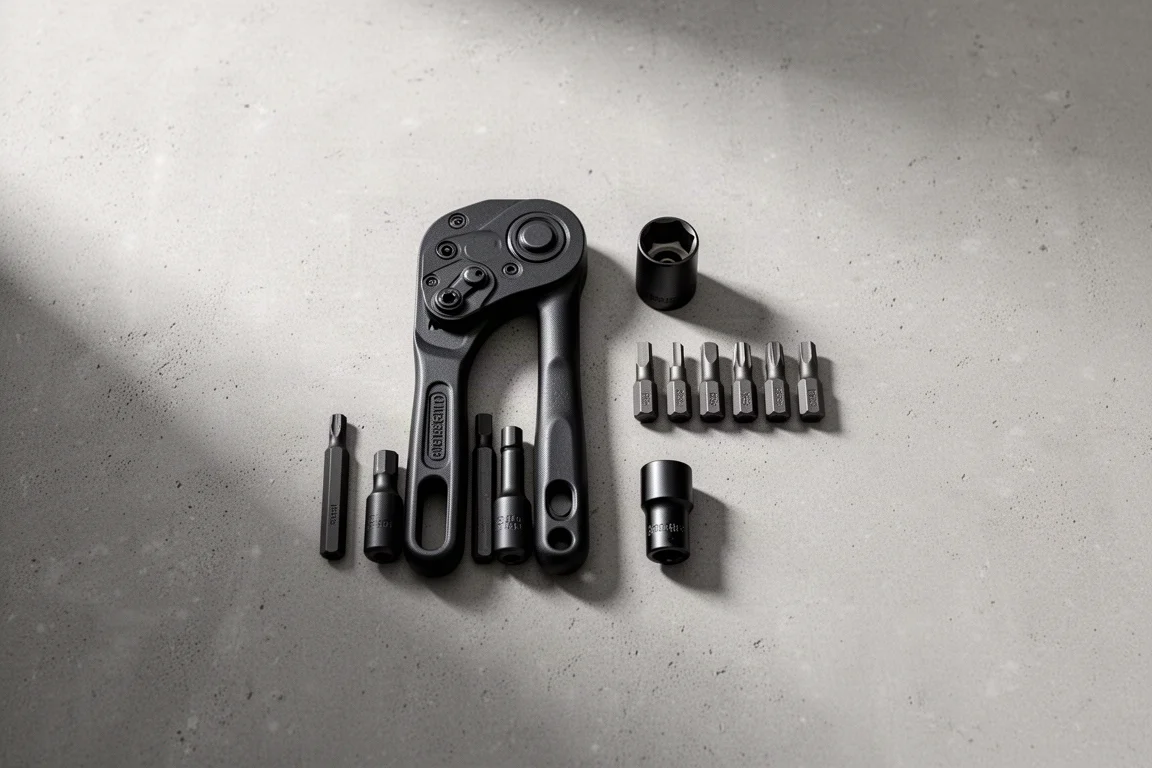
The main letdown is bit handling. There is no bit storage, and the included bit set is all black with bits that vary in width, so getting them to seat requires lining things up just right. The plastic end cap adds resistance that makes insertion awkward, and it pulls off to help, but the system feels fussy. Tooth count is around 20, which is modest. Despite those quirks, it has survived heavy use on stubborn screws without problems, and the lever placement is a genuine improvement in ergonomics.
Chapman CM13
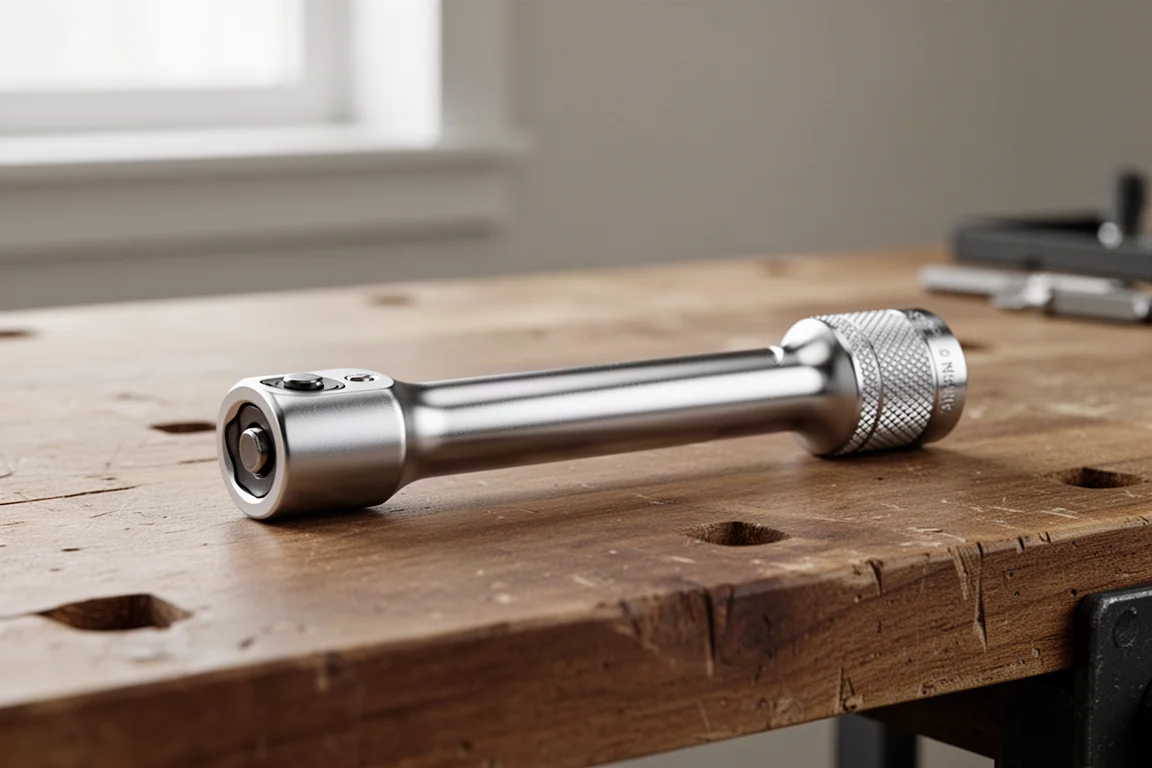
The Chapman CM13 is a stainless steel socket and bit driver with roughly 24 teeth in its ratchet. It has a neat knurled spinning back end that lets you get a fast spin going on a bit, and it works surprisingly well for a design this old school.
The catch is bit retention. Because the design is a straight pass-through, the tool does not actually hold a standard bit: anything without a detent drops straight out, so you need bits with the little ball detent to keep them seated. That limits which bits you can use, but if you have the right ones, the knurled spinner and the stainless construction make it a likeable tool.
Blue Point RBZ 810
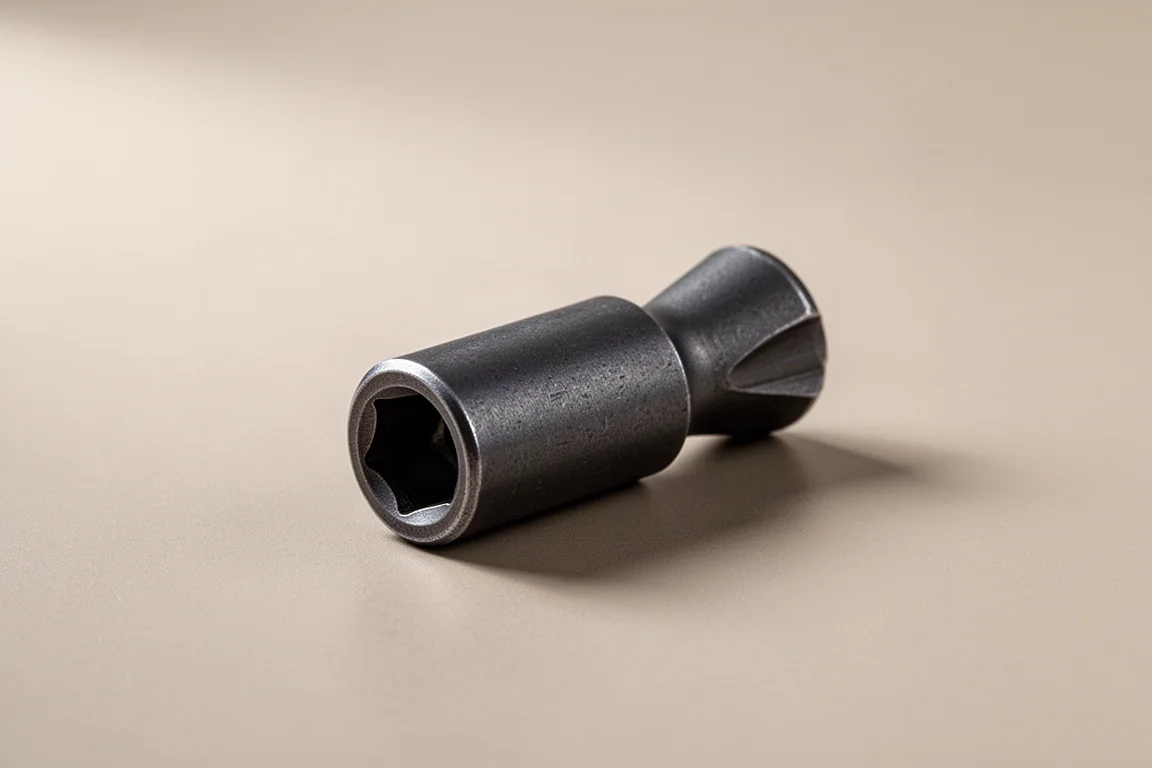
The Blue Point RBZ 810 is a neat little offset driver built to work as both a quarter-inch and 5/16 inch driver, which earns it a permanent spot in an appliance kit. It has no real bit retention, but its conical back end keeps a bolt locked in securely during use, and a 5/16 socket can drop straight through for pass-through work.
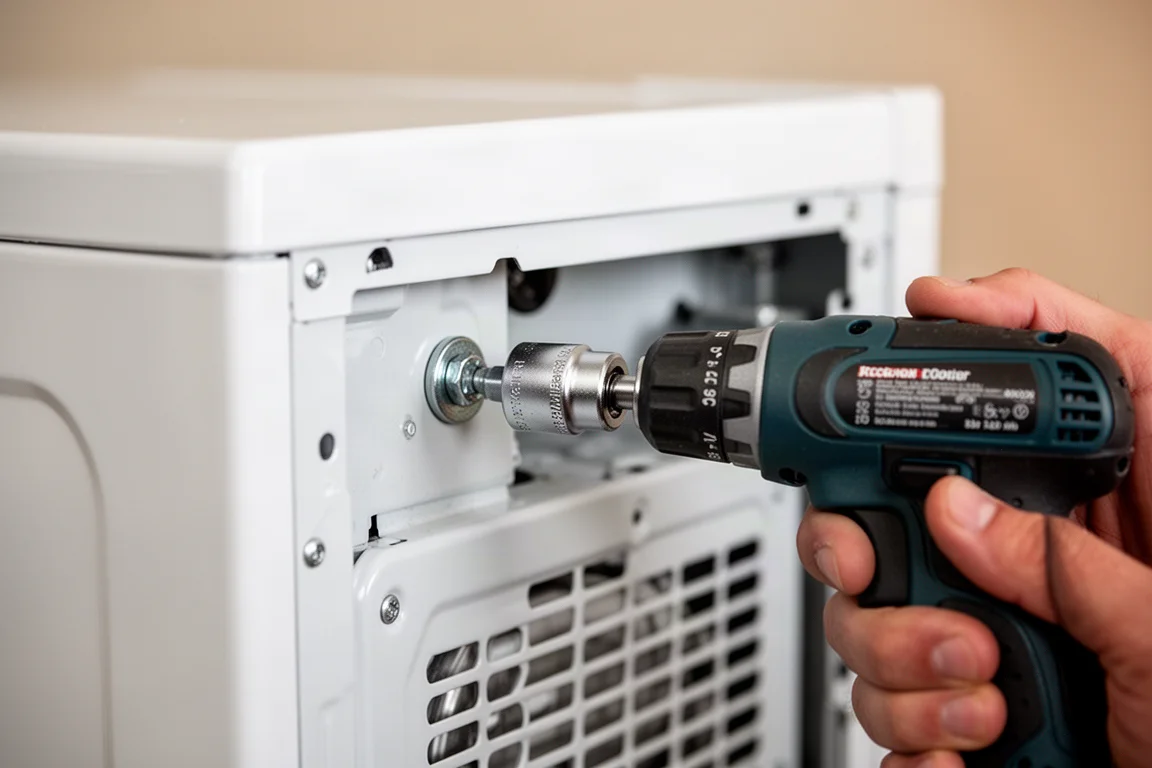
That combination is genuinely handy for appliance repair and other jobs with recessed fasteners, where being able to hold the back end or work the fastener out with just a screwdriver matters. Offset drivers in this style typically get the shift lever out of the way, which helps in tight quarters.
Should You Buy One at All?
The honest answer is that these tools are niche. Low-profile is handy, but not dramatically lower than modern micro ratchets, which offer far more options and are sometimes less expensive. Spending 10 to 15 dollars on one makes sense mainly in two situations.
First, the design is simple and easy to clean, which matters in filthy environments. Second, and more compelling, these are the kind of tool that lives with a specific job: one chained to a trailer hitch with its three-quarter-inch bolts, or kept beside a machine that needs regular adjustment, in the spirit of the wrench tied to the plow with bailing twine. As a general toolbox addition, the category still feels like the wild west, with plenty of evolution left to happen.
Conclusion
Among these five, the Klein 65200 is the standout thanks to its 72-tooth ratchet and well-placed spinner, with the Blue Point RBZ 810 earning a spot for appliance work. The Vessel TD-76 wins on bit storage, the Engineer DR-55 on lever placement and Japanese build, and the Chapman CM13 on its knurled spinner. Match one to a specific task and it will serve you well; as an all-purpose driver, better options exist.
Further reading
Related Reviews
Hand Tools
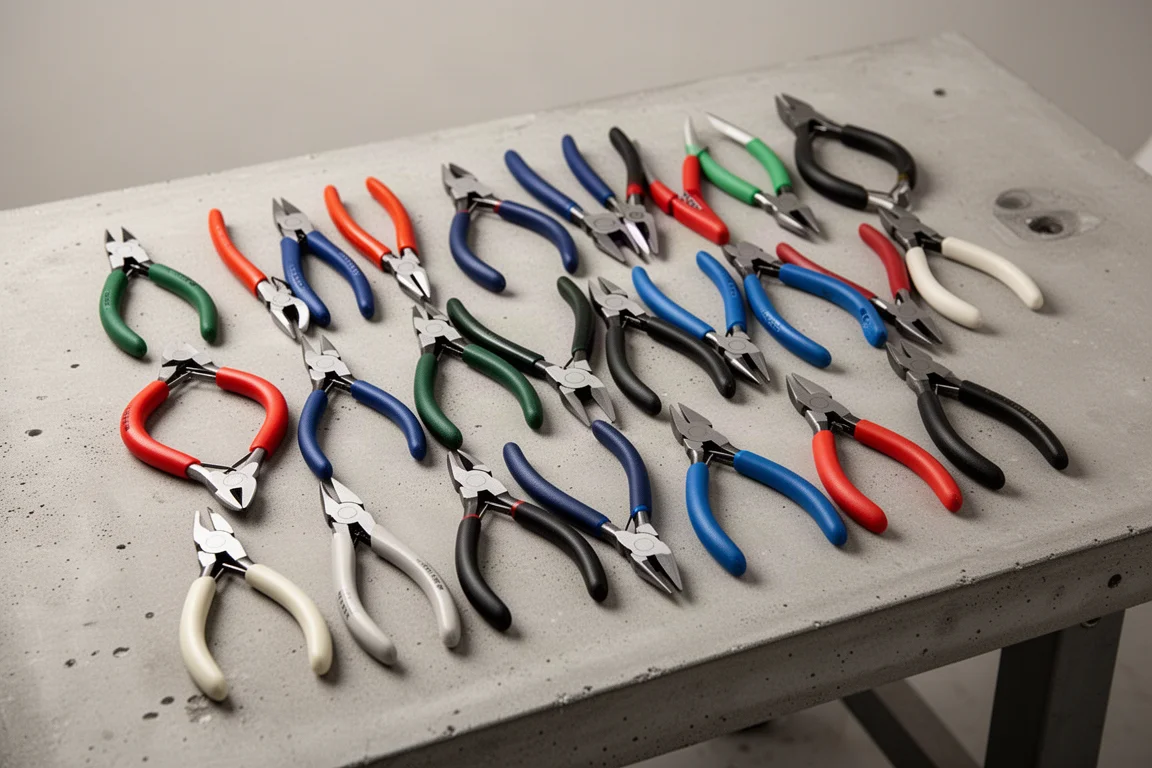
Best Diagonal Cutters 2026: 16 Pliers Tested for Cutting Power and Durability
We put 16 diagonal cutters through nail, screw, drill bit, and hex key tests to find the best value picks for your toolbox.
Hand Tools
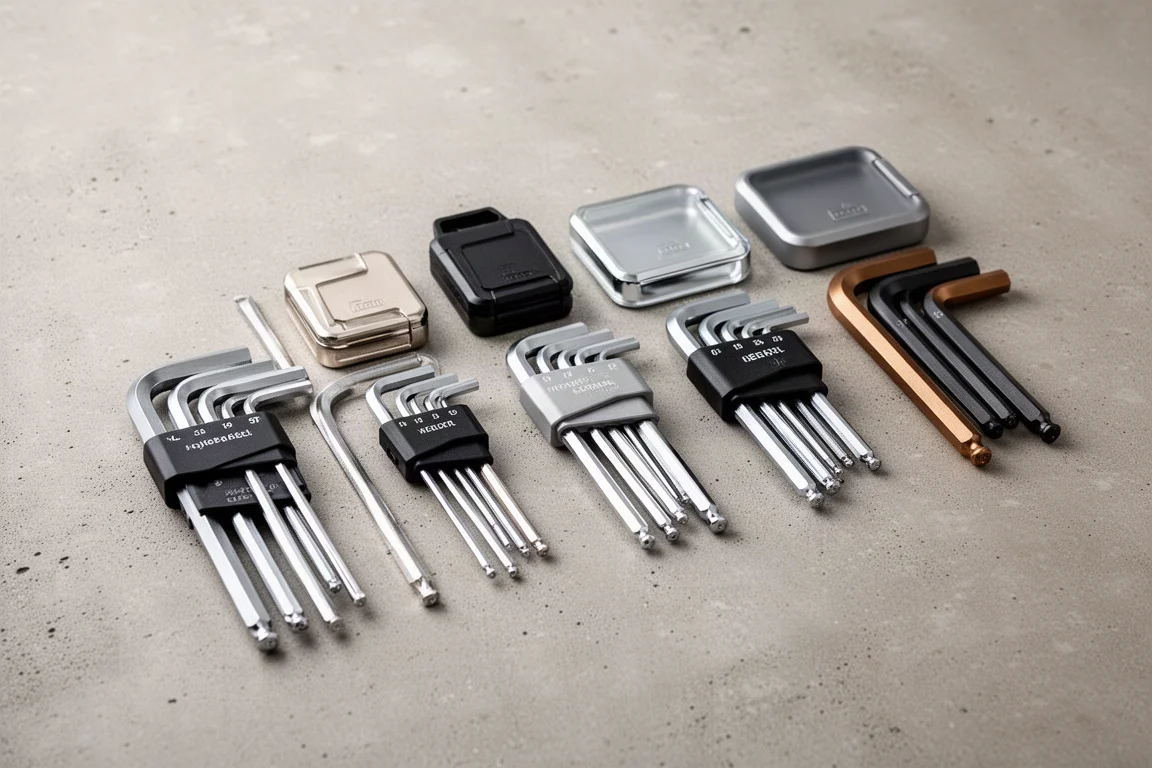
Best Hex L Key Sets 2026: Nine Sets Tested for Real-World Torque
Nine hex L key sets from budget to premium, tested for torque, fit, and durability. See which sets deliver real performance and which ones to skip.
Hand Tools
Best Locking Pliers 2026: Top Picks Tested for Grip and Durability
We tested 18 brands of 10-inch locking pliers for grip strength, jaw bite, build quality, and ease of release to find the best options for tough jobs.