Hiking Gear
Long-Distance Hiking Gear That Worked: 8 Field-Tested Picks
Eight pieces of hiking gear carried over roughly 500 miles, with honest notes on what held up, what wore out, and what to weigh before buying.
Introduction
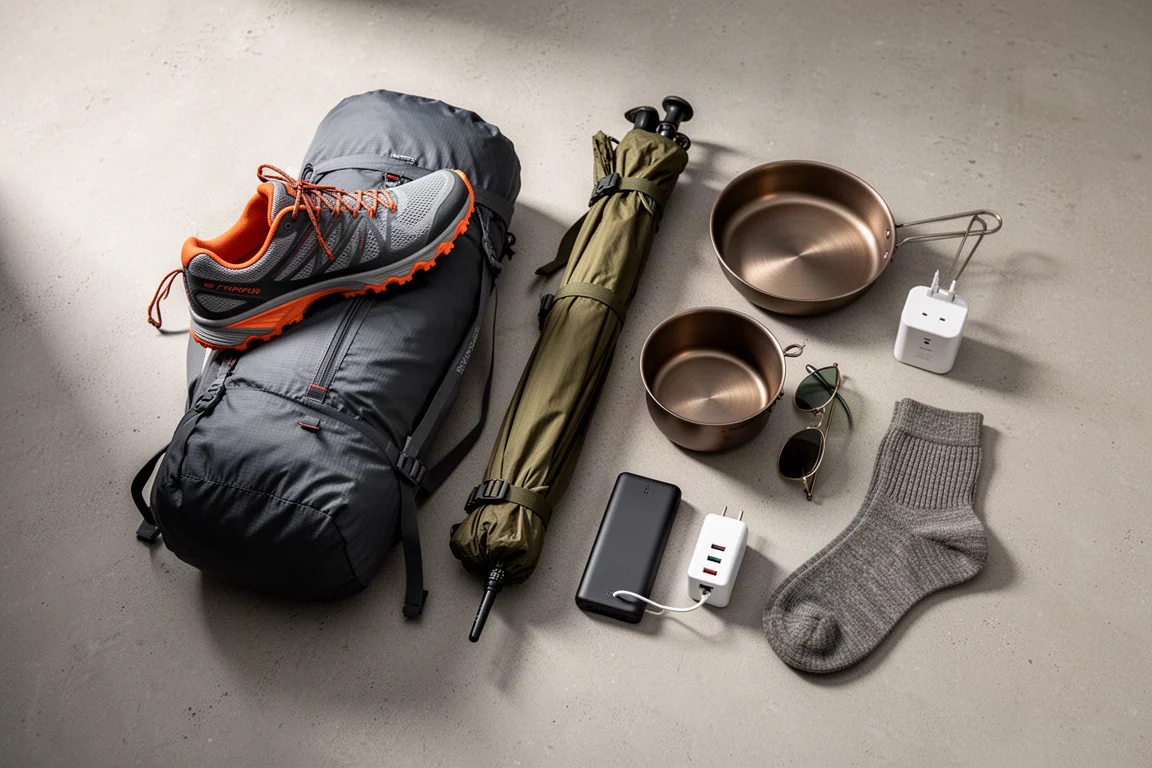
A long trail is an honest test. Over roughly 500 miles and about a month of walking, every item in a pack either proves itself or quietly shows where it falls short. Conditions on this route were mostly dry, with only one or two genuinely wet days, so the gear was tested hardest on weight, durability and daily convenience rather than on constant rain.
The eight items below were carried for the full distance. Some came home in near-perfect condition, some wore faster than expected, and one or two would be handled differently next time. The notes focus on what each item actually did on the ground, so the trade-offs are clear before you commit your own money and pack space.
How This Gear Was Tested
The walk covered roughly 500 miles over about a month, with loads that reached the 12 kg mark. Weather was largely dry with a couple of wet days, which means rain performance was tested but not pushed to its limit. Kit was judged on four things: durability across weeks of daily use, weight carried on the back or in the hand, how each item behaved when conditions turned, and whether it made camp life simpler or more fiddly.
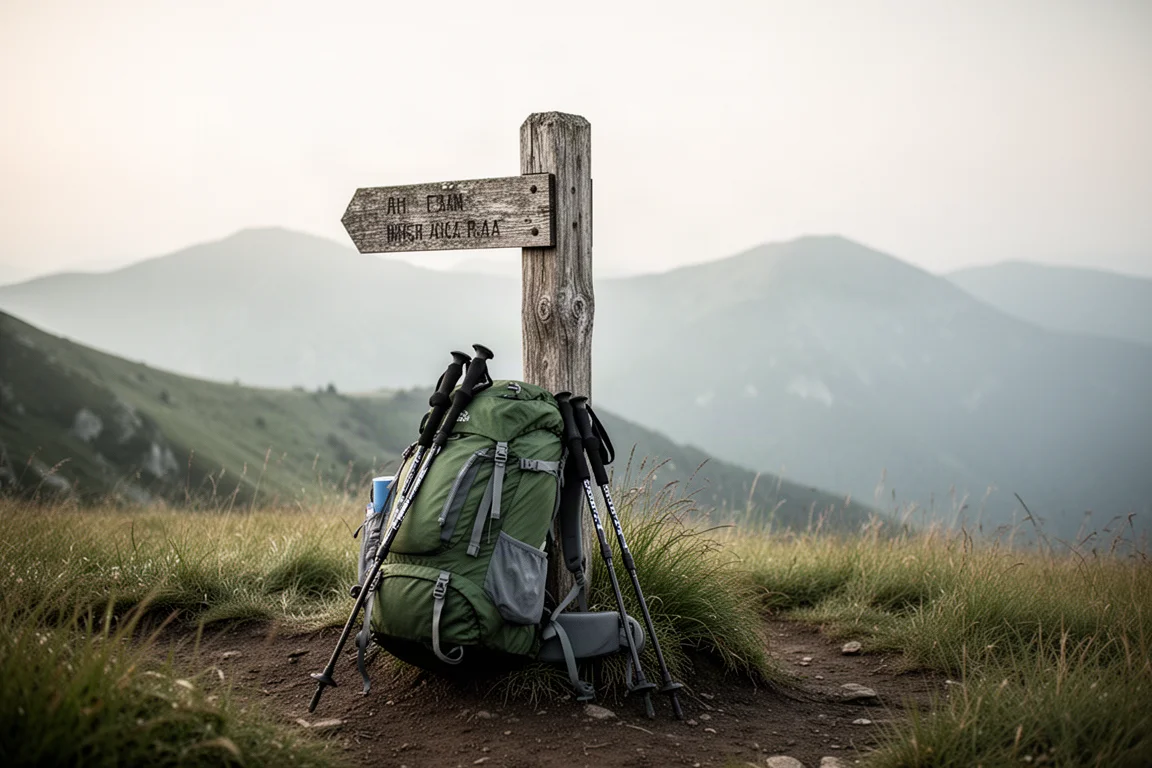
Failures were specific and repeatable rather than vague. Tread wore down, waterproof coatings wore through, electronics charged slowly, and a few budget components snapped under load. That kind of detail is useful, because it points to what to look for rather than what to avoid entirely.
New Balance Fresh Foam Hierro v5: Comfortable, But the Tread Wears Fast
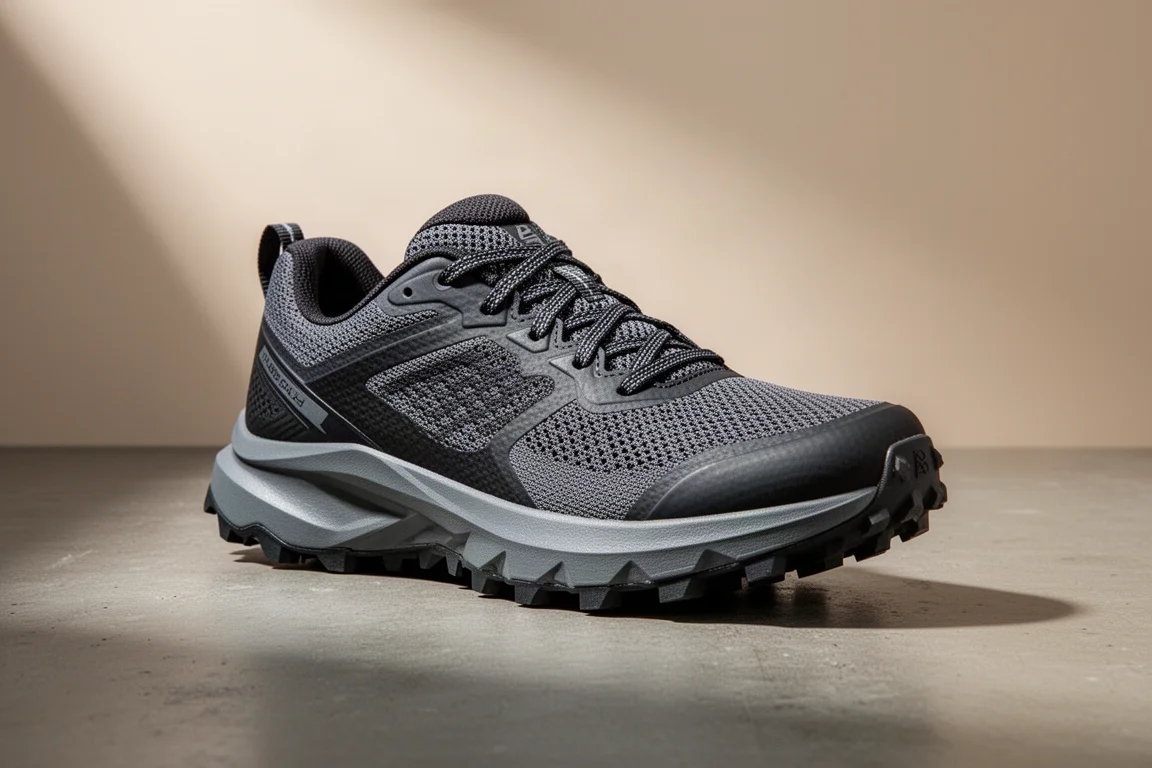
This shoe was chosen over a zero-drop, barefoot-style option. With feet that were not fully adapted to barefoot walking, a 500-mile route felt like the wrong place to make that transition, so the safer choice won. The result was a genuinely comfortable shoe that stayed comfortable for long days on hard ground.
By the end of the trip the tread had lost the vast majority of its material on the ball of the foot, which says as much about walking style as it does about the rubber compound. Away from the outsole, the shoe held up well: the upper and general construction stayed in good condition and it would not be fair to call it a one-trip shoe. It remains usable for running and shorter hikes, it simply runs out of grip on the forefoot.
Liteway Equipment Elementum: A Frameless Pack With a Firm Weight Ceiling
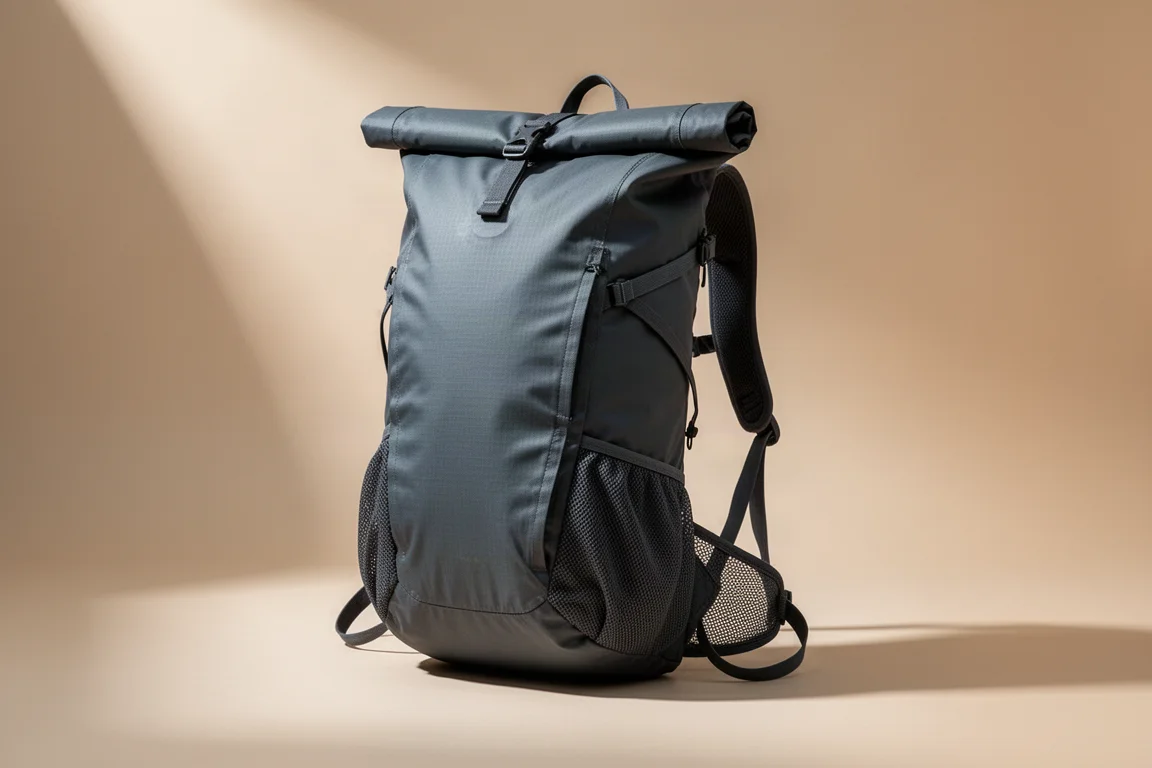
The Elementum is built from high density polyethylene rather than the lighter laminate often assumed for this style of pack, and in practice it behaves like a very large dry bag. The one clear drawback is that the waterproof coating wears off over time, visible both on the inside of the fabric and around the back panel where a foam support sits. That is normal wear, and it is the reason a proper pack liner still matters. The shell should not be treated as fully waterproof on its own.
It is also worth being precise about what this pack is: it is frameless. There is no tensioning strap feeding load into a frame and then into the hips, so the weight sits where you put it. The recommended limit is 12 kg, and going beyond that stresses the pack and, more importantly, your shoulders and upper back. Within that limit the design is excellent: large hip pockets, a very durable fabric that came through barbed wire gates and fences without a single hole, and nothing that needed changing.
Liteway PyraOmm: Light Shelter That Handles Weather
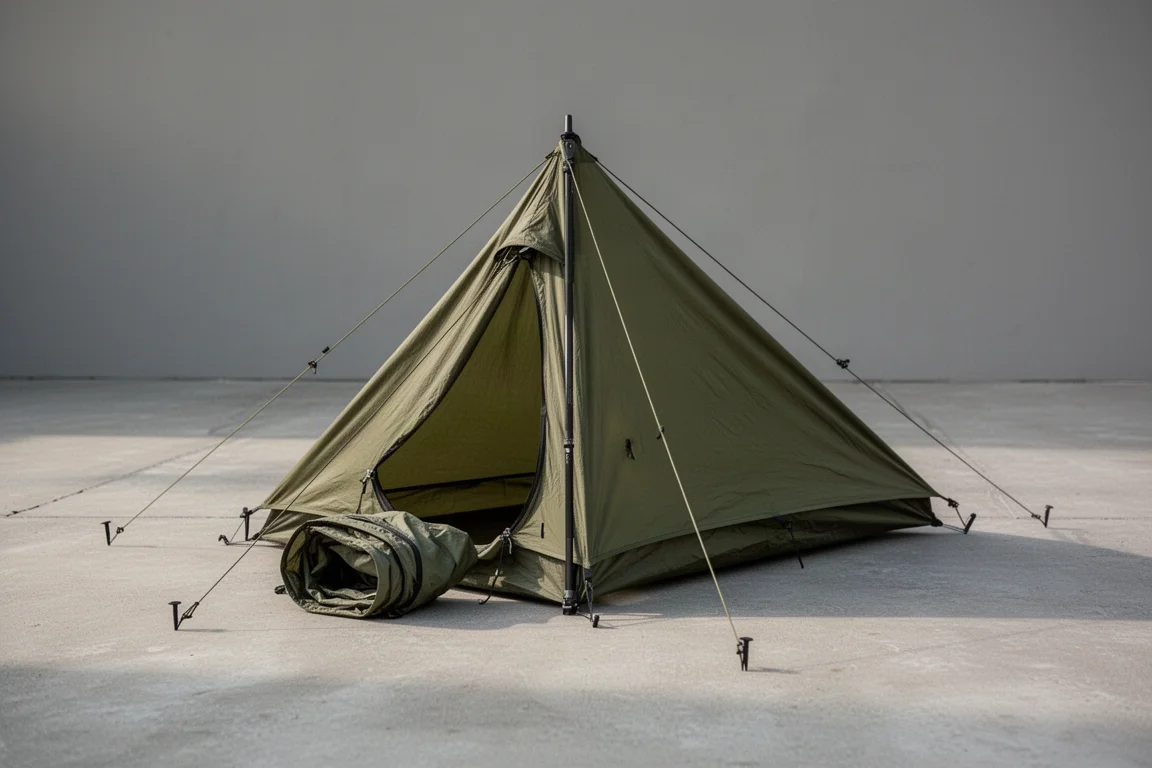
At a claimed 750 g, the PyraOmm is lighter than most tents you are likely to find. Setup and pack down were quick, taking two or three minutes because the pegs stayed attached to the shelter between pitches. The inner floor keeps sleeping kit organised, and the vestibule swallows anything you do not need inside overnight.
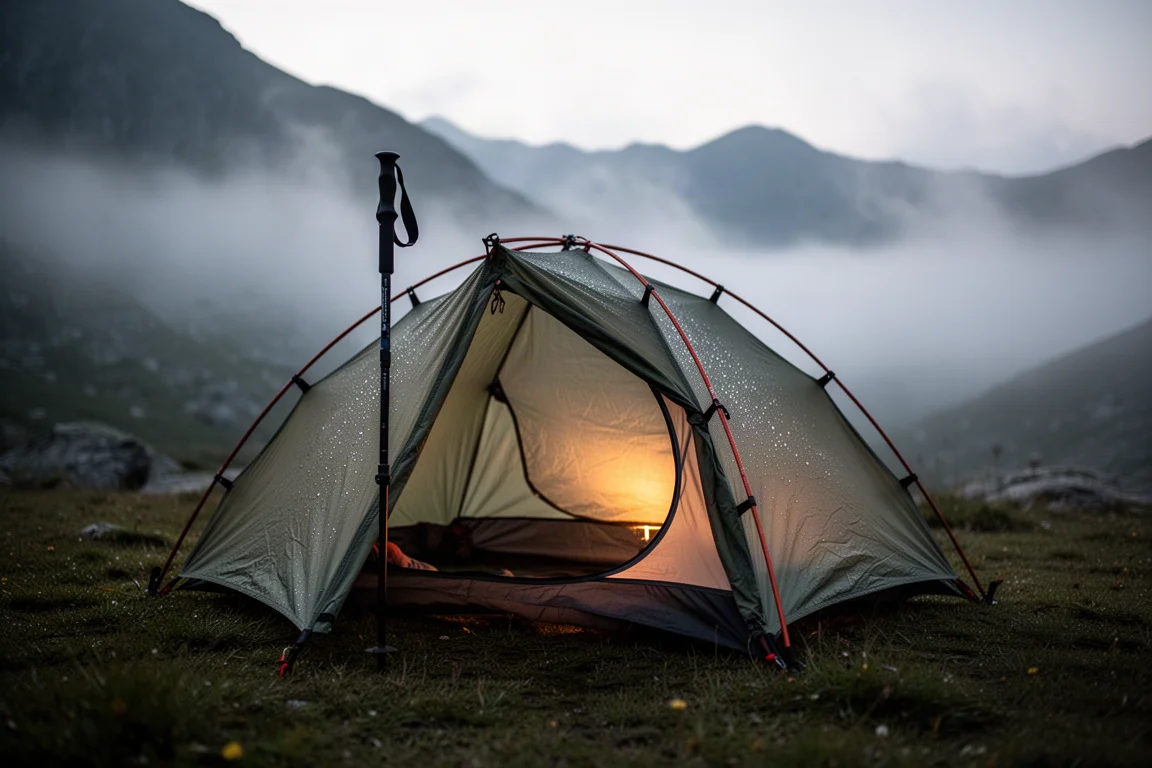
Weather performance was the real surprise. It never leaked, it held up well in rain, and it stood firm in wind, which is more than could be said for some freestanding shelters on the same route. It is more comfortable than a plain tarp thanks to the floor, and it suits anyone already carrying trekking poles who wants the feel of a tent without the extra weight of dedicated poles.
Silverlight Socks: The Standout Piece of Kit
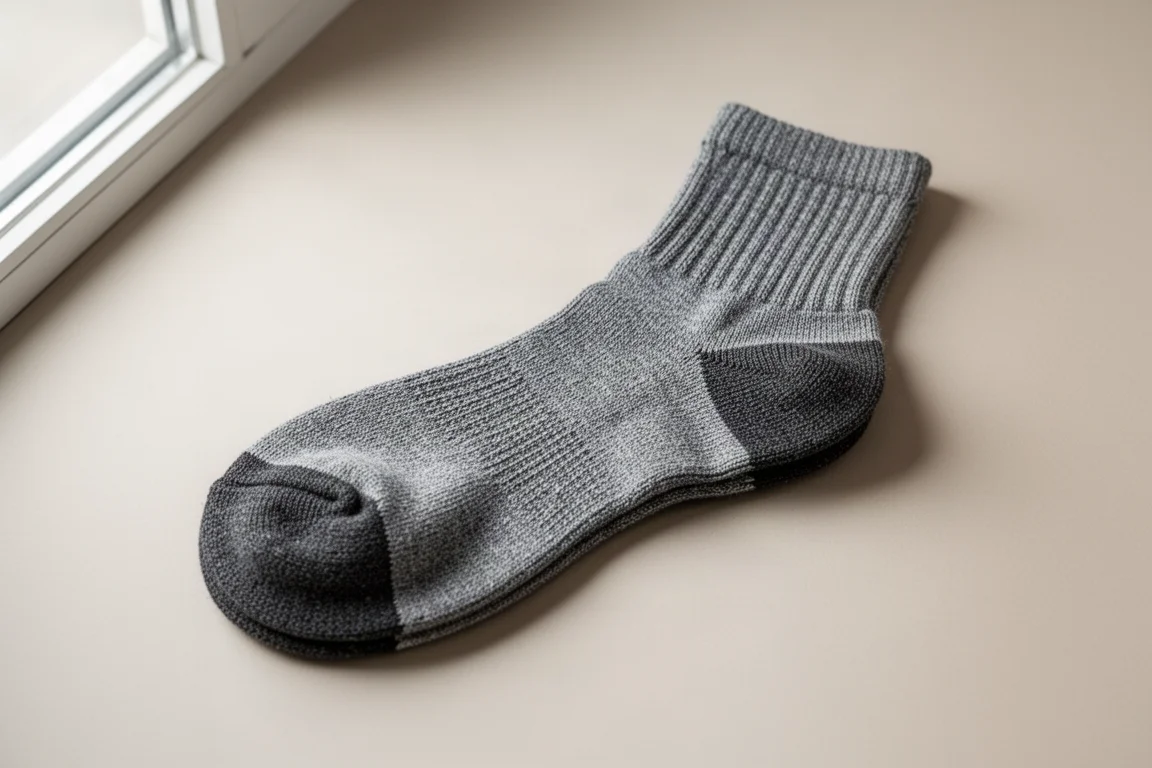
If one item on this list deserves an unqualified recommendation, it is this one. These Australian merino wool socks stay warm when wet, resist blisters, and hold their shape because of the structured lining built into the sock rather than behaving like a loose bag around the foot. They also carry a lifetime guarantee.
The practical lesson is about length rather than brand. Both the long and short versions were packed, and the short version added little. Two pairs of the long version would have been the smarter loadout. As a category, socks are an easy place to overspend on the wrong thing and an equally easy place to get a large daily comfort return.
Lixada 650ml Titanium Pot: Light, But Tight for Fresh Food
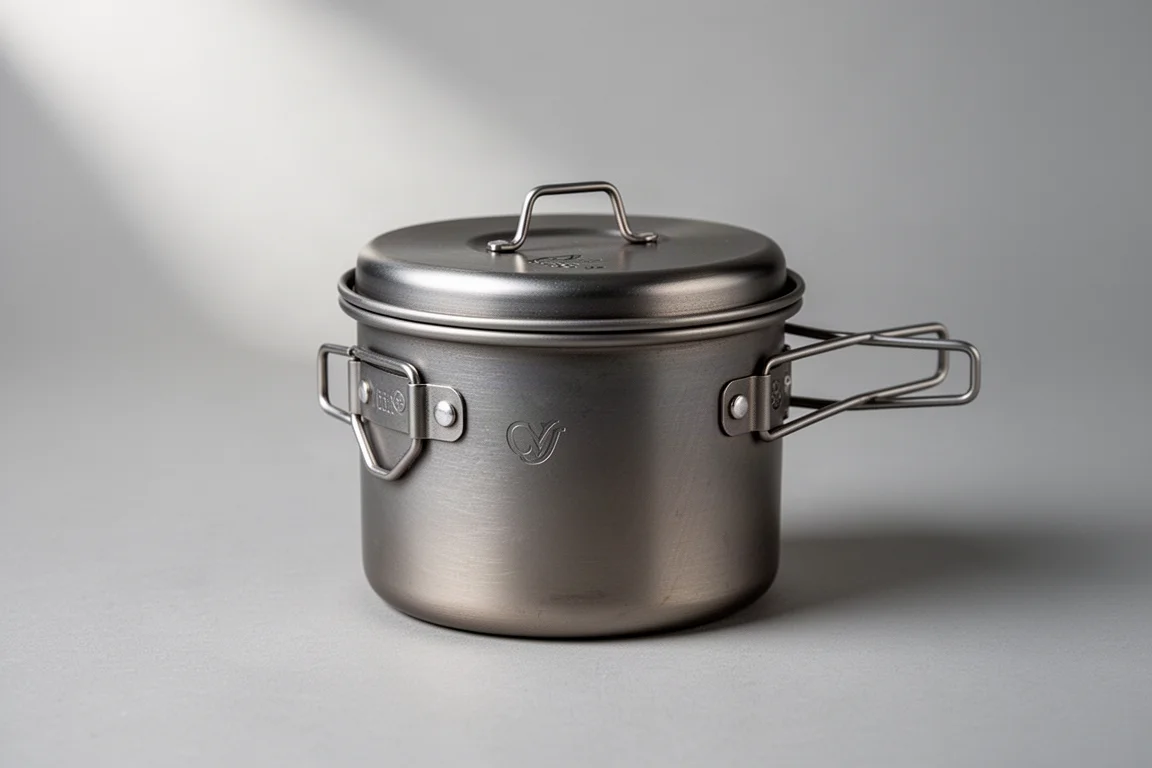
The 650 ml titanium pot is light and did its job for boiling water, but it is small for real cooking. Preparing fresh vegetables in a pot this size is awkward, and cooking alongside hikers with larger pots makes the limitation obvious. A 950 ml pot would be the better long-term choice for anyone who wants to cook rather than rehydrate.
There is a second thing to know about thin titanium: it transfers heat fast and burns food at the base very quickly. Constant stirring is not optional. Treated that way, it is a reliable and very light piece of camp kitchen kit.
RAVPower 26800mAh Power Bank: Big Number, Disappointing Real-World Output
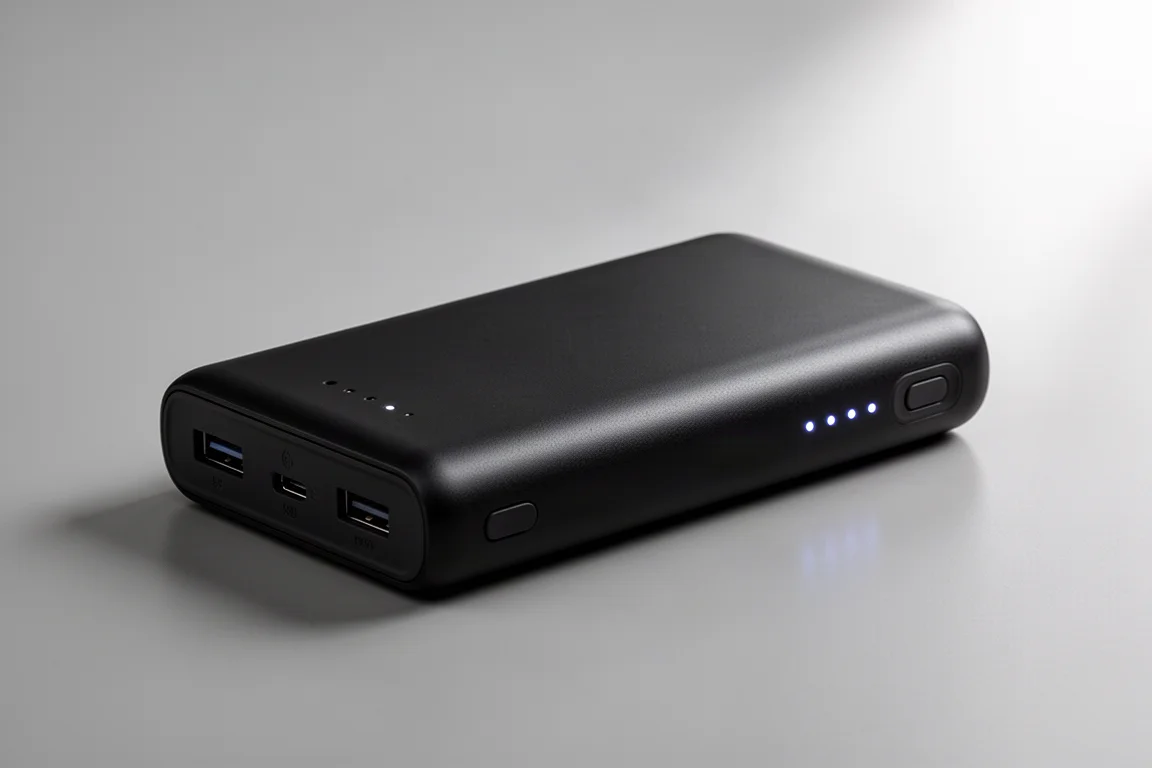
Capacity figures on paper and capacity in a pack are two different things. This power bank recharged slowly, sometimes sitting on a wall outlet overnight and showing only two of four indicator lights by morning. Once full, it drained quickly. Charging a phone once would typically cost one light, and the realistic yield was around three charges, four at a push, from a stated 26,800 mAh.
The port layout also caused daily friction. With both a standard USB port and a Type-C port available, it was never obvious which one to use for the fastest result. For multi-day trips where every gram has to justify itself, this is the kind of item worth reconsidering in favour of something with a clearer charging behaviour.
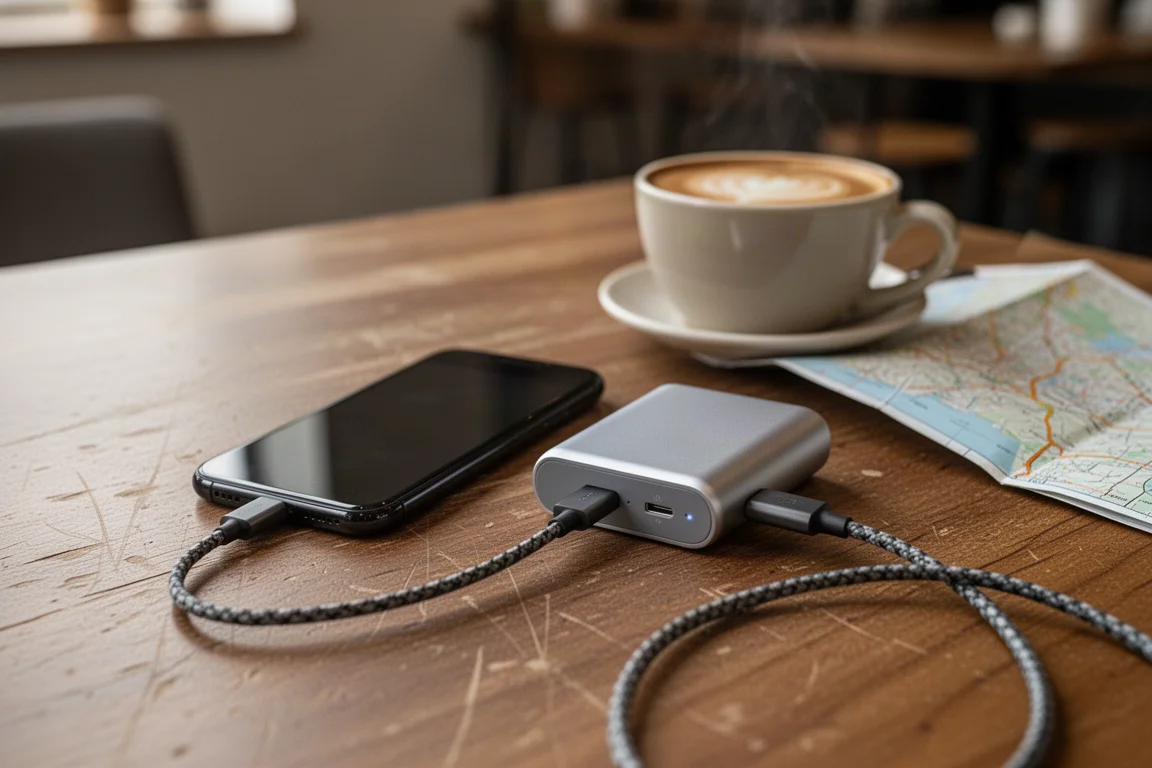
None of this makes the unit useless. It can keep a phone alive between town stops, and it pairs fine with a fast wall charger. It simply does not deliver the number of charges the capacity suggests, so plan around three rather than eight.
Orky 3-Port USB Charger: Small Item, Real Convenience
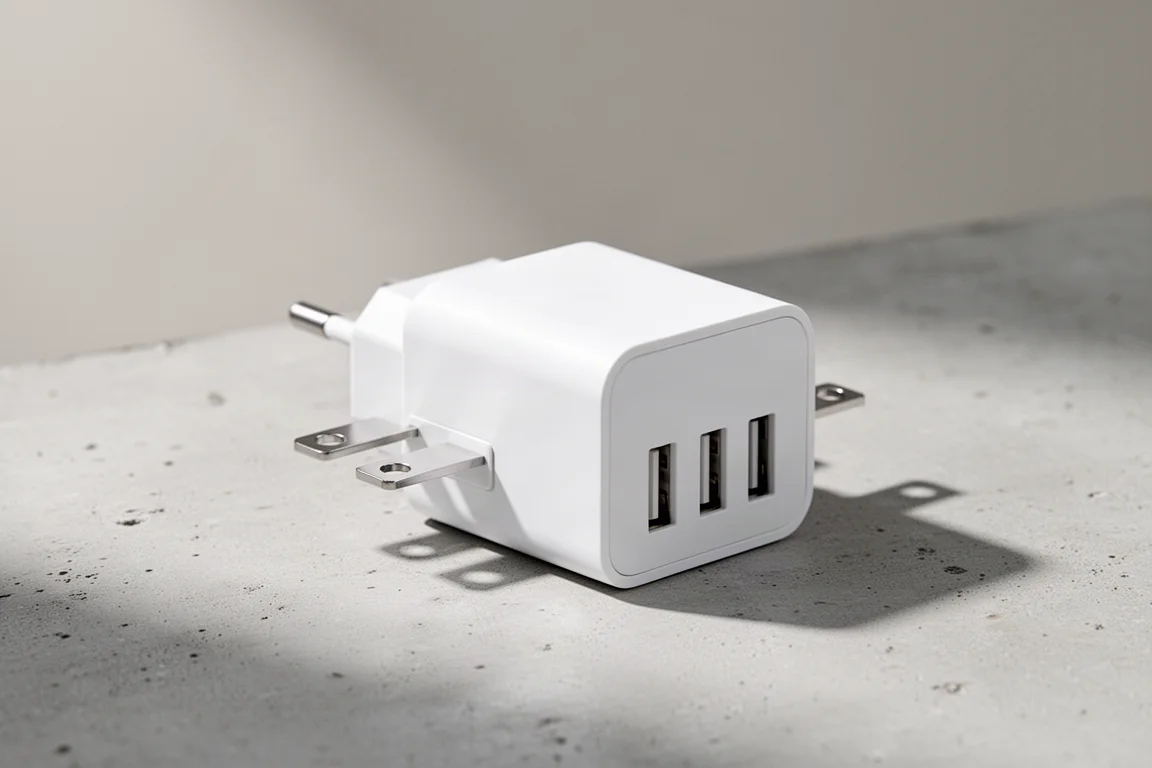
This is the least glamorous item here and possibly the most valuable per gram. With three USB slots, one wall socket in a cafe, restaurant or hostel becomes a charging station: a phone, an external battery pack and camera batteries all topping up at the same time.
For anyone filming or shooting photos along the way, that matters. Keeping battery levels high is a daily task on a long walk, and doing it in a single pass rather than queuing devices through one port saves hours over a month. It is a tiny addition to a pack that quietly removes a recurring problem.
Vallon Waylong Sunglasses: Light and Hard to Break
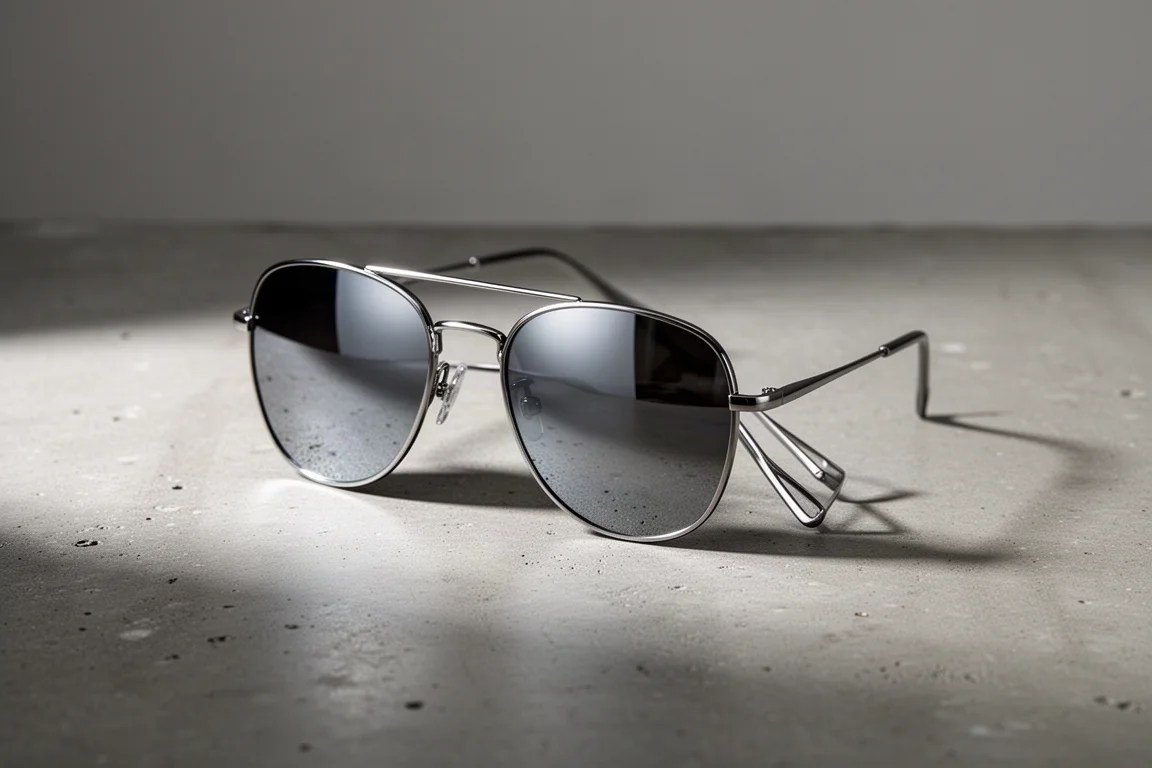
At 19 g these are about as light as useful eyewear gets, and the frame bends without breaking, which is exactly the property you want from something that lives in a pack pocket. The mirror coating on the lenses wore where the glasses were repeatedly dropped into an outer pocket instead of the case, so the case is worth using rather than leaving at home.
Even with that cosmetic wear, function was never affected. They stayed comfortable, stayed on, and survived conditions that would have finished off a stiffer pair. If you want sunglasses you do not have to think about, this is the shape of the answer.
Overall Buying Advice
Start with load discipline. A frameless pack is a legitimate choice, but only if the total weight stays within the manufacturer’s recommendation, here 12 kg. Beyond that, the pack and your shoulders both pay. Pair any frameless design with a proper pack liner rather than a cheap plastic bag, because liners that fail three weeks in are a false economy.
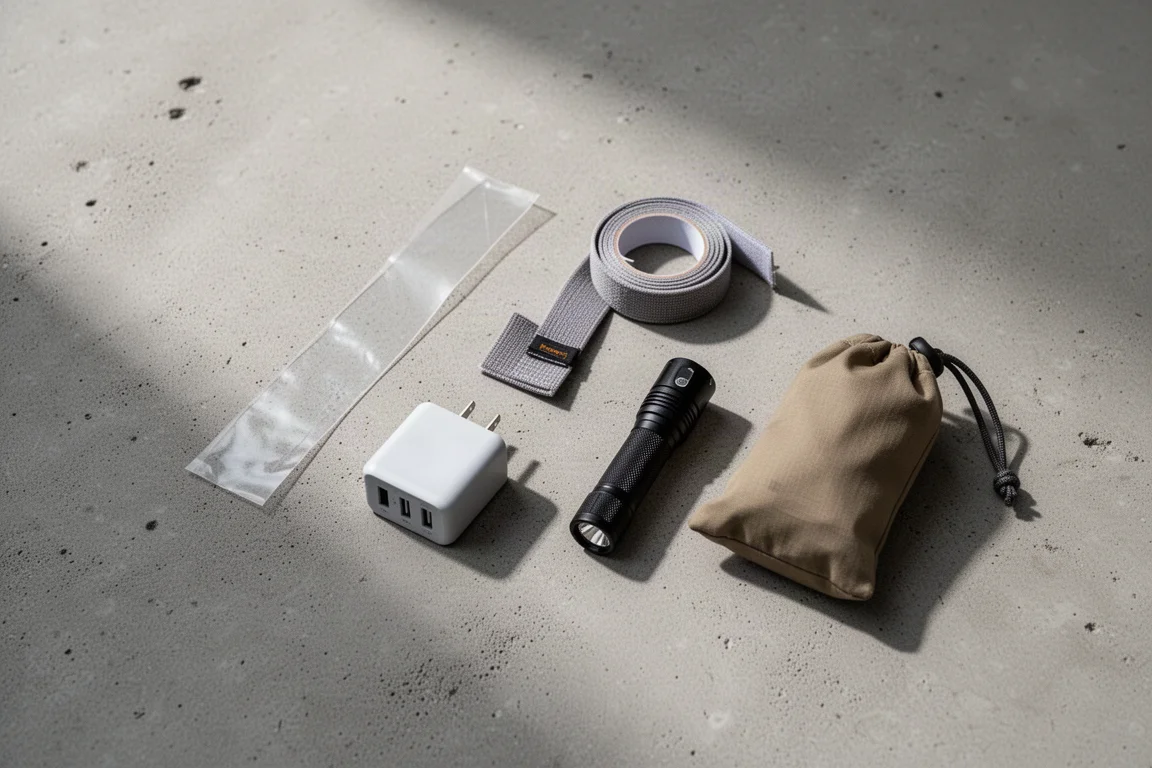
Then match each item to how you actually use it. Choose a shelter based on whether trekking poles are already in your hands, not on the lowest weight figure alone. Treat power bank capacity as a rough guide rather than a promise, and plan for roughly a third of the advertised phone charges in real conditions. Spend where daily comfort compounds, which means socks and footwear, and avoid the cheapest possible stakes and accessories, since hard ground is unforgiving. Small items that remove a repeated annoyance, like a multi-port charger, tend to earn their place faster than headline gear.
Conclusion
The most useful outcome of a long walk is not a perfect kit list, it is a clearer sense of which items carry their own weight. Light shelter, durable fabric and warm feet delivered the biggest returns here. Tread, coatings and battery claims are where expectations need adjusting.
Buy for the conditions you will actually meet, keep total load inside the limits of a frameless pack, and treat every specification as a starting point rather than a guarantee. The gear that survives that thinking is the gear worth carrying again.
Further reading
Related Reviews
Hiking Gear
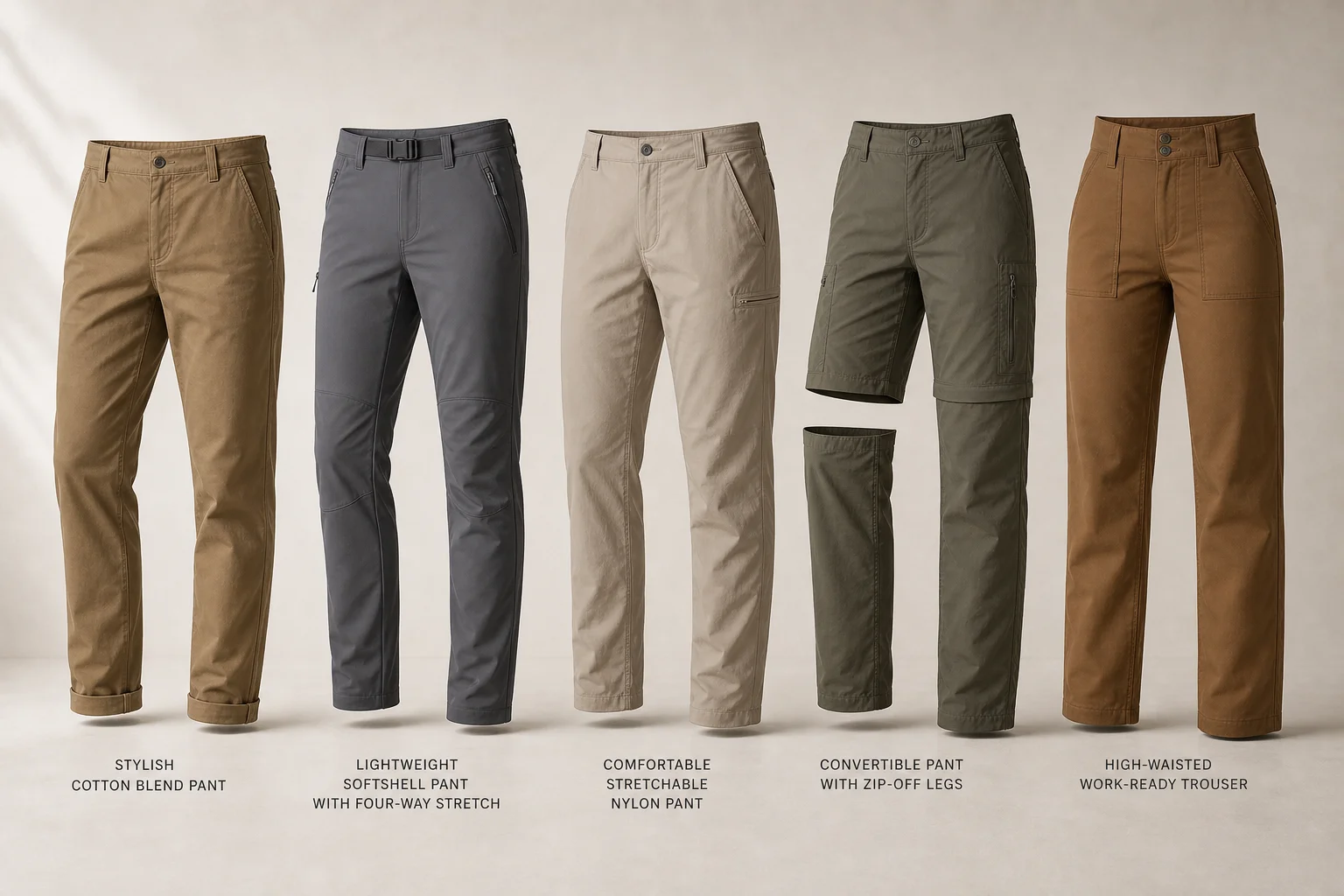
Best Hiking Pants on Amazon: Five Practical Options for Different Needs
A practical review of five hiking pants with clear strengths and trade-offs, from lightweight convertible styles to durable work-ready trousers.
Hiking Gear
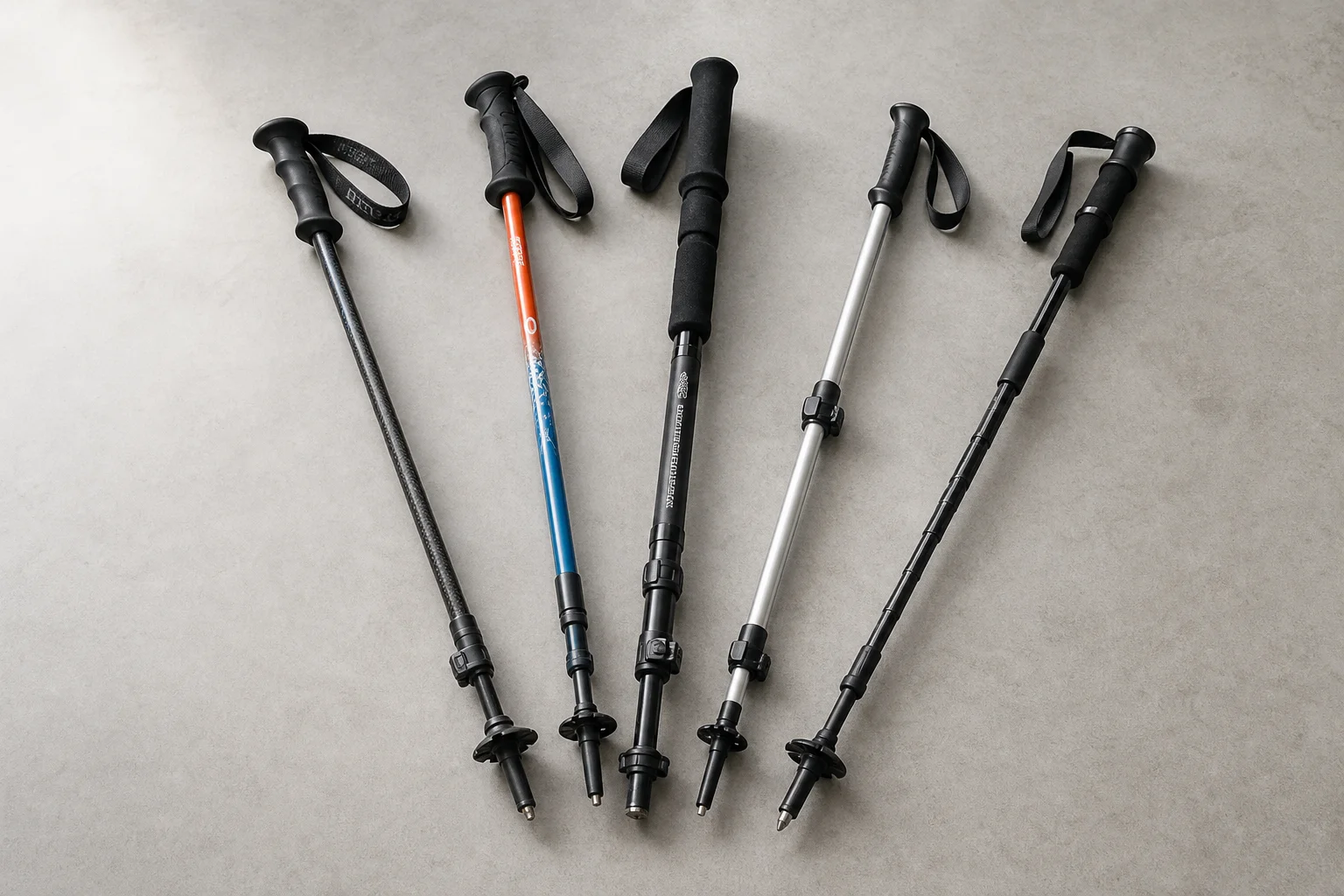
Best Hiking Poles 2026: Five Options for Different Trail Needs
A practical review of five hiking poles, from lightweight carbon designs to versatile all-terrain options, with clear strengths and trade-offs for each.
Hiking Gear
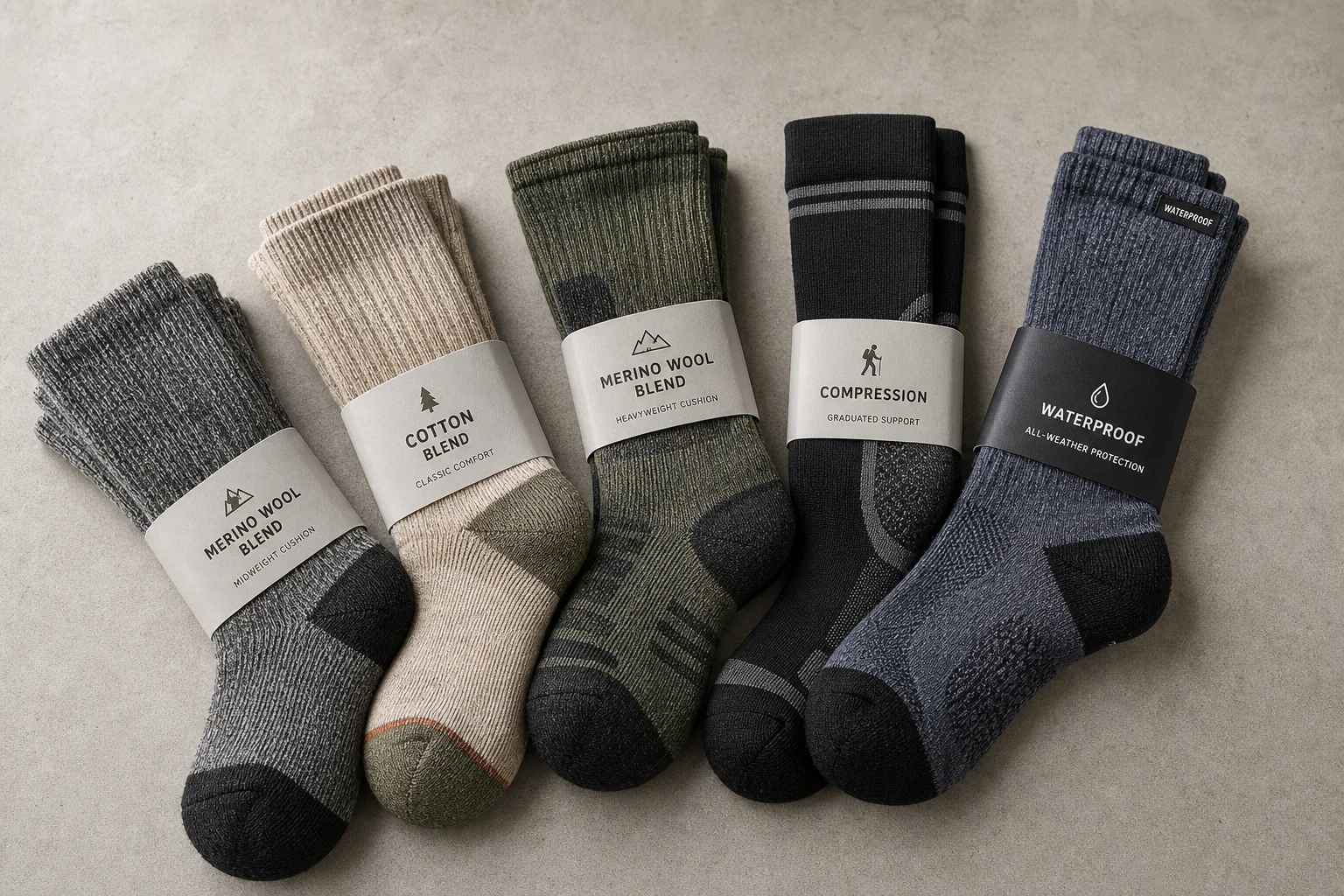
Best Hiking Socks 2026: Five Top Choices for Different Trail Needs
A practical roundup of five hiking socks, from lightweight merino options to heavy-duty compression styles, with clear guidance on which suits your outdoor activity.