Hiking Gear
Six Pieces of Long-Distance Hiking Gear Worth Carrying
Rain protection, hand warmth, socks, footwear, layering, and sun coverage: six pieces that earned their place on a cold, wet long-distance trek.
Introduction
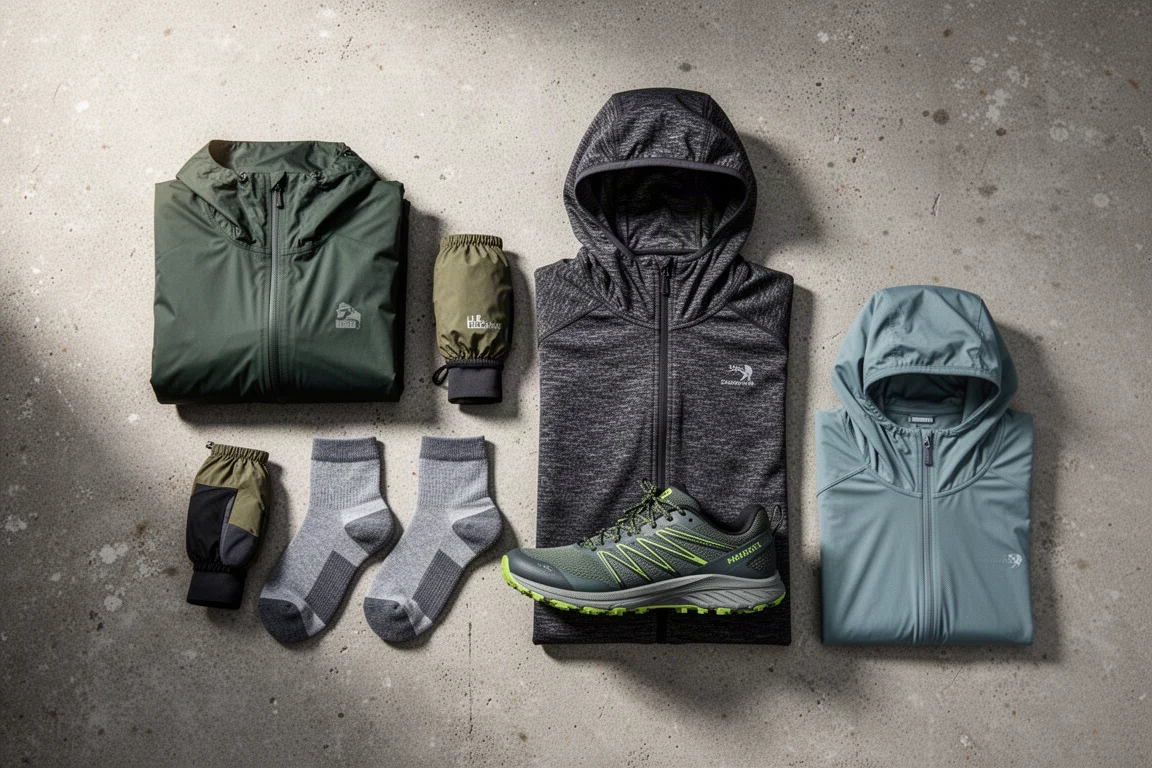
Long-distance hiking gear has to prove itself twice. It must be light enough to carry day after day, and it must still work when the weather turns against you. The six pieces below were all carried on a multi-day trek in Scotland, where cold rain, steady wind, and a summit day on Ben Nevis created exactly the conditions that separate useful kit from gear that only looks good on paper.
Some of these items are heavier than the ultralight option in their category, and a couple cost more than the cheapest alternative. Each one is here because it solved a specific problem on trail rather than because it looked good in a spec sheet.

What These Six Pieces Have in Common
Every item in this roundup was judged against the same short list of questions: how much it weighs, how it behaves once it is wet, whether it can regulate temperature as effort and weather change through the day, and whether it stays comfortable across consecutive days of use.
Weight is the easiest number to compare, but it is not the only measure that matters. A rain jacket that carries an extra 100 g but keeps you dry and warm in cold rain can be the better trade, and a mid layer that keeps insulating when damp removes the need to keep it perfectly dry inside a pack.
Comfort over repeat days is the quieter factor. Socks that stay in place, a shoe that does not bruise your toes on a long descent, and a hood that covers your neck when the wind picks up all matter more on day five than they do on day one.
Patagonia Torrentshell: A Heavier Rain Shell for Cold, Wet Days
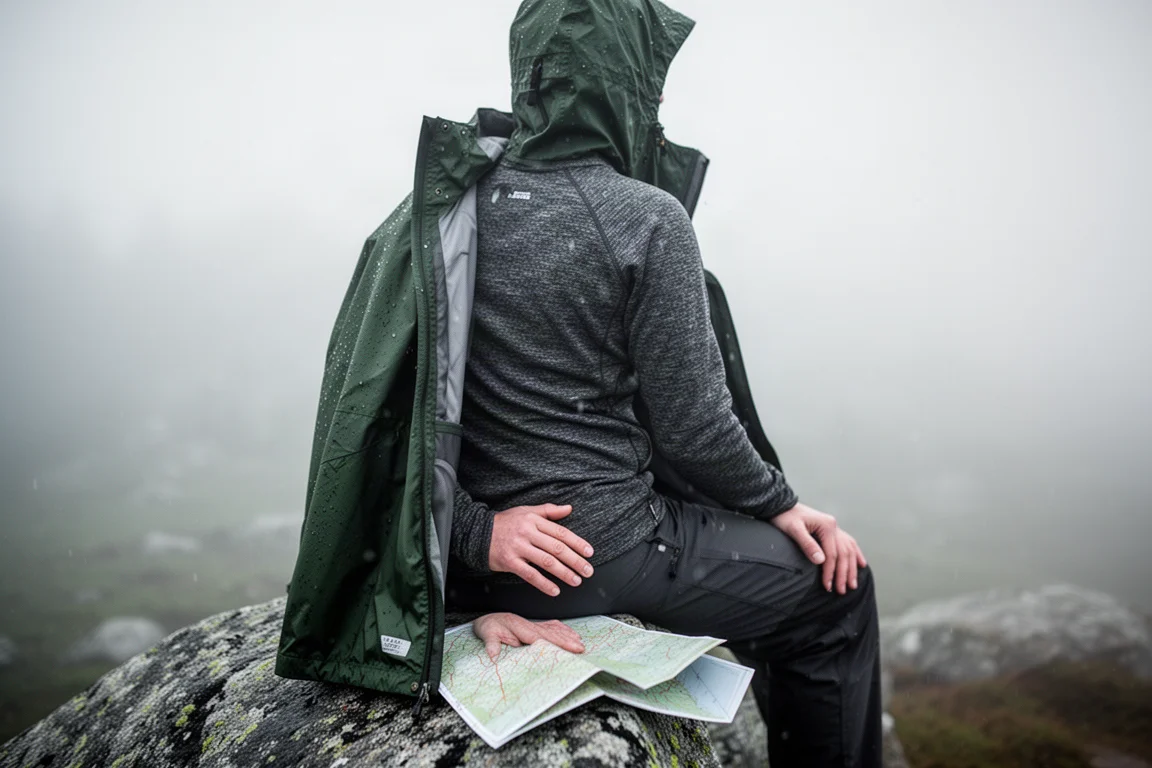
The Torrentshell is a deliberate step up in weight from the ultralight shells many long-distance hikers carry, and that is the entire point. At 12.4 oz it is not the jacket to choose when every gram counts, but it is the one to choose when the forecast is cold and wet and the day’s load is a lighter pack rather than a full one.
In use it kept the wearer dry in rain, added a useful buffer against wind, and helped hold warmth when temperatures dropped. Pit zips let you dump heat on a climb without taking the jacket off, which matters when rain is steady and you are working hard. It is also clean enough in appearance to wear around town, so it does not live only in the gear closet.
At $179 it sits above the cheapest waterproof shells. The case for it is straightforward: when rain is cold and constant, a jacket that keeps you comfortable is worth more than the weight it adds.
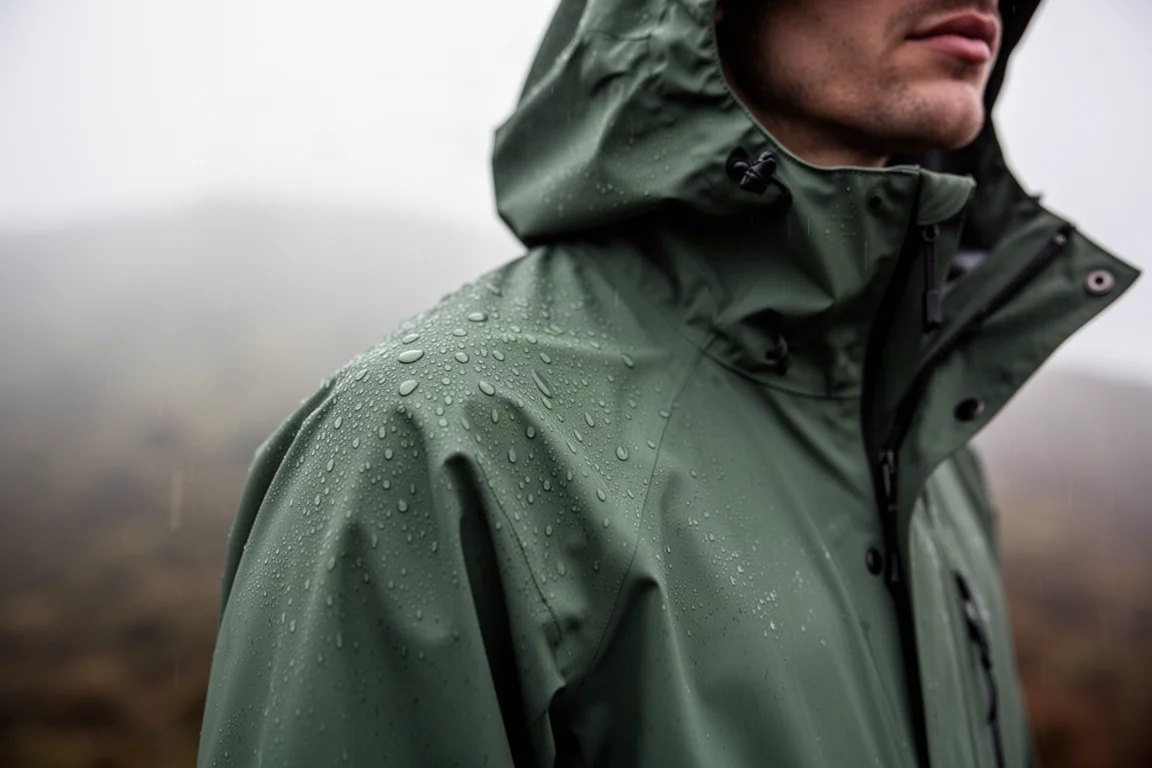
The trade-off is pack weight, and it is worth being honest about. Anyone counting grams for a long thru-hike may still prefer a lighter shell for most of the route and arrange for a jacket like this to be swapped in when freezing rain is likely. For a trip with a lighter pack and known cold rain, the Torrentshell is the more sensible starting point.
Zpacks Rain Mitts: Warmth for Hands That Run Cold
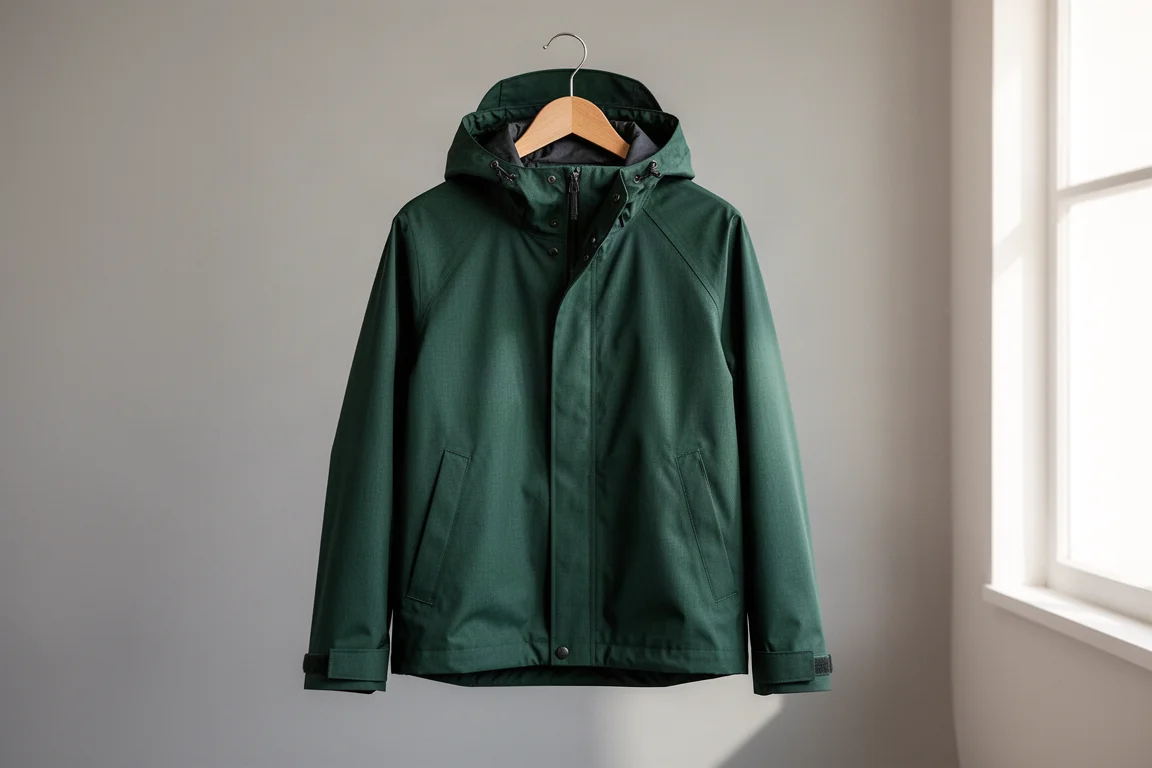
Rain mitts are a small piece of kit with a very specific job. Unlike waterproof gloves, they keep the fingers together so they share warmth, which makes a real difference for anyone whose hands get cold easily. This pair weighs just under an ounce, at 0.99 oz, so it costs almost nothing in pack weight for the protection it adds.
Paired with a light down glove inside, the mitts kept hands dry through a day of cold rain and on a summit day on Ben Nevis. The clear trade-off is dexterity. With the fingers grouped together, fine tasks such as adjusting a strap or opening a stuff sack take longer, and that is the price of the extra warmth. At $75 a pair they are not cheap, but for cold-natured hands the added warmth was worth the loss of dexterity in the conditions they were used in.
Packa Socks: Alpaca Cushioning With a Lifetime Guarantee
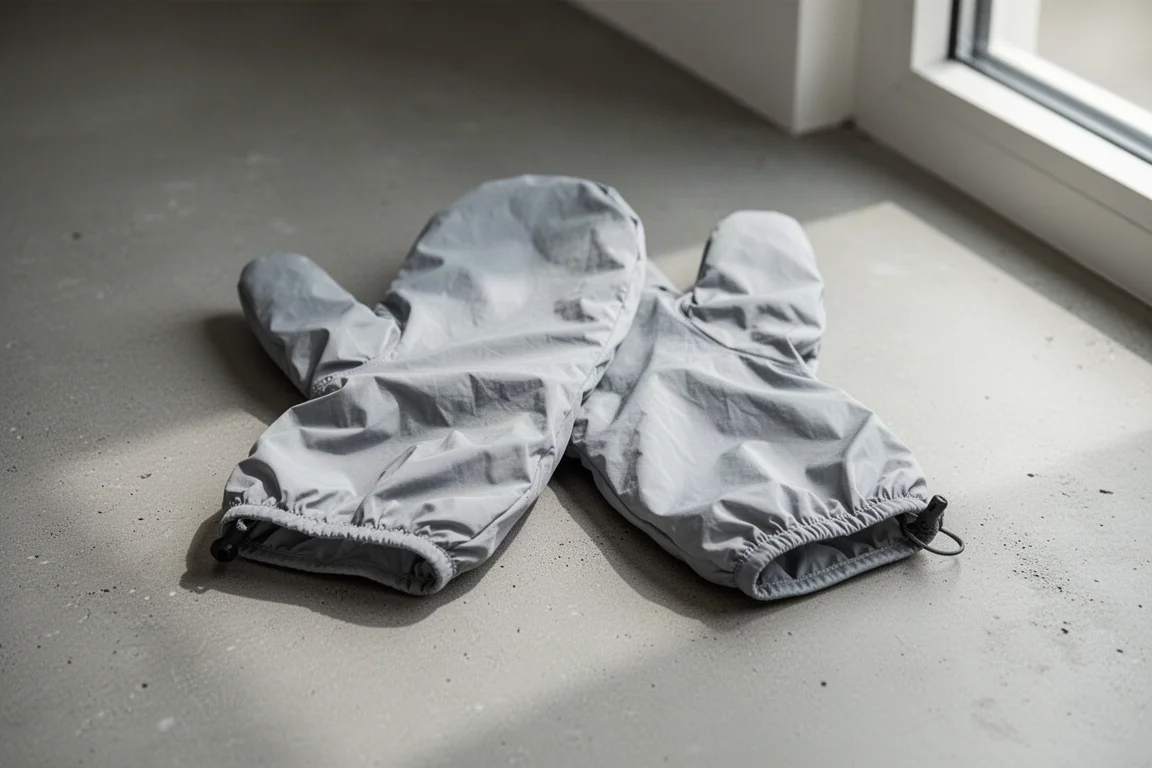
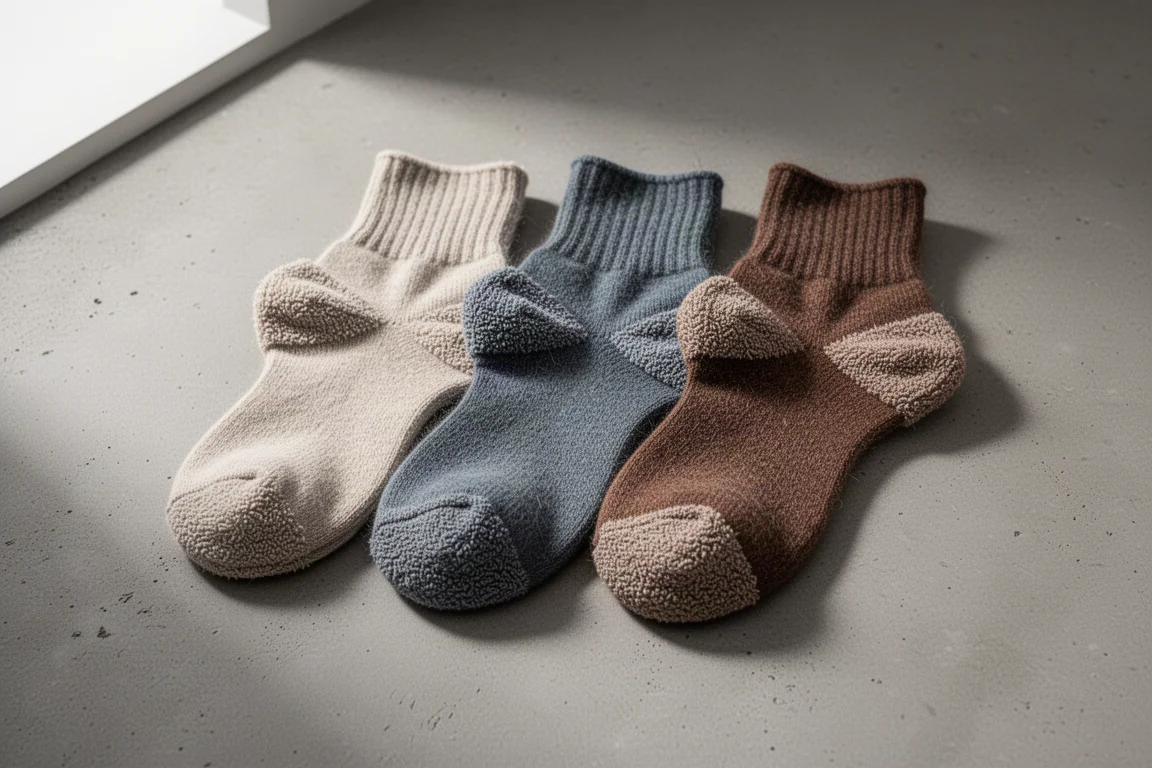
These socks are made from alpaca and carry a lifetime guarantee, which puts them in the same territory as the merino wool hiking socks most people already own. They felt cushioned and comfortable over long days, and the ankle height did not slide down inside the shoe, a common annoyance with low-cut socks that can leave you stopping to pull them up.
Wet-foot performance was the real test. Worn with trail runners that are not waterproof, feet were soaked but stayed warm rather than cold. That is the useful part: when footwear soaks through, a sock that holds warmth keeps the day workable. The alpaca felt comparable to merino wool rather than obviously warmer, so the choice between the two comes down to fit, cushioning, and the lifetime guarantee.
A three-pack runs $48, which is in line with comparable merino options.
Topo Athletic Terraventure 4: Trail Runners Built for Mixed Surfaces
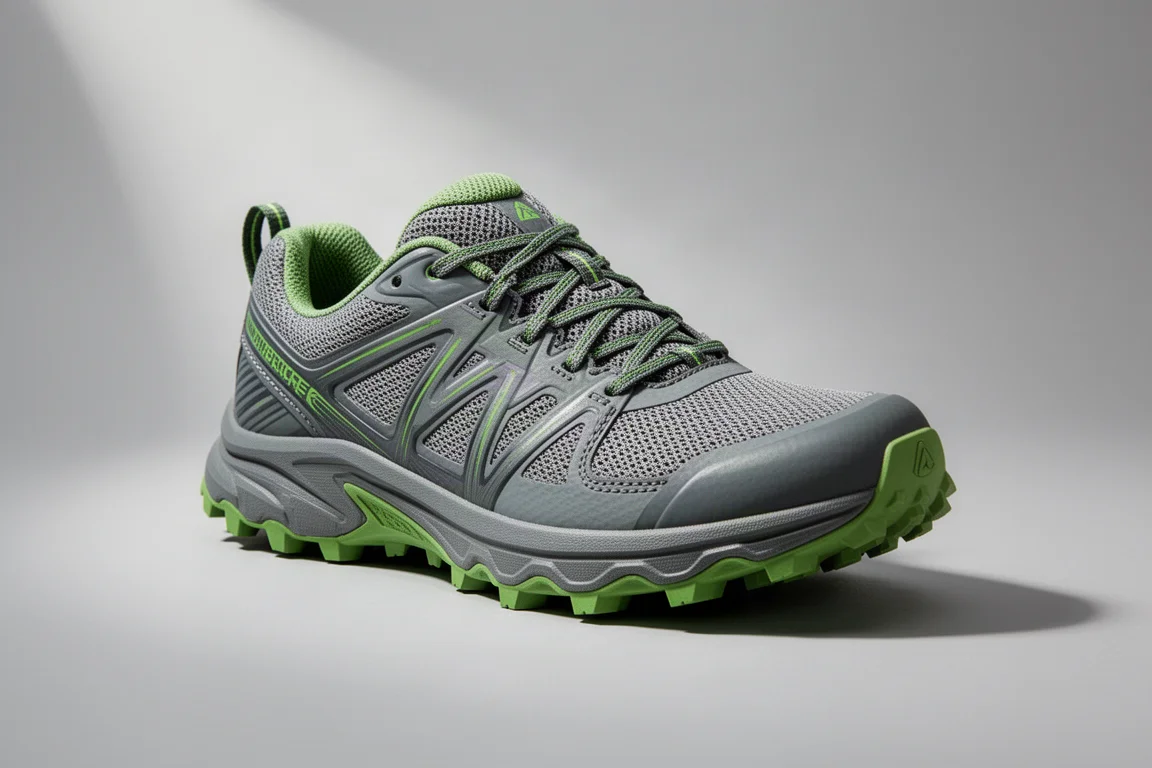
Long-distance routes rarely stay on dirt. The Terraventure 4 was chosen with that in mind, and it suits days that mix paths, roads, and paved surfaces as well as trail. It has a roomy toe box, which matters over long distances when feet swell, and a rock plate that adds underfoot protection on rougher ground.
The outsole is Vibram, and the shoe runs a 3 mm drop with a stack height between 25 mm and 22 mm. That is not a zero-drop shoe, but 3 mm is a small offset that many hikers find comfortable for long days. Compared with a more minimal trail runner, the Terraventure 4 feels more armored underfoot, which is exactly what you want on stony ground and long descents.
Priced at $135, it sits in the middle of the trail runner market. The colorways have also improved, with gray and green options that look considerably better than the plain brown versions of earlier seasons.
CI Designs Hoodie: A Mid Layer That Handles Wet Cold
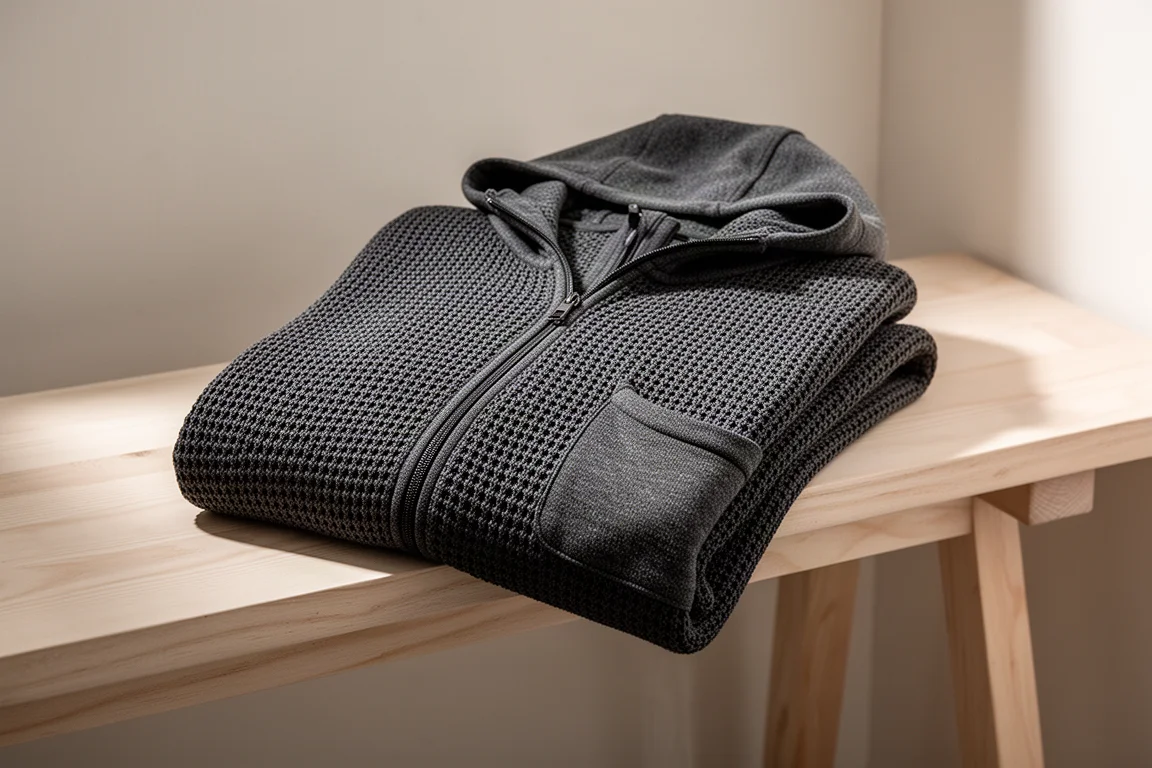
This hoodie is made from Polartec Alpha Direct 120, a fabric with a visibly open, airy surface. That structure is what makes it breathe, and it is also why it does not block wind on its own. Worn as a mid layer over a long-sleeve shirt and under a rain shell, it kept the wearer warm in cold rain and did not need to be kept dry the way a down jacket does.
A front zipper lets you vent heat without removing the layer, and the hood adds coverage at the neck and head when the wind picks up. There is a hand pocket at the front as well, though it is a minor convenience rather than a reason to buy. A medium weighs 7.5 oz and costs $115.
The best way to think about this piece is as part of a system rather than a standalone jacket. It is not windproof and it is not designed to be worn on its own in exposed conditions, but layered under a shell it keeps insulating when damp and gives you a temperature dial you can adjust with one hand while walking.
KUIU Hila Women’s LS Sun Hoodie: Sun Coverage That Dries Fast
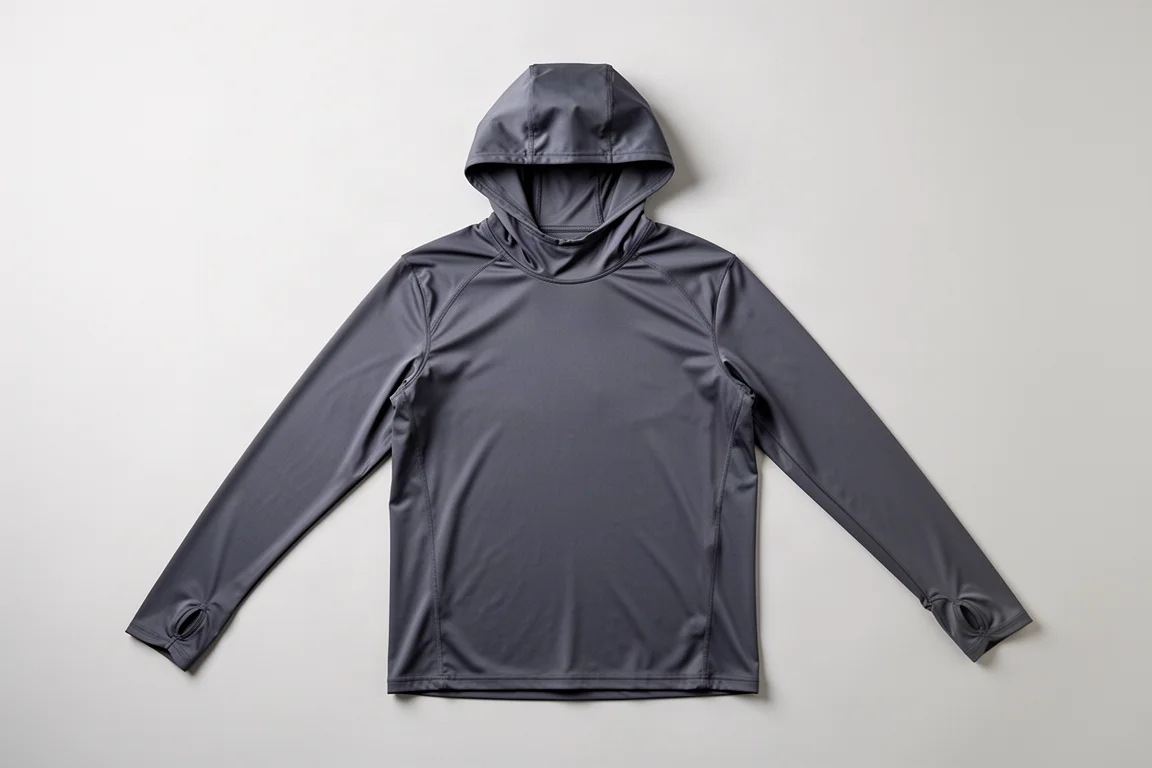
The Hila comes from a brand rooted in hunting apparel, which explains both its strengths and its styling. It is built to keep you cool and covered, with UPF 50+ sun protection, thumb holes that shield the back of the hands, and a fabric that dries quickly. After being washed in a shower and hung up overnight, it was dry by morning.
At 7 oz it is light enough to wear all day in the sun or carry as a spare layer. The main drawback is the color range, which is muted and practical rather than bright, a natural consequence of the brand’s hunting background. At $79 it costs more than many sun hoodies, but the fit and cooling performance were noticeably better than a cheaper alternative tried previously.
Buying Advice
With six pieces covering rain protection, hand warmth, socks, footwear, layering, and sun coverage, the useful question is which ones actually change how a trip feels.
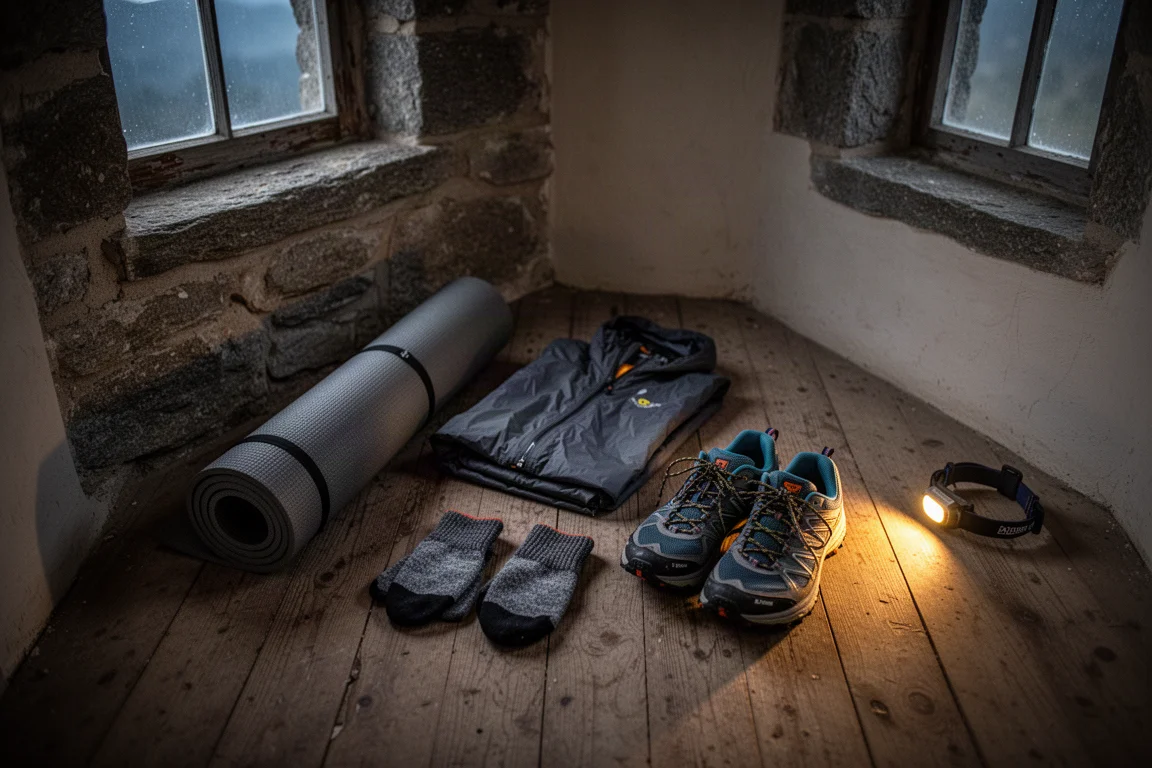
For cold, wet conditions, the rain shell and the mid layer do the most work together. The shell handles wind and rain, and the Alpha Direct hoodie keeps insulating even when it gets damp, which is the combination that makes steady rain manageable rather than miserable. Rain mitts are a small addition with an outsized effect if your hands run cold, and they pair naturally with a light down glove inside.
Socks and footwear are the most personal choices here. A cushioned sock that stays in place and a trail runner with a roomy toe box and a rock plate are worth prioritizing on routes that mix surfaces, because they affect every single day of a long route.
If budget is the constraint, start with footwear and socks, since they shape daily comfort more than anything else in the pack. If weather is the constraint, start with the shell and the mid layer, then add the mitts.
Conclusion
None of these six pieces is the lightest or the cheapest option in its category. Each was chosen because it solves a specific problem on a long route: staying dry in cold rain, keeping hands warm when fingers stop working, keeping feet comfortable when they are wet, protecting skin from the sun, and staying warm in a layer that does not mind getting damp. Match them to the conditions you actually expect, and every one of them earns the space it takes in the pack.
Further reading
Related Reviews
Hiking Gear
Best Hiking Pants on Amazon: Five Practical Options for Different Needs
A practical review of five hiking pants with clear strengths and trade-offs, from lightweight convertible styles to durable work-ready trousers.
Hiking Gear
Best Hiking Poles 2026: Five Options for Different Trail Needs
A practical review of five hiking poles, from lightweight carbon designs to versatile all-terrain options, with clear strengths and trade-offs for each.
Hiking Gear
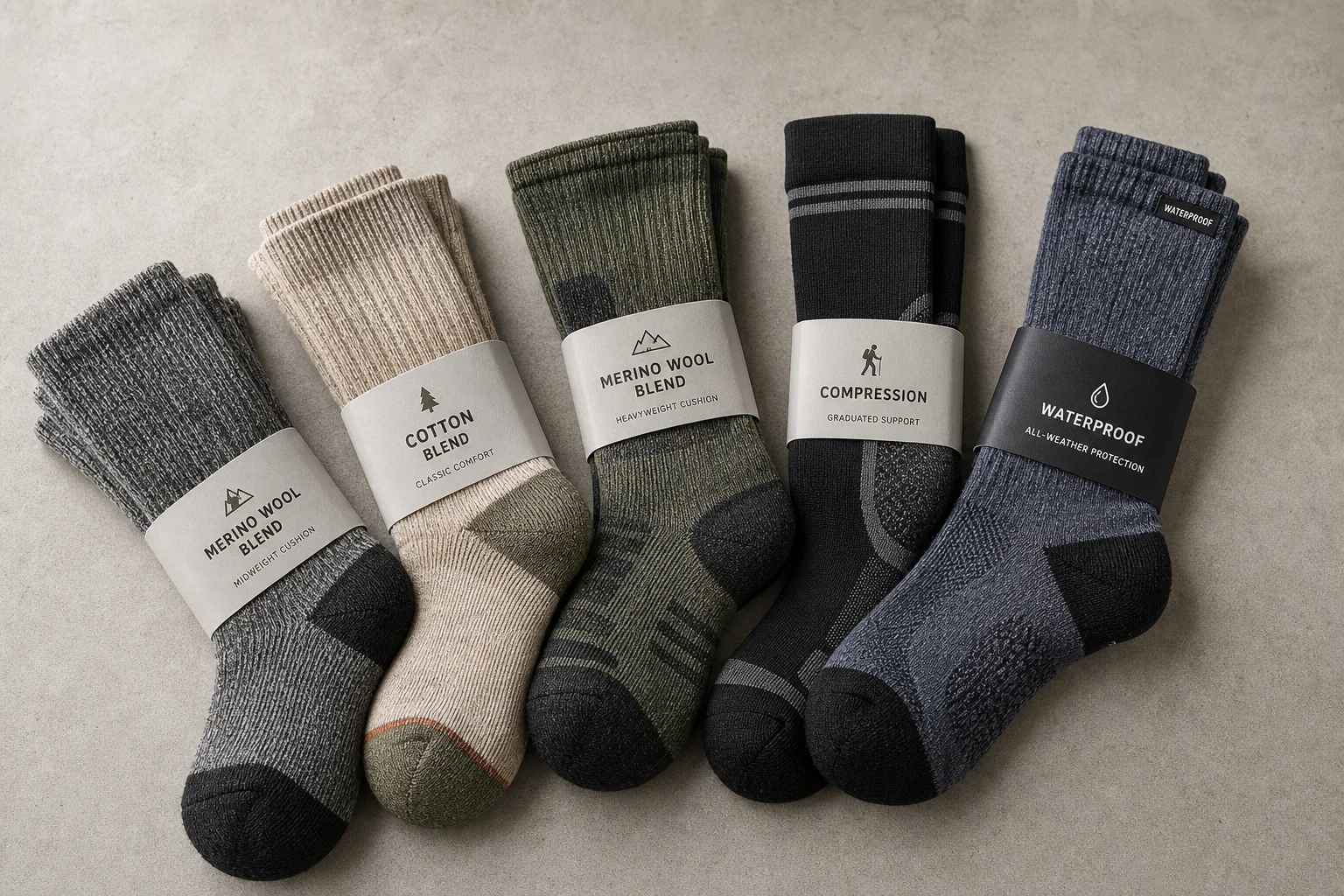
Best Hiking Socks 2026: Five Top Choices for Different Trail Needs
A practical roundup of five hiking socks, from lightweight merino options to heavy-duty compression styles, with clear guidance on which suits your outdoor activity.