Hiking Gear
Long-Distance Hiking Gear: 12 Kit Picks That Earned Their Place
A season-tested look at the backpack, shelter, sleep system, clothing and small essentials that have proven reliable over thousands of miles of multi-day hiking.
Introduction
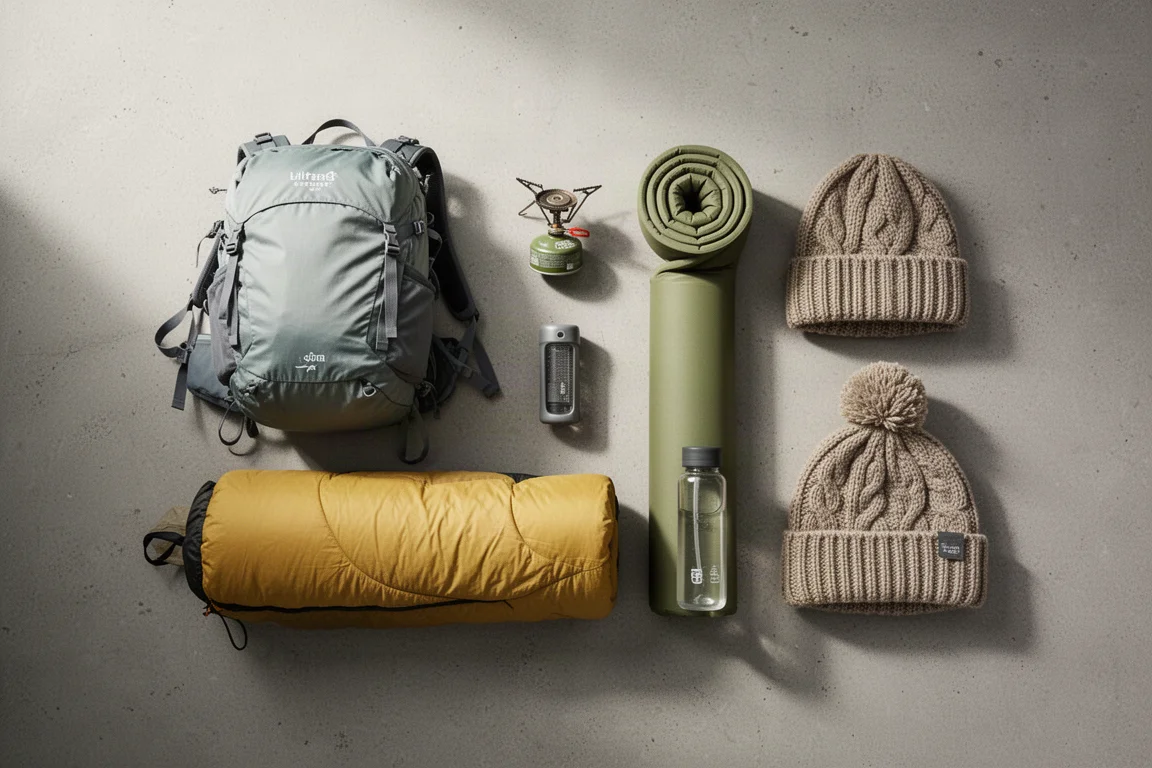
Long-distance walking rewards gear that disappears into the background: a pack that carries well, a shelter that pitches fast, a sleep system that lets you recover. The items below are the ones that came through a busy season of multi-day trails across Scotland, Wales, the Italian Dolomites, the Alps and the Arctic Circle in northern Sweden, plus plenty of shorter walks and photography trips in between. Some were bought outright, some were gifts from brands, and all of them have been used hard enough to show it.
This is not a list of things anyone needs in order to start hiking. A wicking top, a couple of layers, something waterproof and a pair of shoes are enough for a first night out. What follows is simply a look at what has proven reliable over thousands of miles, and what is most likely to be carried again.
How These Picks Were Chosen
Reliability came first. Every item here has been used across multiple trips and, in several cases, multiple seasons, which matters far more than a spec sheet when the weather turns.
Weight and packability were the second filter, though never at any cost. A wide sleeping mat and a sturdy boot both add grams, and both earn those grams back in comfort and protection. Durability was the third: several pieces are on their second or third replacement, and the real question was whether the same model was worth buying again.
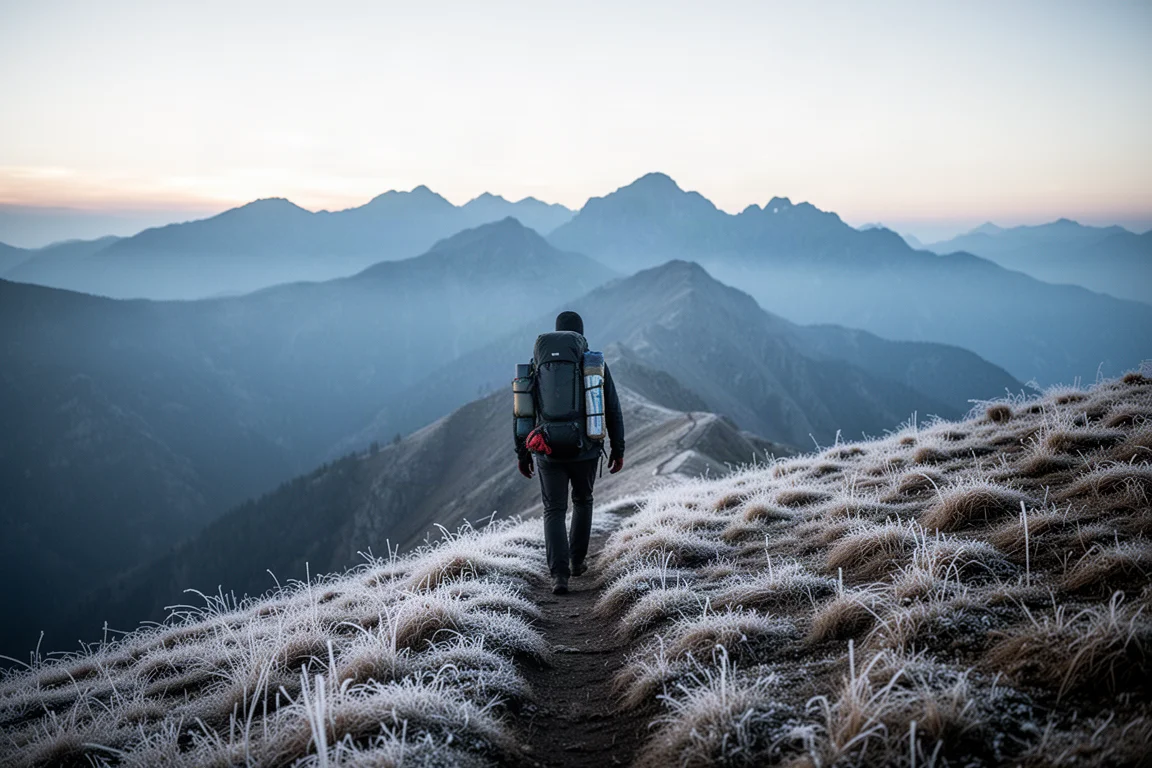
Fit and personal circumstance count too. A back injury, hands that lose circulation in the cold and a need to keep camera batteries topped up all shaped these choices, so the reasoning behind each pick matters as much as the product name.
Zpacks Arc Haul Ultra: The Backpack
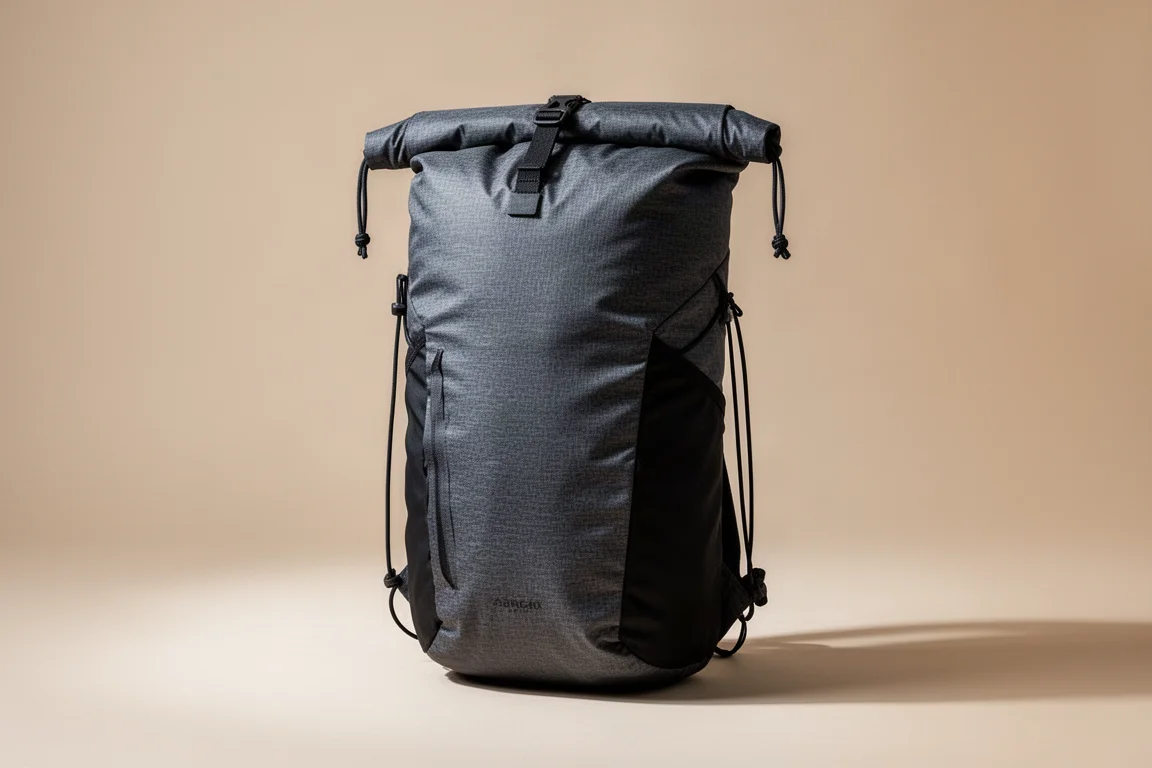
The main pack for nearly every multi-day trip since early 2022. It is very light, very hardwearing, and has been kind to a back injury across thousands of miles of walking.
A Zpacks side pocket was added, which happens to be the one pocket that cannot be reached while on the move, so snacks stay stubbornly out of reach. The hip belt pockets, by contrast, are spacious and tough. On one side a lens bag is rigged up for swapping camera lenses during the day. After heavy use the fabric is now disintegrating in places, which is a fair verdict on how much it has carried. A replacement is due.
Hilleberg Enan: The Tent
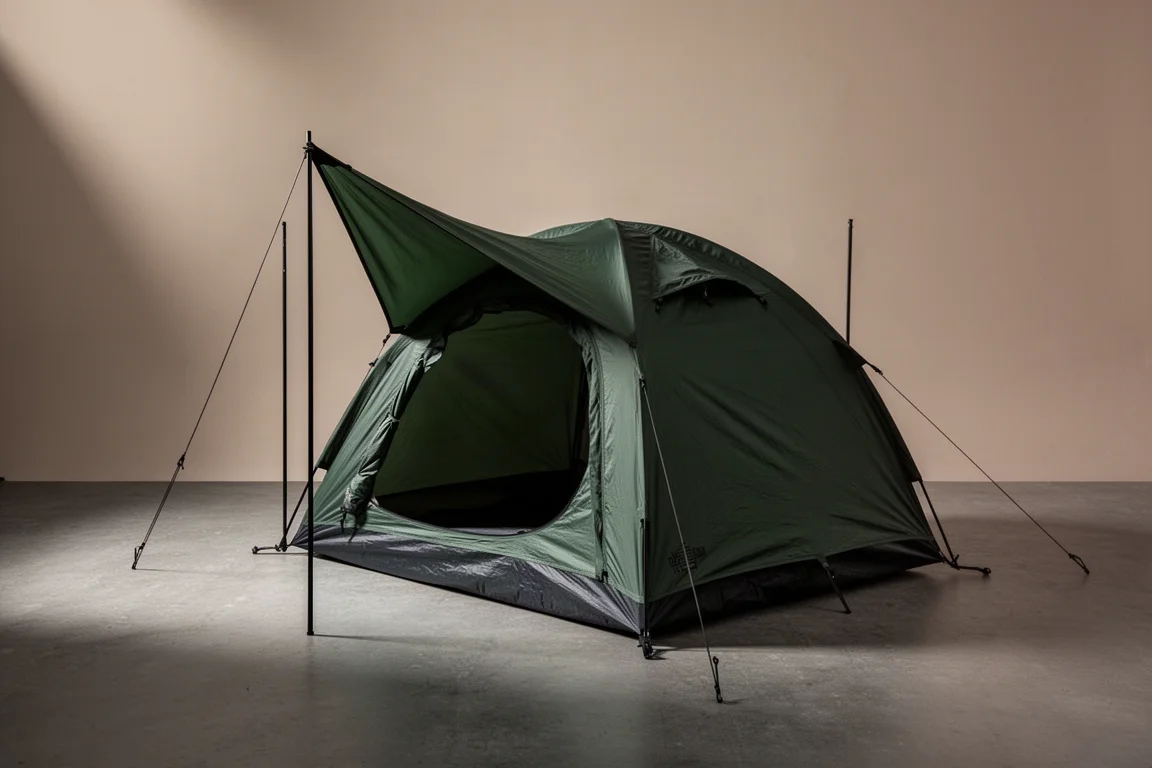
A three-season tent bought in late 2018, after a heavier, bulkier full-season model proved to be more shelter than most trips needed. It has a separate inner and outer, pitches quickly and packs away easily, and weighs 1.1 kg.
The one real complaint is condensation. On cold nights everything inside, sleeping bag, stove and clothing included, ends up wet, which has prompted some genuine thought about changing shelter design. Against that, the tent has been bombproof and has travelled the world. Tents are expensive, and trusting your shelter counts for a great deal.
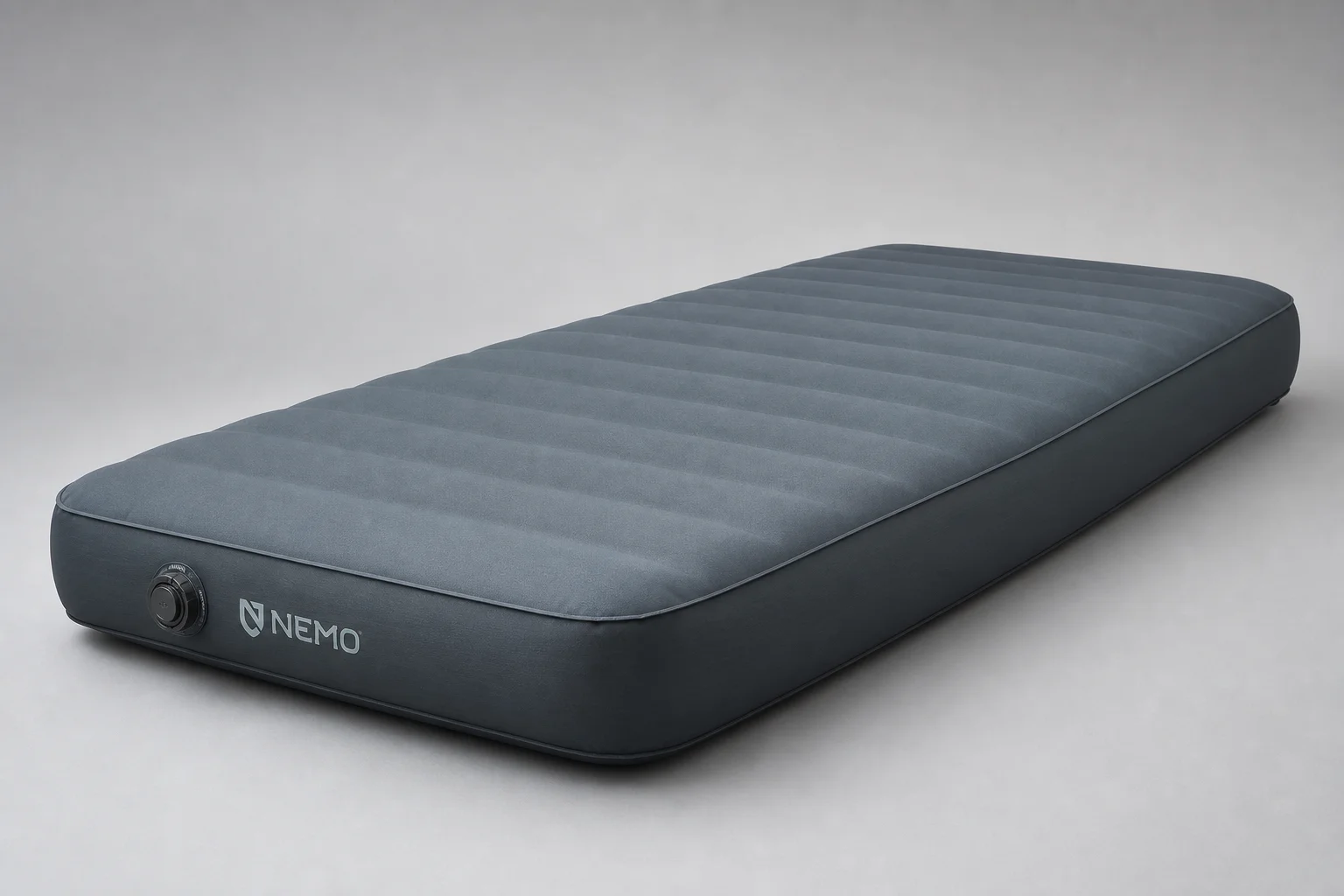
Therm-a-Rest NeoAir: The Sleeping Pad
Most weight-conscious backpackers use a three-quarter length mat to save grams. This season went the other way with a wide Therm-a-Rest NeoAir, and it turned out to be one of the better decisions of the year.
The extra width means being able to curl up or stretch out without rolling off the edge, and it has been genuinely helpful for a back injury. It is a luxury item by ultralight standards, but sleep is not the place to save weight. Better nights translated directly into longer days, more comfort under load and a noticeably better mood on trail.
Therm-a-Rest Parsec: The Sleeping Bag
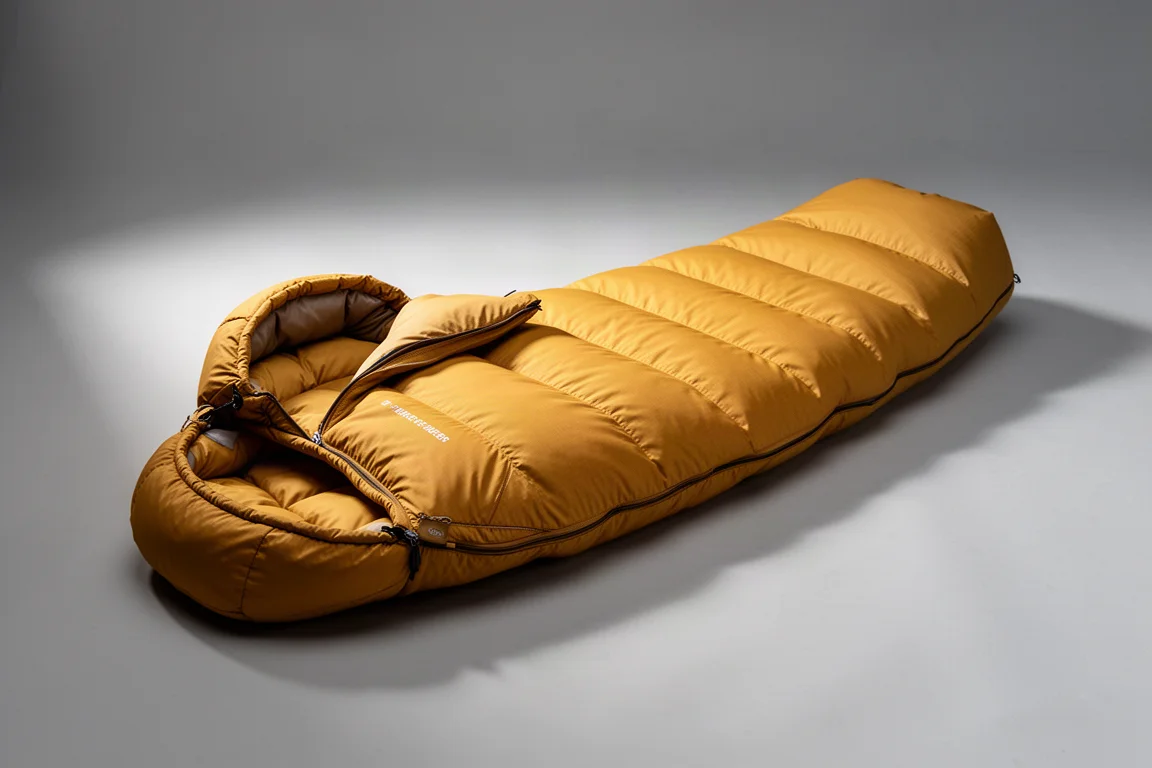
Several bags were used this season, including a Zpacks Classic and a Rab Alpine, but the Therm-a-Rest Parsec travelled the most.
It is cozy, warm for its weight, and finished in a cheery yellow. It dried quickly after picking up moisture from tent condensation, which matters a great deal on a long trip. The hood extends over both pillow and head, which makes a real difference on cold nights.
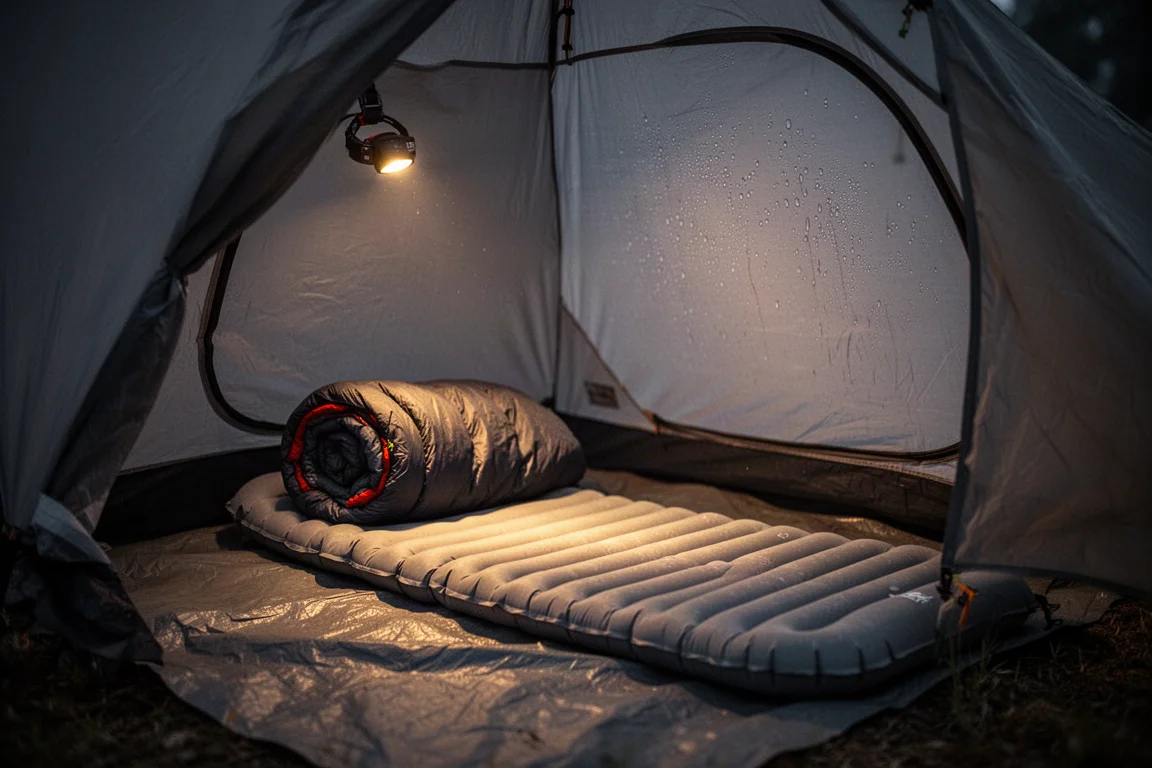
Sleeping bag choice often comes down to two things: how a bag handles damp conditions, and how well the hood seals in warmth. This one managed both without fuss.
Cocoon Air-Core MicroLite: The Pillow
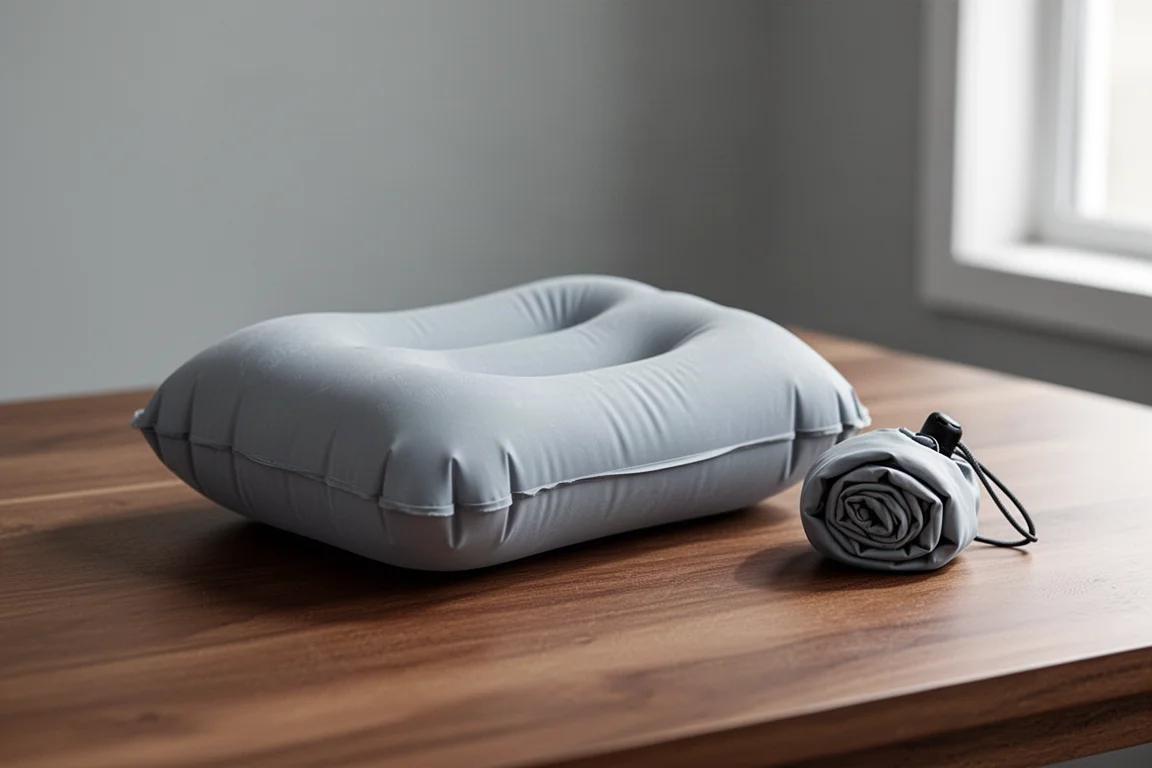
A 48 gram inflatable pillow that has been in use for three years. Before that, a stuff sack with spare clothing did the job, and honestly it was fine.
The pillow was picked up in Munich before a long-distance walk in eastern Germany, and the material is unusually soft. It inflates with a single breath and is so light that it sometimes ends up carried on day hikes by accident. For 48 grams, there is very little to argue against.
BRS Stove: The Cooking Setup
A switch away from a reliable Soto Amicus to a 25 gram stove bought online. It is tiny, sturdy and dependable, and comes with its own green stuff sack. Cooking still happens in a Soto River titanium pot over a standard gas canister.
The first trips were done with the heavier stove carried as a backup, out of fear the lighter one would fail. Warm drinks and hot food are a genuine morale booster, and a dead stove is a real problem. That fear is gone now. The stove is well made and bombproof, and another would be bought without hesitation.

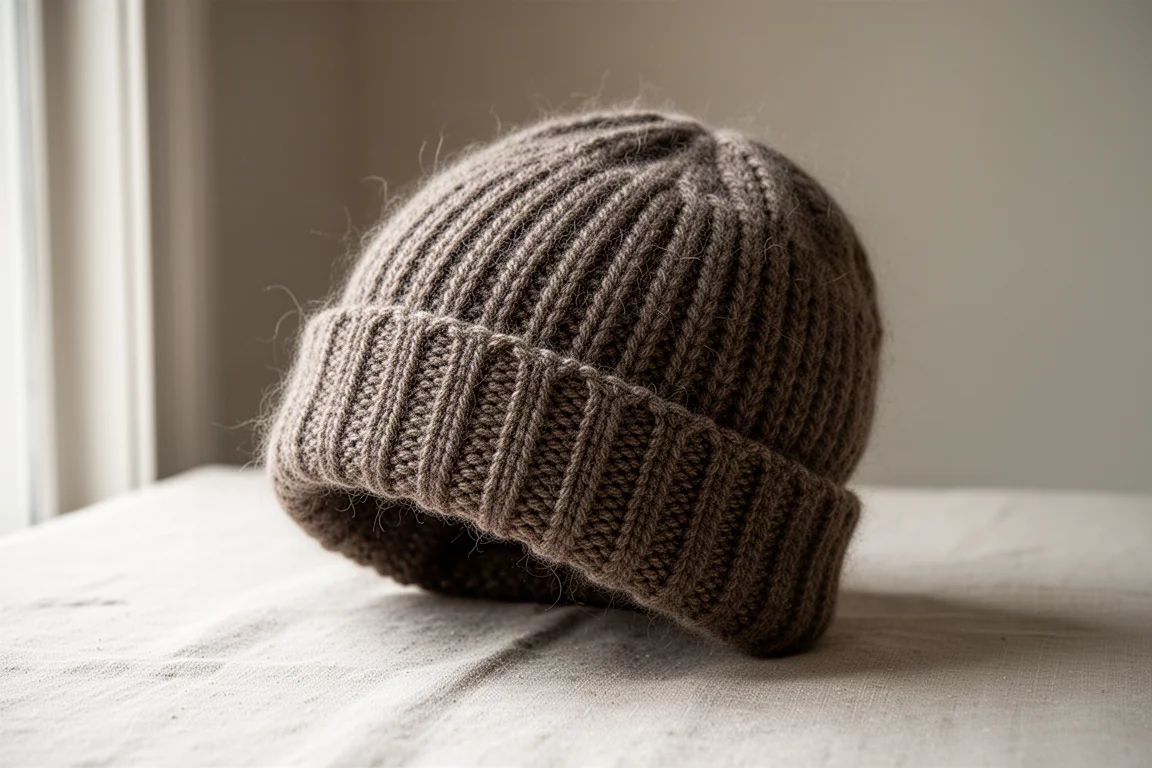
Black Yak Yak Wool Hat: Warmth for Cold Days
A yak wool hat, made sustainably, that has become the default layer for cold weather and lives indoors as much as on the trail.
The older everyday hat has been around since the age of thirteen, but the yak wool version takes over as soon as temperatures drop. It is a simple item, and a very good one.
Montane Terra Pants: The Hiking Trousers
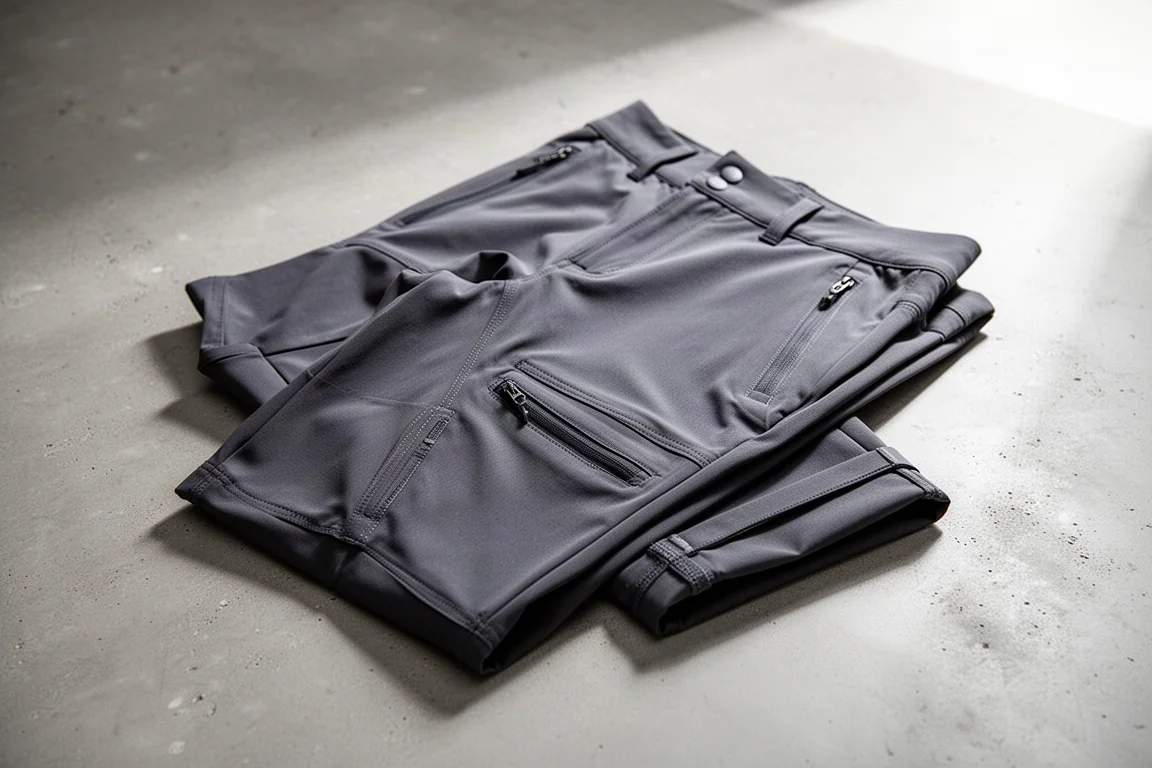
Lightweight trousers that can be vented and rolled up to be worn as shorts, and the only trousers used for hiking. The first pairs were bought in 2018 and have been in rotation ever since.
This season both pairs split at the groin while climbing. An attempted repair only made things worse, so a replacement pair was bought secondhand. Buying used outdoor kit is one of the better things you can do for the planet, and there is plenty of good gear circulating.
La Sportiva TX4 Mid GTX: The Boot
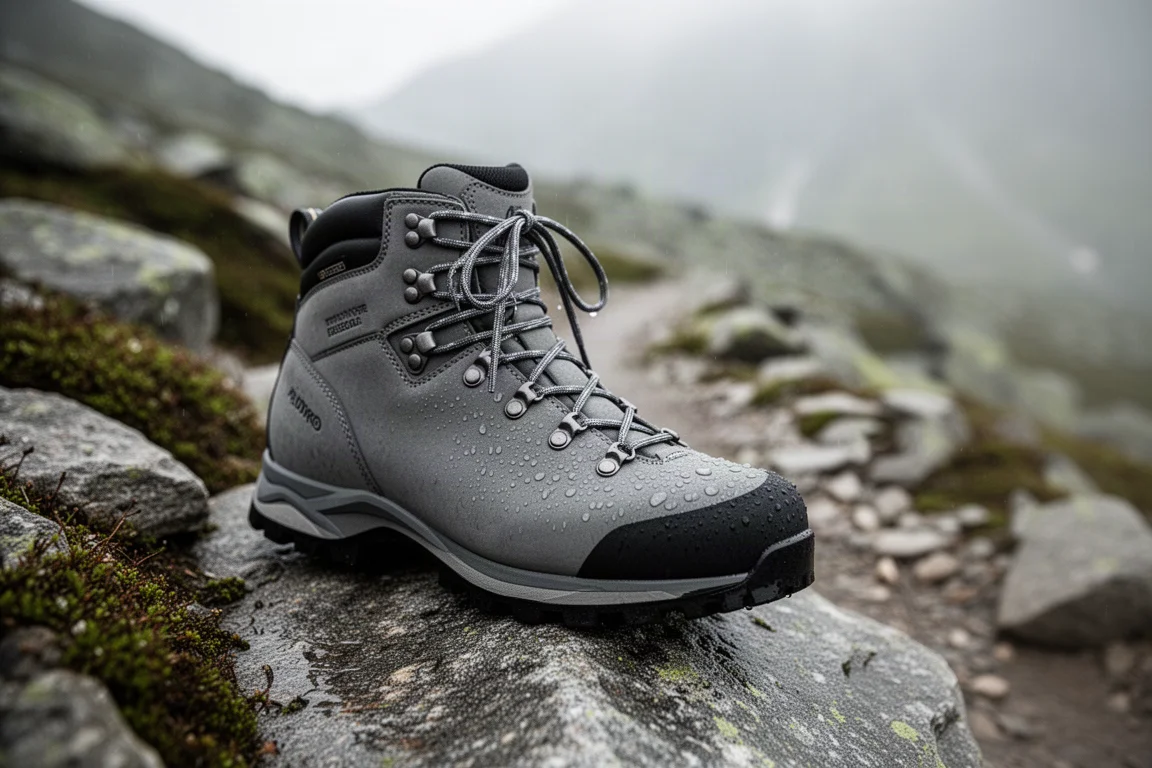
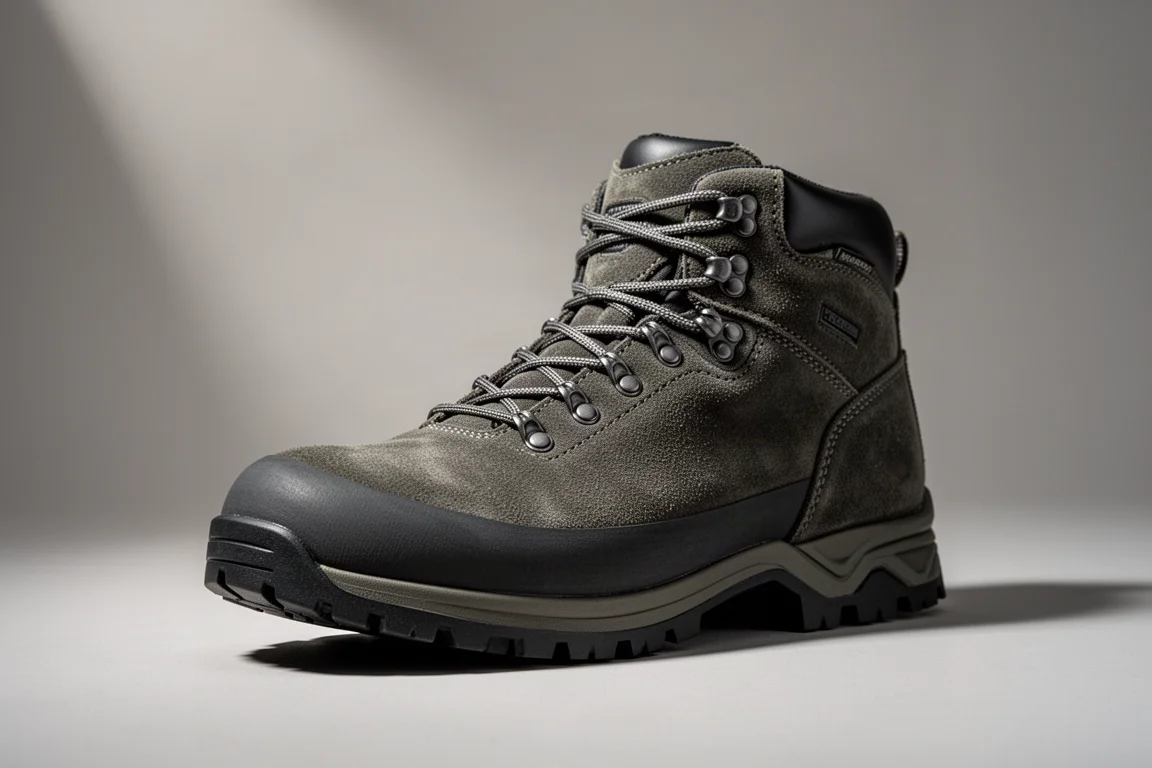
The third pair of these boots is now in use, after moving away from a Salomon model a couple of years ago. Thousands of miles in, they are comfortable, the sole is hardwearing, and they are light for the protection they offer.
They are not fast drying, which is exactly why plenty of long-distance walkers prefer trail shoes. For multi-day hiking, a sturdy boot that protects ankles, soles and toes from rocks is worth the trade.
Barefoot shoes work well for everyday wear, but on a long walk with a loaded pack, protection underfoot and around the ankle matters more than a minimal feel.
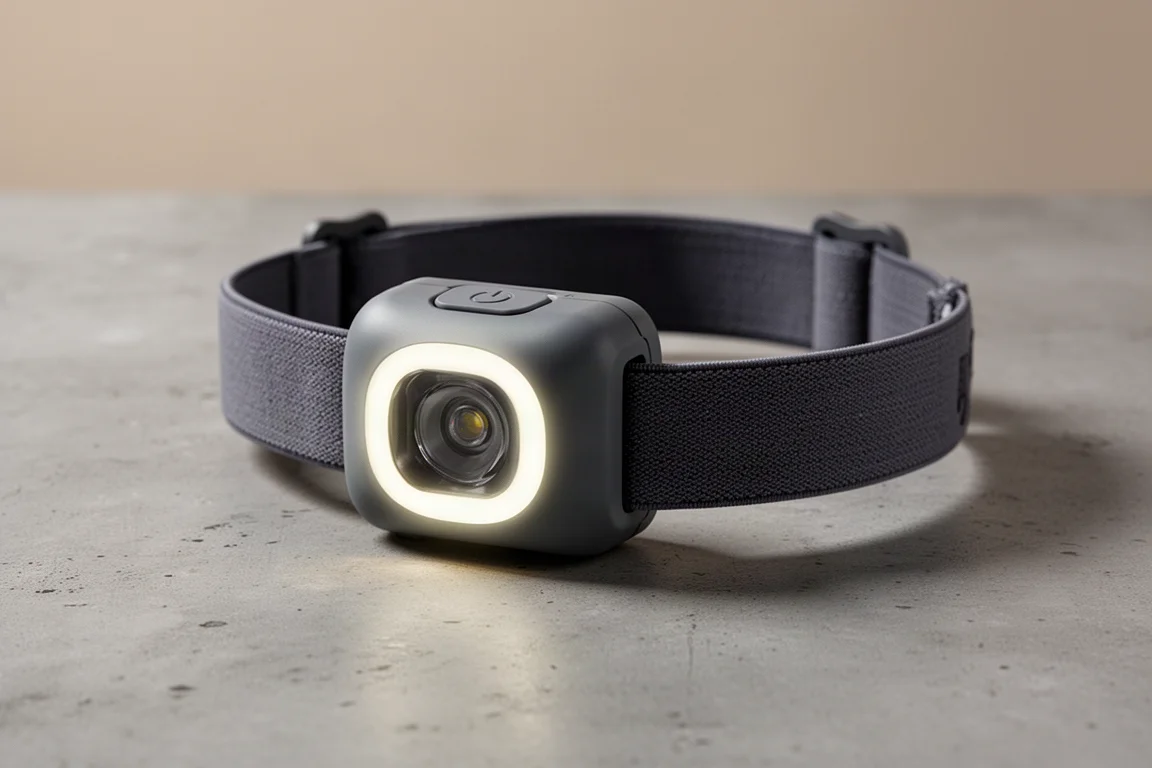
Petzl Actik: The Headlamp
The first head torch used, and the one returned to after trying several others, including a rechargeable model with an adjustable beam.
Most of the alternatives proved unreliable, and rechargeable torches in particular seemed to choose when they wanted to work. That is a real problem when the bulk of a power budget has to go to camera equipment. The Actik is dependable, though not especially bright.
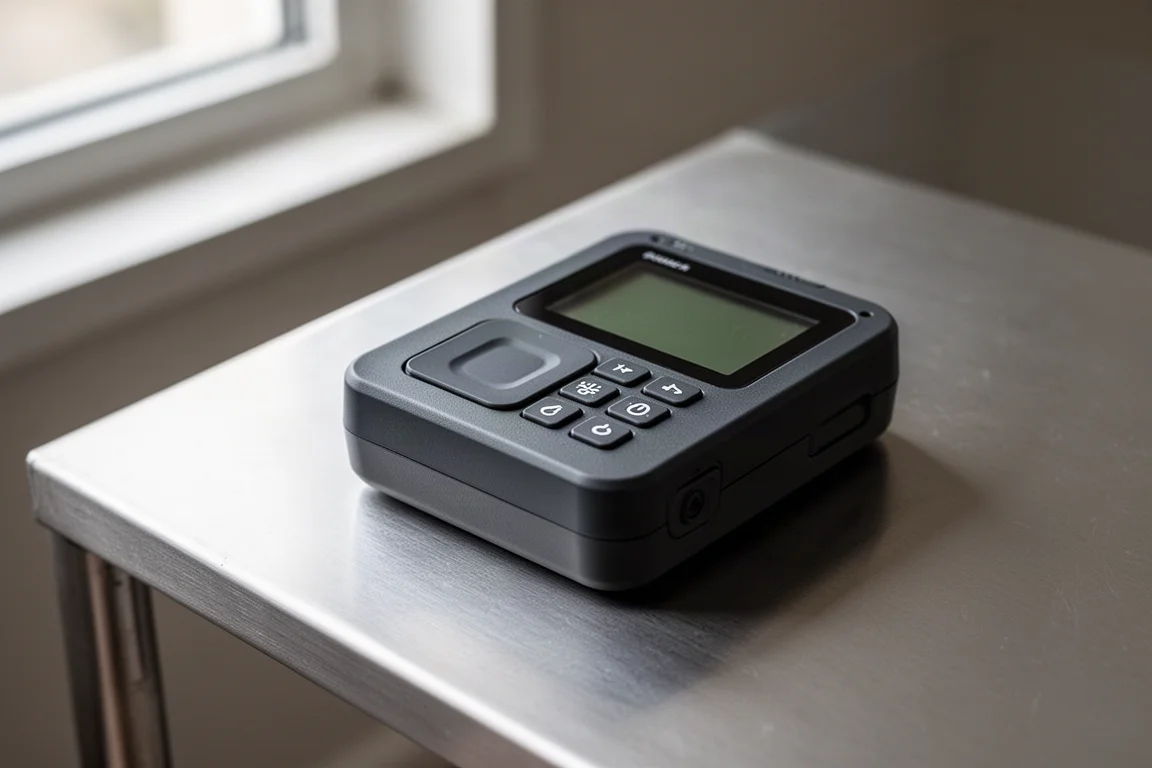
ZOLEO: The Satellite Communicator
A new addition this season, replacing a Garmin inReach for off-grid messaging. It pairs with a phone over Bluetooth, sends messages that read like texts, and includes an SOS button plus access to medical support. After days without signal, being able to send a short message home is a genuine comfort.
The connection to satellites has not always been the strongest, and it has occasionally needed to sit outside the tent to send, where the inReach managed from inside. It is water resistant and connects to the Iridium network. In practice it is used at camp in the morning and evening, then switched off for the rest of the day to protect battery life.
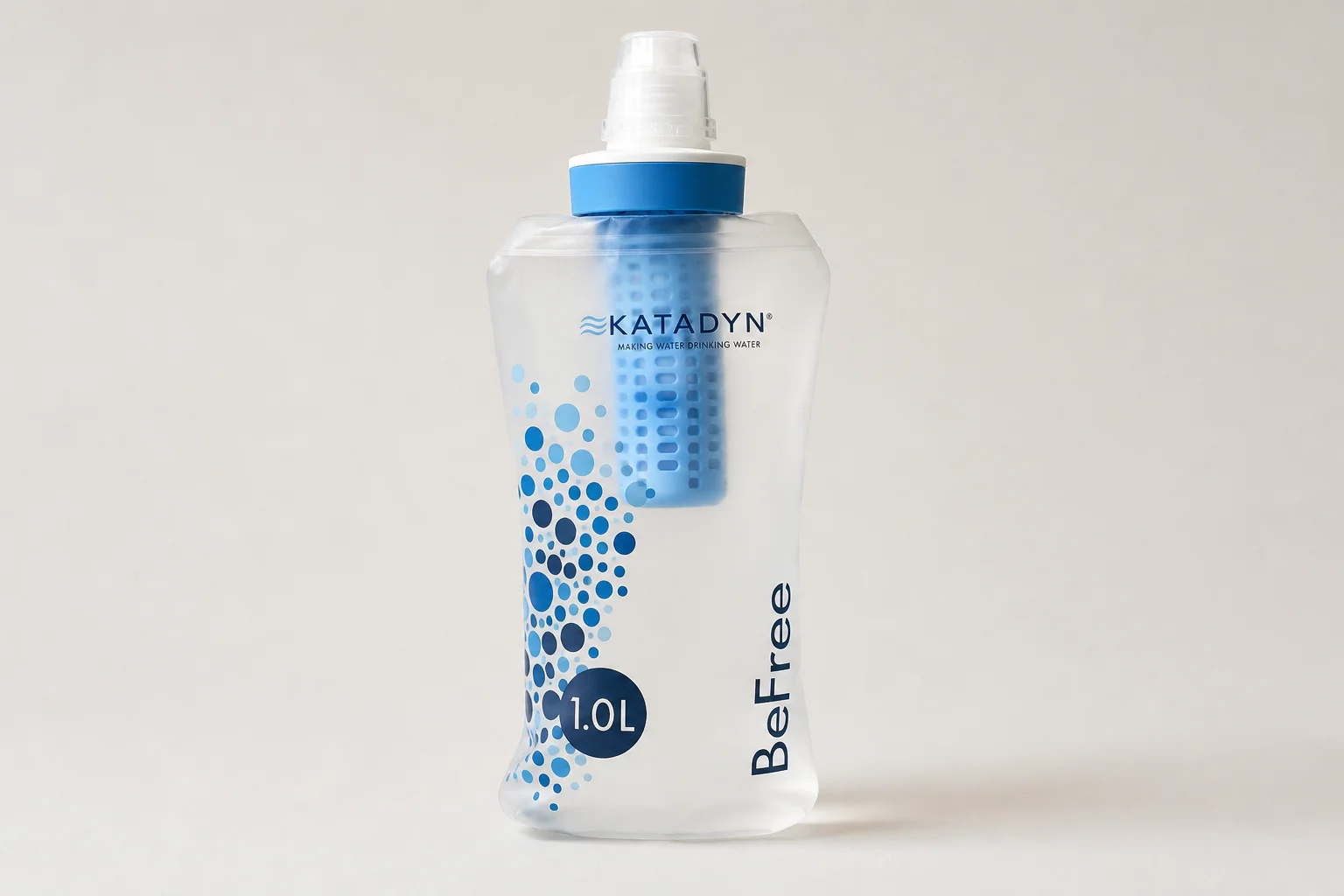
Katadyn BeFree: The Water Filter
A one litre filter bottle, also available in a smaller size, used on trail and while travelling. It has even been filled from airport taps rather than buying bottled water.
Flow rate is the reason for the switch from a Sawyer Micro Squeeze, which was slow. Cold hands lose circulation quickly, so a filter that works fast matters more than it sounds. The filters themselves have been sound and are rated to treat 1,000 litres. A couple of bladders have been punctured and replaced along the way. It doubles as a water bottle, which keeps things simple.
Buying Advice
Start with the pieces that decide whether a trip actually feels good: the pack that carries the load, the shelter you sleep in, and the mat and bag that let you recover. These are the items where spending a little more tends to pay off over years of use, and they are also the items most worth buying secondhand when the condition is right.
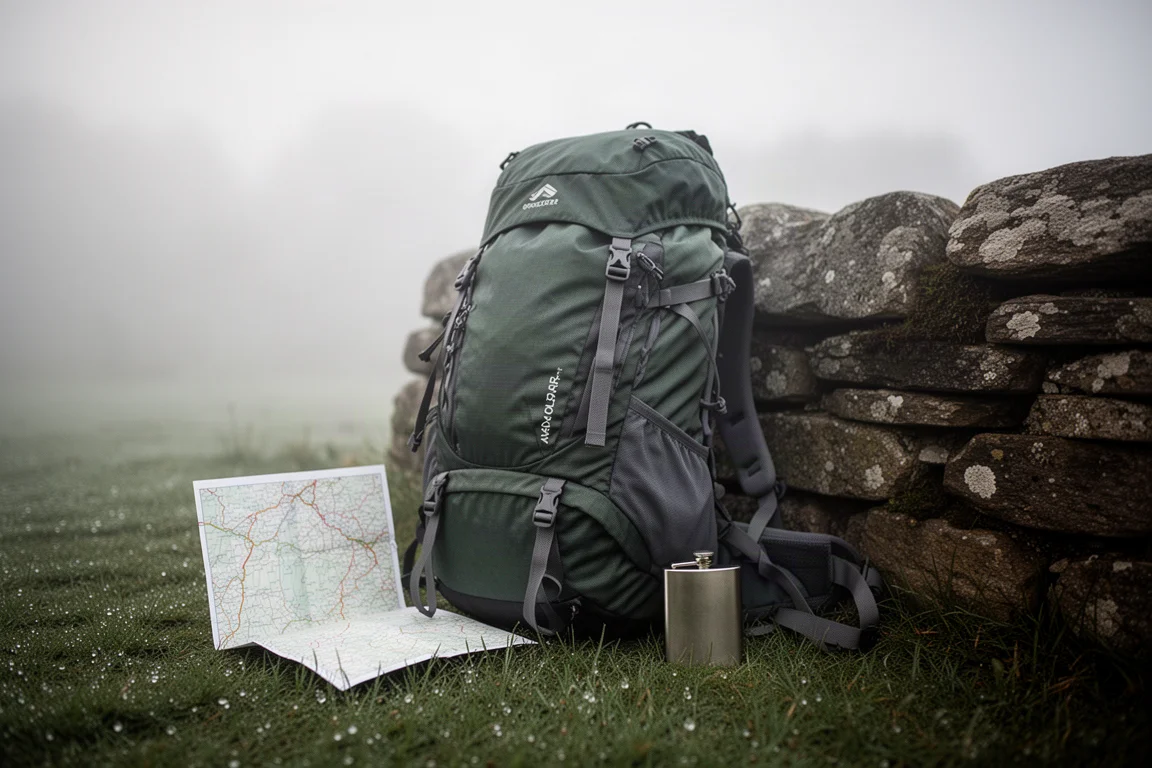
Everything else can be added gradually. A stove, a filter, a head torch and a warm hat can be replaced one at a time as older kit wears out, and there is no need to replace something that still works well. Where a piece has been replaced three times over, that is usually a sign the model suits the way you walk and the conditions you walk in.
Conclusion
Twelve items, most of them in use for years and a few of them new this season. The pattern across all of them is the same: they are reliable, they are comfortable over long days, and they have been tested rather than assumed. A new pack is on the way and a few small changes will follow, but the shape of the kit is settled.
Further reading
Related Reviews
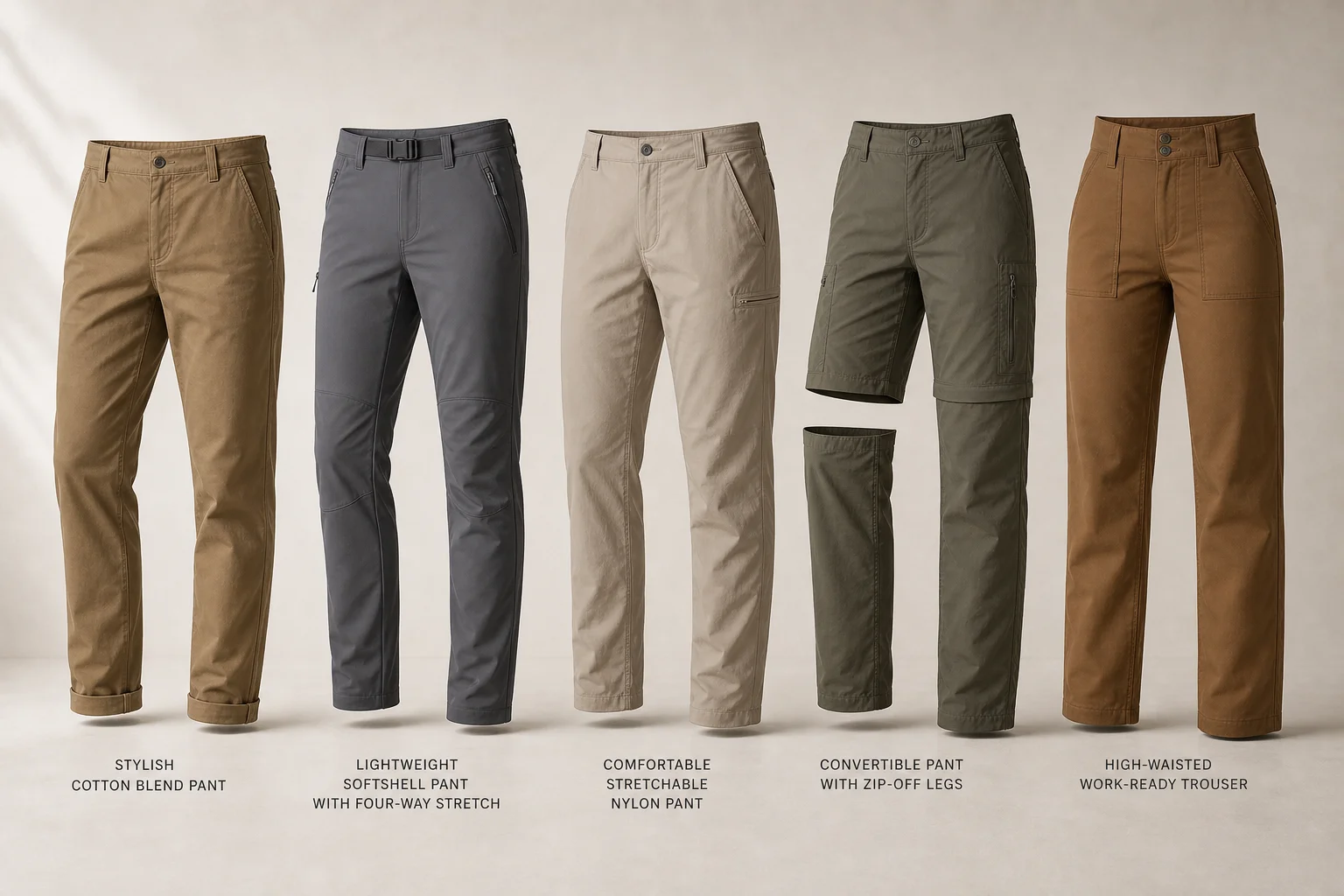
Hiking Gear
Best Hiking Pants on Amazon: Five Practical Options for Different Needs
A practical review of five hiking pants with clear strengths and trade-offs, from lightweight convertible styles to durable work-ready trousers.
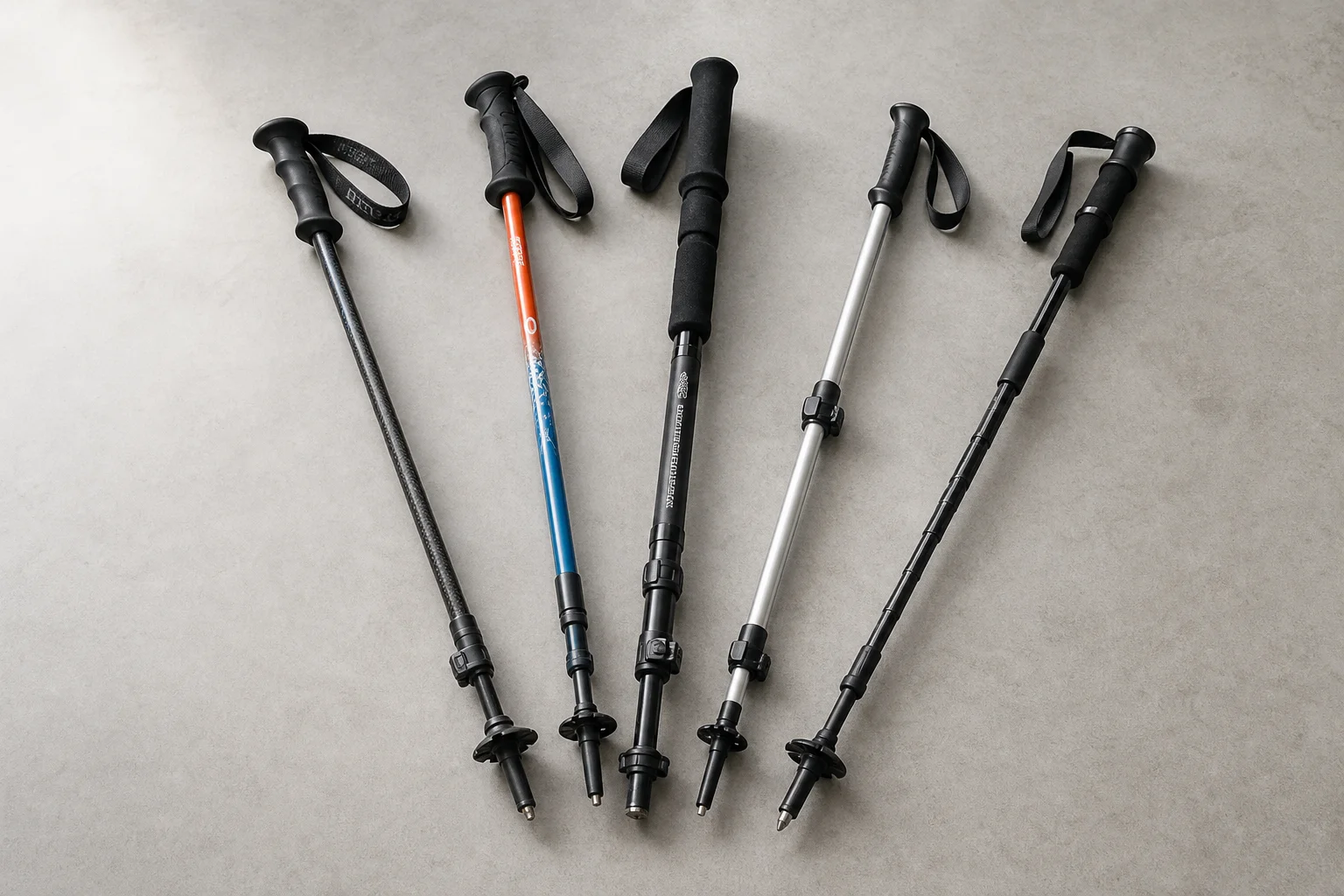
Hiking Gear
Best Hiking Poles 2026: Five Options for Different Trail Needs
A practical review of five hiking poles, from lightweight carbon designs to versatile all-terrain options, with clear strengths and trade-offs for each.
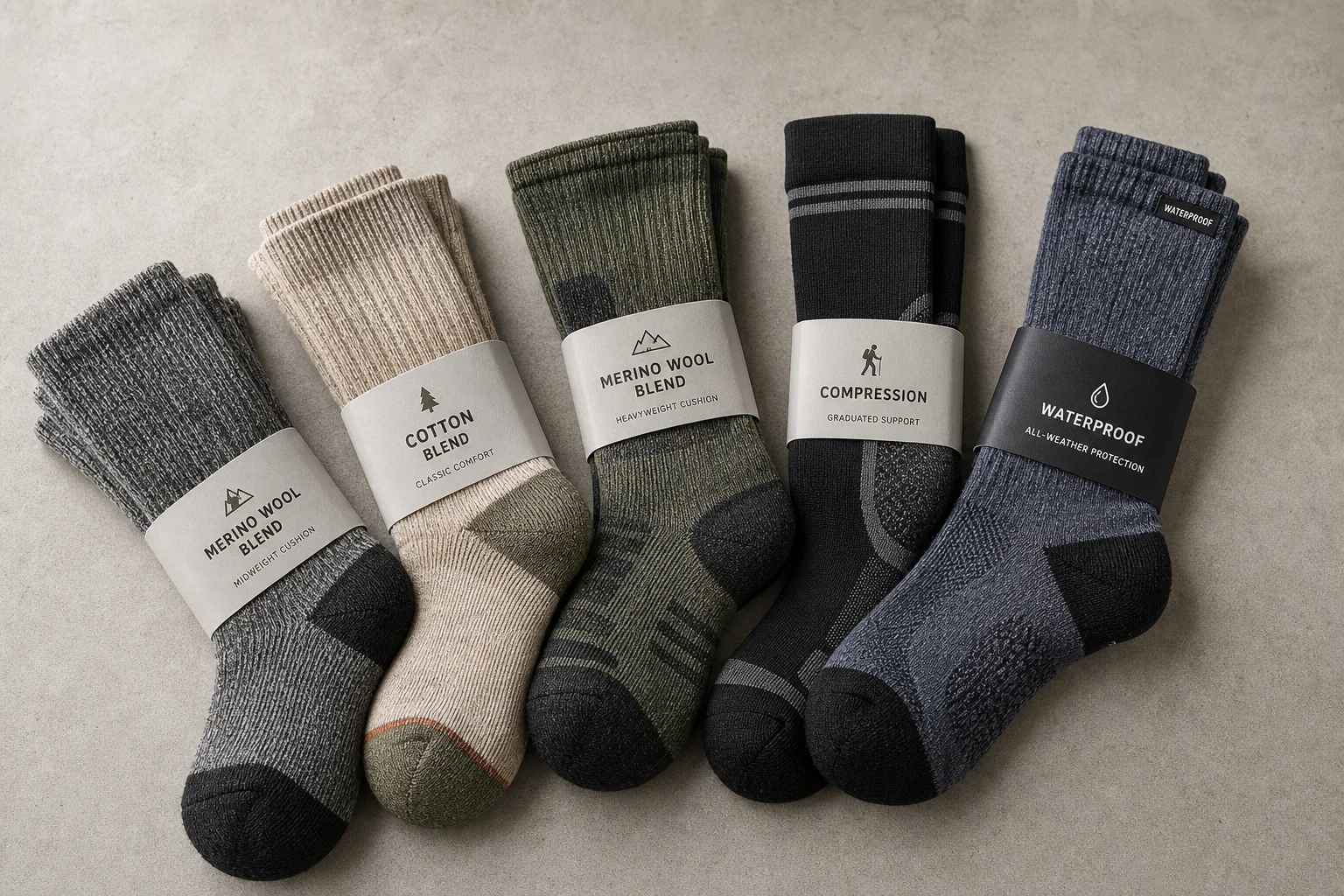
Hiking Gear
Best Hiking Socks 2026: Five Top Choices for Different Trail Needs
A practical roundup of five hiking socks, from lightweight merino options to heavy-duty compression styles, with clear guidance on which suits your outdoor activity.