Hiking Footwear
Long-Distance Hiking Footwear Guide: Socks, Insoles, Camp Shoes, and Gaiters
A practical guide to the footwear decisions that matter over hundreds of miles, from boots versus trail runners to the socks, insoles, camp shoes, and gaiters worth carrying.
Introduction
Footwear is the hardest part of a long-distance kit to get right. No two people share the same stride, and no two pairs of feet are built the same way, so there is no single correct answer. A boot or a trail runner that feels perfect on weekend hikes can start causing problems once you are weeks into a long trail. That is normal. It usually means adjusting something rather than pushing through pain.
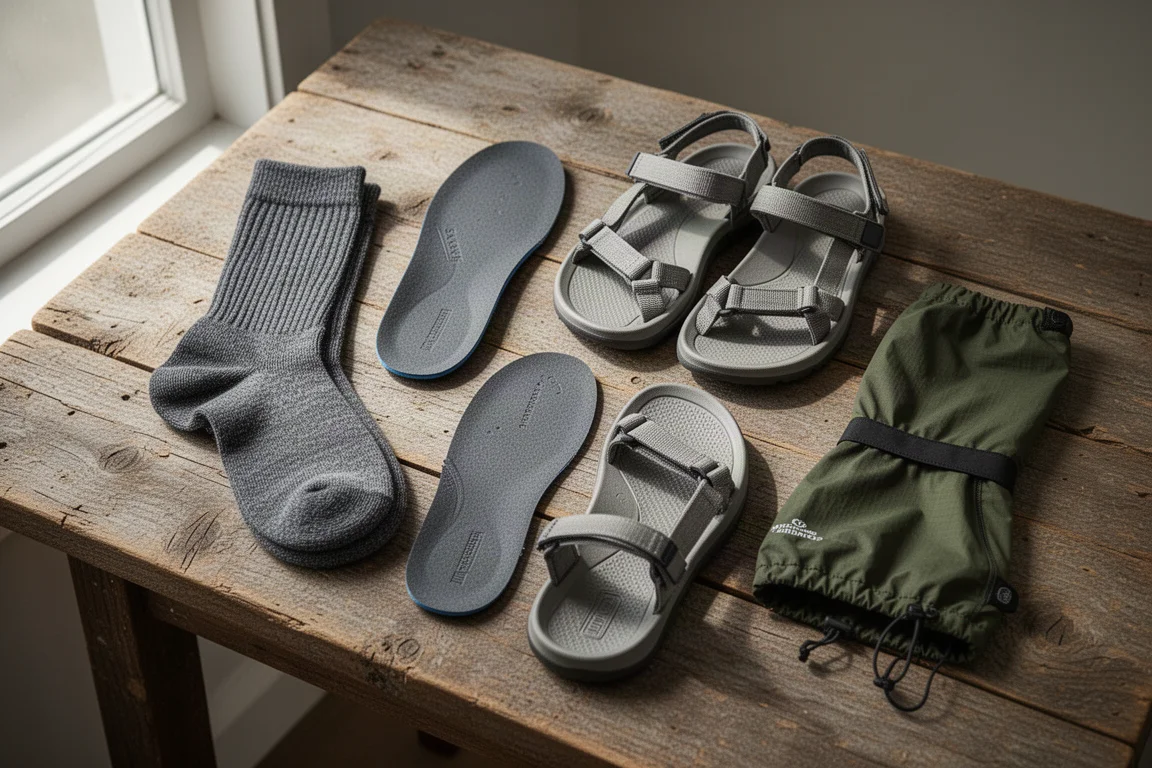
What follows covers the decisions that matter most over hundreds of miles: boots versus trail runners, how to check fit before you commit, when to replace a shoe, and the supporting items that make the biggest difference, including socks, insoles, camp shoes, and gaiters.
Boots vs Trail Runners: Which Approach Fits Your Feet
This debate gets more heated than it deserves. Both categories have a place, and the useful question is which one suits your feet and your trail.
Boots are the more rigid option, and that rigidity is the point. They offer more support for the foot and ankle and more protection from rocks and other obstacles you might catch a toe on. The trade-off is weight. Because of that structure, boots are usually considerably heavier than trail runners, and if your ankles do not need the extra support, you are carrying that weight for nothing. Boots also tend to be warmer in cold conditions, but they ventilate less, so feet stay damp longer, which raises blister risk. In rain, a boot stays wet far longer than a trail runner.
Durability favours boots. Expect roughly 800 to 1,000 miles from a pair of boots, compared with about 200 to 700 miles from trail runners depending on the model.
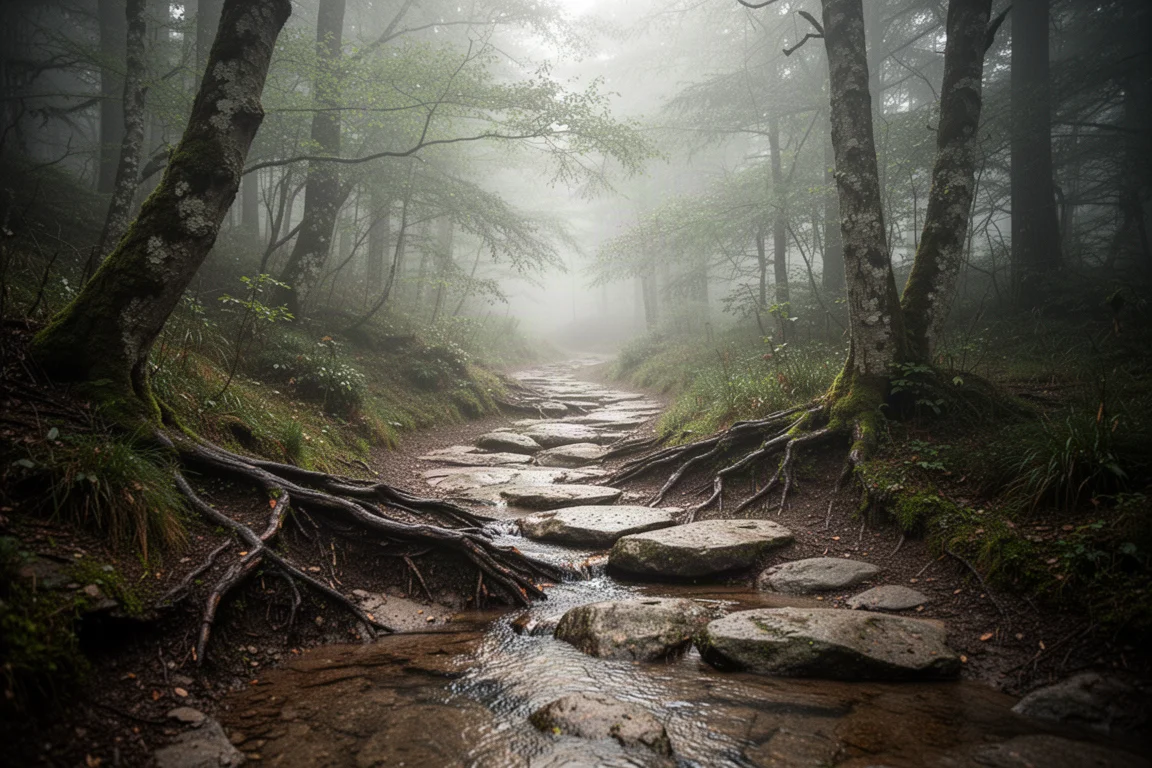
Experience on long trails tends to follow a similar pattern. One thru-hiker started in a pair of lower hiking boots, sized correctly, on the assumption that hiking meant boots and that extra ankle support could only help. Within about 20 miles, Achilles tendonitis set in. An outfitter along the route suggested the boot was drumming against the Achilles tendon and aggravating it. The boots went back to the retailer for a full refund and were replaced with trail runners, and the switch stuck.
On a wet trail with frequent rain and water crossings, breathability does more for foot health than waterproofing. Around 95 percent of hikers who complete the Appalachian Trail do it in trail runners. If you know from experience that you need ankle support, boots remain a reasonable choice. There is also a middle ground: mid-height trail runners that offer more ankle coverage than a standard trail runner while staying lighter than a boot.
How to Check the Fit Before You Commit
Feet swell during the day on trail because of the constant pounding, so many hikers end up sizing up. Getting the fit right matters more than the category of shoe.
Lace the shoe up comfortably, not tightly, and tap your toe against the ground. If your toe hits the front of the shoe, it is the wrong shoe. On descents your foot slides forward, and a shoe that is too short is a reliable way to lose a toenail.
The thumb test is a simple check. Standing comfortably, there should be at least a thumb’s width of space between the tip of your big toe and the end of the shoe. Many outdoor stores have an incline ramp that simulates walking downhill, which is the best way to confirm that your toes stay clear of the front.
Too loose is also a problem. A foot sliding inside the shoe creates friction, and friction contributes to blisters.
Two design details are worth understanding before you buy.
Stack height is the distance between the ground and your foot. It varies by brand and model. Some hikers prefer a slim stack height so they can feel the terrain underfoot. Others, particularly those with tender feet, prefer more cushioning so pebbles and roots do not register. If you are unsure, start somewhere in the middle rather than at either extreme.
Drop describes the slope from heel to toe. Most everyday shoes put the heel higher than the toe. Some brands make zero-drop shoes, where heel and toe sit at the same level. Zero drop has helped some hikers manage plantar fasciitis, and others find it makes things worse. Lowering the heel stretches the calf, and for some people that extra pull irritates the whole line from the calf through the Achilles tendon into the plantar fascia. If you want to try zero drop, do it before a long hike, on short walks around town, and allow time to break the shoes in. There is nothing wrong with a shoe that has some drop.
Shoes also need replacing before they look finished. At around 700 miles on a pair of trail runners, one hiker still had decent tread left, but the support was gone, the arch was hyperextending, and plantar fasciitis followed. Replacing trail runners at about 400 to 500 miles is a practical habit. Boots generally last longer.
On waterproofing: a membrane like Gore-Tex is designed to keep water out while letting vapour escape, but in practice a waterproof shoe traps more moisture than a well-ventilated one. Put one foot in a waterproof shoe and the other in a breathable shoe, and the waterproof side will be sweatier and damper, which is exactly the condition that produces blisters and, over days, something worse. Waterproof shoes also dry more slowly once they are wet. In sustained rain, feet end up wet anyway, from sweat, from splash, and from water wicking down. The one situation where a waterproof shoe can make sense on a wet trail is hiking in snow when rain is not expected.
Hiking sandals are another option, though uncommon on long trails. A small number of hikers attempt a full thru-hike in them each year, and some finish. Sandals ventilate well and dry quickly, but protection is minimal, and an injury such as a broken toe from kicking a rock can slow a hike down or end it.
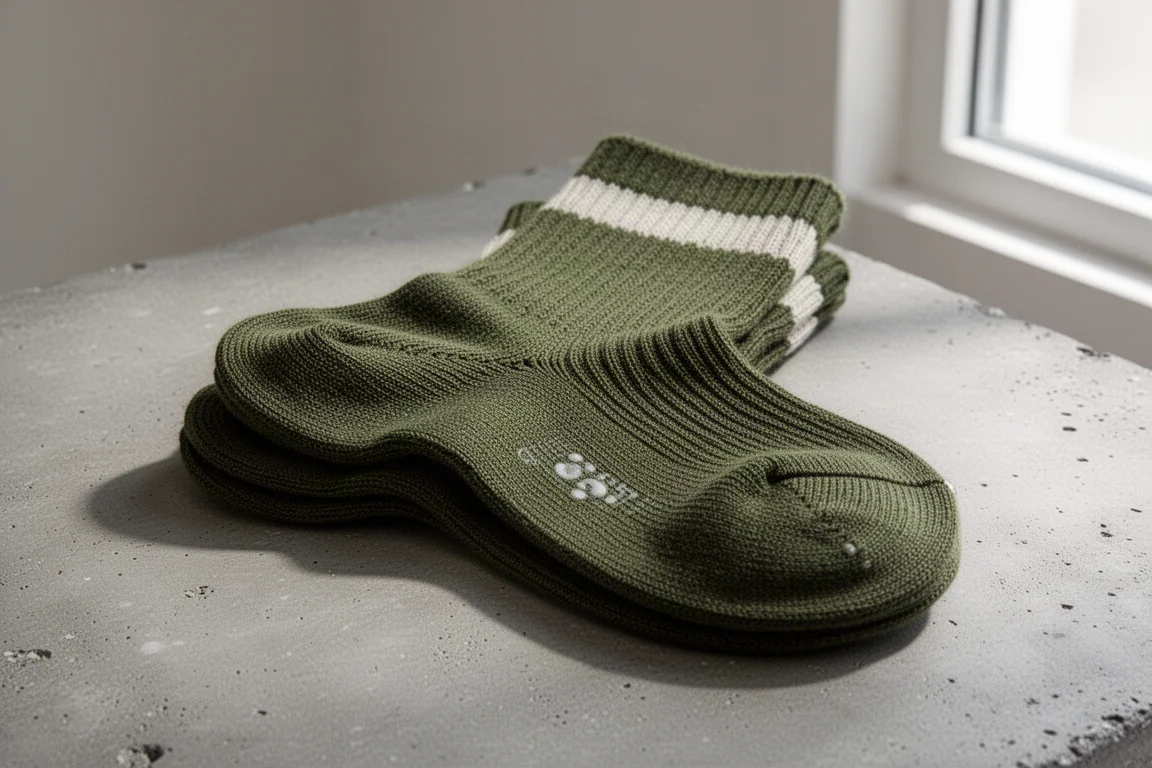
Best Overall Sock: Farm to Feet Merino Wool Socks
Merino wool is close to universal among long-distance hikers, and the reasons are practical. It is soft rather than scratchy, it regulates temperature well, which helps keep feet from getting sweaty, and it is naturally antimicrobial, so it does not develop odour the way synthetic socks do. Most wool socks today blend in some synthetic fibre to hold their shape, dry faster, and last longer.
Farm to Feet is the top pick for backpacking. It is a touch more comfortable than the closest rival, and the company backs its socks with a lifetime guarantee: wear a hole in them and they will be replaced.
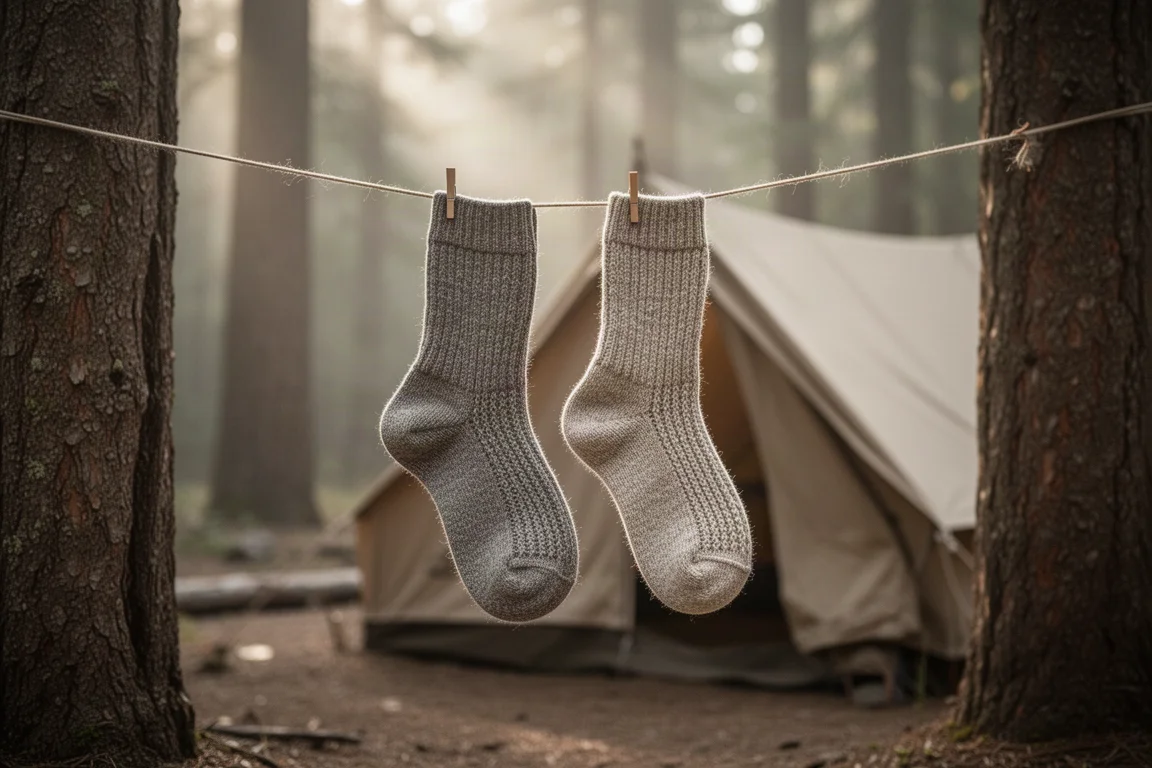
Socks in this class generally run about $15 to $20 a pair, which sounds steep until you weigh the guarantee and the fact that a single pair can last an entire long trail.
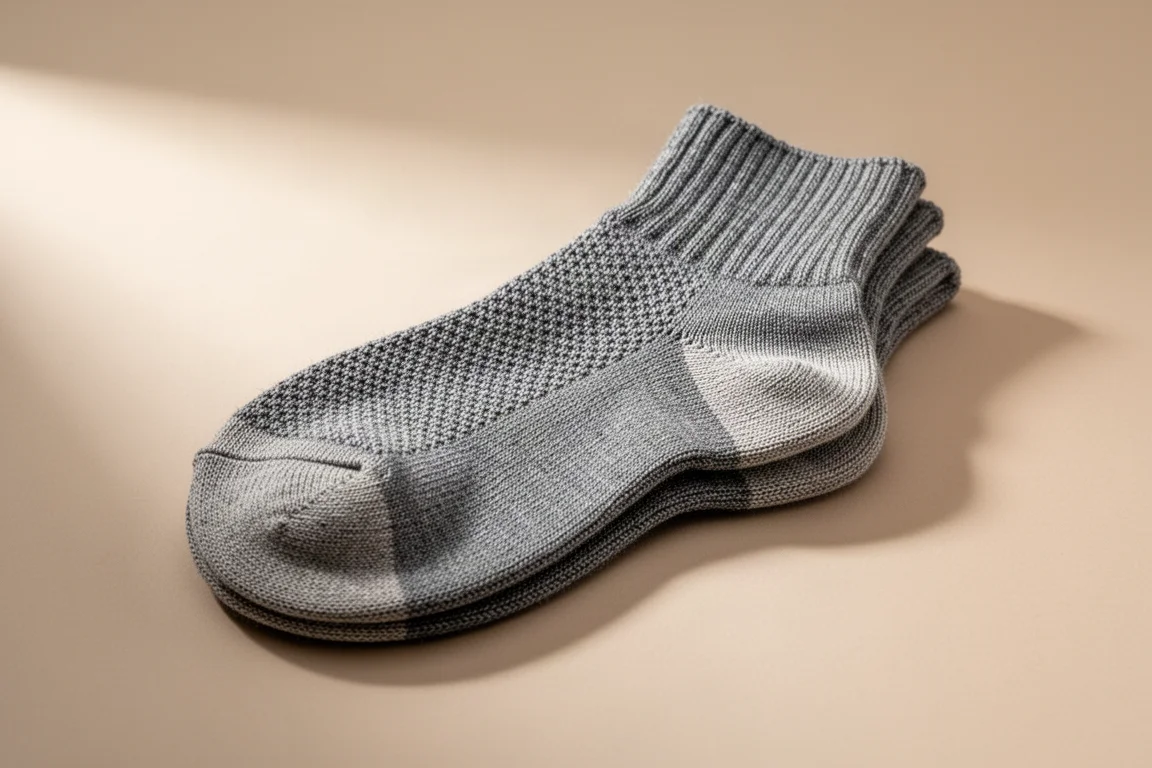
Runner-Up Sock: Darn Tough Merino Wool Socks
Darn Tough is a very close second. Comfort is marginally behind Farm to Feet in direct use, but the range of colour options is better, and the lifetime guarantee is the same. Either brand is a sound choice, and pairs from both have survived complete thru-hikes without developing holes.
Best for Blister-Prone Feet: Injinji Toe Socks
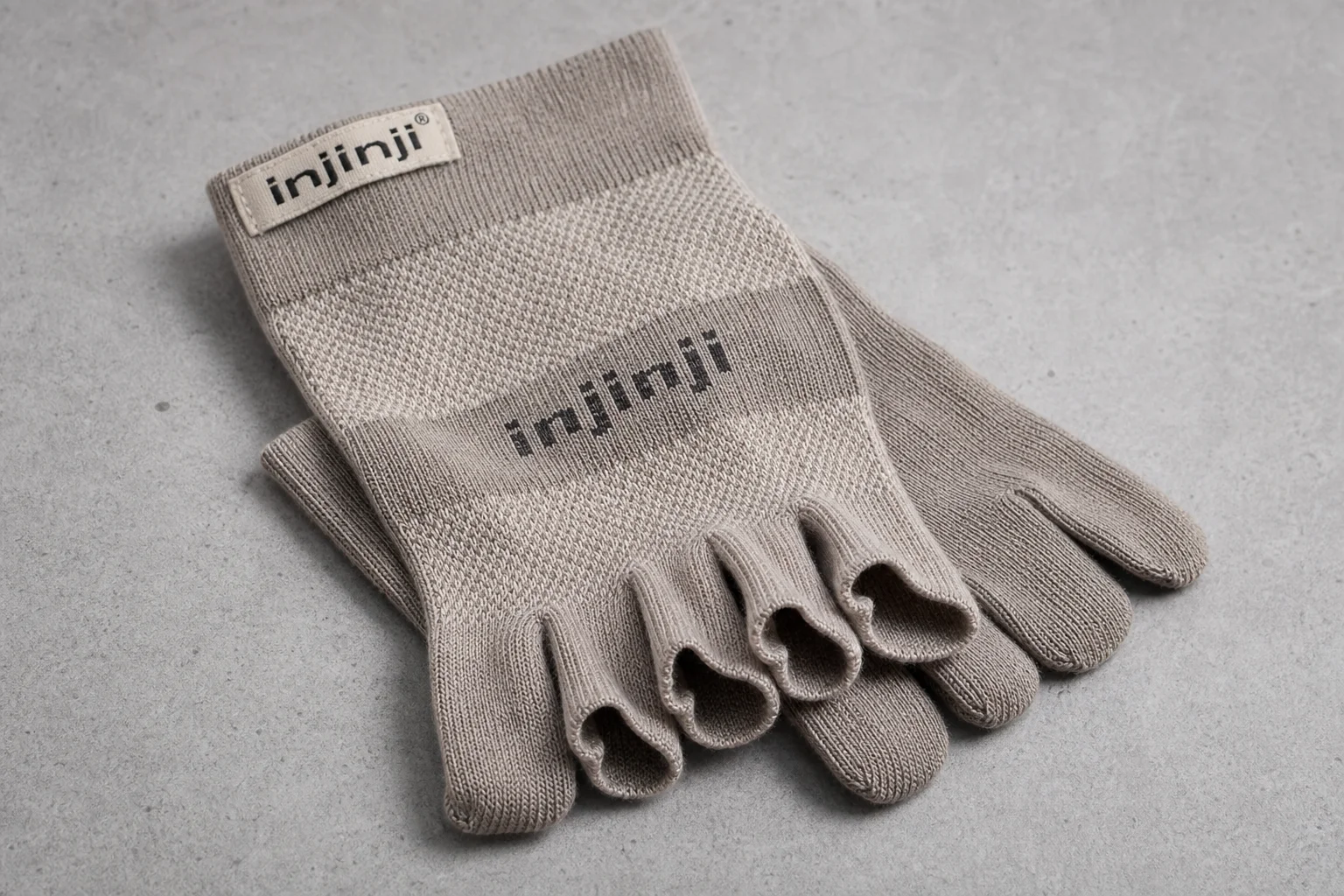
Toe socks address a specific problem: blisters caused by two toes rubbing together. Each toe sits in its own sleeve, which removes the friction between them. Injinji is the best-known option in this category. The trade-off is durability, since toe socks tend to develop holes faster than the wool crew socks above. If toe friction is the source of your blisters, that trade is usually worth making.
Thinner toe sock liners exist as well. They can be worn under a normal wool sock to cut friction without giving up the cushioning and warmth of the outer sock.
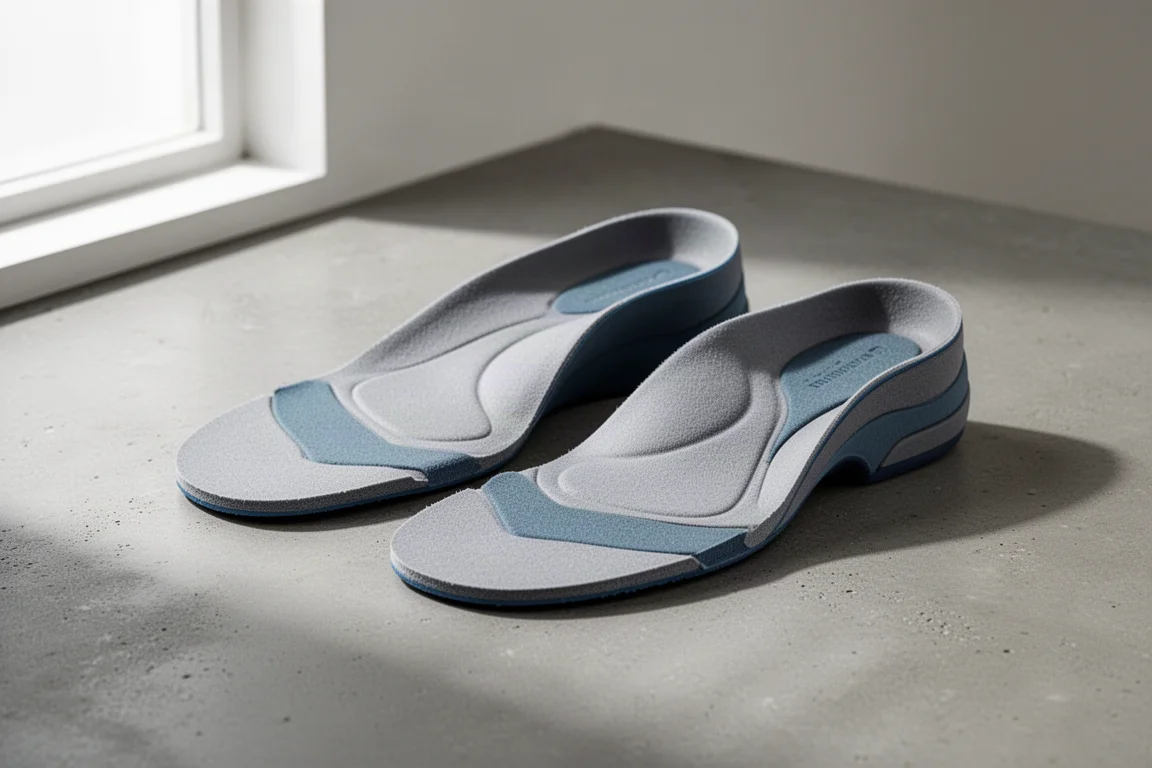
Best Moldable Insoles: Sole Insoles
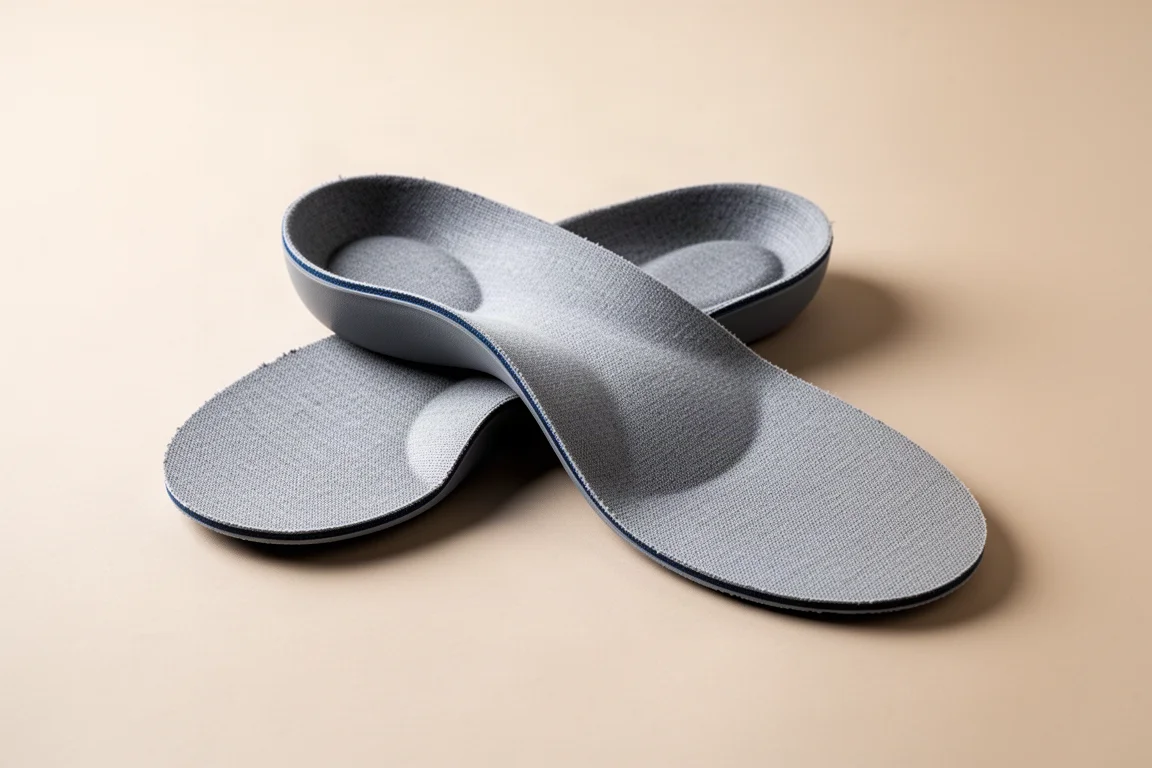
Insoles are as individual as feet. Plenty of hikers never need them and get along fine with the factory insole that ships in the shoe. If your feet want more support, or something different from what came in the box, insoles are a cheap experiment.
Sole insoles are heat-moldable. You warm them in an oven, place them in your footwear, and step down so they shape to your feet. That custom fit is the main appeal, and it is a meaningful step up from a flat factory insole. They typically run about $40 to $50.
Best Supportive Insoles: Superfeet Insoles
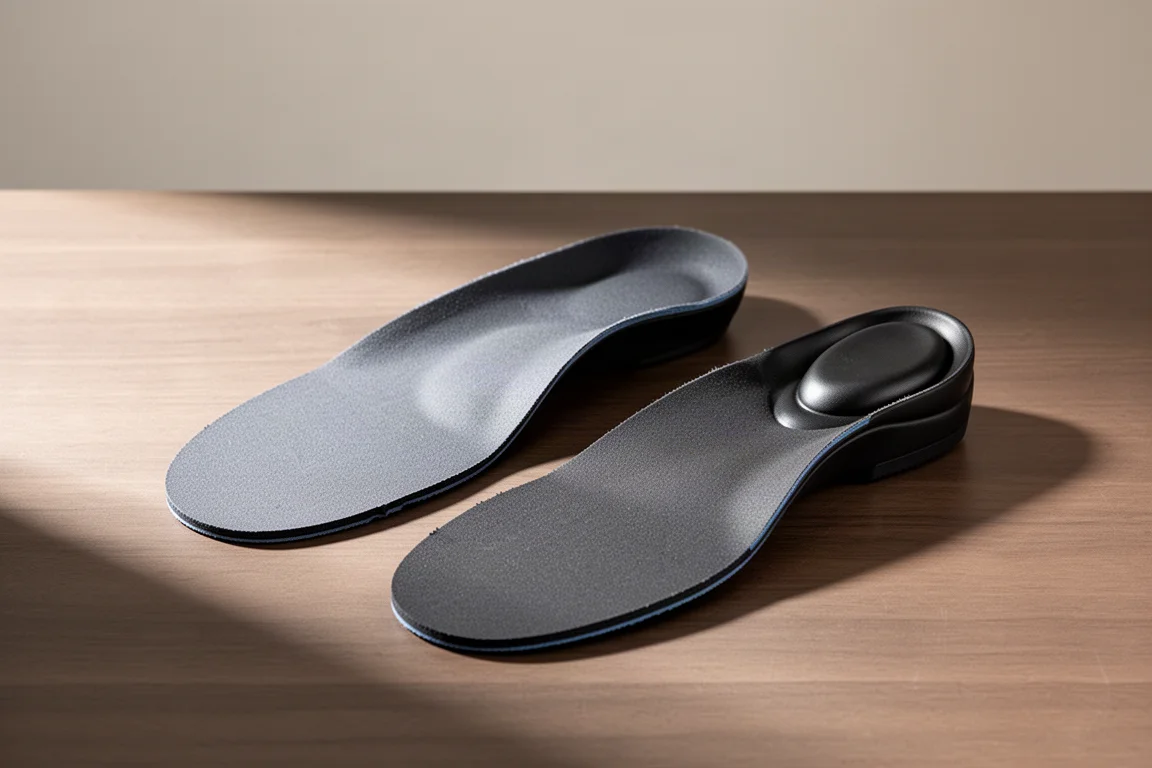
Superfeet makes several insole types aimed at different needs. In extended field use, the difference compared with a stock insole was not dramatic, but the brand remains a popular and widely available step up in arch support. Prices sit in the same $40 to $50 range as the moldable option above.
Best Budget Insoles: Dr. Scholl’s Plantar Fasciitis Insoles
These are the value option, at roughly $20, less than half the price of the insoles above. Used alongside stretching and other foot care, they appeared to make a substantial difference to plantar fasciitis symptoms over a long trail.
It is worth saying plainly that the best route for persistent foot problems is custom orthotics from a podiatrist, though that costs more and depends on whether insurance covers it.
Best Lace Upgrade: Lock Laces
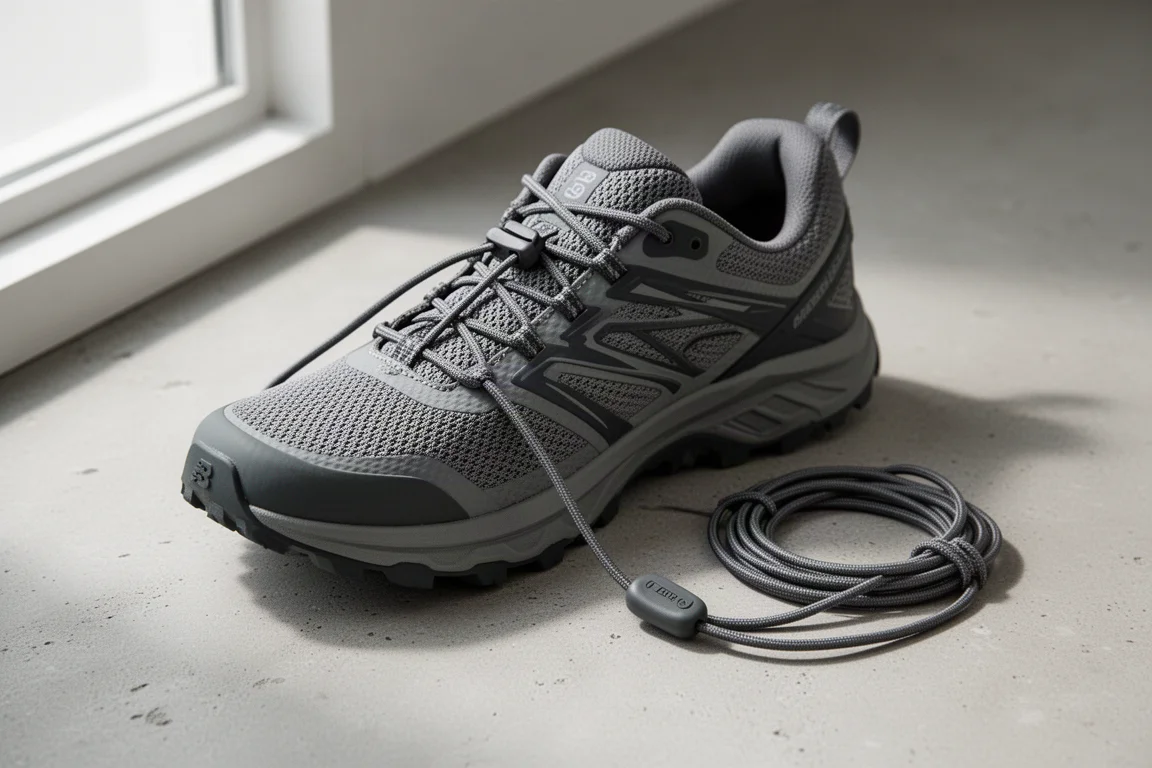
Lock Laces replace standard shoelaces with elastic cord and a small adjustable plastic slider. Thread them through the eyelets, set the tension once, and tighten or loosen them with a slide. There is no tying and no double-knotting, which adds up over months of daily use, and the tension stays consistent, which helps keep the fit from drifting. Replace them whenever you replace the shoes.
Best Camp Shoes: Teva Foam Sandals
Camp shoes are a luxury item, but most long-distance hikers start a trail with a pair. After a long day, there is not much better than getting out of hot, damp shoes and socks and into something that lets your feet breathe.
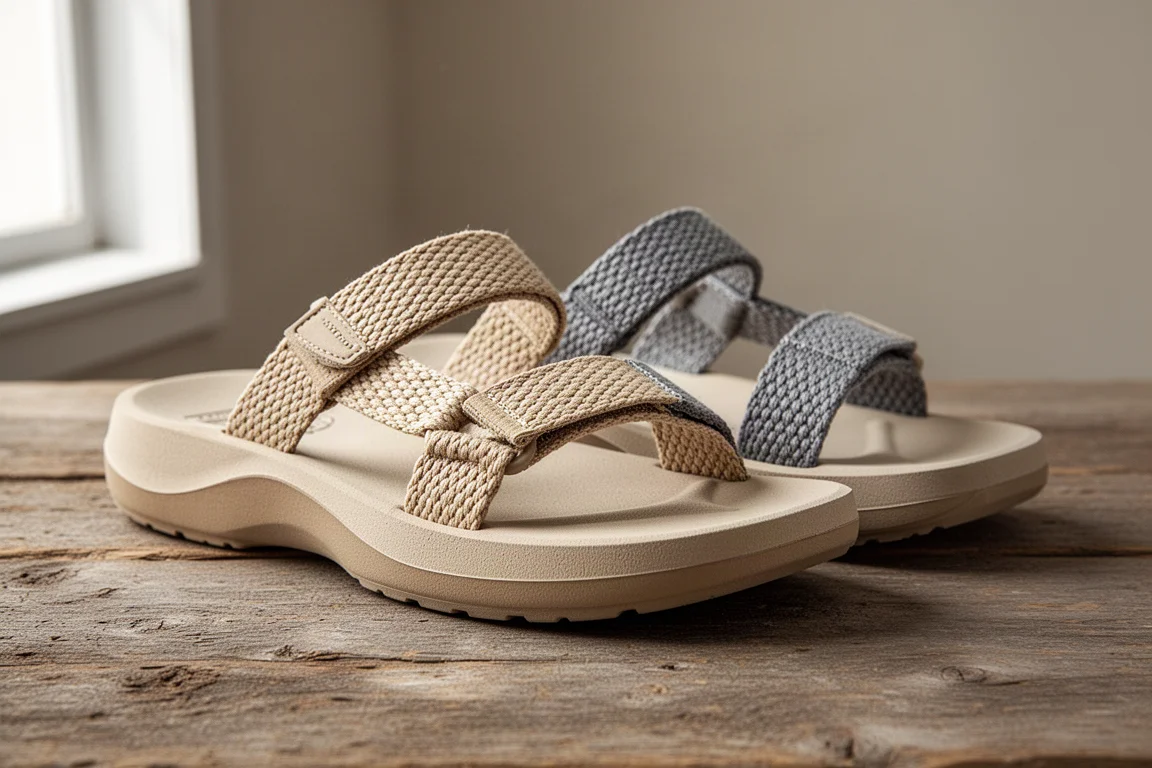
The requirements are simple: light and breathable. Lightweight foam sandals fit that brief, and they double as town shoes on resupply stops.
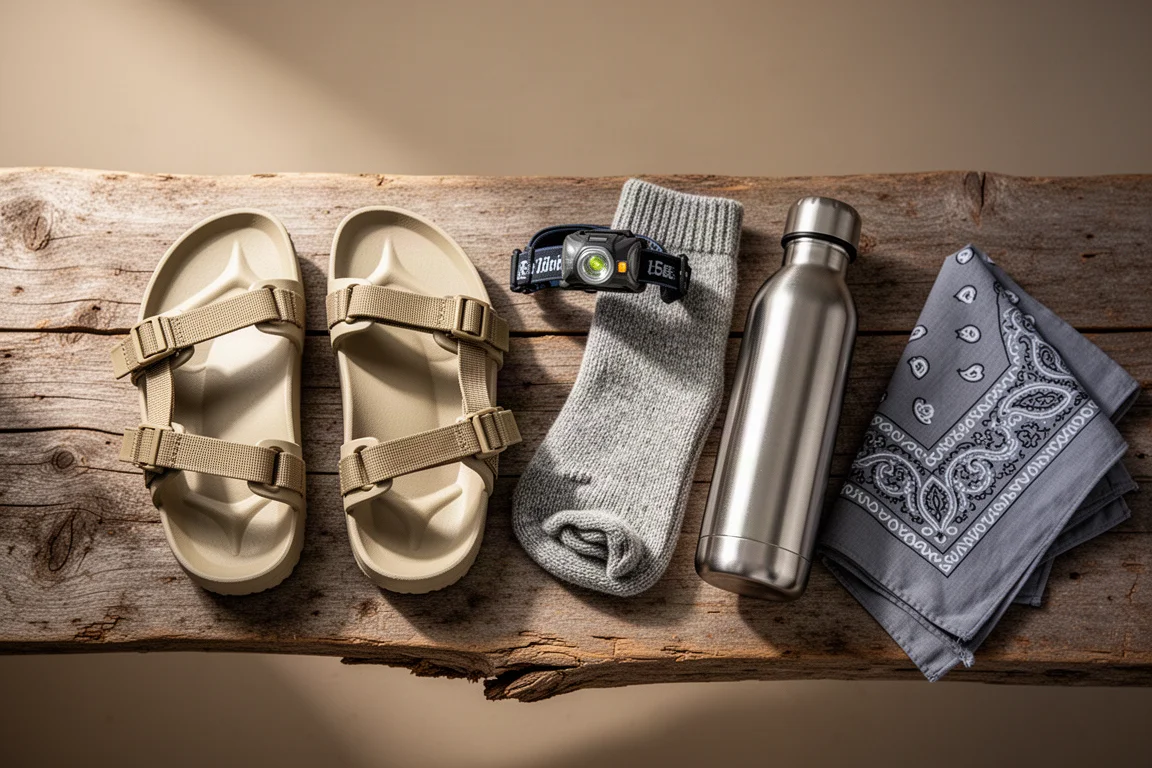
Camp shoes are genuinely optional. Hikers who are not particularly tender-footed often find they can walk around camp barefoot and end up mailing the extra pair home, or leaving them behind entirely on later trips.
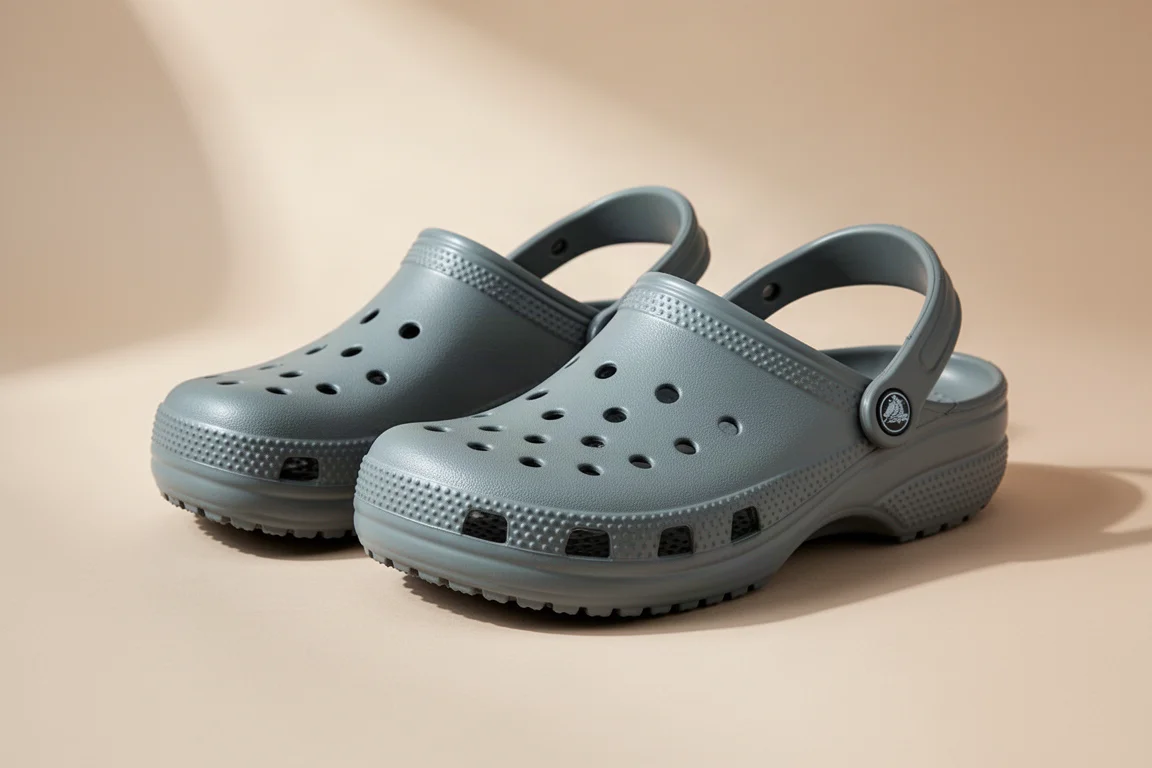
Best Alternative Camp Shoe: Crocs
Foam clogs are the other common choice, and they are entirely accepted at camp. They are comfortable, light, and ventilated, and they work in town as well as at a shelter. The same caveat applies: they are a convenience, not a necessity.
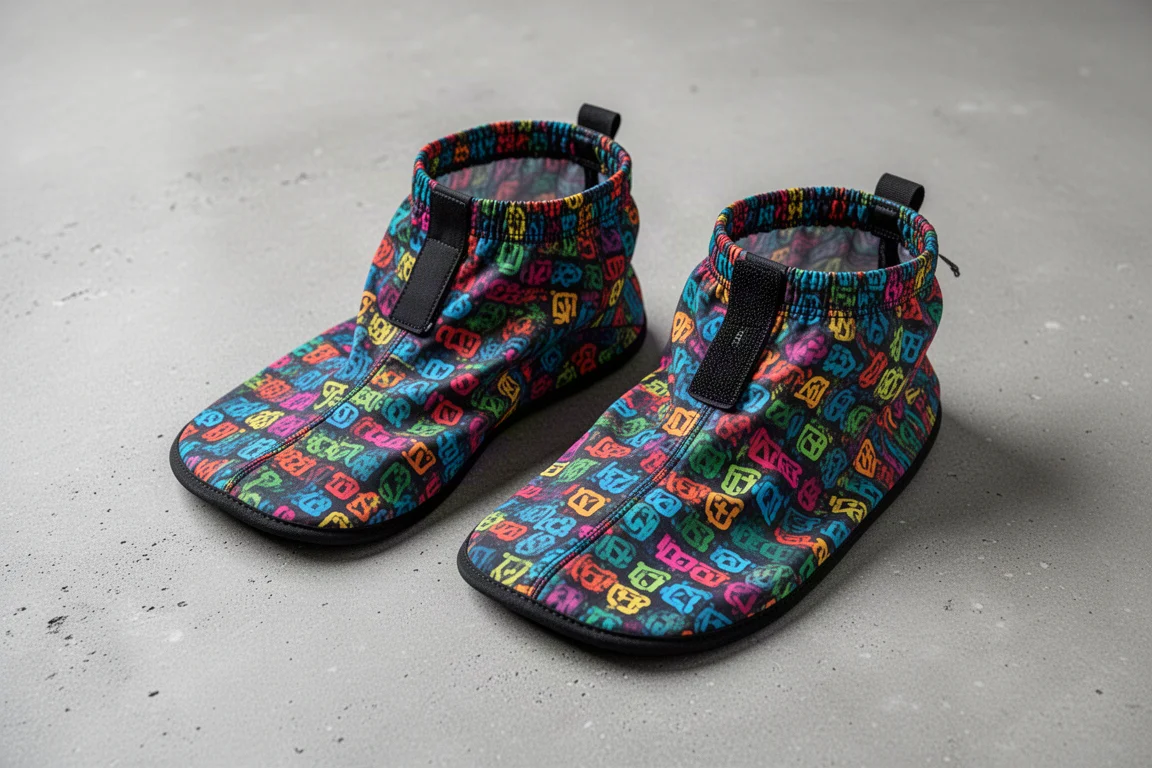
Best Lightweight Gaiters: Dirty Girl Gaiters
Gaiters are a small, low-cost fix for a specific annoyance. Debris in the shoe is normal on trail, and most hikers simply empty their shoes at breaks. If you find yourself stopping constantly to clear grit, or if sand and dust collecting in the lip of your sock is causing abrasion, a pair of gaiters can solve it.
Most trail gaiters are lightweight and low-rise. They hug the lower ankle and overlap the top of the shoe, sealing the gap where debris gets in. Dirty Girl Gaiters are one of the most visible options on trail, largely because they come in a wide range of colours and prints.
Heavier waterproof gaiters exist, but for a temperate, frequently wet trail they are more protection than most hikers need. It is also fair to note that gaiters are one more piece of gear to manage, and hikers who rarely need to empty their shoes may not find them worth the fuss.
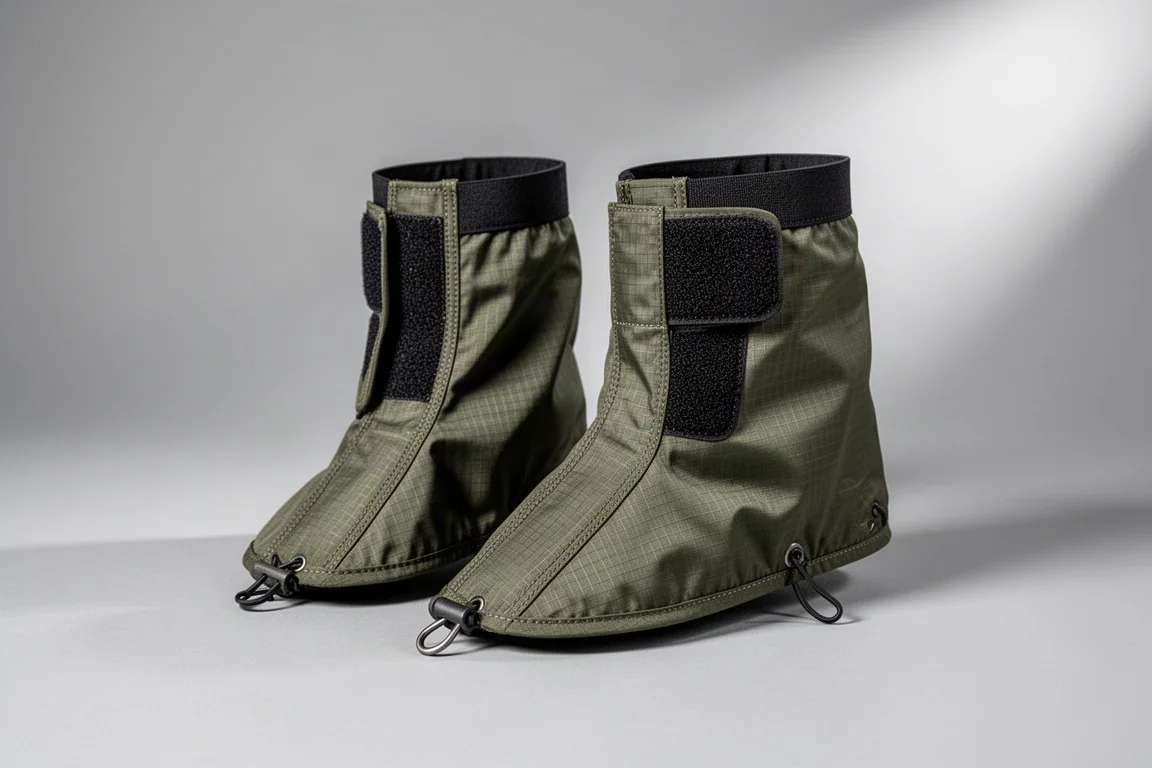
Best Technical Gaiters: Outdoor Research Gaiters
Outdoor Research makes a more subdued style of trail gaiter with the same low-rise, ankle-hugging shape. They perform as well as the colourful alternatives and suit hikers who would rather not stand out.
Overall Buying Advice
Buy footwear from a retailer with a return policy that covers long trips, and try it on in person where possible. Fit is the single biggest factor: check the thumb-width rule, test on an incline if the store has one, and do not accept a shoe that crowds your toes.
Expect to replace shoes mid-trail. A 400 to 500 mile interval for trail runners is a reasonable starting point, and boots will go considerably further. Judge a shoe by its support, not by how much tread is left.
Socks are worth the money. Two or three pairs for hiking plus one clean pair for sleeping covers most conditions, and mixing lengths and cushion levels lets you adapt to the weather. In cold conditions, a three-quarter or crew sock with light cushion works well during the day, with a heavily cushioned crew sock for sleeping. In warm weather, no-show socks with no cushion are comfortable, though they can slip down and rub the ankle or collect grit in the cuff, so carrying a three-quarter length sock as a backup is sensible. Longer socks matter in other situations too: one hiker with a serious poison ivy and poison oak allergy wore knee-high socks for an entire thru-hike.
Finally, treat every piece of footwear as an experiment you are willing to revise. What works on a weekend hike may not work at mile 500, and changing a shoe, an insole, or a sock is a normal part of the process rather than a failure.
Conclusion
Footwear on a long trail rewards patience and a willingness to adjust. Trail runners suit most hikers on wet, well-travelled routes, boots remain the right answer for anyone who genuinely needs the extra support, and the supporting items, merino wool socks, a good insole, simple camp shoes, and low-rise gaiters, solve specific problems without adding much weight. Start with a fit you trust, buy where you can return what does not work, and plan to replace your shoes before the trail is finished.
Further reading
Related Reviews
Hiking Footwear
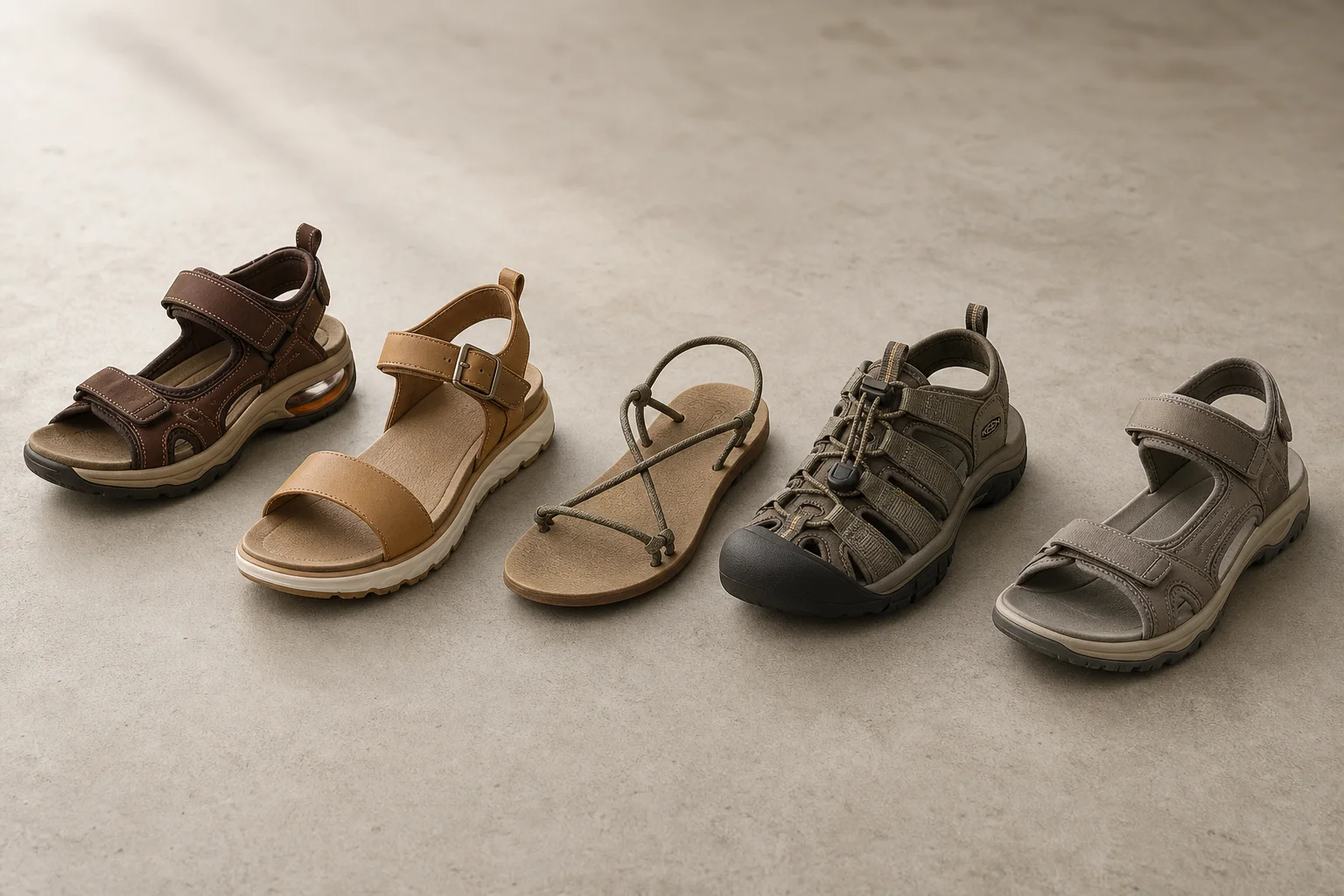
Best Hiking Sandals 2026: Five Options for Different Trail Needs
Five hiking sandals tested for comfort, protection, and versatility. Find the right pair for your hiking style, from minimalist designs to heavy-duty closed-toe options.
Hiking Footwear
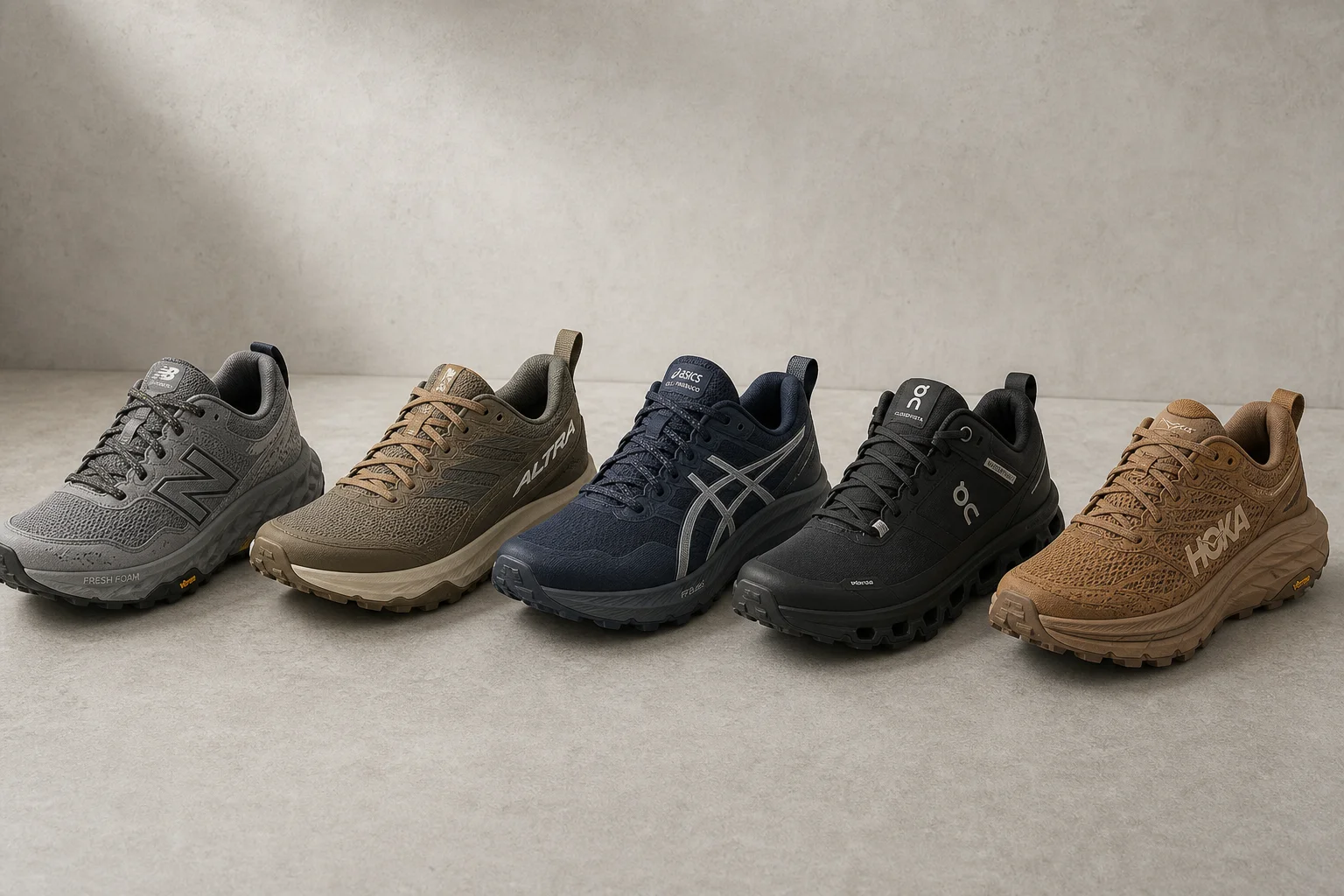
Best Hiking Shoes 2026: Five Options for Different Terrain and Support Needs
A practical guide to five hiking shoes covering max cushioning, zero-drop design, all-around versatility, waterproof protection, and balanced comfort for long-distance trails.
Hiking Footwear
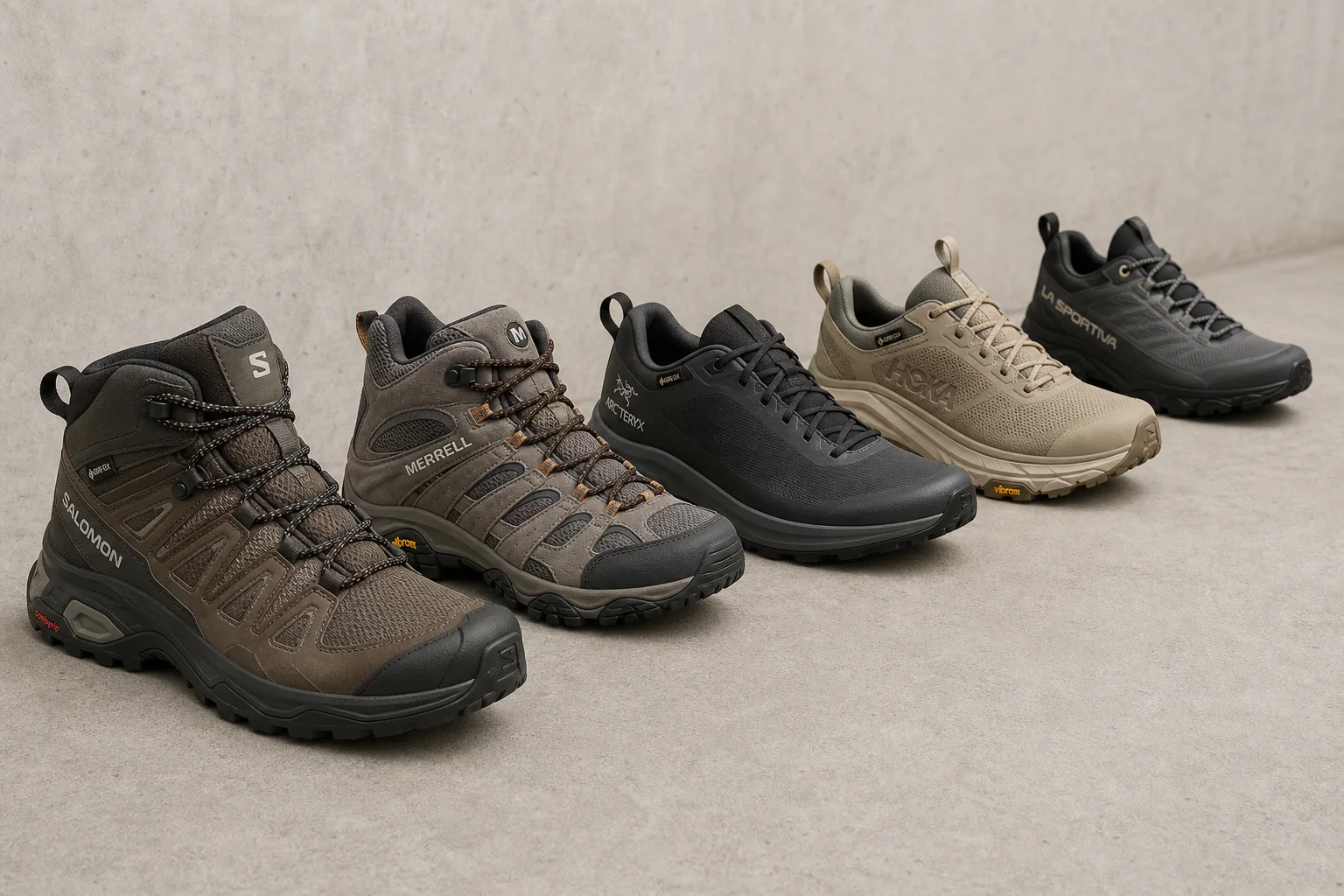
Best Hiking Shoes for Men: Five Tested Options Ranked
A detailed ranking of five hiking shoes tested for comfort, traction, and durability across varied terrain and conditions.