Running Gear
London Winter Run 10K: Race-Testing Four Pieces of Running Gear
Four products put through a congested, twisty Central London 10K: Hoka's latest super shoe, Beats earbuds, and two very different smartwatches.
Introduction
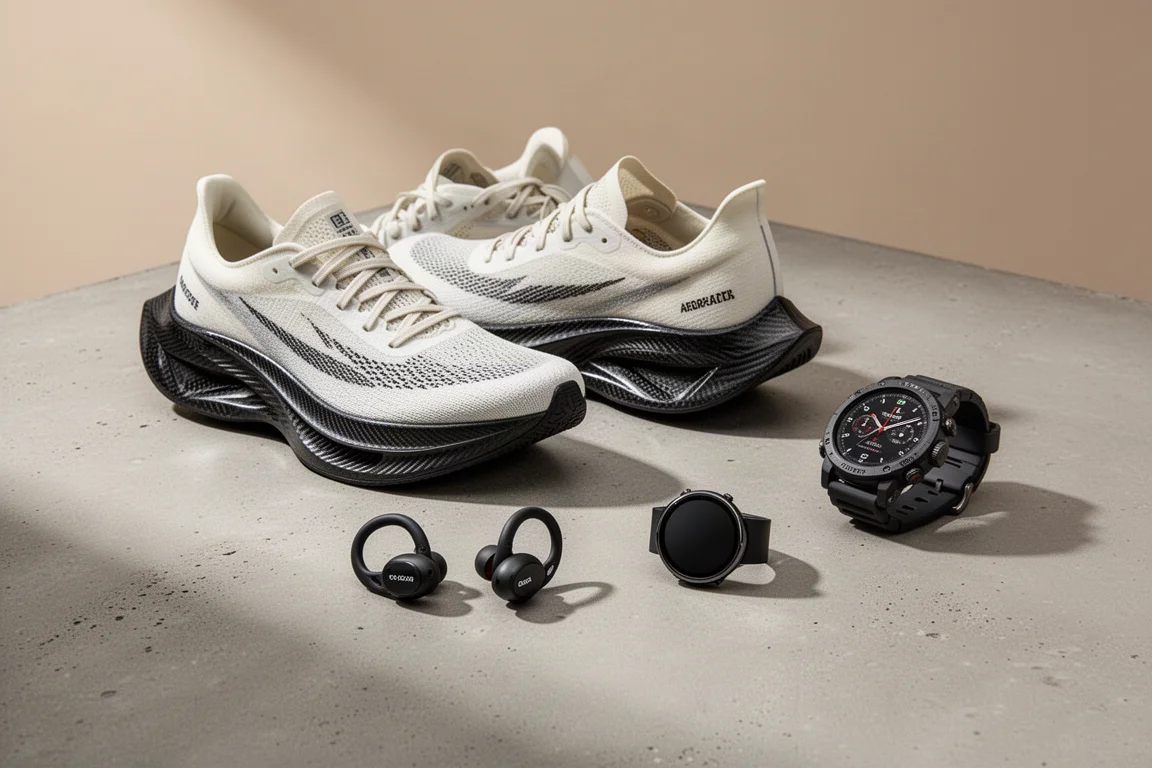
A last-minute bib for the London Winter Run 10K turned into an ideal race-day test for four pieces of kit: the Hoka Cielo X1 2.0 super shoe, the Beats Powerbeats Pro 2 earbuds, and two smartwatches running side by side, the Amazfit Active 2 and the Garmin Fenix 8X paired with a Polar H9 chest strap. With 25,000 participants, a twisty course through tall buildings, and a congested start, this race put everything under real pressure.
The Race Course: A Tough Test for Any Kit
This was the 10th edition of the London Winter Run, and if you have raced in Central London before, the route will feel familiar: lots of short, sharp turns that pack plenty of landmarks into a short distance. That twisty nature, combined with 25,000 runners and staggered start waves, made the first few kilometres genuinely congested, with plenty of darting onto pavements to get past crowds.
The congestion matters for a gear test. Weaving through crowds affects GPS accuracy, and the constant cornering pushes shoe stability to its limits. Both watches struggled in the same GPS dead zones around the 6K mark, and the shoe’s handling was tested harder here than it would be on a straight, open course.
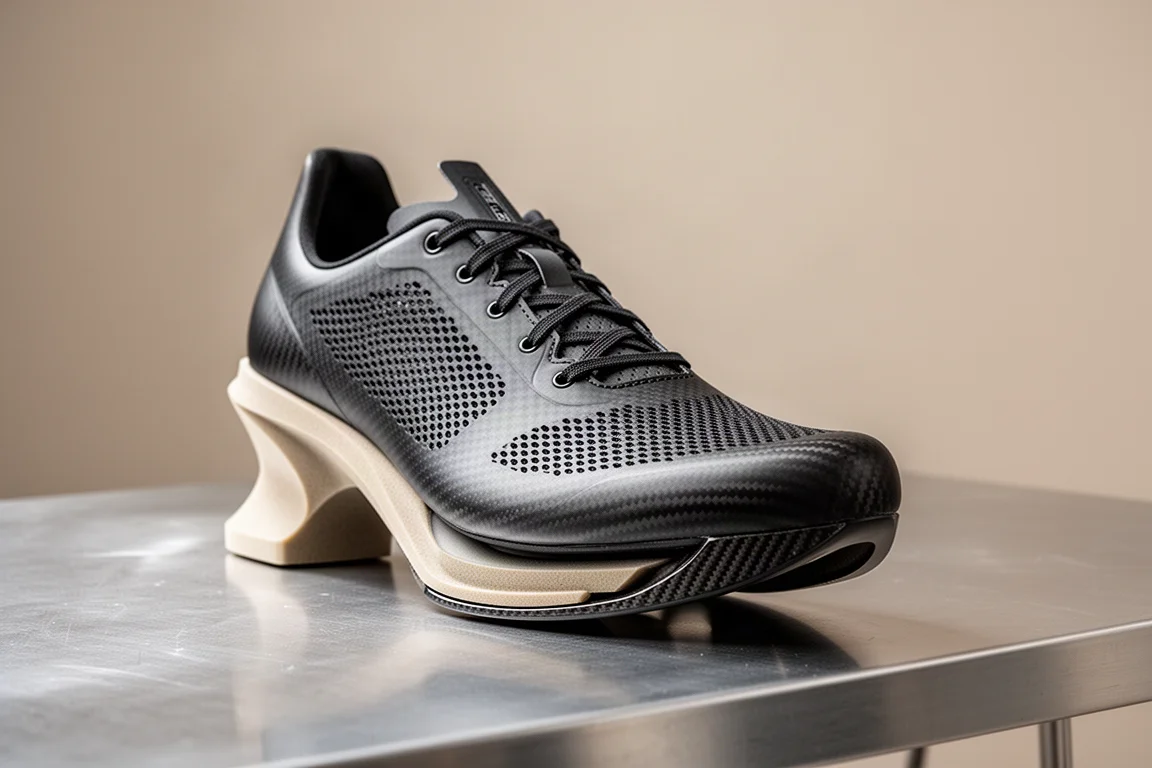
Hoka Cielo X1 2.0: A More Aggressive Racer
The original Cielo X1 was a lively, bouncy shoe that felt best on longer, faster runs. The 2.0 changes that picture. It is lighter, more aggressive, and more propulsive, placing it alongside shoes like the Vaporfly 3, the Puma Deviate Nitro Elite 3, and the ASICS Metaspeed Sky Paris. In this race, the shoe rewarded hard effort with a smooth rolling ride through the stride, and it felt well suited to the 10K distance rather than just longer races.

The trade-off is stability. The more aggressive geometry makes cornering genuinely challenging, and on a course full of sharp twists that was felt constantly, often requiring wide lines around other runners to hold pace. If you can live with the slightly less stable feel, you are rewarded with a fun, bouncy, lively racer that works across race distances, not just the marathon.
Beats Powerbeats Pro 2: Fit and Sound First
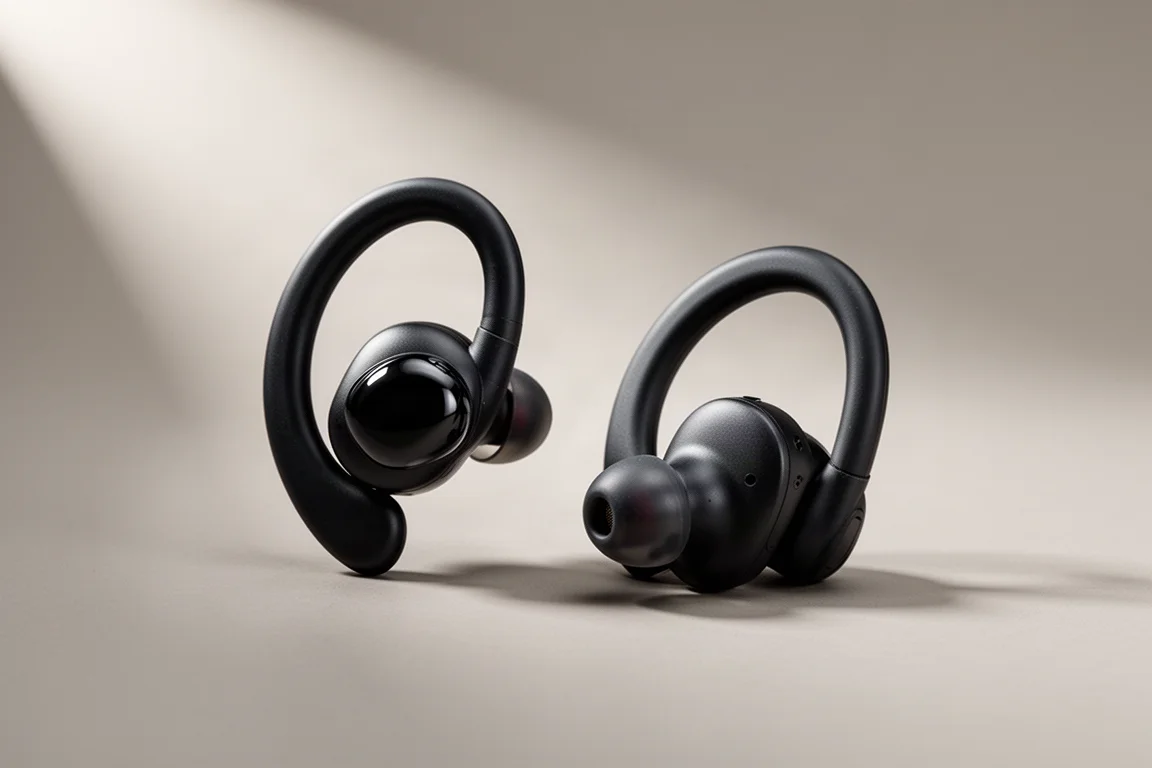
The Powerbeats Pro 2 has already earned a solid reputation as an upgrade over the original, though its heart rate feature is arguably the weakest part of the package. For this race, the focus was on what matters most for ear hook earbuds: fit, sound, and battery life.
Run in transparency mode rather than noise cancelling so the crowd support stayed audible, the buds did not budge. The ear hook design delivered exactly the secure, reliable fit it promises, and the sound quality was fantastic, a clear step up from the previous version. Battery drain was around 15% for the roughly hour-long race in transparency mode, which matches expectations.
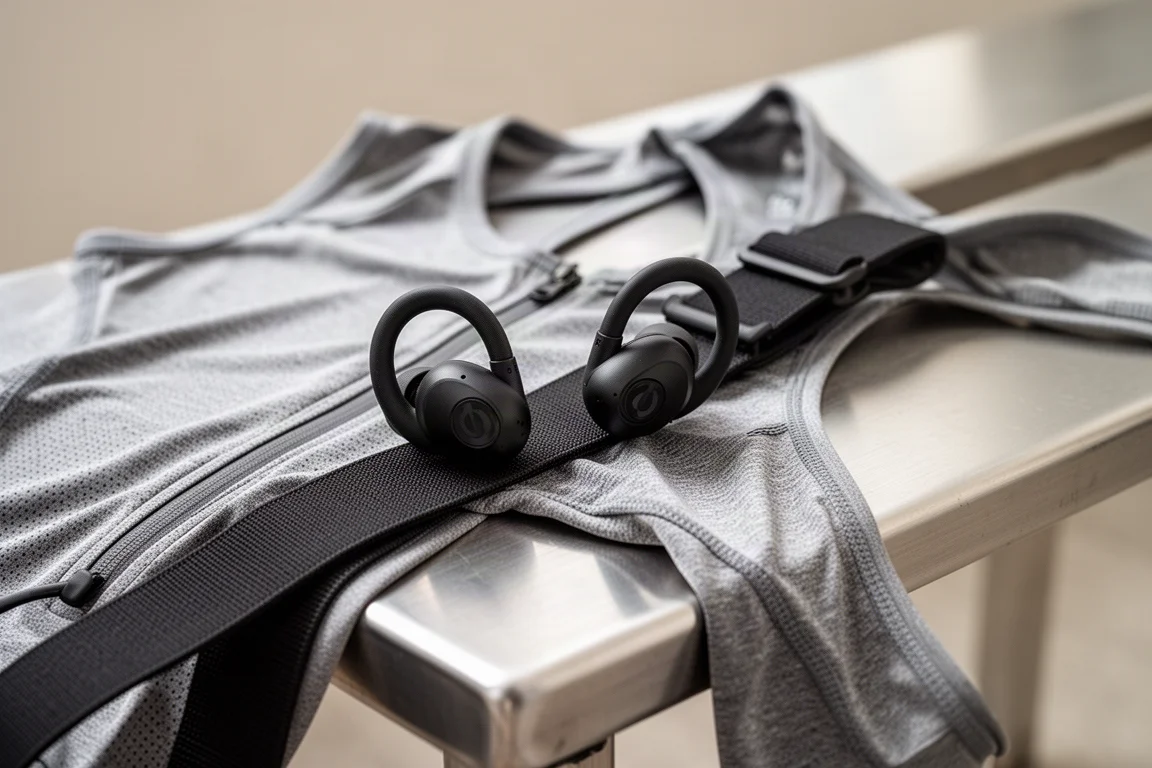
One detail stood out: the physical buttons are notably better than the AirPods Pro 2 controls, making track skipping mid-race easy and reliable even at speed. For anyone who regularly manages a playlist while racing, that alone makes these worth a look over in-ear alternatives.
Amazfit Active 2: GPS and Heart Rate Under Pressure
The Amazfit Active 2 costs under £100 and packs a surprising feature set, most notably free full offline mapping, something rarely seen at this price and already well executed on the pricier Amazfit T-Rex 3. It is a genuinely compelling option for Android users who want run tracking without paying outdoor-watch prices.
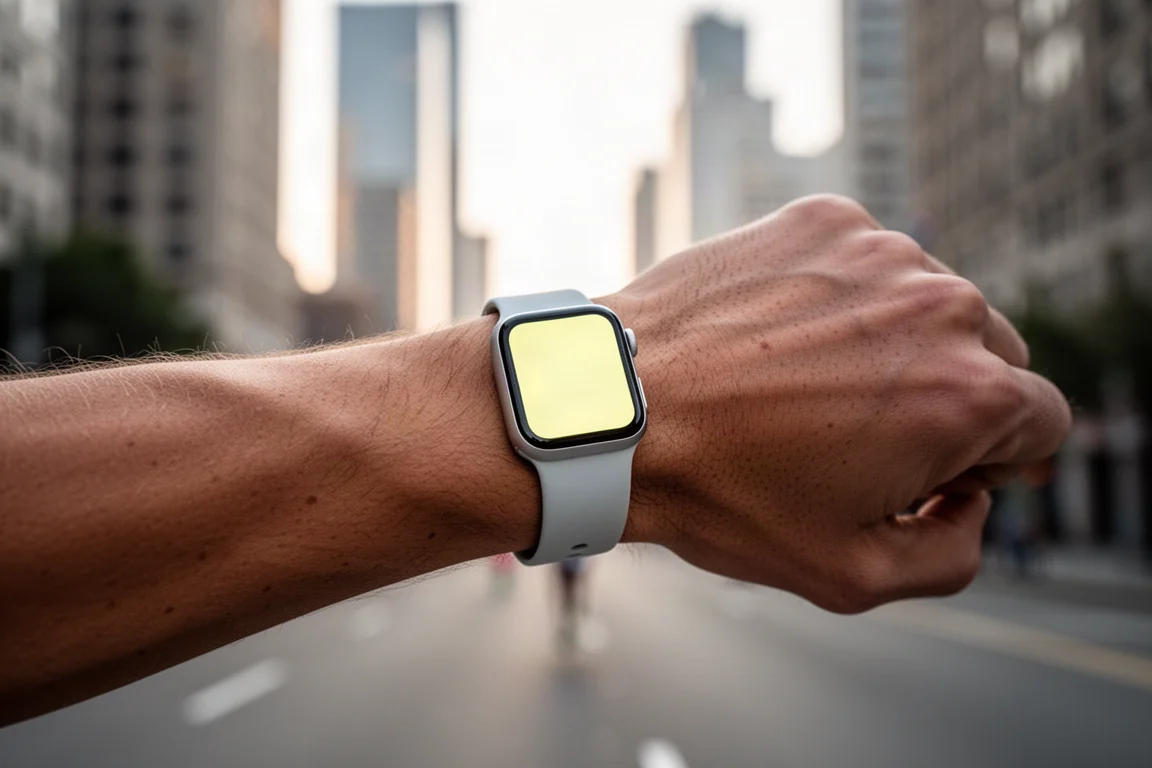
On this GPS-hostile course, distance tracking landed at 9.97 km, slightly under the measured 10K, though the weaving through crowds likely affected that. Both watches faltered in the same dead zone around 6K, with wildly inconsistent pacing readings before things levelled out. Heart rate data showed similar graph shapes, but averages were notably higher on the Amazfit, with the max also likely a little higher. Battery drain for the roughly 40-minute-plus run was small and in line with expectations. Not a flawless outing, but not a horror show either, and general running tracking looks solid.
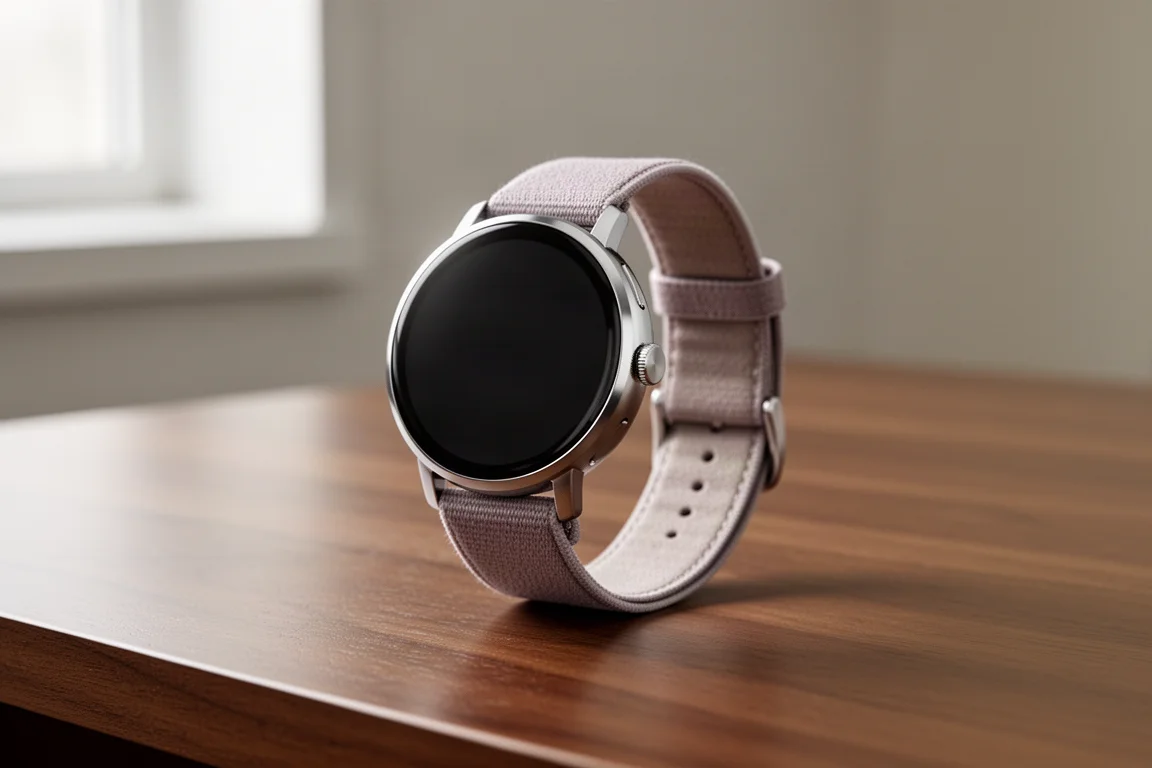
Garmin Fenix 8X: The Reference Watch
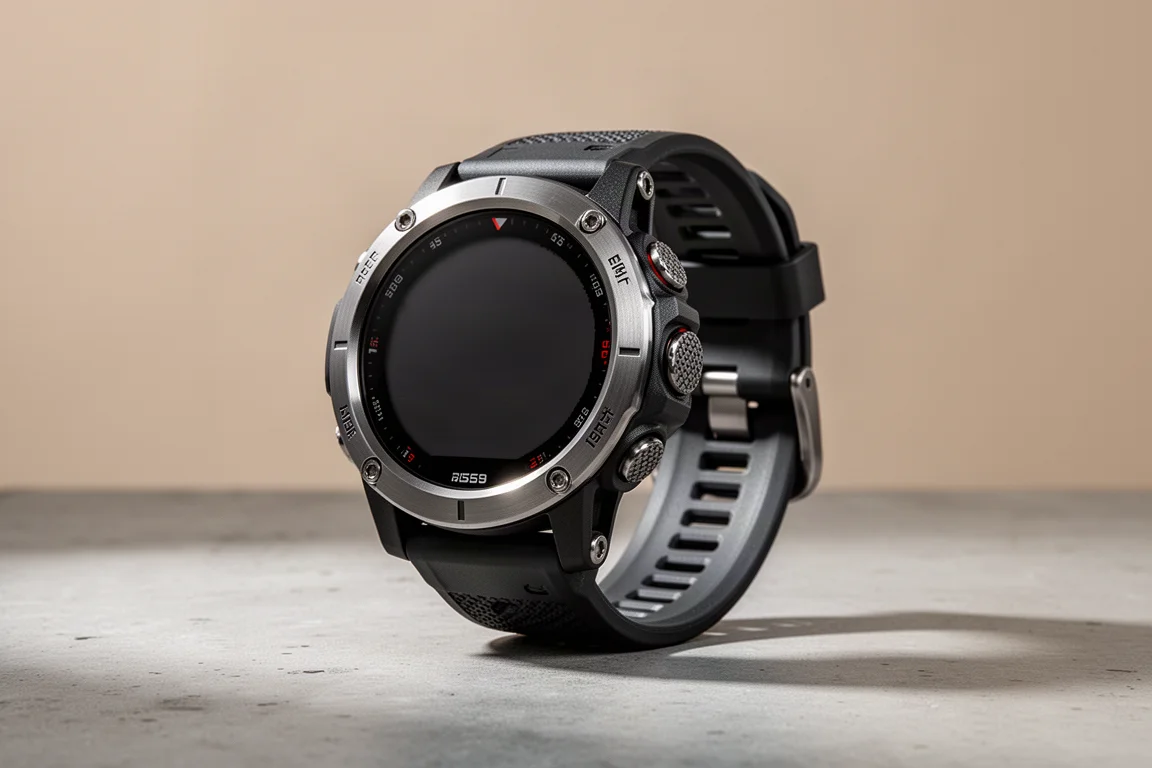
The Fenix 8X on the other wrist, paired with a Polar H9 chest strap, served as the comparison point. It clocked the distance over 10K, likely reflecting the extra metres covered weaving through crowds. It suffered the same GPS wobble around the 6K mark, showing a much faster pace in that stretch before settling back down.

The chest strap itself had a rocky start, reading very low for the opening minutes, probably due to the cold conditions and the standing start, before locking in and tracking as expected. The Fenix’s battery drain for the short race was minimal, reinforcing why it sits in the outdoor flagship category.
Overall Buying Advice
Each product here fits a different buyer. The Cielo X1 2.0 suits racers who want an aggressive, propulsive super shoe for anything from 10K up and can handle its looser stability. The Powerbeats Pro 2 is a strong pick for runners who prioritise a locked-in fit and easy physical controls over features like on-board heart rate. The Amazfit Active 2 is excellent value for Android users wanting full offline maps under £100, accepting some GPS and heart rate inconsistency. The Fenix 8X remains the dependable flagship for those who want the most robust tracking and battery life.
Conclusion
A congested, twisty 10K is about as hard as a real-world test gets, and the results were revealing. Hoka’s more aggressive racer earned its place at shorter distances, Beats delivered a secure, great-sounding race companion, the Amazfit Active 2 punched well above its price with only minor wobbles, and the Fenix 8X stayed dependable throughout. Full multi-tester reviews of the shoe and the smartwatch are still to come, but as first impressions go, this race told a positive story.
Further reading
Related Reviews
Running Gear
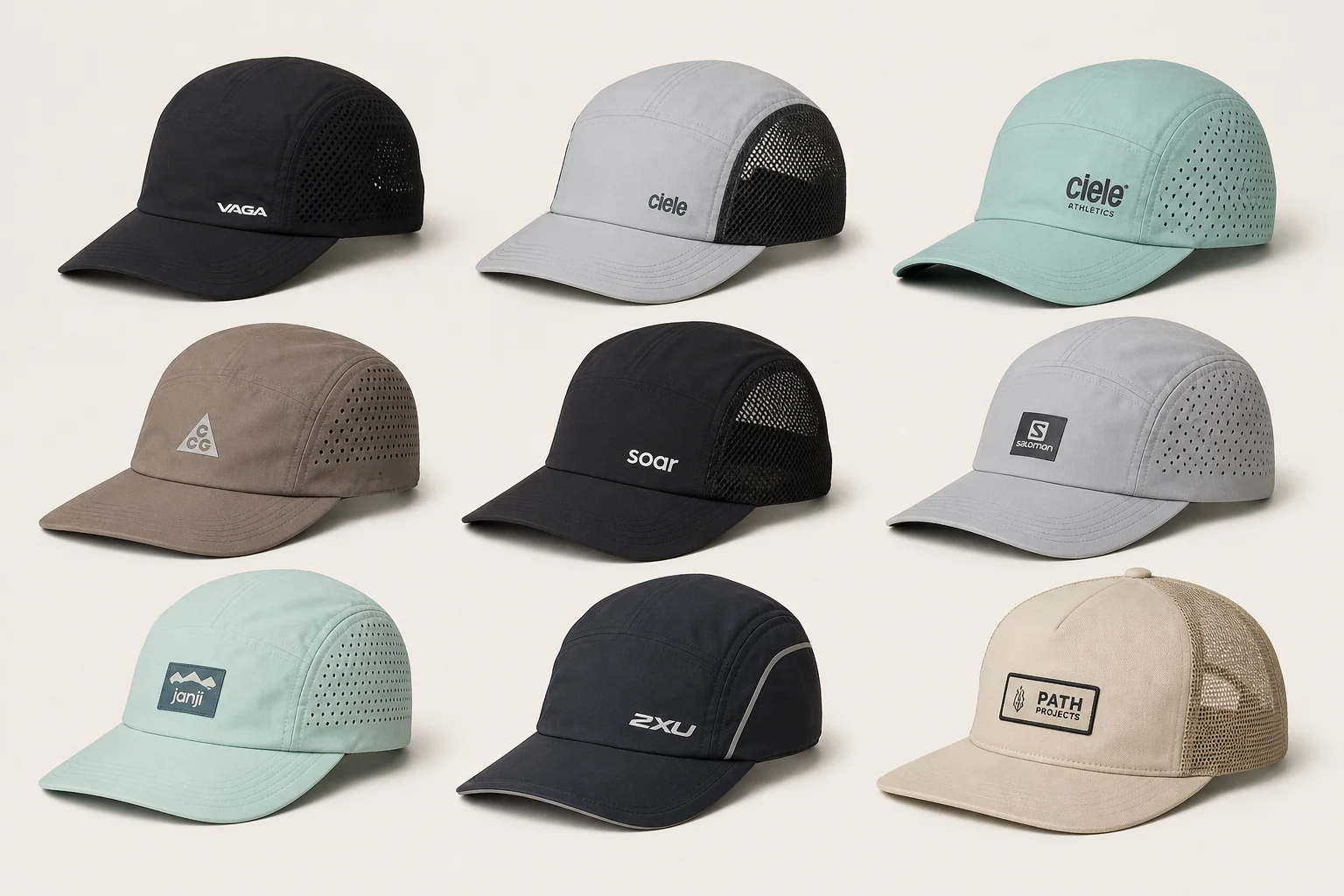
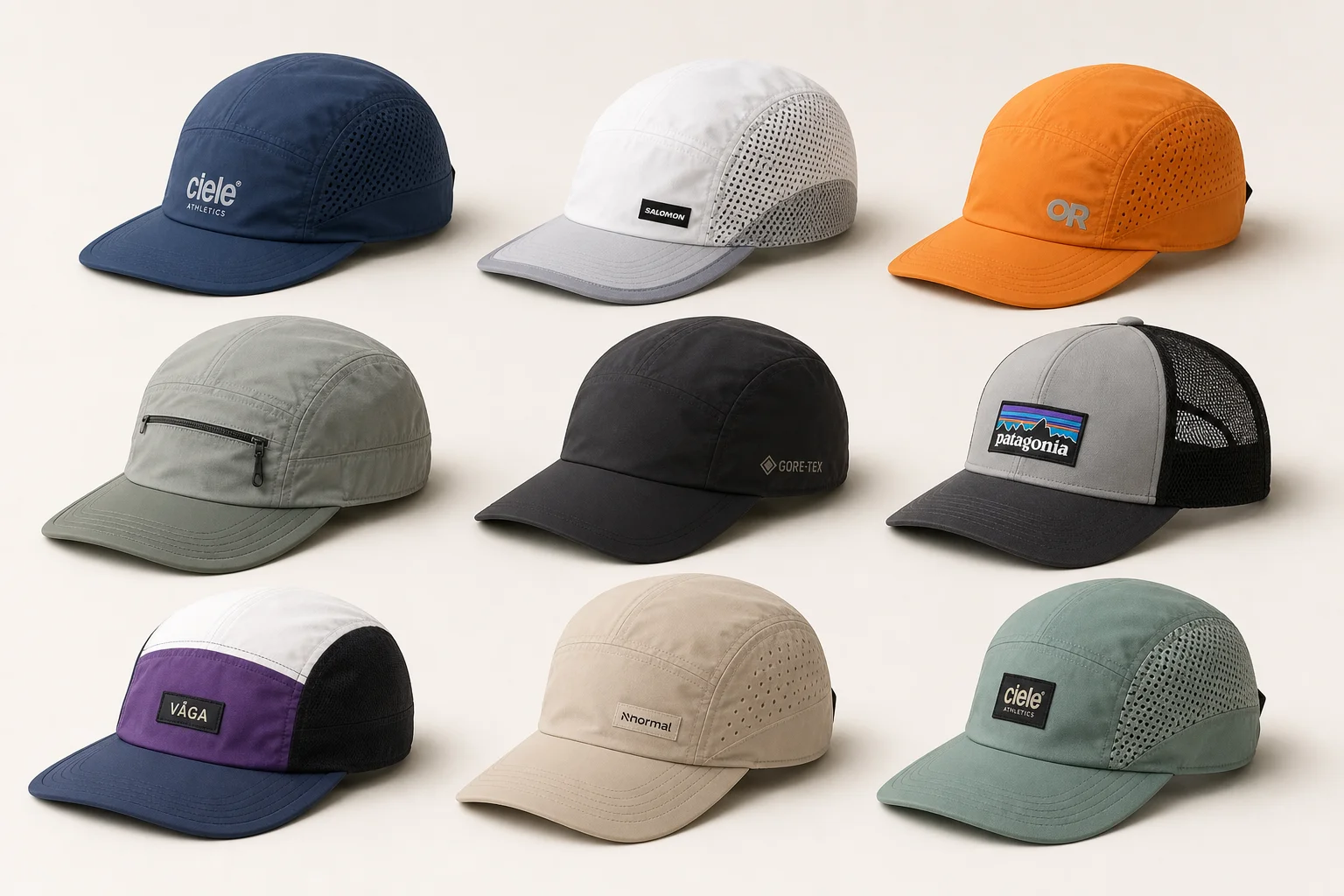
Best Running Caps 2026: Nine Tested Options for Summer and Winter
A comprehensive guide to nine running caps tested across different conditions, from lightweight summer options to waterproof winter choices.
Running Gear
Best Running Caps: A Guide to Summer and Winter Options
A comprehensive review of nine running caps for different conditions, styles, and preferences, from lightweight summer options to waterproof winter choices.
Running Gear
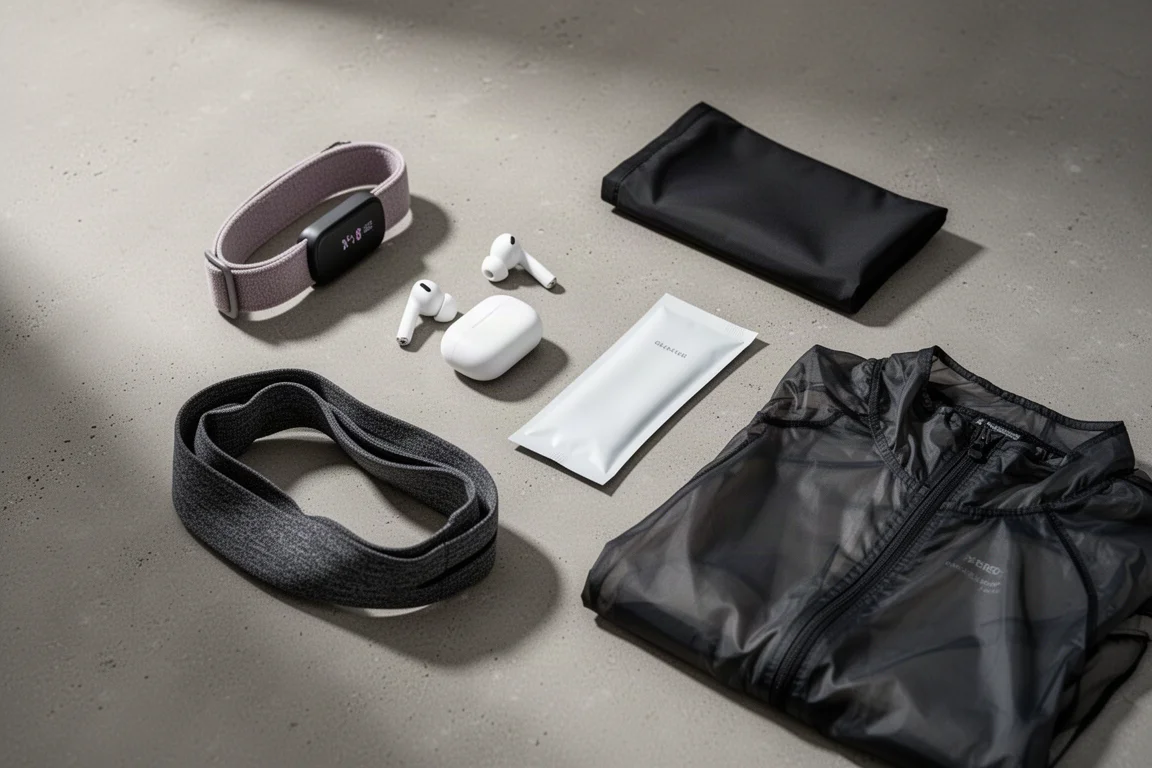
Best Running Gear 2026: Five Picks That Earn Their Place
Five running upgrades covering heart rate, audio, fuelling, carrying and weather protection, with the trade-offs worth knowing before you buy.