Running Gear
London Marathon Race Test: Puma Fast R3 Nitro Elite and the Kit That Carried It
A real-world marathon test of the Puma Fast R3 Nitro Elite, plus a race-day look at the Garmin Fenix 8, Apple Watch Ultra 2, JLab open-ear headphones, and the ASICS Meta Speed Sky Paris.
Introduction
Racing a marathon is the best real-world stress test a piece of running gear can get, and the London Marathon delivered exactly that: a hot day, a huge crowd, and a course that punishes pacing mistakes. This race test covers a full race-day kit loadout, with one clear headline product and a supporting cast that performed better and worse than expected.
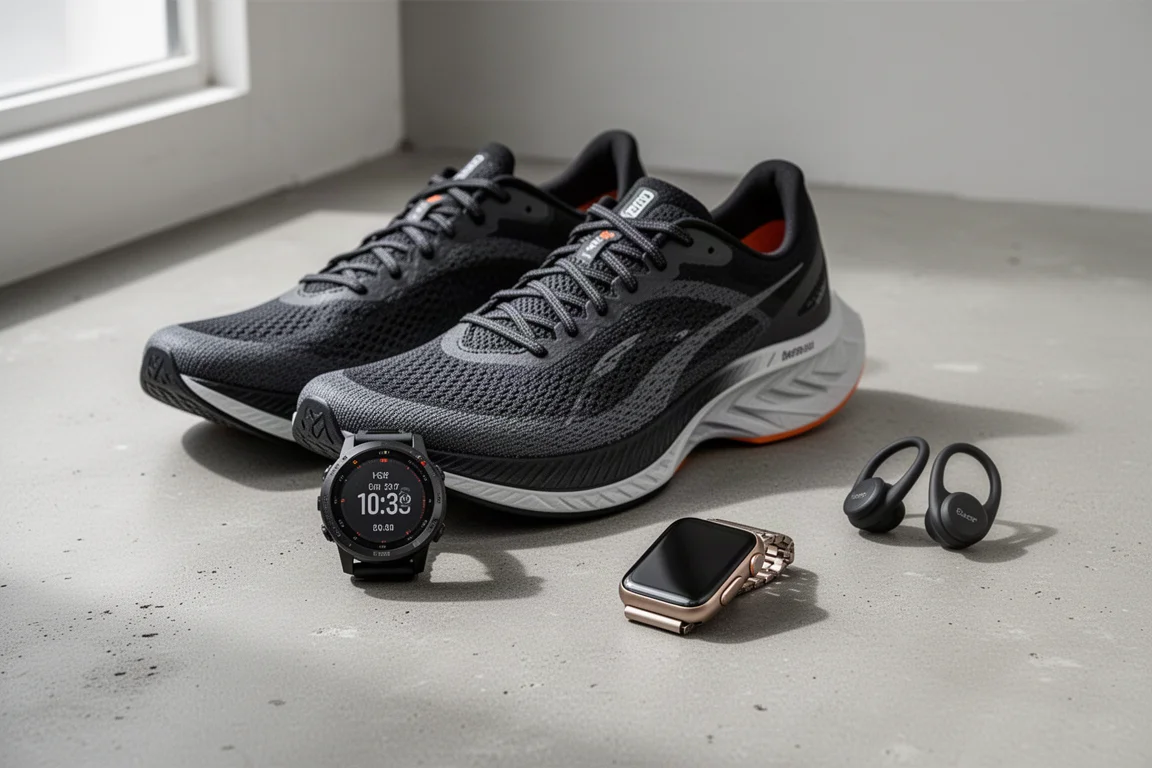
The core of the test is the Puma Fast R3 Nitro Elite, a super shoe that had already shown strong oxygen exchange efficiency numbers in lab comparisons before the race. Around it came two high-end GPS watches, a pair of open-ear headphones that taught a hard lesson about noisy race environments, and a standing comparison with the ASICS Meta Speed Sky Paris.
The Race Test Setup
The test was structured as a genuine race rather than a controlled run: two testers on the same start line weekend, running the same shoe on race day, with the faster runner aiming near a 2:54 personal best and the other going out on a moonshot plan built around a fast first half. One tester had already used the shoe for a parkrun personal best and a 10-mile steady run where the effort felt unusually low for the pace.

Pre-race confidence was high, partly because of the efficiency data and partly because of the shoe’s strong showing in major marathon results. The plan for the watches was simple: a Garmin Fenix 8 on one wrist and an Apple Watch Ultra 2 on the other, with the shoe doing the talking and the watches recording the evidence.
Puma Fast R3 Nitro Elite: The Headline Result
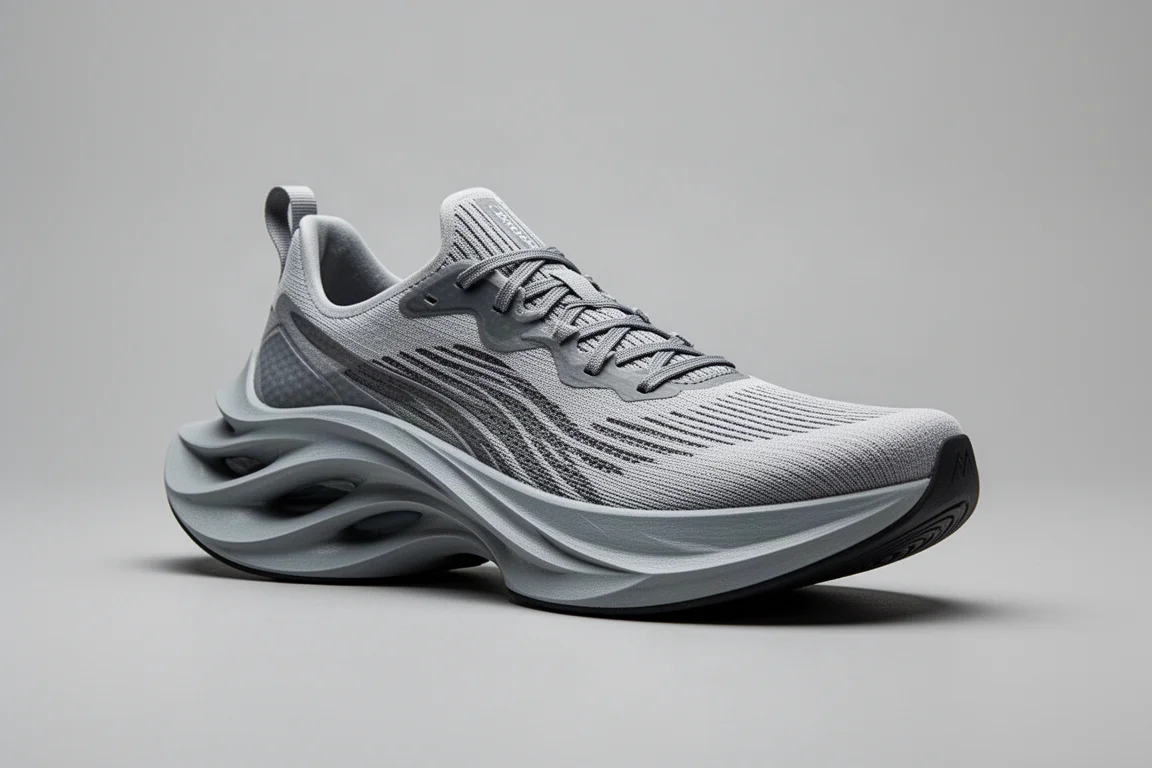
The Fast R3 ran like a dream for large stretches of the race. The fears that a dual midsole setup might feel mechanical or disjointed did not materialise; instead the ride felt smooth, controlled and energetic. Both testers found themselves running faster than planned in the first half, and in one case that meant a half marathon personal best, a 10-mile personal best and a 30k personal best inside the first two-thirds of a marathon. That is as much a pacing warning as it is a shoe compliment, but the underlying message is clear: the shoe feels light, punchy and propulsive, and it makes you feel efficient.
The more telling result came in the final six miles, when things went wrong for one runner and remarkably well for the other. One held a controlled effort through the closing 10k and ran his second-fastest marathon, crediting the shoe as a genuine floor-raiser: even his worst paces while struggling were still good. The other, fading badly and landing further back on his heels than usual with short ragged strides, still got a smooth, snappy ride rather than feeling exposed. Comfort held up over the full 26.2 even when the race plan collapsed, which is exactly what you want from a race-day shoe.
Durability is worth flagging. Puma rates the shoe at around 200 miles or 300k, which is on the lower side even for super shoes, though nothing worrying showed up in the first 50 miles. Availability has been an issue, with pairs selling out quickly after release.
Garmin Fenix 8: The Watch That Stayed Dialed In
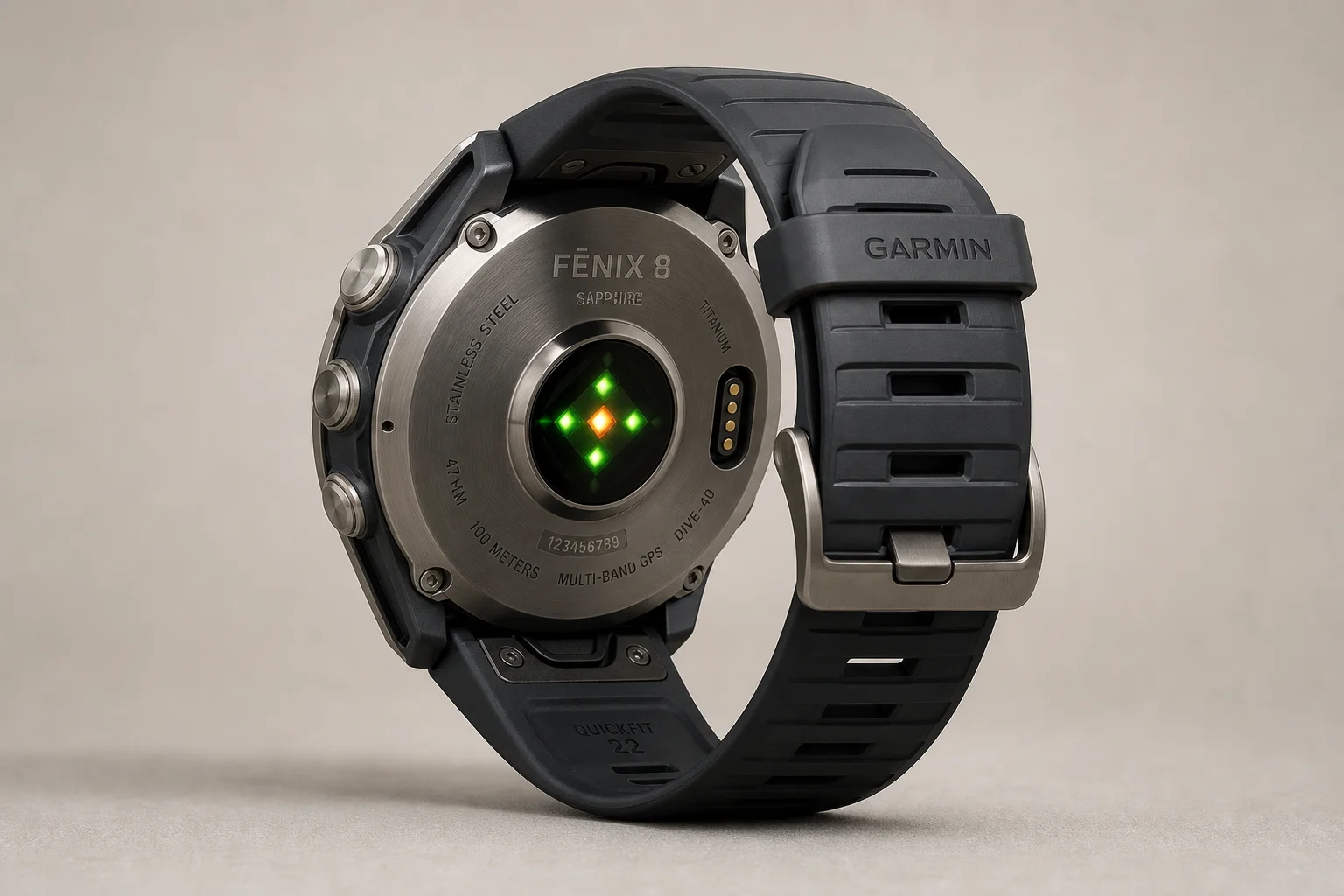
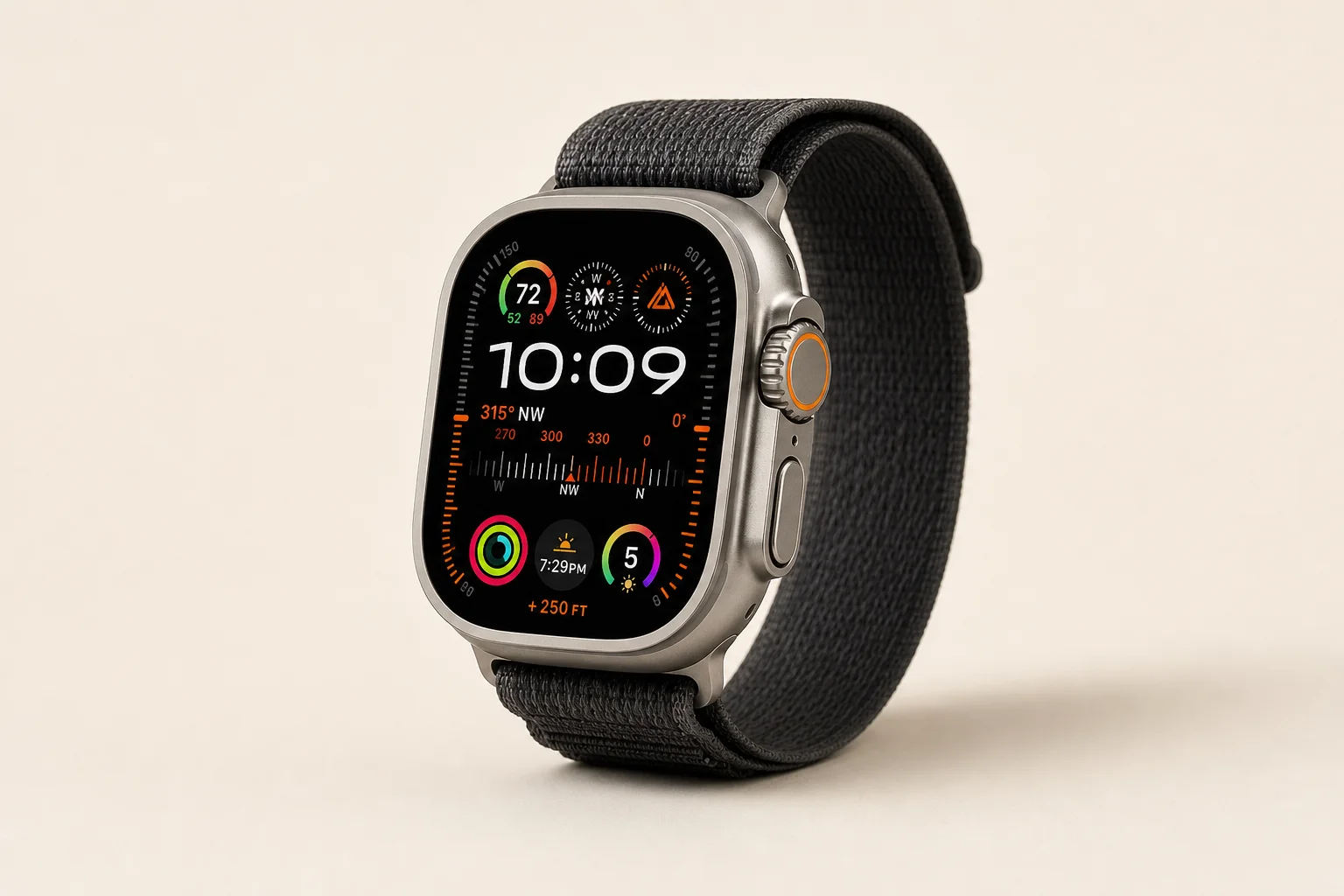
The Fenix 8 was the more complete performer on race day. Its heart rate tracking showed exactly the steady progression a marathon should produce, rising cleanly to around max heart rate in the final sprint, which matched what the effort felt like. GPS accuracy was very good overall, with a slightly larger total distance than the official course but a more accurate track than the Apple Watch around Canary Wharf, the hardest GPS stretch of the route.
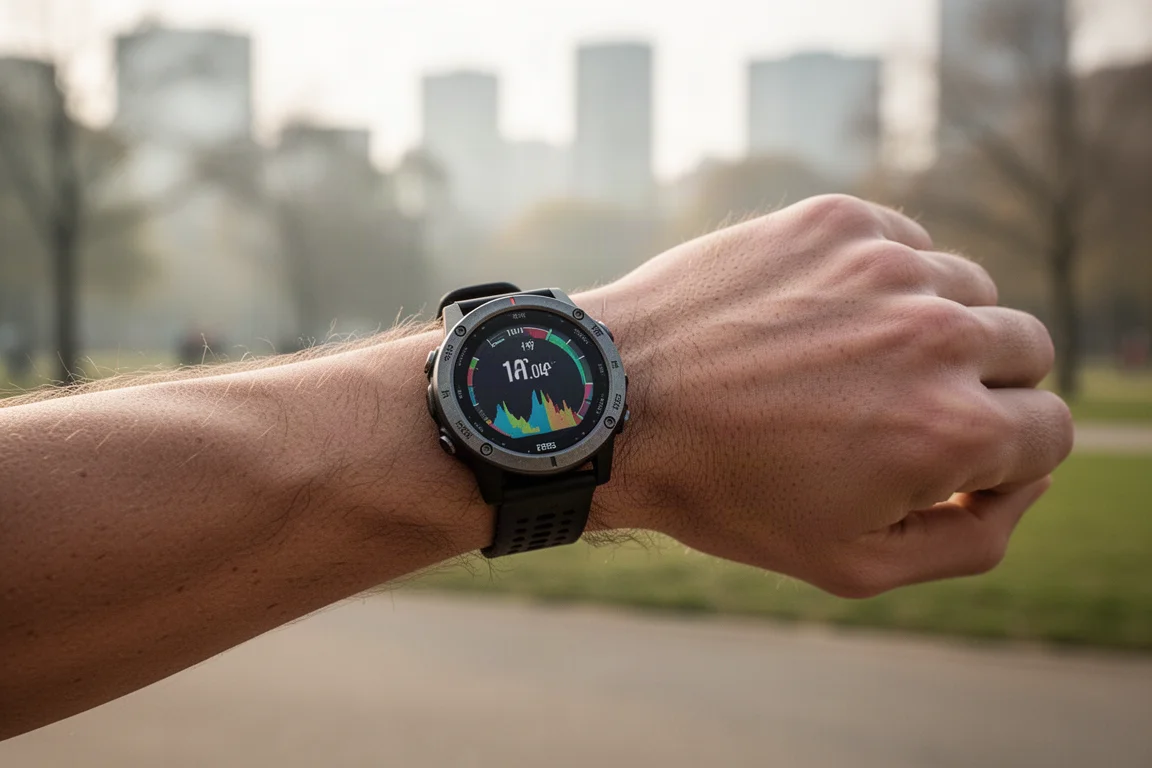
Battery life was the other standout: both watches left the charger at 100 percent, and after tracking a full marathon, the Garmin was still at 84 percent by 6 p.m. that evening. Manual 5k splits stayed close to the official markers, and pacing data was consistent enough to be useful throughout the first half.
Apple Watch Ultra 2: Strong Finish, Slow Start
The Ultra 2 had a split personality on race day. Heart rate tracking failed to lock on in the first half, sometimes showing no reading and sometimes reading too high, before closely matching the Garmin in the second half once it had dialed in. If heart rate is your priority, the Garmin is the safer marathon choice.
Where the Ultra 2 shone was GPS. Its overall distance came in very close to the official race distance, remarkably so given the weaving and wide turns, and it lapped 1k markers almost exactly. It was genuinely useful as a pacing reference throughout.
Battery life was better than expected for an Apple Watch. After the same overnight charge and a full marathon, it sat at 67 percent by early evening, which suggests it could realistically last a couple of days with race tracking included. It remains a high-end option that costs less than the Garmin but still sits firmly in premium territory.
JLab Open Ear Headphones: A Race-Day Lesson
These clip-on open-ear headphones are a good product in the wrong environment. On quiet training runs around river paths, the volume levels were perfectly adequate, and the open-ear clip format is genuinely appealing for anyone who dislikes neckband or cheekbone bone-conduction designs. They are also very comfortable.
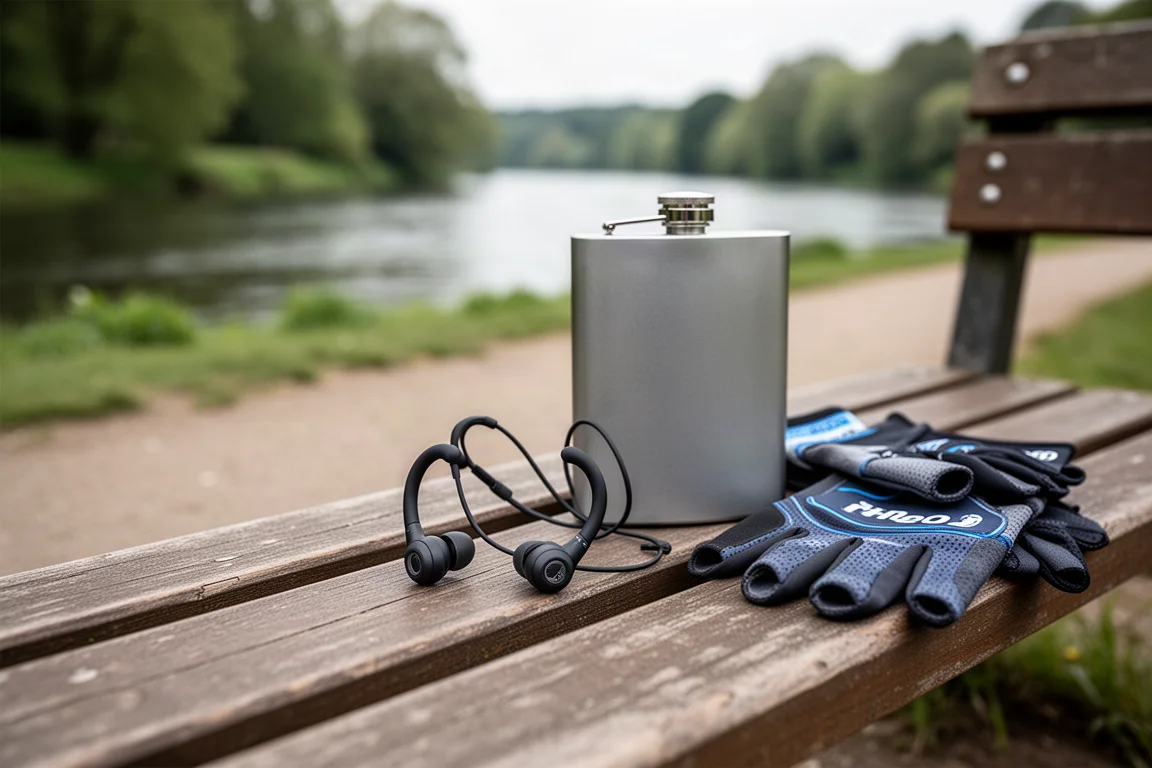
Race day was a different story. The London crowd noise was virtually non-stop and simply drowned out the music for large chunks of the race. Top volume was not strong enough to create any kind of audio cocoon, and at the hardest moments of the race the music effectively disappeared. The verdict after five editions of the race: great for everyday quieter runs, not the right tool for a crowded major marathon.
Everyday Use Away From Race Crowds
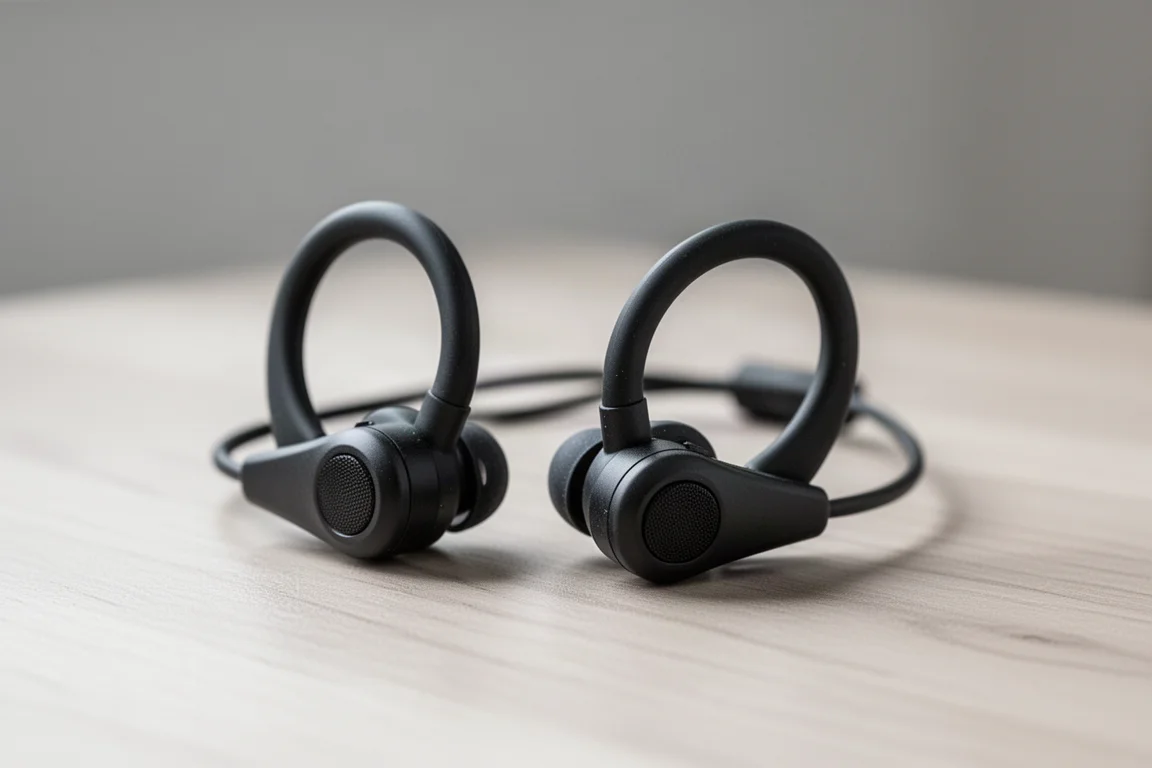
Context matters for open-ear designs. On regular training runs in quieter settings, the lack of isolation stops being a problem and becomes a feature: you can hear traffic, other runners and your surroundings while still having music.

If most of your running happens on quiet paths rather than packed race courses, this style of headphone remains a comfortable, practical option. If your goal race involves wall-to-wall crowd noise, a more isolating design will serve you better.
ASICS Meta Speed Sky Paris: The Benchmark
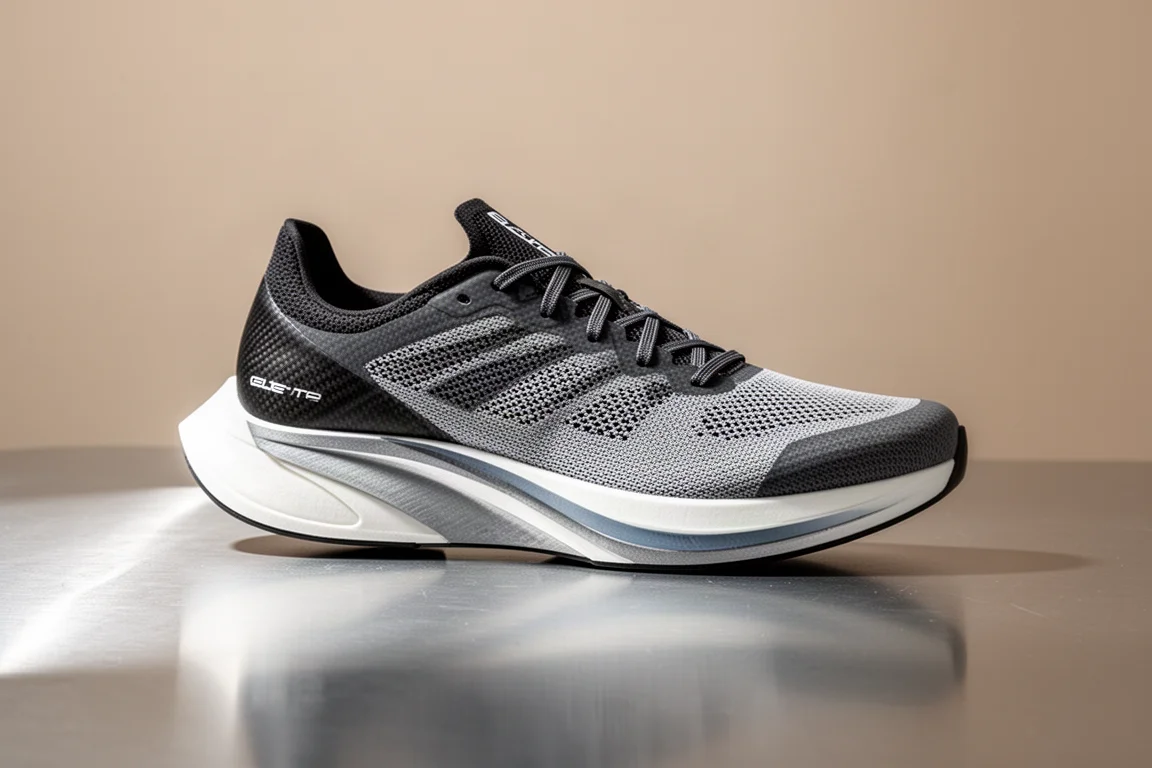
The Meta Speed Sky Paris remains the shoe to beat in this test frame. It holds the personal best of the pair at 2:26, it is cheaper and more available than the Puma, and it is firmly ranked alongside the Fast R3 in a personal top two of current super shoes. No final verdict was made on which is better, partly because the Puma race did not offer a clean comparison, but the fact that both shoes sit at the top of the same list says a lot.
Overall Buying Advice
For marathon racers chasing a personal best, the Puma Fast R3 Nitro Elite should be high on the shortlist, with the caveat that its rated durability is on the low side and availability has been limited. The ASICS Meta Speed Sky Paris is the safer, cheaper and more available alternative with a proven track record, and choosing between the two may simply come down to fit and feel.
On watches, the Garmin Fenix 8 is the pick if heart rate reliability and battery life matter most, while the Apple Watch Ultra 2 is an excellent alternative with outstanding GPS distance accuracy and respectable battery endurance. Neither is a budget buy. The JLab open-ear headphones suit quiet everyday running well but should not be your choice for loud, crowded races.
Conclusion
The Puma Fast R3 Nitro Elite passed its toughest test with a result that speaks for itself: a second-fastest marathon, a half marathon personal best in the first half, and comfort that held through a full race distance even when pacing went wrong. The ASICS Meta Speed Sky Paris remains its closest rival. The Garmin Fenix 8 and Apple Watch Ultra 2 both proved themselves capable race companions with different strengths, and the JLab open-ear headphones earned their place on quiet training runs rather than race day. Every pick here earned its slot through real miles, not lab sheets alone.
Further reading
Related Reviews
Running Gear
Best Running Caps 2026: Nine Tested Options for Summer and Winter
A comprehensive guide to nine running caps tested across different conditions, from lightweight summer options to waterproof winter choices.
Running Gear
Best Running Caps: A Guide to Summer and Winter Options
A comprehensive review of nine running caps for different conditions, styles, and preferences, from lightweight summer options to waterproof winter choices.
Running Gear
Best Running Gear 2026: Five Picks That Earn Their Place
Five running upgrades covering heart rate, audio, fuelling, carrying and weather protection, with the trade-offs worth knowing before you buy.