Running Gear
London Marathon Gear Test: The Shoes, Watches and Kit That Went the Distance
Five pieces of marathon kit put through their paces over 26.2 wet London miles, with honest notes on comfort, GPS accuracy and race-day performance.
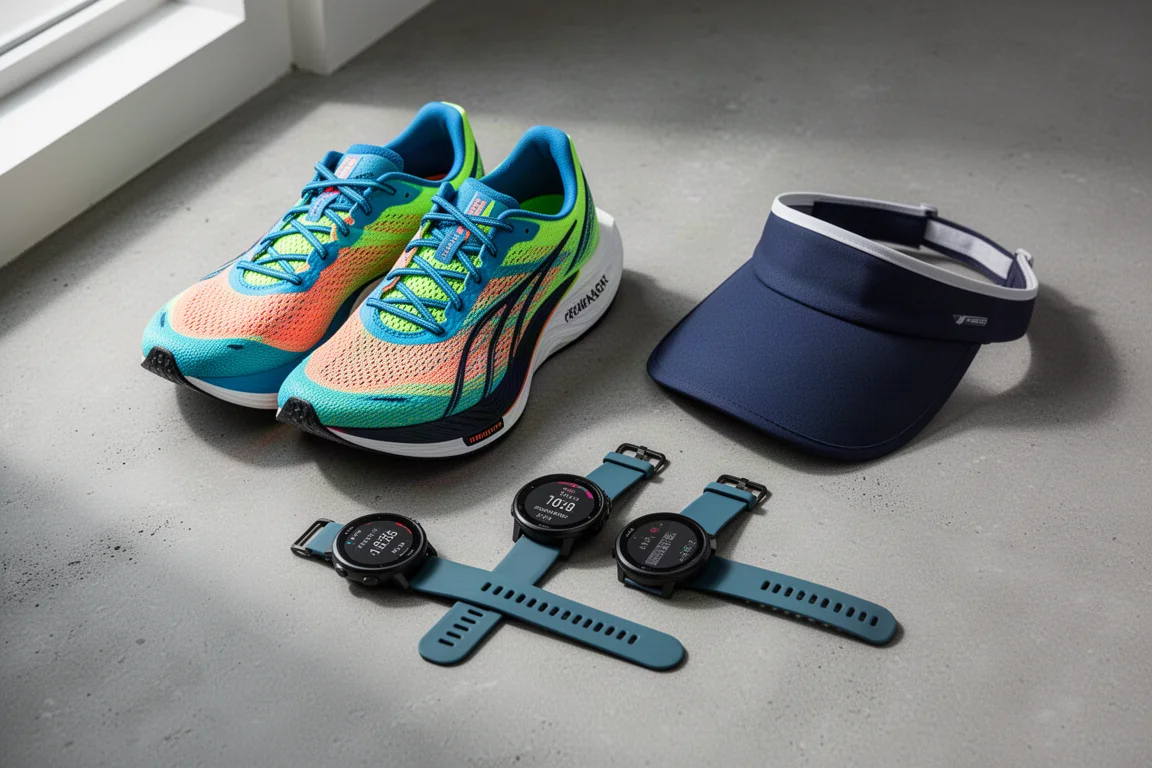
Introduction
A marathon is the ultimate gear test. Races strip away marketing gloss and show you exactly what a shoe or watch can do when your legs are empty and the final kilometres stretch out in front of you. This test took place at a major city marathon run in genuinely wet conditions, with a finishing time around 3:38 and a hard, honest effort from start to finish. Here is how each piece of kit held up.
The Race Test: Why London Matters for Gear
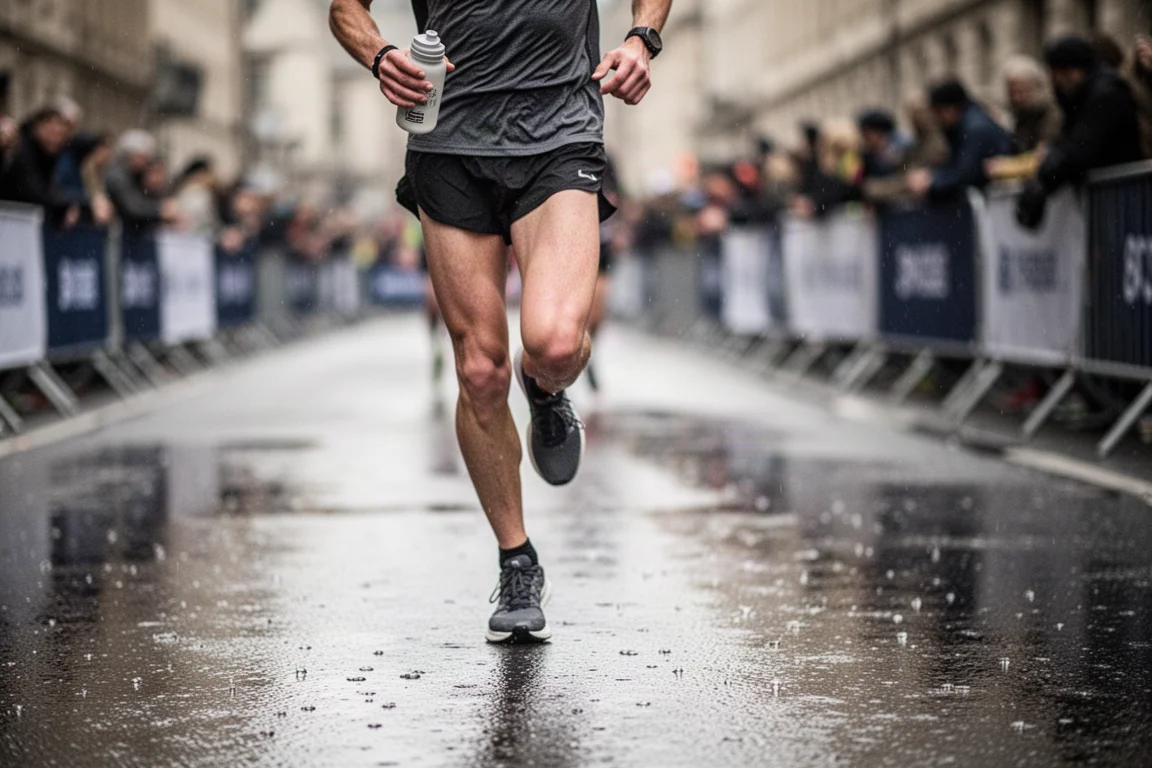
Conditions were mild, cloudy and increasingly wet, with rain arriving well before the later start waves. That means footwear got soaked early, watches had to hold GPS through dense high-rise streets, and everything had to stay comfortable for well over three hours of running.

The course also included tunnels and a notoriously difficult high-rise section that breaks GPS on almost any watch, which made it a genuinely demanding evaluation environment for pacing hardware.
Nike Vaporfly 3
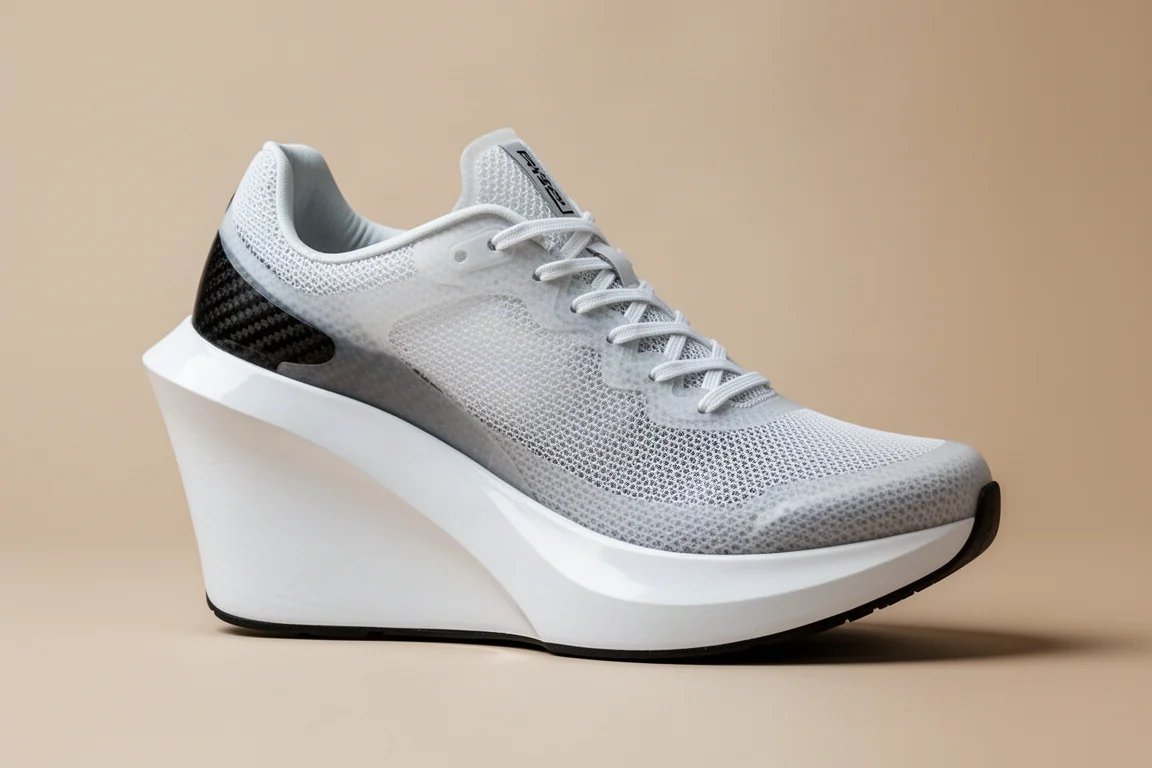
The Nike Vaporfly 3 stood out as the overall highlight of the test. Compared with previous versions of the shoe, it feels softer and more cushioned while staying very light and nimble, and that extra protection proved its worth exactly where it matters most: the final 10K of a marathon.
When the legs started to fade and the stride shortened, the shoe still helped keep turnover going, and there was enough bounce to keep powering through the last few kilometres. It may not deliver quite the maximal bounce of the biggest super-shoes on the market, but it is not lacking, and the lighter feel and quicker turnover will suit plenty of runners even better. For a runner going all-out for a personal best, this would be a top pick.
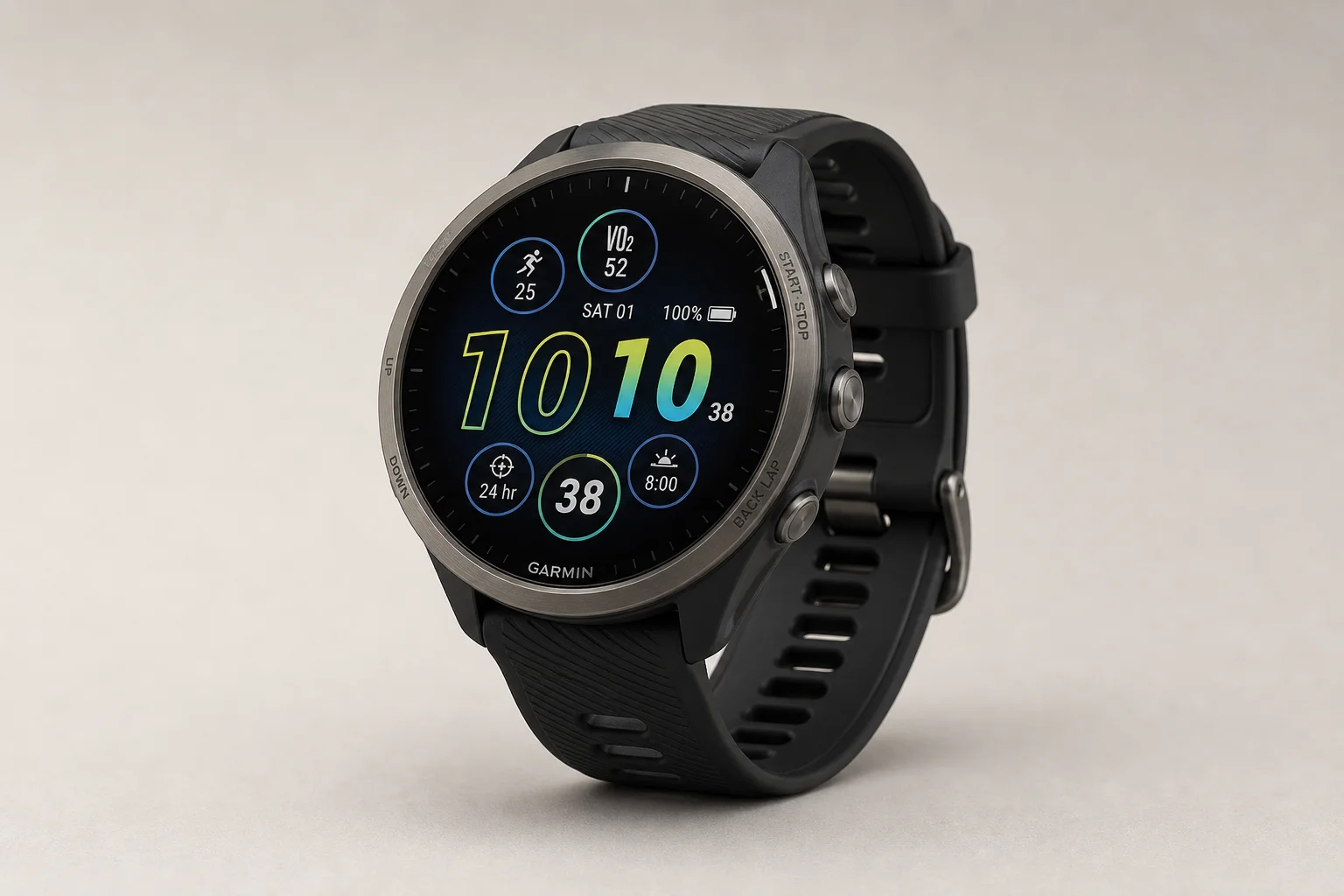
Garmin Forerunner 965
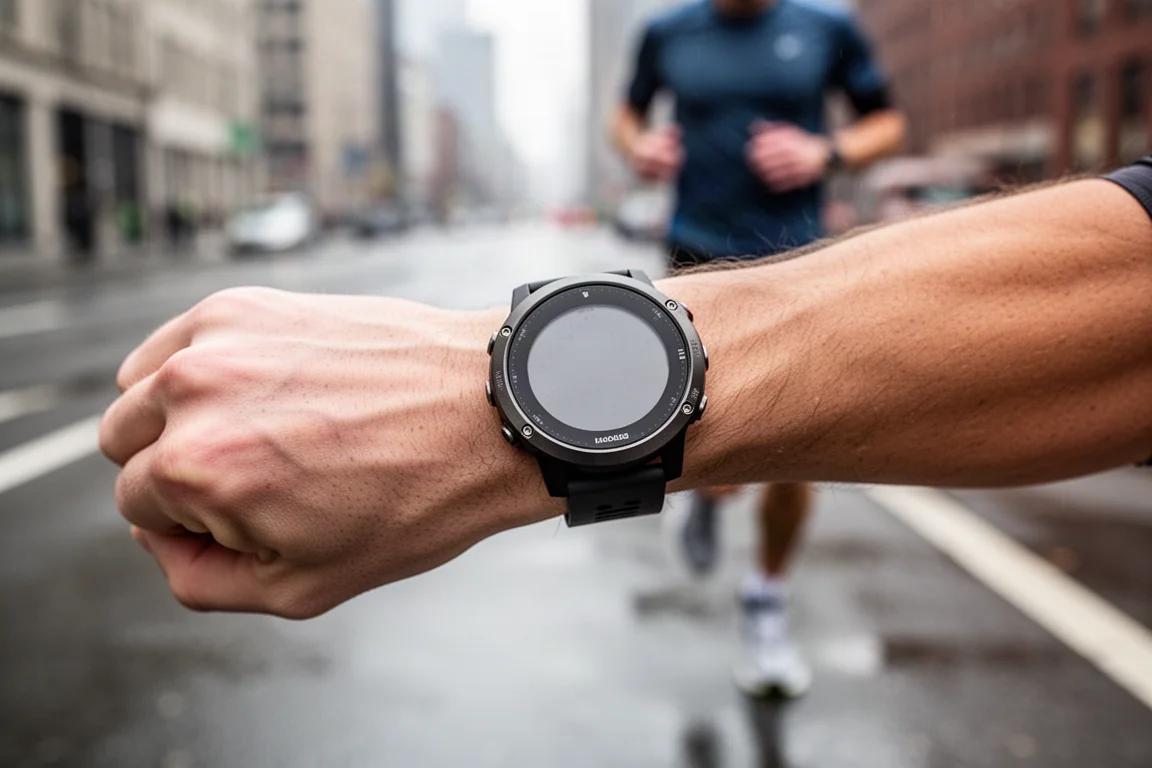
The Forerunner 965 was worn for about a month before the race and chosen for its brighter screen and strong GPS expectations. It delivered. Distance tracking stayed accurate for most of the course, with 5K splits running only slightly long by roughly 30 to 40 meters, which is easy to account for when pacing.
Battery life was particularly impressive: charged to full overnight, the watch was still at 78 percent after four hours of GPS recording plus a full day on the wrist. Longer-term testing suggests around seven days of typical use. It also recorded running dynamics like vertical oscillation and ground contact time even with a third-party chest strap, and the bright screen remains easy to read in any conditions. One practical tip learned the hard way: if you lap your watch manually, turn auto-lap off first.
Garmin Forerunner 265
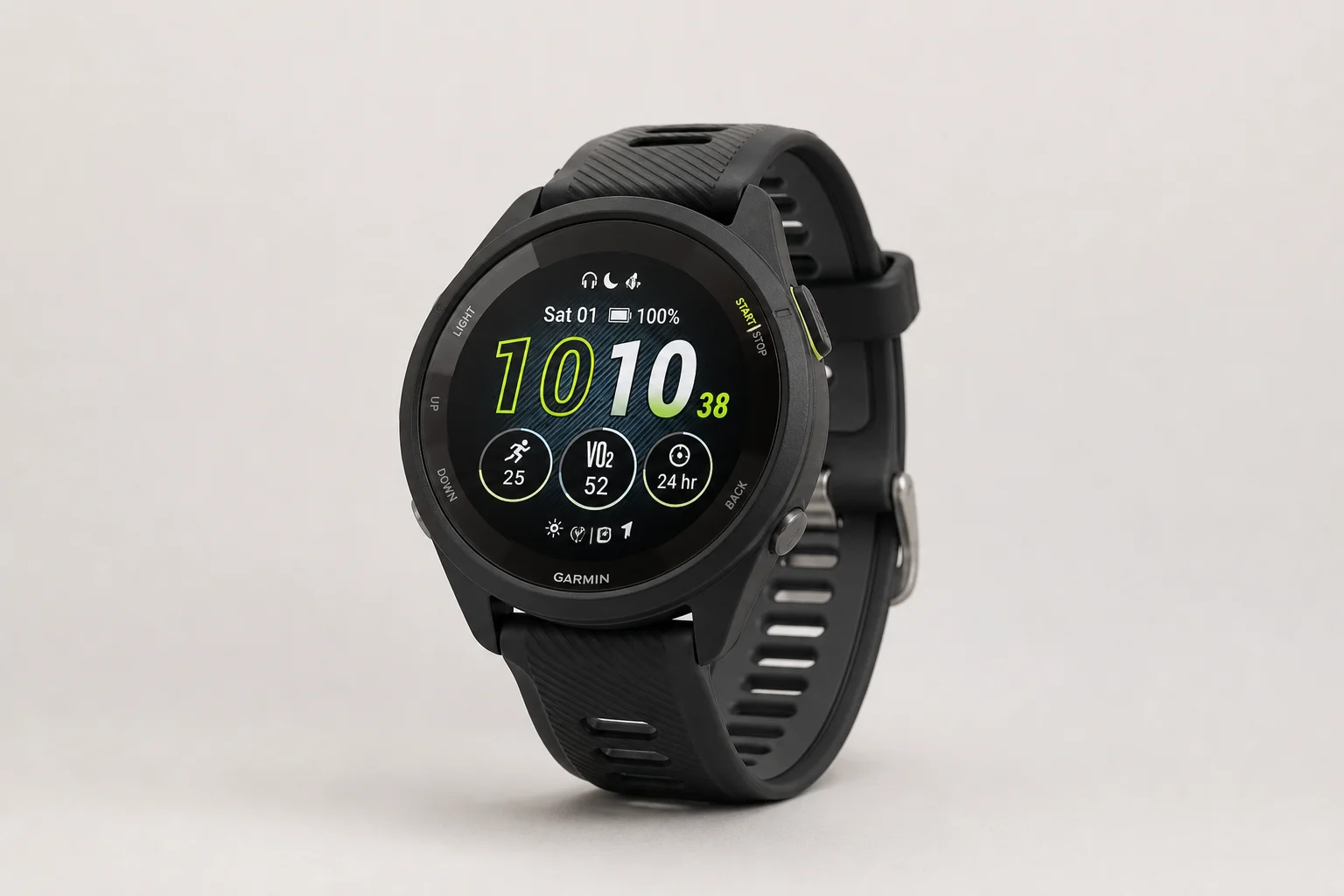
The Forerunner 265 ran the same course on the same day and proved remarkably similar on the fundamentals. GPS performance was essentially a wash with its more expensive sibling, and it actually finished marginally closer to the official race distance.
Battery drain is naturally quicker, dropping to 65 percent after the same two nights and race day, with realistic all-round use closer to four or five days. Both watches alerted at the official marathon distance almost exactly as the finish line came into view, and both handled the mid-race high-rise chaos about as well as multiband GPS allows. For most marathon runners, either watch will get you through race day comfortably without a night-before top-up anxiety.
New Balance FuelCell SC Elite
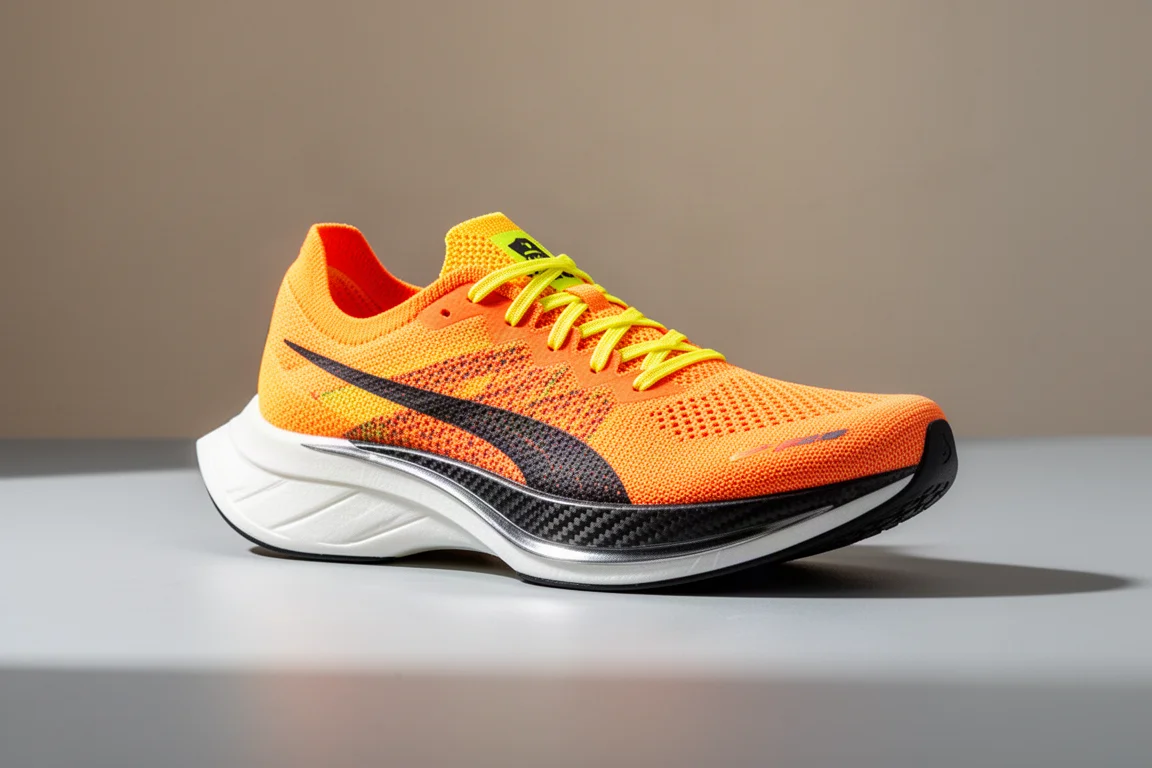
The New Balance FuelCell SC Elite in its London edition carried a personal best effort, with most speed sessions done in the shoe beforehand. The key finding from testing: it comes up small, so sizing up half a size made a real difference in fit and comfort.
On race day the shoe offered enough responsiveness and pop to keep things ticking over as fatigue set in, with a lighter, less aggressive rocker feel than the Vaporfly. In heavy rain, the lightweight upper soaked through quickly, which contributed to a blister over the marathon distance, though nothing that affected the run itself. Despite that, the verdict stayed firmly positive: still a great shoe with genuine race-day credentials.
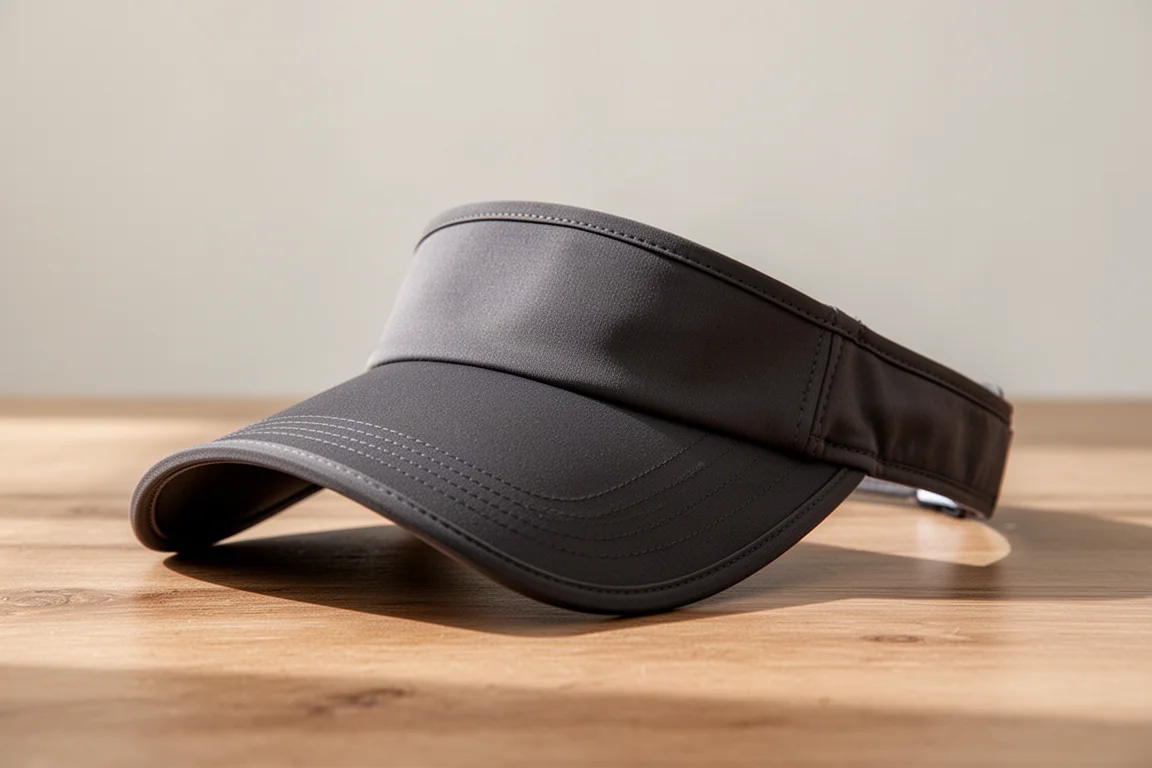
Crew Room Airhead Visor
The Crew Room Airhead visor is not even marketed as a running product, and that makes loving it feel like discovering a hidden gem. With a deep peak that gives real head coverage, it handles rain far better than a cap for a runner wearing contact lenses, and it works comfortably with a ponytail or bun where a hat would cause trouble.
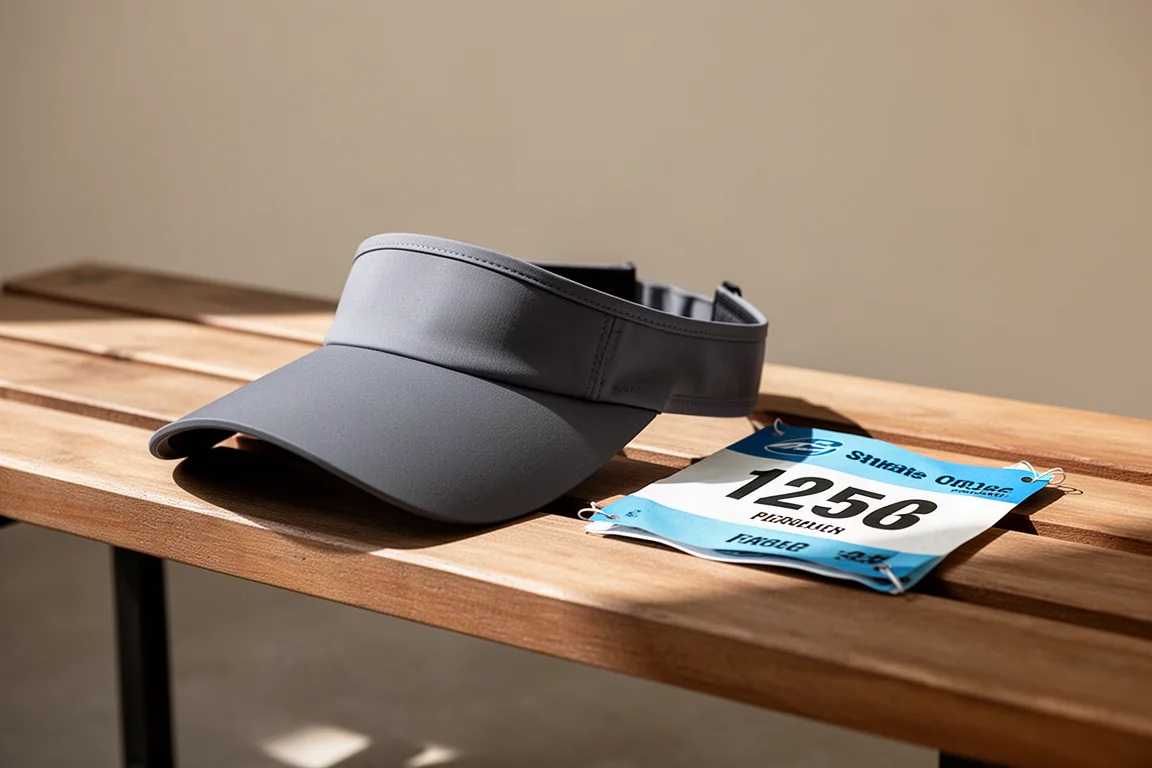
It has now been through two marathons and become a piece of kit the runner swears by, preferring it over any hat for comfort. Small, cheap-feeling decisions like packing a visor for a rainy forecast can make a disproportionate difference on race day.
Fueling That Worked on Race Day
The fueling strategy is worth mentioning because the gear supports it. Two soft flasks of drink mix plus a few extra gels replaced the usual three flasks, freeing pocket space, with a caffeine gel early and half a flask or a gel every 5K. The runner finished feeling nicely fueled throughout, suggesting the lighter two-flask setup works well.
Buying Advice
If you are choosing between the two watches, GPS accuracy is effectively identical and the decision comes down to how much you value the brighter screen, longer battery life and extra training features of the 965 versus the slightly lighter package of the 265. Both will comfortably last a full marathon with GPS, music and everything else running.
For shoes, the choice is about feel: the Vaporfly 3 offers more cushioning and protection for the late miles, while the FuelCell SC Elite delivers a lighter, springier ride, provided you size up half a size. And do not overlook the small items: a deep-brim visor in the rain can matter more than any of the headline gear.
Conclusion
A wet, hard-run city marathon separated the good gear from the great. The Vaporfly 3 emerged as a clear top pick for PB attempts, both Garmin watches proved accurate and reliable with impressive battery life, the FuelCell SC Elite delivered a personal best despite the wet-weather blister, and the Airhead visor quietly earned its place as indispensable kit. Every piece tested earned its keep, and that is the best outcome a race test can produce.
Further reading
Related Reviews
Running Gear
Best Running Caps 2026: Nine Tested Options for Summer and Winter
A comprehensive guide to nine running caps tested across different conditions, from lightweight summer options to waterproof winter choices.
Running Gear
Best Running Caps: A Guide to Summer and Winter Options
A comprehensive review of nine running caps for different conditions, styles, and preferences, from lightweight summer options to waterproof winter choices.
Running Gear
Best Running Gear 2026: Five Picks That Earn Their Place
Five running upgrades covering heart rate, audio, fuelling, carrying and weather protection, with the trade-offs worth knowing before you buy.