Running Gear
Half Marathon Race Test: 7 Pieces of Running Kit Put Through a Real Race
Seven runners put shoes, watches, headphones and a race vest through a city half marathon. Here is how each one actually performed on race day.
Introduction
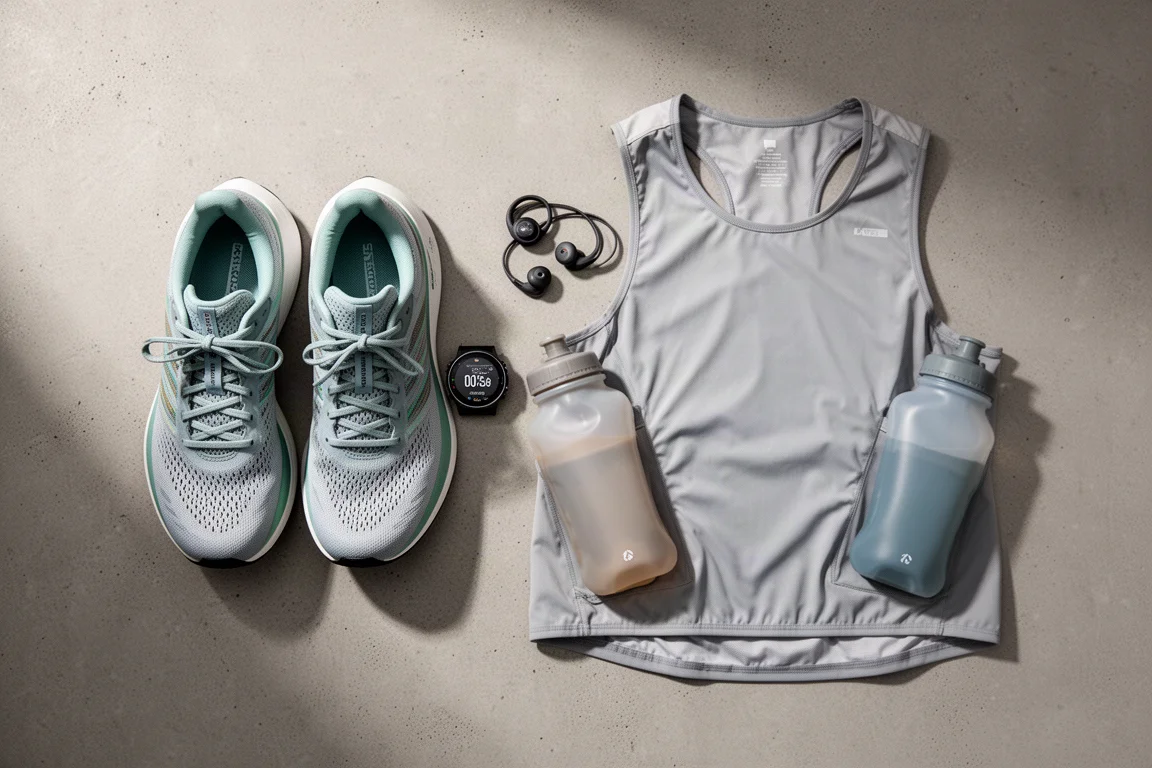
Race day is the harshest test any piece of running kit will face. Training runs forgive small flaws; a twisty, crowded city half marathon does not. That is exactly why a group of testers took seven products into a real half marathon and wore them for the full 13.1 miles: a do-everything daily trainer, two race shoes, two GPS watches, two styles of open-ear headphones, and one lightweight race vest.
The setting matters. The course was short on straights and long on corners, the kind of route where GPS watches struggle, low-profile shoes earn their keep, and anything that wobbles becomes unbearable within a mile. Below is how each product held up, with honest notes on what worked and what did not.
How We Tested
Multiple runners wore the same core products across different paces, from easy plods around 7:30 per mile to a podium-paced race averaging well under 6 minute miles. That range gives a useful picture: a shoe or watch that only works at one speed is less useful than one that flexes across the spectrum. City conditions also exposed the practical limits of GPS accuracy and headphone situational awareness better than any quiet training loop could.

Puma Velocity Nitro 2
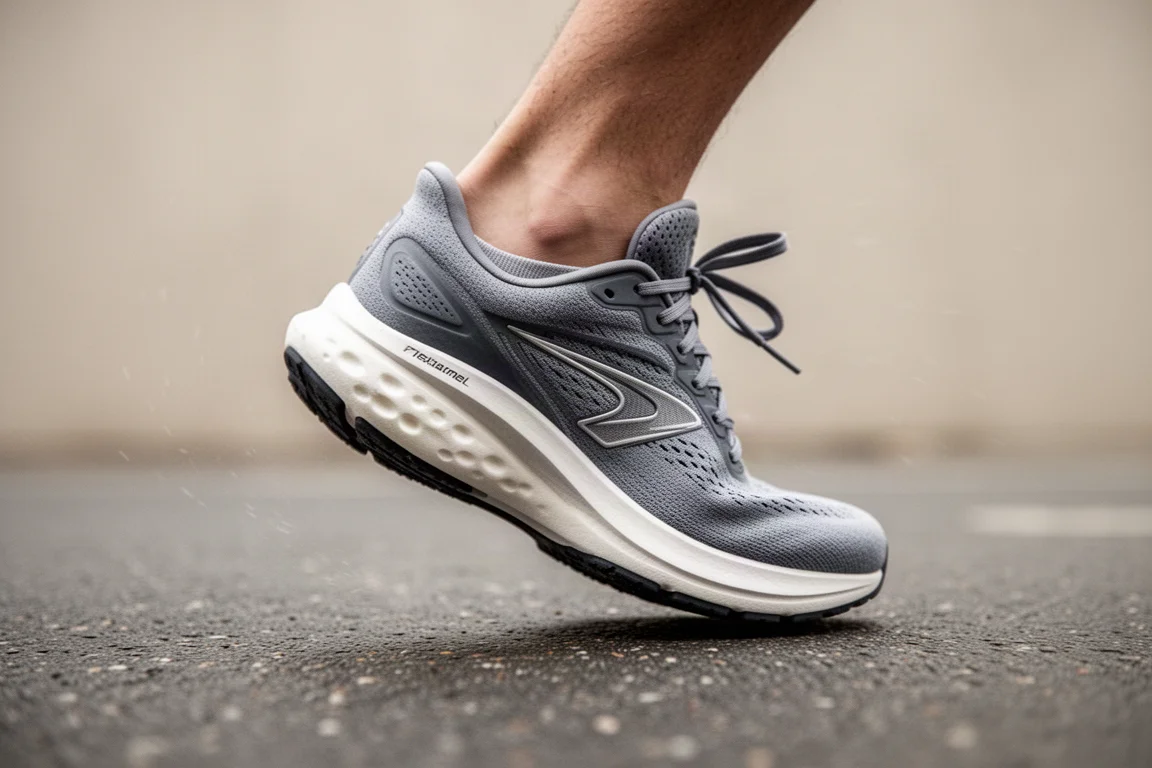
Two of the testers wore the Puma Velocity Nitro 2 for the full race, and the verdict was consistent: it is very much an evolution of the original rather than a reinvention, with a noticeably softer upper that adds comfort over long distances. One tester described it flatly as a fantastic shoe and could not wait to log more miles in it.
The more interesting note came from a runner who had done a slow 18-mile effort the day before and then raced faster splits the next morning: the shoe handled both without complaint. At its price point, the conclusion was that it is a genuinely versatile option, capable of carrying a newer runner through an entire marathon training block and then up to the race itself.
Adidas Takumi Sen
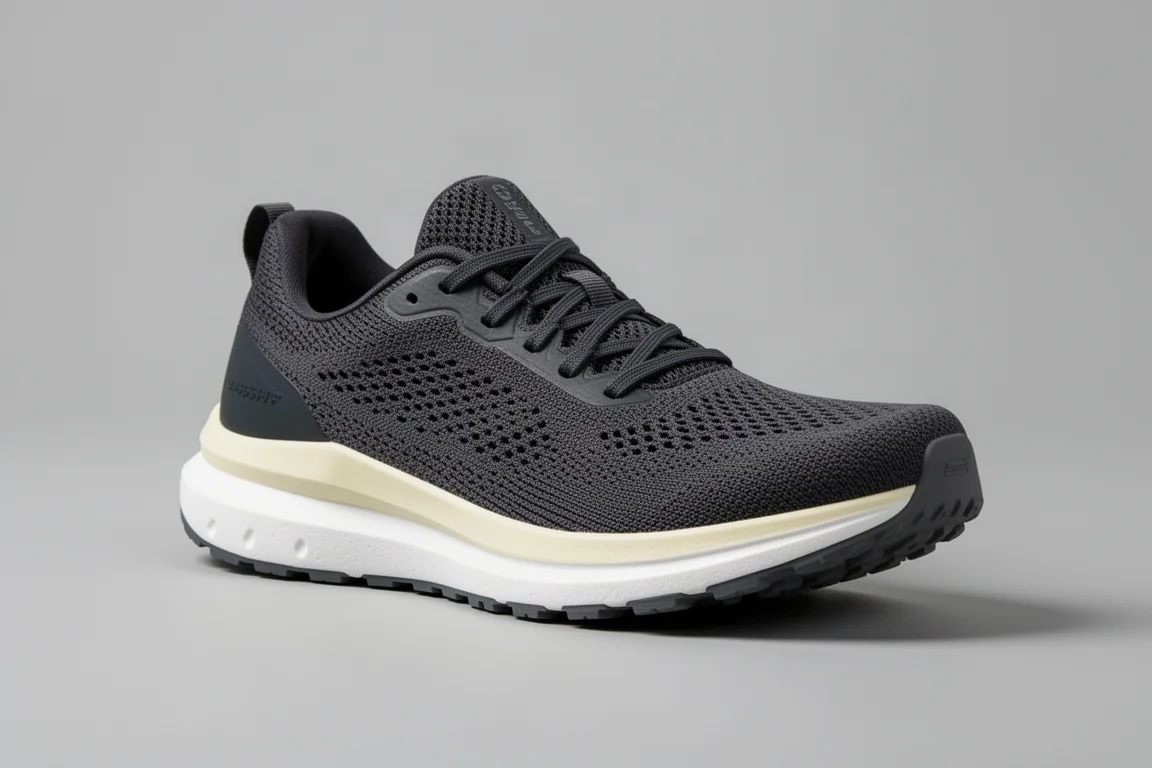
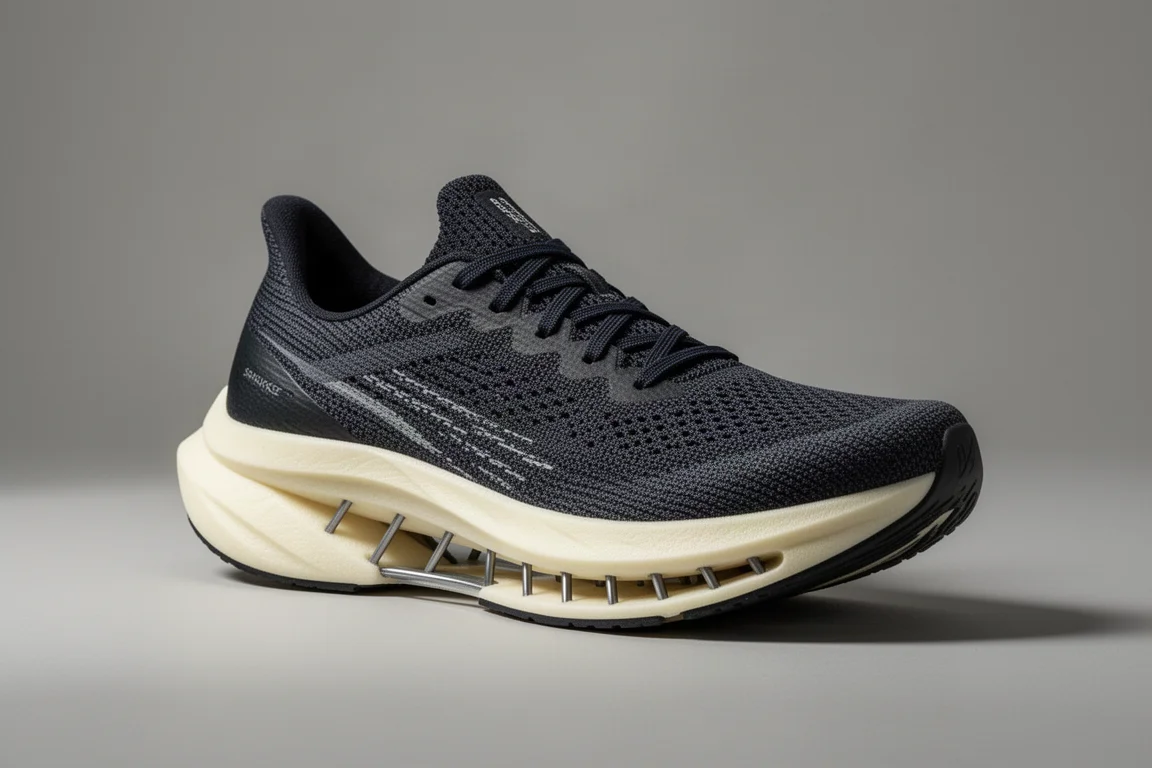
Worn by the fastest runner of the group, who finished third overall, the Adidas Takumi Sen was picked over a carbon super shoe as the race weapon of choice. The feedback was emphatic: really quick, really comfortable, and no drop-off in comfort late in the race compared with the carbon shoe worn at the same event the previous year.
Although the Takumi Sen is often positioned as a 5K and 10K racing shoe, the race result suggests it can handle any distance. It also proved genuinely good on corners, which mattered enormously on a course that never offered a chance to run stable. The only caveat: in a very low-stack shoe with a shuffling cornering style, the many tight turns still made pacing and footing tricky.
GPS Watches: Huawei Watch GT Runner vs Garmin Epix
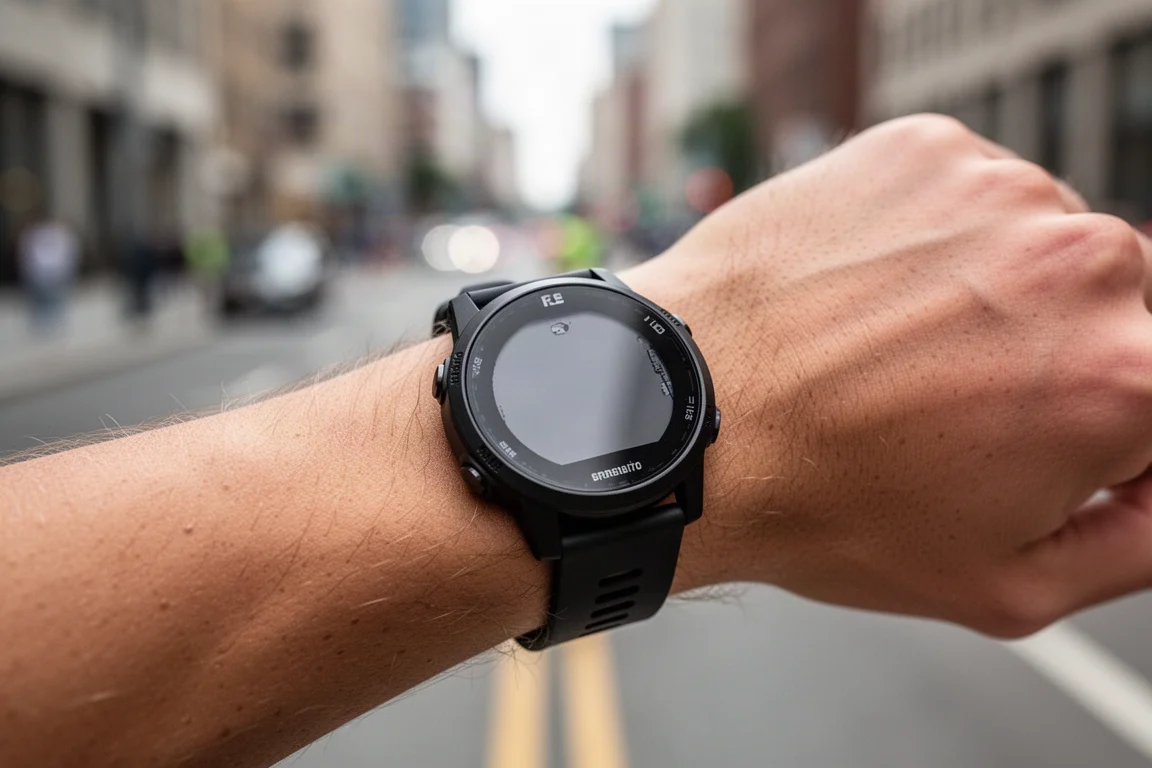
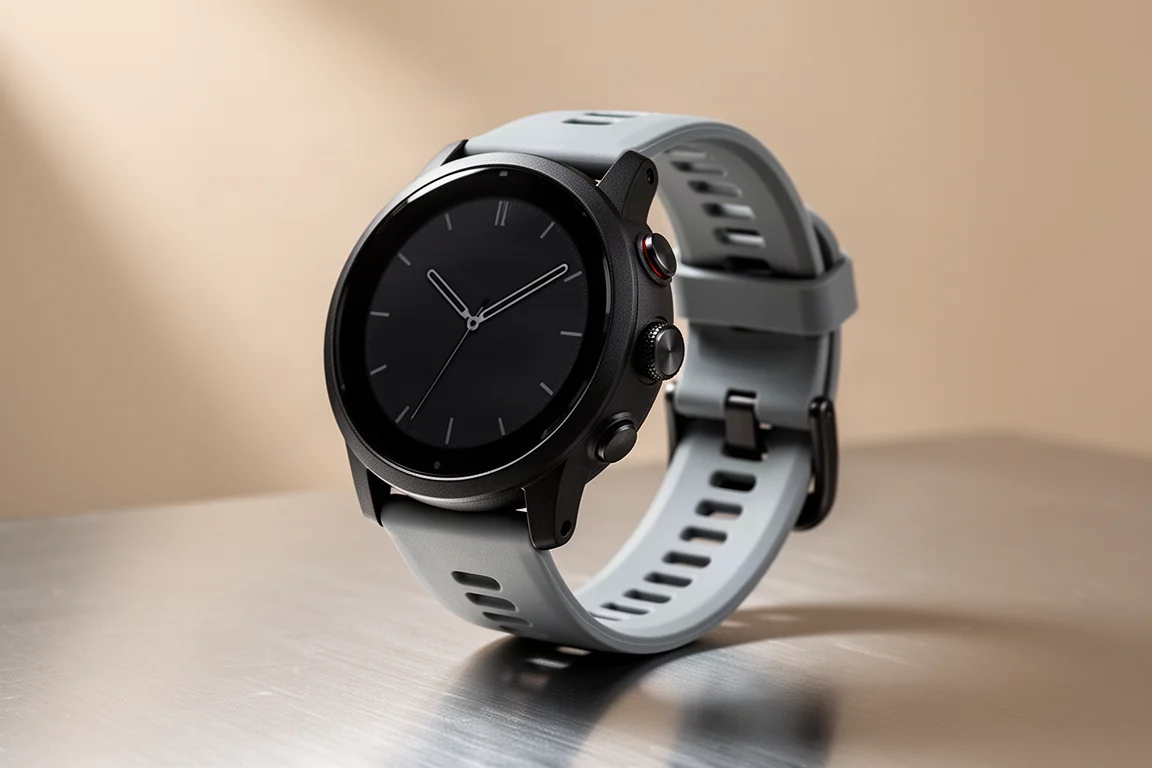
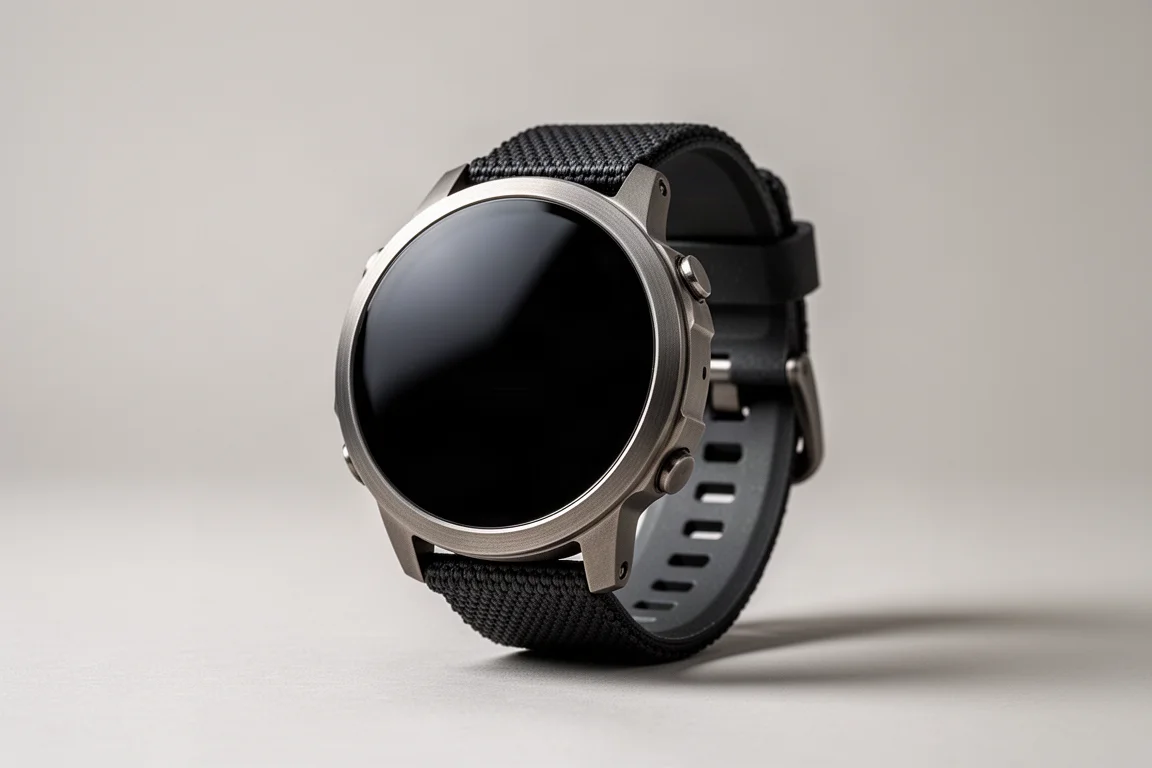
Two watches went head to head for the full race distance: the Huawei Watch GT Runner and the Garmin Epix. Both brands position these models around highly accurate GPS, and both delivered similar data and broadly matched metrics. Neither was flawless in a dense, built-up city, with both showing some location tracking issues on the twisty course.
On battery, the two finished close, with the Huawei Watch dropping about five percent more over the distance. One tester running at the front of the race had a rougher experience with the GT Runner, seeing the distance inflate so early that he knew he would need to run beyond the official half marathon distance to finish, while the Epix had a few problems but stayed consistent enough to pace against. The takeaway: both are capable, but GPS reliability in dense cities is still not solved on either.
Shokz OpenRun Pro 2
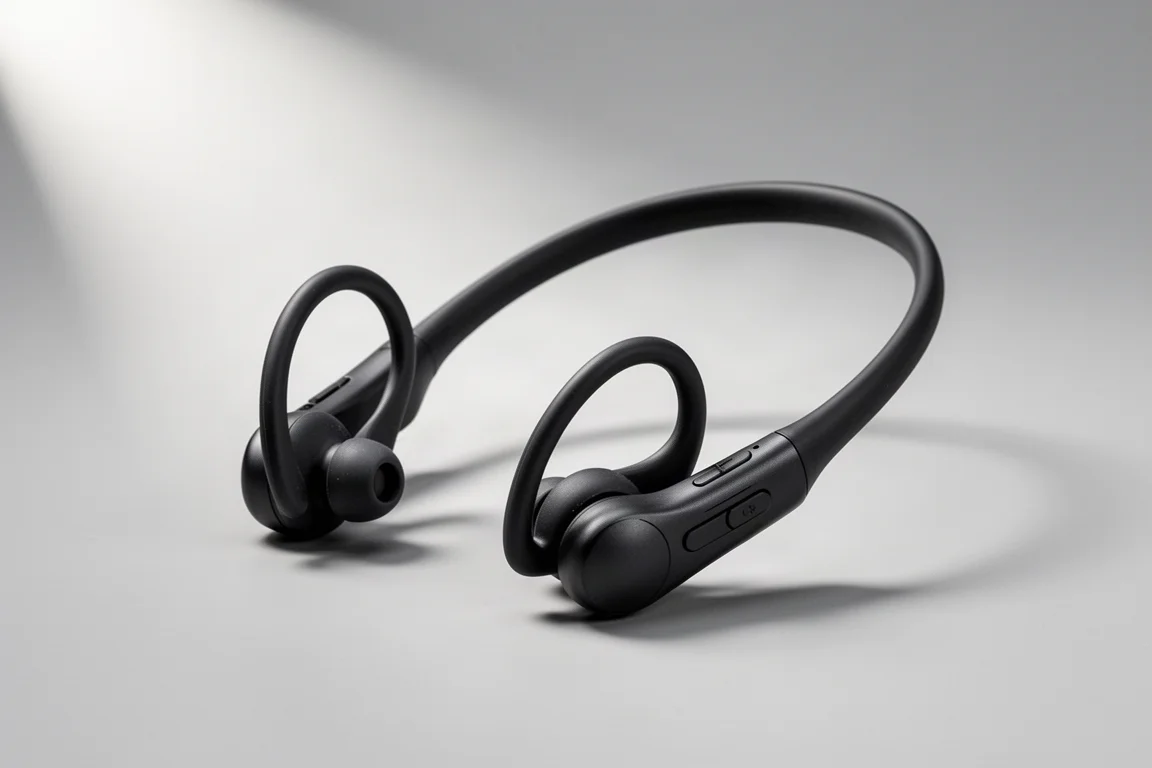
The Shokz OpenRun Pro 2 bone conduction headphones were tested by a runner who does not usually favour the category, which makes the result worth noting. On a course lined with live music, the open-ear design blended her own audio with the atmosphere rather than blocking it, and she found they worked well in that environment.
City races are exactly the scenario where keeping an ear on your surroundings matters, and the OpenRun Pro 2 handled crowds and noise without issue. If you already like the bone conduction idea, this is a strong race-day option.
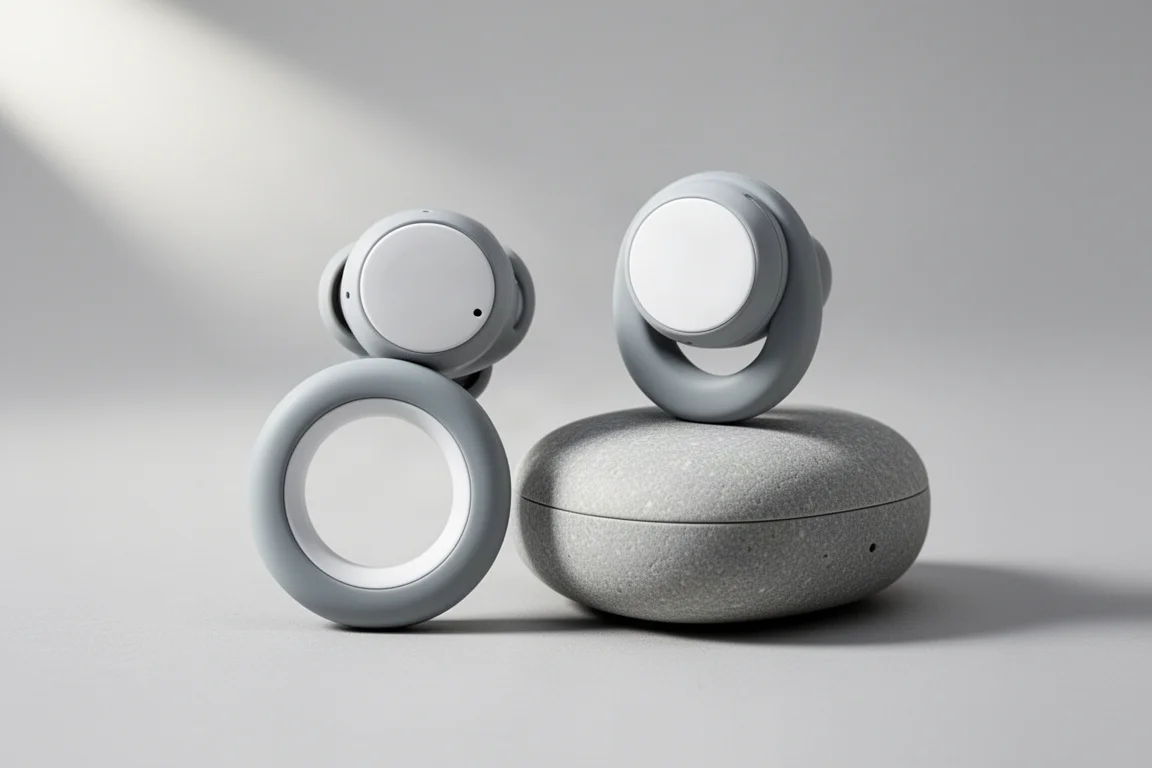
Sony LinkBuds
The Sony LinkBuds were tested by two runners as an alternative to bone conduction for awareness-style listening. One had some initial fit issues, trying several adjustments before they stayed put, but once settled they proved comfortable and discreet, sitting very small in the ear. That tester concluded they would probably choose them over Shokz for awareness listening going forward.
The second tester, who raced in them, was equally positive: they tucked neatly under a headband, let the crowd through clearly while still delivering music or a podcast in quieter stretches, and the tap controls worked mid-race. They were not quite loud enough over the loudest crowd sections, but the awareness and sound quality balance impressed.
The North Face Flight Vest
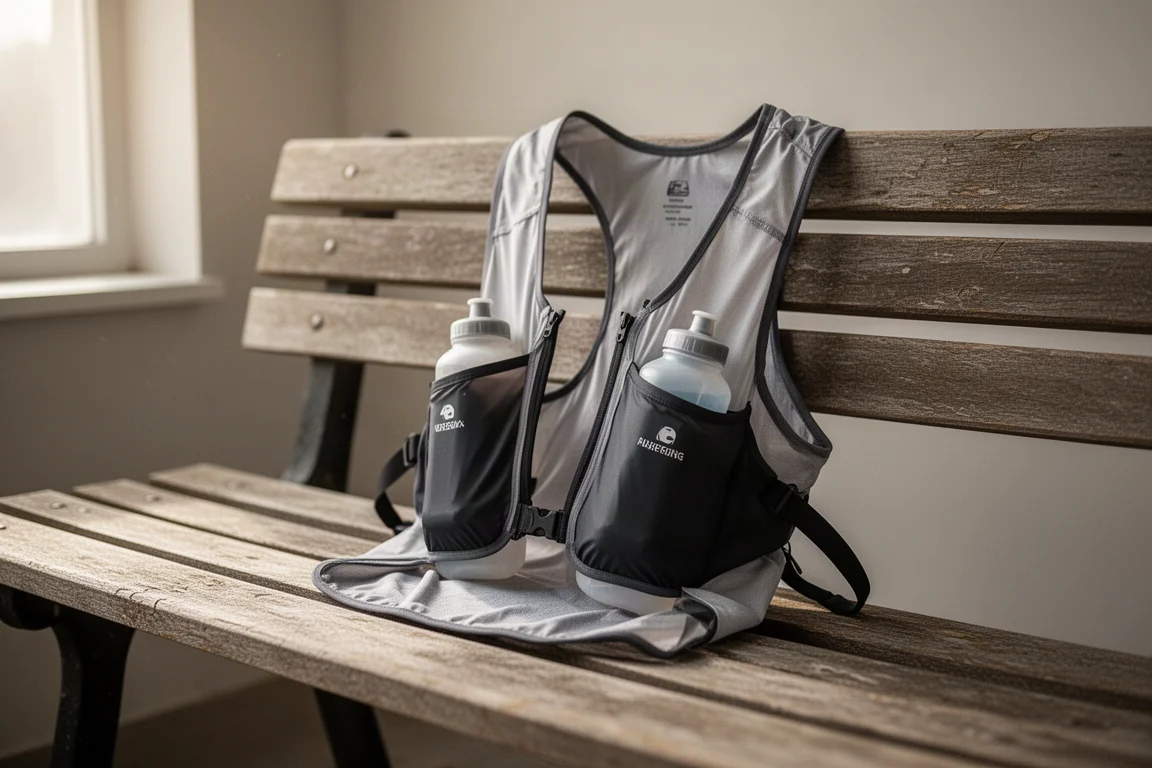
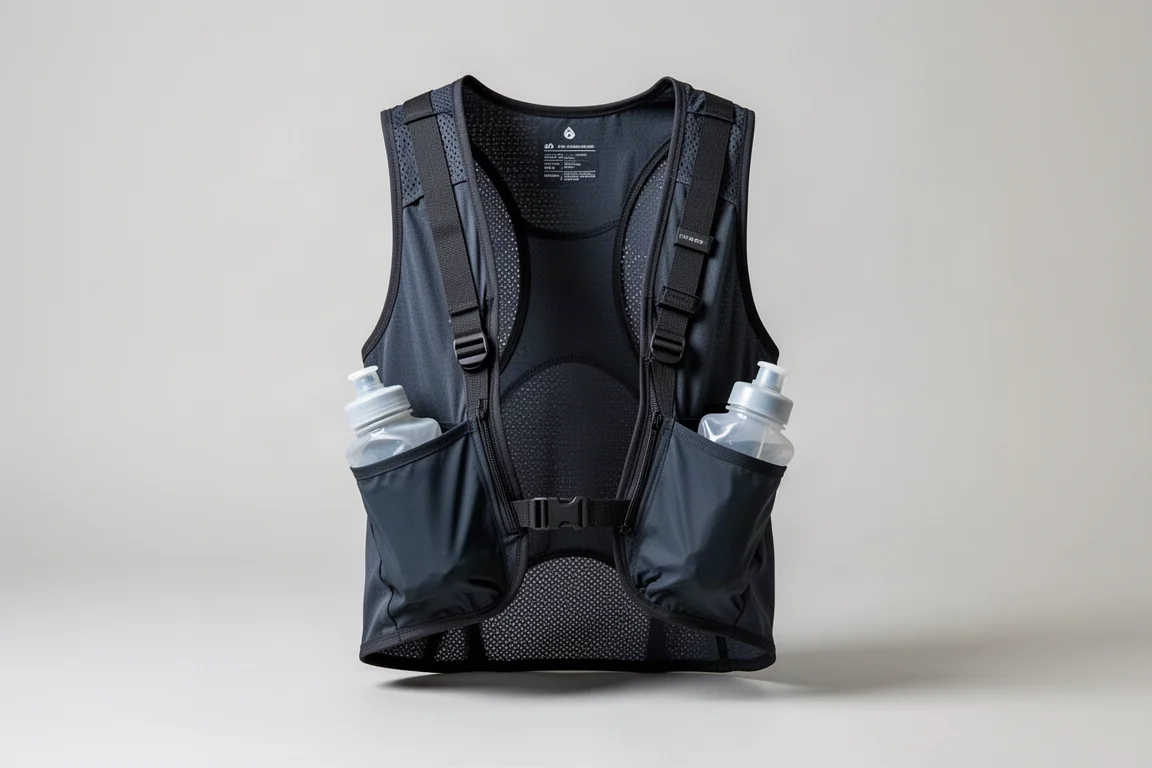
Not every product survived the race with its reputation intact. The North Face Flight Vest, a minimal race vest loaded with two soft flasks, wobbled from mile one. The movement was severe enough that the tester had to stop, empty the flasks completely, and soak her own top before tucking the vest away for the rest of the race.
She was blunt about the verdict: even acknowledging that a full soft-flask load is serious overkill for a half marathon, the wobble made it unusable at race pace. As a minimal marathon vest concept it may still have merit, but on this evidence you would want to test it thoroughly and pack light before committing to it.
Overall Buying Advice
A few clear patterns emerged from 13.1 crowded, corner-heavy miles. For a single shoe that can handle training and racing across paces, the Puma Velocity Nitro 2 was the standout value pick. For pure race speed, the Adidas Takumi Sen proved it is far more than a short-distance specialist. On GPS, the Huawei Watch GT Runner and Garmin Epix are close rivals, with the Epix edging ahead on consistency when pacing matters most. For open-ear audio, both the Shokz OpenRun Pro 2 and Sony LinkBuds work in city races, with the LinkBuds winning on discretion and the Shokz on fuss-free fit. The Flight Vest is the one to approach with caution: minimal race vests need a very specific use case and a very patient fit test before race day.
Conclusion
Race testing strips away marketing and leaves only what works. The shoes came out strong across the board, the watches were capable but showed that city GPS remains a compromise, the headphones proved that awareness listening is now a solved problem in two different forms, and the vest served as a reminder that minimal gear is not automatically better gear. Match the product to your actual race and pace, and most of this kit will serve you well.
Further reading
Related Reviews
Running Gear
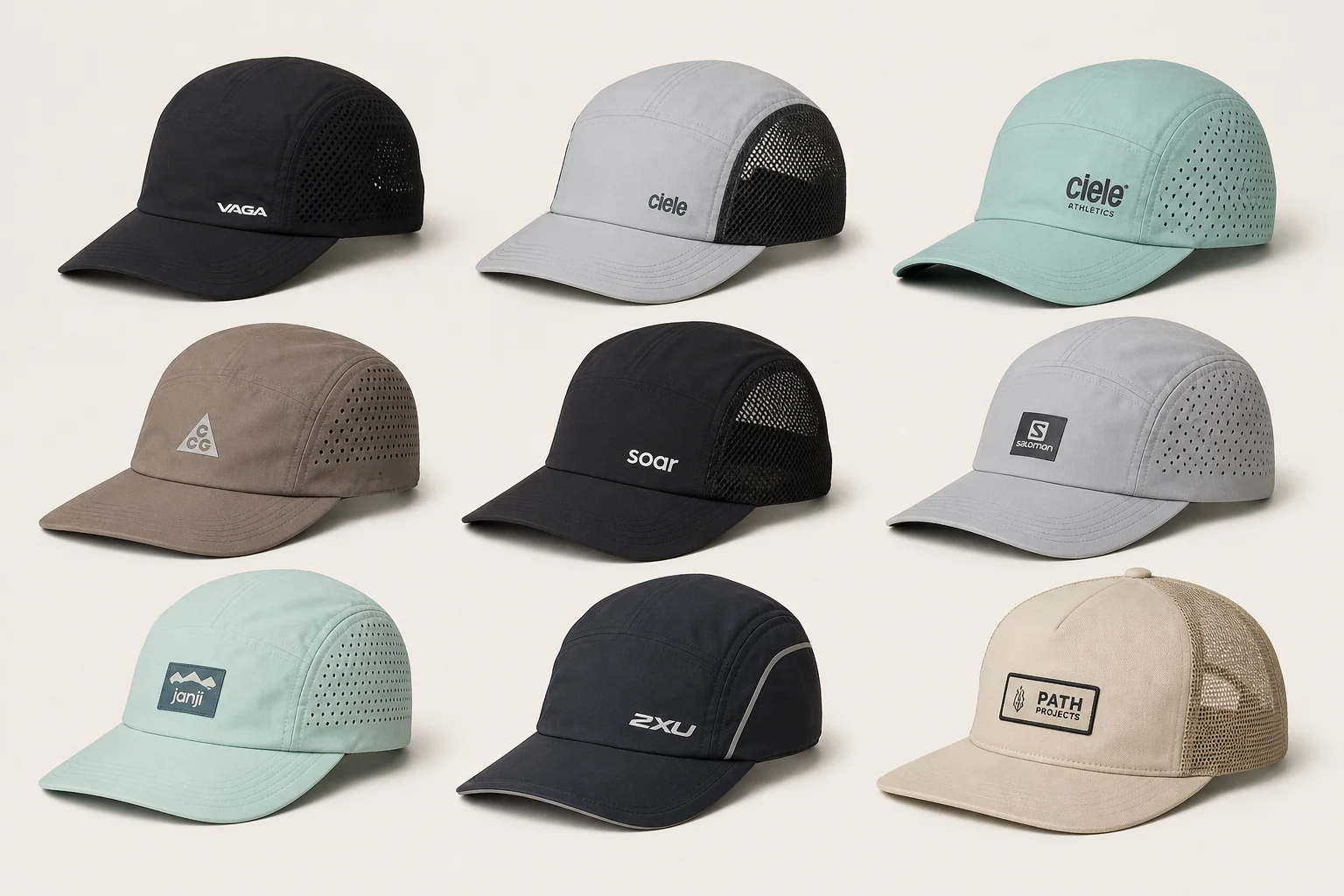
Best Running Caps 2026: Nine Tested Options for Summer and Winter
A comprehensive guide to nine running caps tested across different conditions, from lightweight summer options to waterproof winter choices.
Running Gear
Best Running Caps: A Guide to Summer and Winter Options
A comprehensive review of nine running caps for different conditions, styles, and preferences, from lightweight summer options to waterproof winter choices.
Running Gear
Best Running Gear 2026: Five Picks That Earn Their Place
Five running upgrades covering heart rate, audio, fuelling, carrying and weather protection, with the trade-offs worth knowing before you buy.