Running Gear
London 10K Race Test: 8 Pieces of Running Gear Put Through a Real Race
A hot, humid central London 10K was the proving ground for two Saucony racers, three Garmins, an Apple Watch, open-ear headphones and a hydration sensor.
Introduction
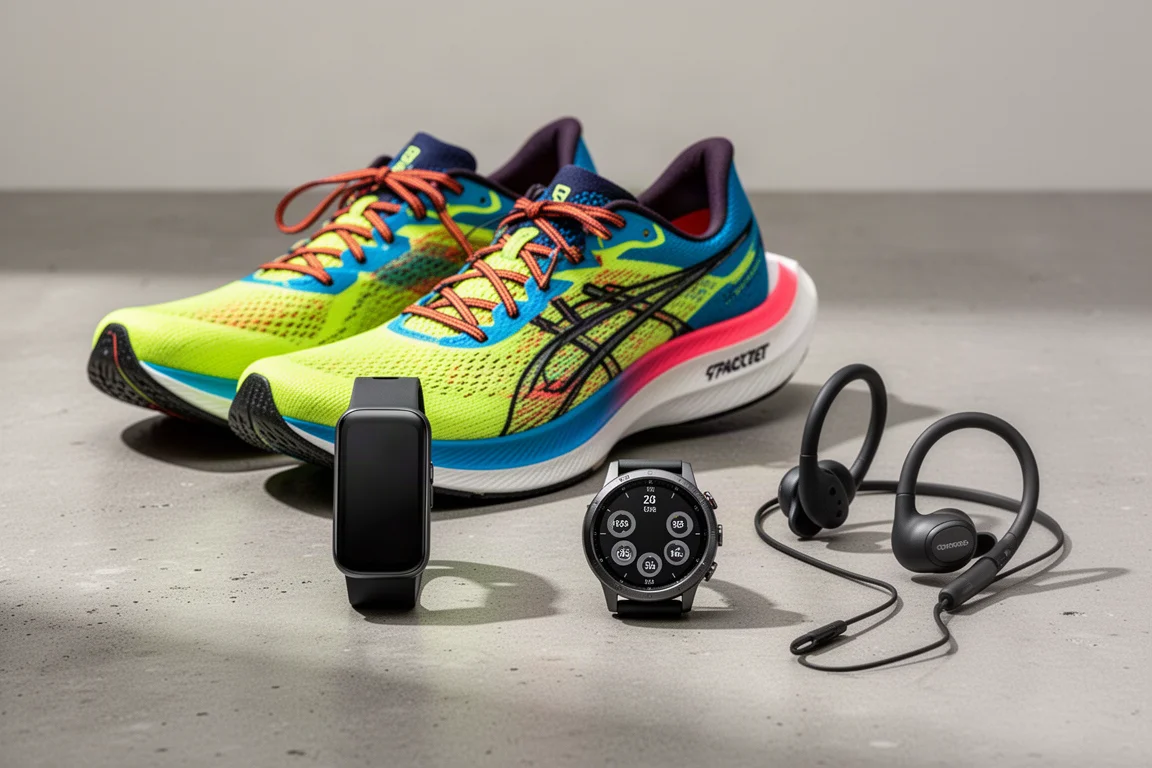
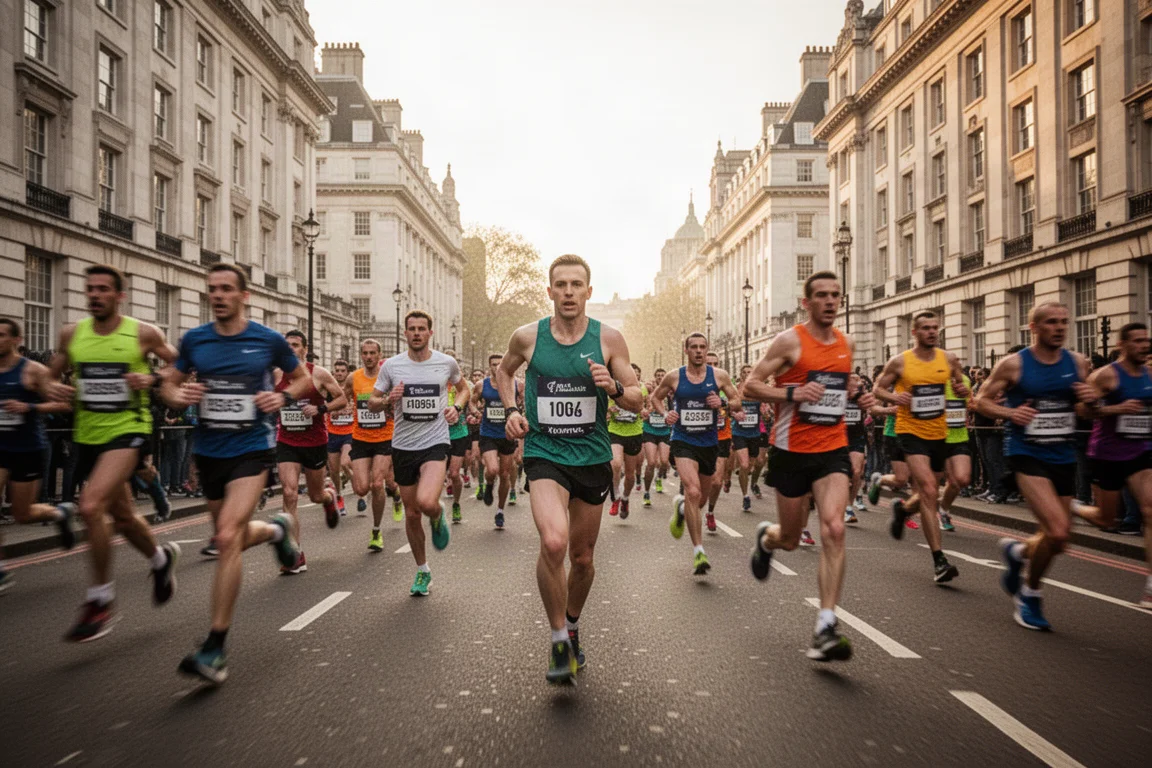
A hot, humid, twisty central London 10K is about as far from a controlled lab test as you can get, which makes it a great place to see how race gear actually behaves. Eight products went into the race: two Saucony Endorphin racers and trainers, three Garmin watches, an Apple Watch Ultra 2, a pair of Shokz OpenFit 2 Plus open-ear headphones and a Nix hydration sensor. Here is how each of them held up when the temperature rose and the turns kept coming.
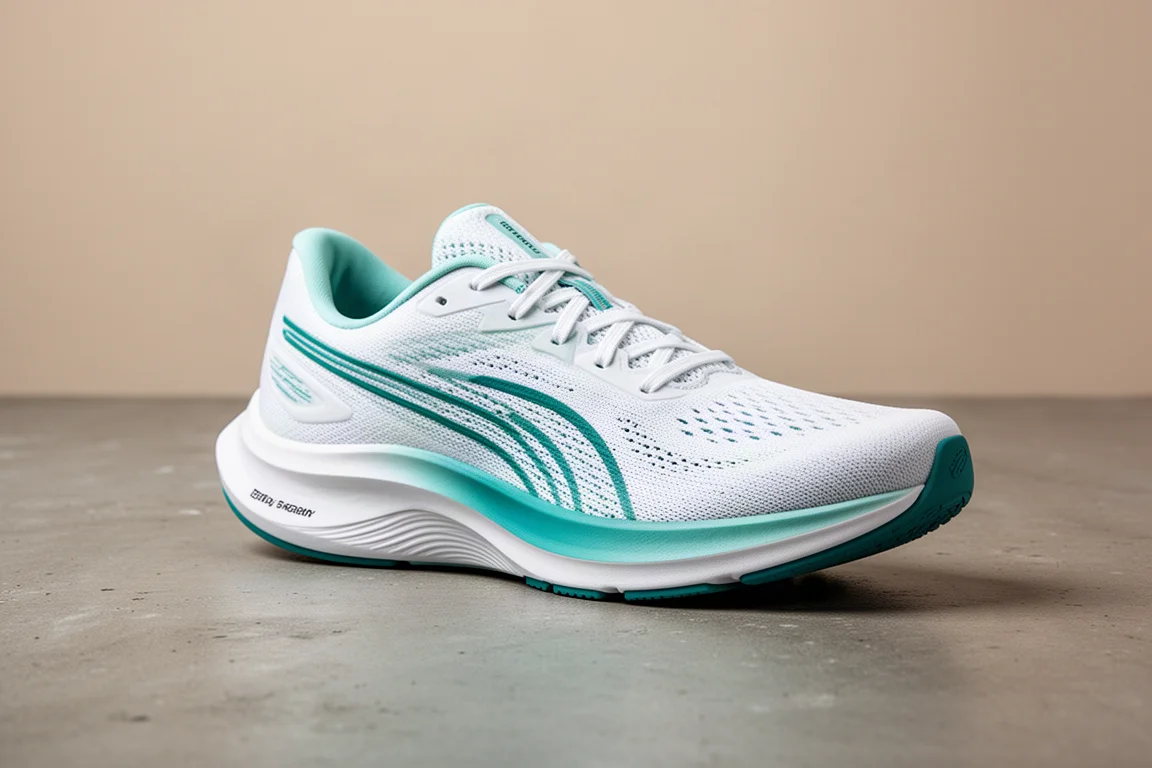
Saucony Endorphin Elite 2
The Endorphin Elite 2 is a proper lively, aggressive racer. On a course full of sharp turns and U-turns, it demanded concentration on the tightest corners, and the very soft, super bouncy midsole stays a little wobbly if you are not running in an attacking, midfoot-forward form. But on the straights it delivered big energy return the whole way round, and legs still felt surprisingly fresh the day after a hard all-out effort.
It is noticeably softer and springier than most carbon race shoes, which some runners will love and others may not. It also runs a touch small, so sizing up is worth considering. For a 10K raced at full send, it is a genuinely fun shoe; for the back end of a marathon, more stable carbon racers may be a safer pick.
Saucony Endorphin Speed 5
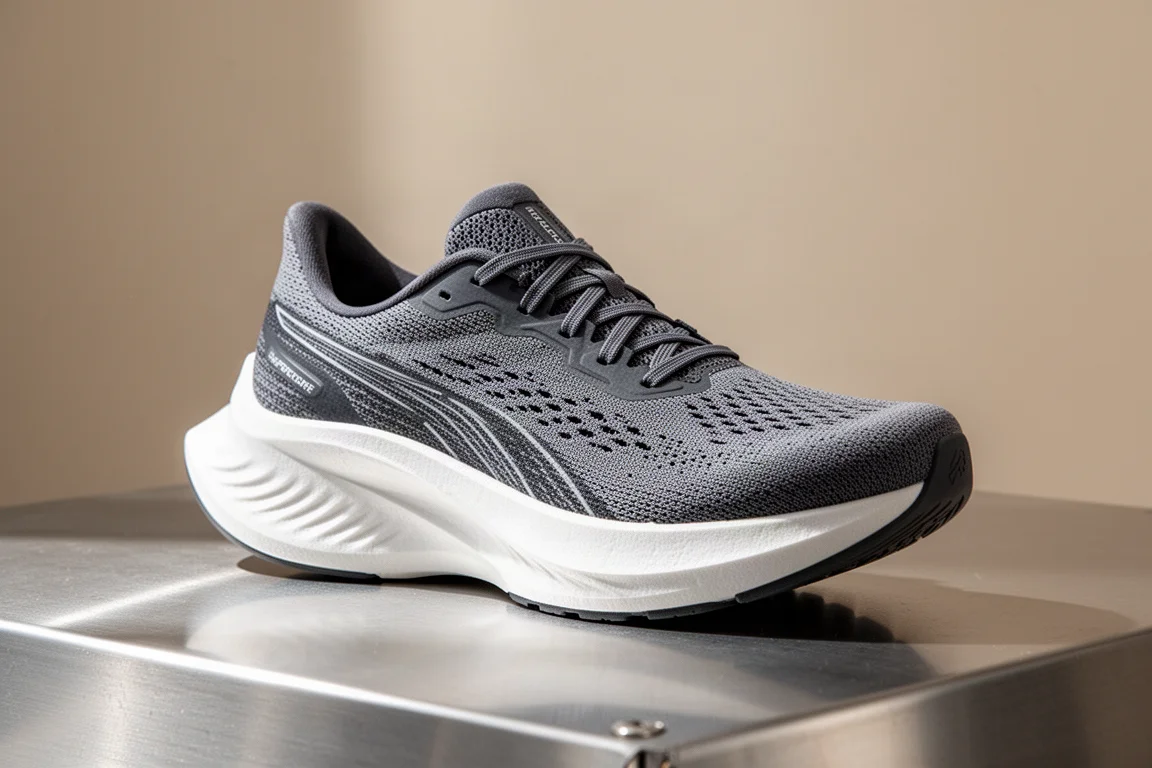
The Endorphin Speed 5 turned out to be the better fit for a 10K raced just under true 10K fitness. The SpeedRoll geometry rolls you forward rapidly without ever feeling overly aggressive, and there is still a nice liveliness and bounce in the midsole. It stayed stable through the course’s many corners, though the twisty layout did mean taking a slightly wider line.
As a fast training shoe it remains one of the best all-rounders available: it feels natural on the foot, you can pick the pace up easily, and easing off does not feel awkward. Compared with a full carbon race shoe it gives up a little aggression at maximum effort, but for tempo runs, marathon-pace work and 10K racing at moderate paces, it delivered everything that was asked of it.
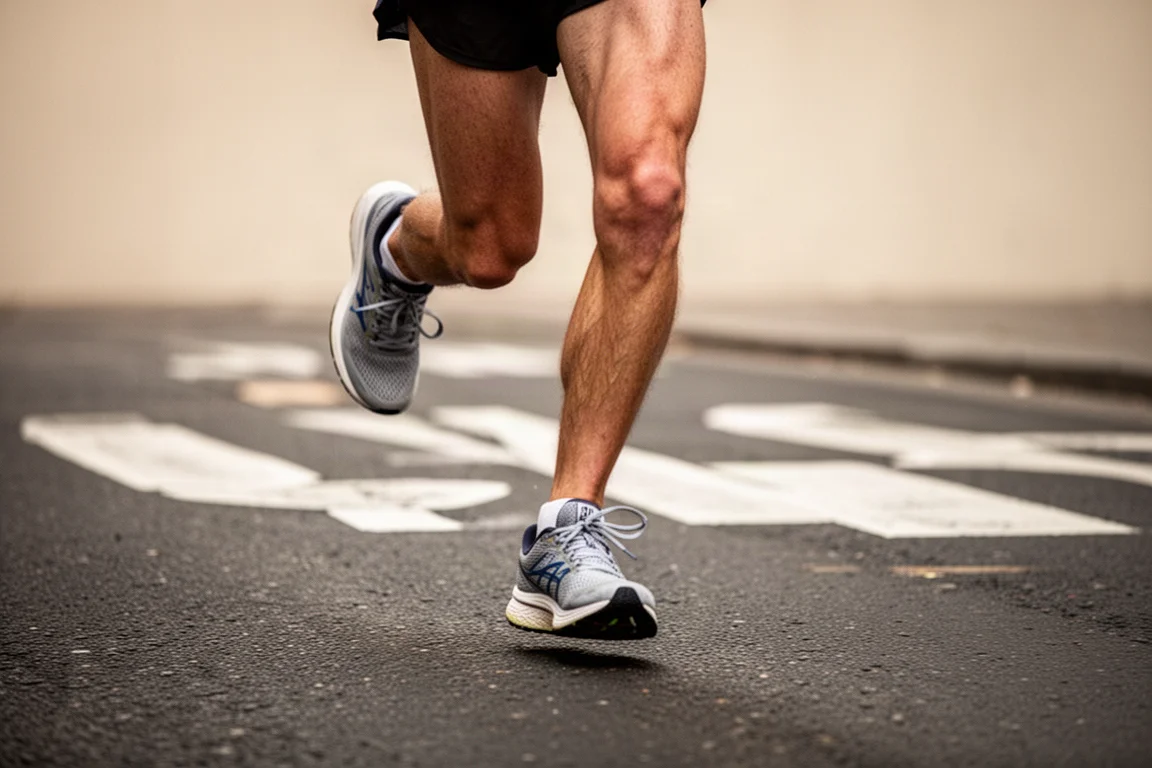
If you are deciding between the two Sauconys, the split is now quite clear: the Elite 2 is the softer, bouncier, lighter race-day option, while the Speed 5 is the versatile fast trainer that handles racing duties very well at shorter distances.
Garmin Venu X1
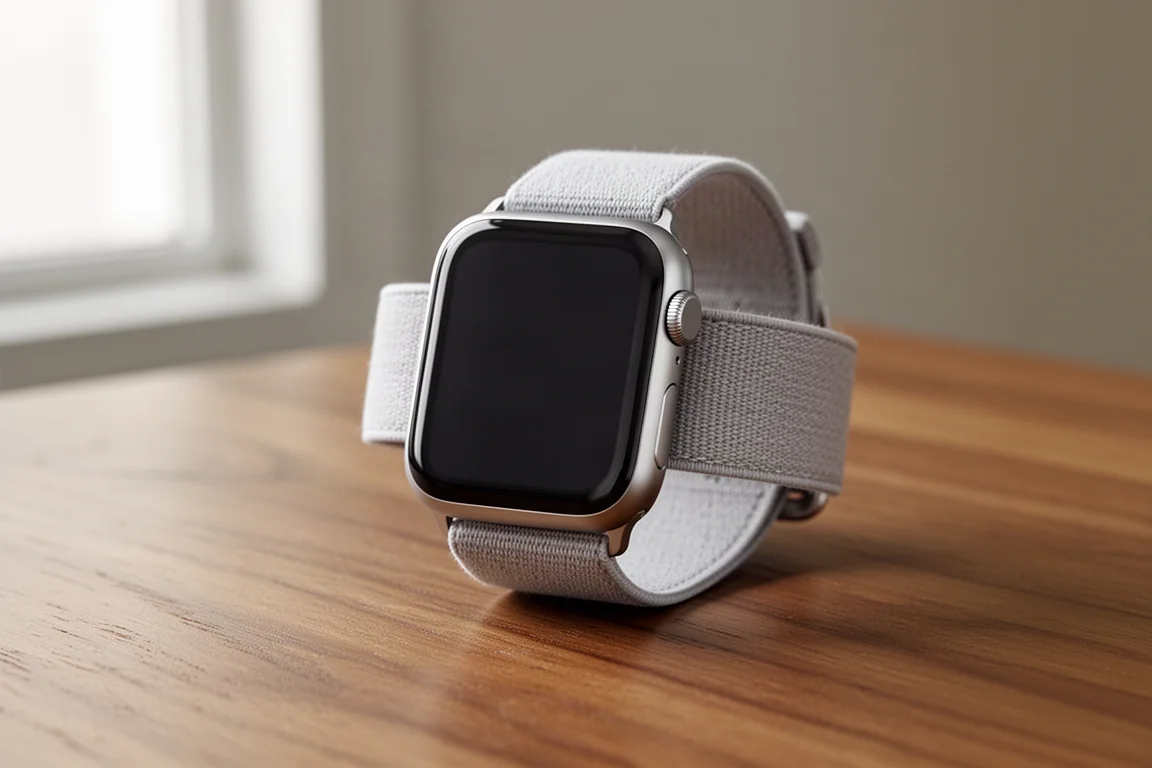
The Venu X1 is a fully featured sports watch in a surprisingly light, thin body, which makes it one of the most comfortable Garmins to wear in hot weather. It has nearly all of Garmin’s best sports features, with one big omission: no multiband dual-frequency GPS, only all-systems tracking.
That mattered in the heart of London. On a switchback-heavy course between tall buildings, the GPS track swerved off the road in places where dual-band watches stayed pinned, and one lap pace split near Temple Station read far too fast because the track had drifted wide. Battery is the other trade-off: Garmin lists 14 hours of GPS in all-systems mode, and long GPS activities drain it quickly even though general use comfortably lasts two days with the always-on display. Navigation relies on the touchscreen, which mostly worked fine even with sweaty fingers, but pausing and resuming requires a little care. Overall it is still a very good sports watch with a fantastic design, just with two things to weigh up if you run in cities a lot.
Garmin Forerunner 970
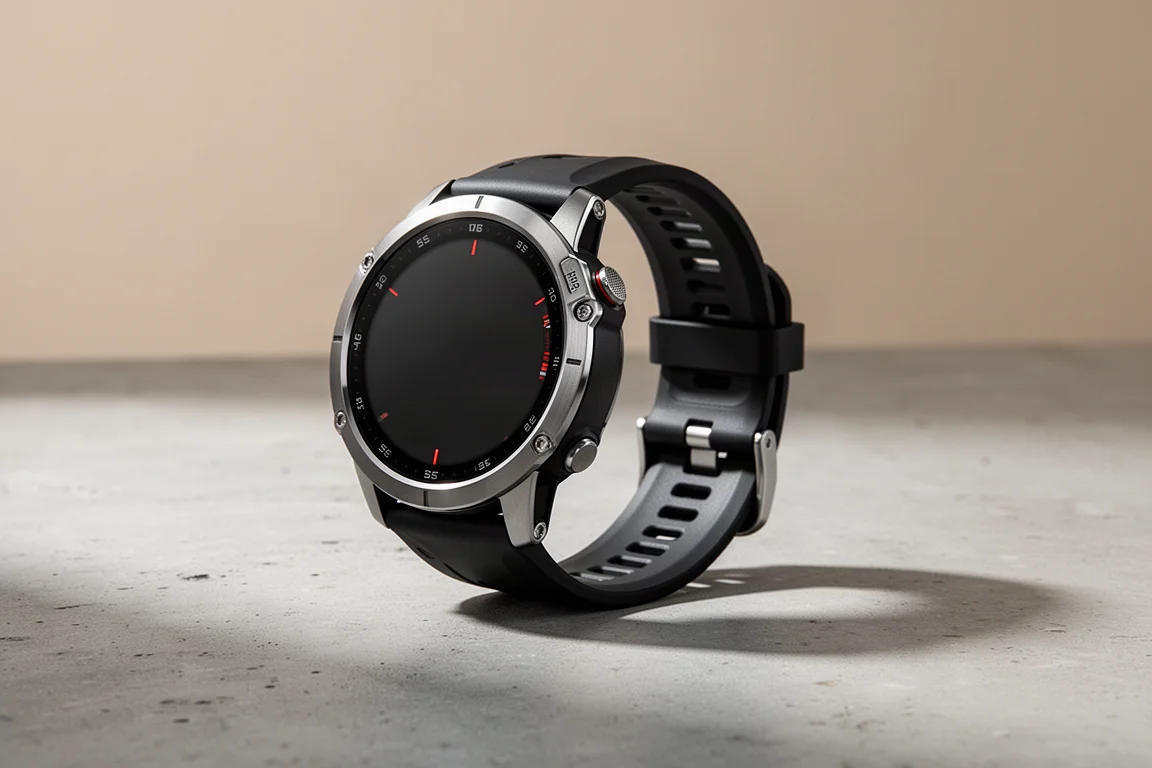
The Forerunner 970 is arguably the Venu X1’s most direct rival, and in the city race it had the edge where the Venu X1 falls short. With dual-band GPS it logged a steadier track that stuck to the correct path through the sharp turns, and its total distance came closer to the real thing. Garmin lists 21 hours of GPS in multiband mode, and in this test both watches drained almost exactly in line with the official figures.
Add in the five-button design, which avoids any touchscreen missteps when pausing mid-race, plus a slightly lower price than the Venu X1, and the 970 makes a strong case for runners who do most of their running in built-up areas. Heart rate matching against a chest strap was also excellent throughout.
Garmin Forerunner 570
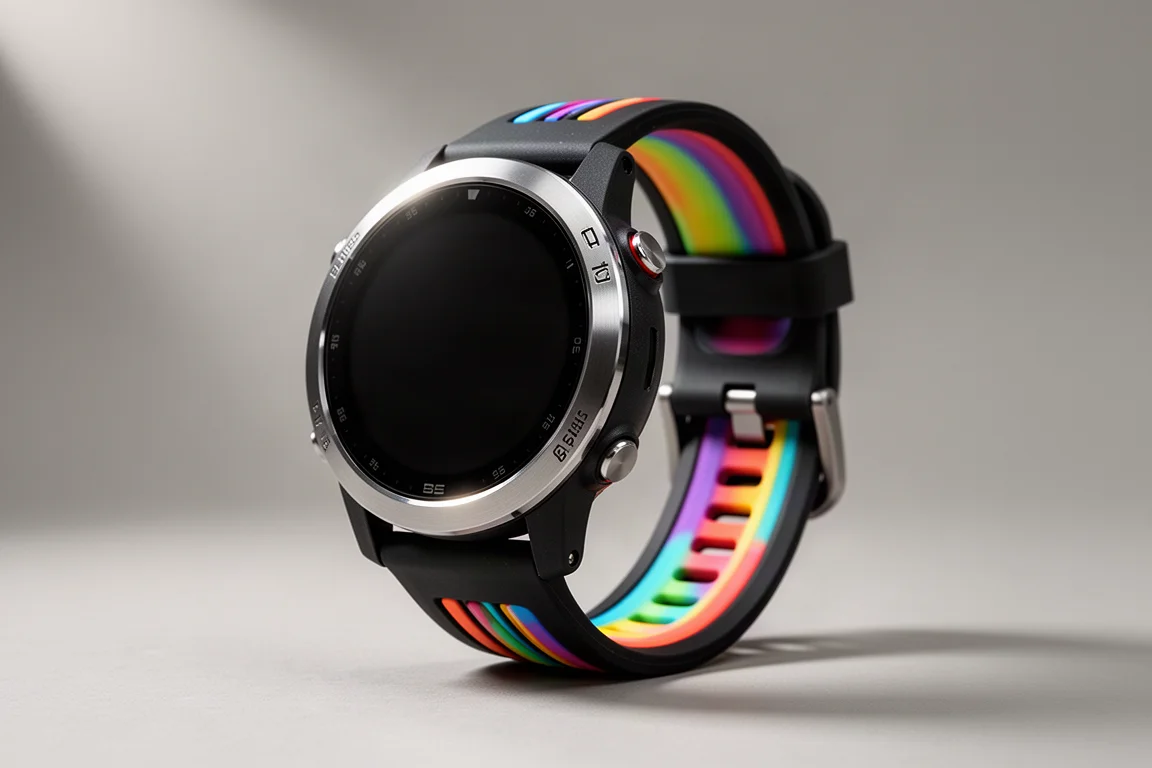
The Forerunner 570 was tested side by side with the 970 in maximum accuracy dual-frequency mode, and both watches clocked the course surprisingly well. The 570 recorded 10.14 km against the 970’s 10.28 km, real-time pacing closely matched between the two throughout, and key kilometer markers lined up well against the sums.
The race burn rate for the roughly 40-minute effort was identical to the 970 at about 4.5 percent per hour, with the 570 slightly ahead over a full morning. Heart rate tracking also matched a chest strap to within two to three beats for nearly the entire race. The GPS tracks of both watches wandered a little off the exact route in places, but overall distance and live pace were close enough that it made little practical difference. A solid performance for a built-up urban race.
Shokz OpenFit 2 Plus
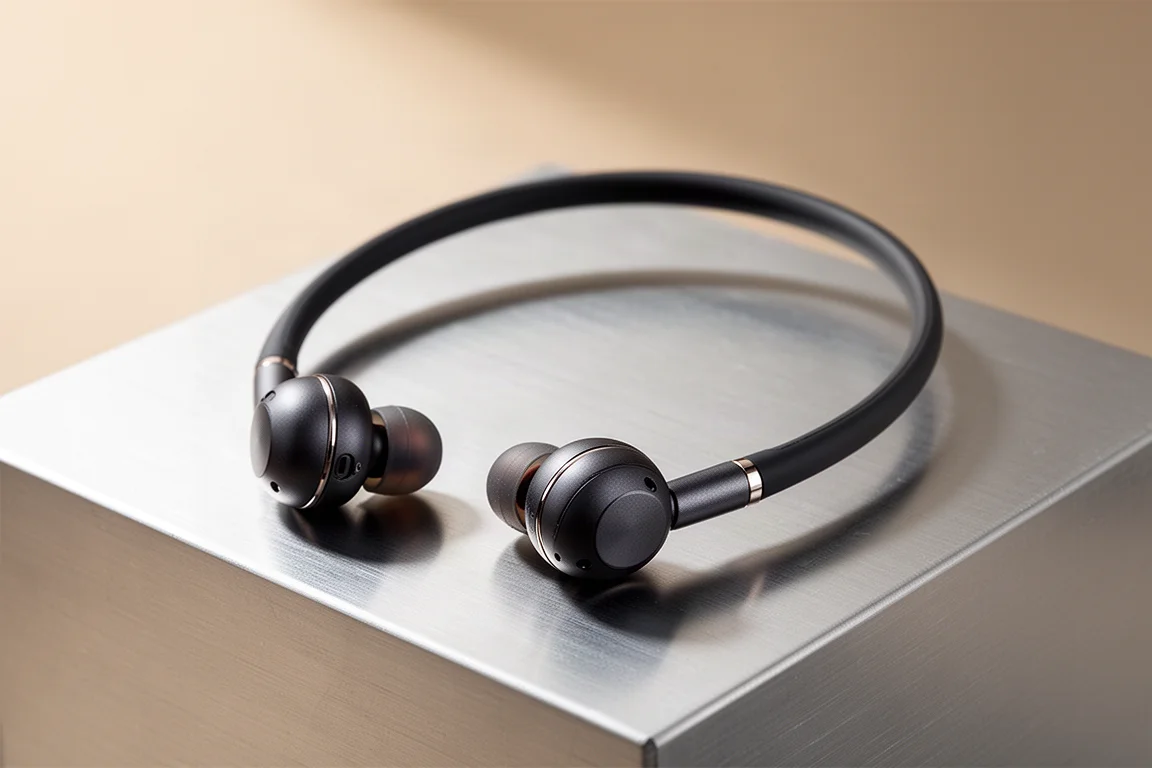
The OpenFit 2 Plus is the rare open-ear update that gets the fundamentals right. They are extremely comfortable, to the point you can barely feel them on your head, and the sound is loud and full enough that podcasts are perfectly easy to follow on the run. During the loudest, most crowded stretches of the race some of that fidelity naturally disappeared, which is inherent to open-ear designs rather than a flaw.
The one oddity worth knowing about: because nothing plugs your ears, sweat can drip straight into them on hot days, which in-ear headphones avoid. It was more of a curiosity than a dealbreaker, and on every other count these were a genuine step up from the previous generation.
Apple Watch Ultra 2
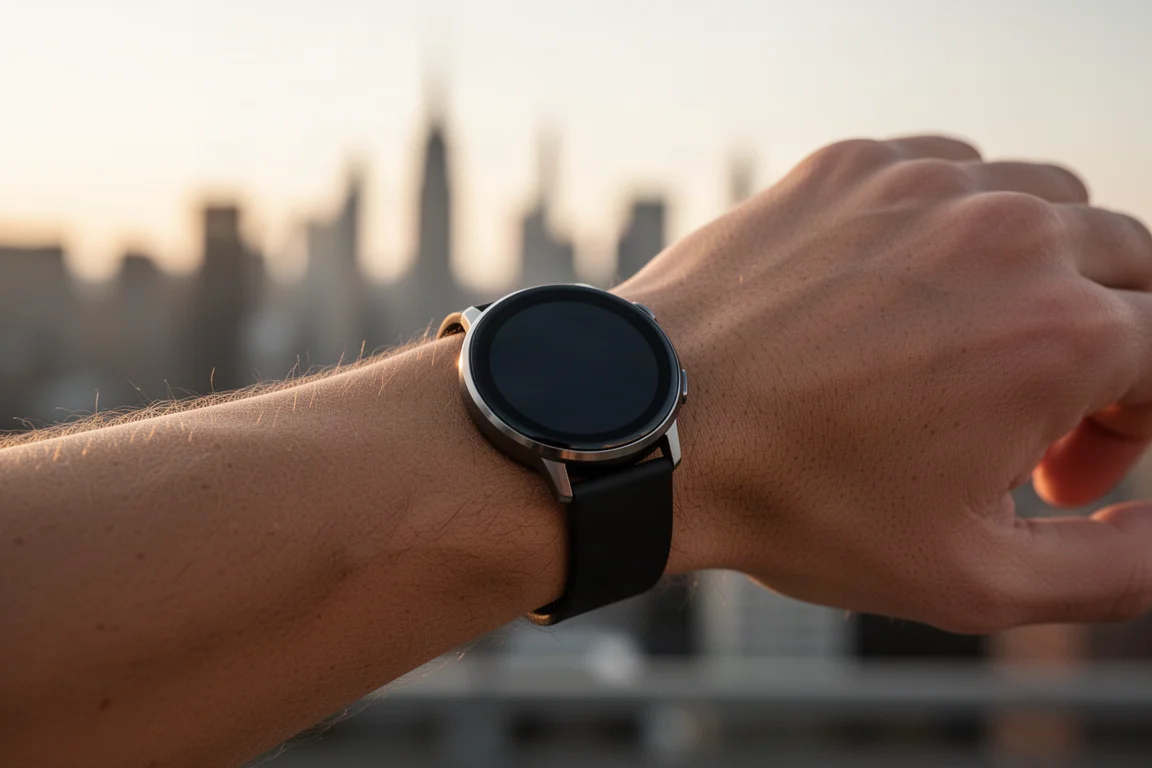
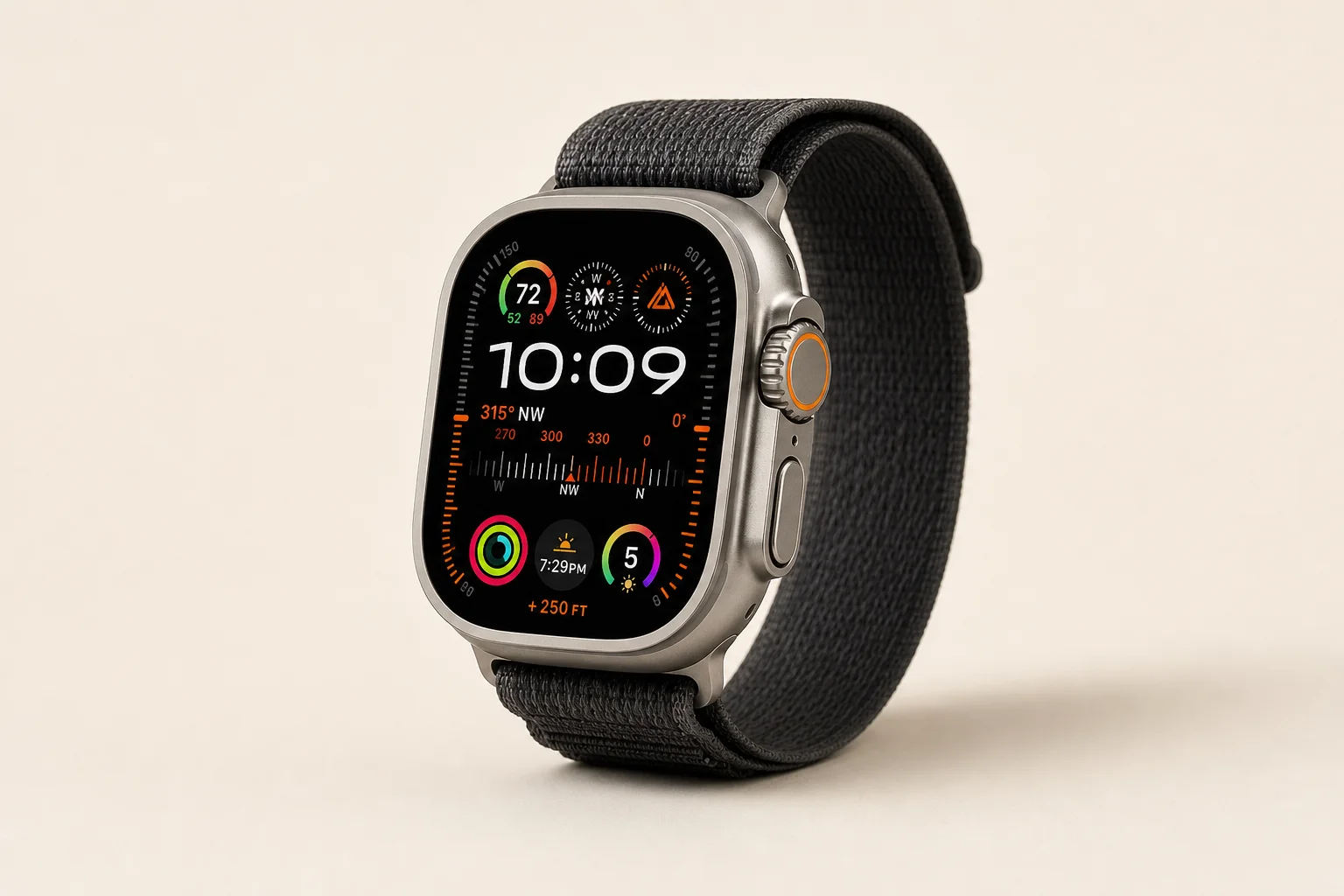
The Apple Watch Ultra 2 faced off against the Venu X1 in the GPS test, and it came out slightly ahead on accuracy. Its track hugged the lap markers more closely, and its final distance landed a little nearer the true 10K, helped by the multiband dual-frequency GPS mode the Garmin lacks.
That accuracy has a cost: with both watches on always-on display, the Ultra 2 dropped more battery over the race than the Venu X1, which is the flip side of running its most power-hungry positioning mode. If you want a square smartwatch that tracks city races tightly, the Ultra 2 earned its keep here.
Nix Hydration Sensor
The Nix is a small arm-worn patch that tracks fluid, electrolyte and sodium loss in real time, and it produced genuinely interesting numbers on a hot, humid race day. The app reported 899 milliliters of fluid, 721 milligrams of electrolytes and 342 milligrams of sodium lost over the 10K, sitting reasonably close to a separate Garmin fluid-loss estimate.
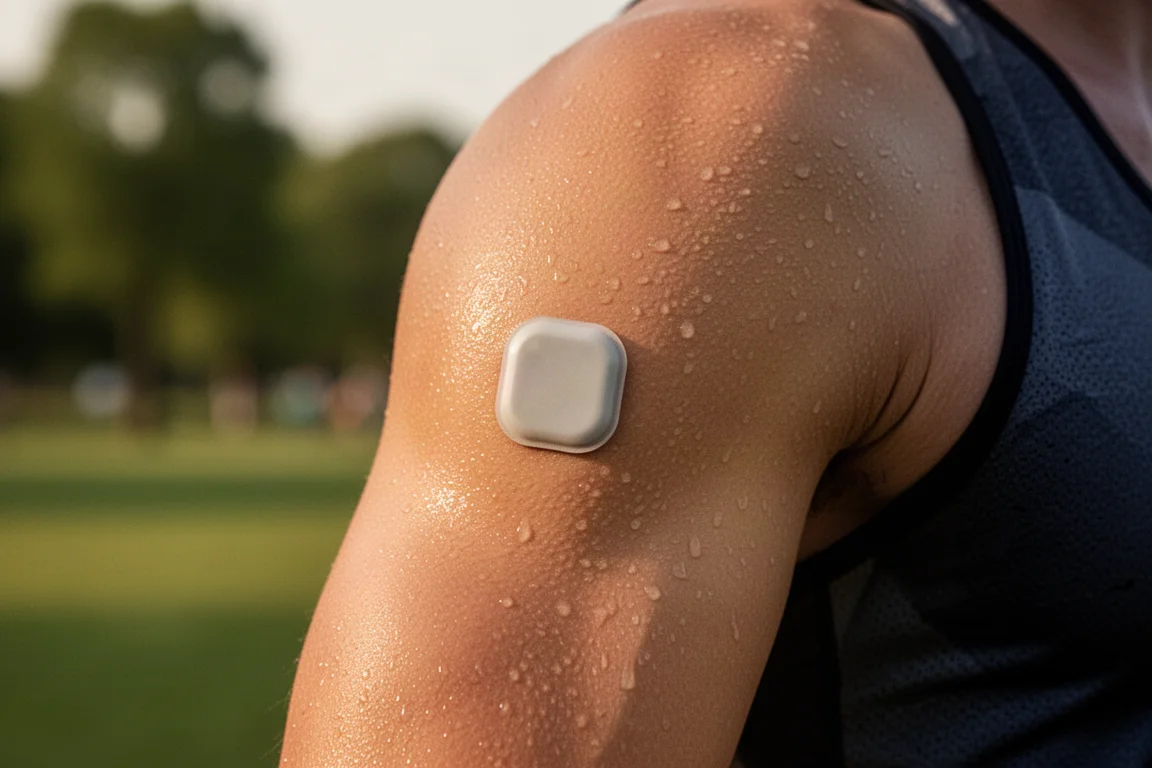
The app is nicely straightforward, and if the data is anywhere near accurate, it could be genuinely useful for long events where fluid and salt balance fall apart late in the day, with real-time alerts as losses build. Two reservations: each sensor only lasts about 36 hours, and they are not cheap, so this is a considered purchase rather than an impulse one. For ultra-distance runners, though, it is an intriguing tool.
Buying Advice
For race-day shoes, the choice is about temperament: the Endorphin Elite 2 rewards confident, attacking runners at 10K, while the Speed 5 suits most people across racing and fast training. Among the watches, city runners should prioritize dual-band GPS, which points toward the Forerunner 970, Forerunner 570 or Apple Watch Ultra 2, while the Venu X1 wins on comfort and design. The OpenFit 2 Plus is an easy recommendation for anyone who wants music without blocking the road, and the Nix makes sense mainly for long-duration athletes who already know hydration is their weak point.
Conclusion
Hot, humid and crowded conditions are the honest test, and most of this gear came through well. The two Sauconys each found their clearly defined role, the dual-band Garmins and the Apple Watch Ultra 2 handled the urban GPS challenge best, and the OpenFit 2 Plus and Nix both earned further miles. Match each product to the way you actually run, and there is very little here that would disappoint.
Further reading
Related Reviews
Running Gear
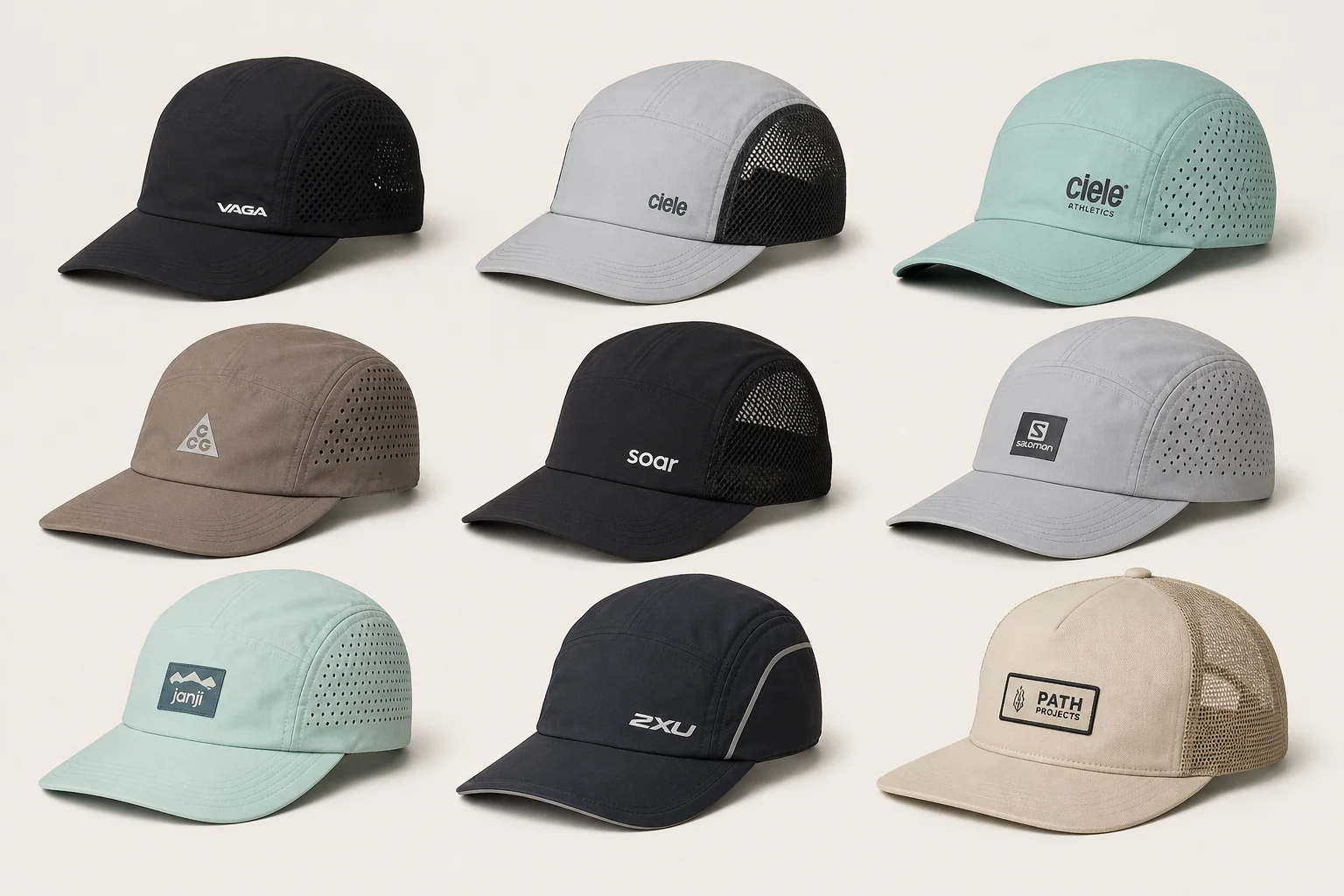
Best Running Caps 2026: Nine Tested Options for Summer and Winter
A comprehensive guide to nine running caps tested across different conditions, from lightweight summer options to waterproof winter choices.
Running Gear
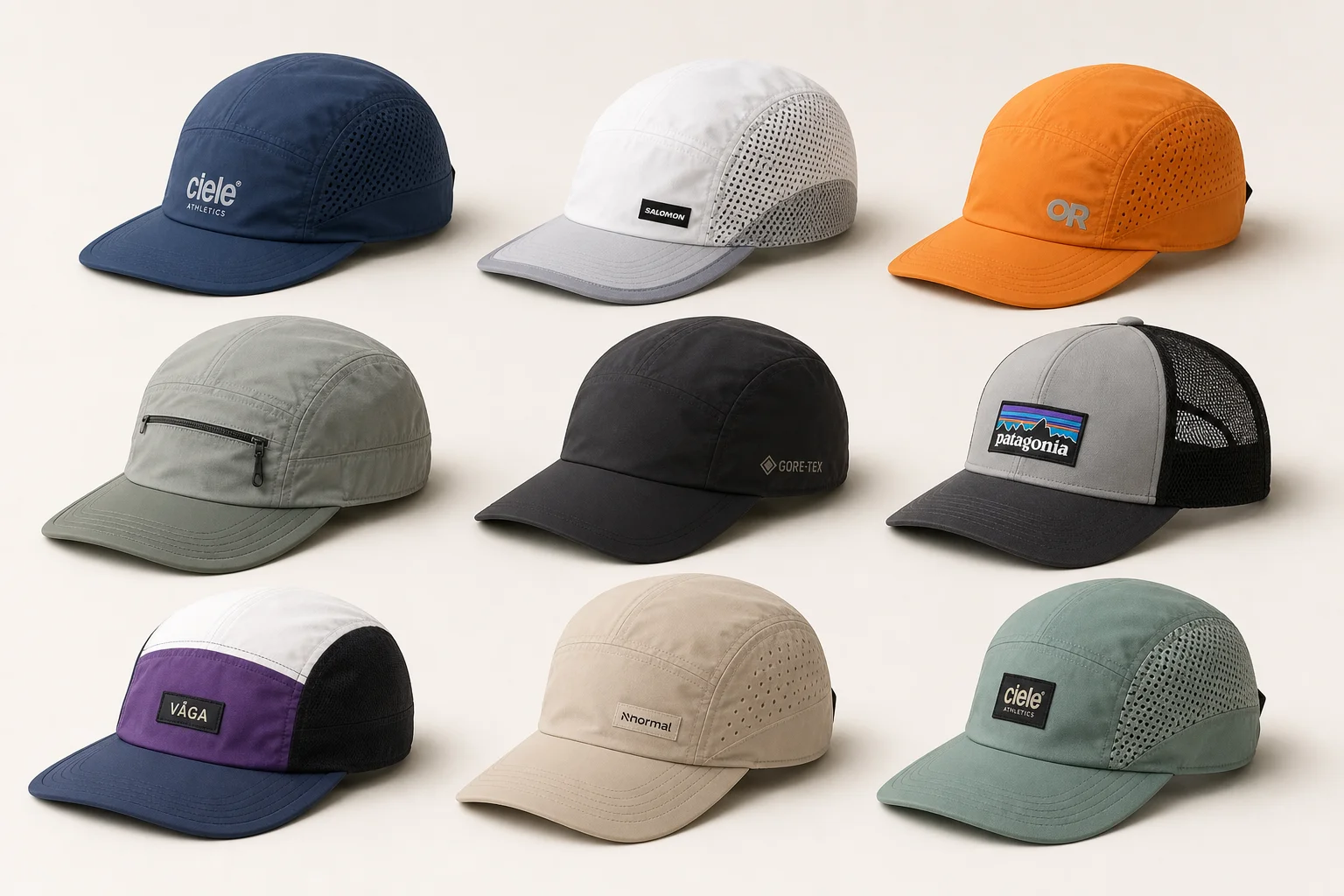
Best Running Caps: A Guide to Summer and Winter Options
A comprehensive review of nine running caps for different conditions, styles, and preferences, from lightweight summer options to waterproof winter choices.
Running Gear
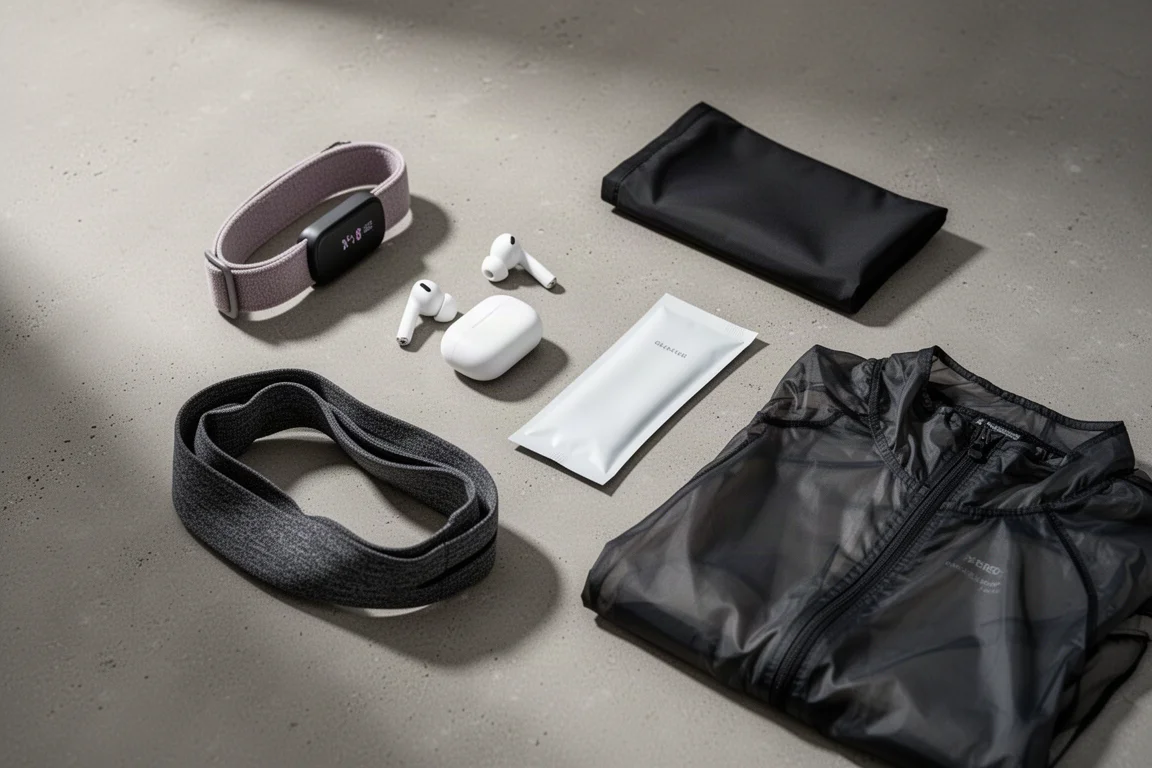
Best Running Gear 2026: Five Picks That Earn Their Place
Five running upgrades covering heart rate, audio, fuelling, carrying and weather protection, with the trade-offs worth knowing before you buy.