Running Gear
London 10K Race Test: Asics Magic Speed 3, Shokz OpenFit and Casio G-Shock
A 10K in Central London put three products through real race conditions: a new-generation super trainer, open-ear earbuds and a G-Shock with Polar heart rate smarts.
Introduction
A 10K in Central London is a good place to find out whether gear that looks good on paper actually works under race conditions. The Asics London 10K course twists through the capital, corners matter, and there is nowhere to hide if a shoe does not grip, an earbud does not stay put, or a watch loses its GPS lock.
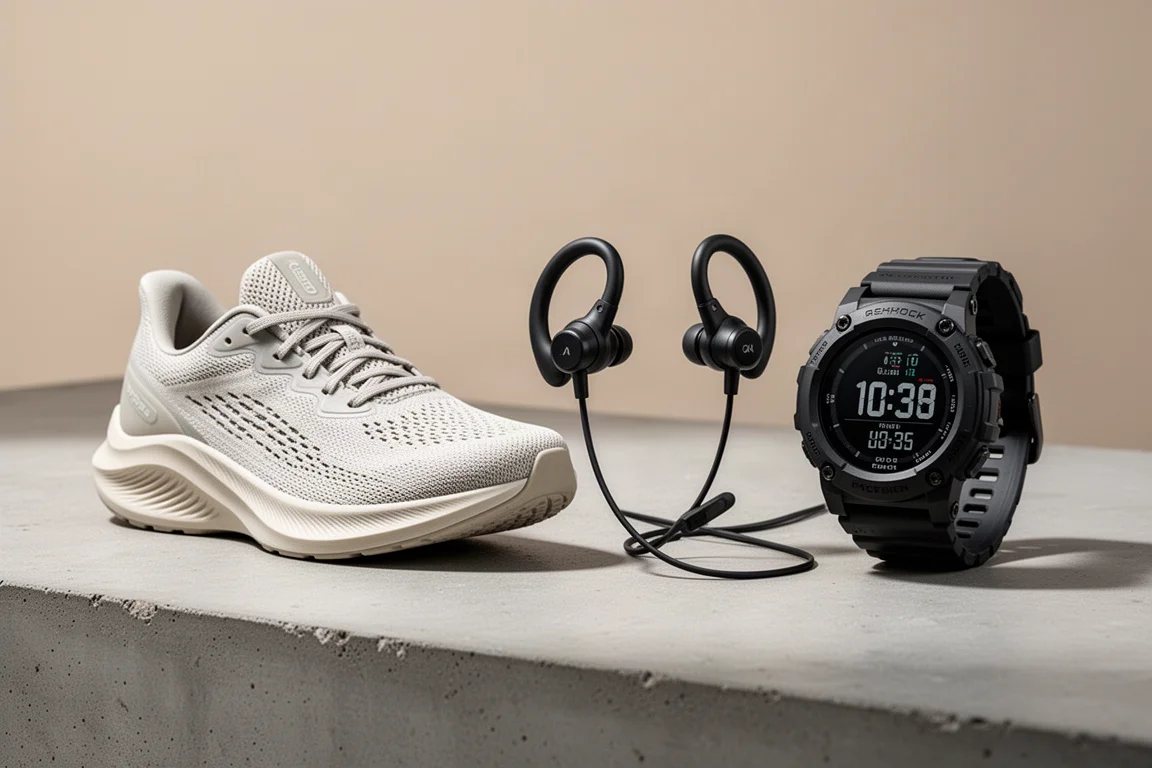
Three products made the trip: the recently launched Asics Magic Speed 3, Shokz’s new OpenFit open-ear earbuds, and a Casio G-Shock watch that borrows Polar’s heart rate technology. Here is how each one handled the 18,000-strong field, the muggy conditions and the twisty course.
The Race Test
Conditions were on the runner’s side: no rain, not too hot, just a little muggy. The course had one short, niggly hill but was otherwise a flat, fast route, and a time of around 43 minutes landed comfortably quicker than a previous 10K a few weeks earlier.

That timing context matters, because the gear verdicts below are drawn from a full race effort rather than a casual jog.
Asics Magic Speed 3: A Super Trainer That Works on Race Day
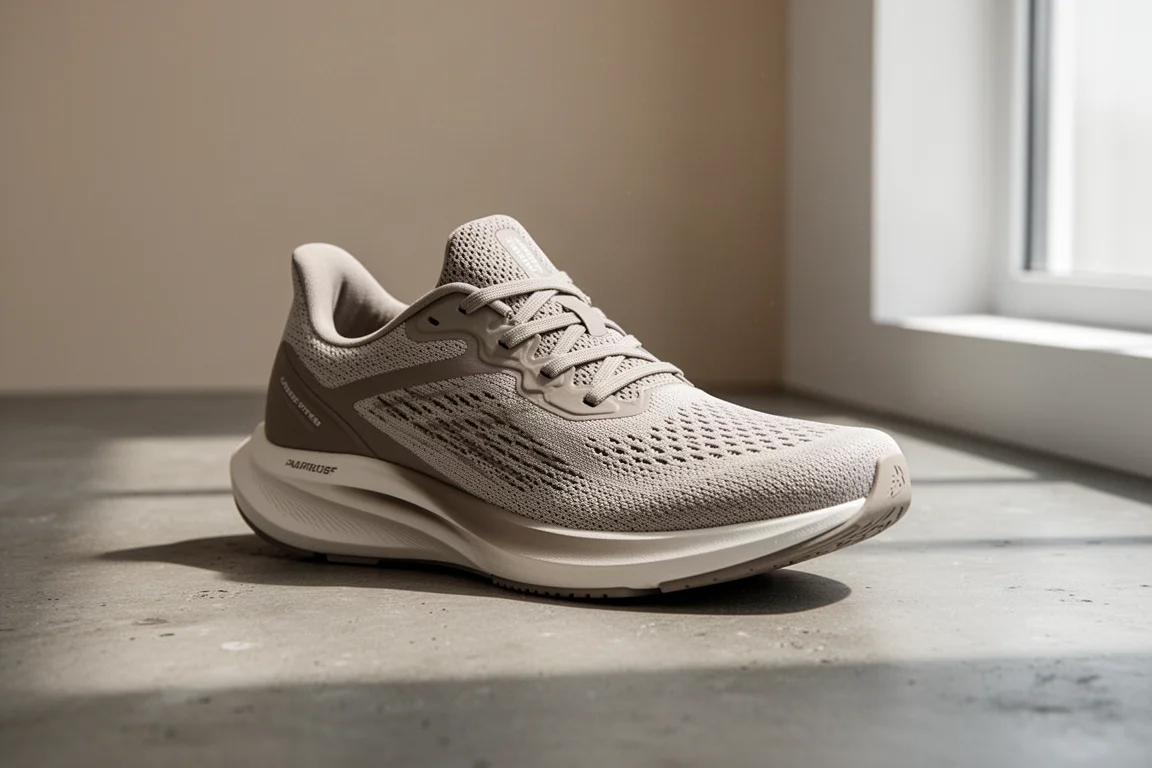
The Magic Speed 3 is part of a new breed of “super trainers” designed for speed work but capable of racing too. Compared with the Magic Speed 2, the biggest change is a full-length carbon plate sandwiched between two layers of FF Blast Plus foam, instead of the single layer of TPU plate foam used previously. The result should feel more forgiving, and on the day it did. At around £150 to £160, it also sits at a sensible price for this category.
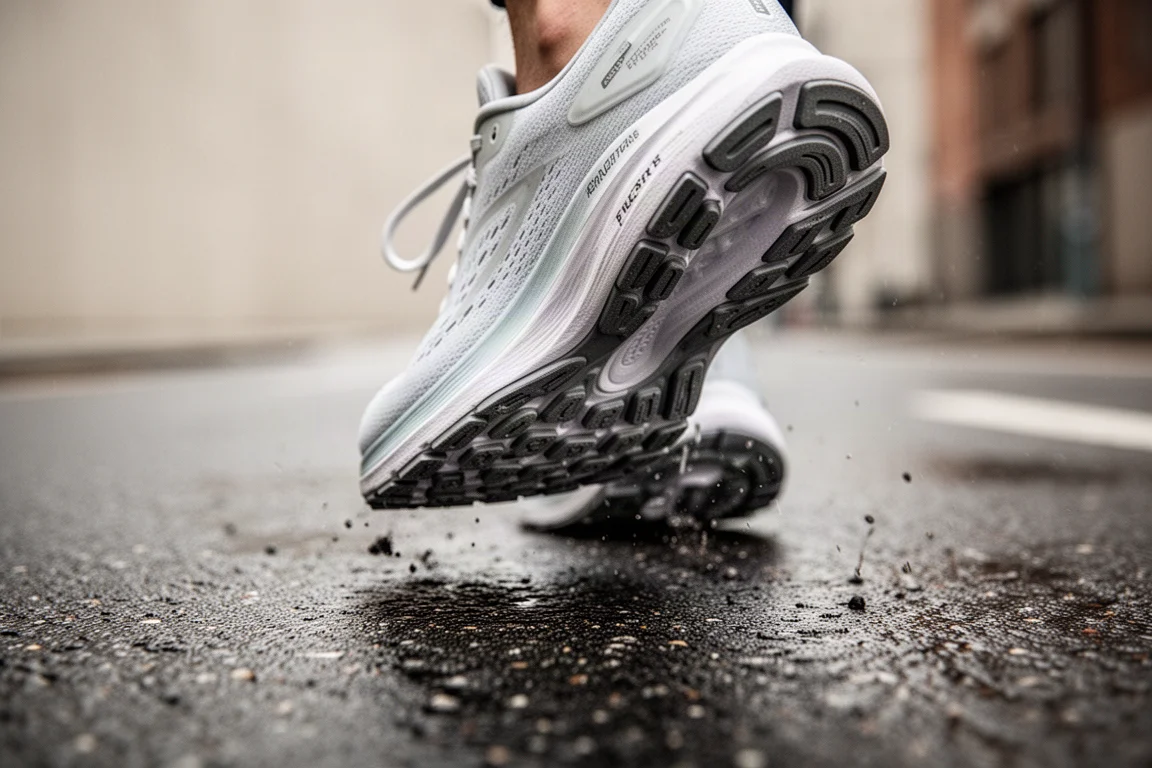
On the course, the shoe delivered impressive cushioning while still feeling responsive, and it sits a little closer to the ground, which sharpened the road feel. The outsole grip was excellent through the course’s frequent corners and turnarounds. The upper borrows elements from the top-tier Metaspeed Sky Plus, which keeps the weight down. Fit is the main caveat: it feels more snug than the Magic Speed 2, so going half a size up may be worth considering. Over 10K it caused no discomfort, and there was no problem going the distance. Compared with rivals like the Saucony Endorphin Speed 3 or the Hoka Mach 5, it holds up well, and it brings elements of Asics’s top racing shoes into a cheaper package.
Shokz OpenFit: A New Open-Ear Direction With Fit Question Marks
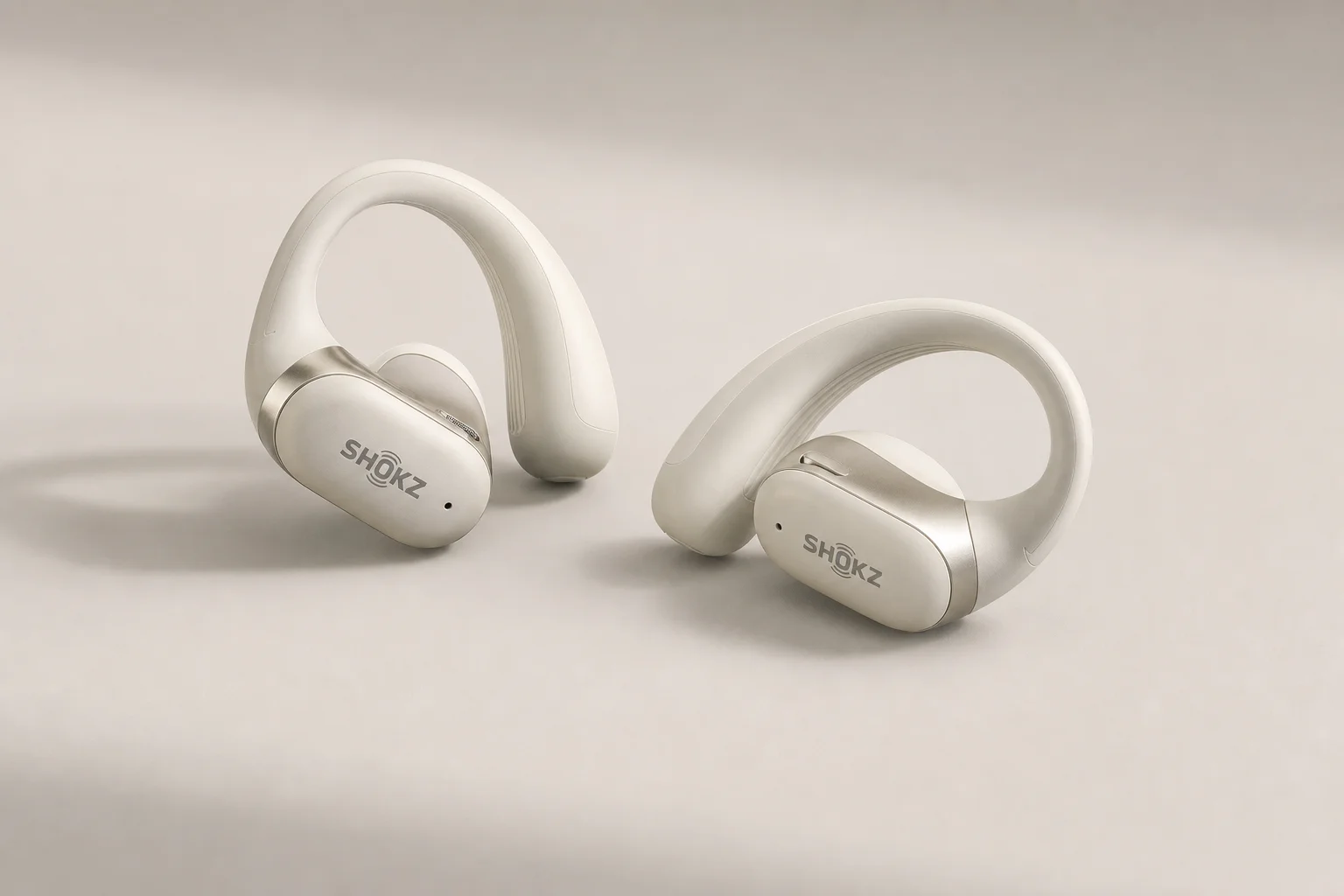
The OpenFit is Shokz’s first pair of earbuds to ditch bone conduction. Instead of a neck-band design, the OpenFit uses an ear-hook shape with speakers positioned near the ear, promising bigger and more customizable sound than bone conduction allows. At £180 it sits at the top of Shokz’s range, so it is not cheap.
Sound quality is fine rather than best in class for open-air designs, but it is customizable. Bass boost mode was enough to carry a podcast comfortably during the race, and the sound is noticeably bigger than Shokz’s bone conduction headphones. Battery life held up across the race, though the drop-off was fairly steep when the volume was turned up high.
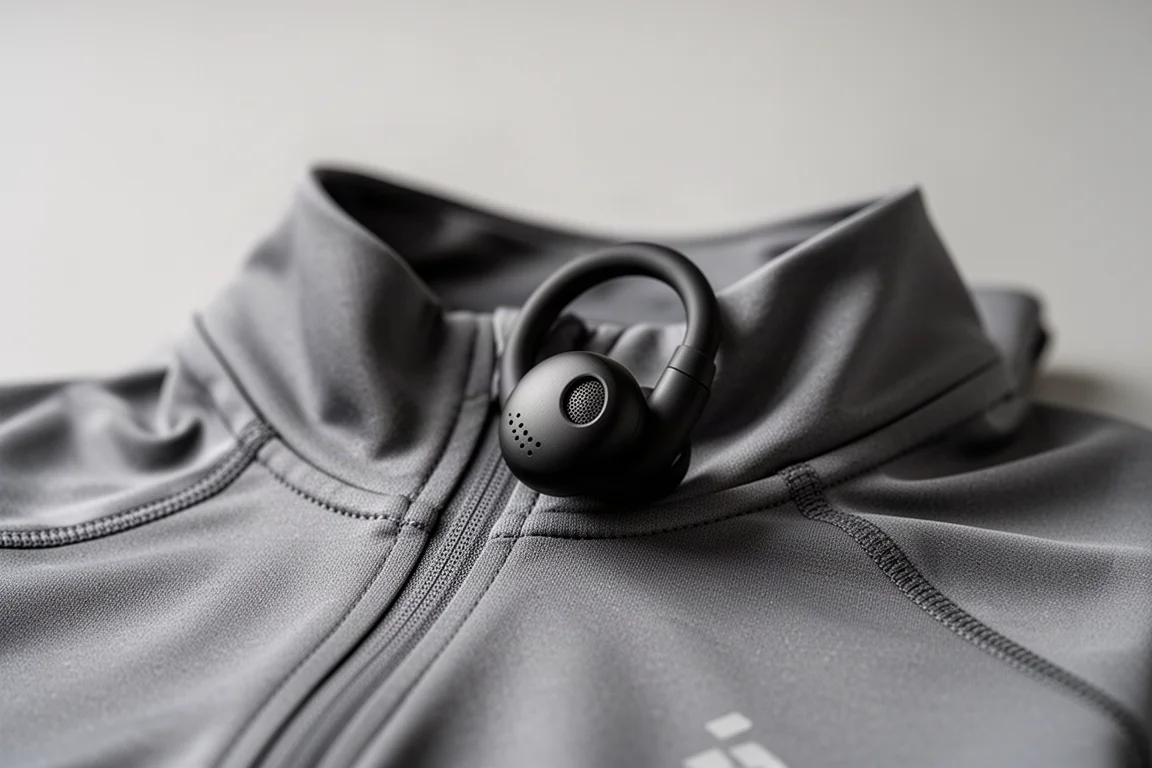
Fit is the concern. In the first couple of kilometres the earbuds felt like they were clinging on, and some adjustment was needed before they settled. They did stay put after that, and staying aware of surroundings is clearly a strength, but the initial fiddling raises a question mark about how reliably the hooks secure themselves, especially given that fit reliability is a big part of why people choose the neck-band style in the first place.
Casio G-Shock with Polar Heart Rate: Early Days
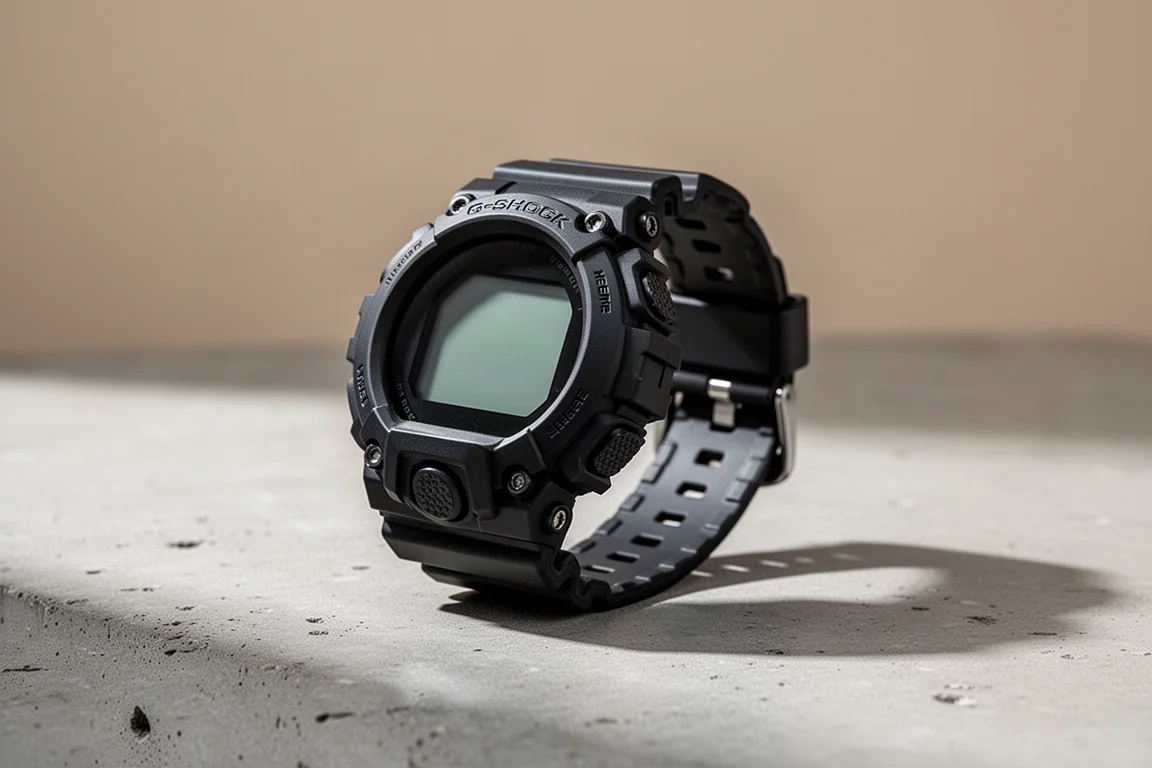
The G-Shock tested here integrates Polar heart rate technology, and it was worn alongside a Garmin Forerunner 965 for comparison. The watch relies on accelerometer-based tracking by default, so a connected GPS run through a phone app is required for accurate distance.
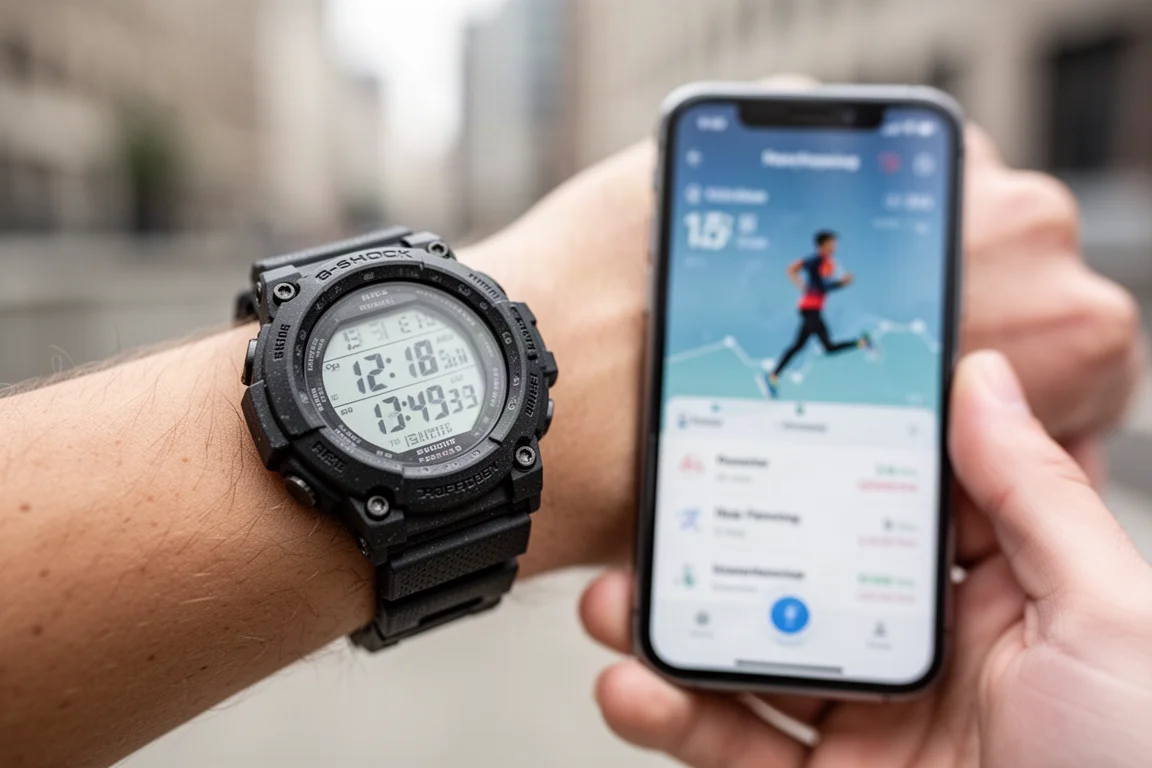
On this run, the connected GPS connection seemed unreliable. Distance tracking drifted from the Forerunner 965 and failed to record the full course, and the heart rate data, once checked in detail, did not look immaculate either. It is genuinely interesting that Casio is bringing Polar’s algorithms and hardware into the G-Shock range for more accurate heart rate tracking, but for core running metrics the watch has not yet delivered. This is early testing, so a fuller picture will come with more time on the wrist.
Buying Advice
The Magic Speed 3 is the strongest pick of the three tested. It suits runners who want one shoe for tempo runs, track sessions and the occasional 10K race, with the fit-snugness caveat worth a sizing check. The OpenFit makes sense for runners who value ambient awareness and bigger sound than bone conduction, but anyone prioritising a rock-solid fit should wait for more testing. The G-Shock is best judged as a rugged everyday watch first and a running tracker second, at least until the GPS and heart rate performance proves itself over more runs.
Conclusion
Race days are the most honest test of running gear, and the Magic Speed 3 came out on top as a genuinely better racing and speed-work shoe than its predecessors. The Shokz OpenFit showed promise with a bigger, customizable sound but left open questions about fit security. The G-Shock’s Polar-powered heart rate experiment is interesting, but its run tracking has yet to convince. As always, longer-term use will tell the full story, but after one 10K in London, the shoe is the one worth acting on first.
Further reading
Related Reviews
Running Gear
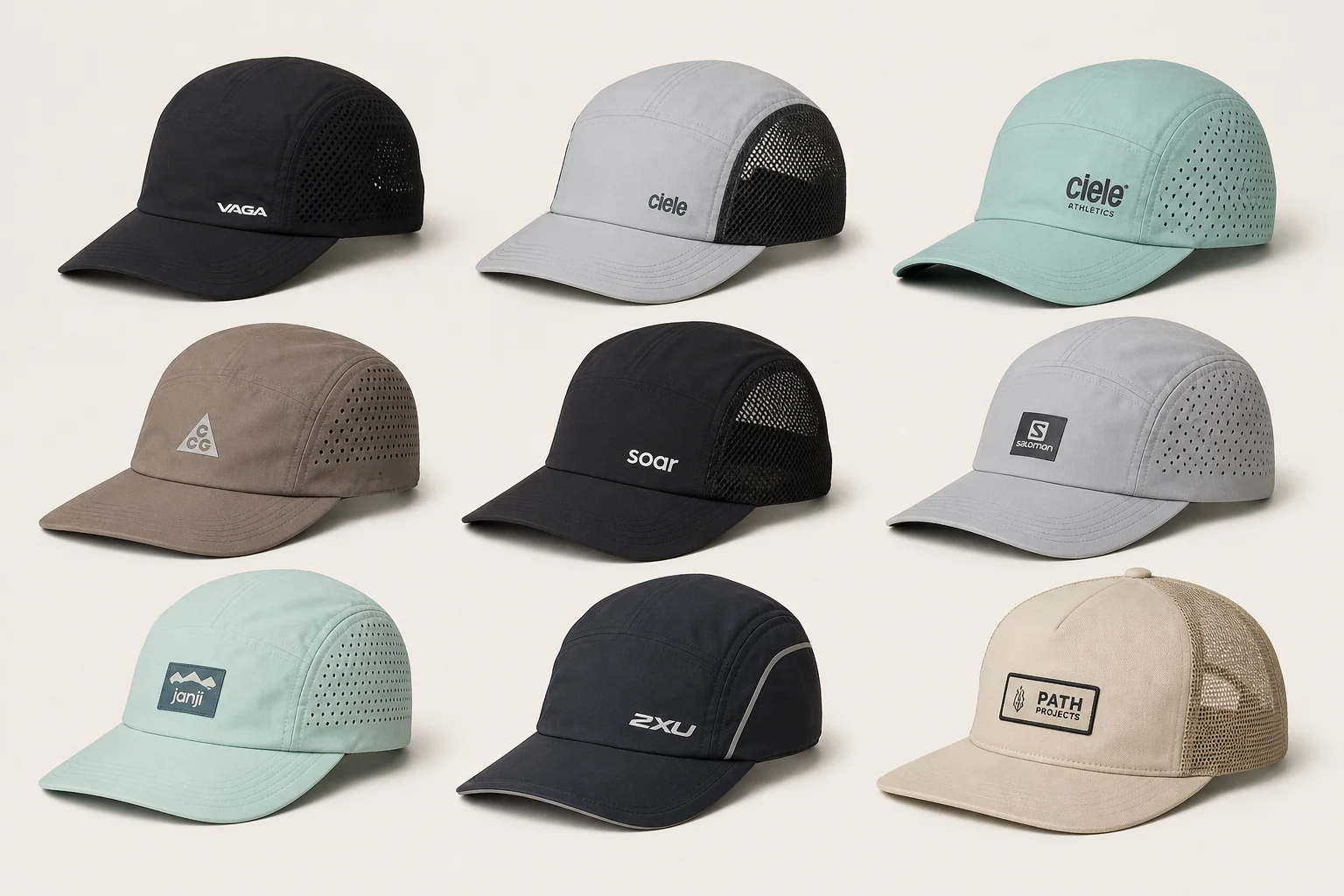
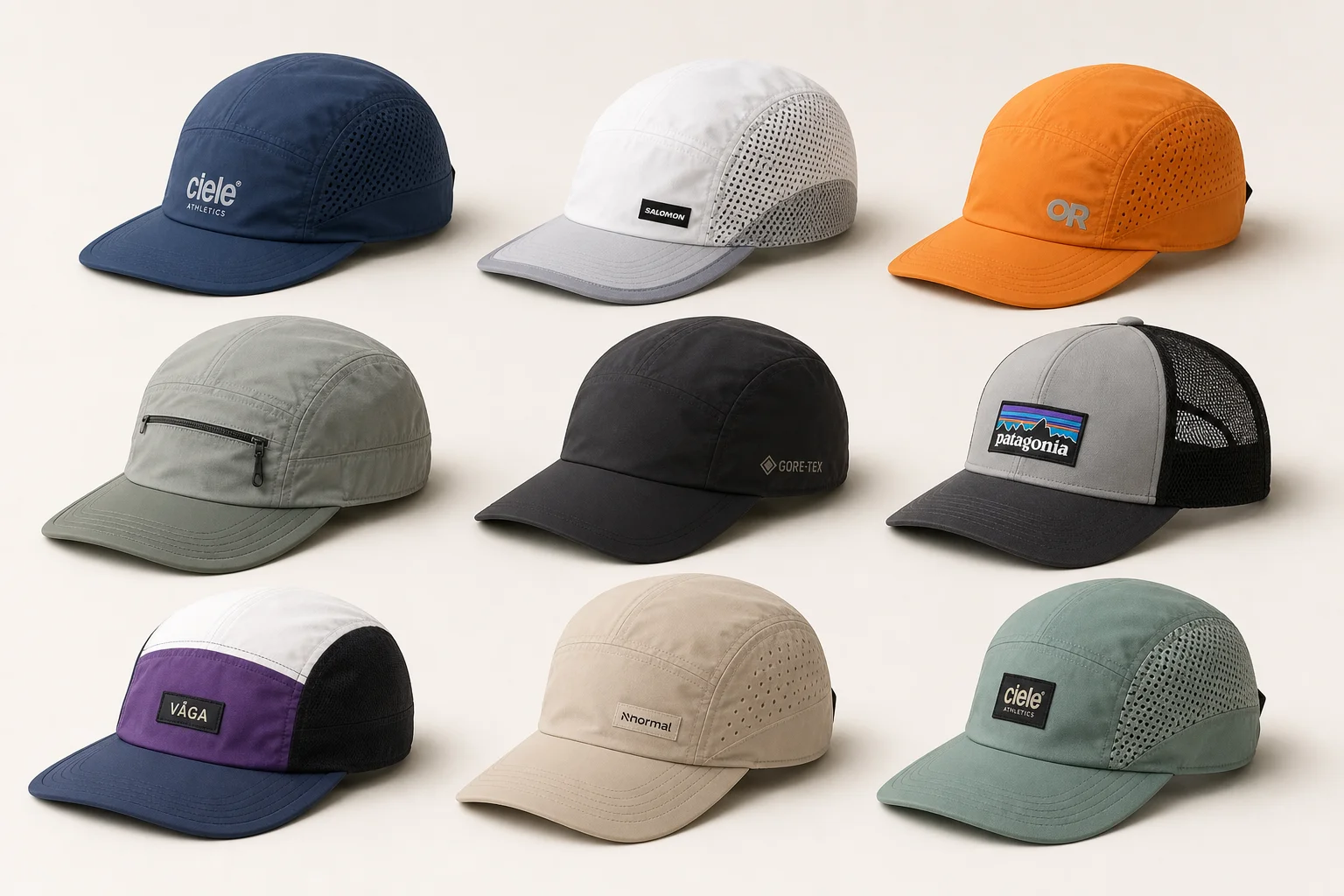
Best Running Caps 2026: Nine Tested Options for Summer and Winter
A comprehensive guide to nine running caps tested across different conditions, from lightweight summer options to waterproof winter choices.
Running Gear
Best Running Caps: A Guide to Summer and Winter Options
A comprehensive review of nine running caps for different conditions, styles, and preferences, from lightweight summer options to waterproof winter choices.
Running Gear
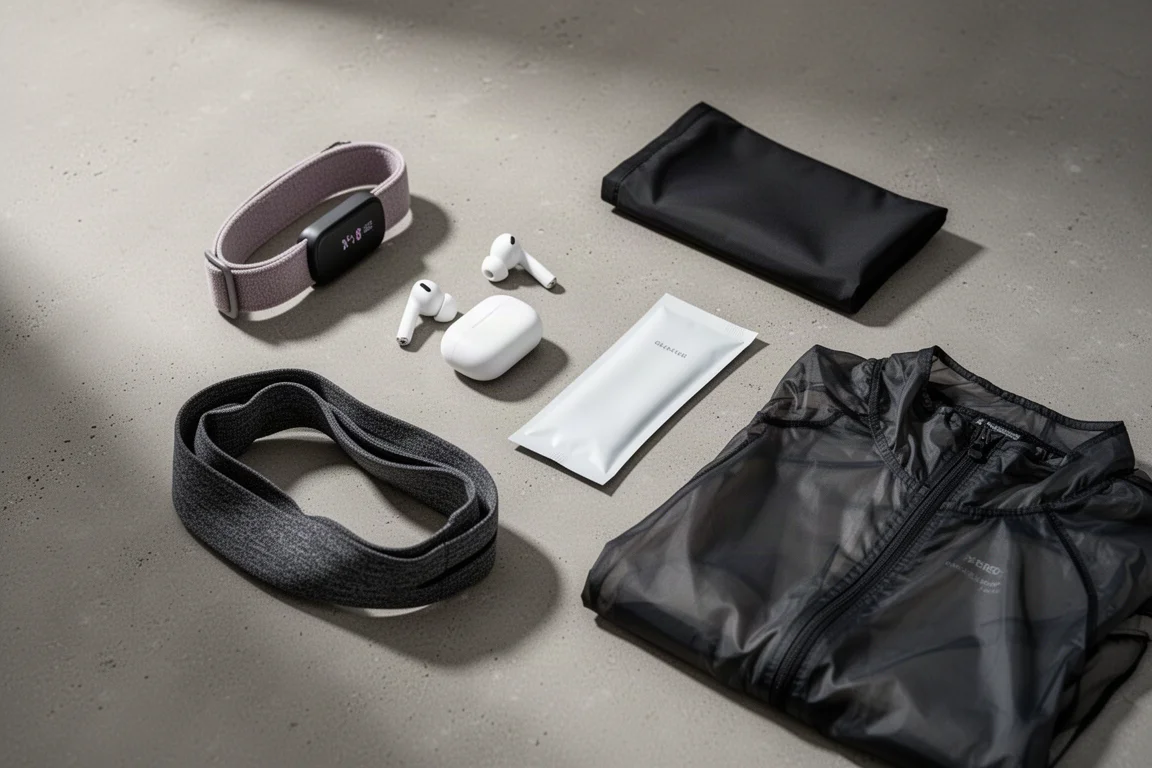
Best Running Gear 2026: Five Picks That Earn Their Place
Five running upgrades covering heart rate, audio, fuelling, carrying and weather protection, with the trade-offs worth knowing before you buy.