Kitchen & Cookware
Lodge Classic vs Chef Collection 12-Inch Skillet: Which Cast Iron Should You Buy?
Two Lodge 12-inch skillets made in the USA from the same material, but with meaningful differences in weight, shape, and handle design. Here is how to choose.
Introduction
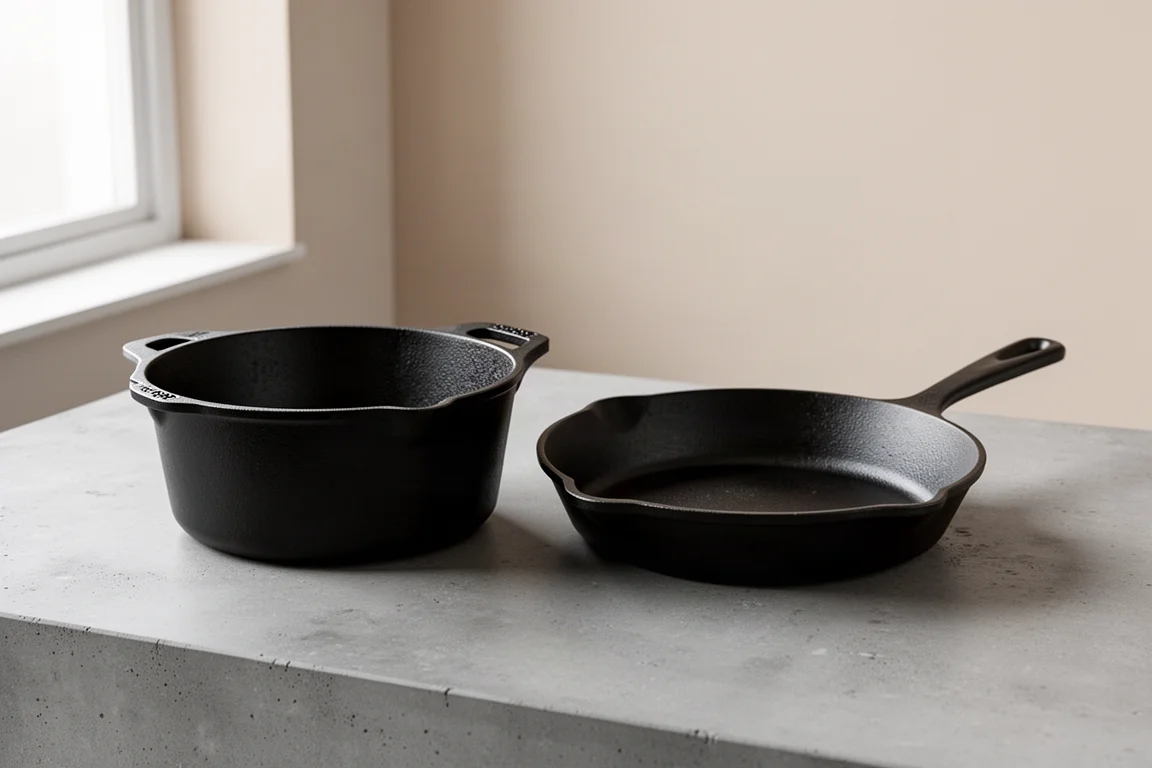
Lodge has been making cast iron for over a century, and both the Classic 12-inch Skillet and the Chef Collection 12-inch Skillet are made in the USA from the same materials. Both are excellent for searing steaks, fish, and burgers, as well as roasting and frying. So which one deserves a spot in your kitchen?
The differences come down to weight, wall shape, and handle design. Neither is a bad choice, but each suits a slightly different kind of cook. This comparison walks through what separates them so you can buy with confidence.
What These Two Skillets Share
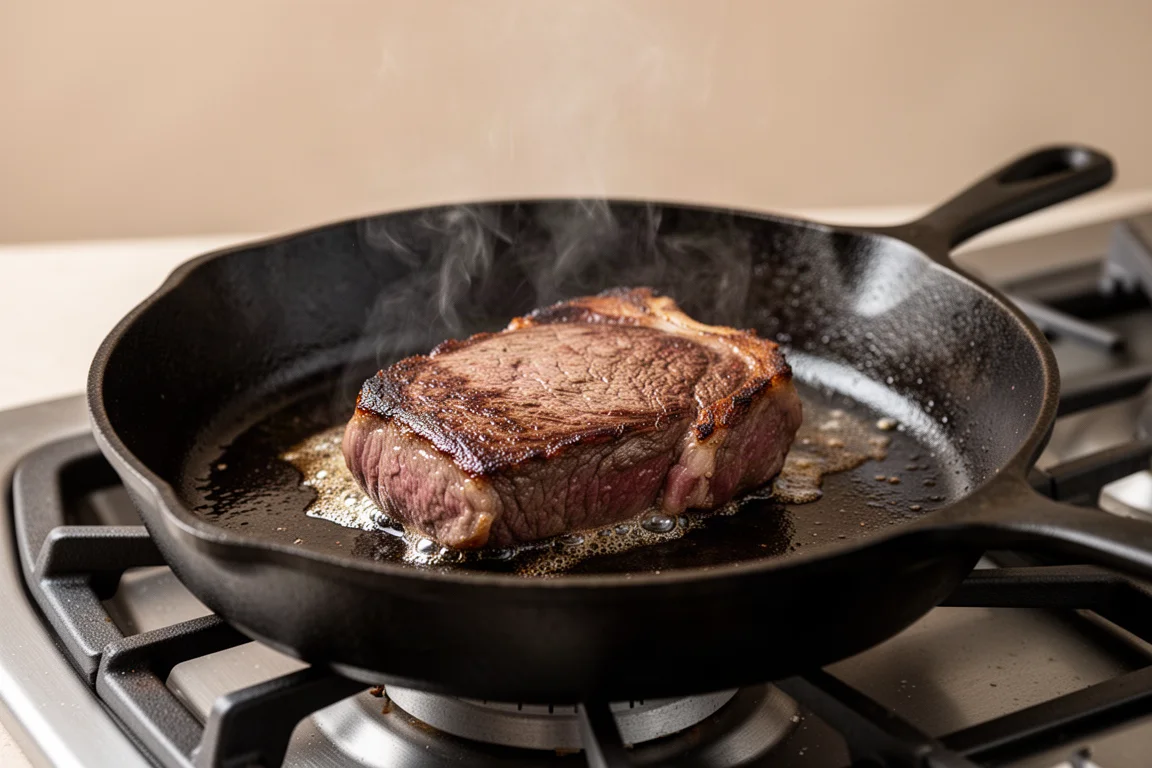
At their core, these are the same family of cookware. Both skillets are cast in the USA, built from the same material, and are described as awesome for steaks, fish, burgers, and any type of searing, roasting, or frying. Both also have pour spouts on both sides.
In real cooking, they perform very similarly. You are not going to notice a huge difference between the two on the stove, which means the decision mostly comes down to design details and how you like to handle a skillet.
Weight: Classic 8.1 lb vs Chef Collection 6.3 lb
The Classic is the heavier of the two at about 8.1 lb, while the Chef Collection comes in at 6.3 lb. That is a meaningful difference when you are lifting a fully loaded skillet, transferring it to the oven, or flipping a steak one-handed.
The lighter Chef Collection is easier to maneuver, while the extra mass of the Classic helps it retain heat a little better. If you value thermal heft and a traditional feel, the weight works in the Classic’s favor.
Shape: Vertical Walls vs Sloped Walls
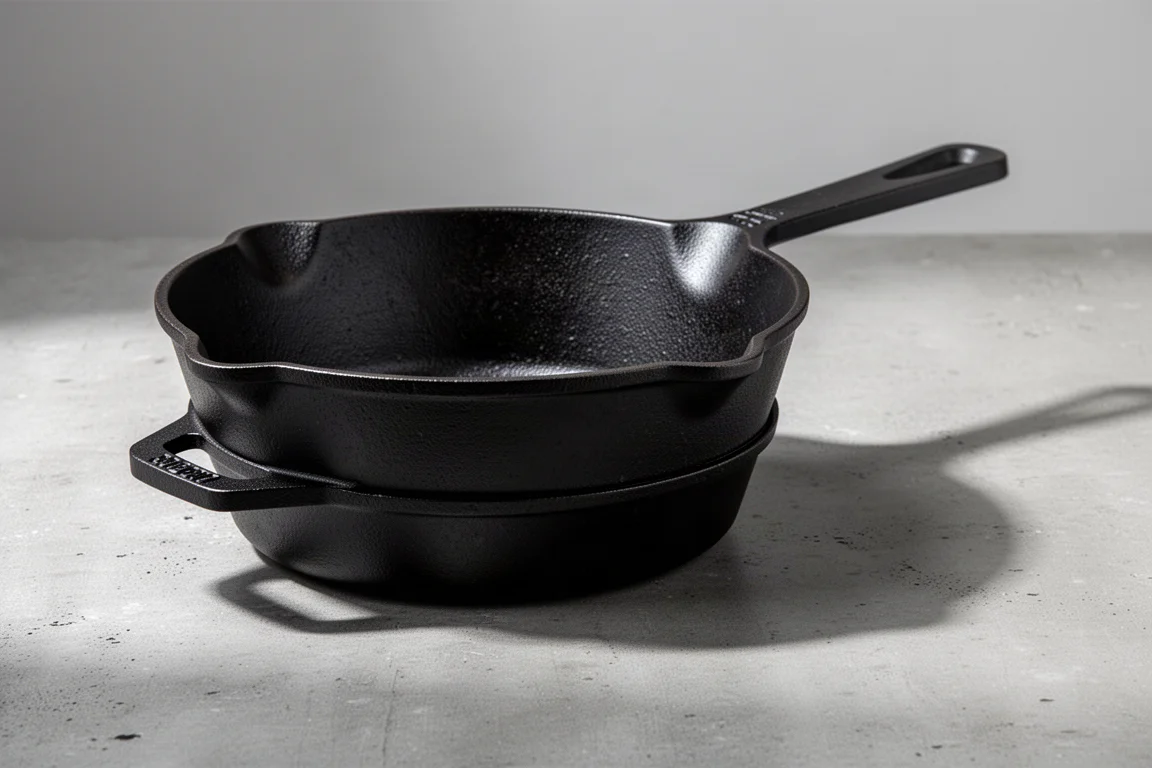
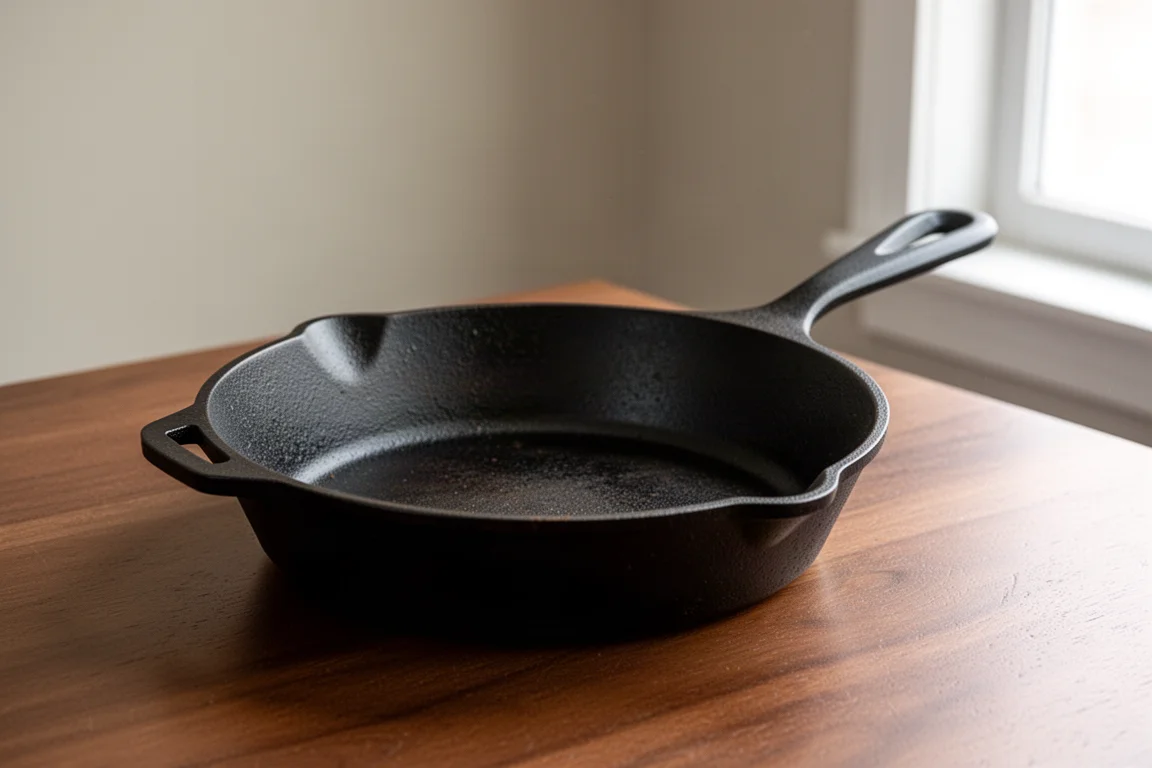
The Classic has a flat cooking surface with walls that jet up vertically. Because those walls are more vertical, they are also a little taller, so you can fit a bit more food in the Classic skillet.
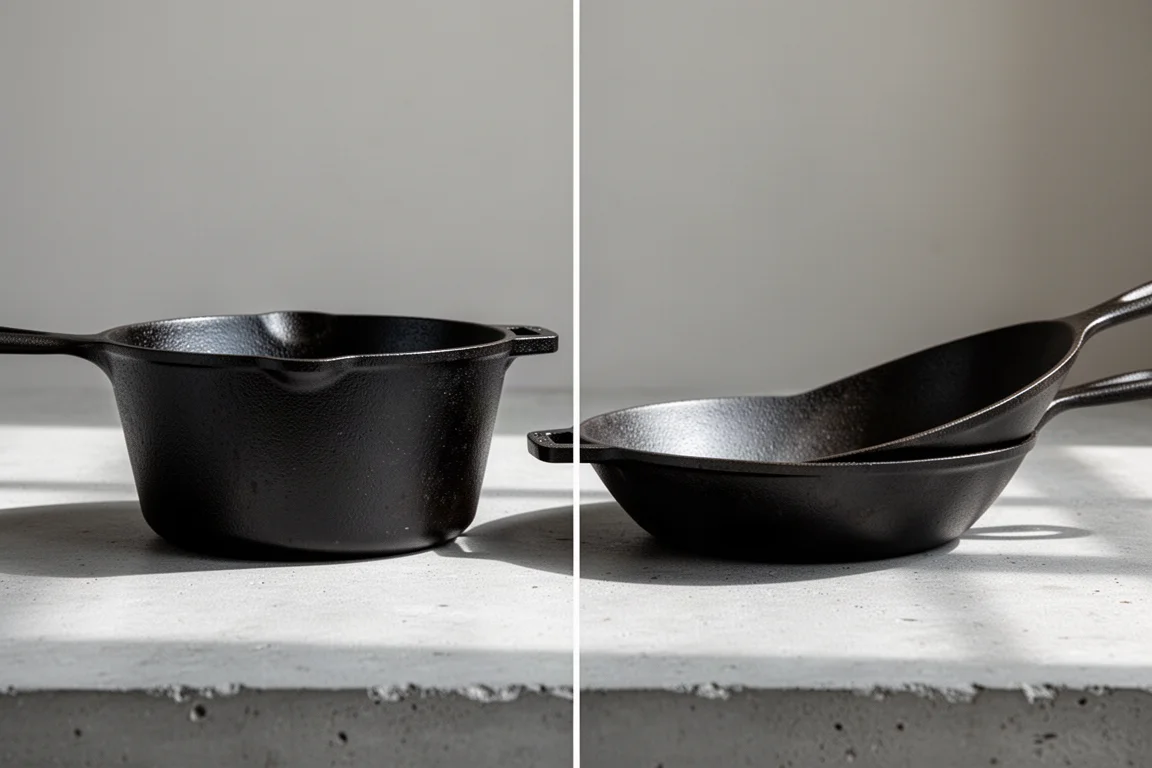
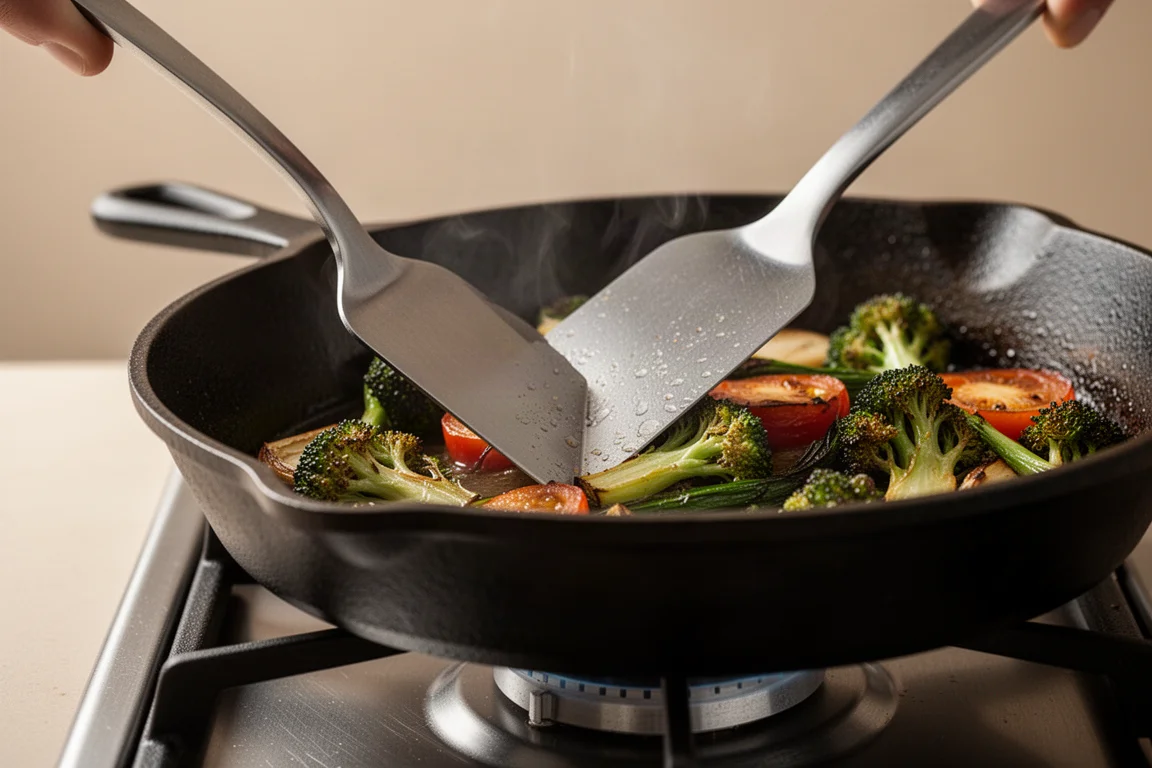
The Chef Collection takes a more modern approach with walls that slope gradually as they rise. In practice, that slope has a clear benefit: if you have a bunch of food cooking right up to the edge, it is easier to fit a spatula in and slide it under the food.
Handles and Pour Spouts
The Classic handle is 5 inches long, flat, and parallel with the cooking surface. The Chef Collection handle is 5.5 inches long and angled up a little higher. That extra half inch keeps your hand slightly further away from the heat, which is a nice touch even if it does not make a huge difference.
The helper handles differ too. The Chef Collection gives you about an inch and a quarter of helper handle to grip, while the Classic offers only about an inch. Both skillets have pour spouts on both sides, but the Chef Collection’s spout is a little bigger. In testing, the size of the pour spout did not really matter, so it should not drive your decision.
Which One Should You Buy?
If you are on the fence, the Classic is easy to recommend. It has a more traditional design, it is a little heavier, it retains heat a little better, and when you hold it with two hands, one on the main handle and one on the helper handle, it sits more evenly with neither side higher than the other.
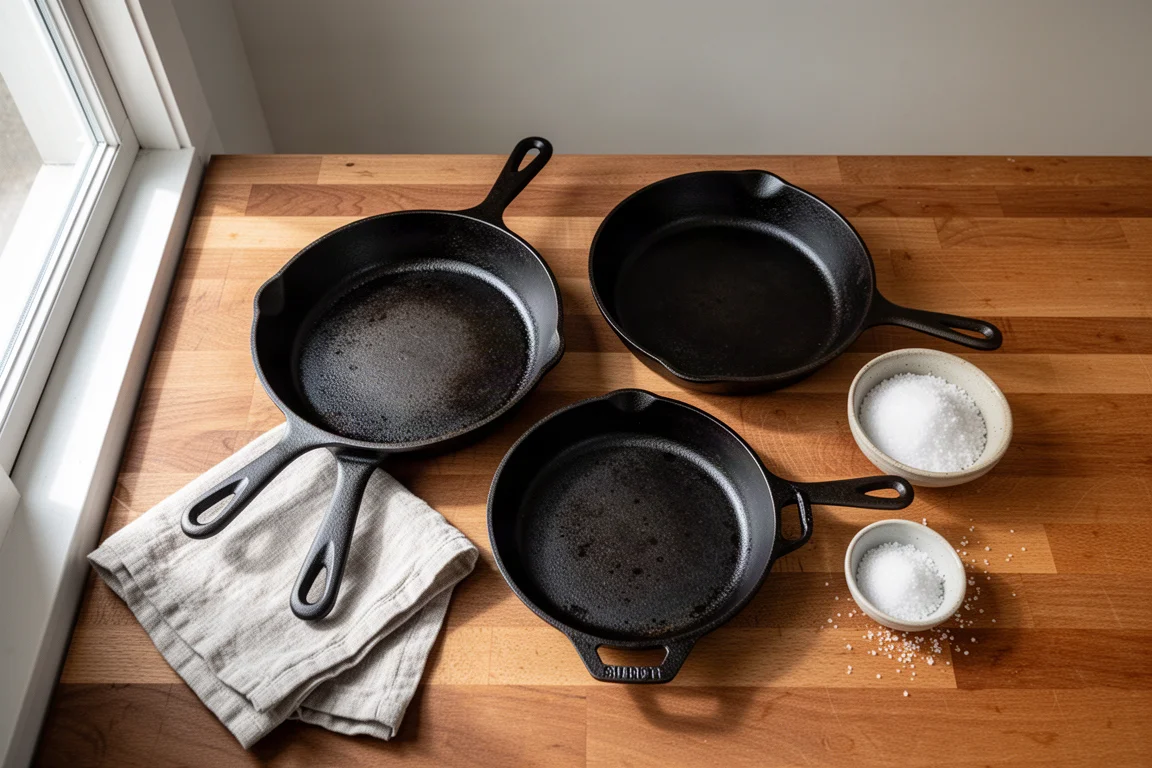
The Chef Collection is equally appealing in its own way. It has a more modern look, it is more lightweight, and its longer handle gives your hand a bit more distance from the heat. It almost looks like a carbon steel skillet, but it performs similarly to the Classic: it heats up a little faster, does not retain heat quite as well, and cooks very, very similarly overall.
The truth is you cannot go wrong with either skillet. Lodge has been in business for over a century and makes really high-quality cast iron, so choose based on whether you prefer a traditional, heavier pan or a lighter, more modern one.
Conclusion
Both Lodge 12-inch skillets deliver the searing, roasting, and frying performance cast iron is loved for, and both are made in the USA from the same materials. The Classic rewards cooks who want maximum heat retention and a traditional, heavier pan, while the Chef Collection suits anyone who wants a lighter, more modern skillet with a longer, angled handle. Pick the design that matches how you cook, and either way you are getting a skillet built to last.
Further reading
Related Reviews
Kitchen & Cookware
OXO Good Grips Nonstick Pro 12-Inch Open Fry Pan Review: A New Handle Makes an Old Favorite Even Better
A freshly redesigned handle helped this 2.4-pound 12-inch nonstick skillet stand out in a crowded field, and it does so at a friendly price.
Kitchen & Cookware
Misen 7-Quart Dutch Oven Review: A Dutch Oven That Doubles as a Grill Pan
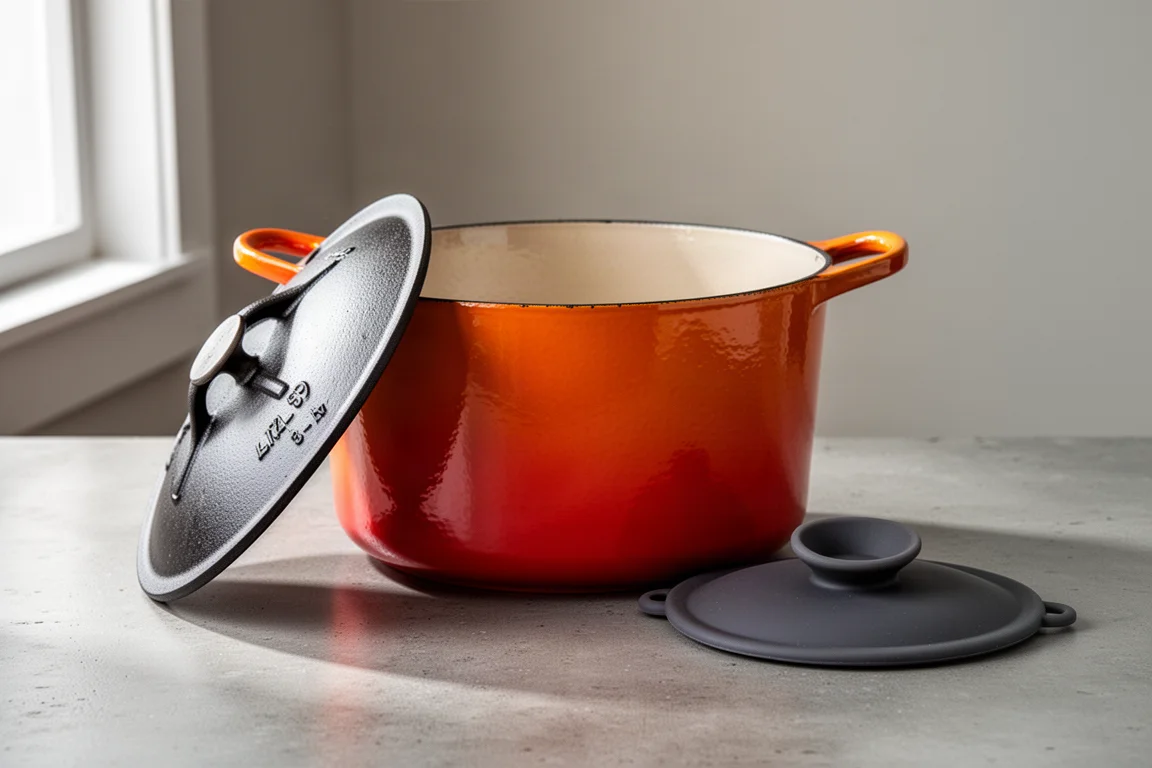
The Misen 7-Quart Dutch Oven pairs a thick cast iron base with a lid that flips into a grill pan, plus a lightweight silicone lid. Here is what works and what to weigh before buying.
Cookware
Best Cast Iron Pans 2026: Five Options from Budget to Premium
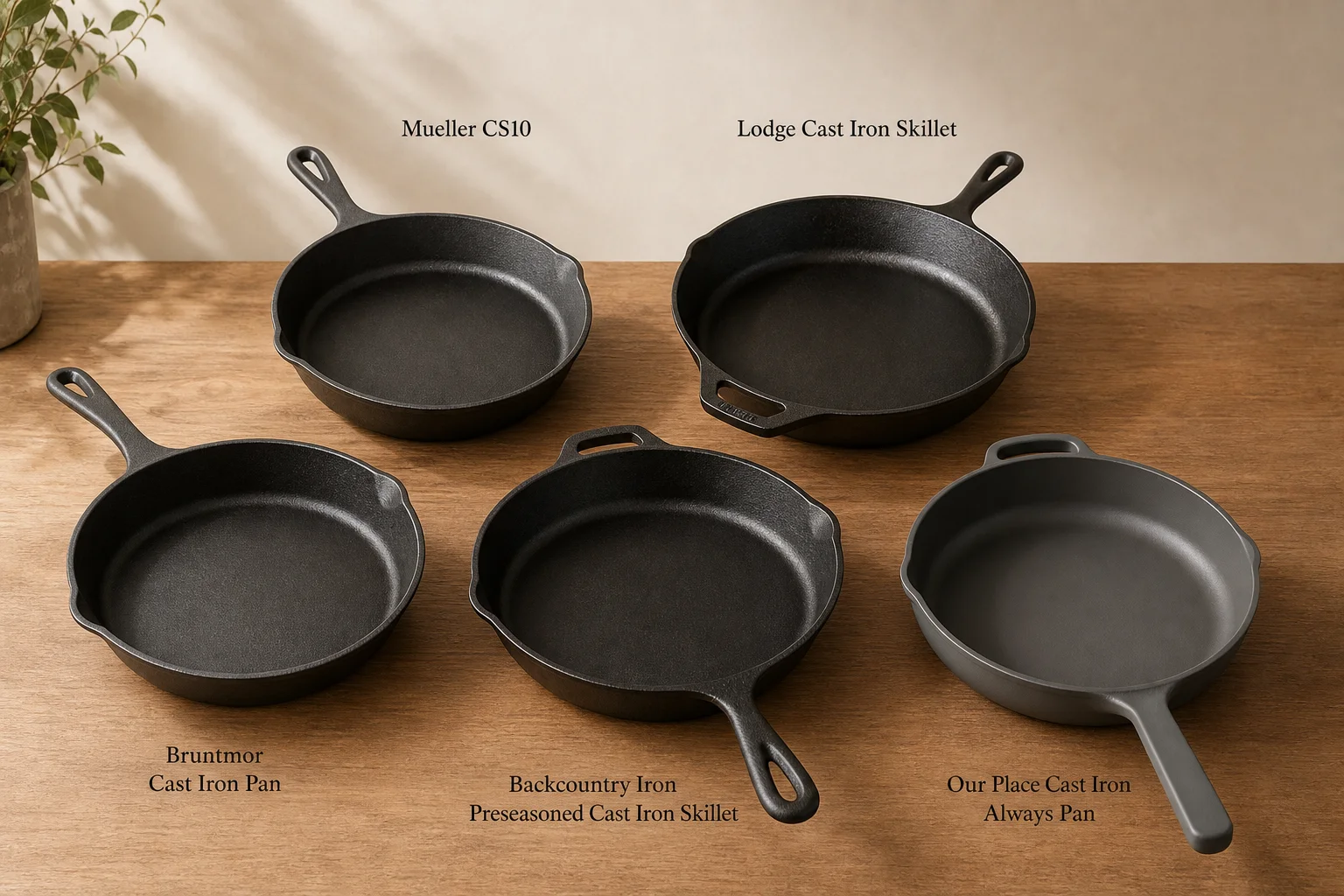
A practical breakdown of five cast iron skillets, from affordable Mueller to premium Our Place, with clear strengths and trade-offs for different cooking needs.