Camping Stoves
Lixada Small Version Wood Stove Review: Light, Compact, and Frustrating
A collapsible stainless steel wood stove that packs down small and weighs 4.9 oz with its pouch, but gives up stability, airflow, and fuel capacity where it matters.
Introduction
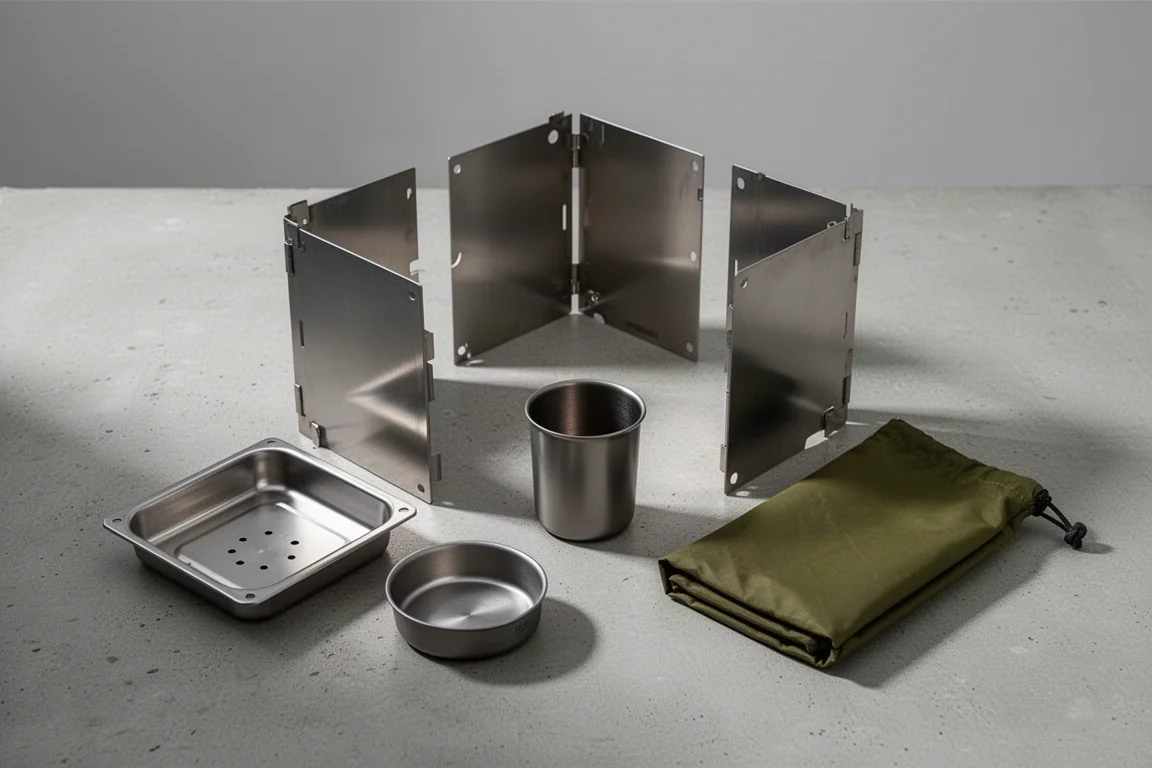
Collapsible wood stoves are appealing for a simple reason: they promise a hot drink and a cooked meal without carrying canisters, and they fold flat when the trip is over. The Lixada small version wood stove follows that formula with four stainless steel side panels, a bottom ashtray, and an alcohol pan for liquid fuel. It packs into a polyester pouch measuring roughly 6.5 by 5.5 inches and half an inch thick, and the whole kit weighs 4.9 oz with the bag. Those numbers are genuinely good. The problems begin the moment you try to assemble it.
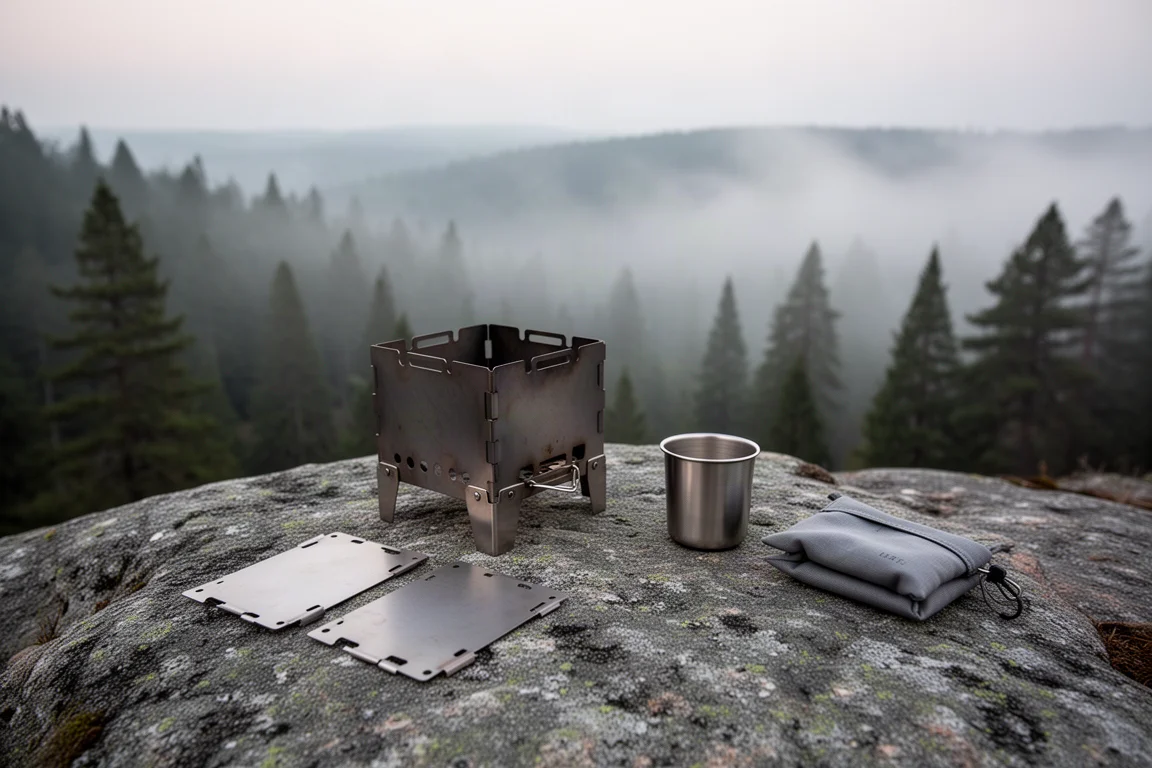
This is a stove that comes apart while you build it, shifts when you light it, and loses its fire as soon as a pot goes on top. It is also the smallest of five versions Lixada lists: a small 201 stainless, a medium 201 stainless, a large 201 stainless, a medium 304 stainless with a titanium coating, and a small 201 stainless with a titanium coating. The listing does include a dimension chart for each variant, and that chart is the most useful information on the page. This review covers the small version.
Who This Stove Is For
The honest answer is a narrow group: campers who value packed size and weight above everything else, and who treat a stove as emergency backup rather than a primary cooking tool. If your goal is to boil water reliably on twigs after a long day, this design works against you at nearly every step.
The small version is also the least forgiving of the family, because the fuel chamber is short and accepts only small pieces of wood. Anyone shopping this range should study the dimension chart carefully before choosing a size, since the version naming is genuinely confusing across steel grades and sizes.
Main Strengths
The case for this stove rests on weight and packed volume, and both are strong. At 4.9 oz with the storage bag, it disappears into a pack. The bag itself is polyester and feels inexpensive, but it does the job, and the folded stove measures about 6.5 by 5.5 inches at half an inch thick. The steel is stainless, and the build quality is acceptable for the price bracket. The thin gauge of the steel has a practical upside too: the stove cools down quickly after use, so it can be packed away sooner than heavier alternatives.
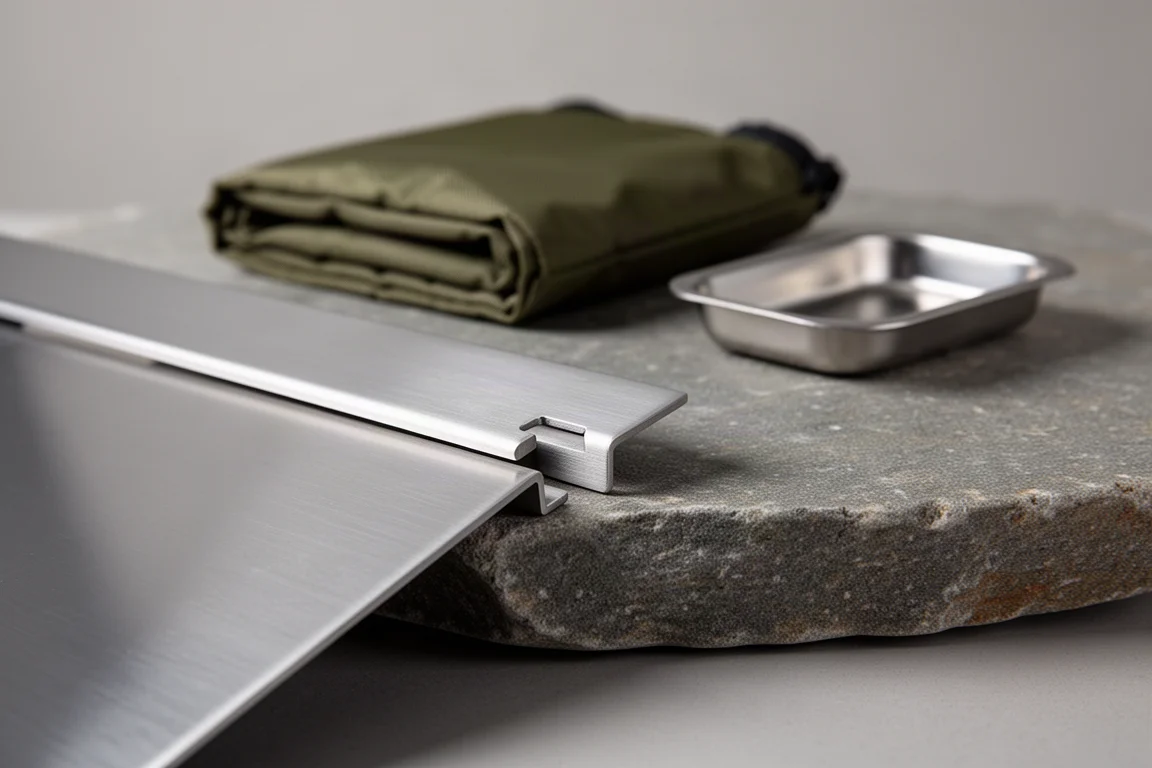
It is also versatile in principle. The kit includes an ashtray that sits in the base and an alcohol pan, so it can run on solid fuel or liquid fuel, and the collapsible format stores flat between trips. Those are real advantages, and they are the reason this style of stove keeps appearing in listings at all.
What the Assembly Is Actually Like
The panels slide together using notches cut into the sides, and this is where the design fails first. The notches on both sides run in the same direction, so nothing locks the panels into place. The result is a stove that comes apart while you are still building it, and keeps coming apart once it is standing. Picking it up from one side collapses the opposite side, and the same happens if you grab any other single edge. Adding the alcohol pan on top of that takes real patience, because the panels have to be held in place with one hand while the pan goes in.
Lighting it is not much better. A gentle knock while getting a match to the fuel can shift a side panel upward, and the whole assembly has to be treated as fragile from that point on. Some versions of this style of stove use hinged panels, which should make setup considerably easier, so the loose flat-panel approach here is a design choice rather than a limitation of the format.
Performance and Efficiency
The fuel chamber is small, and that creates a chain of problems. Only short pieces of wood fit inside, so flames escape through the feed port instead of reaching the base of the pot. Feeding the fire then means risking your fingers, unless you use sticks longer than the chamber can hold, which leaves burning wood sticking out and dropping embers onto the ground. The alternative is to lift the pot off and feed from the top, which stretches out the burn time.
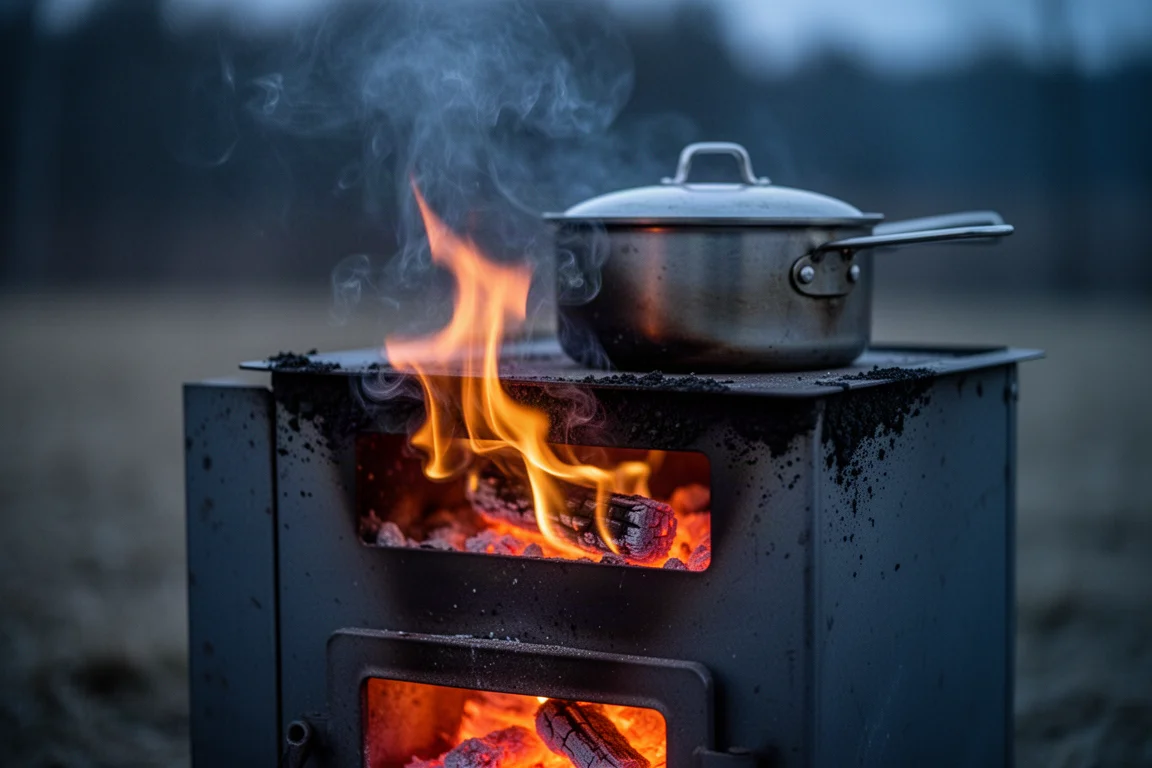
Airflow is the second issue. A pot placed directly on top restricts the oxygen supply, and a lively fire can die down into smoke shortly after the pot goes on. The practical workaround is to sit the pot or cup on the edge of the stove rather than over the middle, where more air reaches the flames and they surround the pot more effectively. Soot builds up heavily in the process, and getting water to a boil takes far longer than it should. There are also no pot supports, and a small cup does not sit properly on the top opening, which is an odd weakness for a stove this size.
Things to Consider Before Buying
Stability on uneven ground is the first thing to weigh. On a flat surface the stove is workable; on a slope or rough terrain, the lack of locking joints means it will come apart, and there is no pot support structure to compensate. Price is the second consideration. The stove costs around $15 at the time of writing, though it has been available for as little as $9, and at either figure there are better options for the same money.
The alcohol pan deserves a specific note. It is included, but it is not a good reason to buy this stove. A dedicated alcohol stove system, or simply a small dug pit or a ring of rocks, handles liquid fuel more effectively and with far less assembly. If liquid fuel is your priority, the pan here will not change the decision.
Buying Advice
If you are shopping for an ultralight wood stove, prioritize locking panels, hinged construction, and proper pot supports over packed size. Check the variant chart on the listing before ordering, because this family spans five versions across two steel grades and three sizes, and the naming does not make the differences obvious. The small version reviewed here is the least capable of the group simply because of how little fuel it holds.
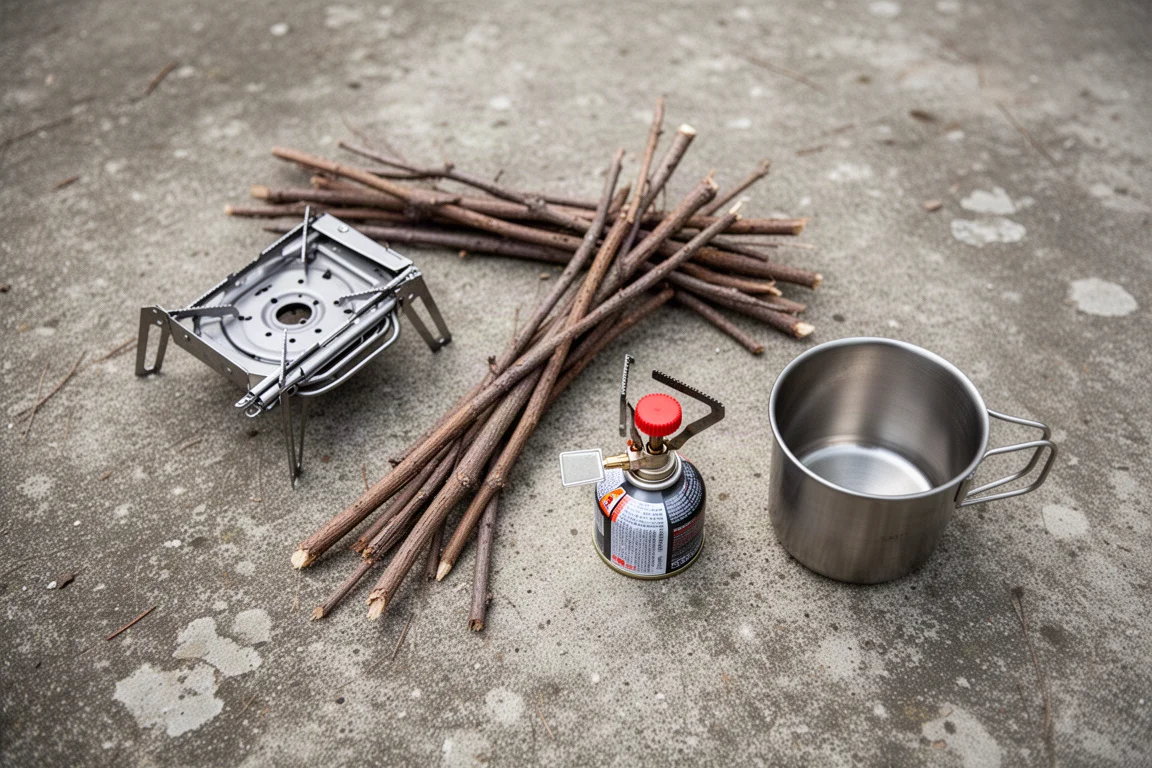
If you already own one, the least frustrating way to use it is to keep the pot on the edge of the stove, feed it with the longest thin fuel you can manage, and accept that smoke, soot, and slow boil times come with the format. Move it by holding every panel at once, and set it up on level ground.
Conclusion
Packed size and weight are the only categories where the Lixada small version wood stove competes. Everywhere else, from assembly to airflow to fuel capacity, the design works against the person using it. As a light backup stove that rarely leaves the pack it may earn a place. For anything more demanding, look for a stove with locking joints and real pot supports, and you will spend far less time fighting your equipment.
Product link
View more details for Lixada Small Version Wood Stove
This product is mentioned in the review. Check the specifications, options, and compatibility before buying.
View more details for Lixada Small Version Wood StoveFurther reading
Related Reviews
Camping Stoves
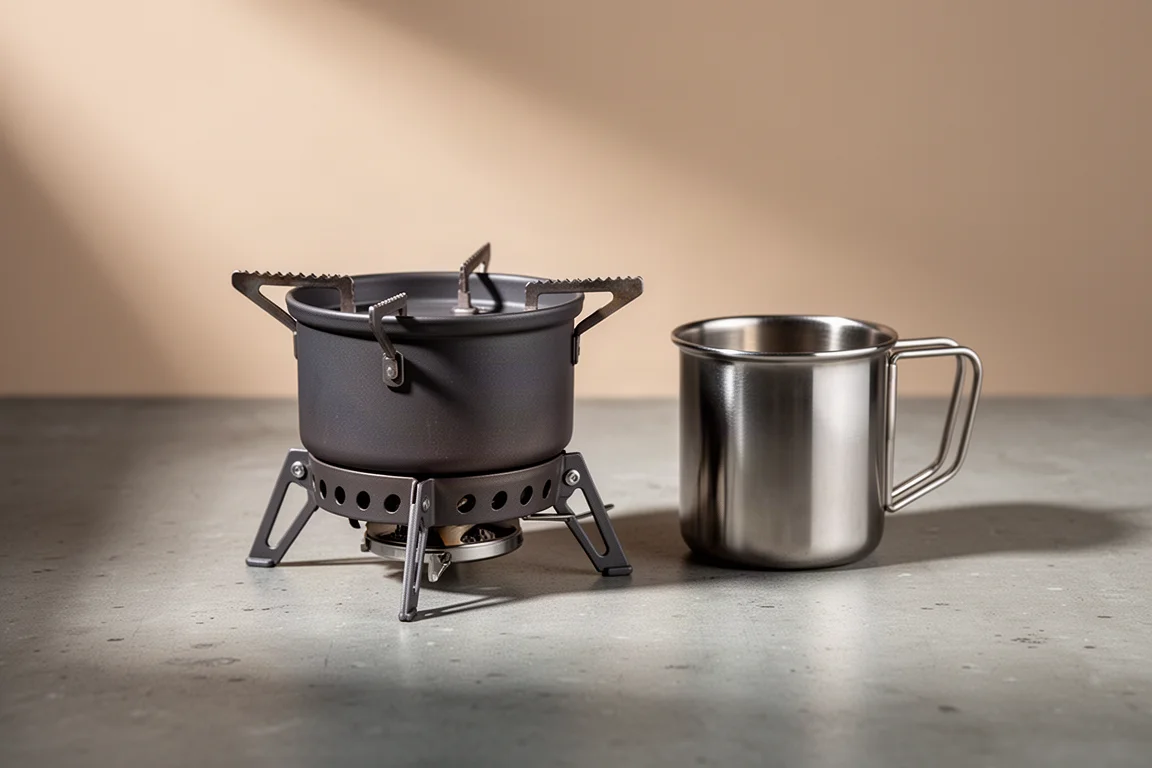
BCB Fire Dragon Mini Cooker Review: A Tiny Folding Stove With Real Trade-Offs
A palm-sized, fuel-flexible folding stove that heats water well enough, but brings flame control, stability, and fuel cost questions worth understanding first.
Camping Stoves
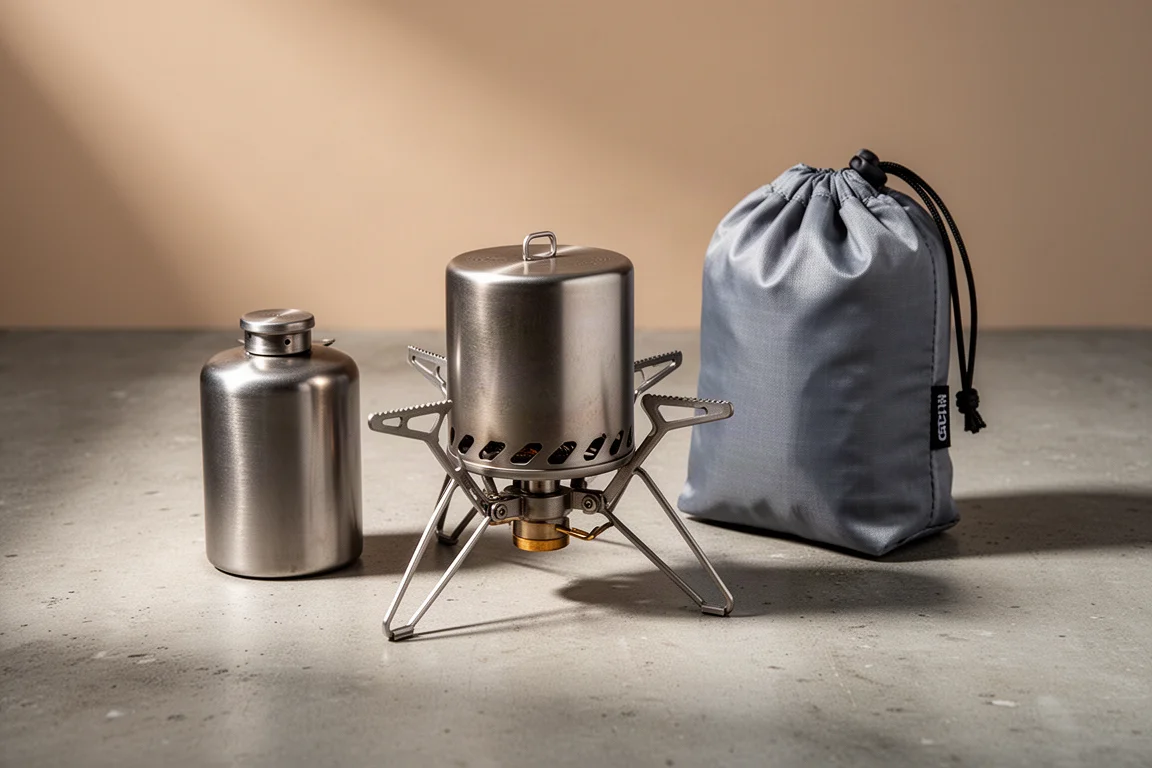
Boundless Voyage Titanium Alcohol and Wood Stove Review: Ultralight Cooking, Two Ways
A titanium alcohol and wood burning stove kit that weighs 4.5 oz complete, boils two cups of water in about 10 minutes, and costs $36.
Camping Stoves
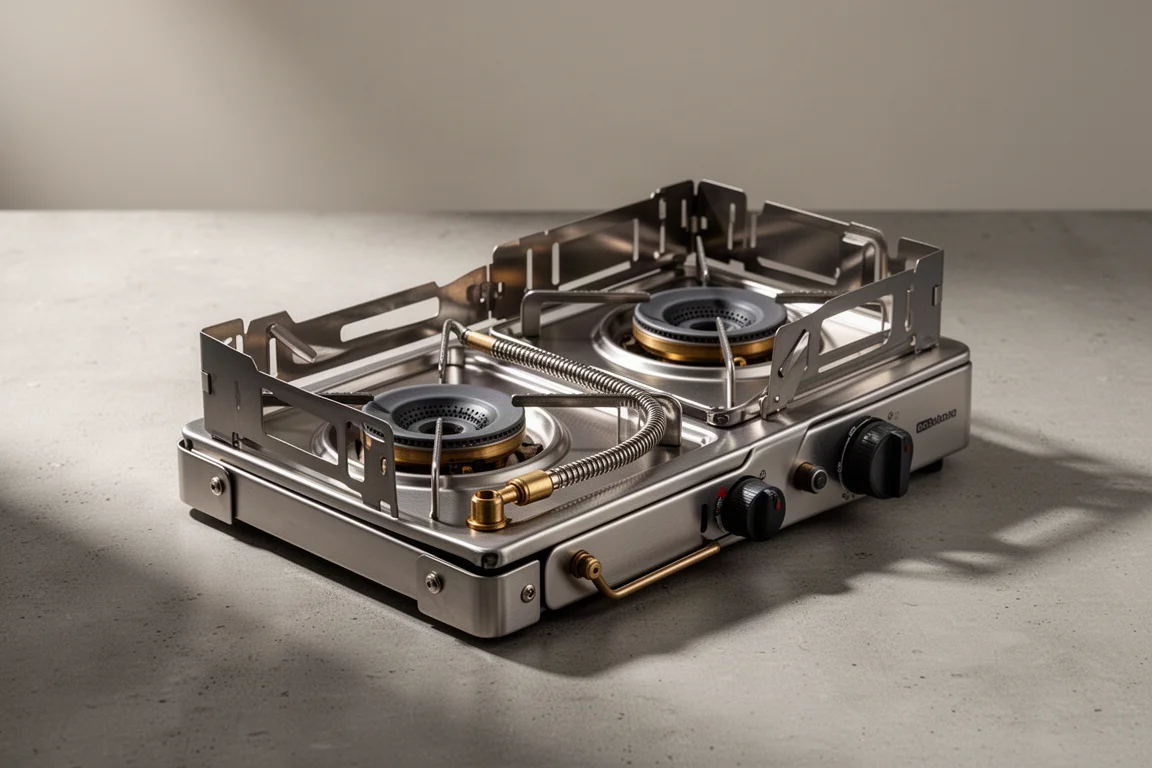
BRS 32 Dual Burner Stove Review: A Folding Two-Burner That Packs Down Flat
A detailed look at the BRS 32, a slim folding dual burner camping stove that expands into a stable cooking platform for around $60.