Hand Tools
Lisle 37160 Disconnect Pliers Review: The Right Idea, Let Down by the Finish
These disconnect pliers work on recessed electrical connectors, but rough edges, a useless spring, and stiff jaws make them hard to recommend as-is.
Introduction
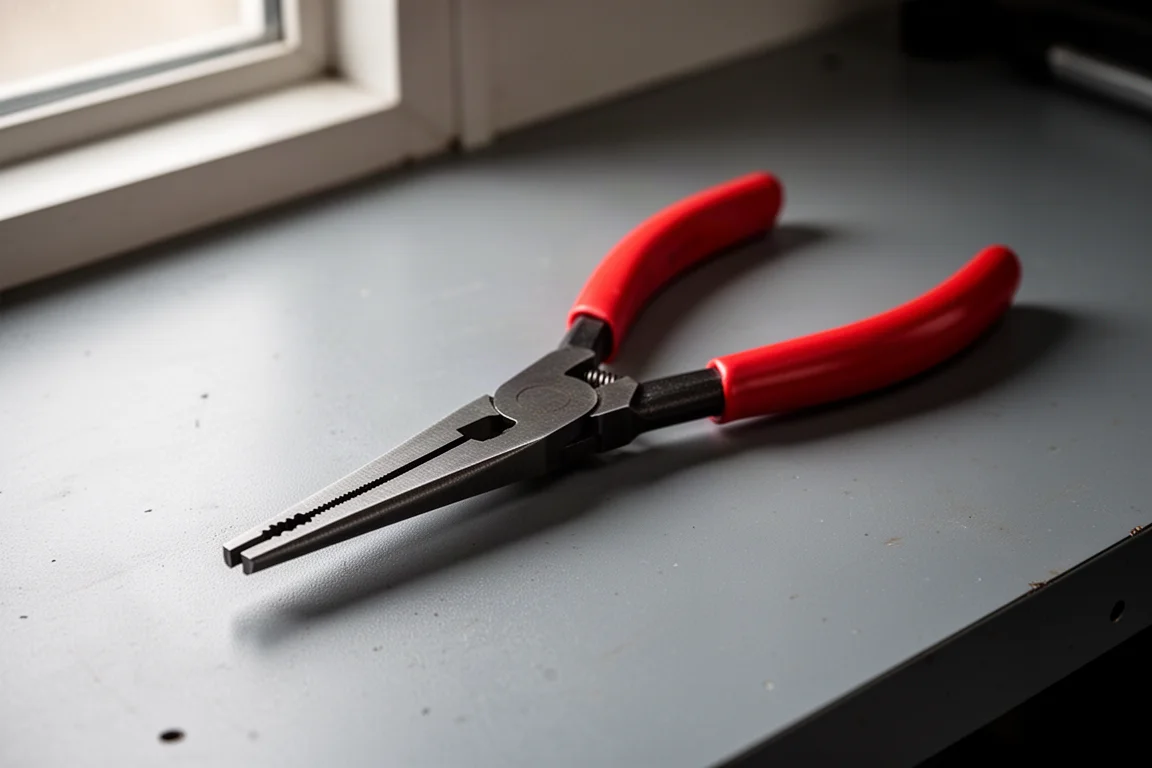
Disconnect pliers exist for one of the least glamorous jobs in automotive work: reaching into a tight, dark, filthy cavity and releasing a connector you can barely see. That is exactly the situation these were bought for, and it is why the disappointment stings. The concept is right. The execution, unfortunately, is not.
What They Are Designed For
The roughly 85-degree bend with notched tips is a shape typically associated with EVAP lines and fuel fittings, but it also works on electrical connectors. A common use case is the four-cavity connector used for backup cameras on trucks, particularly when removing a tailgate or relocating the camera on a sliding camper setup. That job usually means crawling underneath in cold weather, reaching into a recessed cavity, working blind, and dealing with connectors caked in winter grit and grime.
Manufacturers rarely leave you any slack in the harness either, so everything sits taut against the frame. In those conditions, slip-joint pliers only work if everything lines up perfectly, and that almost never happens in the real world. Needle-nose pliers can sometimes reach, but only with the very tips, and the moment the angle changes they no longer fit.
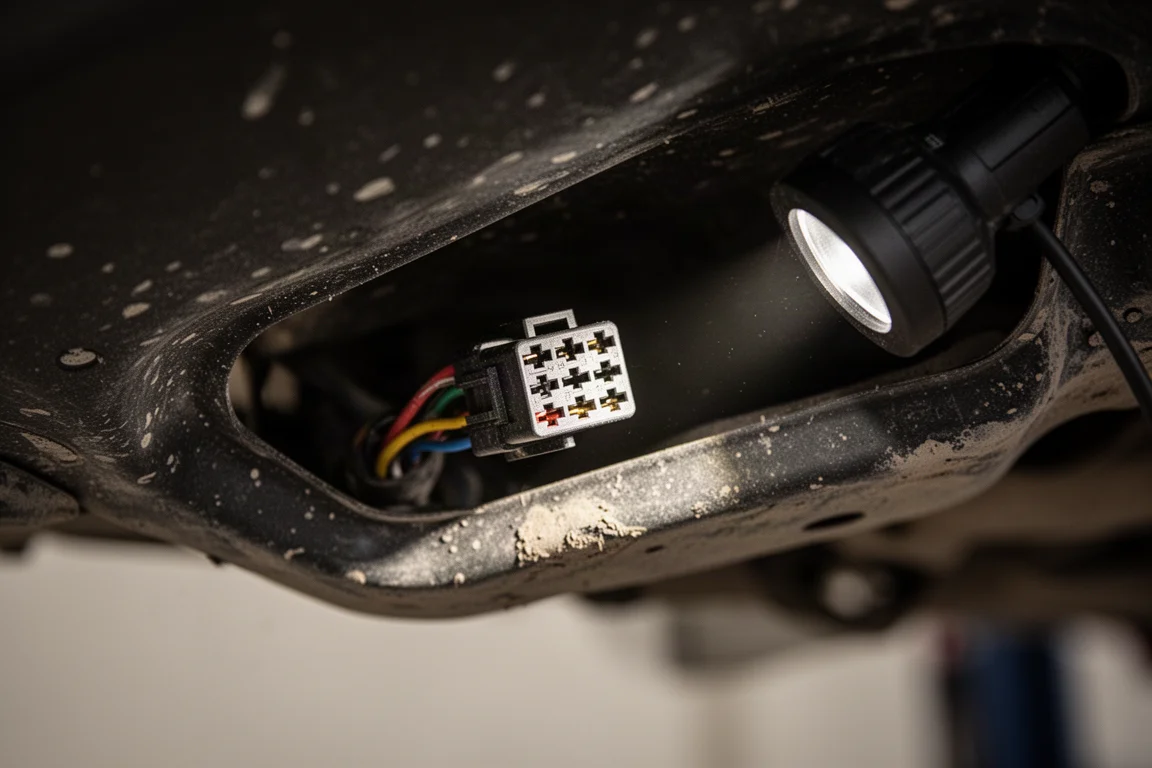
That is the gap this tool is meant to fill, and on paper the shape makes sense.
The Spring Is the Biggest Problem
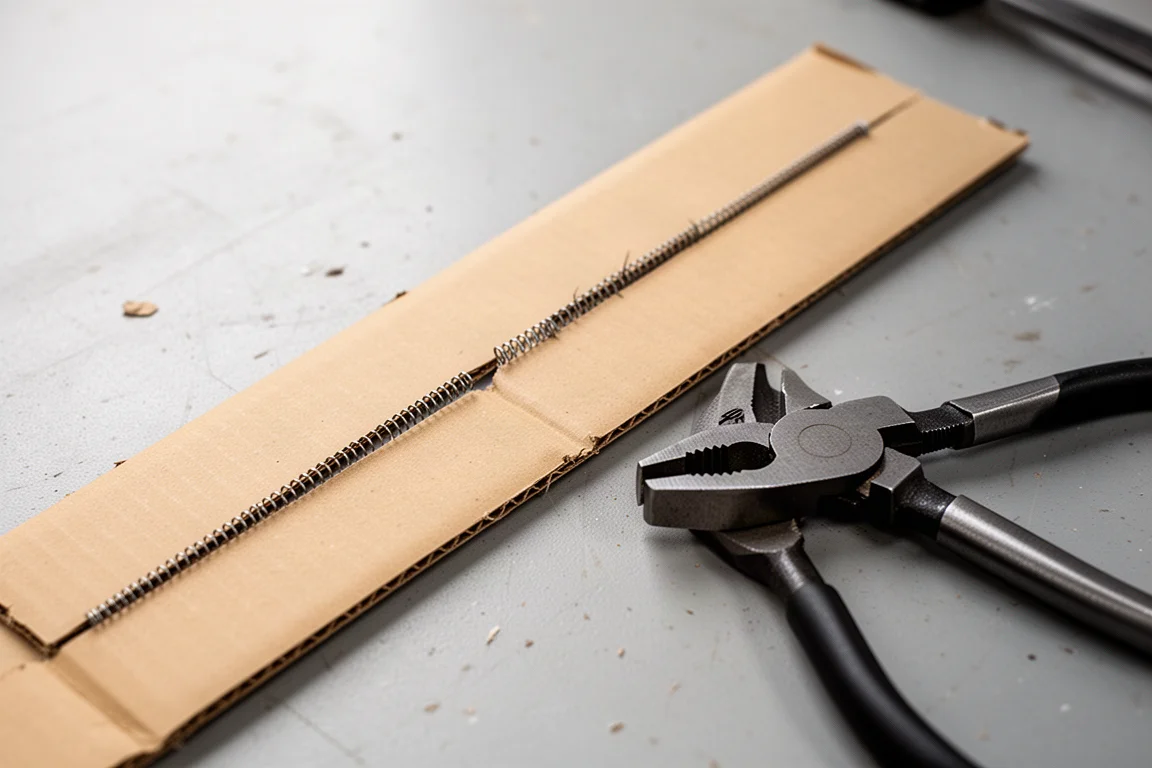
Out of the box, the pliers arrive rubber-banded shut, and the spring looks promising. In practice it cannot do anything. The jaws are so stiff that the spring never overcomes them; you need a couple of fingers to pry the handles apart. That matters more than it sounds, because these are tools you often need to open wide before lowering them into position, and you may only have one hand free.
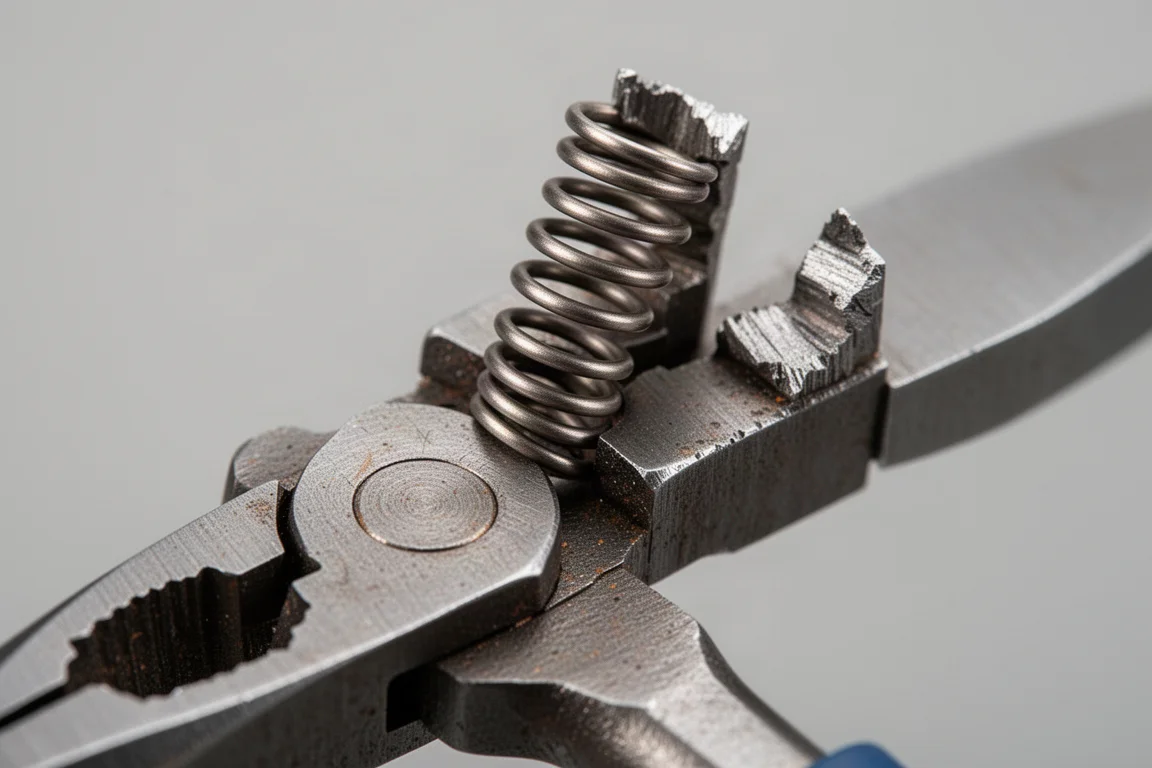
Worse, the spring ends are simply chopped off, leaving rough, sharp edges that protrude right where your fingers travel. During testing, two fairly deep scratches happened. Dragging the edge across a clean piece of cardboard slices straight through it without any pressure. For a hand tool you work back and forth in cramped spaces, that is a genuine safety issue and hard to overlook.
Build Quality Is Crude
The jaw tips appear to be bludgeoned out of sheet metal rather than finished properly. They are very stiff and the tips are not cleaned up well. The rivet is tight, the shape itself is fine, but the finish work is not. When you are blindly tapping and feeling around for the right spot on a connector, you want a tool that does not fight you or cut you while you do it.
Do They Actually Work?
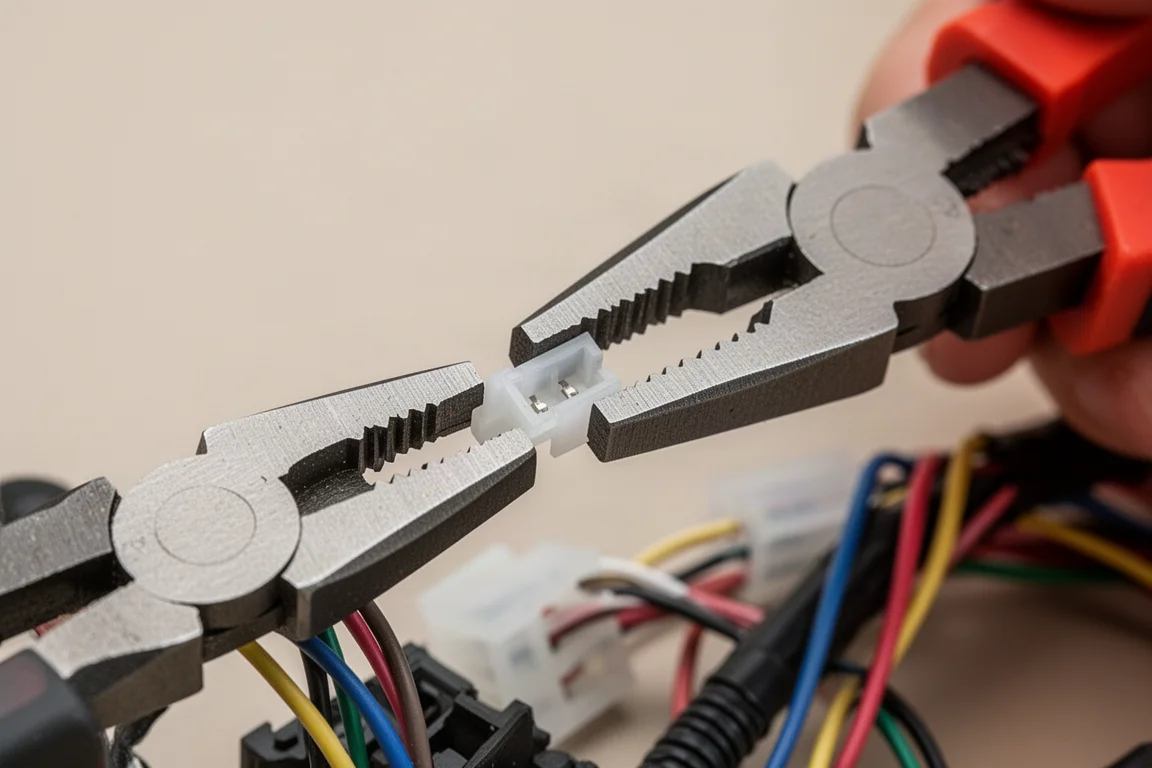
For the intended purpose, yes, when the alignment is right. Lined up correctly on a recessed connector, they pop the connector free and everything works as hoped. The problem is recovery. If you miss on the way in, you cannot flick the jaws wide open again with a small squeeze. They do not open far enough, so you have to start over, pull the handles apart by hand, and hope the next attempt lines up.
Slipping off carries a real cost too: you can snap a tab and ruin the connector entirely. And the tips are solid enough that if they slide down into the connector body the wrong way, they can easily break a fitting. A differently shaped or notched tip would open up a lot more uses for this design, but as shipped, the margin for error is thin.
Buying Advice
At around 20 dollars these are not an expensive experiment, and they are made in the USA. But price does not fix sharp spring edges, a spring that does nothing, jaws too stiff to work one-handed, and crude tip finishing. As they are finished right now, they are hard to recommend. If the tips were reshaped and the spring edges cleaned up, the underlying design could be genuinely useful.
If you have this exact job on your list, it may be worth shopping around for a disconnect plier with better finishing or a slimmer metal tip designed for electrical connectors, rather than settling for this one. Reader suggestions on better alternatives for this kind of fitting are welcome, because the job itself clearly deserves a better tool.
Conclusion
The Lisle 37160 Disconnect Pliers get the concept right: a bent, notched plier for releasing connectors in spaces where nothing else fits. But a useless spring, dangerously rough spring edges, overly stiff jaws, and crude finish work add up to a tool that works only when everything goes perfectly. For a tool bought specifically for the situations where nothing goes perfectly, that is a miss.
Product link
View more details for Lisle 37160 Disconnect Pliers
This product is mentioned in the review. Check the specifications, options, and compatibility before buying.
View more details for Lisle 37160 Disconnect PliersFurther reading
Related Reviews
Hand Tools
Best Diagonal Cutters 2026: 16 Pliers Tested for Cutting Power and Durability
We put 16 diagonal cutters through nail, screw, drill bit, and hex key tests to find the best value picks for your toolbox.
Hand Tools
Best Hex L Key Sets 2026: Nine Sets Tested for Real-World Torque
Nine hex L key sets from budget to premium, tested for torque, fit, and durability. See which sets deliver real performance and which ones to skip.
Hand Tools
Best Locking Pliers 2026: Top Picks Tested for Grip and Durability
We tested 18 brands of 10-inch locking pliers for grip strength, jaw bite, build quality, and ease of release to find the best options for tough jobs.