EDC Knives
Why Liner Locks Beat Frame Locks: 5 Reasons With 4 Great EDC Knives
Five practical ways liner lock knives outperform frame locks, plus four excellent examples worth a closer look.
Introduction
It is easy to assume that frame locks make better folding knives than liner locks. After all, a frame lock uses the entire width of the handle to hold the blade open, so on paper it should be stronger. But that is not always how it plays out in real use, and in several everyday ways, liner locks are genuinely the better design.
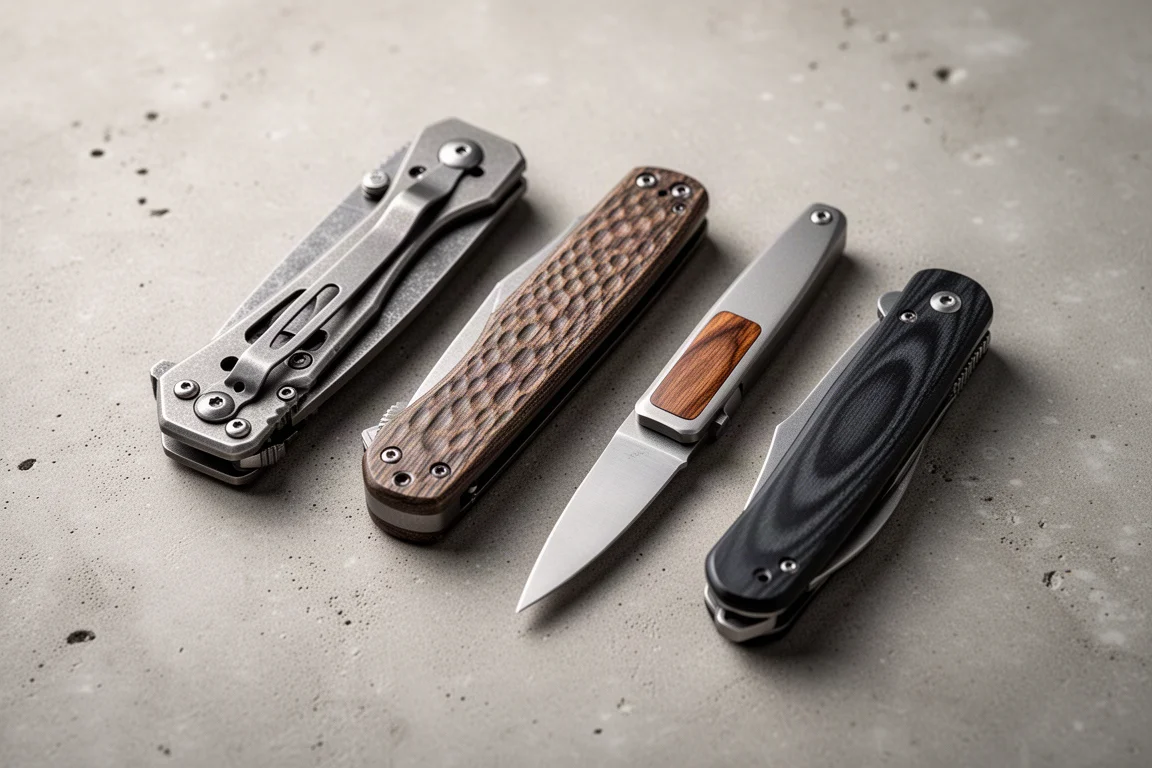
This breakdown covers five ways liner locks come out ahead, using four well-known knives as reference points along the way: the Chris Reeve Umnumzaan, the Hinderer XM-18, the Shirogorov NeOn, and the TRM Atom.
Liner Locks vs Frame Locks: The Basics
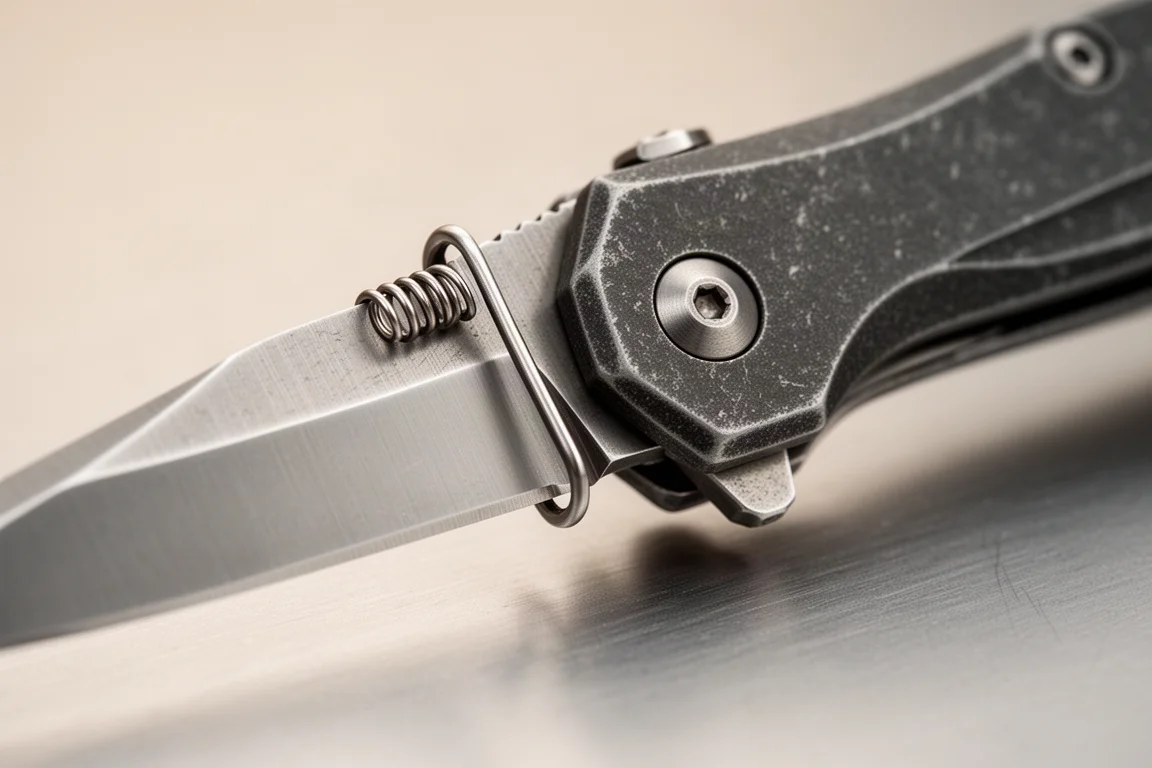
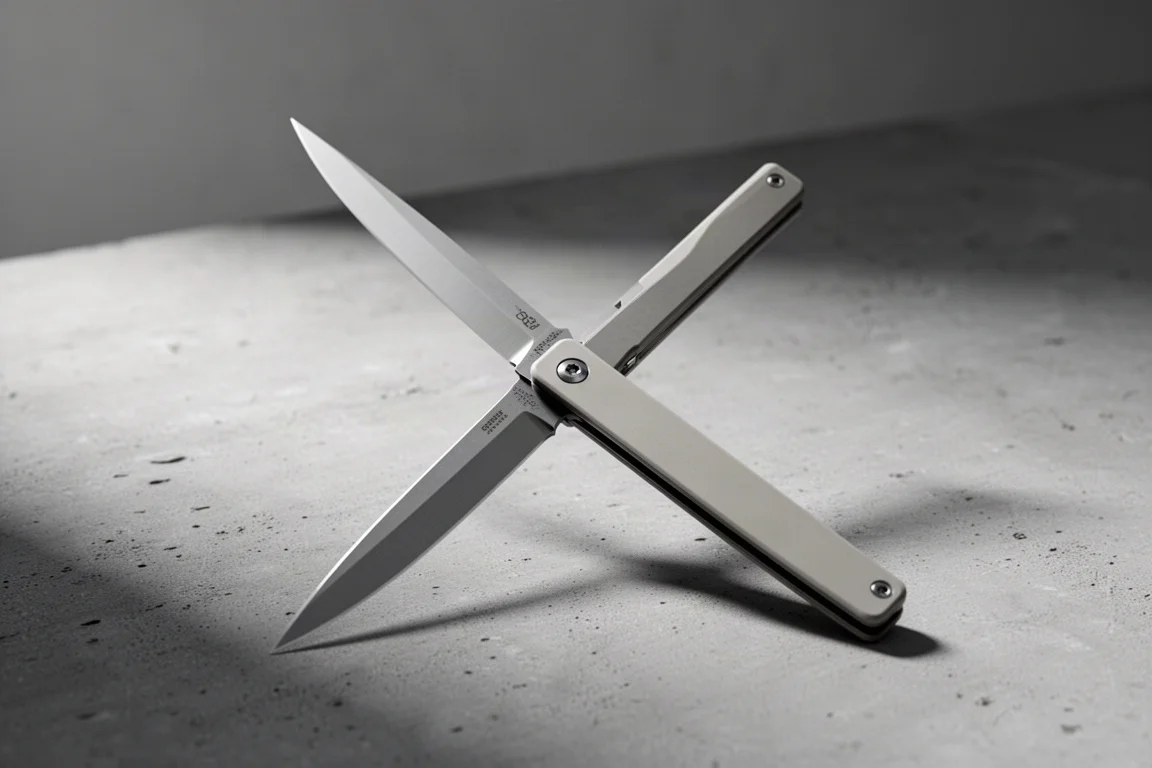
The two mechanisms are similar in function but different in important ways. A liner lock uses scales on the outside of the knife with a thin steel or titanium liner inside. On one side, a spring bar snaps up against the tang of the blade to lock it open, and you pull it down to disengage.
A frame lock skips the scales entirely. The lock is part of the handle itself: a section of the full-width frame snaps over to interface with the blade tang. Same basic concept, but built from a thick slab of titanium or steel rather than a thin internal liner.
By default, most people assume the frame lock is the stronger and more versatile option. The reality is more nuanced, and that is where the five points below come in.
1. Easier to Open for Most People
Liner locks are generally easier to open, and frame lock fans can point to the Chris Reeve Umnumzaan as proof of the difference. It is widely considered one of the harder folding knives to open, partly because of strong lock bar tension and partly because of lock bar positioning. When people grab it, they tend to push on the lock bar, which effectively pins the blade closed. You have to keep your fingers off the bar to get it open.
With a liner lock, the scale prevents you from pushing on the lock bar in the first place. You do not have to think much about how you grip the knife or where your fingers land. Just grab it and snap it open. For anyone new to knives or who only uses one occasionally, a liner lock is usually the friendlier choice.
2. Lighter Weight on Average
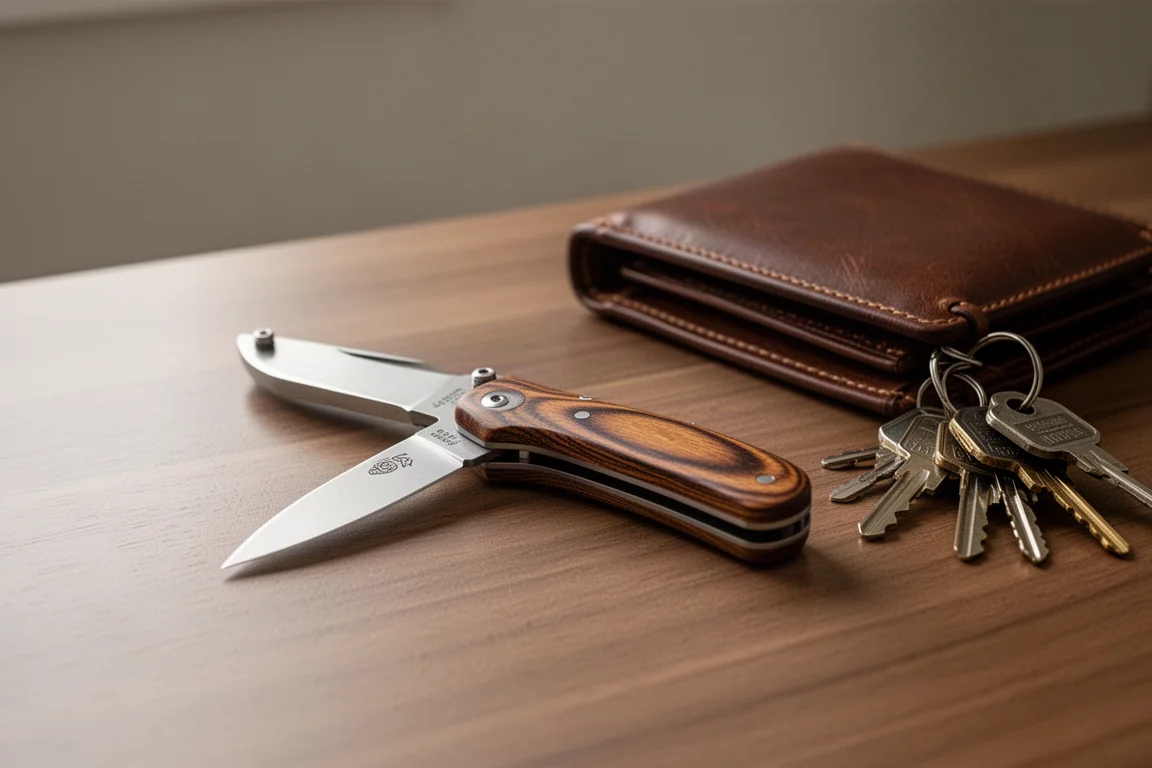
A frame lock needs a thick slab of titanium or steel on at least the lock side so the handle is structurally sound enough to hold the blade open. A liner lock only needs a thin internal liner, which frees up the outer scales to be made from lighter materials like G10, Micarta, Ultem, or FRN.
Frame locks can recover some weight through internal pocket milling, but on average liner locks still come out lighter. It is not always a dramatic difference: two similar knives from the same maker, one with Micarta liner lock scales and one with a titanium frame, can weigh roughly 3.5 ounces versus just over 4 ounces. Small on paper, noticeable in the pocket.
3. Better Ergonomics in the Hand
This one sounds strange until you hold both. Because part of a frame lock’s handle has to move to engage the blade, the handle gets slightly skinnier on the lock side whenever the lock is disengaged. On some knives this is nearly invisible, but on others, like the Hinderer XM-18, it is quite noticeable and can feel a little off in the grip.
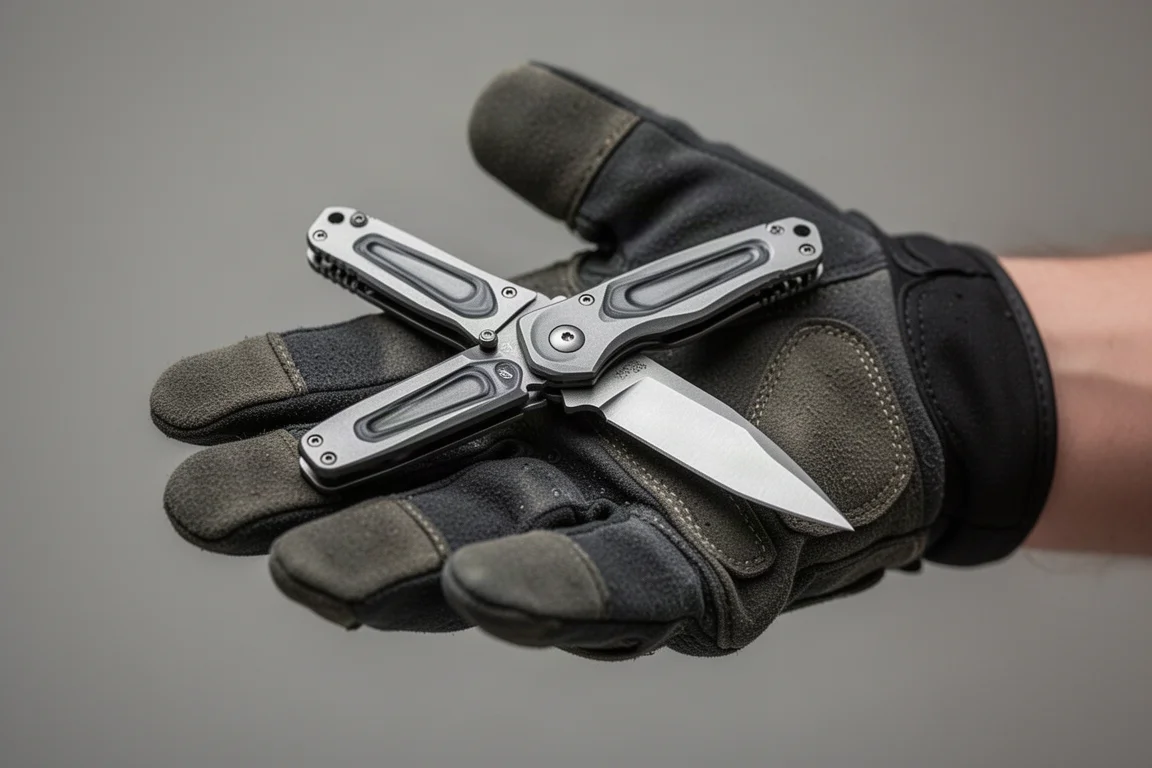
Liner locks do not have this problem. The outer dimensions never change because only the internal liner moves. The handle always fills the hand the same way, which makes for more consistent, more comfortable ergonomics overall.
4. More Symmetrical, Balanced Design
Aesthetics are subjective, but liner locks usually offer a cleaner, more symmetrical look. With a liner lock, you typically get matching scales on both sides with no accommodations for a lock bar.
Frame locks with non-metal handle materials have to compromise. Put Micarta on a frame lock and you either get a show-side scale only, or an inlay where the lock side looks different. The Hinderer XM-18 with a Micarta scale is a good example: Micarta on the show side, all titanium on the lock side. The Shirogorov NeOn takes the inlay route, with a Micarta inlay on one side and a differently shaped inlay on the lock side to accommodate the bar. If that asymmetry bothers you, a liner lock is the safer bet.
5. Easier Customization
Want to personalize a frame lock like the Umnumzaan? You are mostly limited to changing finishes: anodizing, bead blasting, stonewashing, DLC, or Cerakote. Beyond that, you are effectively replacing the handles, which means replacing two-thirds of the knife.
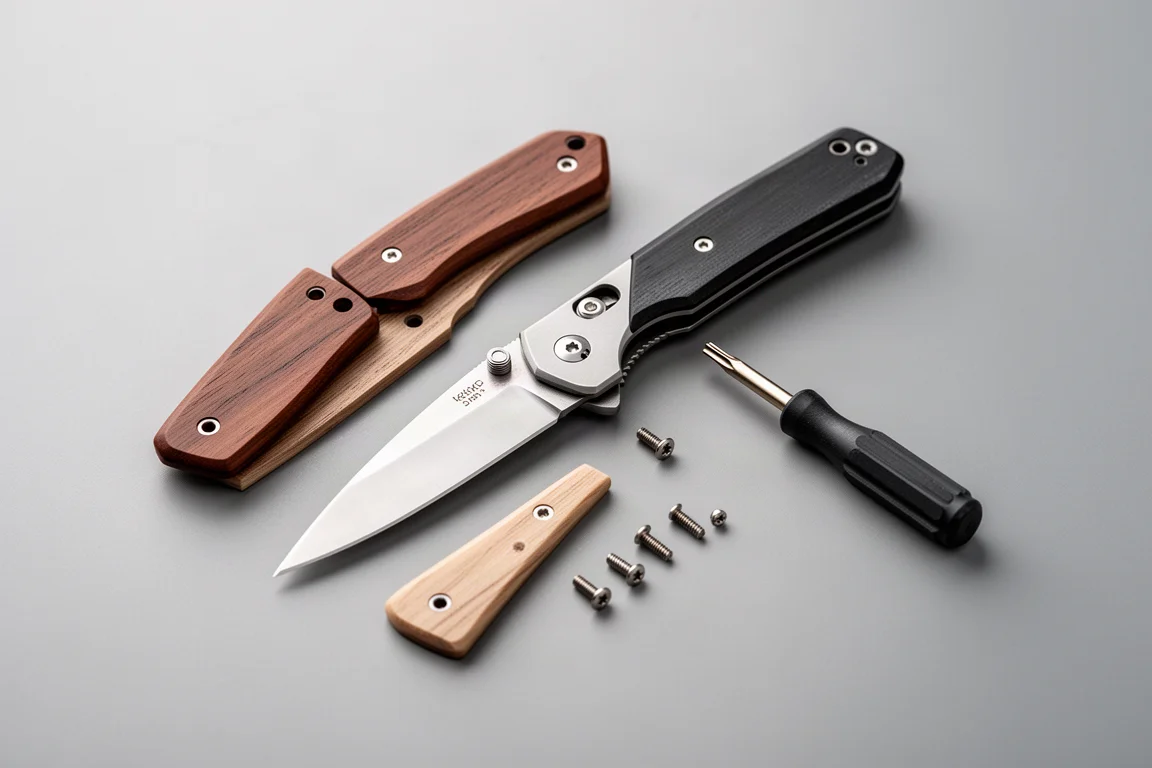
Liner locks open up a whole aftermarket. Popular models often have replacement scales available, and the TRM Atom is a standout example: its scales are hot swappable. Unscrew the old scales, pop on a new set, and you never touch the knife’s mechanics. The same idea applies to other liner lock designs, letting you change the look as often as you like.
The Knives Behind the Points
Each of the four knives referenced here illustrates one side of the liner-versus-frame debate, and each is a strong purchase in its own right depending on what you value.
Chris Reeve Umnumzaan
A premium titanium frame lock folder, widely respected but also known as one of the harder frame locks to open thanks to strong lock bar tension and its lock bar placement. It is the clearest illustration of why grip position matters with frame locks.
Hinderer XM-18
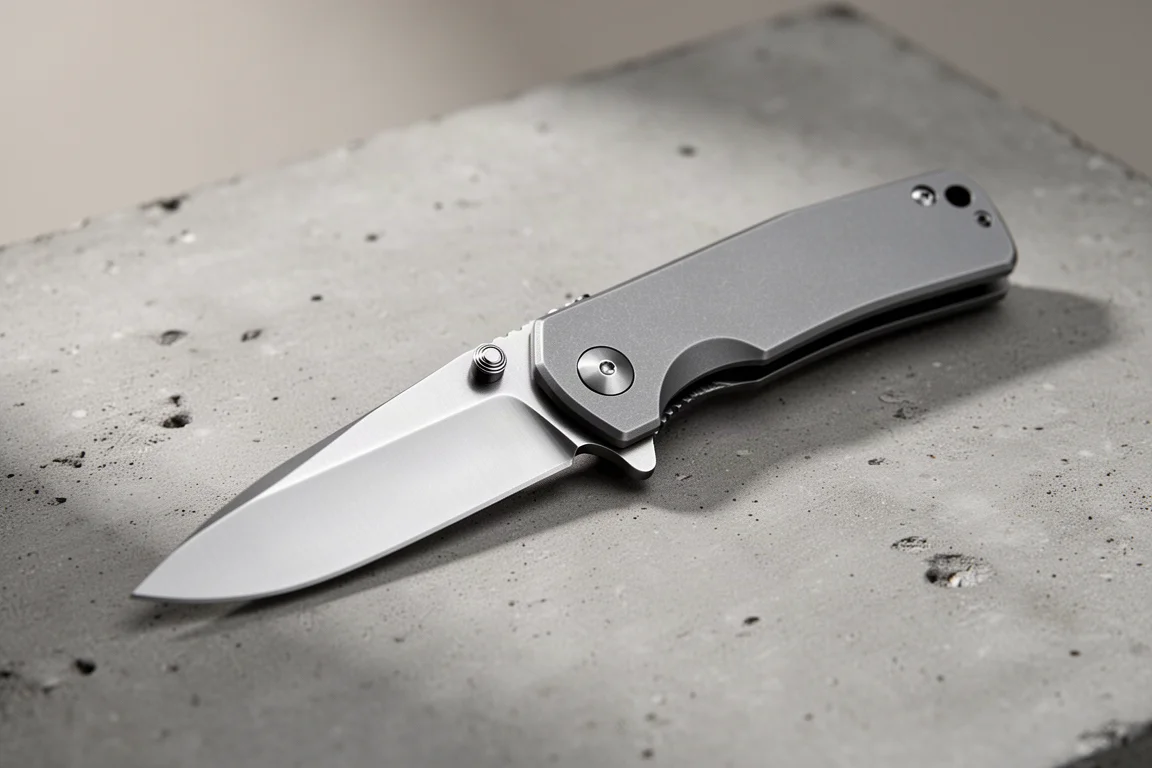
A well-known titanium frame lock with a Micarta show-side scale, highlighting the asymmetric look frame locks need for non-metal handles, plus a lock-side feel that some riders of the design find slightly thin when the lock is disengaged.
Shirogorov NeOn
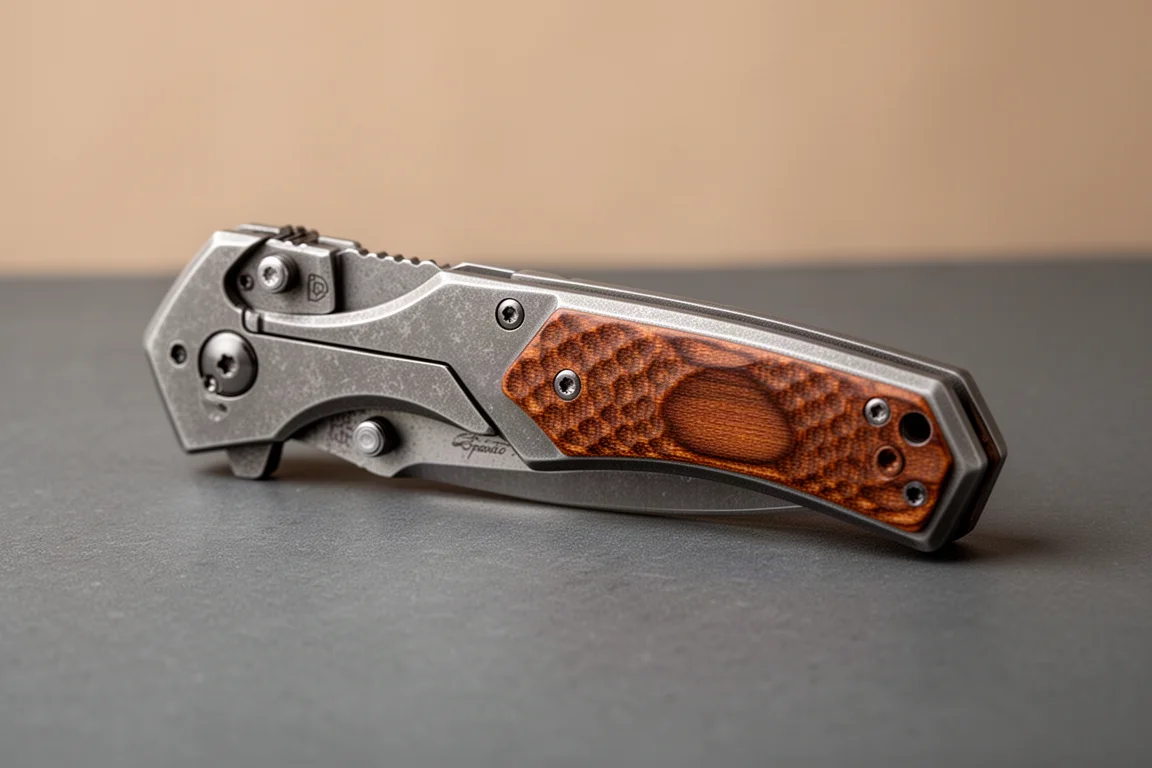
A slim frame lock folder using the inlay approach, with a Micarta inlay on the show side and a differently shaped inlay on the lock side. Beautiful, but a good demonstration of the design balance frame locks have to manage.
TRM Atom
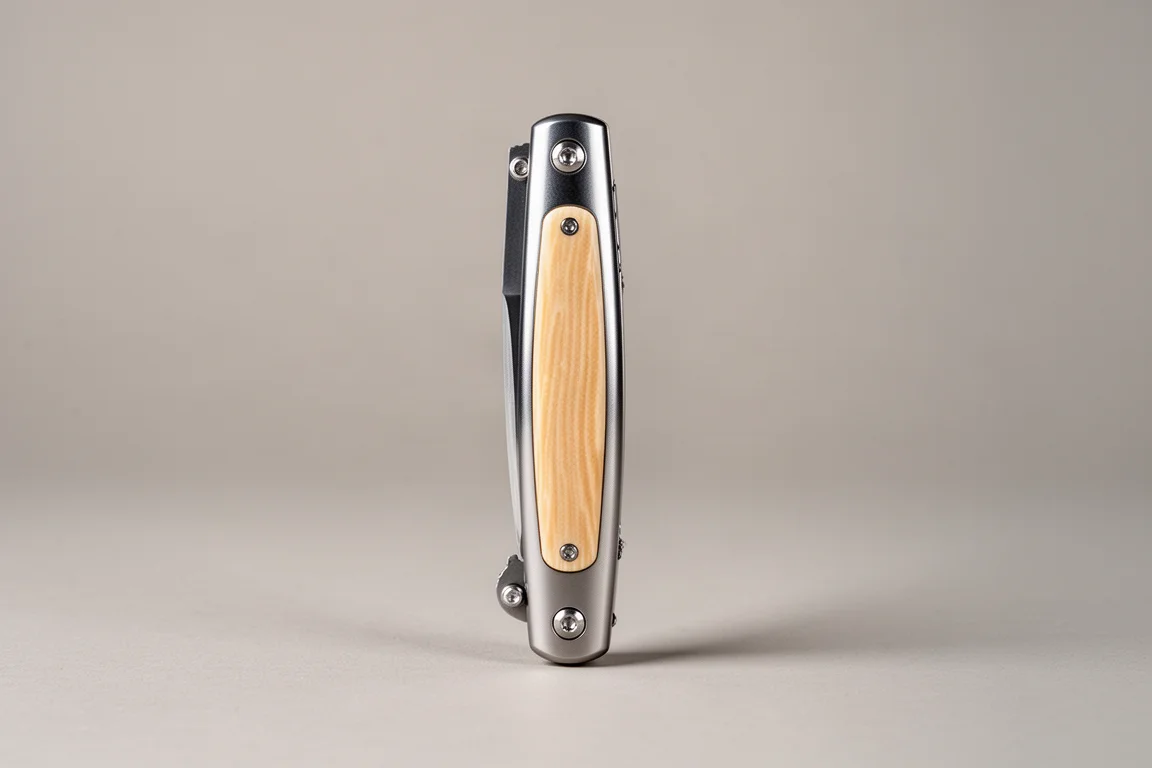
The liner lock champion of this group. Its scales are hot swappable, so you can buy additional sets from TRM, swap them with a few screws, and never interfere with the knife’s mechanics. Few knives make customization this effortless.
Buying Advice
If you are new to folding knives, carry one casually, or value light weight, comfortable symmetrical handles, and easy customization, a liner lock is very likely the right call. The TRM Atom and similar liner lock designs make swapping looks trivially easy.
If you are drawn to titanium construction and do not mind learning a specific grip or living with a slightly asymmetric handle, a well-executed frame lock like the Umnumzaan, XM-18, or NeOn remains a superb choice. There is also a middle path worth exploring: the bolster lock, which blends elements of both designs. Neither lock type is strictly better; the best choice depends on which of these trade-offs matters most to you.
Conclusion
Frame locks look stronger on paper, but liner locks win on ease of opening, average weight, consistent ergonomics, balanced design, and customization potential. Match the lock type to how you actually carry and use a knife, and any of these four picks will serve you well.
Further reading
Related Reviews
EDC Knives
Spyderco Techno 3 Review: A Beautiful Design Held Back by Factory Issues
The Spyderco Techno 3 is a stunningly designed titanium frame lock knife, but weak detent and quality control issues from the Italian factory make it a hard recommendation.
EDC Knives
Blade Show 2023 Picks: Three EDC Knives That Stood Out
From QSP's button lock Swordfish to Demko's MagnaCut fixed blade, these are the knives that made the strongest impression this year.
EDC Knives
Daily Carry Company Mag Blade Review: A Beautiful Knife I Struggle to Recommend
The Mag Blade pairs polished M390 steel with grade 5 titanium and an innovative magnetic butterfly hinge, but daily practicality falls short of the $199 price.