Ski Reviews
LINE Vision Review: A Fully Redesigned Freeride Touring Ski
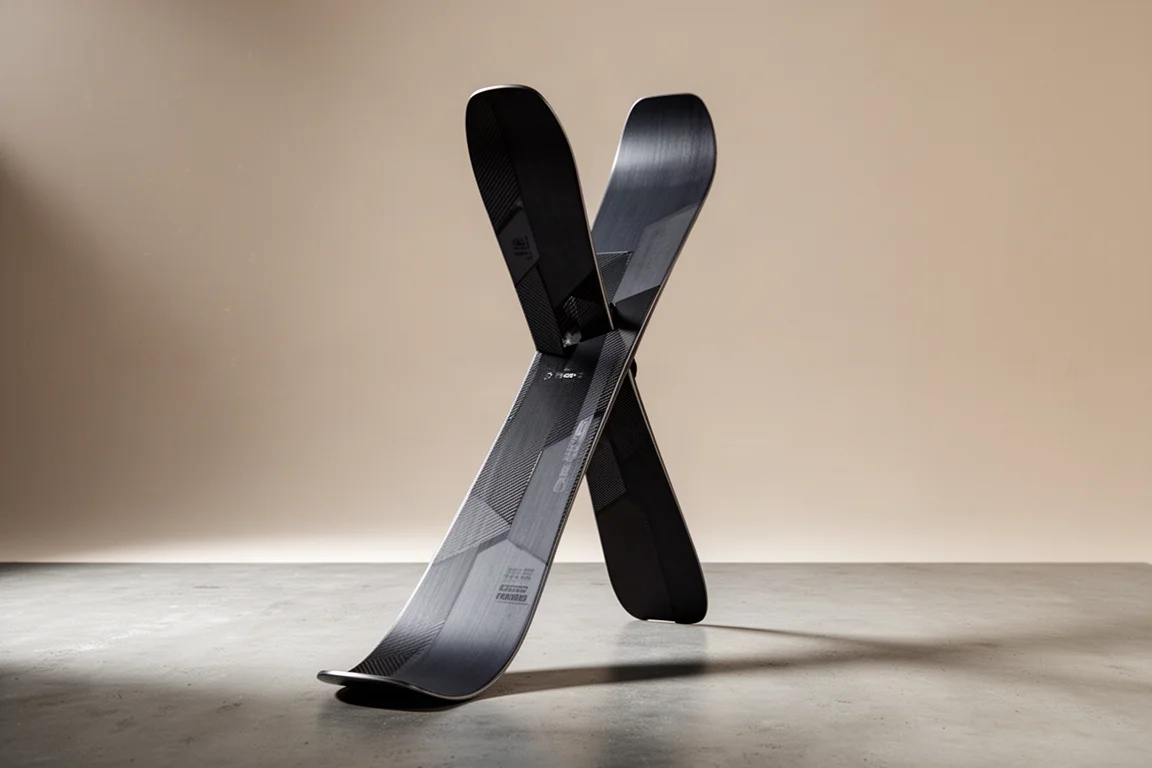
The LINE Vision returns fully redesigned with a lighter build that keeps the hard-charging, freestyle-ready feel of the Optic series.
Introduction
The LINE Vision has been fully redesigned this season, and the headline change is weight. After a week of ski touring on the new Vision, testers found it noticeably easier to move uphill than heavier touring setups, without giving up the solid, confidence-inspiring feel that made the previous design appealing. It is a freeride ski with a touring heart, built for skiers who want to ski the way they ski in bounds once they reach the mountains.
A Lighter Optic-Style Ski for the Backcountry
The new Vision shares a similar footprint to the LINE Optic but comes in a much lighter package. That makes it burly underfoot yet nimble and easy to ski. Even with the weight savings, testers described it as sturdy at speed and surprisingly intuitive in the air, which opens up freeride terrain in the backcountry that would normally feel out of reach on a touring setup.

Five consecutive days of touring left testers feeling strong at the top rather than exhausted from lugging heavy skis uphill. That balance between uphill efficiency and downhill performance is the core of what makes this ski interesting.
Freestyle in the Backcountry
A common frustration with touring setups is feeling limited: you spot a line or a jump you would normally hit, but hesitate because you are on your touring skis. The Vision is built for skiers who carry their freestyle flare into the backcountry, with turned-up stompable tails and a slightly stiffer tail for landing tricks.
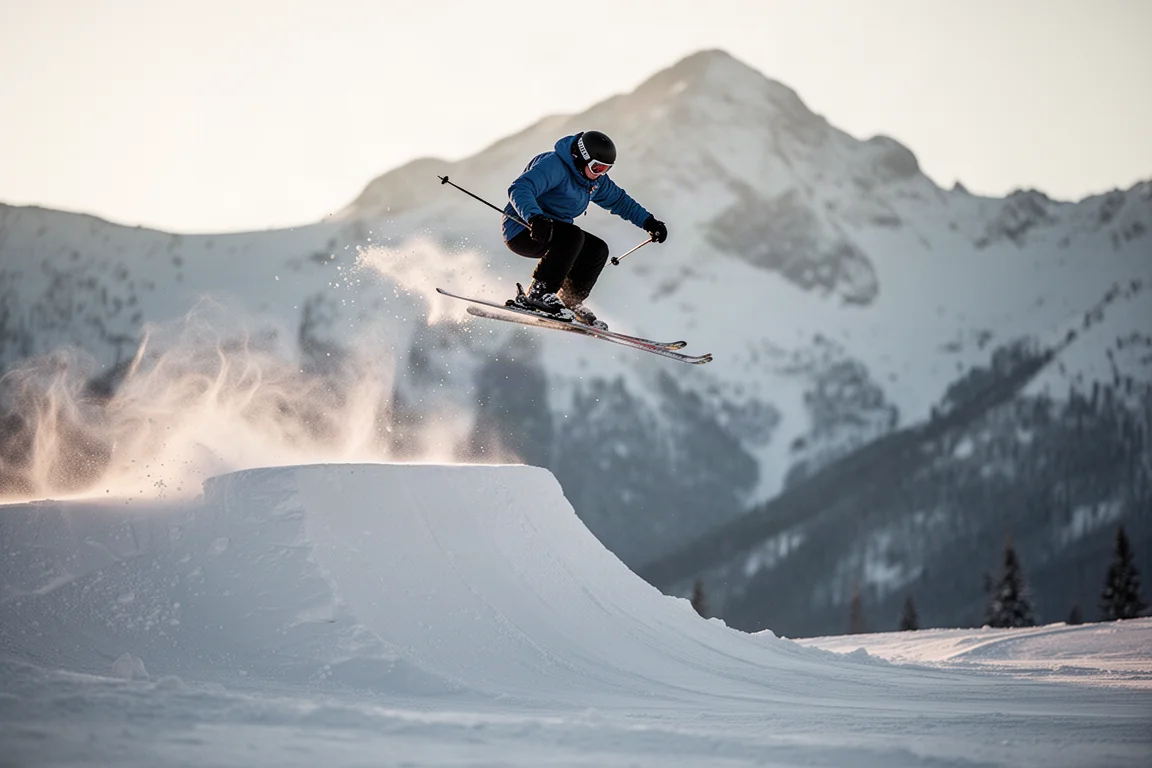
Testers built a backcountry jump during the week and found hitting it felt the same as hitting it on any freestyle ski. Nose butters, riding switch, and full trickery all remain on the table thanks to the rocker profile.
Construction: Carbon, Glass, and Flax
The lightweight construction combines carbon, glass, and a new flax-based layer described by the design team as a quasi-isotropic layup. Like titanal, this layer has the same stiffness no matter which direction you bend it, so the ski behaves consistently across different snow conditions.
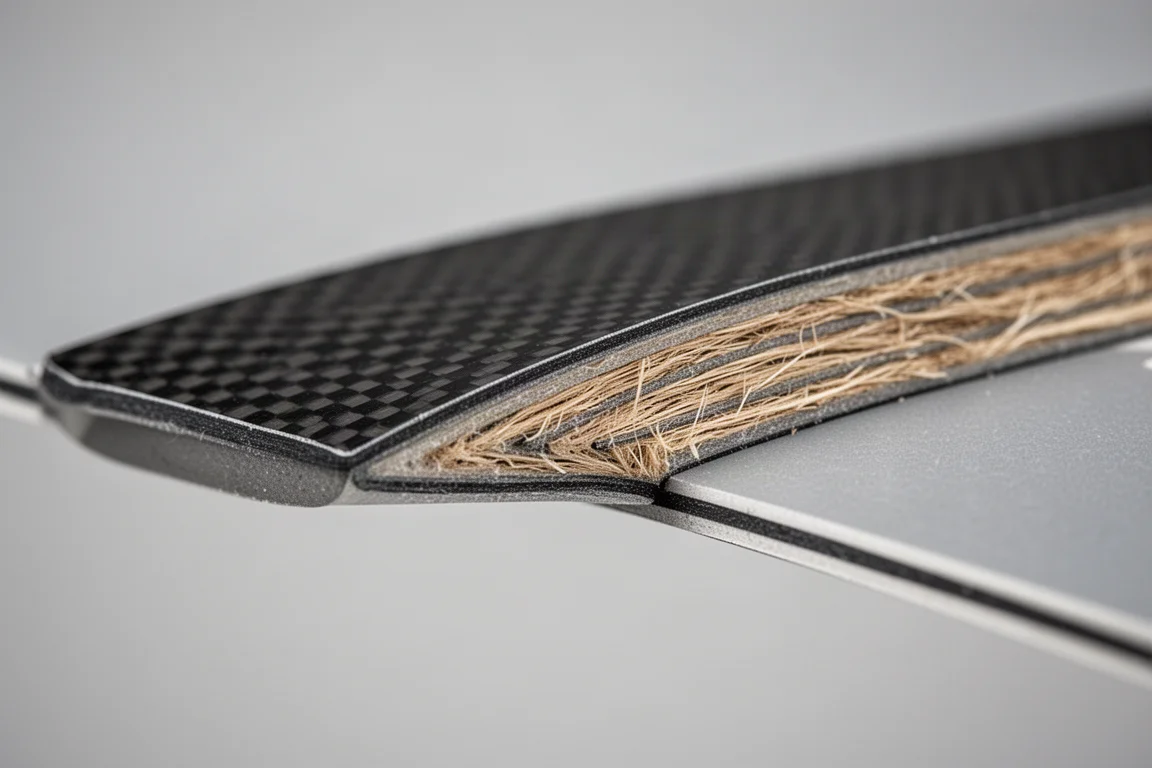
That layer also helps the ski stay quiet. When you hit chunder, it absorbs the chatter instead of letting the whole ski rattle out from under you, which adds confidence on rougher lines.
Things to Consider Before Buying
The Vision comes in three widths: 96, 104, and 114, mirroring the Optic series. The 114 suits pow and freeride-oriented skiing, the 96 works well as an ultralight setup with a lightweight binding for spring touring, and the 104 is a strong pick for in-bounds resort skiing on harder snow days when you want less strain on your body.
Skiers who have tried the Optic or are curious about it but hesitant because of its metal construction may find the Vision a better fit. It keeps the hard-charging, stiff character but feels snappier, slightly more forgiving, more playful, softer, and lighter.
Buying Advice
The Vision is positioned as a free tour ski with freestyle at its heart. If you want one ski that handles long ascents comfortably and still charges hard and tricks off landings on the way down, it is a compelling option. It has been called the most versatile touring ski some testers have ever been on.
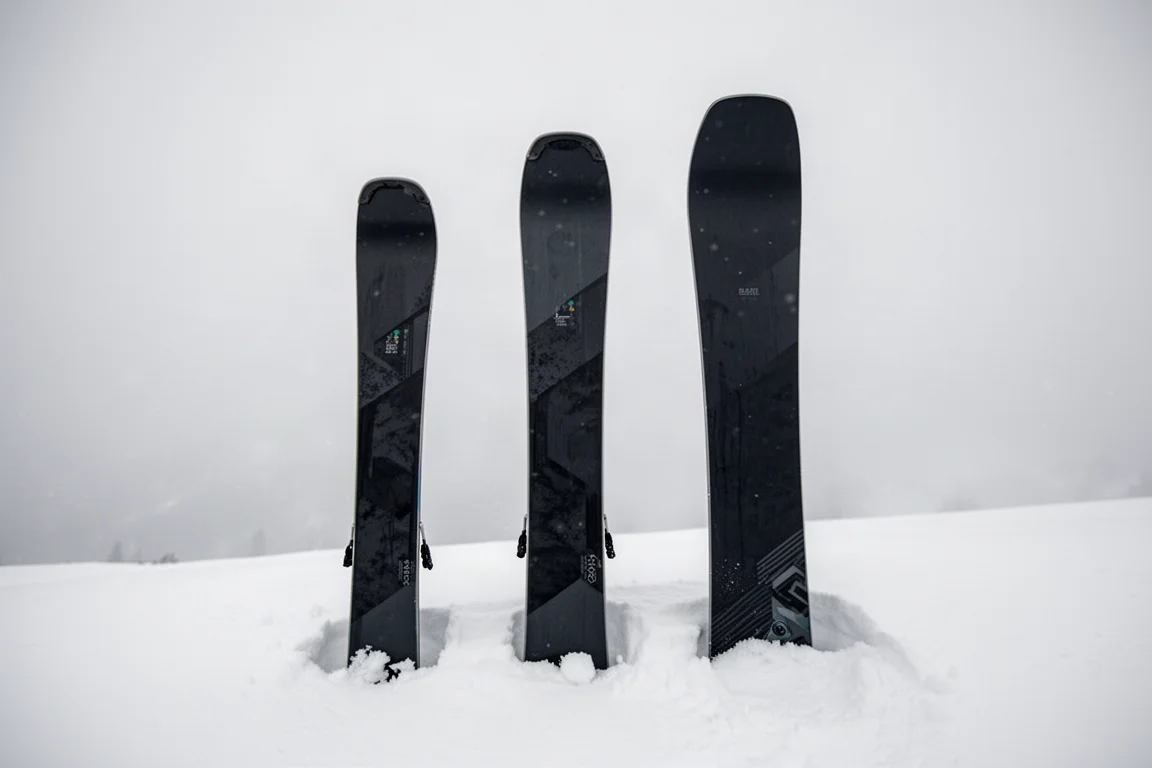
Choosing your width comes down to where you ski most: the 96 for lightweight spring touring, the 104 as an all-round daily driver, and the 114 for deep snow and freeride lines.
Conclusion
The redesigned LINE Vision delivers essentially everything the Optic offers in a much lighter package. For backcountry skiers who refuse to compromise downhill performance for uphill efficiency, it is one of the most versatile freetouring skis available this season.
Product link
View more details for LINE Vision
This product is mentioned in the review. Check the specifications, options, and compatibility before buying.
View more details for LINE VisionFurther reading
Related Reviews
Ski Reviews
Armada Antimatter 108 Review: A Freeride Ski Built for Speed and Deeper Snow
The Armada Antimatter 108 carries over the beloved Declivity X 108 shape with new construction that adds compliance in soft snow and composure in crud, aimed squarely at strong, aggressive skiers.
Ski Reviews
Armada Antimatter 92 vs Invictus 92: Two All-Mountain Skis Compared
A closer look at two Armada all-mountain skis, one playful and nimble, the other composed and smooth, to help you pick the right one for your skiing.
Ski Reviews
Armada Antimatter 92W Review: A Smoother Take on a Proven All-Mountain Footprint
The Antimatter 92W keeps the trusted Reliance 92Ti footprint but softens the ride with a new metal construction, making it more versatile in softer snow without losing on-trail grip.