Skis
Line Vision 96 Review: A Lightweight All-Mountain Ski That Still Wants to Play
A close look at the Line Vision 96, a roughly 1,500 gram all-mountain ski with a skin notch, a lively aspen and paulownia core, and a clear sense of who it suits.
Introduction
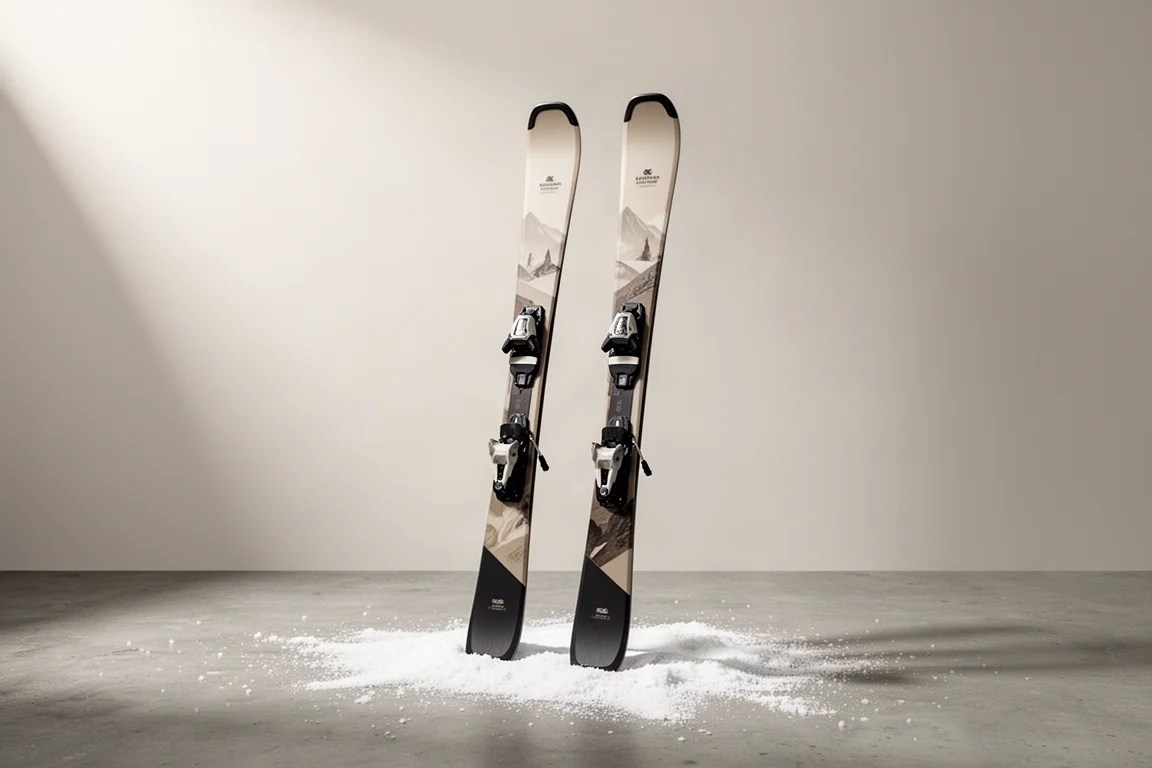
The Line Vision 96 is a lightweight all-mountain and freeride ski that sits in the versatile mid-90s waist range. At roughly 1,500 grams it stays easy on the foot, and Line does not force it into a touring-only category. There is a skin notch on the tail for anyone who wants to head uphill, but the decision about how to use the ski is left to the skier rather than baked into the marketing.
That flexibility is what makes it interesting. The Vision 96 carries over the character of the well-received Vision 98 in a slightly narrower, more directional shape, with the same willingness to mix playfulness and a dependable, stable feel.
Who This Product Is For
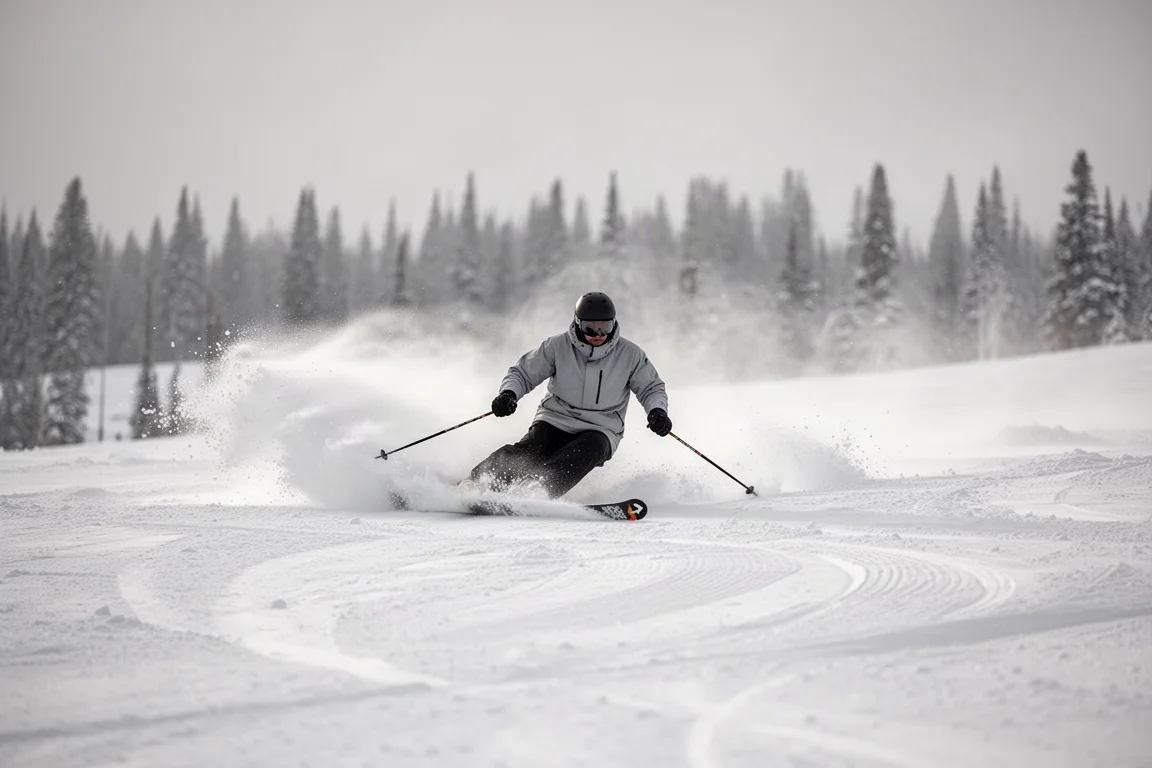
The Vision 96 makes the most sense for skiers who consider uphill efficiency part of the equation. It is light enough to tour with, but it is not a dedicated touring ski, so it works just as well for lift-served days.
It also suits skiers who do not want to work too hard. A light ski can feel nervous, yet this one stays composed enough to remain manageable late in the day on steeper, more technical terrain. Anyone who values agility, maneuverability, and versatility over raw charging power is squarely in the target audience.
Main Strengths
Energy and stability are the headline traits. For a ski this light, the Vision 96 feels lively without feeling twitchy, and it holds together in snow that has already been cut up.
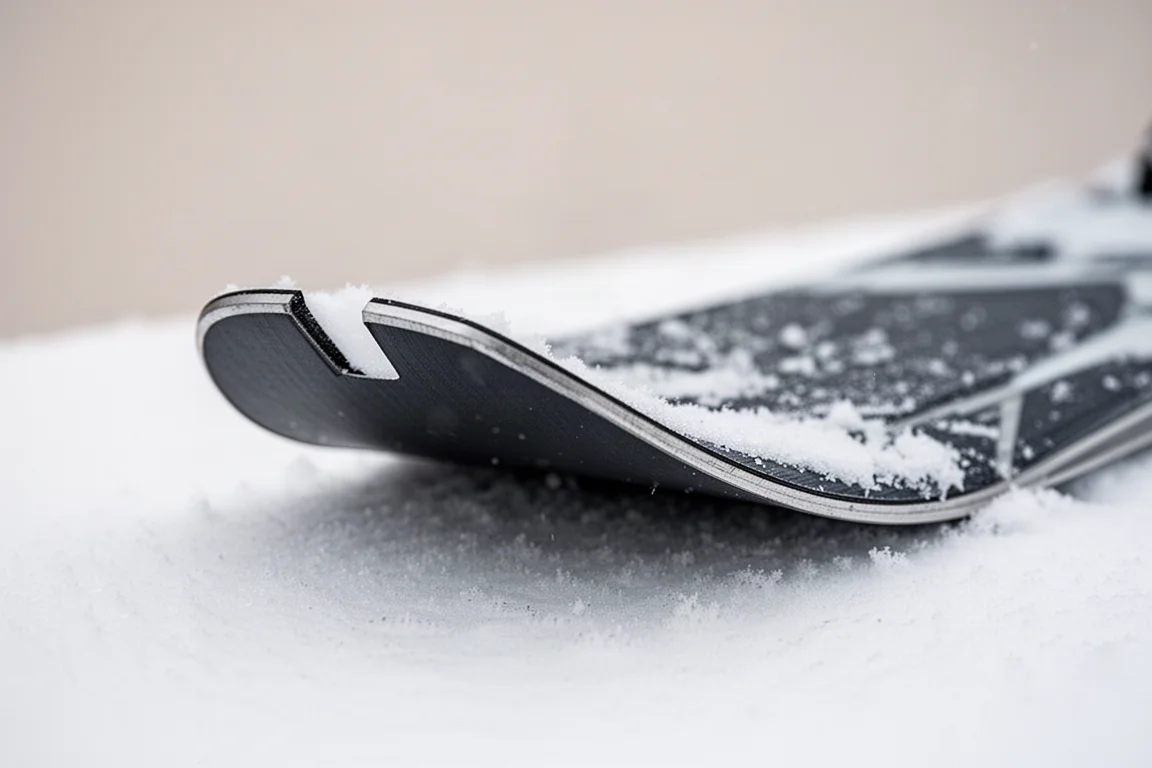
It is also genuinely playful. The combination of a light core and a forgiving rocker profile keeps the ski mobile in softer conditions, which is exactly what makes a mid-90s all-mountain ski fun rather than demanding. Agility is high, so quick direction changes and tight terrain come naturally.
Construction and Materials
The core blends aspen and paulownia. Paulownia is common in more touring-oriented skis, which hints at the lighter intentions behind the Vision 96, while the aspen contributes a smooth, energetic feel.
The laminate mixes carbon with aramid, a fiber similar to Kevlar, to stiffen the ski without adding much mass. Line also uses a half cap, half sidewall construction, which trims weight while preserving the agility that defines the ski. The result is a build that reads as deliberate rather than simply stripped down.
Performance Across Conditions
In deeper snow the Vision 96 performs better than its width might suggest. The rocker profile is generous up front with a moderate amount of tail rocker, enough to keep the ski easy and mobile without making it feel vague.
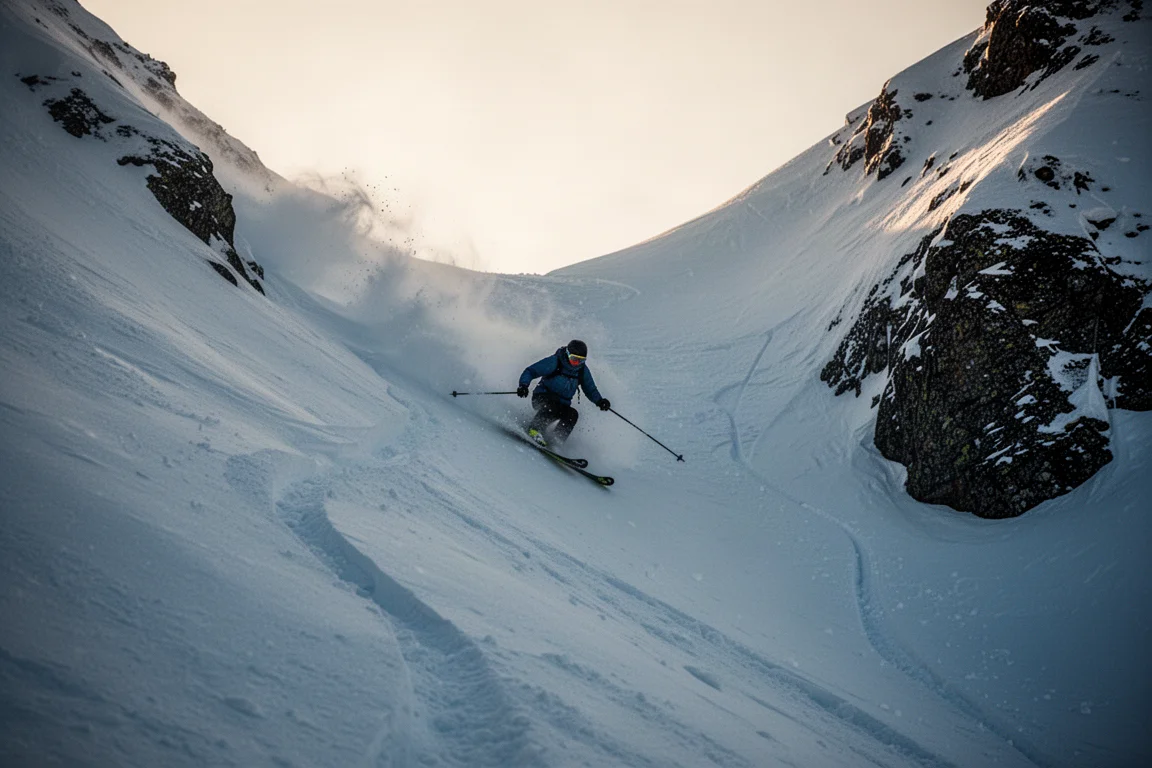
That profile also helps in messy, variable snow, where the ski holds up well for its weight. On steeper and more technical pitches it stays predictable, which matters most when legs are tired and a demanding ski would become a liability.
Things to Consider Before Buying
This is not a speed ski. Stability at high speed is where a lighter build shows its limits, and skiers who charge hard are better served by a heavier option with metal in the build, such as the wider Line Optic 96.
The tail rocker is present but not dramatic, so anyone expecting a loose, surfy feel from a heavily rockered tail should adjust expectations. The ski’s real strength is balance: light, agile, and easy, rather than exceptionally damp or powerful.
Buying Advice
Buy the Vision 96 if uphill efficiency and low-effort handling matter to you. Its mid-90s waist is a genuinely useful place to be for all-mountain conditions and terrain, and the light weight makes long days more comfortable without turning every turn into work.

If your priority is high-speed stability and aggressive charging, a heavier ski with metal in the construction is the better match. If you want one ski that covers resort laps, softer snow, and the occasional skin track, this is a sensible place to start.
Conclusion
The Line Vision 96 succeeds because it does not overcommit. It is light enough to tour, stable enough to enjoy on the way down, and playful enough to keep a full day on the hill interesting.
Product link
View more details for Line Vision 96
This product is mentioned in the review. Check the specifications, options, and compatibility before buying.
View more details for Line Vision 96Further reading
Related Reviews

Skis
Armada Anti Matter 82 W Review: A Light, Approachable All-Mountain Carver
Armada's Anti Matter 82 W pairs a lightweight Karuba and carbon build with an easygoing all-mountain shape, aimed at intermediates through lighter-footed advanced skiers.

Skis
Armada Anti Matter 88W Review: A Light, Playful 88mm All-Mountain Ski Plus Two Alternatives
The Armada Anti Matter 88W returns unchanged in spirit from its Reliance 88C days, and it remains one of the most versatile 88mm skis around. We also look at the Nordica Santa Ana 87 and Anti Matter 92 W as alternatives.

Skis
Armada ARV 100 vs Atomic Bent 100: Which 100mm Freestyle Ski Should You Buy?
Two of the best all-mountain freestyle skis of the season compared: one leans playful and park-ready, the other holds up better everywhere else.