Skis
Line Vision 118 Review: A Lightweight Freeride Ski Built for Deep Snow
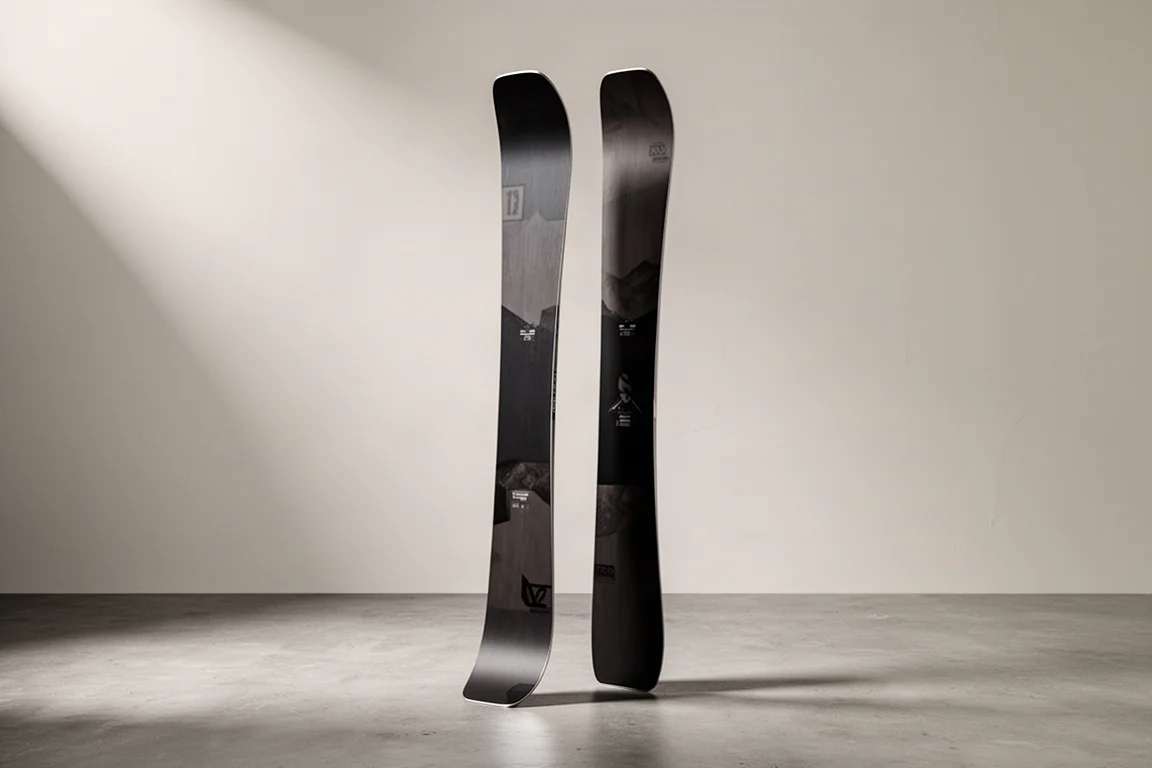
The Line Vision 118 pairs a 118 mm waist and a 19.5 m turn radius with a partly maple and paulownia core, delivering wide-ski float at under 2,000 grams in the 183 cm length.
Introduction
The Line Vision 118 is the widest model in the Vision family, and it is the one most clearly aimed at soft snow. The narrower widths in the range lean toward everyday versatility, while this ski is built around a 118 mm waist, a long tip rocker, and a shape that encourages drifting, smearing, and slashing rather than locked-in carving.
What makes it interesting is the balance between that much surface area and the weight on the scale. Skis this wide rarely come in under 2,000 grams, and the Vision 118 lands at roughly 1,876 grams in the 183 cm length. Float and low weight together are the heart of its appeal.
Who the Line Vision 118 Is For
This ski makes the most sense for riders who plan their season around soft snow. The wide platform, the pronounced tip rocker, and the tapered tail all point in that direction. If a good day means hunting fresh lines and letting the ski drift through chopped-up and variable snow, this is the kind of shape that rewards that approach. The fat shovel at the front keeps the tip up and out of the snow, so depth is rarely the limiting factor.
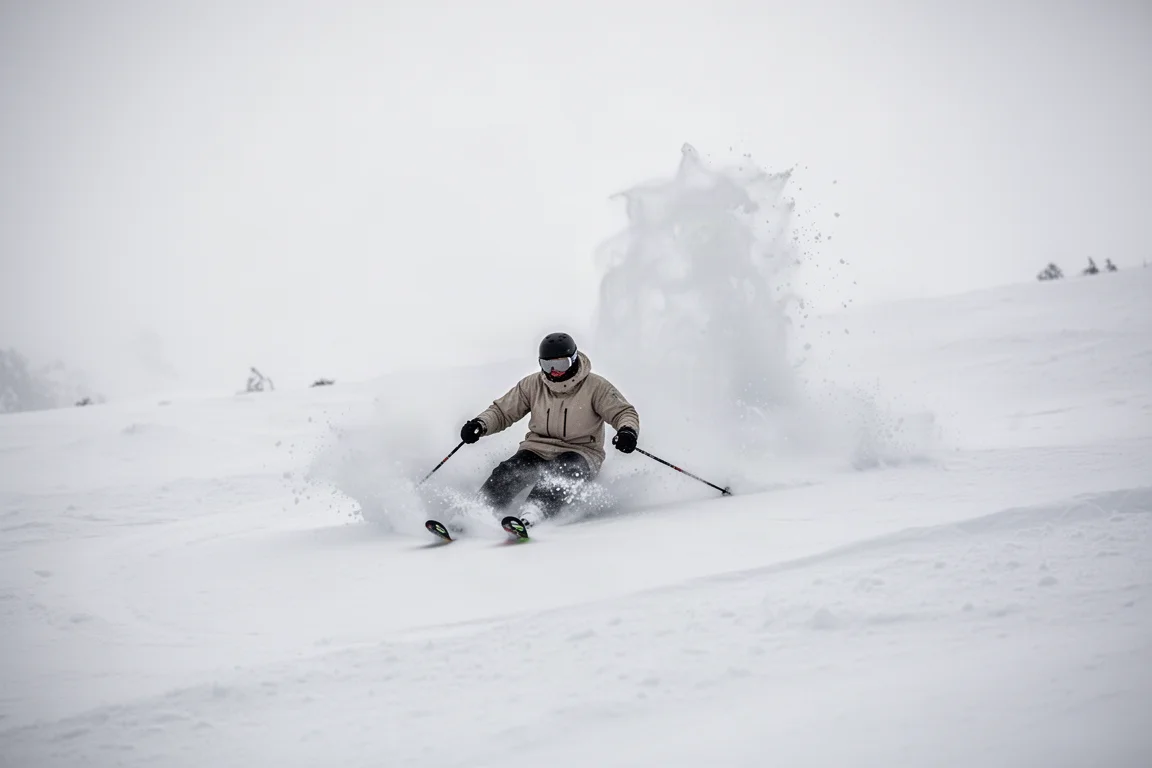
It also suits riders who want a wide ski that does not feel like a burden on the mountain. The Vision 118 carries the most material of the three Vision widths, yet the core blend keeps the overall package light enough to stay energetic. Skiers moving over from heavier freeride models will notice that most on repeated laps, long traverses, and the moments when the snow is less than perfect but the day is not over.
Main Strengths: Float, Lightness, and Energy
The headline numbers explain a lot. At 118 mm underfoot, the Vision 118 generates a 19.5 meter turn radius, which keeps the ski maneuverable for its width. It is wide enough for genuinely deep snow without becoming a one-directional plank.
- A 118 mm waist for soft snow float and stability in variable conditions
- A stated weight of about 1,876 grams in the 183 cm length, unusually light for this width
- A 19.5 m turn radius that keeps the ski playful rather than unwieldy
- Low camber height that supports a drifty, smeary feel
That low camber height is worth calling out. It is a trait shared across the Vision line, and it is what gives these skis their loose, surfy character in soft snow. The Vision 118 leans into that personality more than its narrower siblings simply because there is more ski to float on.
Core and Laminate Construction
Line builds this ski around a partly cloudy wood core that blends maple stringers with paulownia. The maple contributes power and dampness, while the paulownia lightens the load and gives the ski a more energetic, snappy character. Pairing the two is how the ski stays composed without turning heavy.
The laminate is where the design gets more unusual. Line uses a triple hybrid construction that places vertical carbon stringers and a cross-hatching of aramid fibers inside a sheet of fiberglass. Aramid is the material family that ultimately becomes Kevlar, and its high strength-to-weight ratio lets the engineers fine-tune how the ski flexes. The vertical carbon governs the fore-aft, longitudinal flex, while the aramid cross-hatch adjusts torsional stiffness, the bending and twisting behavior of the ski.
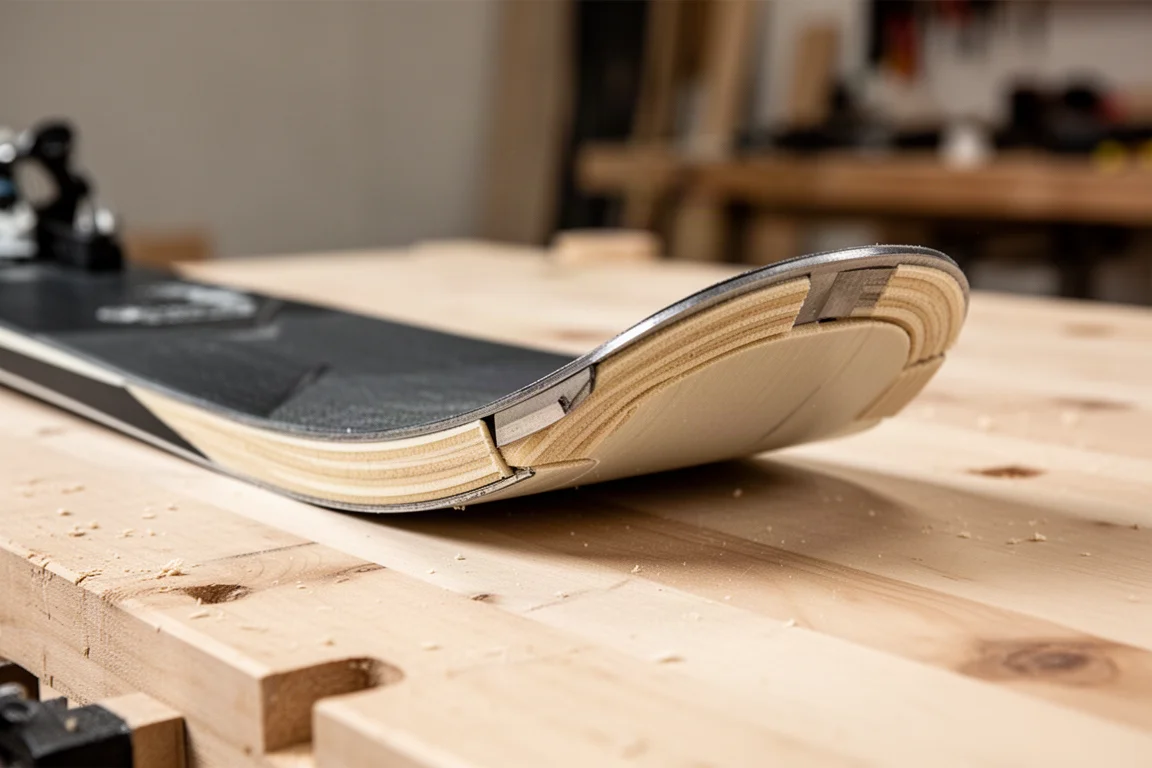
The practical result is a ski that flexes in a way that feels familiar next to other wide freeride models, but with less weight behind it. The aramid also pays off at the edge: when the ski is put on edge, the energy transfer into the turn is direct, so the ski responds without a vague, delayed feeling.
Shape, Rocker, and Turn Radius
The profile is deliberately freeride-oriented. The tip rocker is long, starting just below where the cap transitions into the sidewall, and it carries decent splay for a spoony, floaty front end. The tail rocker is a little shorter and noticeably lower, with less splay, which gives the ski a more directional personality while keeping it playful.
The taper follows the same logic. The widest point of the tail drops closer to the midfoot, which tightens the effective turn radius and creates a looser, more playful feel behind the binding. Combined with the rounded tail shape, the ski releases easily at the end of a turn and stays predictable when you want to pivot rather than carve.
The overall geometry adds up to a ski that drifts and smears through soft snow and stays composed at speed, but still tracks with intent when you commit to an edge. That mix of a directional front end and a freeride-ready tail is what lets the Vision 118 move between deep-snow slashing and more deliberate, driven turns.
Things to Consider Before Buying
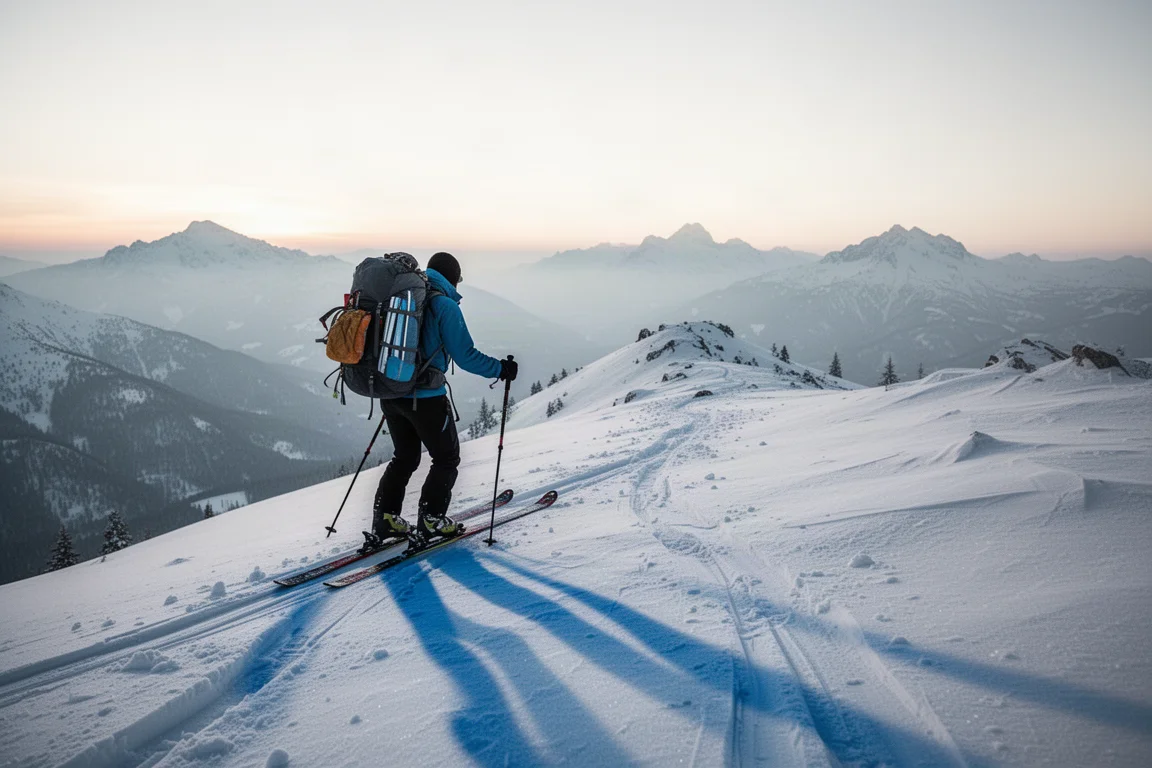
Touring is possible but not the ski’s natural home. A touring binding can be mounted, and the low weight makes going uphill realistic, but a 118 mm platform is a lot of ski to push up a skin track. Riders who plan to earn most of their turns will find narrower options more efficient.
It is also worth being honest about the ski’s personality. The Vision 118 has a more directional character than the bigger freeride twins that many riders use for switch and park-adjacent skiing. The tail shape does open up backcountry freestyle riding, so it is not strictly a one-way ski, but it leans toward forward-facing, soft-snow use.
Finally, this is the heaviest of the three Vision widths. That is a consequence of the extra surface area rather than a design flaw, but if you are coming from a narrower Vision model, expect a little more mass underfoot.
None of these points disqualify the ski. They simply define the conditions where it makes the most sense, and the riders most likely to be happy with it.
Buying Advice
The Vision 118 is easy to recommend to a specific buyer: someone who prioritizes deep and soft snow, wants a wide platform, and does not want to pay for that width with a heavy, dead-feeling ski. The combination of the partly cloudy core and the carbon-and-aramid laminate is what makes the difference here, and it shows up in how lively the ski feels for its dimensions.
If powder and soft snow are the point of your season, this is a straightforward choice. If instead you want one ski that handles firmer conditions more readily, the narrower Vision widths share the same construction and overall feel, so the family offers a logical path down in size without losing the character that makes the line distinctive.
Whichever width you choose, think about how you actually ski most days and match the waist to that reality rather than to the deepest day you hope for. The Vision 118 is at its best when the snow is soft and the terrain invites you to drift, smear, and slash your way down.
Conclusion
The Line Vision 118 is a wide freeride ski that refuses to feel heavy. A 118 mm waist and a 19.5 m turn radius give it the float and maneuverability the category demands, while the maple and paulownia core and the triple hybrid fiberglass laminate keep the weight at roughly 1,876 grams in the 183 cm length. Long tip rocker, a lower tail rocker, and a tapered tail round out a shape that drifts, smears, and slashes with confidence in soft snow.
It is not a dedicated touring ski and it is not the most park-oriented twin in its class, but it does not pretend to be. For riders whose best days happen in powder, it delivers the float of a big ski with a fraction of the heft.
Product link
View more details for Line Vision 118
This product is mentioned in the review. Check the specifications, options, and compatibility before buying.
View more details for Line Vision 118Further reading
Related Reviews

Skis
Armada Anti Matter 82 W Review: A Light, Approachable All-Mountain Carver
Armada's Anti Matter 82 W pairs a lightweight Karuba and carbon build with an easygoing all-mountain shape, aimed at intermediates through lighter-footed advanced skiers.

Skis
Armada Anti Matter 88W Review: A Light, Playful 88mm All-Mountain Ski Plus Two Alternatives
The Armada Anti Matter 88W returns unchanged in spirit from its Reliance 88C days, and it remains one of the most versatile 88mm skis around. We also look at the Nordica Santa Ana 87 and Anti Matter 92 W as alternatives.

Skis
Armada ARV 100 vs Atomic Bent 100: Which 100mm Freestyle Ski Should You Buy?
Two of the best all-mountain freestyle skis of the season compared: one leans playful and park-ready, the other holds up better everywhere else.