Skis
Line Poisson Review: A One-of-a-Kind 110mm Freeride Ski
Line's new Poisson blends elements from the Sakana, Pescado, and Blade into a 110mm ski built for aggressive, fall line skiing with a creative mindset.
Introduction
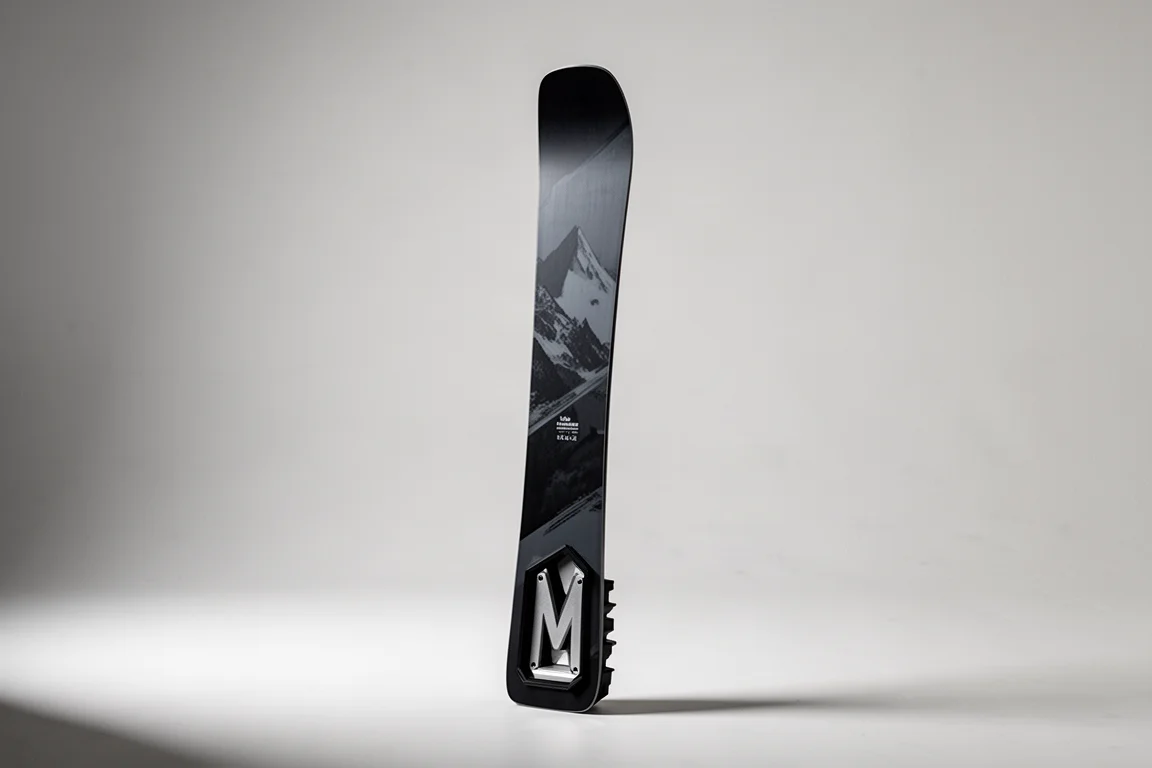
The Line Poisson is a new 110mm freeride ski that resists easy categorization. You can think of it as a blend of the Line Sakana, Pescado, and Blade, or as an entirely new and unique ski. Either interpretation works, because it borrows a lot of ideas from other Line skis but combines them in its own manner. Within Line’s lineup and across the ski industry as a whole, it genuinely feels one of a kind.
Construction and On-Snow Feel
The Poisson is built around an aspen wood core paired with what Line calls the gas pedal metal laminate. This is where the influence of the Blade shows up: a central spine of metal runs down the middle of the ski, not full tip to tail, with branch-like extensions reaching out to the edges. The result looks something like fish bones, and it provides a distinct level of torsional stiffness.
There is noticeably more metal in this laminate than in the Blade or the Optic, which makes the ski feel damper and sturdier. That translates into a ski built for speed and aggressive, fall line skiing on big mountains.
Stepped Tail and Shape
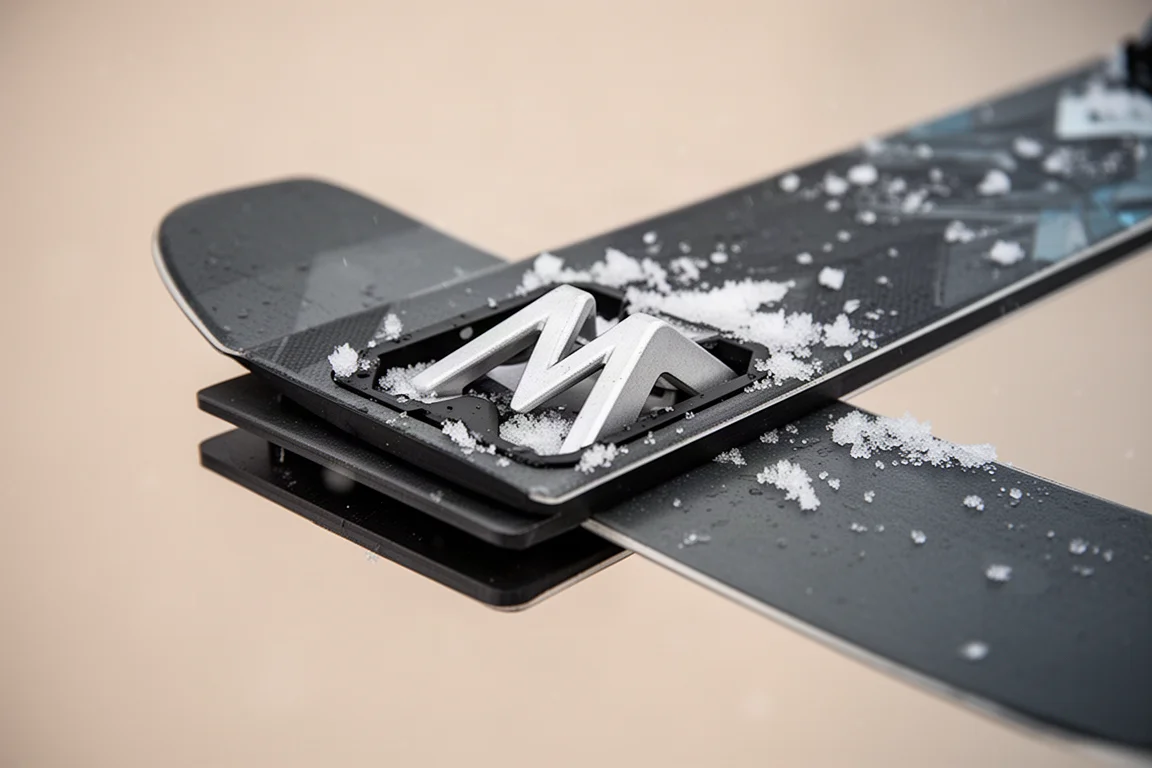
The tail is one of the most distinctive features. It has a stepped design with two distinct levels leading to an M-shaped aluminum insert. It is not really a swallow tail in the way the Sakana or Pescado use one, and sits more in Blade territory where the tail is not terribly functional. You could argue that snow filters through the opening and gives the tail a bit more mobility and playfulness, but the stepped tail itself is what makes the bigger difference in smoothness. The concept borrows from surfing and other aquatic sports, and it holds up well to snow too.
Shape and Profile
The dimensions are 144mm at the tip, 110mm underfoot, and 132mm at the tail, making for a fairly directional freeride ski. There is a bit of camber underfoot but not a lot, along with a longer tip rocker that stays low and smooth before becoming more dramatic further back. The taper is dropped well back into the ski, which helps flotation, particularly since the ski is not terribly flexible. Tail rocker is pretty low for a 110, with not much splay in the back.
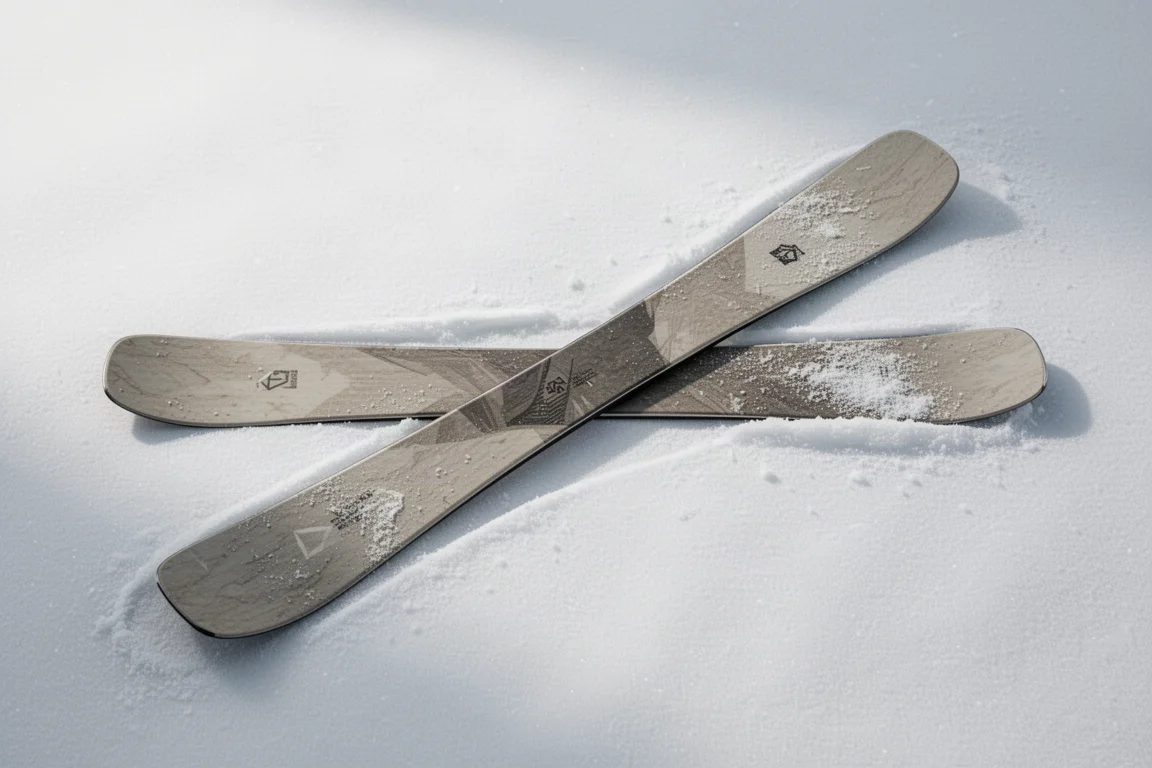
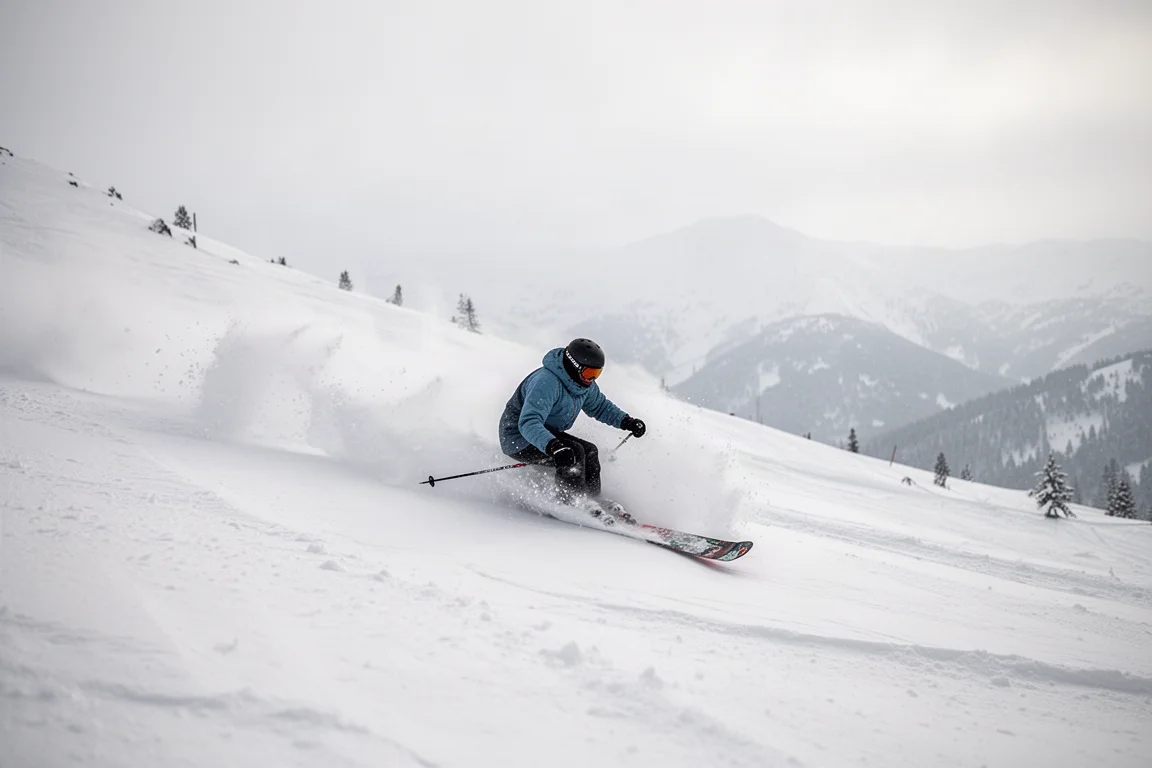
At 179cm, our test ski weighed 2,182 grams. They feel fairly heavy and are not the quickest from edge to edge. Instead, they like to be rolled over, producing a more smeary, slurry feel that suits the surfy character of the build.
Who the Line Poisson Is For
Flex is mid-range overall, with the metal-driven torsional stiffness being the standout trait. This is not the easiest ski to get along with. It demands reasonable expectations, because it is not terribly reactive, precise, or energetic. Some 110mm skis can carve clean, deep turns; the Poisson prefers to play in variation rather than rhythm.
The easiest way to get along with it is to check your ego and your expectations, ditch your poles and your timing, and let the ski take you on a journey. Skiers who approach it like a conventional directional 110 will find it feels strange. Creative-minded skiers, on the other hand, are likely to get along with it very well.
Buying Advice
If you want a 110mm ski that charges straight down the fall line on big mountains and rewards a loose, surfy approach over rhythmic carved turns, the Poisson makes a compelling case. If you value precision and quick edge-to-edge transitions above all, there are more conventional options in this width category.
Conclusion
The Line Poisson is a genuinely distinctive ski that blends Line’s own design ideas into something new. It is demanding, heavy, and unconventional, but for creative skiers who embrace its surfy, fall line character, it opens up a style of skiing that few other 110mm skis can match.
Product link
View more details for Line Poisson
This product is mentioned in the review. Check the specifications, options, and compatibility before buying.
View more details for Line PoissonFurther reading
Related Reviews

Skis
Armada Anti Matter 82 W Review: A Light, Approachable All-Mountain Carver
Armada's Anti Matter 82 W pairs a lightweight Karuba and carbon build with an easygoing all-mountain shape, aimed at intermediates through lighter-footed advanced skiers.

Skis
Armada Anti Matter 88W Review: A Light, Playful 88mm All-Mountain Ski Plus Two Alternatives
The Armada Anti Matter 88W returns unchanged in spirit from its Reliance 88C days, and it remains one of the most versatile 88mm skis around. We also look at the Nordica Santa Ana 87 and Anti Matter 92 W as alternatives.

Skis
Armada ARV 100 vs Atomic Bent 100: Which 100mm Freestyle Ski Should You Buy?
Two of the best all-mountain freestyle skis of the season compared: one leans playful and park-ready, the other holds up better everywhere else.