Ski Reviews
LINE Pescado vs LINE Sakana: Two Skis Built for a Surfy Style of Skiing
Two powdery-day and all-mountain skis from the same family, both sporting a fishtail design that changes how turns, landings, and powder runs feel.
Introduction
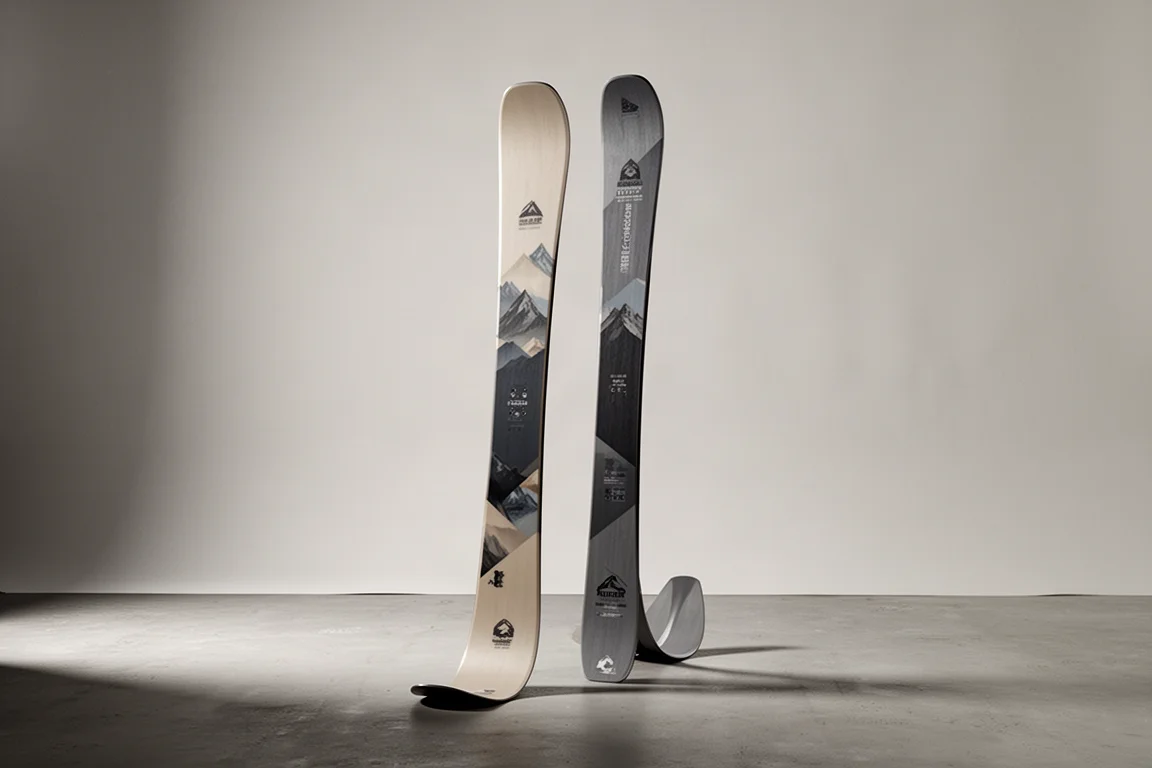
LINE offers two skis that come from the same family: the Pescado and the Sakana. Both feature a fishtail design and are built for fun, flowing turns, but they serve noticeably different riders. The Pescado is essentially a wider version of the Sakana, and where the Sakana leans toward being a more versatile all-rounder, the Pescado is aimed squarely at those deep powder days. Here is how the two compare and who each one makes sense for.
LINE Pescado: A Daily Driver for Deep Days
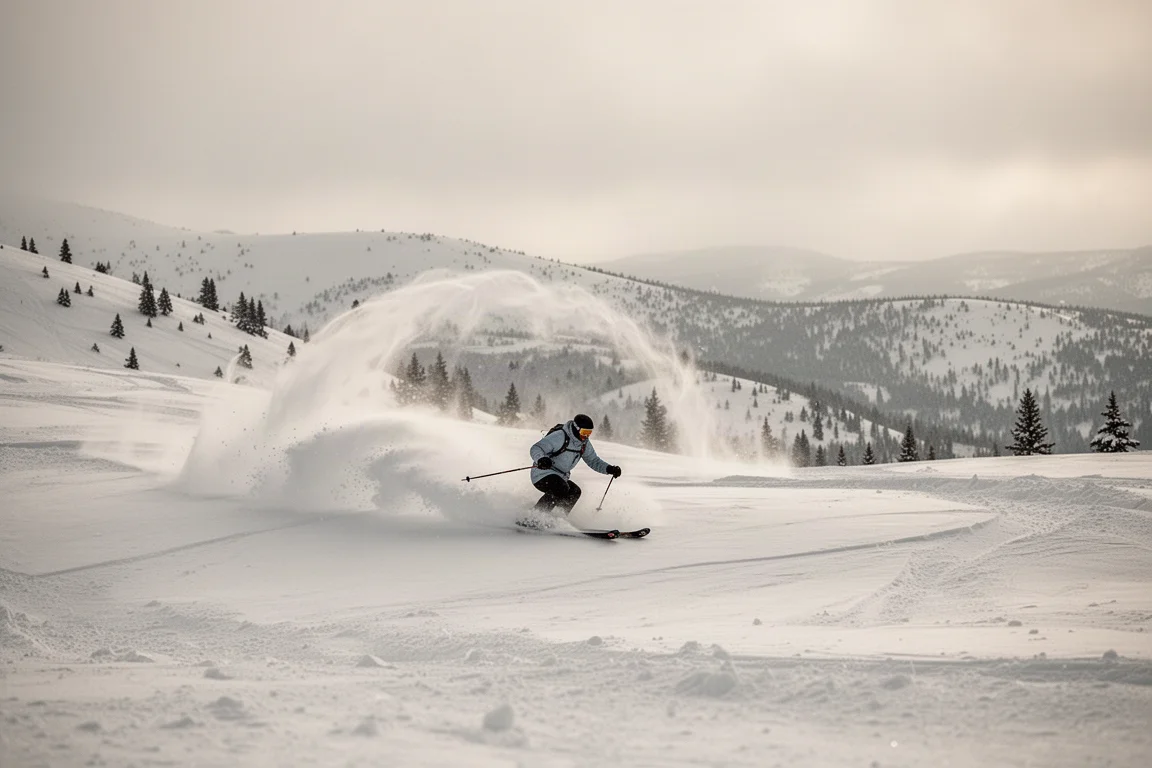
The Pescado is described as a daily driver, the kind of ski someone rides every day in the backcountry, on snowmobile-accessed lines, at the resort, and everything in between. It really likes to surf down the mountain, rewarding riders who look for wind waves to slash and rollers to pop over.
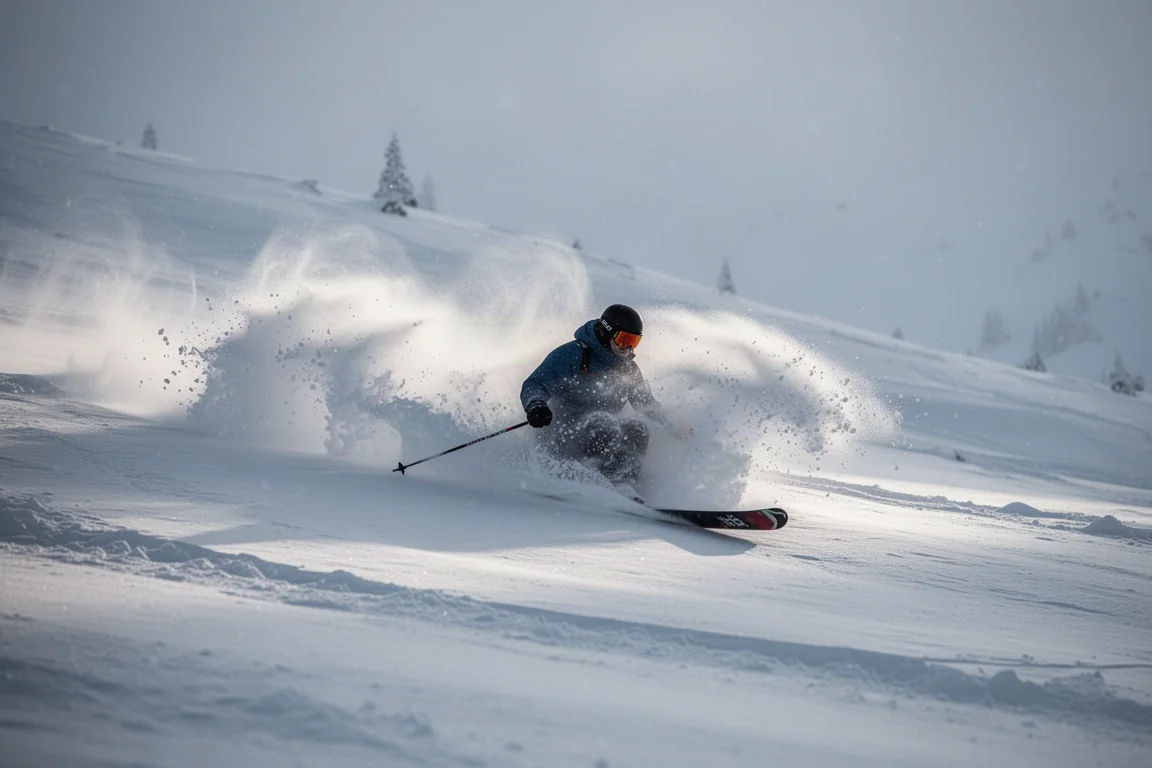
That surf feeling on snow is the defining trait. The swallow tail and shorter tail in general bring challenges that are genuinely fun to work with, including no sputtering in powder and even the ability to land switch in pow. It changes the perspective on skiing a bit, and that is exactly the appeal.
What the Swallow Tail Actually Does
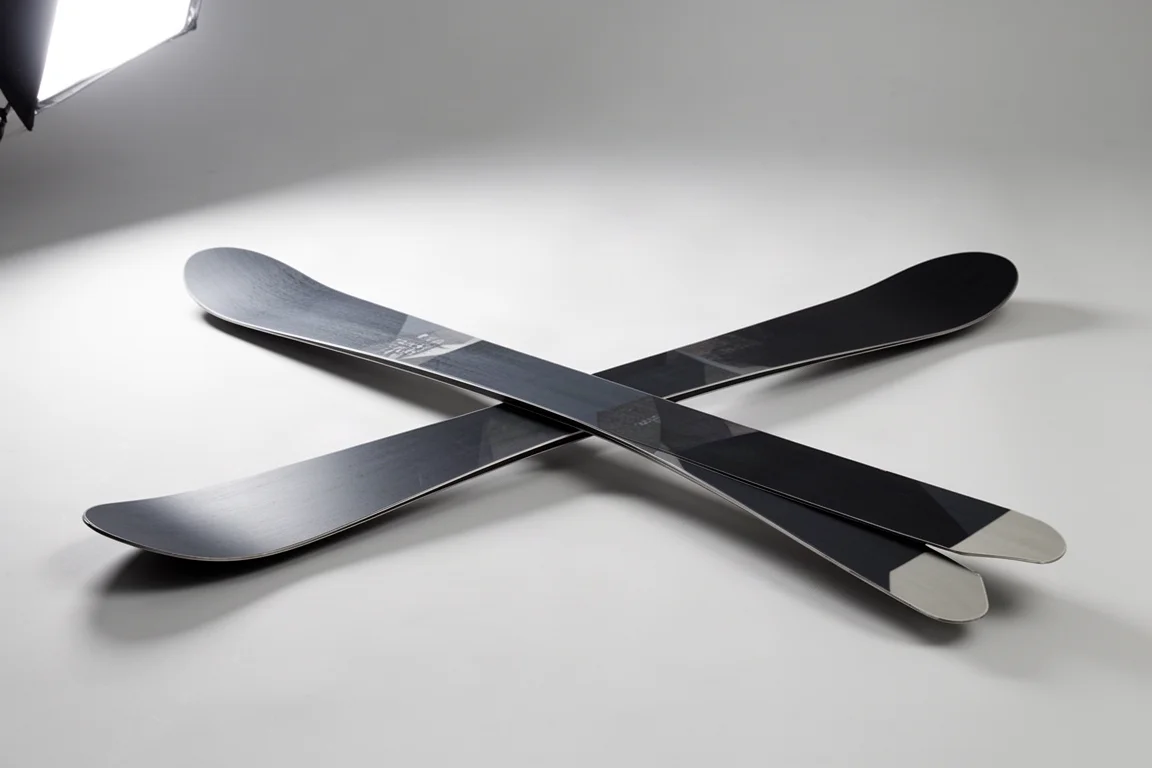
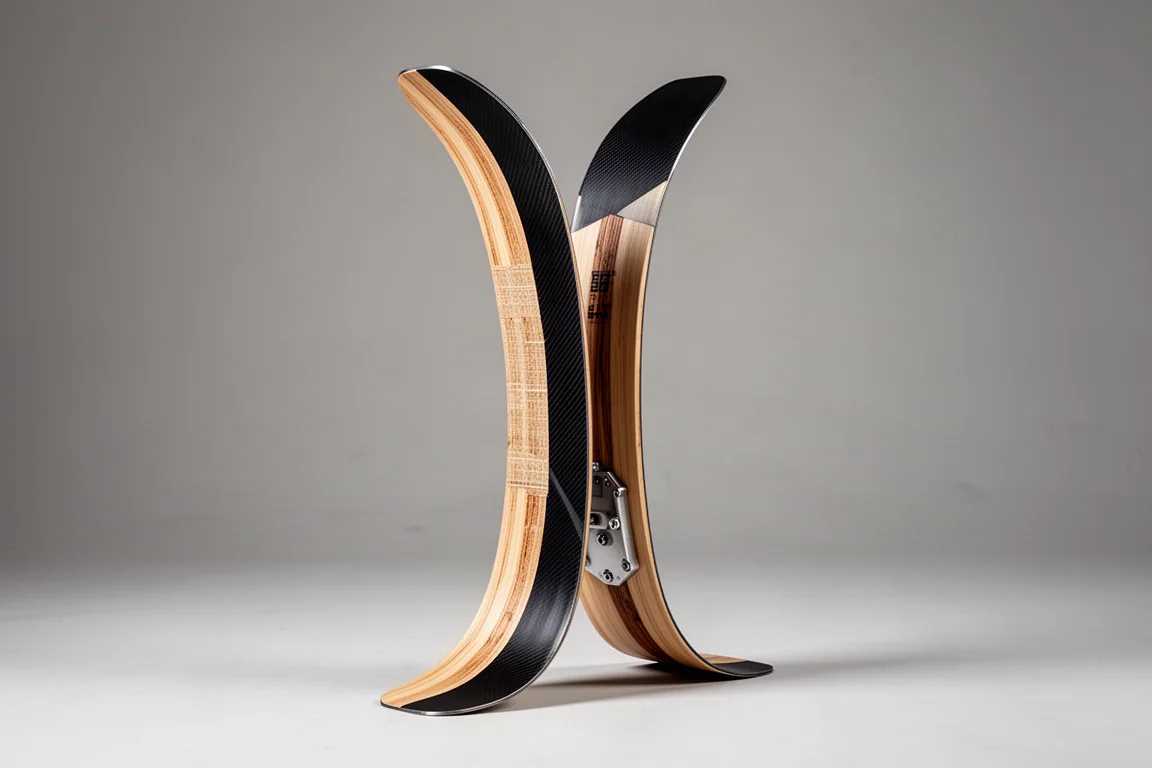
The swallow tail is not just a stylistic flourish. It allows the ski to float when you land in powder. Because the tail has less resistance, it sinks into soft snow, letting your tips stay up so you can keep railing turns out of big air in the powder. The comparison offered is that it rides like a motorboat for the powder.
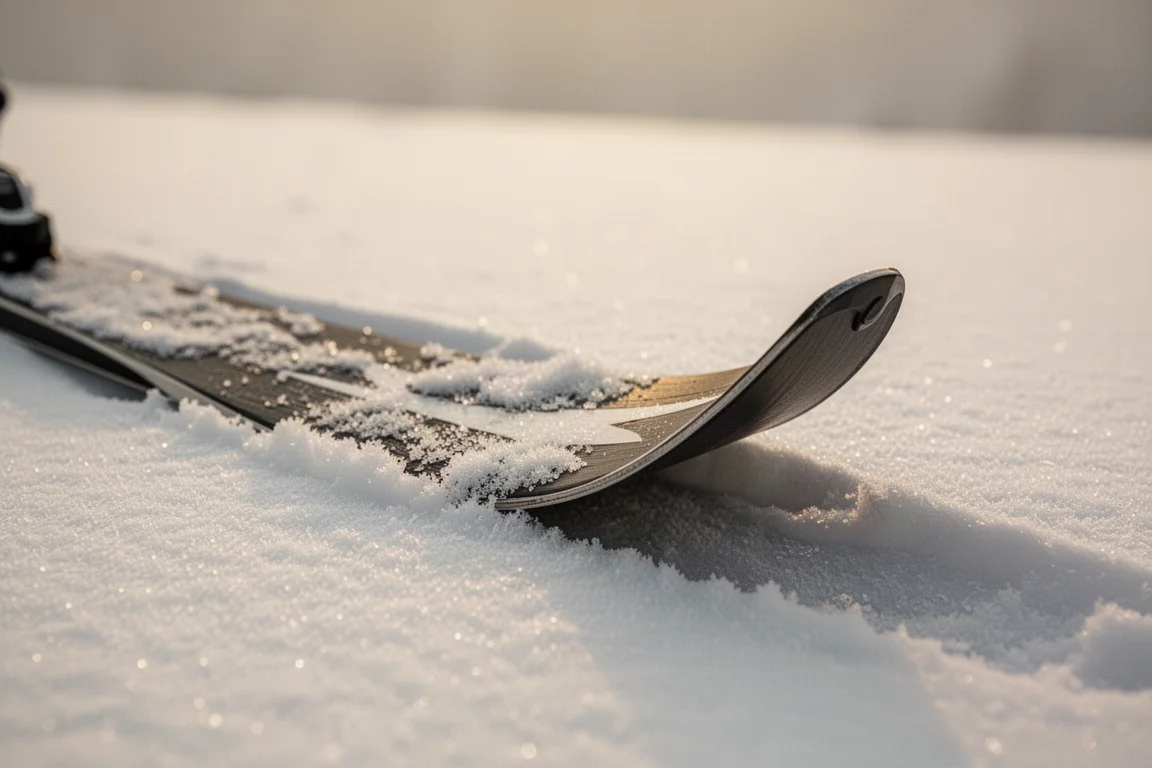
In practical terms, this design favors skiers who land jumps, slash turns, and want the tail to release cleanly in soft snow rather than hold them back. If your skiing is mostly fast, aggressive carving on hardpack, this trade-off deserves thought before buying.
LINE Sakana: The All-Rounder of the Family
The Sakana shares the fishtail family DNA with the Pescado, and both skis are fun for turning. The key difference is positioning: where the Pescado is built for deep days, the Sakana is a bit more of an all-rounder, making it the pick if you want one ski that handles a wider mix of conditions rather than being specialized for powder.
If most of your season involves a blend of resort laps, sidecountry laps, and the occasional powder day, the Sakana’s broader intentions likely make it the more practical choice of the two.
Riding Style and Groomer Performance
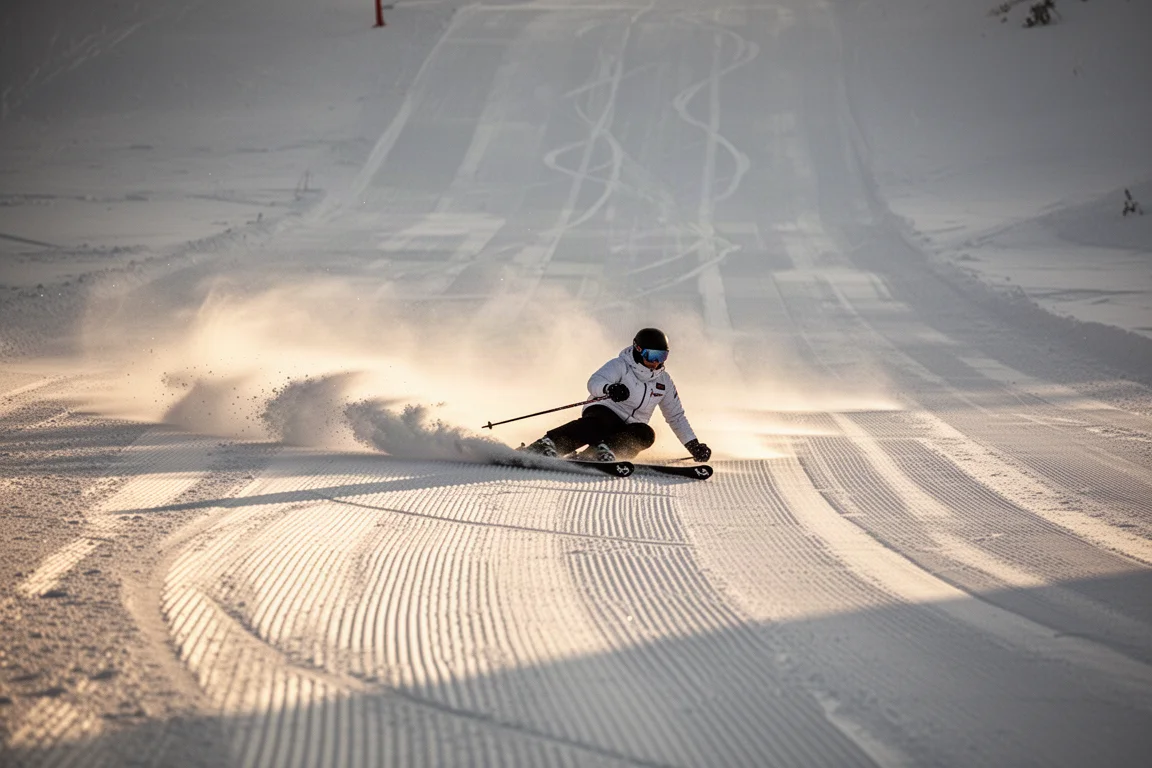
An interesting detail about the Pescado is that it is not only a powder toy. Riding the chairlift at the ski hill, the rider notes loving to cruise the groomers on it. It has a wicked sidecut, and the turn radius really allows you to flow with the mountain and ride all the terrain you find on the way down in a genuinely surfy style.
That combination matters for buyers: a wide powder-oriented ski that still carves groomers well is rare, and it means the Pescado can justify its place as an everyday ski rather than a quiver piece that only comes out after storms.
Choosing Between Them
The decision comes down to how you spend your days on snow. If deep powder, backcountry laps, and slashing wind waves are the priority, the Pescado is the more focused tool, and its groomer manners mean it will not punish you on the way back to the lift. If you want the same fishtail character in a package that is a bit more of an all-rounder, the Sakana is the family member built for that balance.
Both skis reward a flowing, surfy approach to skiing rather than a rigid race-style technique, so consider whether that style matches how you actually like to ride before committing.
Conclusion
The LINE Pescado and Sakana share a swallow-tail design philosophy that turns powder landings, switch landings, and surfy turns into the whole point of the ski. The Pescado goes wider and deeper-day focused while still cruising groomers with a strong sidecut, and the Sakana keeps the same family feel in a more all-round package. Pick based on where your snow falls deepest.
Further reading
Related Reviews
Ski Reviews
Armada Antimatter 108 Review: A Freeride Ski Built for Speed and Deeper Snow
The Armada Antimatter 108 carries over the beloved Declivity X 108 shape with new construction that adds compliance in soft snow and composure in crud, aimed squarely at strong, aggressive skiers.
Ski Reviews
Armada Antimatter 92 vs Invictus 92: Two All-Mountain Skis Compared
A closer look at two Armada all-mountain skis, one playful and nimble, the other composed and smooth, to help you pick the right one for your skiing.
Ski Reviews
Armada Antimatter 92W Review: A Smoother Take on a Proven All-Mountain Footprint
The Antimatter 92W keeps the trusted Reliance 92Ti footprint but softens the ride with a new metal construction, making it more versatile in softer snow without losing on-trail grip.