Skis
Line Pandora 99 (2026) Review: A Playful Freeride Ski With a Freestyle Streak
A flexible, metal-free freeride ski that floats, drifts, and stays agile, with a few trade-offs worth weighing before you buy.
Introduction
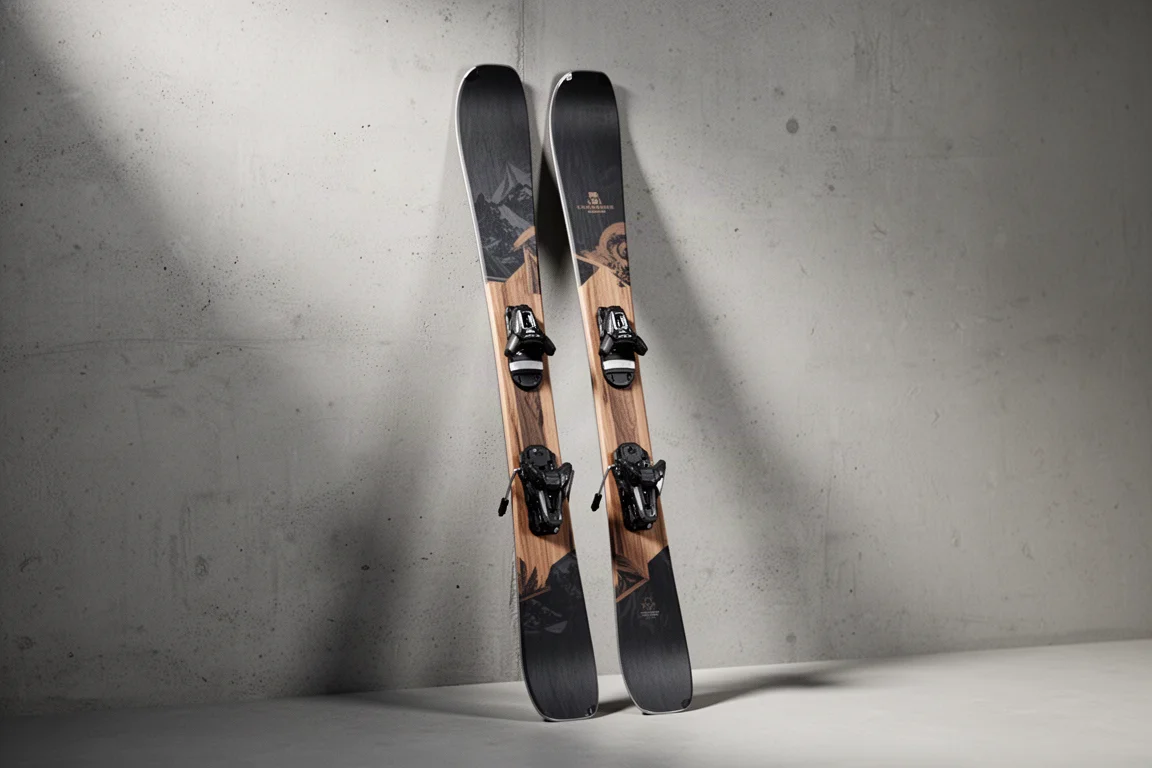
The Line Pandora 99 carries over into 2026 with the same structure as the previous season, paired with a new graphic. That matters for buyers: anyone who already owns the outgoing version is looking at a cosmetic change rather than a redesign, while anyone shopping fresh gets the same ski that has built its reputation over the past year.
At roughly a 99 mm waist, the Pandora 99 sits in a crowded part of the market where skis tend to lean either toward all-mountain versatility or toward freeride personality. This one lands firmly on the freeride side, and that lean is visible in its shape, its construction, and the way it behaves on snow.
Who the Line Pandora 99 Is For
The Pandora 99 is a flexible, relatively light ski with no metal in its build. That combination shapes its strengths and its limits. It will not carve as sharply on groomers as a metal-laminate all-mountain ski, but it floats well, moves easily underfoot, and stays remarkably agile.
Its shape tilts toward a twin tip layout, applied in a directional capacity rather than a pure park format. That makes it a natural fit for riders who are park curious and want to fold a freestyle element into their ski days, whether that means resort features or natural hits in softer snow.
It suits intermediates who want a wider option to grow into, and it also works for advanced and expert skiers who want something playful and fun rather than demanding.
Shape, Rocker, and Flex Profile
There is not a lot of camber underfoot here. The flatter a ski sits overall, the smoother and driftier it feels, and the easier it is to throw sideways. Softer flex in the tips and tails reinforces that quality, so getting creative with the ski takes very little effort.
The tip uses a long, low rocker that runs well down the length of the ski without much play. That gradual rise is what produces the surfy, freeride feel in softer snow. Early taper is present but does not extend far down the ski, which preserves a longer effective edge. The stated turn radius is 18 m, on the longer side for this width.
The tail tells a different story. It has a twin tip shape and a long low rocker that is less gradual and less consistent, staying low before jutting out at the end. That gives just enough twin tip character to support freestyle riding without turning the ski into a dedicated park tool.
Main Strengths
Float is the headline. The long, low tip rocker and the softer tip and tail flex let the ski plane in soft snow, and the flat underfoot profile keeps it drifty and easy to pivot.
Agility is close behind. A vertical sidewall runs through most of the ski before transitioning to cap at the very ends, which supports that quick, mobile feel. Despite the damp, planted sensation when you first skate toward the lift, the ski comes alive as speed builds and stays composed across a wide range of conditions.
The flex is even and fun, and the overall package is versatile. Very few skis at this width blend all-mountain freeride capability with a freestyle component this smoothly, and that blend is what separates the Pandora 99 from others in the category.
Things to Consider Before Buying
The absence of metal is the most important trade-off. Without it, the ski will not carve as well on groomers as a stiffer, metal-laminate alternative, so riders who spend most of their time on hardpack should factor that in.
Weight is the second consideration. The 170 cm length measured 1,765 g, roughly 150 g more than the narrower 92 model. The 99 is also slightly stiffer than the 92, and that stiffness is a genuine uptick, though it may not be obvious from how flexible the ski still feels. The extra weight and stiffness help when you want to push harder through adverse conditions and terrain, but they are a real difference if you are moving up from a lighter ski.
The 18 m turn radius is also worth noting for anyone who prefers tight, short-radius turns.
Construction, Weight, and Stiffness
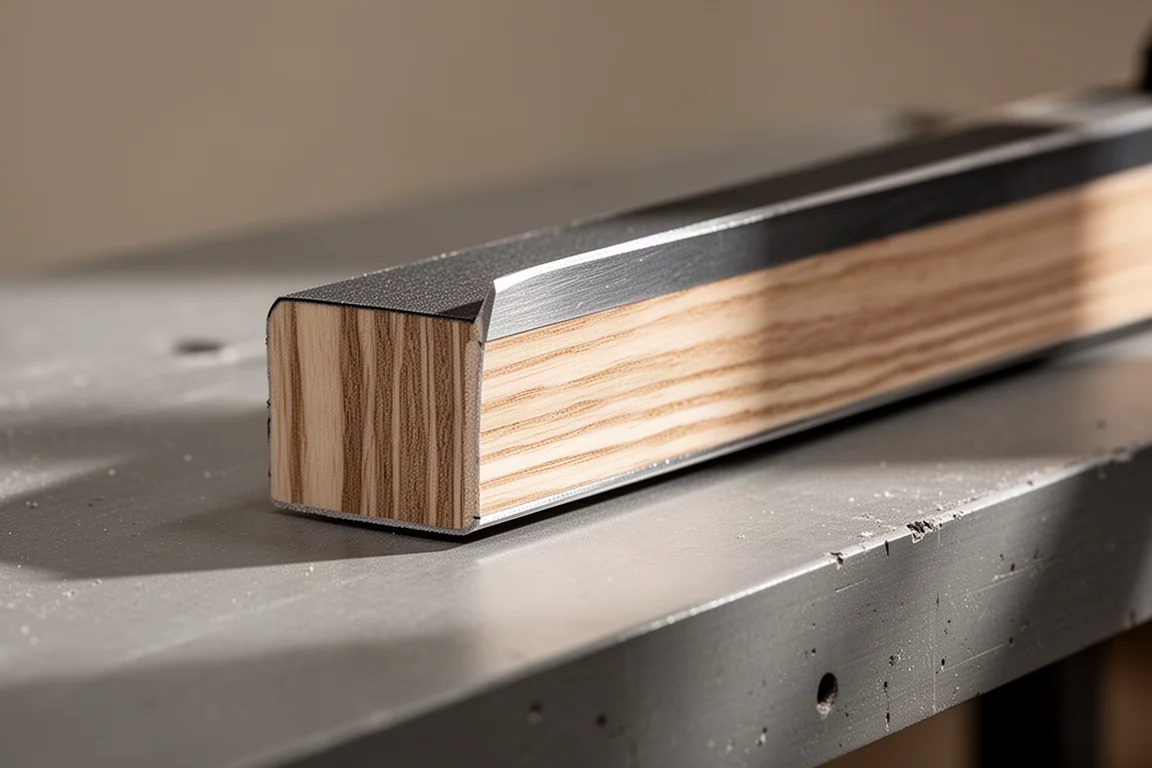
An aspen wood core forms the base of the build. From there, the Pandora 99 uses thick cut sidewalls that extend further into the ski than the 92, which is the key construction difference between the two models. Think of a sidewall as a vertical laminate inside the core: adding thickness adds strength and power, and it also adds dampness and stability.
The vertical sidewall occupies most of the ski and then transitions to cap at the very ends, a detail that contributes to the ski’s agile nature. On the scale, the 170 cm length came in at 1,765 g, a bump of about 150 g over the 92.
Where It Sits in the Line Range
Line built its reputation on twin tip, freestyle, and park skis, and the brand still makes them. The Pandora, the Optic, and more experimental shapes such as the Sakana point in a broader direction.
Within that picture, the Pandora 99 is the wider, freeride-leaning option relative to the 92. The 92 is lighter and less dense in construction, while the 99 adds sidewall thickness, weight, and a slightly firmer flex. Neither approach is better in isolation; they simply serve different priorities.
Buying Advice
Buy the Pandora 99 if you want a playful, floaty ski that rewards a creative approach in soft snow, and if you are comfortable trading some groomer precision for mobility and agility. Intermediates looking for a wider platform and advanced or expert skiers looking for a fun, even-flexing ski are both well served by it.
Look elsewhere if your days are mostly edge-to-edge carving on firm snow, or if you want a stiff, damp, hard-charging directional ski. This is not that ski, and the design is not trying to be.
One practical note: because the 2026 version is structurally unchanged from the previous season, the choice between them comes down to graphics rather than performance. If you are comparing against the narrower 92, the deciding factors are weight, sidewall density, and flex, all of which favor the 99 for softer snow and the 92 for lighter, easier handling.
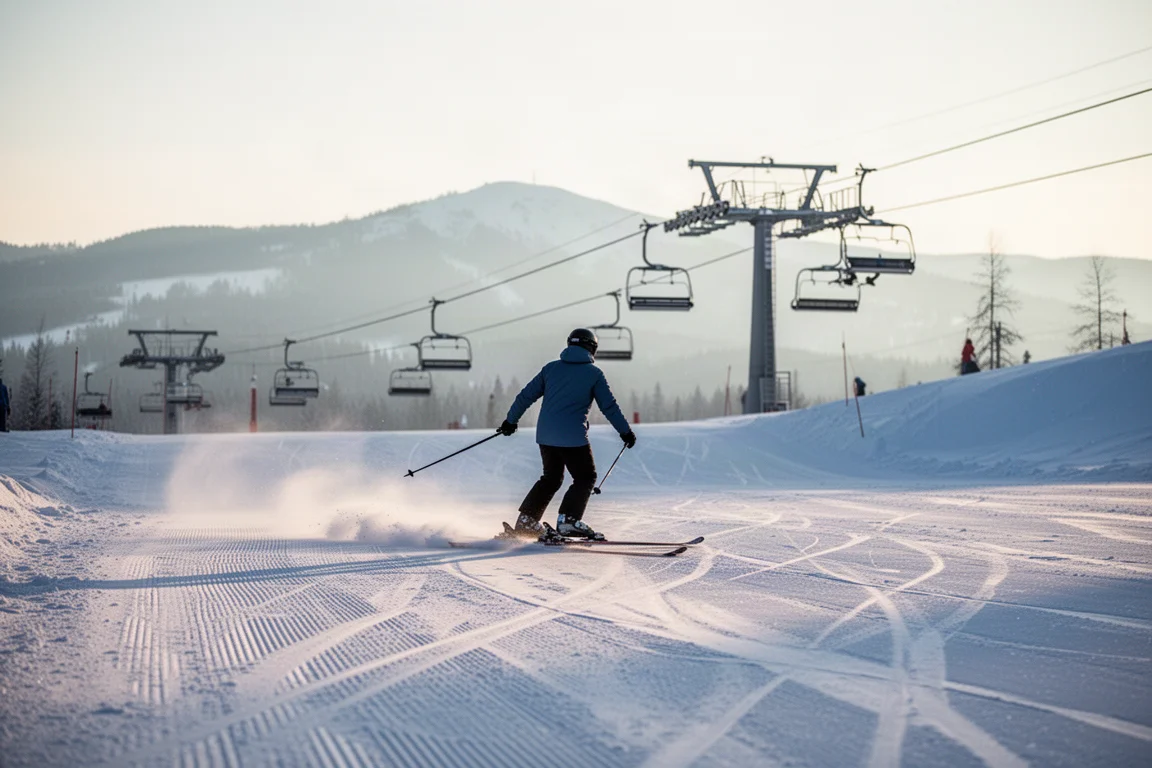
Whatever you choose, match the ski to the snow you actually ride most often. The Pandora 99 is at its best when there is soft snow underfoot and room to be creative.
Conclusion
The Line Pandora 99 is a genuinely versatile freeride ski with a freestyle streak. Its aspen core, thick cut sidewalls, long low tip rocker, and twin tip tail add up to a ski that floats, drifts, and stays easy to move, while the extra weight and stiffness over the 92 give it more to work with when you push the pace.
It is not a groomer carver, and it is not a hard-charging directional ski. Riders who understand that and want a fun, playful, well-rounded option in the 100 mm range will find a lot to like here.
Product link
View more details for Line Pandora 99
This product is mentioned in the review. Check the specifications, options, and compatibility before buying.
View more details for Line Pandora 99Further reading
Related Reviews

Skis
Armada Anti Matter 82 W Review: A Light, Approachable All-Mountain Carver
Armada's Anti Matter 82 W pairs a lightweight Karuba and carbon build with an easygoing all-mountain shape, aimed at intermediates through lighter-footed advanced skiers.

Skis
Armada Anti Matter 88W Review: A Light, Playful 88mm All-Mountain Ski Plus Two Alternatives
The Armada Anti Matter 88W returns unchanged in spirit from its Reliance 88C days, and it remains one of the most versatile 88mm skis around. We also look at the Nordica Santa Ana 87 and Anti Matter 92 W as alternatives.

Skis
Armada ARV 100 vs Atomic Bent 100: Which 100mm Freestyle Ski Should You Buy?
Two of the best all-mountain freestyle skis of the season compared: one leans playful and park-ready, the other holds up better everywhere else.