Ski Reviews
Line Pandora 106, 99 and 92: How the Freeride Line Progresses from Wide to Narrow
The 2027 Line Pandora lineup spans 92, 99, and 106 mm waists, with each width taking on a different personality. Here is how they compare and who each one suits.
Introduction
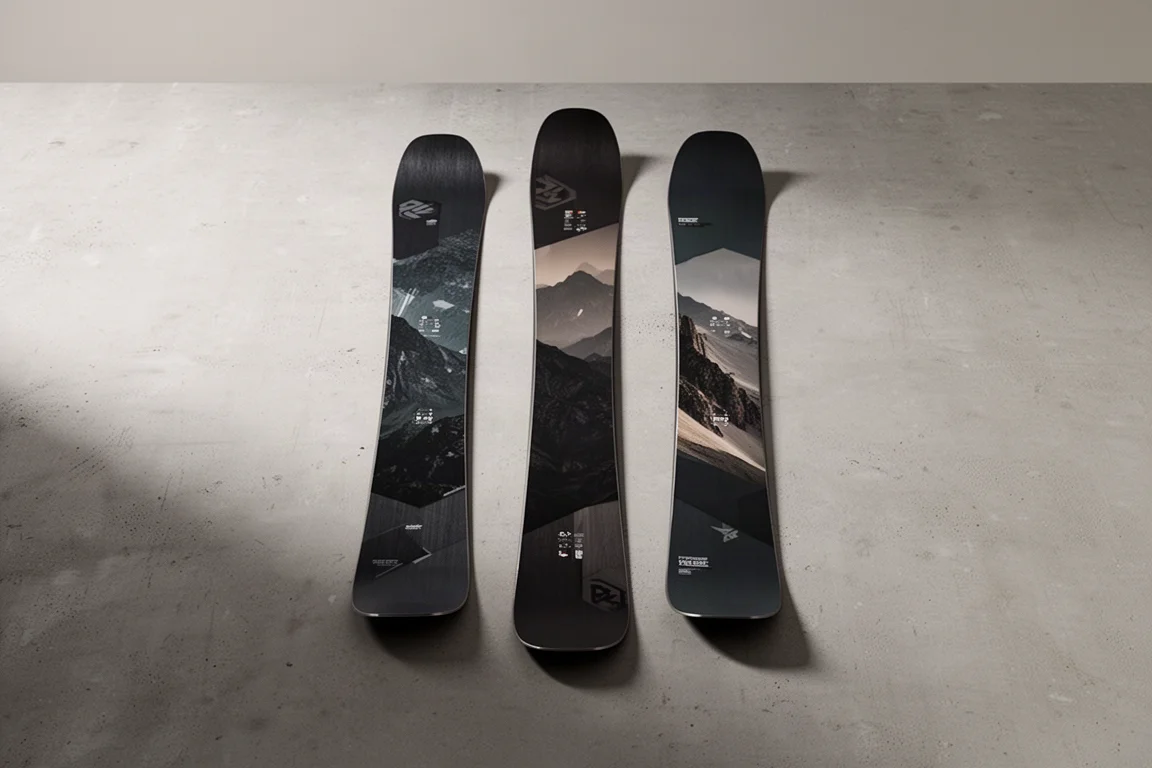
Line’s Pandora series covers a lot of ground: a 92, a 99, and a 106 mm waist, all built around the idea of exploration, adventure, and creative skiing. For 2027, the Pandora 106 returns structurally unchanged apart from a new top sheet, keeping the same shape, profile, and build as in past seasons. The narrower models round out the series for skiers who spend less time in deep snow.
What makes the Pandora line interesting is that the skis do not share one personality. As they get wider, they take on a more aggressive character, which is unusual for a mixed freeride line where most brands maintain the same feel across the range.
How the Pandora Line Progresses
Rather than offering three versions of the same ski, the Pandora range scales with skier ability. The 92 is aimed at intermediate and progressing skiers, the 99 sits in between, and the 106 is the model for advanced and expert-level skiers. As you move up through ability levels, moving to the wider ski within the line makes sense.
That progression is deliberate. Pandora is positioned around exploration and being adventurous and creative, so it follows that the widest ski in the family holds the most potential for that kind of skiing.
Line Pandora 106: The Most Powerful of the Line
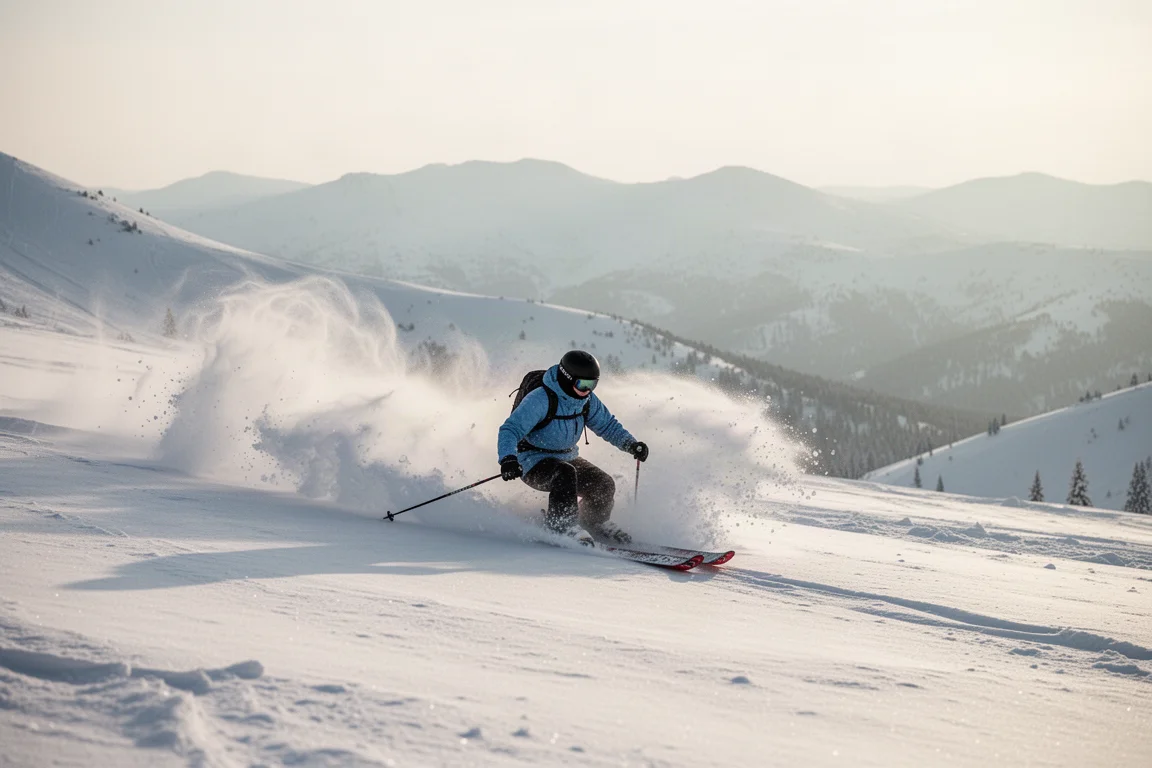
The Pandora 106 stands out as the most powerful and most aggressive of the series, largely because of its mass and volume. It is built with an Aspen wood core and thick cut sidewalls, and Line mills the core thickness to add stability and power in the underfoot zone. That core stays thick for longer in the 106 than in the narrower versions, so there is simply more heft and more wood overall.
Despite that extra mass, the ski keeps Pandora’s insistence on light swing weight in the tips and tails, with a fairly progressive flex in those zones. The ski is a little stiffer in the tail than the 99, and its stiffness extends further than in the narrower models, which translates into more stability and power overall. Even better, it holds up well on firmer snow too.
In the 176 cm length we weighed, it comes in at just over 1,900 g per ski, a figure that reflects both the thicker core and the wider overall platform.
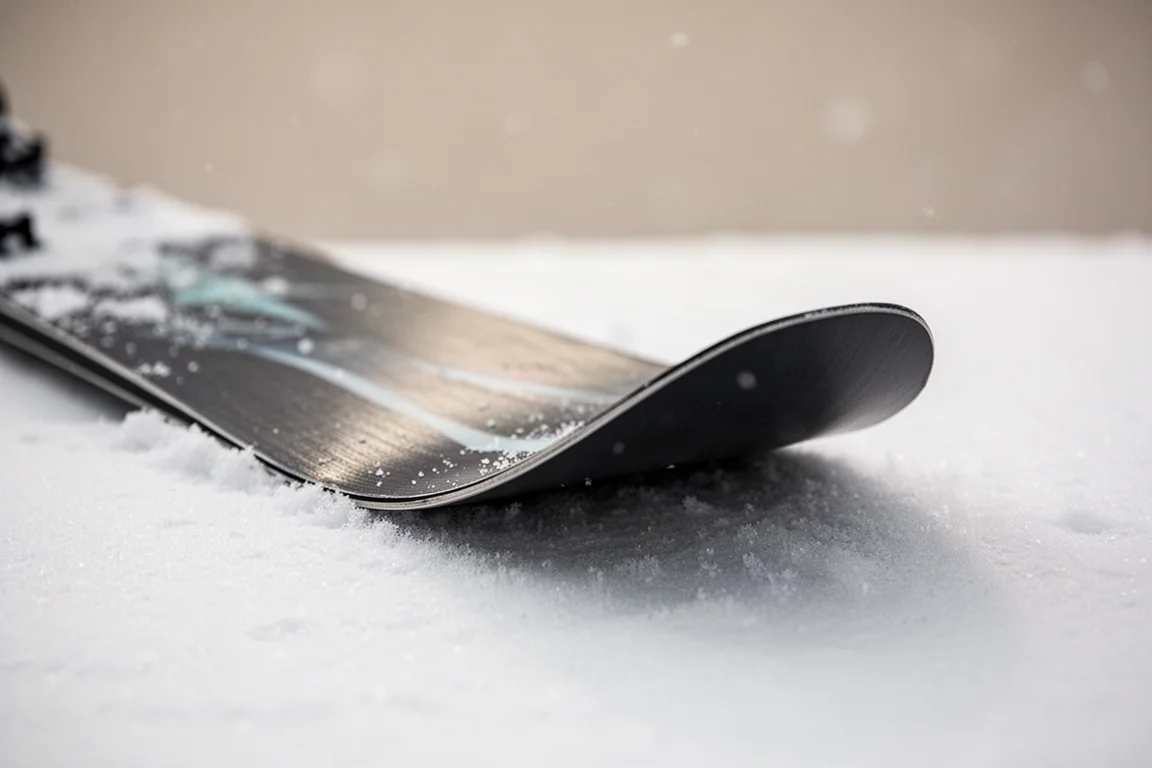
The shape and profile are where the fun starts. There is positive camber underfoot and generous rocker and taper, with the rocker starting well down into the ski. Tip splay is greater here than on the 92 or 99, which each step down in that order. In the tail, rocker is longer, while tail splay is broadly similar across the Pandora line, consistent with Line’s messaging that these skis should be available for freestyle use. The 106 is not a dedicated park ski, but the tail design does not rule out natural features or the occasional park lap.
Tip taper runs well down toward the tip, helping the ski stay up and out of softer snow and pairing well with the 106 mm waist for powder capability. The tail taper is fairly straight, without much bulge, which allows easier steering in soft snow. Measurements show a 9 mm drop from tip to tail taper, versus 10 mm on the 92 and 99, a slight lean toward more multi-directional skiing.
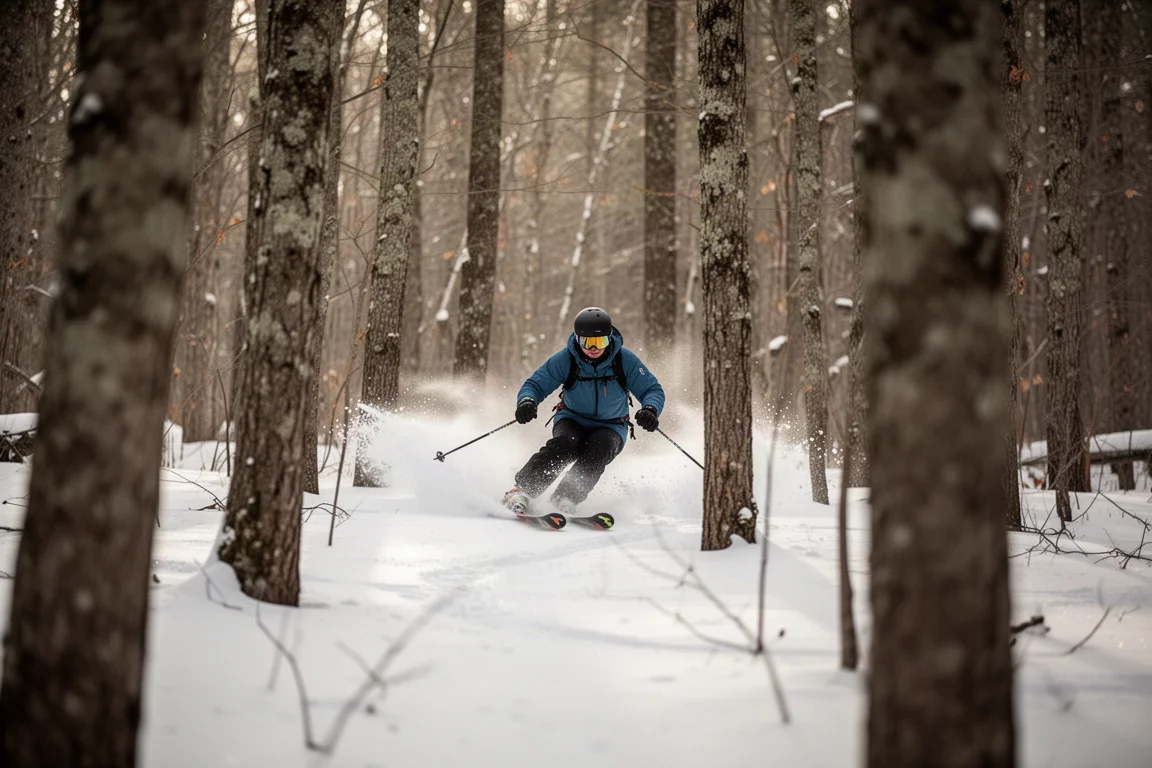
On snow, the 106 has been a highlight over the past two seasons in both firm and soft snow. In the trees in Vermont it steers easily and maneuvers through tight and technical spots, which is where it really shines.
Line Pandora 99: The Middle Ground
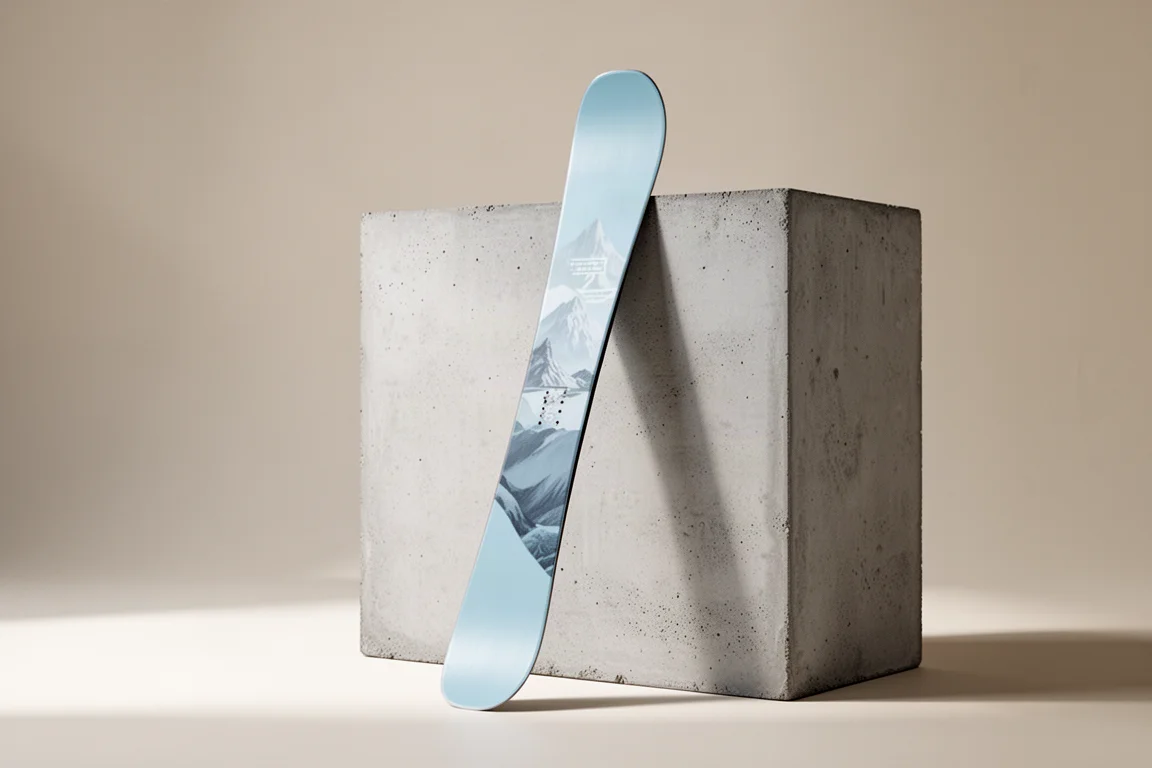
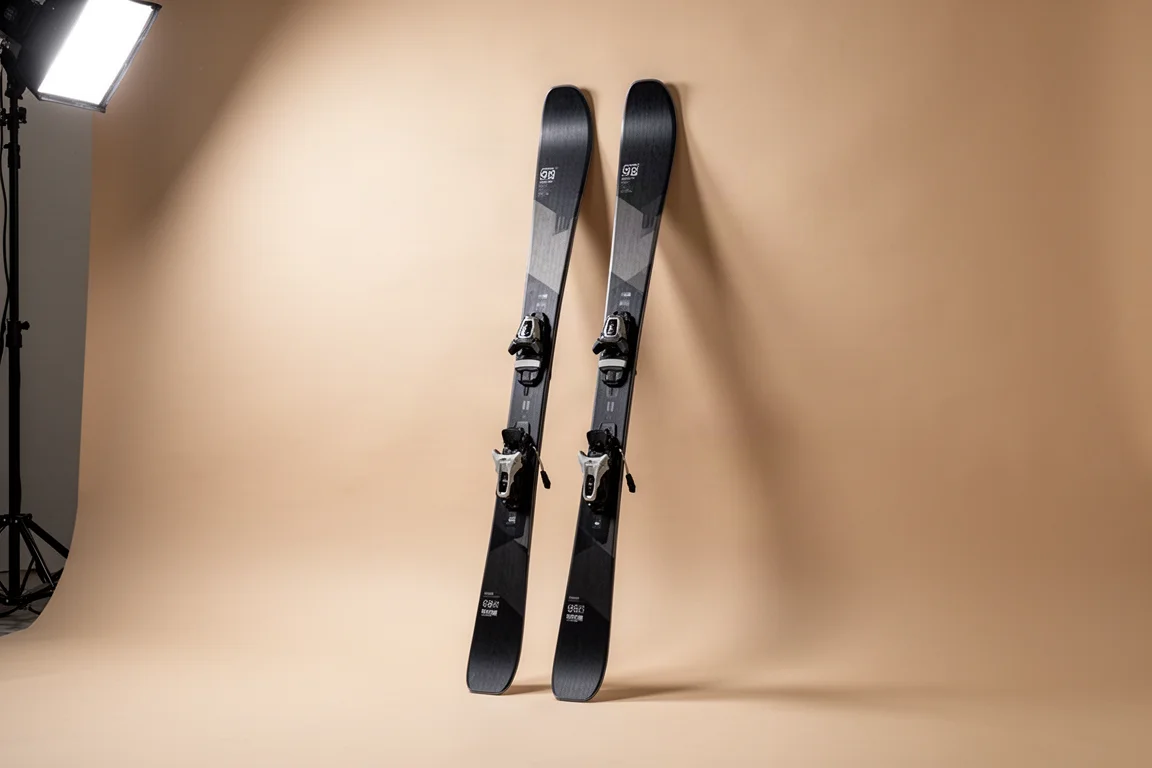
The Pandora 99 occupies the space between the approachable 92 and the more demanding 106. It shares the family’s light swing weight in the tips and tails and a progressive flex in those zones, while the tail is a touch softer than the 106’s. That makes it a reasonable choice for skiers who are moving up through the range but are not yet ready for the heft of the widest model.
Tip splay is more generous than on the 92 but less than on the 106, following the same progression the rest of the series does. Like its siblings, it uses a 10 mm drop from tip to tail taper, keeping the same overall directional balance across the line.
For skiers who want a single freeride ski that handles a mix of conditions without the most aggressive character of the series, the 99 is the natural middle option.
Line Pandora 92: The Entry Point
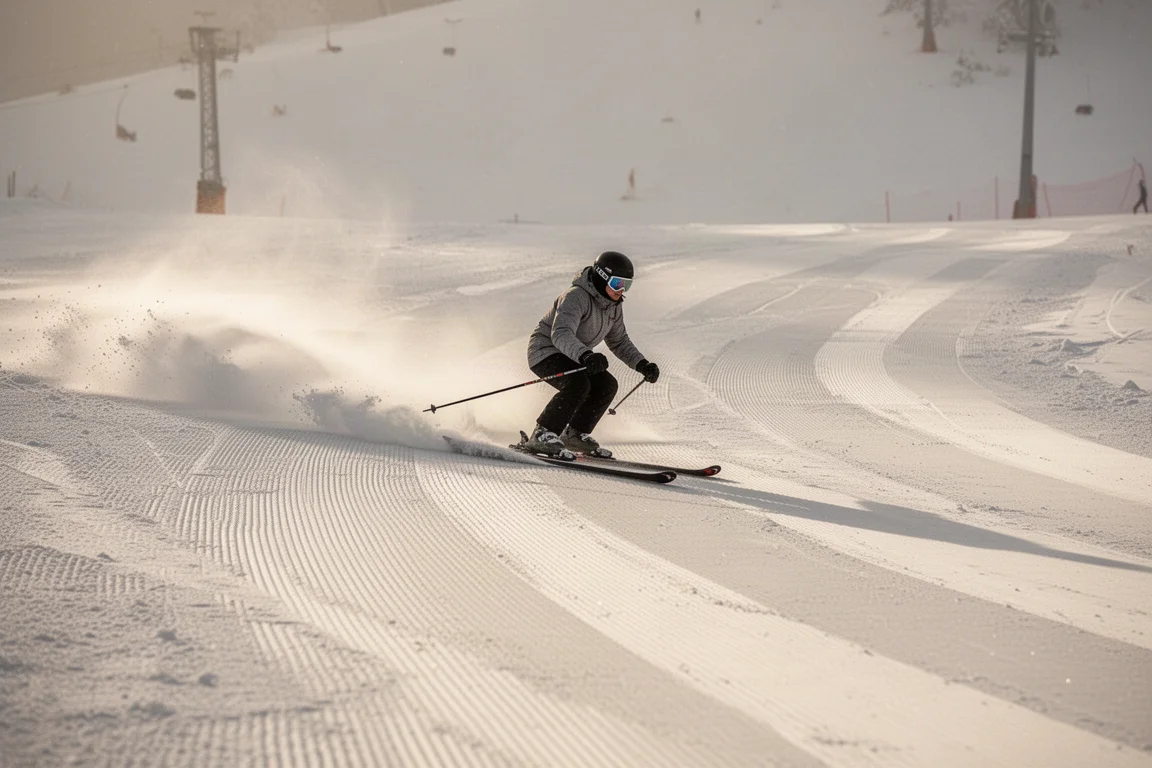
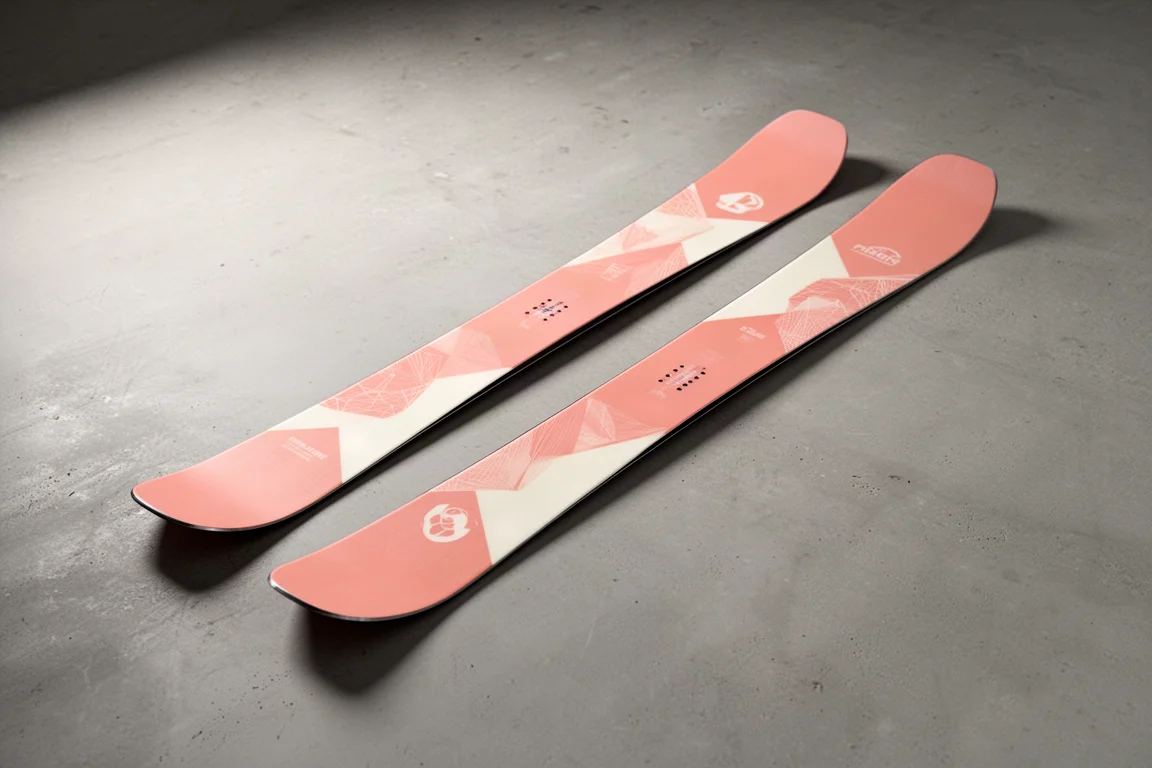
The Pandora 92 is described as the model for intermediate and progressing skiers within the line. It is the narrowest of the three, with the least tip splay of the family, which tracks with its more forgiving personality compared to the wider Pandoras.
It keeps the core traits of the series: the Aspen wood core construction, thick cut sidewalls, light swing weight in the tips and tails, and a progressive flex in those zones. That combination makes it a sensible starting point for skiers who want the Pandora approach to exploration without jumping straight to the most powerful ski in the line.
Which Pandora Should You Buy?
The answer depends mostly on your ability level and where you ski. If you are an advanced or expert skier who wants the most powerful, most stable Pandora capable of handling aggressive skiing in both firm and soft snow, the 106 is the clear pick. It also has a genuine powder-leaning profile thanks to its wide waist, generous tip splay, and deep taper.
If you are progressing through the intermediate ranks, the 92 offers a more approachable way into the family. And if you find yourself between those two positions, the 99 splits the difference with more tip splay than the 92 and a softer, less demanding character than the 106.
Conclusion
The Pandora lineup is one of the few mixed freeride lines where each width genuinely changes character. The 106 delivers the most power and the most capable soft-snow and tree-skiing performance, the 99 balances the range, and the 92 opens the door for progressing skiers. Match the width to your ability level and the snow you actually ski, and each model in the family has a clear, sensible purpose.
Further reading
Related Reviews
Ski Reviews
Armada Antimatter 108 Review: A Freeride Ski Built for Speed and Deeper Snow
The Armada Antimatter 108 carries over the beloved Declivity X 108 shape with new construction that adds compliance in soft snow and composure in crud, aimed squarely at strong, aggressive skiers.
Ski Reviews
Armada Antimatter 92 vs Invictus 92: Two All-Mountain Skis Compared
A closer look at two Armada all-mountain skis, one playful and nimble, the other composed and smooth, to help you pick the right one for your skiing.
Ski Reviews
Armada Antimatter 92W Review: A Smoother Take on a Proven All-Mountain Footprint
The Antimatter 92W keeps the trusted Reliance 92Ti footprint but softens the ride with a new metal construction, making it more versatile in softer snow without losing on-trail grip.