Skis
Line Honey Badger Review: A Light Freestyle Ski Built for Park Progression
The Line Honey Badger returns unchanged for 2026. We look at its aspen core, full cap construction, symmetrical flex, and what the light 1,520 g build means for park riders.
Introduction
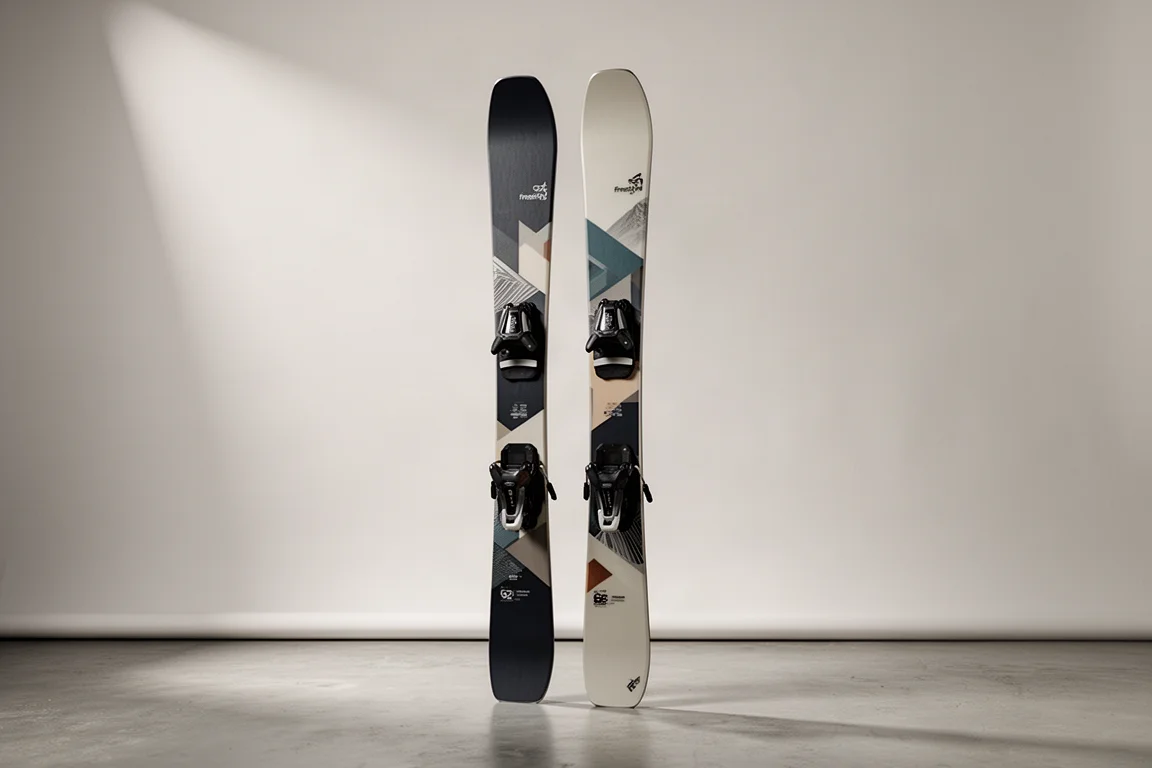
Freestyle skiing becomes far more approachable when the equipment cooperates, and the Line Honey Badger is designed around exactly that idea. It is a freestyle ski that spans a tweener-to-adult size range, and for 2026 it returns unchanged. That continuity says something useful: the formula has worked well enough over the years that it did not need rethinking.
Rather than chasing a radical redesign, the Honey Badger keeps a light, easy-bending build that performs in the park and stays rideable elsewhere on the hill. This review covers who it suits, what it does well, and the trade-offs worth understanding before you commit.
Who the Line Honey Badger Is For
The Honey Badger is aimed at skiers who are emerging into freestyle and freeride terrain. If you are entering a freestyle program and want something easy to use both inside and outside the park, this is the profile the ski was designed around. It has built a following over the years among progressing riders for precisely that reason.
Because it comes in sizes from 144 to 177 cm, the range covers younger or lighter skiers moving up from junior gear through to lighter-weight adults who want a light and agile park ski. That spread makes it a natural fit for growing riders who are not yet ready for a stiff, competition-oriented freestyle ski.
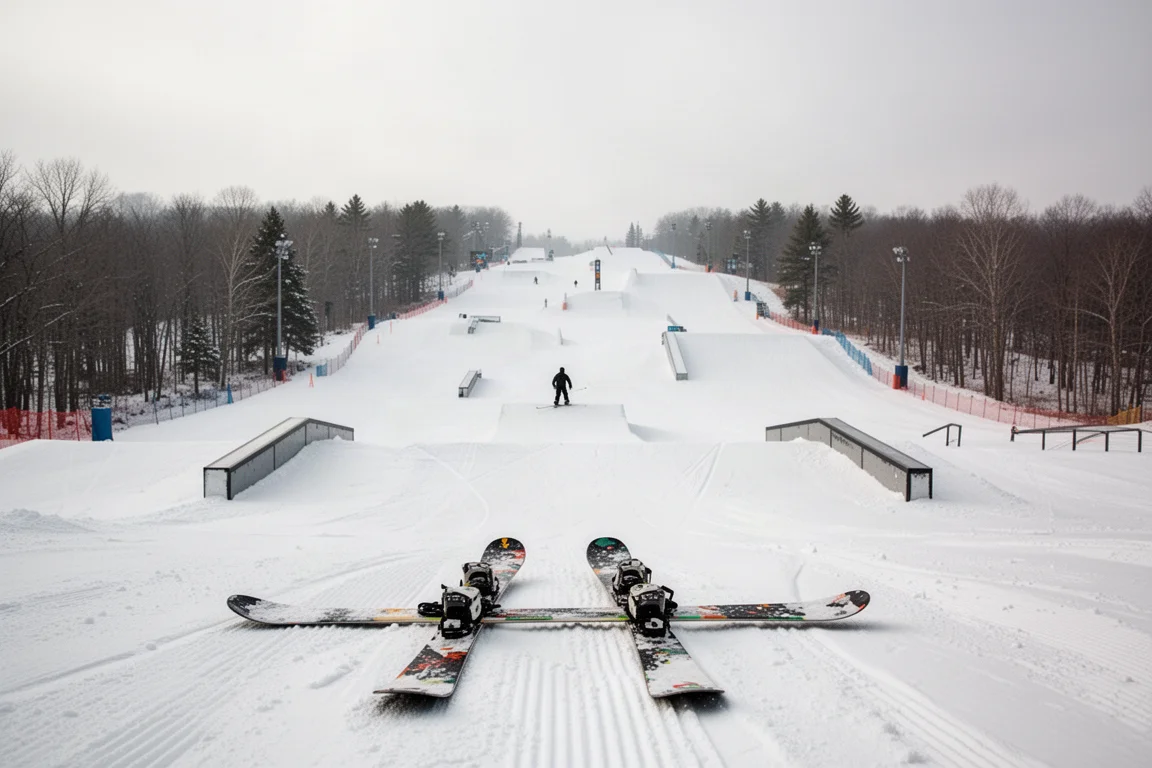
The emphasis throughout the design is on ease of use. The ski is durable, light, fun, and simple to handle, which matters most for riders still building confidence with spins, switch skiing, and repeated park laps.
Main Strengths
The strengths here are practical rather than exotic. Low weight, predictable flex, and construction that survives abuse are the three pillars of the design.
Lightweight Build and Edge-to-Edge Response
At 166 cm, the ski weighs in at 1,520 grams, which is light for the category. That low weight makes it quick from edge to edge and easy to bend and flex, so transitions and fast adjustments demand less effort than a heavier freestyle ski would ask for.
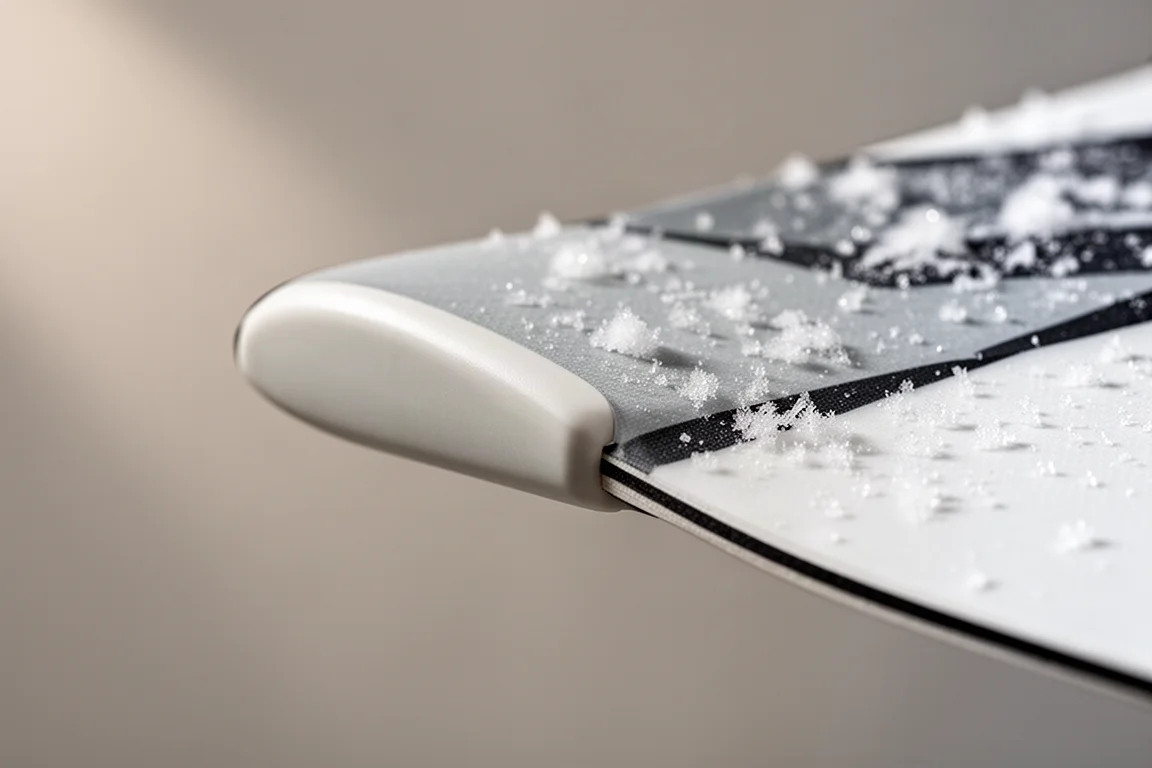
That responsiveness is the core of the appeal for park riding, where small inputs and quick recoveries matter more than raw stability at speed.
Symmetrical Flex and Balanced Air Time
Flex is symmetrical tip to tail, which reinforces the balanced, centered stance that freestyle skiing requires. The shape measures 120-92-116, a drop of just 4 millimeters from tip to tail, so it sits on the more symmetrical side of the spectrum. The result is good balance in the air and the ability to ski switch about as comfortably as forward.
A positive camber profile underfoot adds energy, and rocker is kept to a minimum. That combination points clearly toward park performance, since the long camber builds energy for carving off lips.
Full Cap Construction and Durability
The ski pairs an aspen veneer wood core with full cap construction. The cap contributes energy, and it also helps mitigate the chipping and peeling of the top sheet that park skis tend to collect. That durability matters if you plan to ride the ski hard season after season.
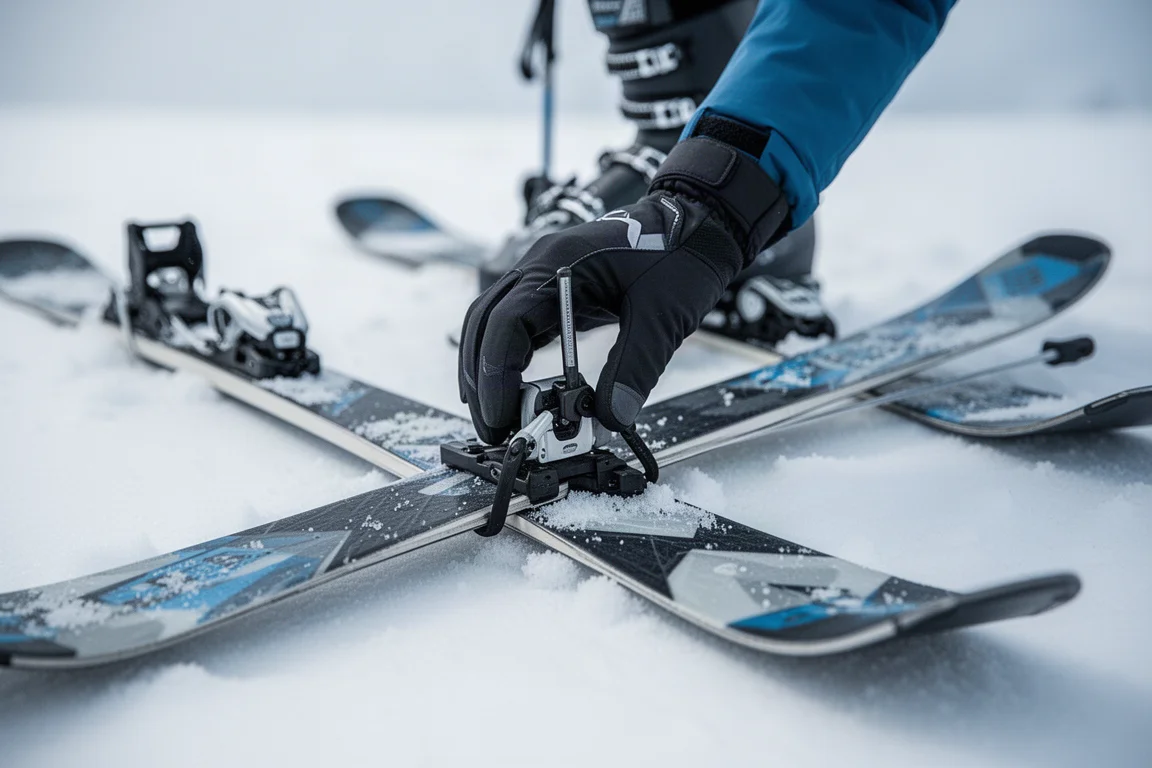
In practice, this is a ski you can beat on without worrying that the finish will fall apart after a few months of rails, boxes, and lift-line laps.
Things to Consider Before Buying
The same design choices that make the Honey Badger a strong park ski create some limits elsewhere. Turn radius is on the longer side, roughly 19 meters in the longer lengths, which keeps the ski on the straighter end of the spectrum. It will not come around a carved turn as readily as a ski with a shorter radius.
Rocker is also minimal. That is fine for park use and firm snow, but the ski is not built around soft snow flotation. There is still an all-mountain component here, and at 92 mm underfoot it can handle moguls and trees, but the overall focus remains the park and the tweener-to-lighter-adult range.
Buying Advice
Choose the Honey Badger if your priority is a light, forgiving freestyle ski that is easy to manage in and out of the park and durable enough to take real abuse. Size selection matters more than usual here. The 144 to 177 cm spread is deliberate, so lighter skiers and younger riders should not simply size up toward the longest option available.
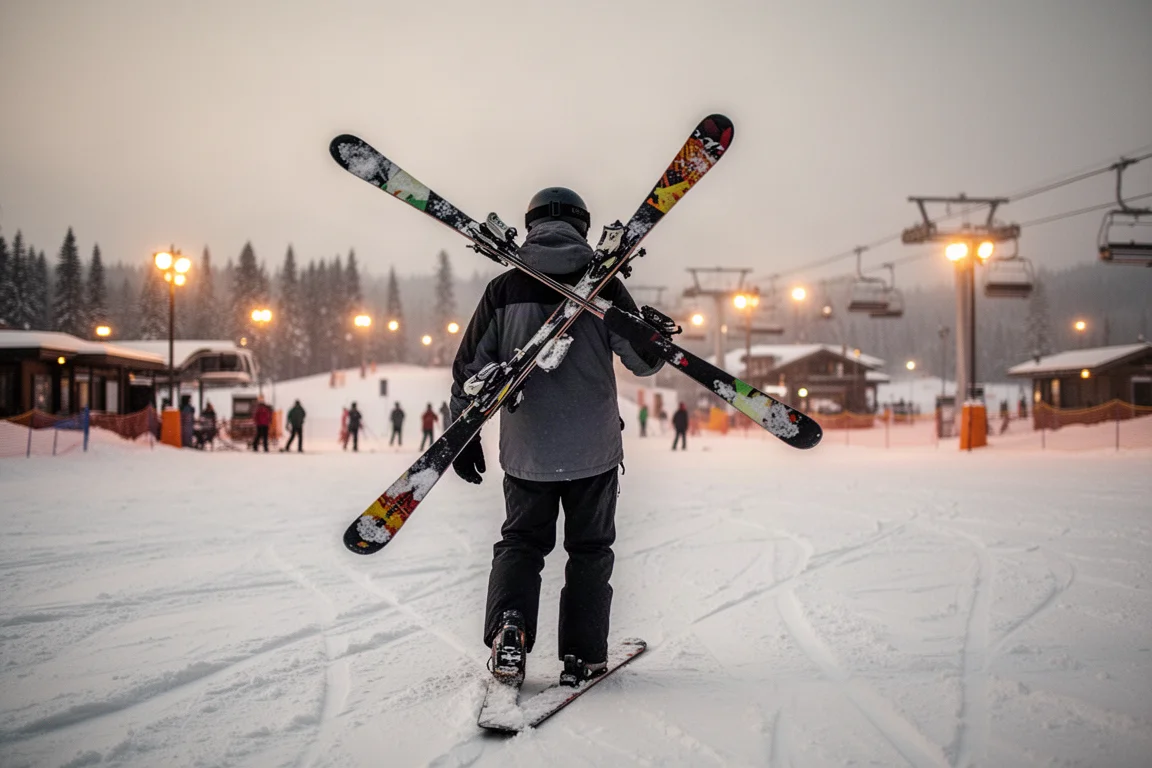
If you spend most of your time carving groomers or chasing deep snow, a different shape will serve you better. If you are progressing through freestyle terrain and want one ski that stays simple and predictable, the Honey Badger is a sensible place to start.
Conclusion
The Line Honey Badger is unchanged for 2026 for good reason. It pairs a light 1,520-gram build at 166 cm with symmetrical flex, near-symmetrical dimensions, and full cap construction that holds up to hard use. For skiers stepping into freestyle and freeride, it is an easy option to weigh against your own terrain priorities.
Product link
View more details for Line Honey Badger
This product is mentioned in the review. Check the specifications, options, and compatibility before buying.
View more details for Line Honey BadgerFurther reading
Related Reviews

Skis
Armada Anti Matter 82 W Review: A Light, Approachable All-Mountain Carver
Armada's Anti Matter 82 W pairs a lightweight Karuba and carbon build with an easygoing all-mountain shape, aimed at intermediates through lighter-footed advanced skiers.

Skis
Armada Anti Matter 88W Review: A Light, Playful 88mm All-Mountain Ski Plus Two Alternatives
The Armada Anti Matter 88W returns unchanged in spirit from its Reliance 88C days, and it remains one of the most versatile 88mm skis around. We also look at the Nordica Santa Ana 87 and Anti Matter 92 W as alternatives.

Skis
Armada ARV 100 vs Atomic Bent 100: Which 100mm Freestyle Ski Should You Buy?
Two of the best all-mountain freestyle skis of the season compared: one leans playful and park-ready, the other holds up better everywhere else.