Skis
Line Blend 2026 Review: A Playful Freestyle Ski Built Around Flex
The Line Blend returns for 2026 with a revised shape, a full aspen core, and the same symmetrically flexible character that makes it one of the most playful freestyle skis around.
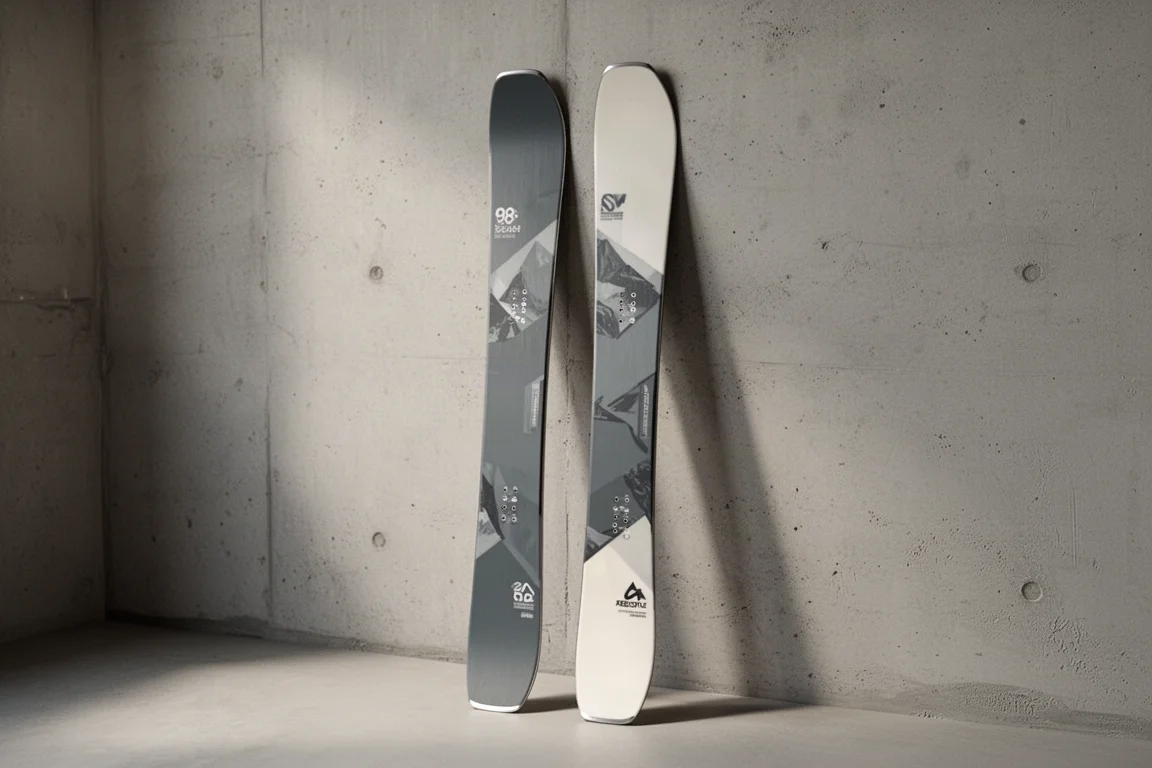
Introduction
The Line Blend has been revamped for 2026, with changes to both shape and construction that keep it firmly in the freestyle camp. It stays an extremely flexible, playful ski with a freeride influence, and it still holds a little more substance underfoot than its tips and tails suggest. It is a Will Wesson inspired design, and it succeeds at being one of the most creative and playful skis on the market.
The headline is the flex. Not much else needs to be said about this ski, because the flex is what defines how it feels and who it suits. The tips and tails are symmetrically flexible, which gives the Blend an unusually even, forgiving character in both directions. The 2026 revision refines the shape and construction around that core idea rather than walking away from it.
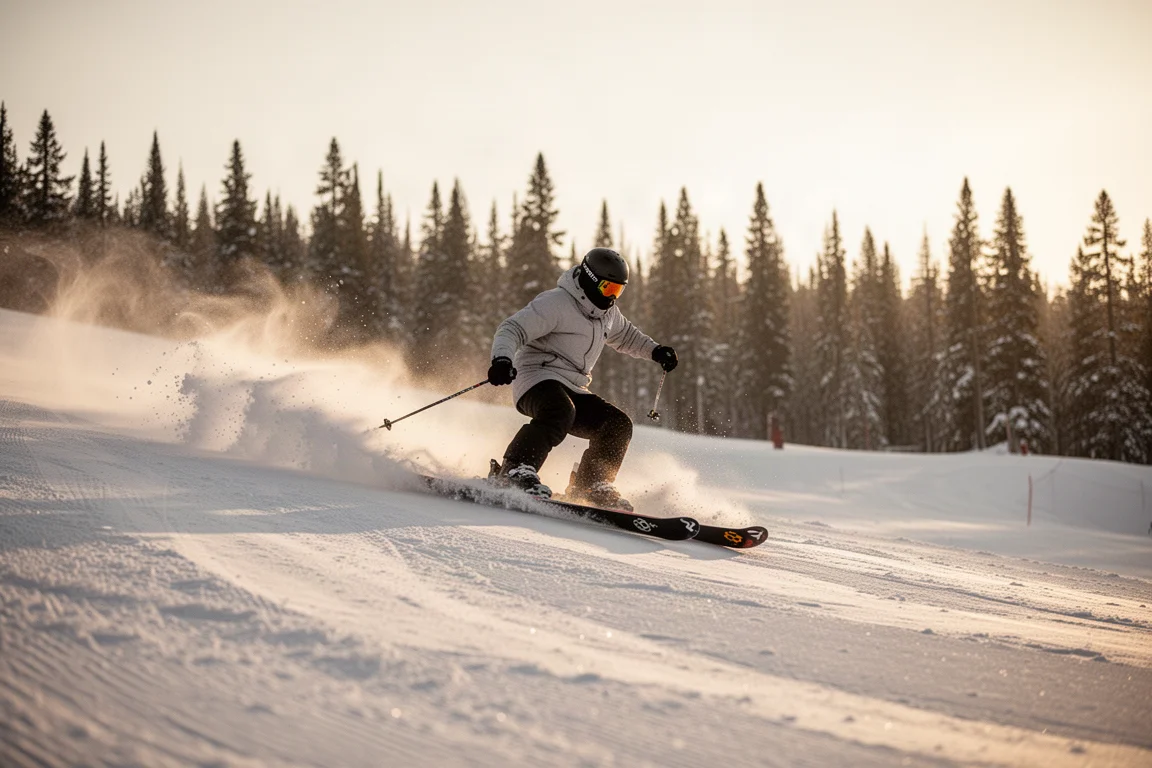
That combination of a very soft, even flex with a sturdier midbody is what separates the Blend from the rest of the all-mountain twin tip crowd. It is a ski built for fun and engaging skiing, and it rewards the right rider.
Who This Ski Is For
The Blend is aimed squarely at freestyle-oriented, playful skiers. If you like groundwork, butters, nollies and nose presses, there are very few skis that make those moves easier. It is also a natural fit for riders who want to smear, wiggle and jib their way down a mountain rather than carve a disciplined line.
It is not a ski for everyone. Larger, more aggressive skiers who are not using the ski in a creative capacity will find it too easy to push straight through the flex. For a heavier or stronger skier with a traditional approach, the Blend can feel like a non-starter, and that is worth being honest about before you buy.
The Blend also is not strictly a park ski. It is best understood as a groundwork and freeride-oriented freestyle tool that happens to be extraordinarily easy to bend.
Main Strengths
Flex is the whole story here. The Blend is incredibly flexible, and that flexibility is symmetrical between the tips and the tails, so the ski behaves predictably whether you are pressing forward or leaning back. That symmetry is rare, and it is a large part of why the ski feels so intuitive underfoot.
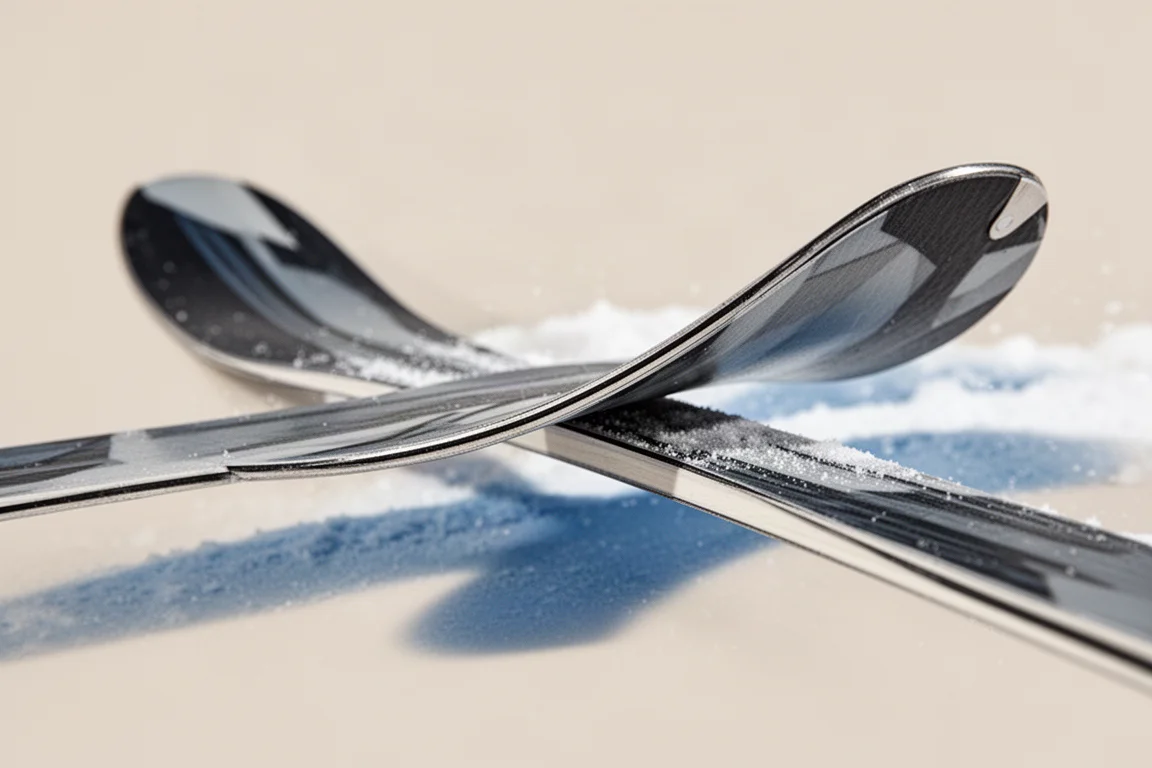
Despite that softness, the Blend keeps some backbone. The sidecut area in the middle of the ski is thicker, so there is real substance through the midsection even though the profile thins out quickly toward the extremities. Riders who expect a noodle are often surprised by how well it actually skis.
Flex and Playfulness
The Blend is an easy ski to ski. It turns well, and it feels at home right away rather than demanding a long adjustment period. It is happiest smearing tight turns, wiggling between moguls and jibbing around the trail, and it stays composed while doing it.
Because the flex is so pronounced, the low rocker profile matters far less than it would on a stiffer ski. There could be almost no rocker at all and the Blend would still bend easily in different conditions and terrain. The tail follows the same logic, with no surprises and the same willingness to flex.
Shape, Rocker, and Core Construction
The dimensions are 129 mm at the tip, 98 mm underfoot and 120 mm at the tail, a 9 mm difference between the tip and tail measurements. The profile is symmetrical, using a rocker-camber-rocker layout with low splay and a low overall amount of rocker that comes down into the ski rather than sitting high above it.
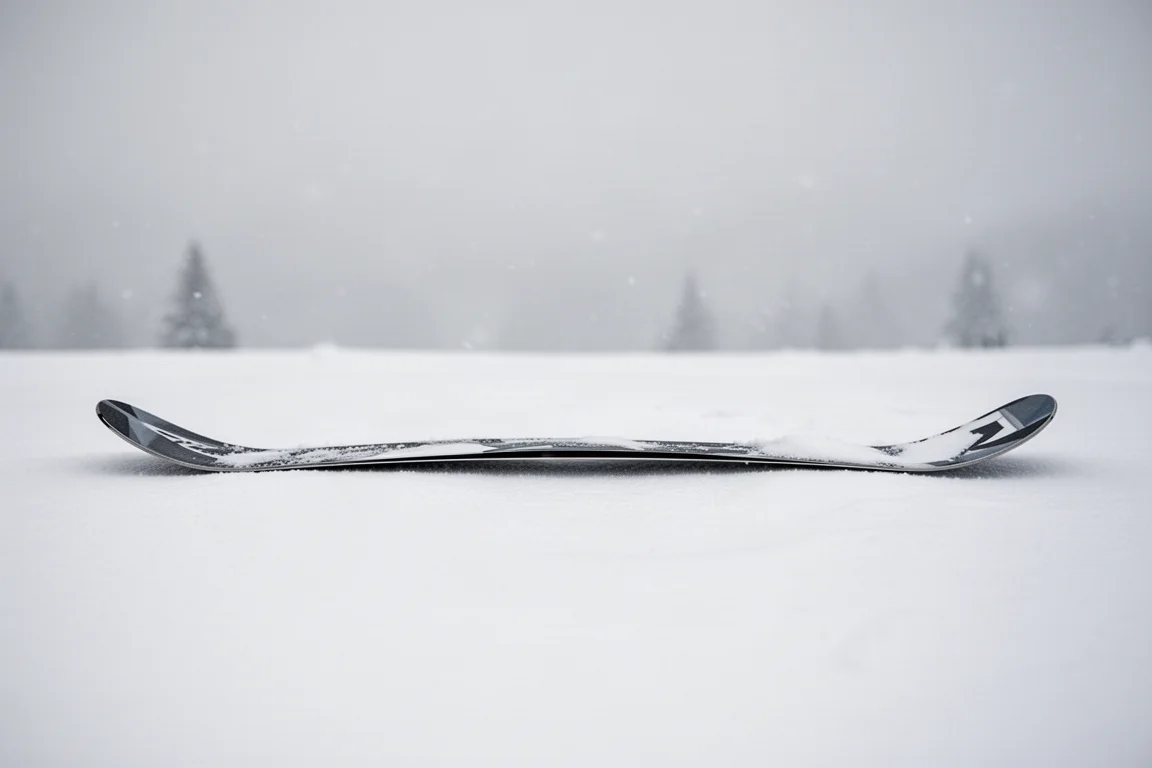
Under the topsheet, the 2026 Blend moves to a full aspen wood core. Earlier versions used a blend that included maple, so this is a meaningful change in how the ski is built. The construction also uses a thin tip and tail technology, which keeps the core profile very thin at the ends while running thicker sidewalls, bases and edges. The result is a ski that thins out fast as you move away from the middle but keeps a thicker, more supportive section directly underfoot.
Things to Consider Before Buying
Weight is one detail worth checking against your expectations. A 169 cm Blend sits at 1,790 grams on the scale, so it is close to 1,800 grams. There is a little bit of weight to the ski, which is not unusual for a twin tip of this width but does mean it is not a featherweight.
The bigger consideration is your size and style. If you are a larger, more aggressive skier who is not using the ski creatively, the flex will be too easy to overpower. The Blend gives its best to riders who actively look for creative lines and playful moves.
If what you actually want is a 98 mm all-mountain twin tip with strong overall performance across the mountain, there may be better options for you. The Blend is deliberately unusual, and that uniqueness is the point rather than a compromise.
Buying Advice
The right way to shop the Blend is to start with how you ski rather than with the spec sheet. If you are freestyle oriented, if you like being playful, and if you want a ski that bends easily and symmetrically, the Blend is an incredibly unique option. Very few skis out there are capable of doing what it does.
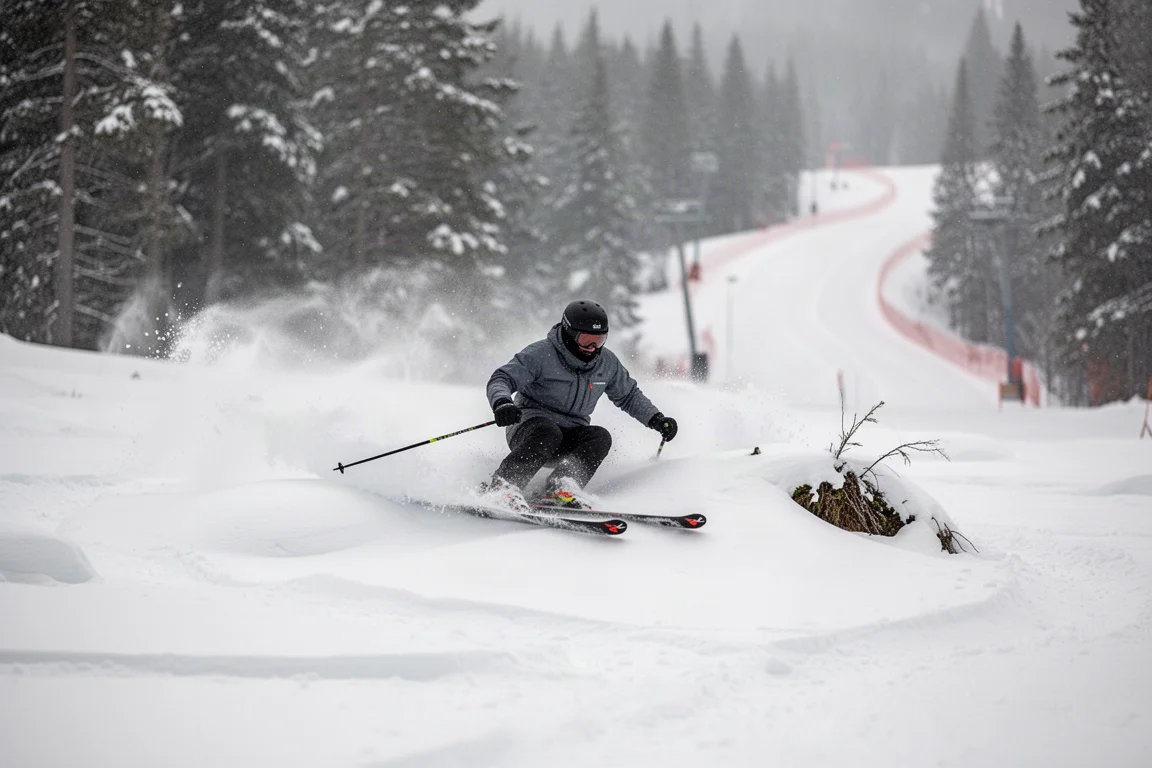
If that describes your riding, it is worth checking the Blend in the length that matches your height and weight, and going in with realistic expectations about how much input the ski wants from you. Riders who bring creativity to the mountain tend to get the most out of it, while riders who want a stiffer, more traditional platform will likely be happier elsewhere.
Conclusion
The Line Blend 2026 is a genuinely different ski, and the brand has never shied away from building skis that stand apart from everything else on the wall. With a symmetrical, extremely flexible flex pattern, a sturdier underfoot section, a full aspen core and thin tip and tail construction, it is built for fun and engaging skiing on the feet of the right skier. If you ride creatively and playfully, this is one of the most rewarding freestyle skis you can strap into.
Product link
View more details for Line Blend (2026)
This product is mentioned in the review. Check the specifications, options, and compatibility before buying.
View more details for Line Blend (2026)Further reading
Related Reviews

Skis
Armada Anti Matter 82 W Review: A Light, Approachable All-Mountain Carver
Armada's Anti Matter 82 W pairs a lightweight Karuba and carbon build with an easygoing all-mountain shape, aimed at intermediates through lighter-footed advanced skiers.

Skis
Armada Anti Matter 88W Review: A Light, Playful 88mm All-Mountain Ski Plus Two Alternatives
The Armada Anti Matter 88W returns unchanged in spirit from its Reliance 88C days, and it remains one of the most versatile 88mm skis around. We also look at the Nordica Santa Ana 87 and Anti Matter 92 W as alternatives.

Skis
Armada ARV 100 vs Atomic Bent 100: Which 100mm Freestyle Ski Should You Buy?
Two of the best all-mountain freestyle skis of the season compared: one leans playful and park-ready, the other holds up better everywhere else.