Skis
Line Blade Review: Short-Radius Carving Meets Creative Freestyle
A 95 mm freeride ski with a dramatic sidecut, an aspen core and a metal laminate, built for tight carving turns and a freer, pole-free style.
Introduction
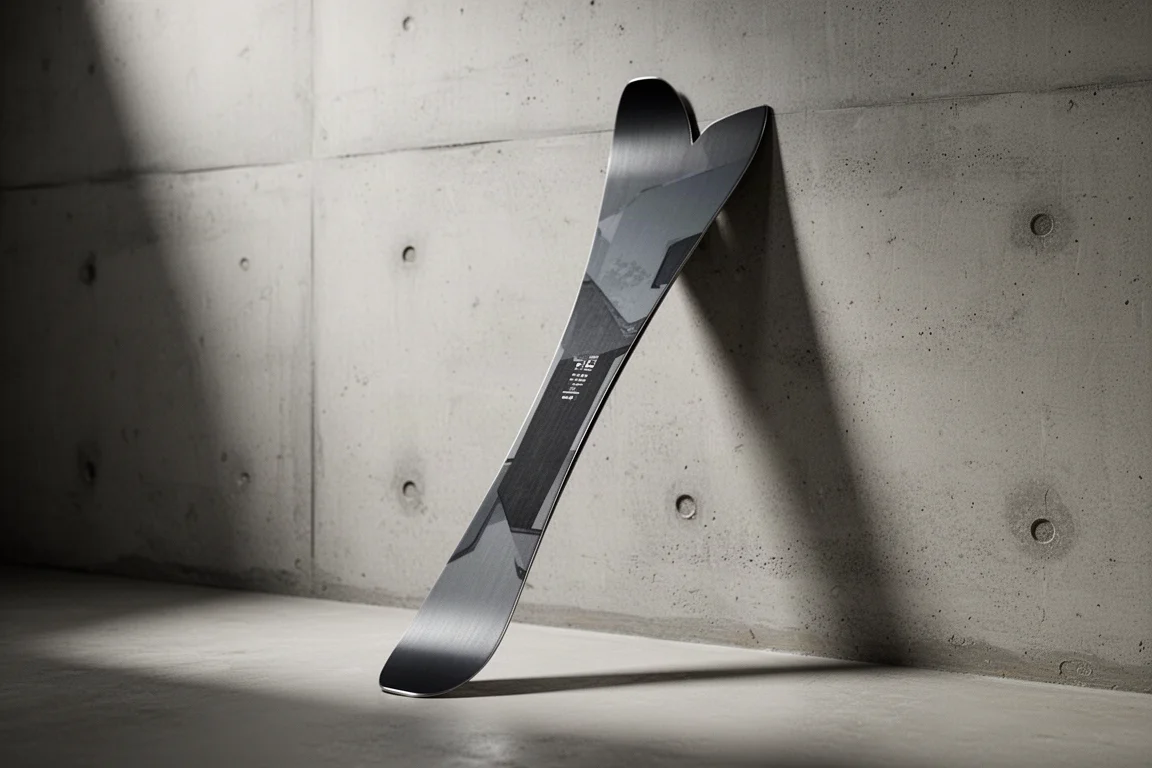
The Line Blade is one of the more unusual shapes you can put on your feet. It is now in its third generation graphic, but the build underneath is the same ski that made it distinctive when it first appeared: an aspen wood core, Line’s Gas Pedal Metal laminate, and a sidecut that reads like a slalom ski stretched into freeride proportions.
The numbers tell part of the story. The Blade carries a 154 mm tip, a 95 mm waist and a 124 mm tail, which is a dramatic amount of shape for a ski with this much waist width. The result is a ski that can be pushed onto a very high edge angle and asked to produce turns most freeride skis simply cannot.
What makes it interesting is not just the shape, but how many different things it does well. Carving, all-mountain cruising, freestyle play and backward skiing all fall inside its range, which is a rare combination to find in one pair.
Who This Ski Is For
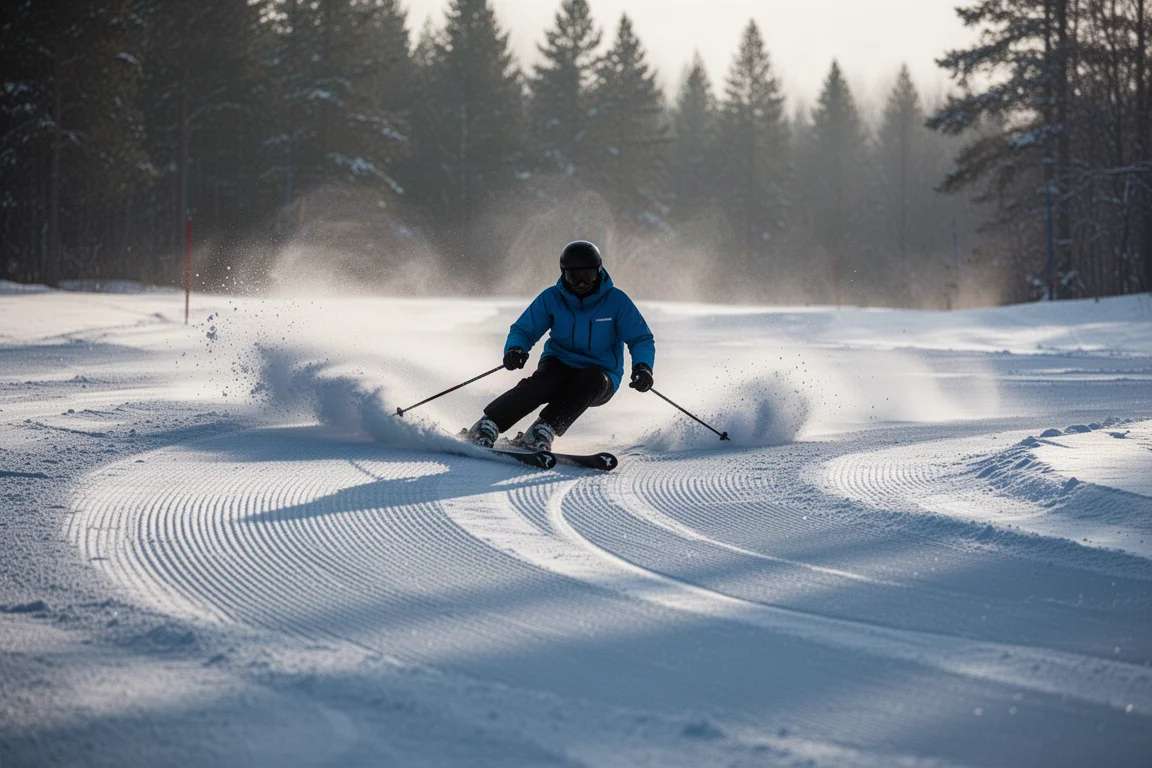
This is a ski for people who want to carve hard on groomed terrain without giving up the freedom to ski creatively. The short turn radius and the torsional stiffness built into the metal laminate make tight, slalom-style arcs genuinely accessible, so riders who enjoy edge-to-edge work will find a lot to like here.
It also suits skiers who are willing to loosen up their technique. The Blade comes alive when you remove some of the rigidity and timing from your skiing. Skiers with a strong race background sometimes find that their pole timing works against the ski’s natural rhythm, and setting the poles aside for a run or two tends to open up a much freer way of moving. It is not a requirement, but it is a revealing experiment.
This is not the obvious pick for someone who wants a conventional freeride ski with a heavily rockered tip and lots of splay. The Blade keeps its tip low and its profile close to the snow, which is a deliberate choice rather than an oversight.
Main Strengths
The Blade’s strengths come from the way its shape and construction work together. A dramatic sidecut needs torsional stiffness to be usable, and that is exactly what the metal laminate provides.
Carving Power and Edge Grip
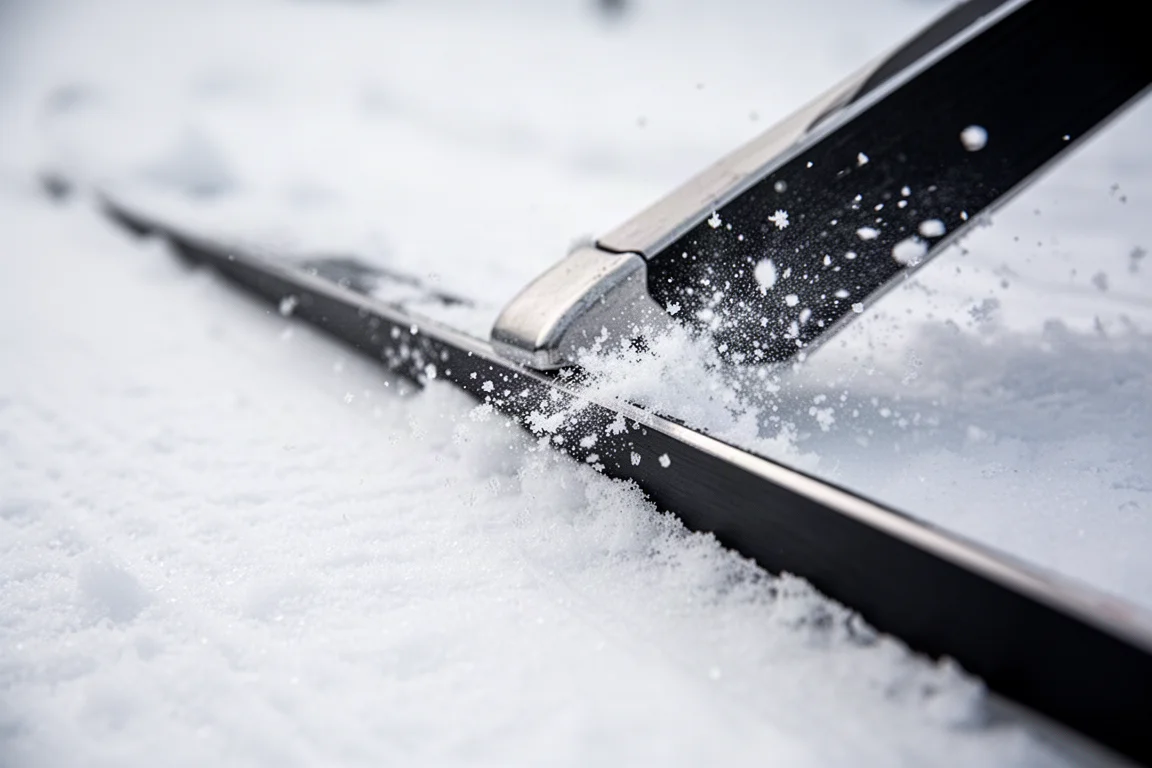
Line’s Gas Pedal Metal runs as a central spine through the middle of the ski and branches out toward the edges. When the ski is put on edge, that metal acts as the torsional stiffness material, letting the rider hold a very high edge angle and generate the short radius the shape is designed for. The measured feel lands at roughly a 15 metre turn radius, and the result is a ski that can produce slalom-style turns on demand.
Positive camber underfoot supports that grip, and the low profile rocker keeps a long effective edge in contact with the snow. The wide shovel and 95 mm waist add enough flotation that the tip stays up and out of softer snow rather than diving.
The combination is unusual: this is a freeride ski that behaves like a carving ski when you ask it to, without the vague, washy feel that a big sidecut usually creates.
Creative Freestyle Capability
The tail is a partial swallow tail and partial twin tip, which opens the ski up to backward skiing, landings and any trick or line choice a rider wants to bring. It is a shape that invites improvisation rather than a narrow, single-purpose approach to a run.
Float and Shape
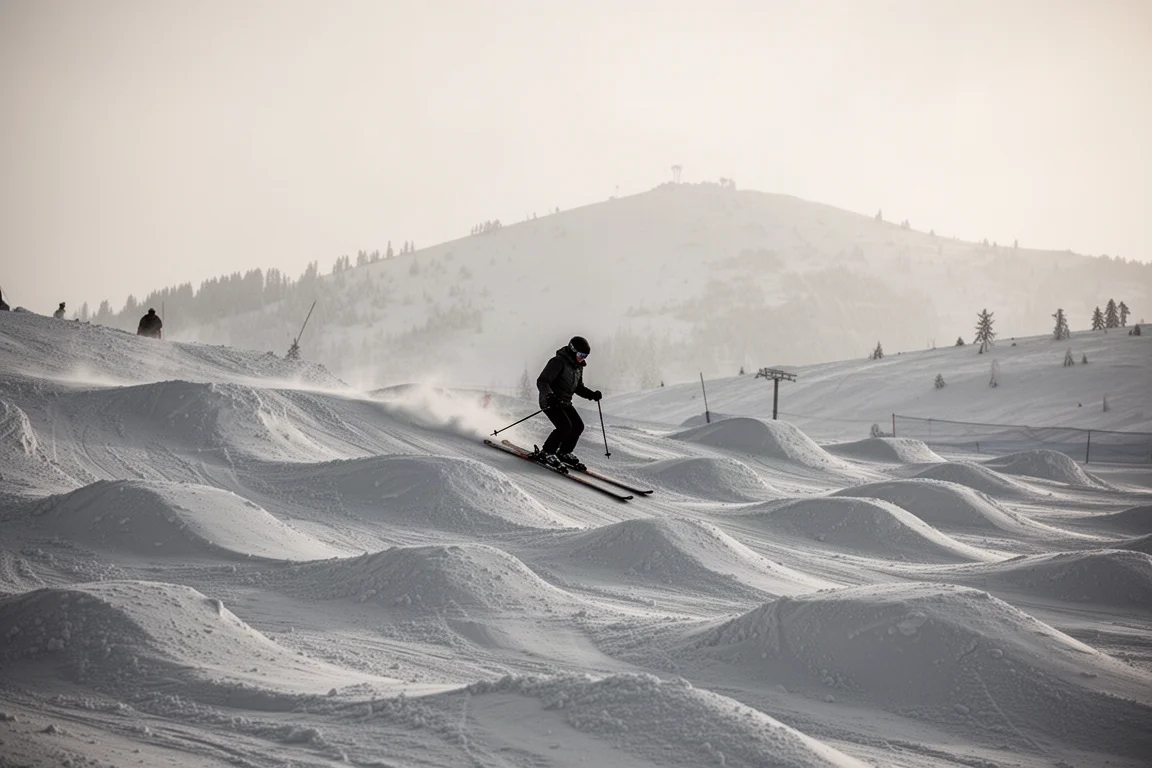
At 95 mm underfoot, the Blade has enough width to handle soft snow, and the large tip does most of the work in keeping the front of the ski on top. Splay in the tip is minimal, so this is not a dedicated powder shape, but it holds its own in mixed conditions and only occasionally buries a tip in moguls.
Things to Consider Before Buying
The Blade is not a light ski. At 176 cm it comes in at 1,966 grams per ski, which is under 2,000 grams but still notable given the shorter length. The aspen core and the metal laminate are the reason, and the trade-off is stability and edge grip rather than quickness in the air or on long traverses.
The other consideration is technique. If your skiing depends on a firm pole plant and a rigid rhythm, this ski can feel as though it is working against you. It rewards a looser, more creative approach, and that adjustment takes a run or two to settle into.
Minimal tip splay is also worth flagging if deep snow is your priority. The Blade floats well for its width, but it is built around groomed and mixed conditions rather than untouched powder.
None of these are faults so much as characteristics. They simply describe the kind of skier the Blade suits best.
Buying Advice
Approach the Blade as a creative all-mountain tool rather than a specialist. Its strongest case is as a one-ski choice for someone who spends most of their time on groomed and mixed terrain, wants real carving performance, and still wants the freedom to ski switch, land tricks and take unconventional lines.
Be honest about your style before committing. If you enjoy working a ski onto a high edge and you are comfortable letting go of pole timing, the Blade will feel like very little else on the market. If you want a stiff, directional freeride ski that behaves conventionally, the shape will likely frustrate you.
Length selection matters here too. The 176 cm build tested comes in just under 2,000 grams per ski, so it is worth thinking about whether you want the extra stability of a longer option or the quicker feel of a shorter one for the kind of turns this ski is built to make.
One last practical suggestion: give it a run or two without poles. That single change is the fastest way to understand what the Blade is actually designed to do.
Conclusion
The Line Blade is one of the most innovative skis to appear in recent years, and it earns that description through construction and shape rather than marketing. An aspen core and a metal laminate give it the torsional stiffness to exploit a 154-95-124 mm sidecut, while the partial swallow tail and twin tip keep it playful enough for switch skiing and landings.
It is genuinely hard to pigeonhole, which is the point. For riders who want tight carving turns, creative freedom and a ski that lets them put their own mark on a run, the Blade is a compelling and unusual option worth getting on snow.
Product link
View more details for LINE Blade
This product is mentioned in the review. Check the specifications, options, and compatibility before buying.
View more details for LINE BladeFurther reading
Related Reviews

Skis
Armada Anti Matter 82 W Review: A Light, Approachable All-Mountain Carver
Armada's Anti Matter 82 W pairs a lightweight Karuba and carbon build with an easygoing all-mountain shape, aimed at intermediates through lighter-footed advanced skiers.

Skis
Armada Anti Matter 88W Review: A Light, Playful 88mm All-Mountain Ski Plus Two Alternatives
The Armada Anti Matter 88W returns unchanged in spirit from its Reliance 88C days, and it remains one of the most versatile 88mm skis around. We also look at the Nordica Santa Ana 87 and Anti Matter 92 W as alternatives.

Skis
Armada ARV 100 vs Atomic Bent 100: Which 100mm Freestyle Ski Should You Buy?
Two of the best all-mountain freestyle skis of the season compared: one leans playful and park-ready, the other holds up better everywhere else.