Skis
Line Bacon 115 Review: A Surf-Friendly Freeride Twin Tip for Deep Snow
The Line Bacon 115 pairs a flexible aspen and maple core with real weight and a near-symmetrical shape, making it a playful specialist for soft snow and freestyle-minded days.
Introduction
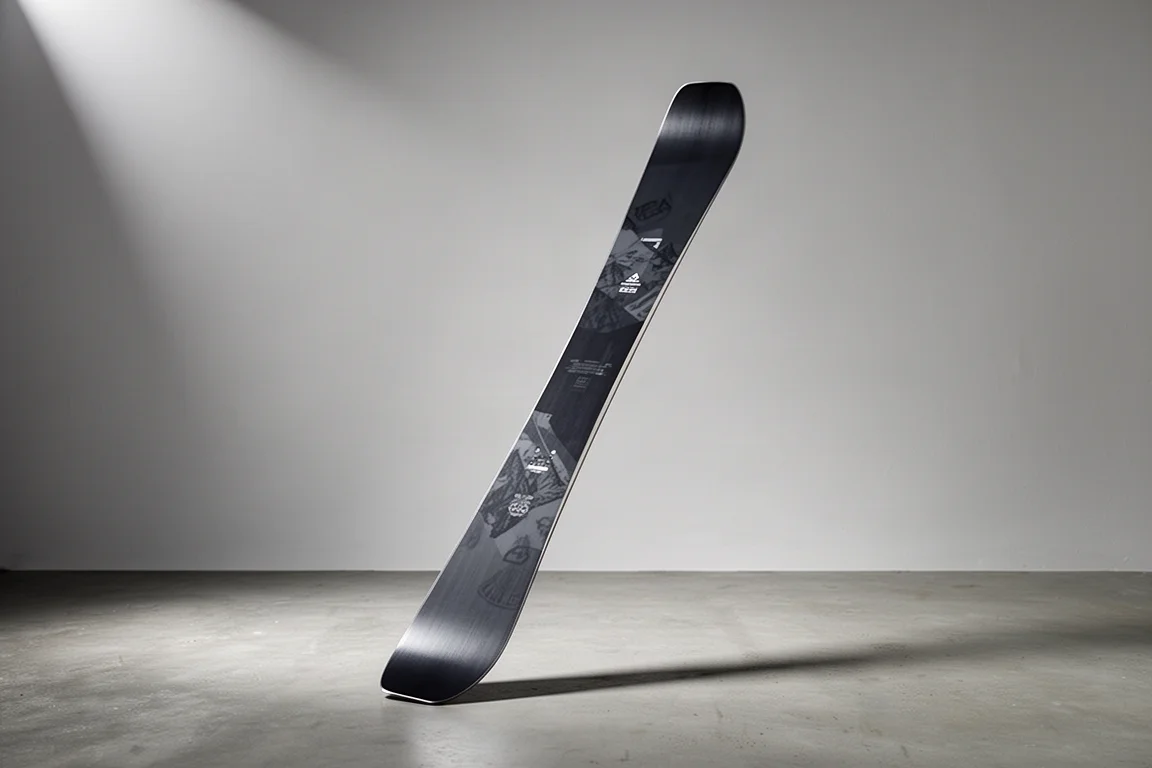
The Line Bacon 115 returns structurally unchanged, keeping the same shape, construction, and profile as the previous version. What is new is the artwork, with fresh graphics on both the topsheet and the base. That makes this a familiar platform rather than a redesign, and it remains a strong option for deeper snow, freestyle, and freeride skiing.
The Bacon family leans on flexibility, creativity, and playfulness, but it does so with a decent amount of heft. That weight is central to how the ski behaves: it keeps the ride composed and chatter-free, and it helps the ski absorb vibration and shock. The result sits apart from lighter, backcountry-oriented options and from more directional twin tips.
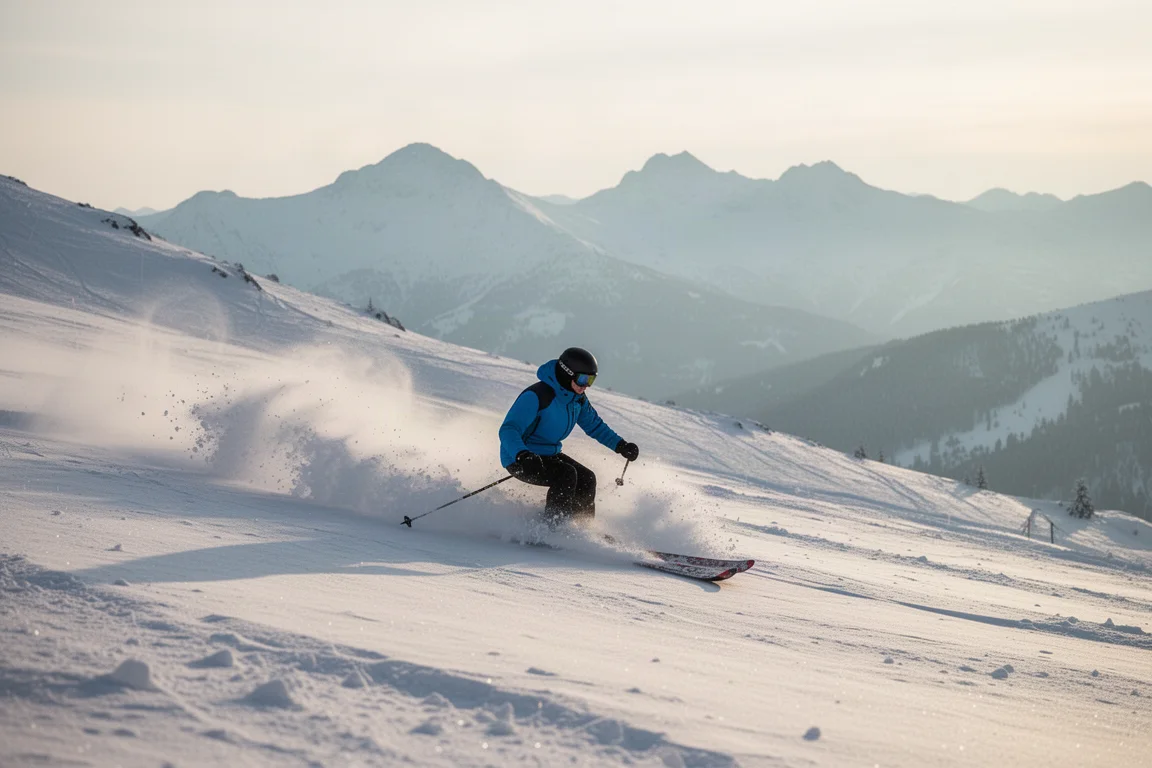
For skiers who spend their soft-snow days hunting natural features and creative lines, that combination of playfulness and substance is the core appeal.
Who This Ski Is For
This is a specialty ski, and it asks the skier to know what they want. Within the 110 to 120 mm freeride category, the Bacon 115 is for someone specifically looking for a bit more weight and a more symmetrical shape.
It is also not a ski for riders chasing rebound. It is not particularly energetic, and it does not generate a lot of pop. Instead, it rewards skiers who like to manipulate the flex of the ski and let it slarve and smear through soft snow rather than load it up and spring out of turns.
Intent matters here. The Bacon 115 suits freestyle-related activities within a powder day, which narrows the audience compared with a directional 115 mm ski. Riders who want a wide ski mainly for pointing downhill in a straight line are looking at a different tool.
Shape, Rocker, and Mount Point
The dimensions are 148 mm at the tip, 115 mm underfoot, and 143 mm at the tail. That is a small drop of just 5 mm from tip to tail, which gives the ski a notably symmetrical outline. The mount point sits about minus 4 back, reinforcing the balanced, centered feel.
The profile follows the same logic. There is symmetrical rocker in the tips and tails with a healthy amount of camber underfoot. For a twin tip this wide, the splay is low and the rocker length is on the shorter side, but the ski is flat overall and flexible enough that it does not need a large rocker profile to work.
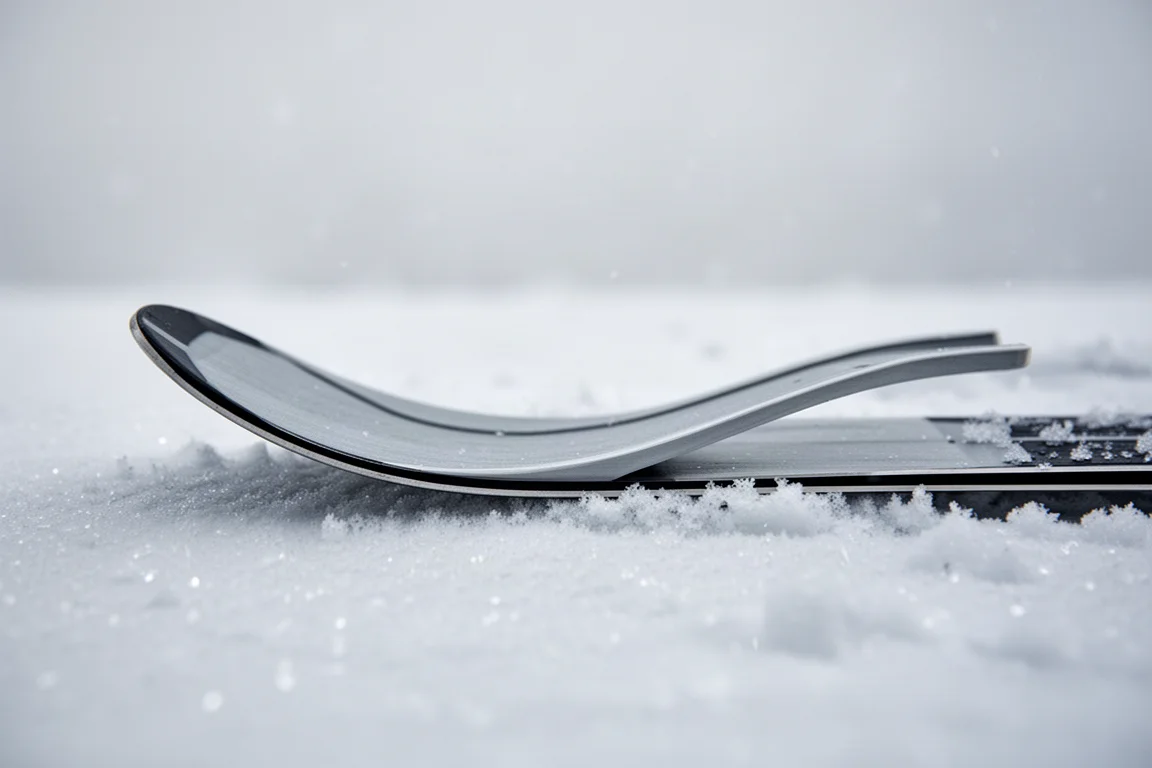
Early taper is minimal as well. The widest part of the ski sits relatively far forward, and the flex does the work that a more dramatic shape would do on a different ski. If any energy comes out of this design, it comes from the camber rather than from the materials.
Flex and Construction
The core blends aspen and maple. Maple brings both flex and weight, and the way it bends without breaking is a fair description of how the ski behaves: there is quite a bit of flex in the tips and tails, and that flex is consistent throughout. Underfoot the ski is stiffer because the core profile is thicker there, which keeps the flex linear from end to end.
Line also uses thick cut sidewalls, plus thicker base material and edges. Add the thicker central core and the build adds up to a ski with real substance. The thin tip technology trims the wood away in roughly the last centimeter around the tip and tail, which keeps swing weight low despite everything else going on in the construction.
On the scale, the 178 cm length measures 2,155 g. That is not the heaviest ski on the market, but it gives the Bacon 115 a sturdy, solid feel. It does not feel pingy or prone to deflection, and it stays composed in variable soft snow.
Main Strengths
The first strength is composure. The weight and the construction work together to absorb shock and vibration, so the ski feels calm and settled rather than reactive.
The second is the flex. A consistent, linear flex through the tips and tails is exactly what makes a ski surfy and smeary in softer snow, and it is the quality that fans of this style of skiing tend to look for.
The third is the shape and mount. A near-symmetrical outline with a minus 4 mount point and symmetrical rocker supports a balanced stance, whether the skier is riding forward or cruising out of a feature.
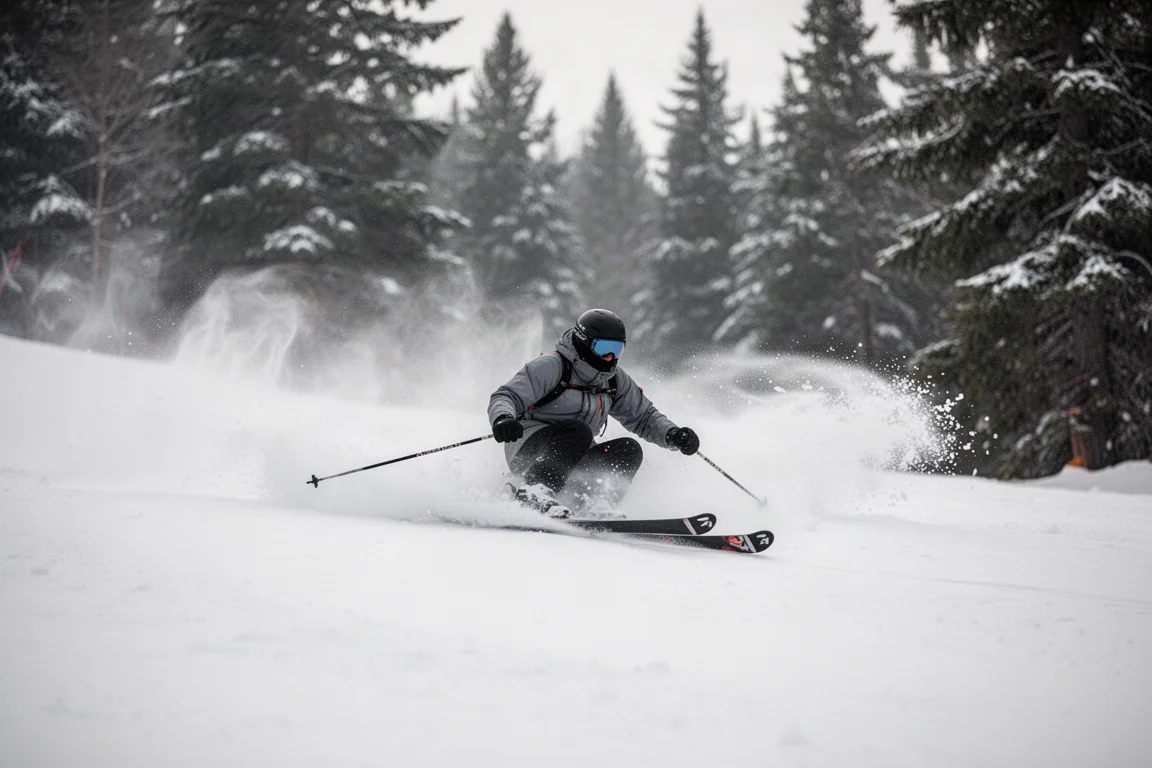
Taken together, those traits make the Bacon 115 a playful ski in deep snow that still feels solid underfoot.
Things to Consider Before Buying
The Bacon 115 is not an energetic ski. It does not deliver much rebound, and skiers who like a snappy, poppy feel from turn to turn may find it muted.
Weight is the other trade-off. The same mass that provides composure also makes this a poor fit for anyone who wants a light setup for touring or long uphill approaches.
Finally, the audience is specific. Even inside the 110 to 120 mm freeride range, this is a ski you should choose only if you genuinely want more weight and a more symmetrical shape. A directional 115 mm ski will suit a broader set of riders and a broader set of conditions.
Buying Advice
Choose the Bacon 115 if your soft-snow days include freestyle-minded skiing, if you like to work the flex of a ski rather than rely on rebound, and if you value a balanced, symmetrical platform with enough mass to stay quiet in chopped-up snow.
Look elsewhere if you want a directional freeride ski, a lighter build for touring, or a ski with a livelier, more energetic pop. Those are different priorities, and there are better-matched options for each of them.
On sizing, the 178 cm length is the reference point here at 2,155 g. If you are between lengths, think about how much of your time will go to natural features and switch riding versus long, fast descents, and match the length to that balance.
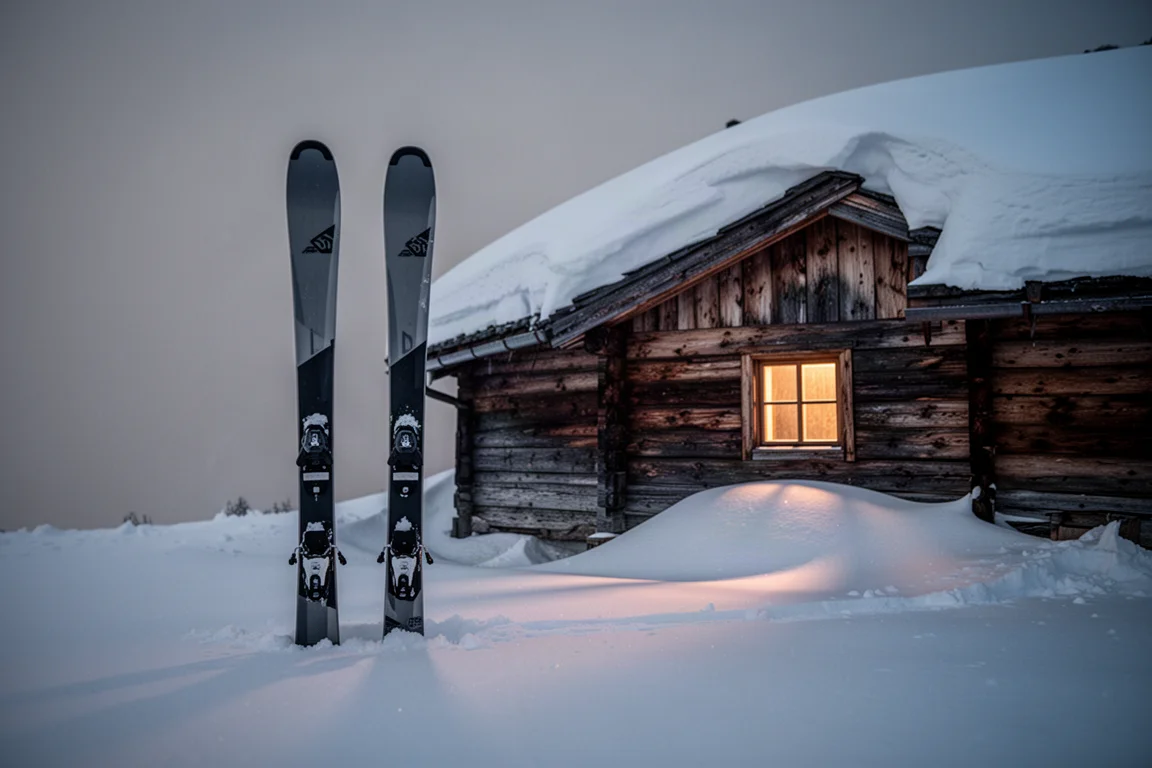
If the description above sounds like your kind of skiing, the Bacon 115 is a coherent, well-resolved package rather than a compromise.
Conclusion
The Line Bacon 115 keeps the same shape, construction, and profile as before, with updated graphics. It remains a specialty freeride twin tip built around flex, weight, and symmetry: consistent and linear in the tips and tails, stiffer underfoot, and calm in soft snow.
It is not the liveliest ski in its class and it is not the lightest, and both of those are deliberate. For skiers who want a playful, surfy, solid-feeling 115 mm twin tip for deep snow and freestyle-minded days, it is a strong and consistent choice.
Product link
View more details for Line Bacon 115
This product is mentioned in the review. Check the specifications, options, and compatibility before buying.
View more details for Line Bacon 115Further reading
Related Reviews

Skis
Armada Anti Matter 82 W Review: A Light, Approachable All-Mountain Carver
Armada's Anti Matter 82 W pairs a lightweight Karuba and carbon build with an easygoing all-mountain shape, aimed at intermediates through lighter-footed advanced skiers.

Skis
Armada Anti Matter 88W Review: A Light, Playful 88mm All-Mountain Ski Plus Two Alternatives
The Armada Anti Matter 88W returns unchanged in spirit from its Reliance 88C days, and it remains one of the most versatile 88mm skis around. We also look at the Nordica Santa Ana 87 and Anti Matter 92 W as alternatives.

Skis
Armada ARV 100 vs Atomic Bent 100: Which 100mm Freestyle Ski Should You Buy?
Two of the best all-mountain freestyle skis of the season compared: one leans playful and park-ready, the other holds up better everywhere else.