Hiking Gear
Lightweight Hiking Gear That Works: 8 Field-Tested Picks for Three-Season Trips
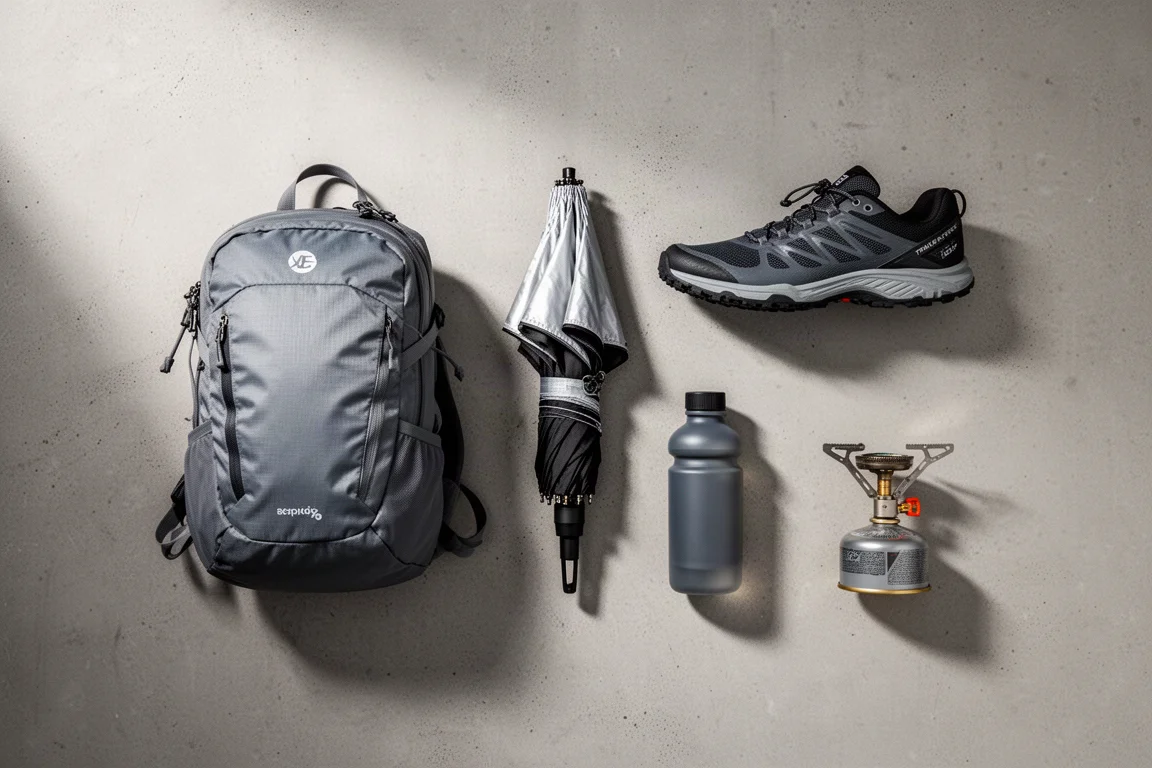
Eight lightweight hiking essentials for three-season trips, from a 35-liter overnight pack and a fast-pitching tent to a warm quilt, grippy trail runners, a squeeze filter, a simple stove, and a trekking umbrella.
Introduction
A hiking kit is not built in one purchase. It gets assembled over seasons, one replacement at a time, as gear wears out and as trips change shape. The pieces below have been carried through a full year of overnights, long days on trail, and more than a few river crossings, and each one has earned its place for a specific reason.
Some of them replaced gear that had finally given up. A couple are new additions. The rest are simply the same items carried again, because nothing about them needed to change.
How to Think About a Lightweight Hiking Kit
Lightweight gear usually costs more than the heavier equivalent, and that trade-off is not always worth taking. A lighter pack is more enjoyable to carry, but a camp chair is more enjoyable to sit in at the end of the day. Hiking sits somewhere between having fun and staying safe, and there is no single correct way to balance the two.
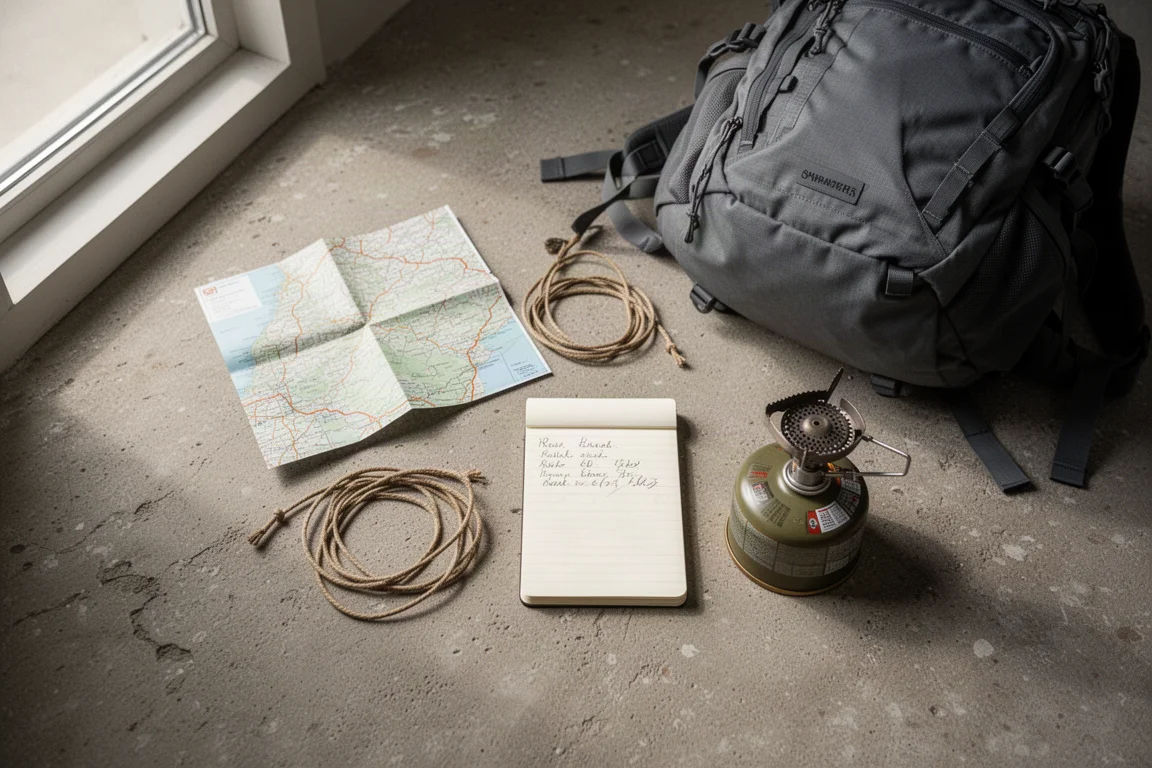
The useful test is not whether a piece is the lightest option available, but whether the weight it saves is worth the money and the comfort given up. Cheaper and heavier gear still works. The picks below are the pieces that kept coming back trip after trip, chosen because they solved a real problem rather than because they looked good on a spec sheet.
Hyperlite Waypoint 35: The Overnight Pack
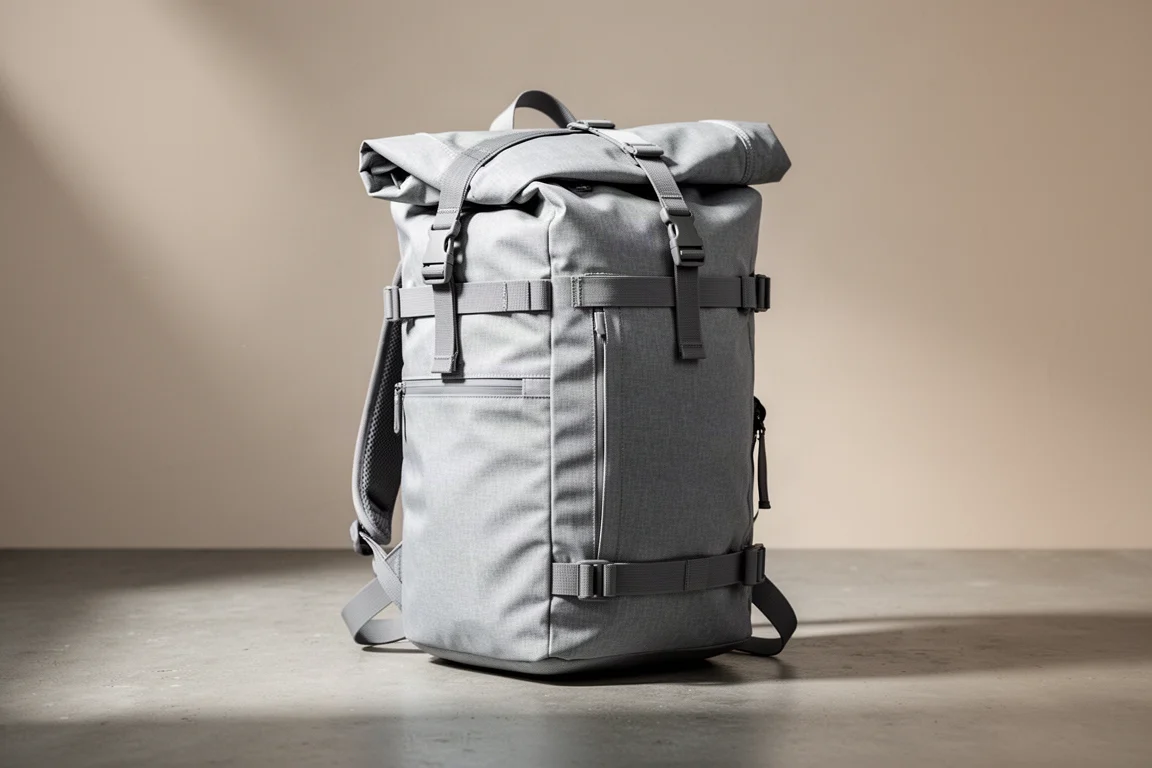
The Waypoint 35 replaced a pack that had been used hard enough to start breaking down. At 35 liters it is smaller than what a long route needs, and it fits best for an overnight, a two-night trip, or a three-night trip at a push. For anything in the three to seven day range, a larger pack in the 55-liter class is the more sensible answer.
What the pack does well is keep a modest load simple on shorter trips. It is light, it carries what it needs to carry, and it has been the pack used on almost every trip this year.
Nemo Hornet: A Lightweight Tent That Sets Up Fast
The Hornet stays in the kit because it is one of the simplest shelters to live with. Setup is quick and uncomplicated, the design is easy to understand even when it is dark and raining, and it is light enough to disappear into a pack. The size works well for one person, and the current version is the one worth buying if a replacement is ever needed.
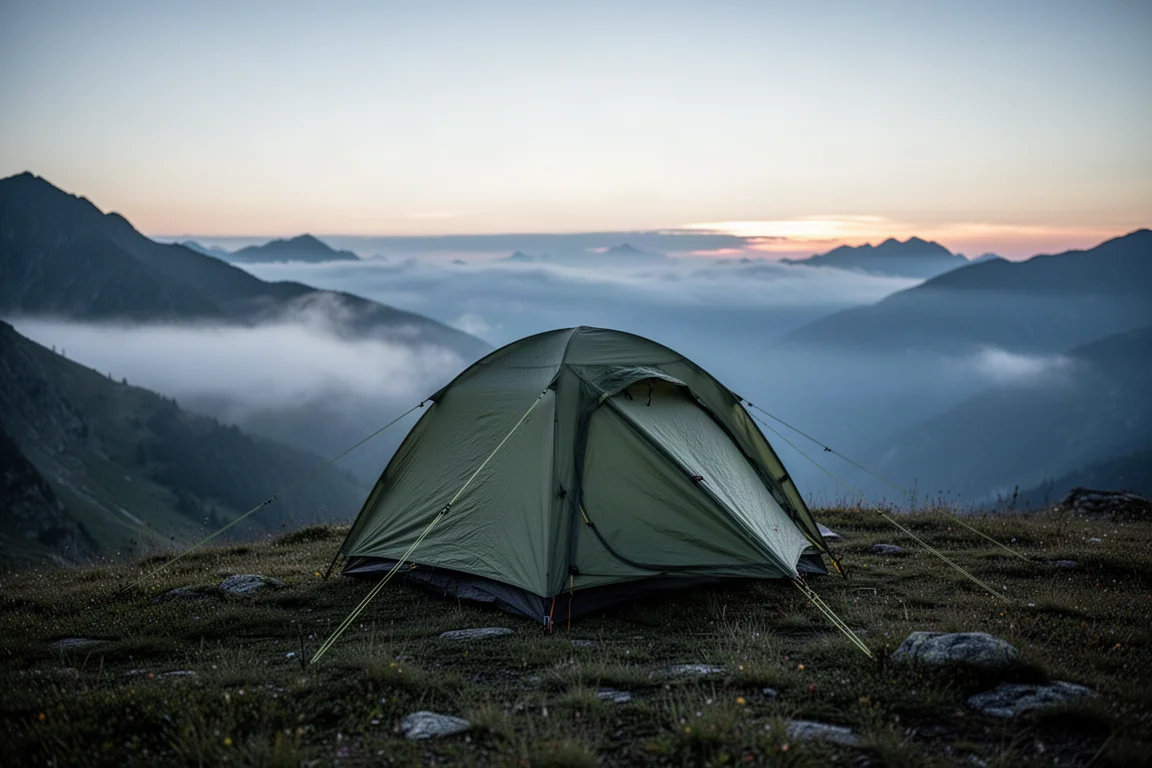
That combination of low weight and a pitch that takes almost no thought matters more than any number on a spec sheet. At the end of a long day, when the weather is turning and the light is going, a tent that goes up fast is worth more than a tent that saves a few grams.
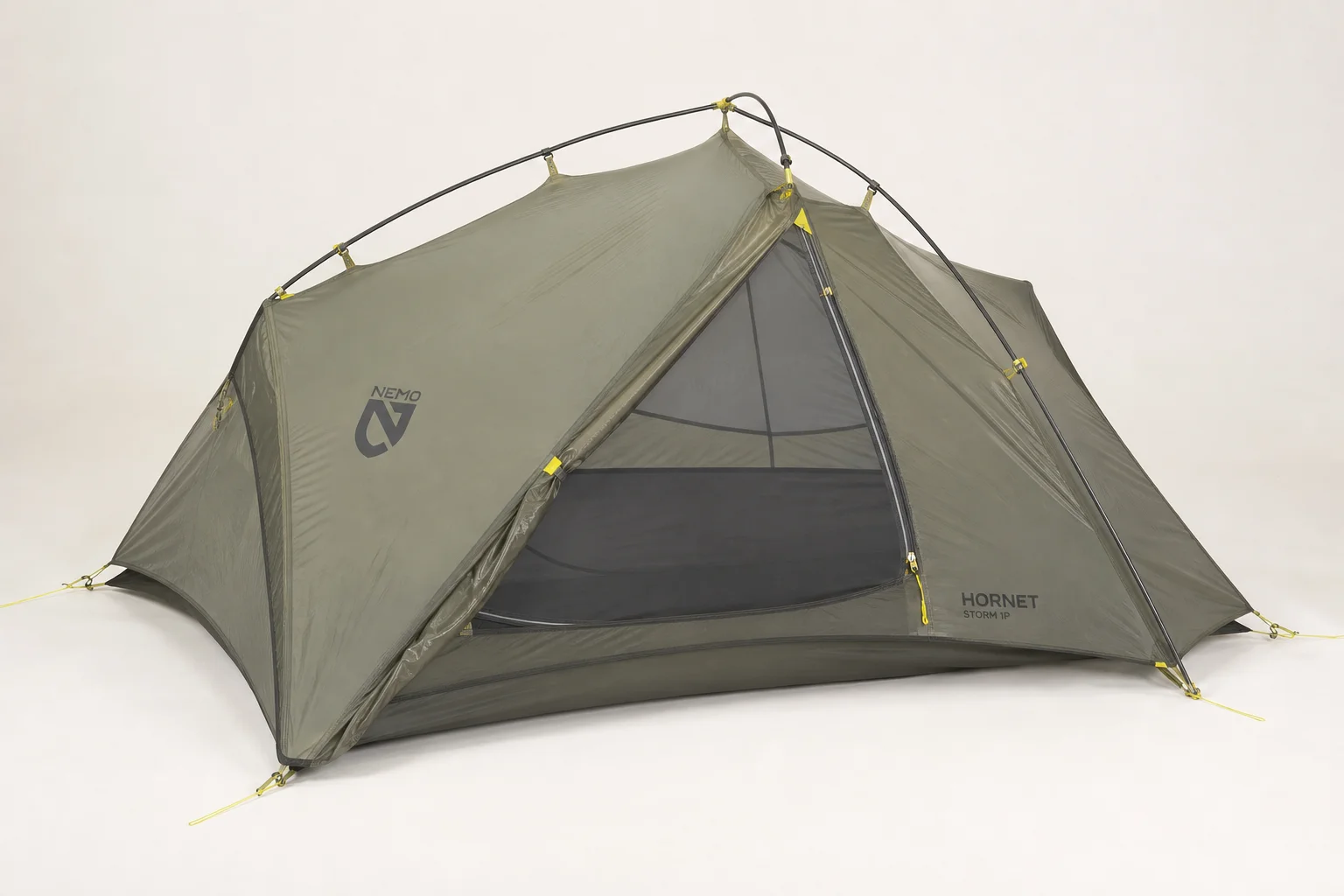
Hyperlite 20° Quilt: Warmth Without Bulk
A 20-degree quilt does exactly what it is supposed to do. It is warm, it is light, and it packs down small enough to leave room for everything else. Paired with a liner it also stays clean, which matters on muddy, wet trips when climbing straight into a quilt at the end of the day is not appealing.
For three-season use, this is the piece that decides whether a night is comfortable. Warmth and low weight together are the whole point, and this quilt delivers both without extra bulk in the pack.
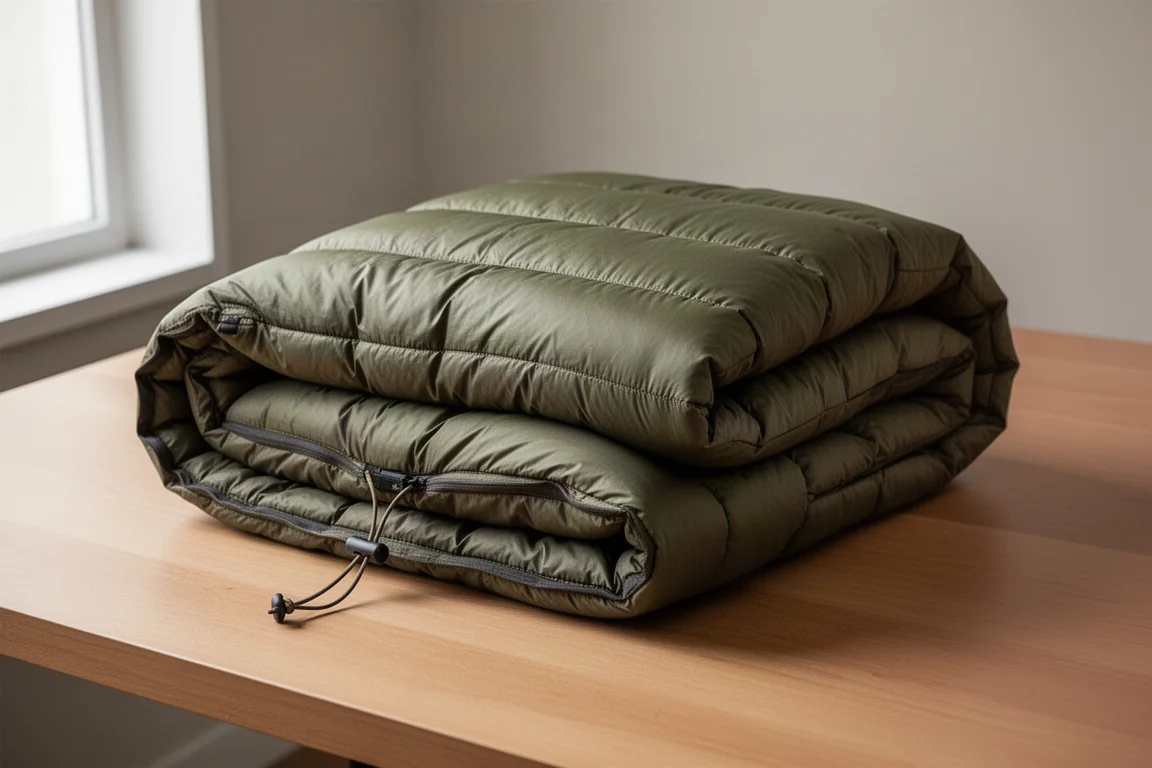
Path Projects Sun Hoodie: Everyday Active Coverage
The sun hoodie has been worn on every trip this year, and it is a clear step up from the budget alternative it replaced. The fit is better, the sleeves are longer, the fabric feels better against the skin, and the hood covers far more of the neck. Those differences are small on their own, but they add up over a full day of sun exposure.
It works best as an active layer, worn while moving and swapped for something warmer once camp is reached and the body stops generating heat. Having one piece for moving and one for standing still is a simple system that covers most three-season conditions.
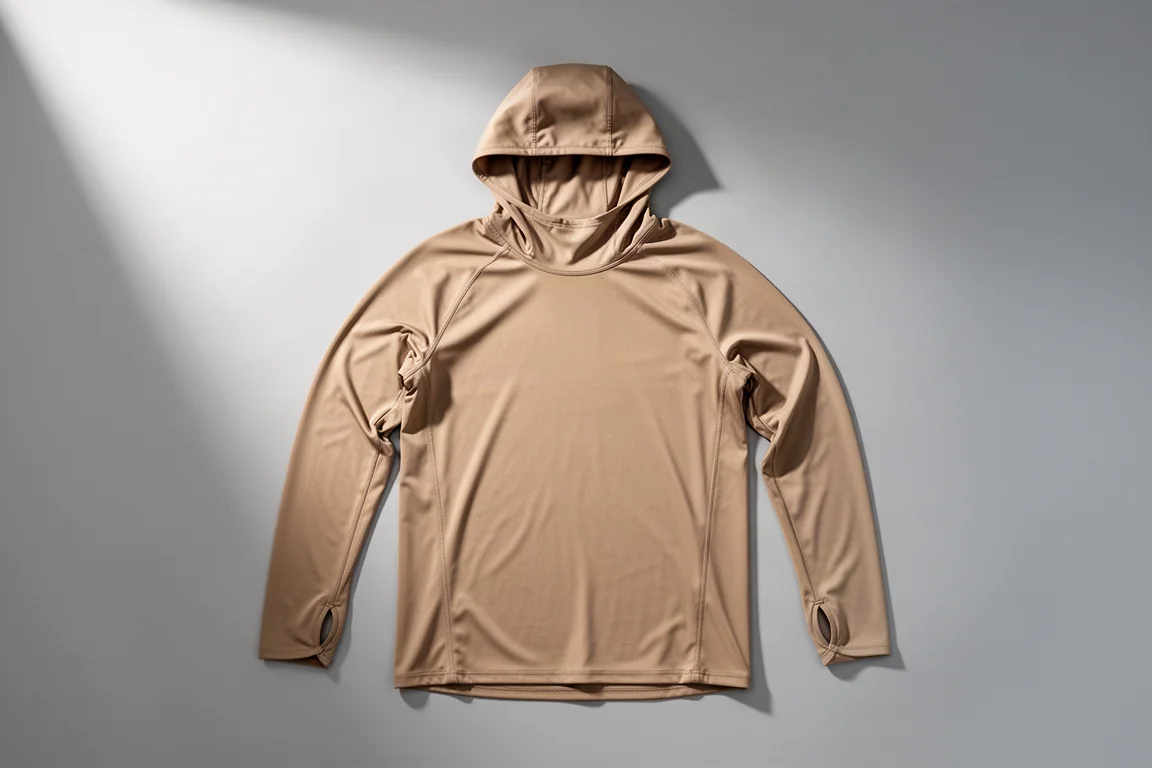
Salomon Speedcross: Trail Runners With Real Grip
Trail runners make more sense than hiking boots for most three-season walking. The Speedcross brings dependable traction on rough ground, quick lacing that makes it easy to get the shoe on and off, and a light feel underfoot. The line is updated regularly, so the current version is the one to look for.

Fit varies more between trail shoes than between almost any other category of gear, so trying a few models is worthwhile before committing. Where the terrain does not demand a boot, a trail runner keeps the walk faster and the pack lighter, and that is a trade most hikers are happy to make.
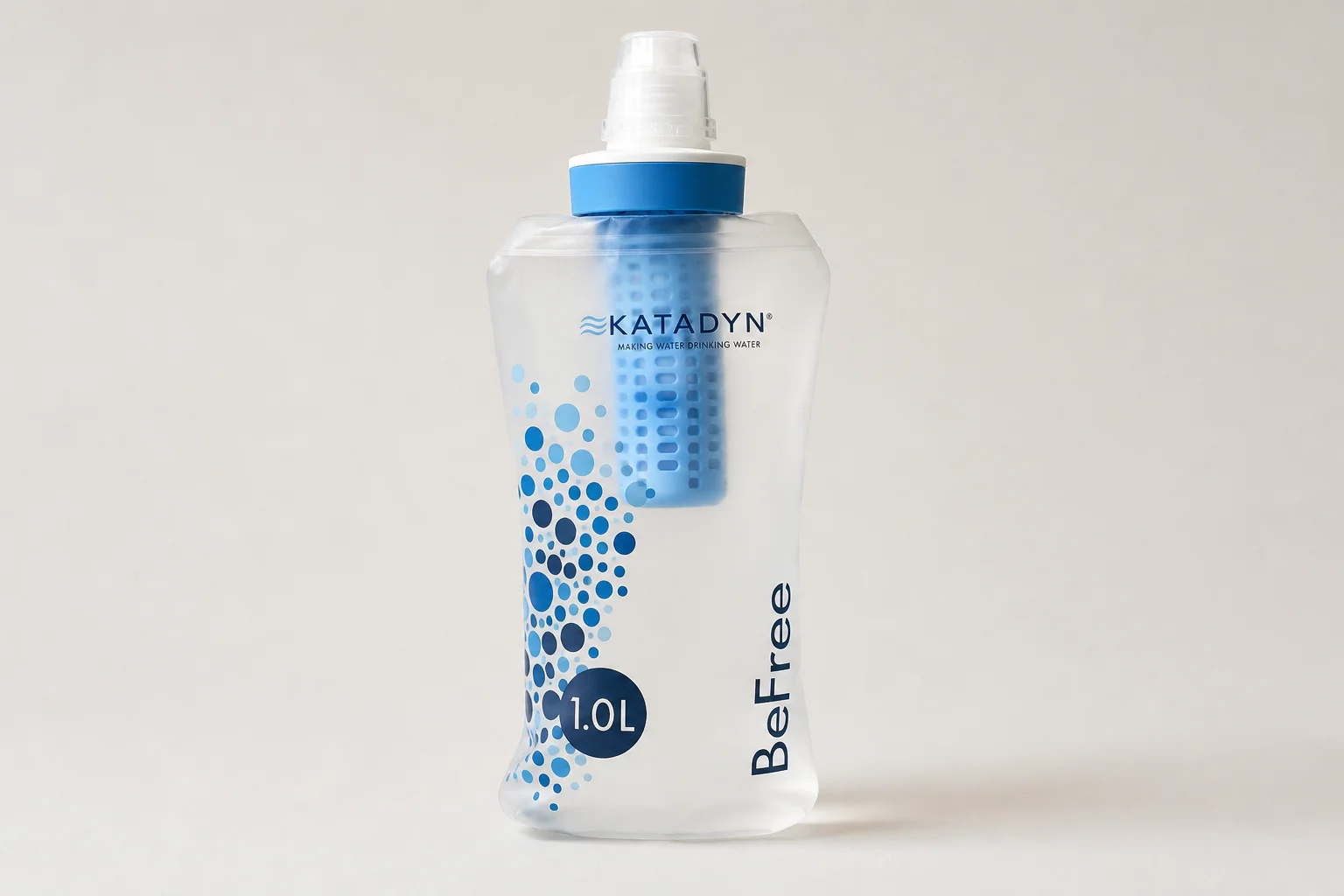
Katadyn BeFree: Water Anywhere, Without the Weight
The BeFree is the simplest way to turn a stream into drinking water. Scoop, drink, keep moving. It is light, it collapses down when it is empty, and it has been reliable without a single issue. The six-liter version suits terrain with plenty of streams, which means there is no reason to carry water between sources.
For routes that cross water regularly, that changes how the whole day is planned. Instead of hauling liters uphill, the filter turns every creek into a refill stop, and the weight saved goes somewhere more useful.
Jetboil MicroMo: Simple, Reliable Camp Cooking
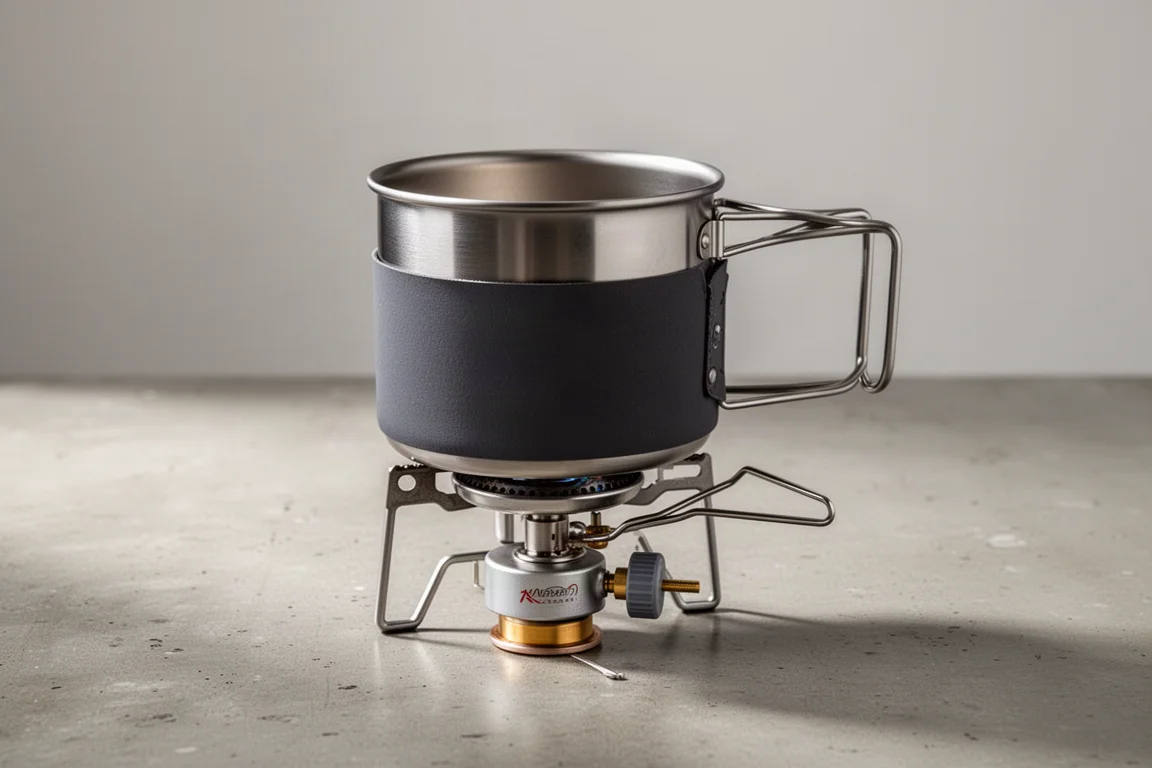
The cooking setup has not changed. A MicroMo, fuel canisters picked up in town whenever they can be found, and food cooked directly in the pot. Cooking in the pot makes a bit of a mess inside, but it is manageable with a little care and it saves carrying extra cookware.
That simplicity is the appeal. One pot, one stove, one canister, and a reliable flame at the end of the day, which is exactly what a short backpacking trip needs.
Six Moon Designs Umbrella: Shade and Rain Cover
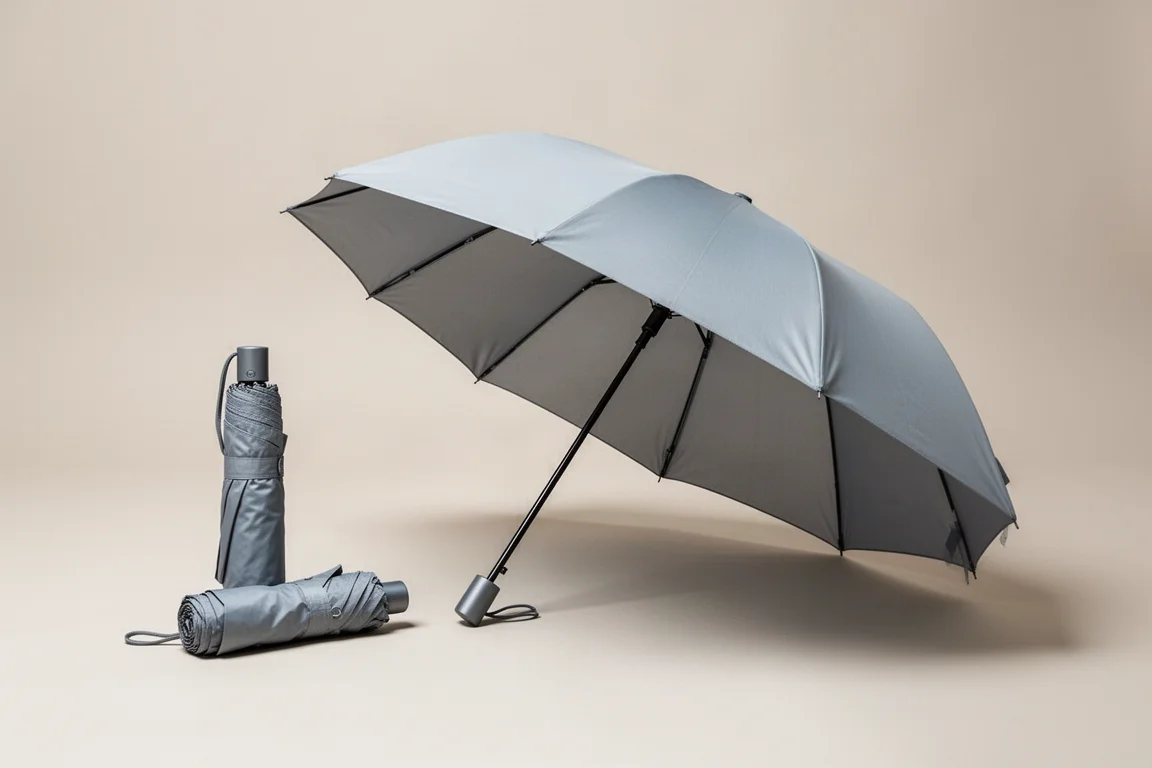
The umbrella is silver on top and black underneath, packs down small, and weighs very little. It is most useful where there is no shade at all and the sun is strong, and it also earns its place in a rainy, humid forest. Wind is the clear limitation: in a strong breeze, an umbrella becomes more trouble than it is worth.
For exposed routes with long, shadeless stretches, it is a lightweight way to take the edge off the heat without adding a layer of clothing. It is also a sensible item to pack for high-altitude walks where sun exposure is constant.
Buying Advice: Matching Gear to Your Trips
Buy for the trips actually being planned rather than the trips that might happen one day. Trip length drives pack volume more than anything else: a 35-liter pack covers overnight and two-night trips comfortably, while longer three to seven day routes want a larger pack. Conditions drive everything else, from how much insulation to bring to whether the shelter needs to handle wind-driven rain.
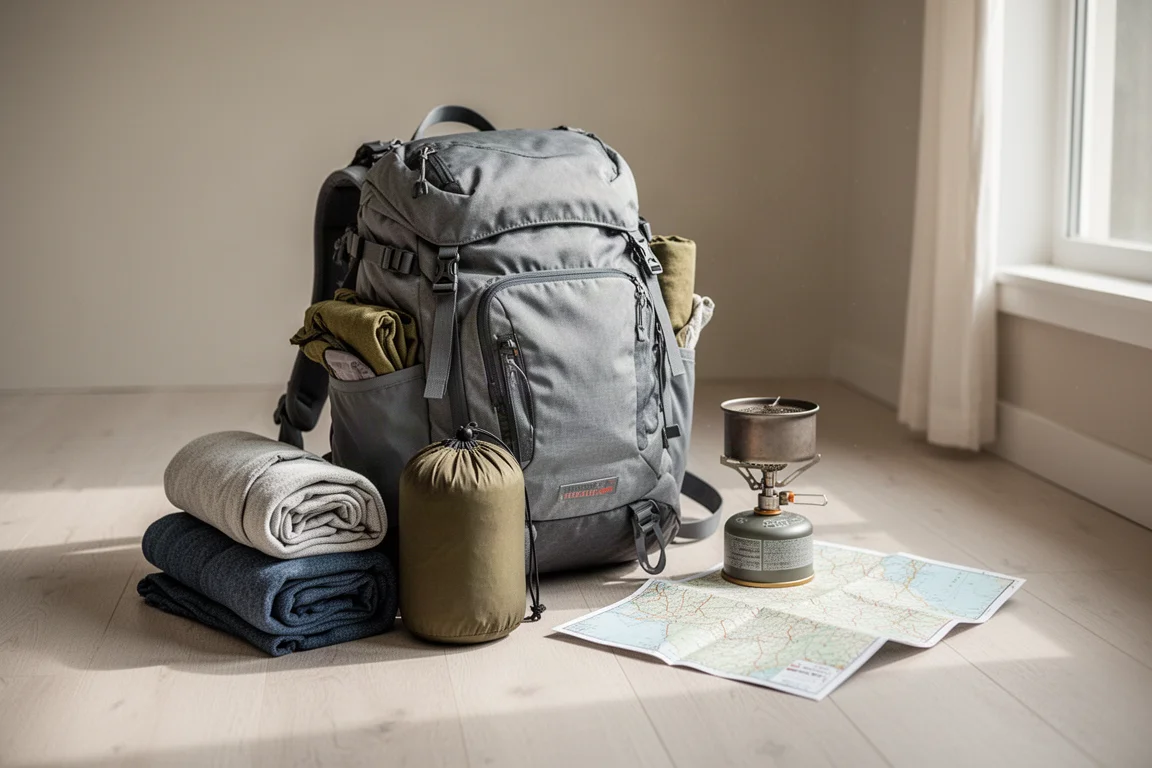
Lighter gear generally costs more and is usually better made, but heavier and cheaper options still work, and plenty of hikers are happy with them. The question worth asking is whether the weight saved is worth the money and the comfort given up. Answer that honestly for each item, and the kit builds itself.
Conclusion
This kit works because every piece solves a real problem: a pack sized for short trips, a tent that pitches quickly, insulation that is warm for its weight, layers that handle sun, wind and camp, and small tools that make water and cooking effortless. Replace gear when it wears out. Upgrade when a lighter option removes a genuine annoyance. Ignore the rest.
Further reading
Related Reviews
Hiking Gear
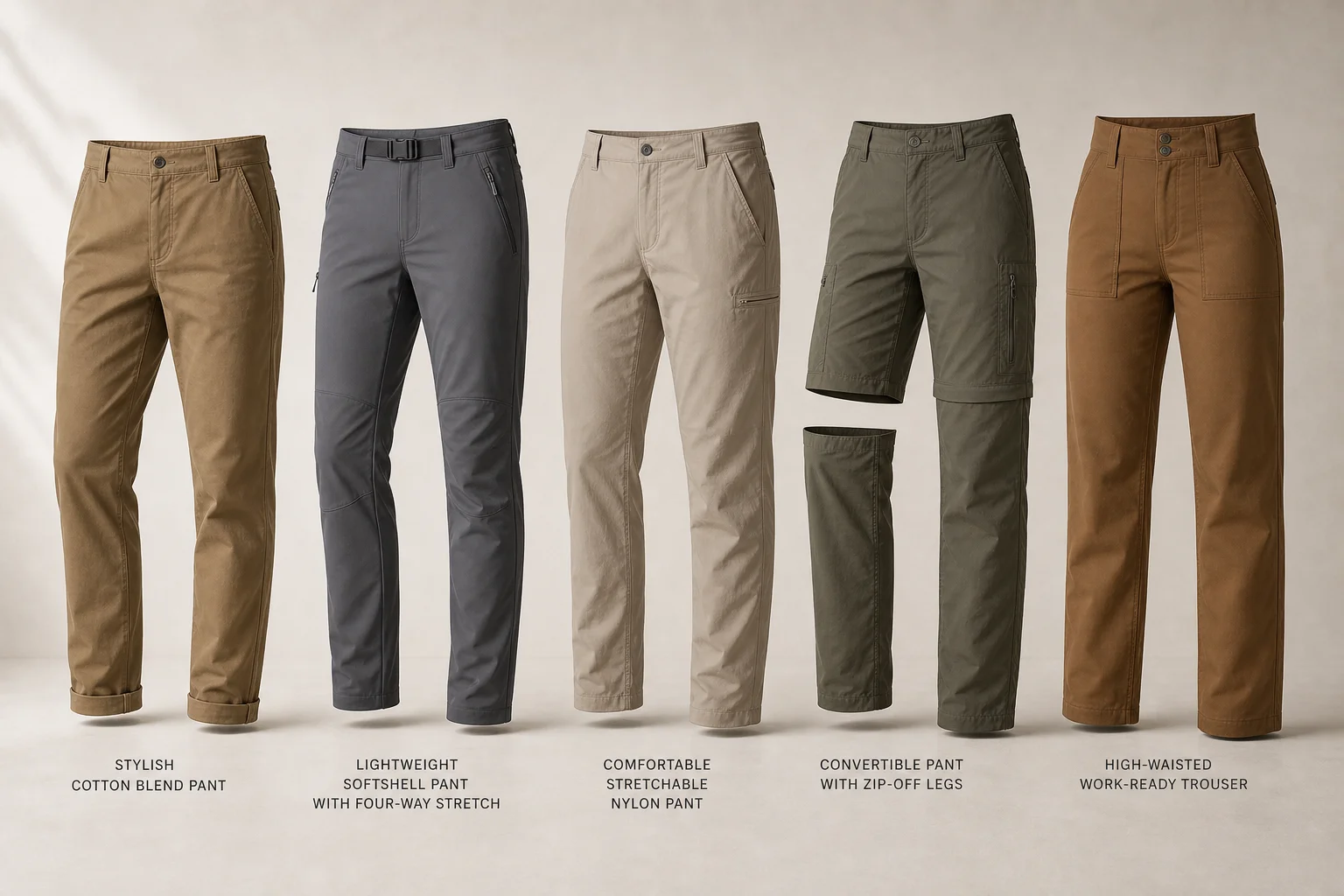
Best Hiking Pants on Amazon: Five Practical Options for Different Needs
A practical review of five hiking pants with clear strengths and trade-offs, from lightweight convertible styles to durable work-ready trousers.
Hiking Gear
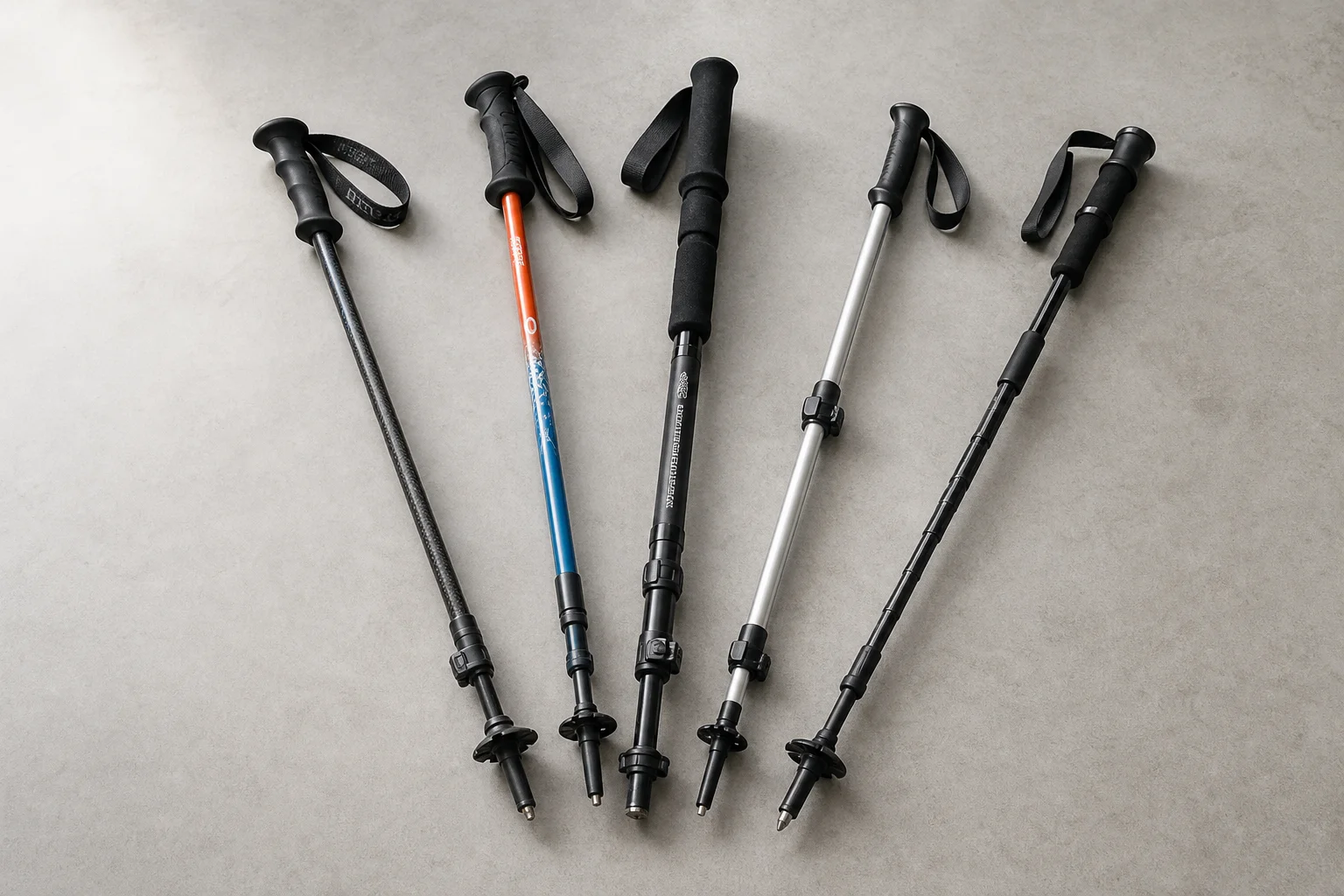
Best Hiking Poles 2026: Five Options for Different Trail Needs
A practical review of five hiking poles, from lightweight carbon designs to versatile all-terrain options, with clear strengths and trade-offs for each.
Hiking Gear
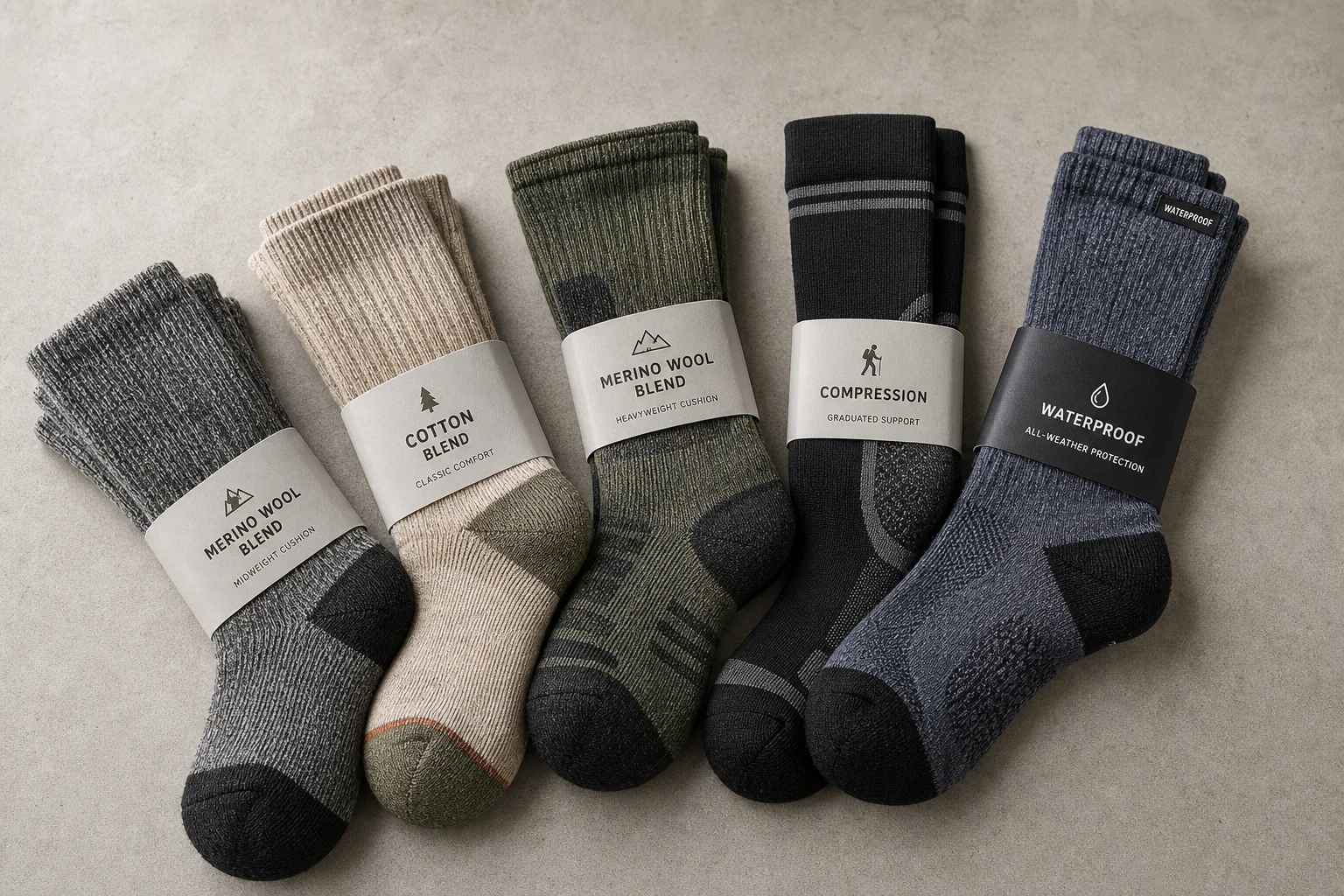
Best Hiking Socks 2026: Five Top Choices for Different Trail Needs
A practical roundup of five hiking socks, from lightweight merino options to heavy-duty compression styles, with clear guidance on which suits your outdoor activity.