Hiking Footwear
Lightweight Hiking Footwear: A Walking Shoe, a Waterproof Boot, and a New Trainer
A lightweight waterproof walking shoe, a winter mountain boot, and a new low-cut trainer, with what each does well, where to be careful, and how to match footwear to the route.
Introduction
Lightweight footwear changes how a long walk feels. On coastal routes in particular, a boot that seems fine for the first hour can start to drag by the end of the day, and the difference between finishing fresh and finishing flat usually comes down to what is on your feet.
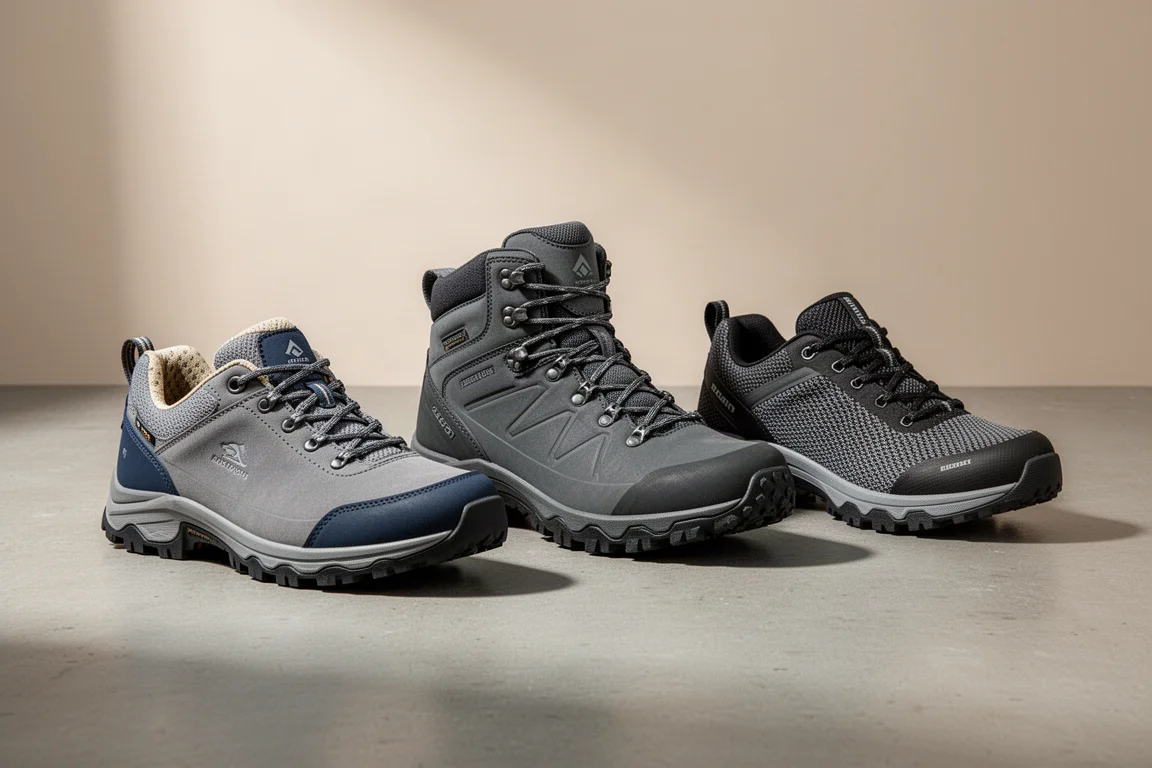
Three pairs of shoes and boots have shaped that experience over the past couple of years. There is a lightweight waterproof walking shoe that has covered a lot of coastal miles, a lightweight waterproof boot that has been worn more than any other pair, and a new low-cut trainer that is only just starting out. Each one sits in a slightly different place: a proven fair-weather workhorse, a cold-weather mountain option, and a fresh attempt to bring the same agility to warmer, faster walking.
This guide looks at what each pair does well, where each one asks for care, and which kind of route each is best suited to.
What to Look For in Lightweight Hiking Footwear
Weight is the first thing most walkers notice. A lighter shoe reduces fatigue on long days and makes a steady pace easier to hold, which matters on coastal routes where the ground rolls constantly and the miles add up quietly.
Waterproofing is the second. A membrane keeps rain and wet grass out, but a waterproof shoe is not automatically the right answer for boggy ground. Saturated terrain calls for a taller profile and a more aggressive tread, while a low-cut waterproof shoe is at its best in fair weather and on mixed rock and gravel.

Fit deserves as much attention as the specification list. Heel hold matters most: if the collar of the shoe folds in on itself or the heel lifts, the shoe will rub and the walk will suffer. Cushioning and breathability are the other two variables worth weighing up, because a shoe that manages moisture well stays comfortable for longer, and durable midsole foam holds its comfort over more miles.
Columbia Conspiracy OutDry: A Worn-In Coastal Walking Shoe
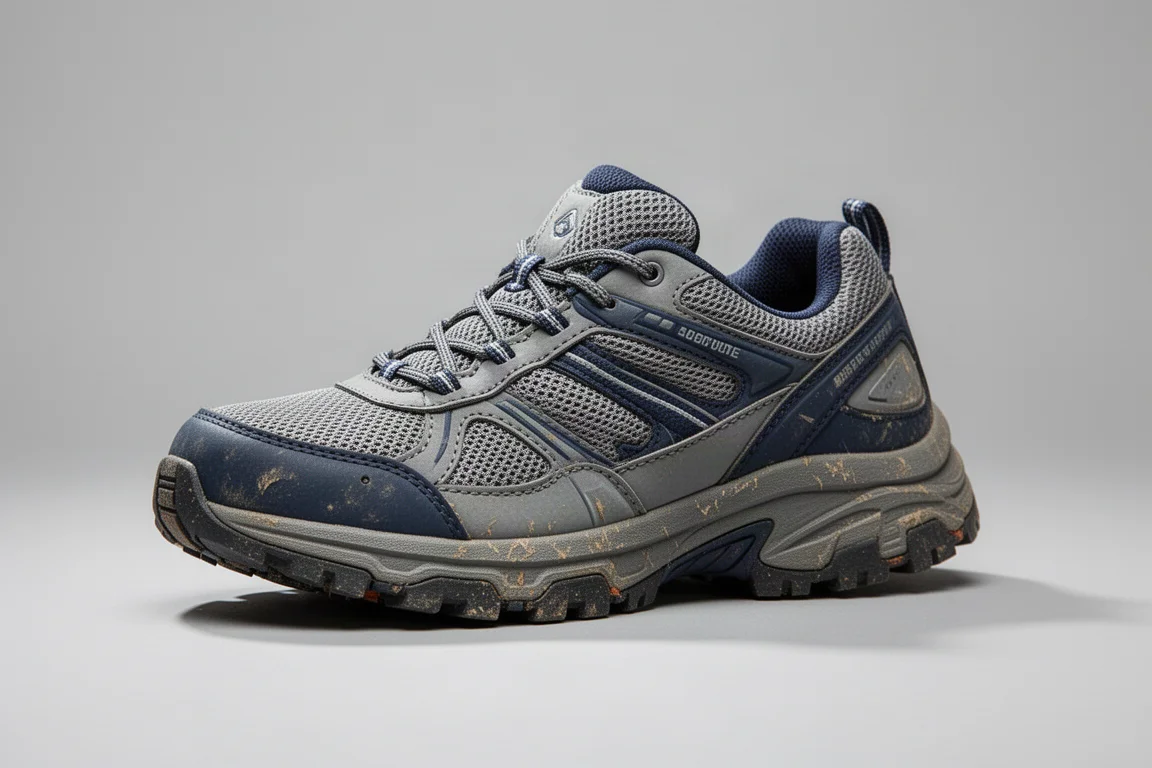
This is the pair that has done the most work. After roughly two years of constant use, including casual wear and everyday errands as well as hiking, it is still comfortable and still perfectly wearable. It has covered a long stretch of the southwest coast path, handles scrambling over rock well, and remains grippy enough to trust on mixed ground.
The wear is honest rather than terminal. The tread is thinning in a few patches and the upper is fraying at the edges, and the heel collar has a habit of folding in on itself, which means straightening it before a walk so it sits properly and does not dig in.
The main limitation is the weather. The build is lightweight and waterproof, but in practice it is a fair-weather shoe: on wet, boggy ground a different option makes more sense.
Salomon X Ultra Boot: Waterproof Agility for Cold Conditions
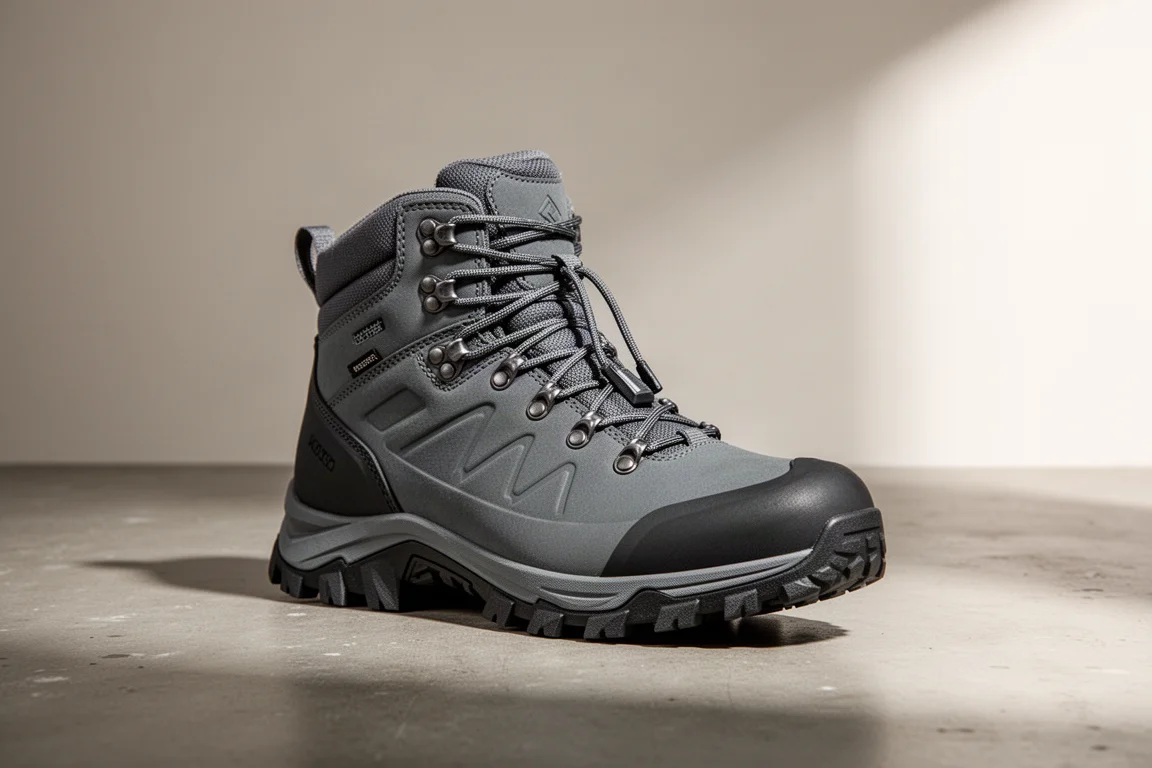
After around 18 months of use, this boot has been worn more than any other. It has been taken into the Carpathian mountains in winter and through snow, where it stayed waterproof and left feet bone dry at the end of the day. What makes it stand out is the combination: lightweight, flexible and agile on the move, yet still fully waterproof when conditions turn.

It is worth knowing that this boot divides opinion. Some walkers who have tried it have not got on with it, so fit is worth checking carefully before committing, particularly around the heel and the volume across the forefoot.
Salomon X Ultra Trainer: The New Lightweight Option
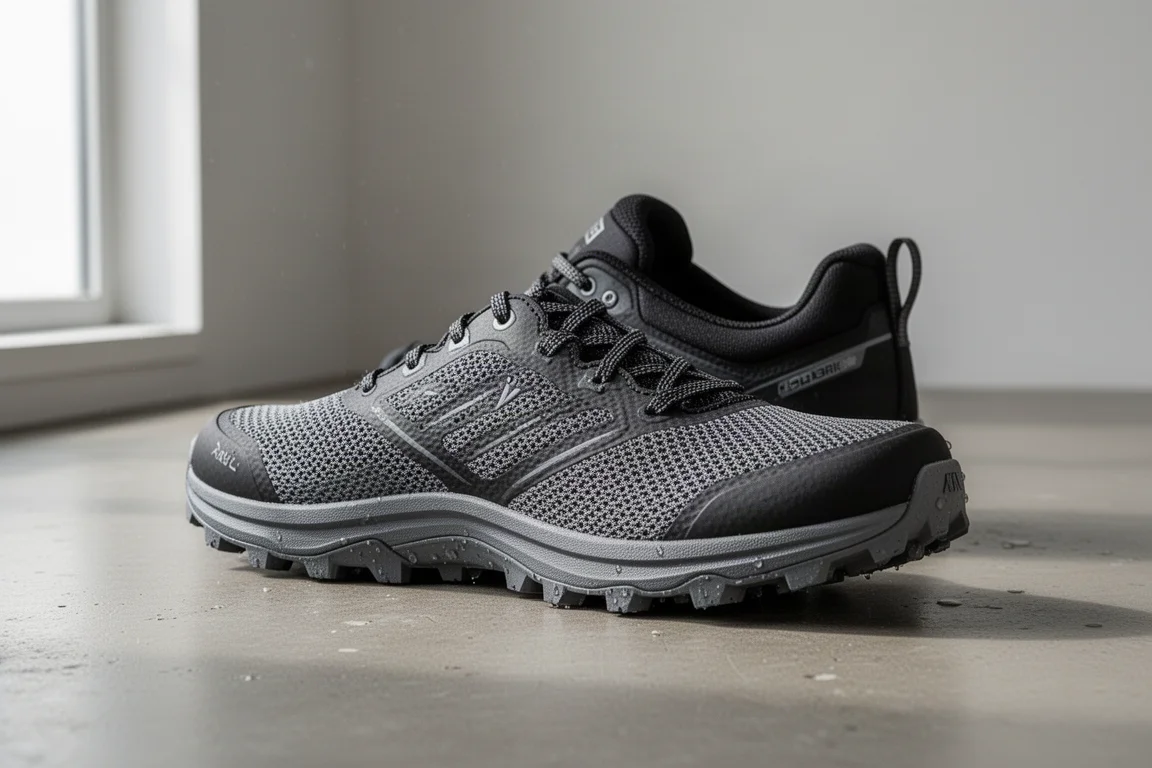
The trainer is the newest addition, chosen as a lighter alternative for longer coastal walks where a boot starts to feel like extra weight. It follows the same thinking as the boot: Gore-Tex waterproofing in a low-cut shoe, with Ortholite foam technology for long-term cushioning, plus a high level of breathability and moisture management for comfort over distance.
The initial fit is snug without being tight, which is what you want from a shoe that will be worn at pace. Sock choice matters here, since the fit was judged with thin socks, and a thicker sock will change how the shoe sits.
Long-distance durability is still an open question, simply because the shoe has not covered enough ground yet. Everything about the construction suggests it is built for the same kind of mixed coastal terrain as the boot it is based on.
Matching the Shoe to the Route
The choice between a boot and a low-cut shoe is really a choice about terrain and conditions rather than about which one is better in the abstract.
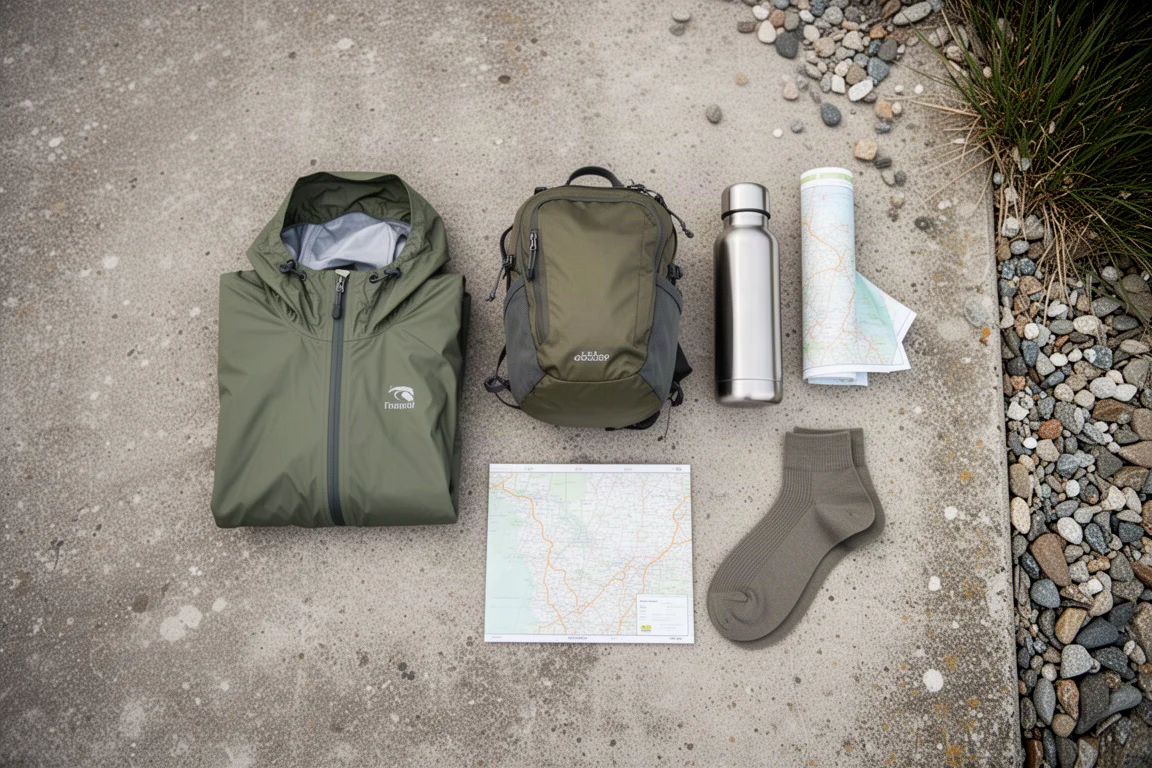
A boot earns its place on wet, boggy ground, in cold weather and on rougher mountain terrain, where ankle coverage and a taller waterproof profile matter. A trainer or low-cut shoe is the better tool for fair-weather coastal walking, faster pacing and long days where reduced weight keeps the legs fresher. The trade-off is coverage: a low-cut shoe offers less protection when the ground turns soft, and a boot asks more of the legs once the miles build up.
Fit and Care Notes
Heel hold is the detail that separates a shoe that lasts from one that rubs. If a collar collapses inward, straightening it before each walk keeps it sitting correctly and stops it digging in. Checking the tread periodically is also worthwhile, because grip usually fades in patches rather than all at once, which means a shoe can stay useful long after it stops looking new.
Rotating between pairs extends the life of all of them, and using hiking shoes for everyday wear accelerates the wear on the upper and the midsole. Two years of constant, mixed use is a lot to ask of any lightweight shoe.
Buying Advice
The sensible approach is to start from the walking you actually do. Fair-weather coastal paths, mixed rock and gravel, and long days at a steady pace point towards a lightweight trainer or a low-cut waterproof shoe. Winter mountains, snow and saturated ground point towards a waterproof boot with a more protective profile.

If budget is a factor, a worn pair can still be perfectly serviceable as long as the heel collar holds its shape and the tread has not gone smooth. Where money is better spent is on fit: trying a shoe on with the socks you plan to walk in, and checking heel hold before anything else, will do more for comfort across a season than any single specification.
Conclusion
Three pairs, three clear roles. The lightweight walking shoe has already proved itself over two years of coastal miles and remains comfortable, as long as you accept the heel collar needs a hand now and then. The waterproof boot is the one to reach for when the forecast turns cold and wet, and it has stayed dry in conditions that would trouble most lightweight footwear. The new trainer is the one to watch, bringing Gore-Tex protection and long-term cushioning into a lighter, faster package for coastal walking.
Match the footwear to the route, check the fit with the socks you actually wear, and any of these three will serve you well.
Further reading
Related Reviews
Hiking Footwear
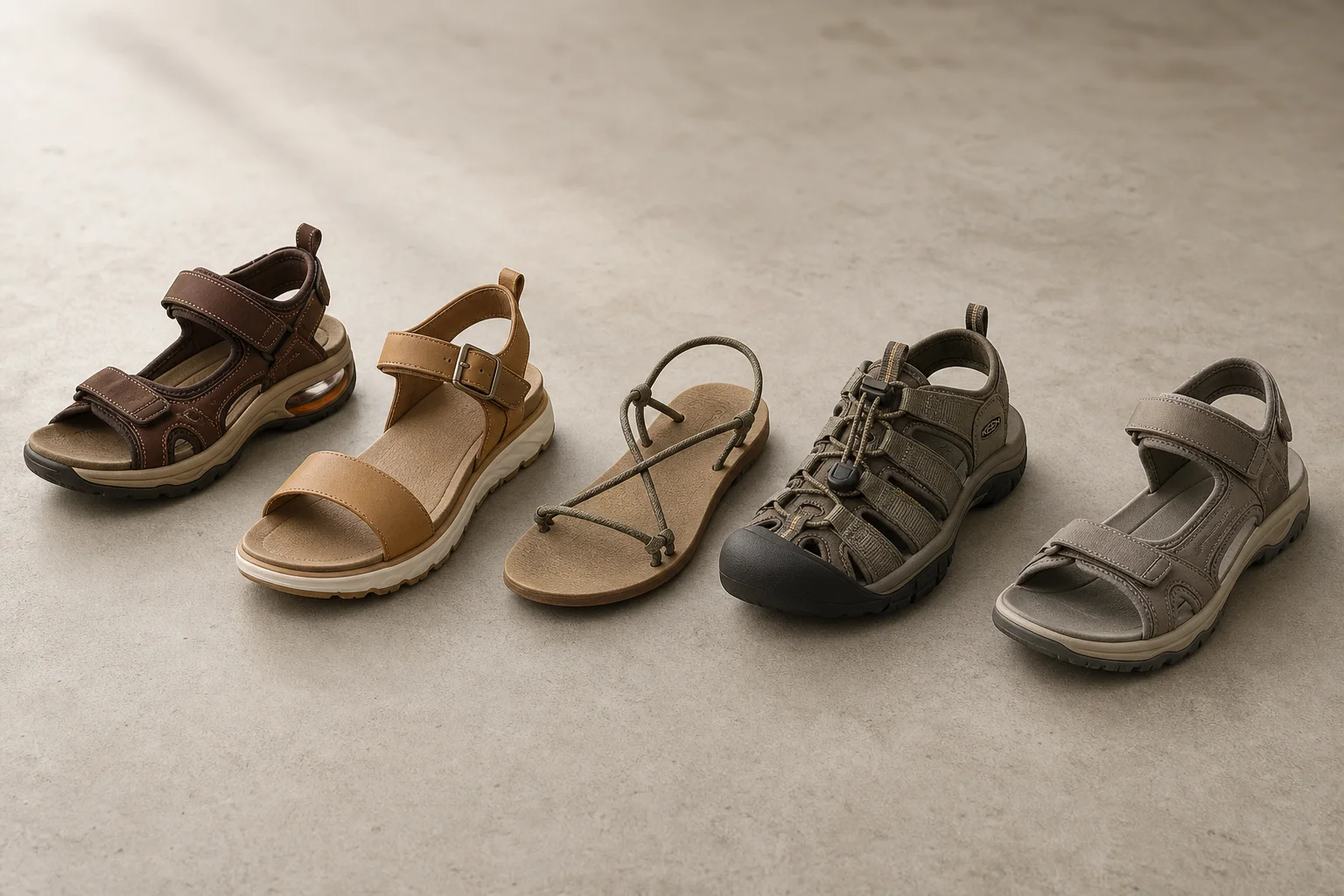
Best Hiking Sandals 2026: Five Options for Different Trail Needs
Five hiking sandals tested for comfort, protection, and versatility. Find the right pair for your hiking style, from minimalist designs to heavy-duty closed-toe options.
Hiking Footwear
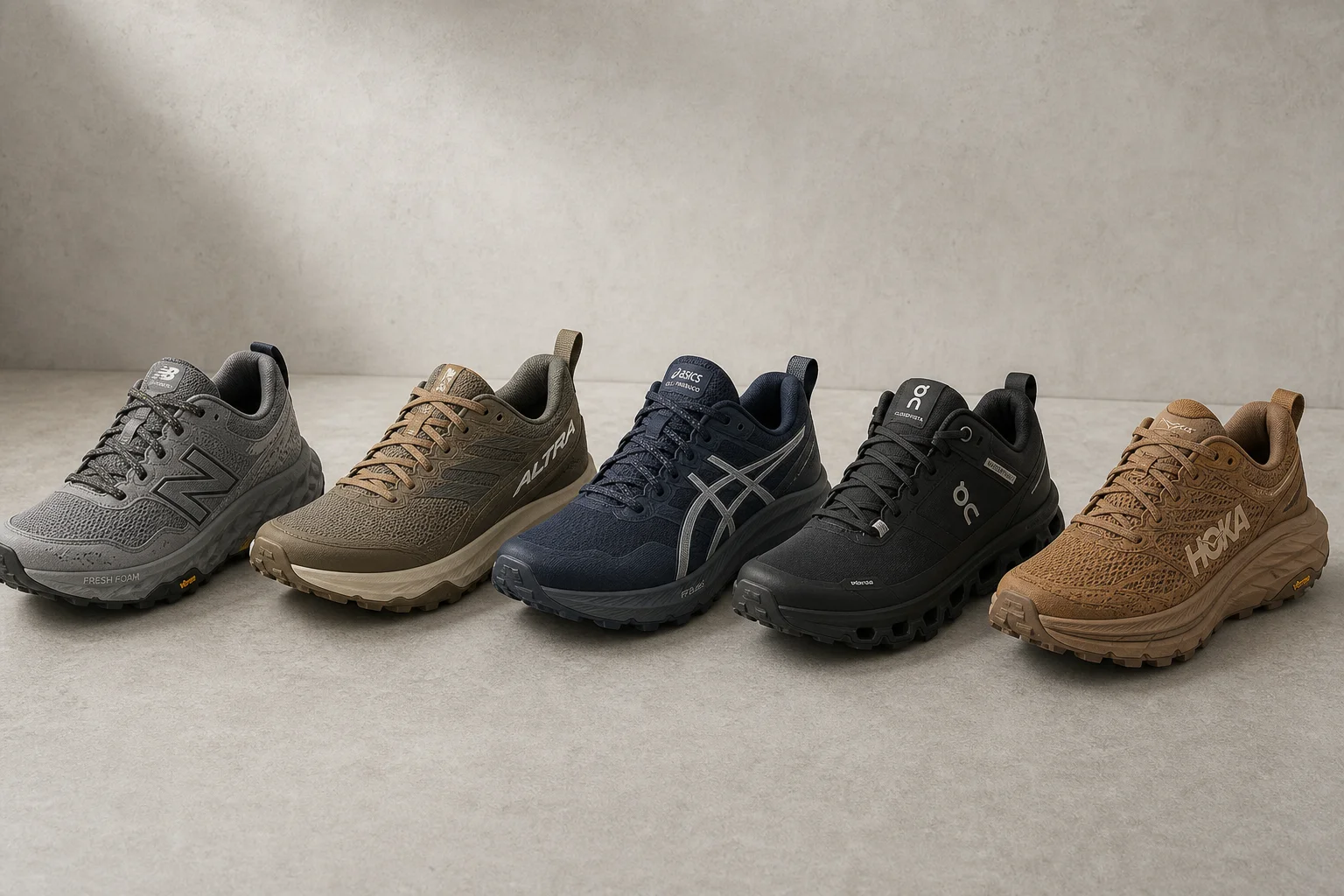
Best Hiking Shoes 2026: Five Options for Different Terrain and Support Needs
A practical guide to five hiking shoes covering max cushioning, zero-drop design, all-around versatility, waterproof protection, and balanced comfort for long-distance trails.
Hiking Footwear
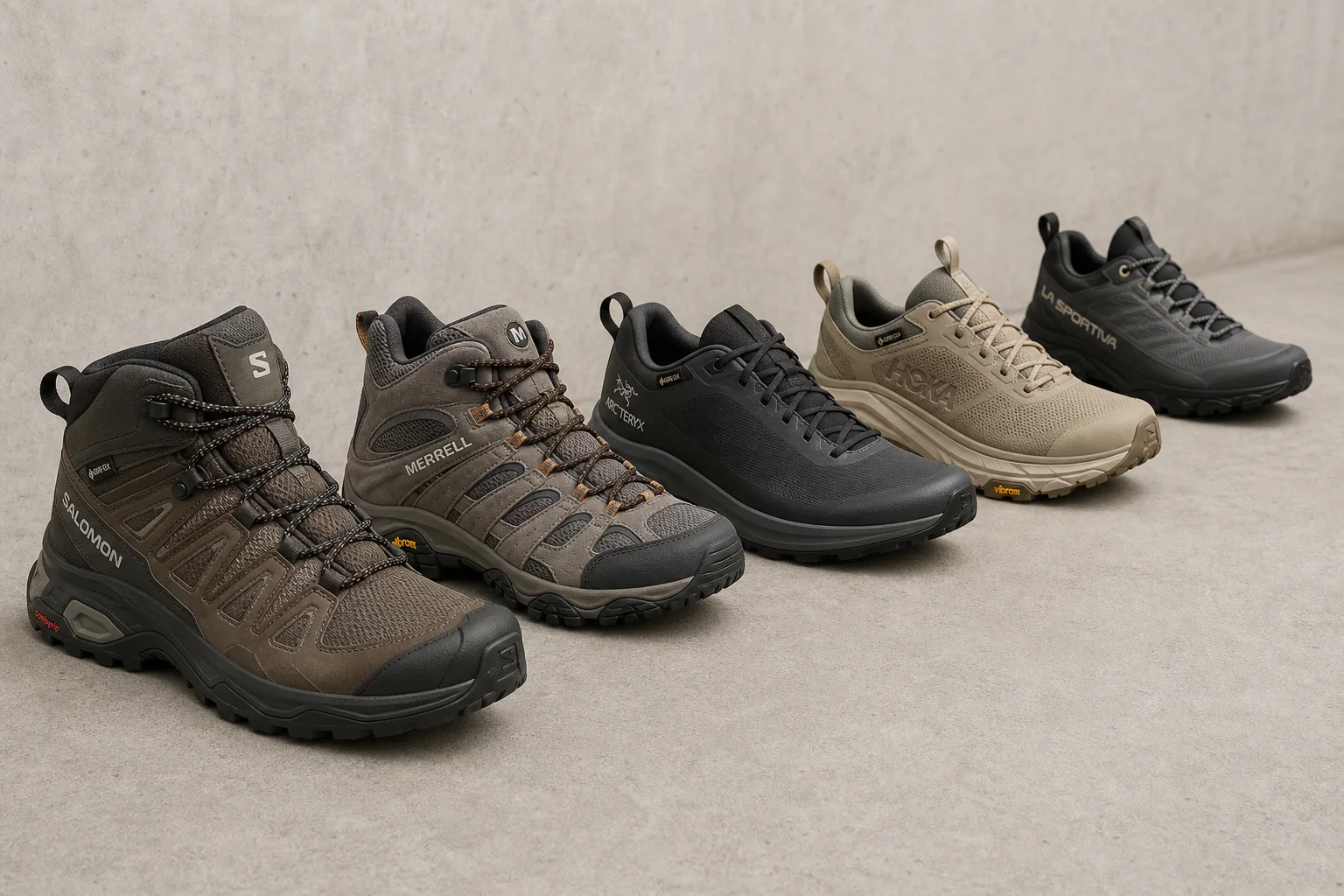
Best Hiking Shoes for Men: Five Tested Options Ranked
A detailed ranking of five hiking shoes tested for comfort, traction, and durability across varied terrain and conditions.