Hiking Gear
Lightweight Alpine Trekking Gear List: 10 Pieces That Performed on an Eight-Day Trek
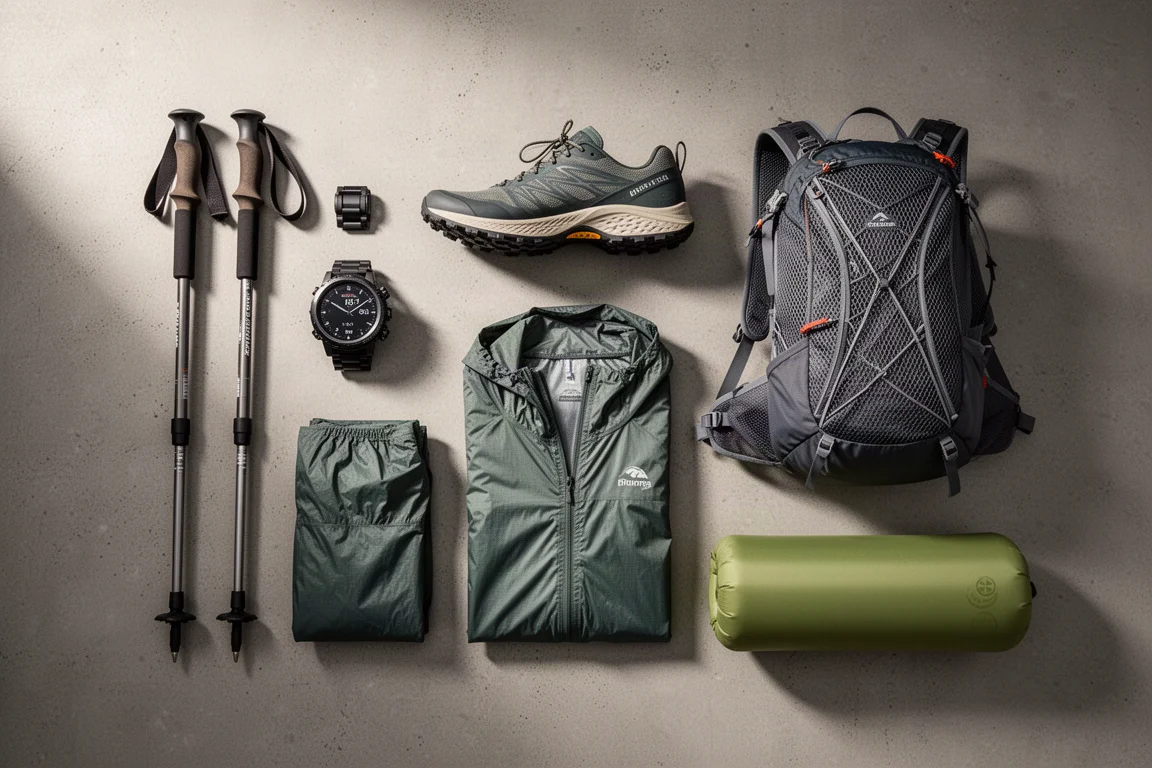
Ten lightweight, affordable pieces of hiking gear that held up on an eight-day alpine trek, from aluminum trekking poles and cushioned trail shoes to a lightweight backpack and a warm down sleeping bag.
Introduction
An eight-day trek through the Alps is an unforgiving test of a gear list. Long, sustained climbs give way to steep descents, much of the route sits above the treeline where the sun beats down all day, and nights at elevation get cold enough to demand real insulation. Accommodation alternates between mountain hostels and campsites, and water is often available from taps and refuges rather than from streams.
The ten items below were all used on that route, and they share three qualities: light weight, comfort, and an affordable price. A few are long-standing favorites. Others were new to the market, including a lightweight backpack from a brand that had never made one before, and that pack turned out to be the biggest surprise of the trip.
What Mattered Most on This Trek
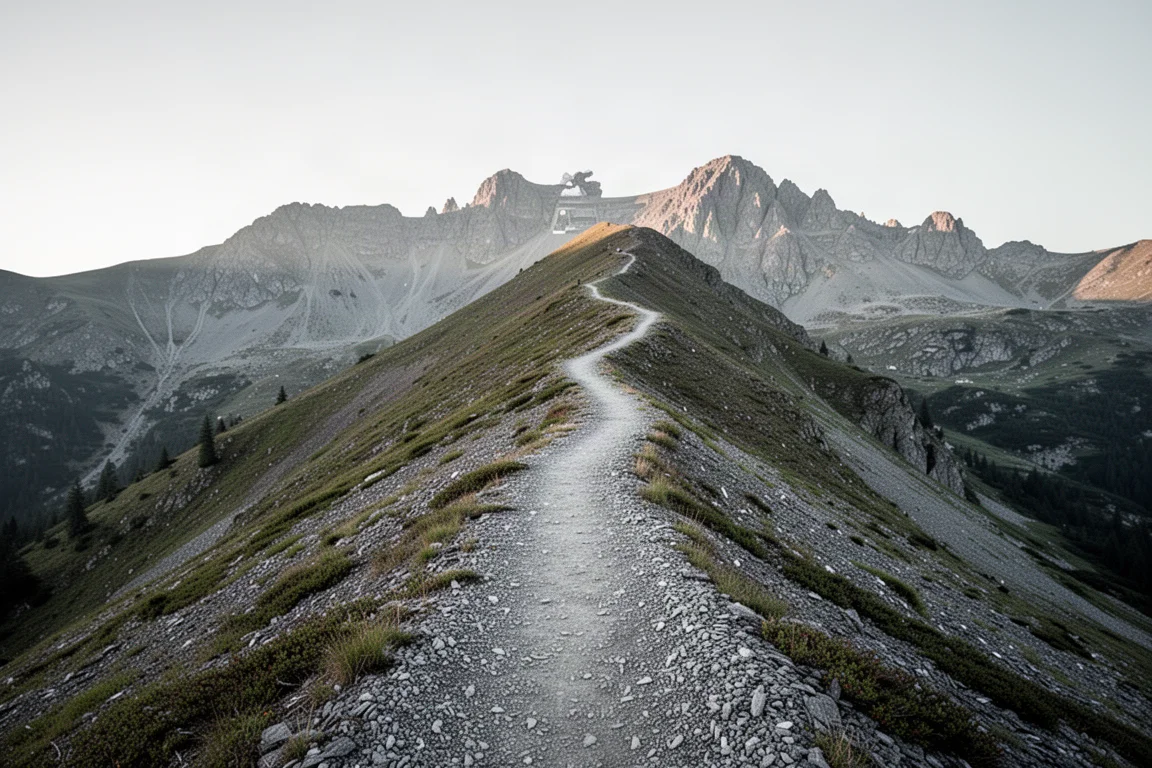
The route shaped every decision. Long straight climbs followed by long straight descents put a premium on support for knees and hips. The trail itself was well marked, but other paths cross and branch off it constantly, so navigation was a daily task rather than a one-time setup. Above the treeline, sun protection mattered as much as insulation, since thin long sleeves and a hood do more work than most people expect. Nights were cold, mornings were damp, and the mountain hostels along the way supplied blankets and pillows but not much else.
Each pick below was judged on how it handled those conditions: how it carried, how it packed, and whether it earned the space it took up.
Decathlon MT 500 Trekking Poles
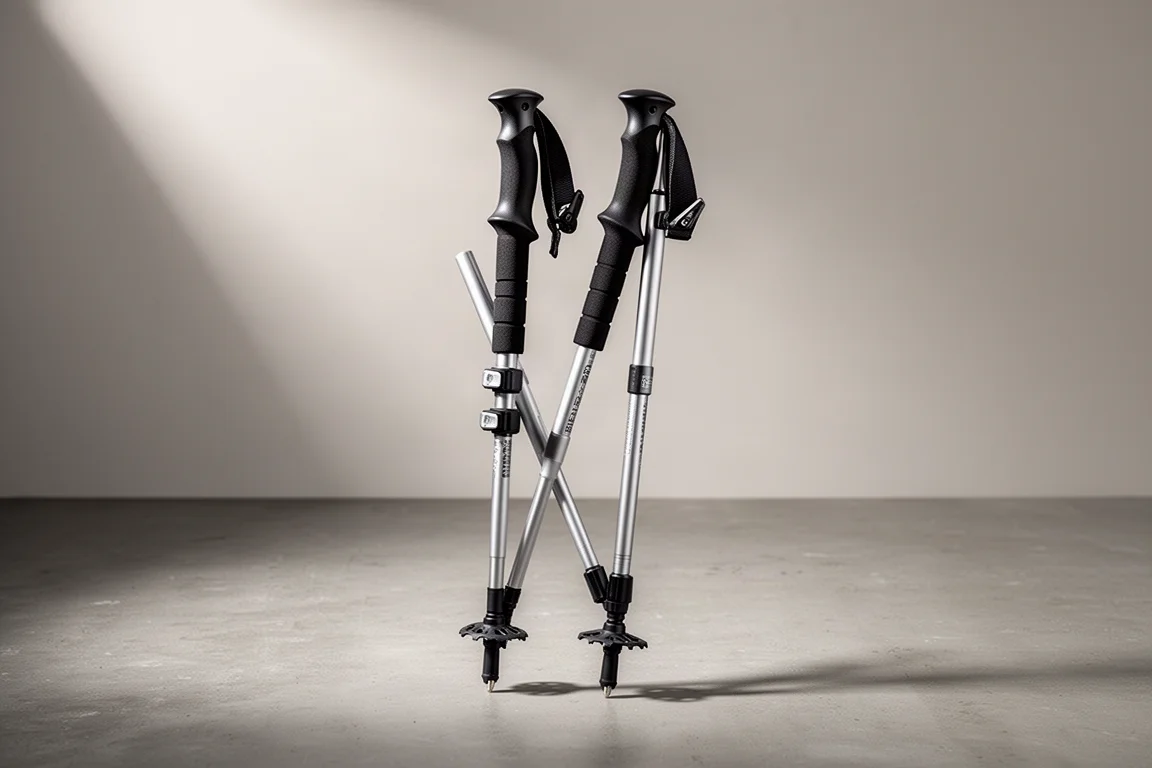
Aluminum trekking poles that are durable, lightweight, and comfortable in the hand. On a trail built from long climbs and long descents, poles did two jobs at once: they helped on the way up, and they slowed the pace and took load off knees and hips on the way down. Used day after day for eight days, they held up without complaint, and they are one of the least expensive ways to make a hard route feel easier.
Garmin Fenix Watch
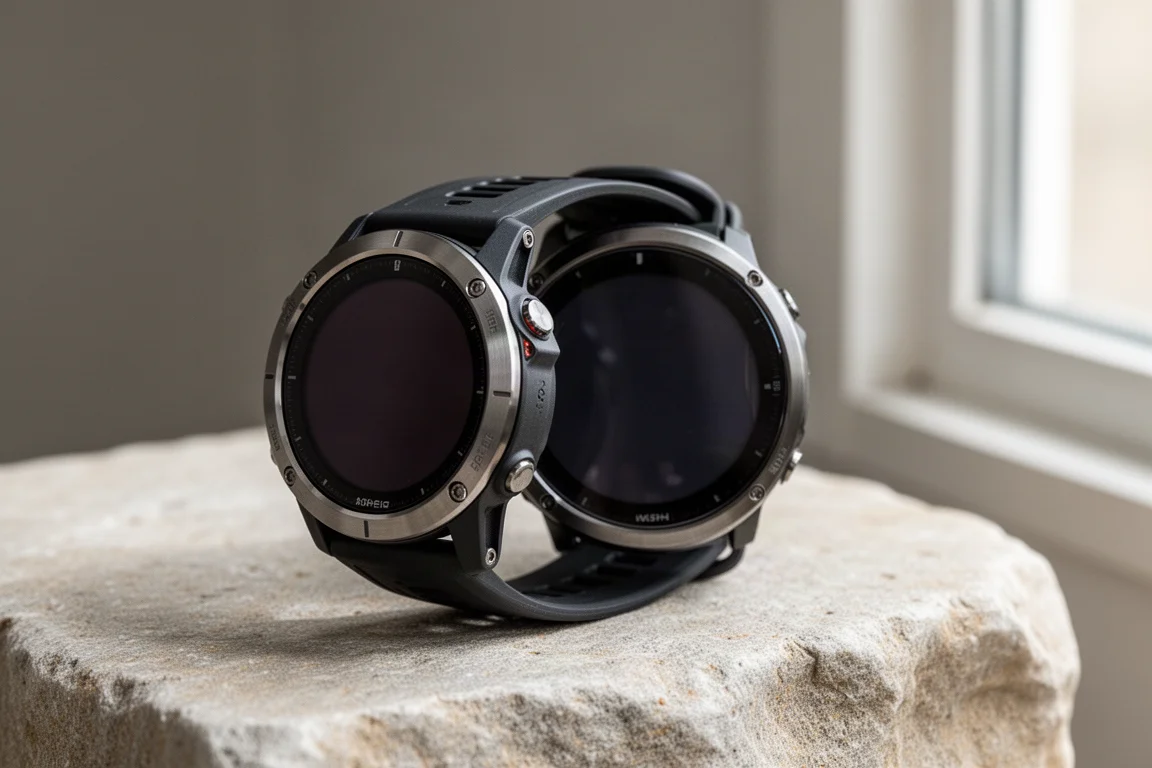
A multisport watch that can hold a map for each day’s stage. Because so many side trails intersect the main route, being able to glance at the wrist and confirm the correct direction at a junction prevented a couple of wrong turns. The trail was well marked overall, but the watch added a useful layer of certainty on the days when legs were tired and attention was short.
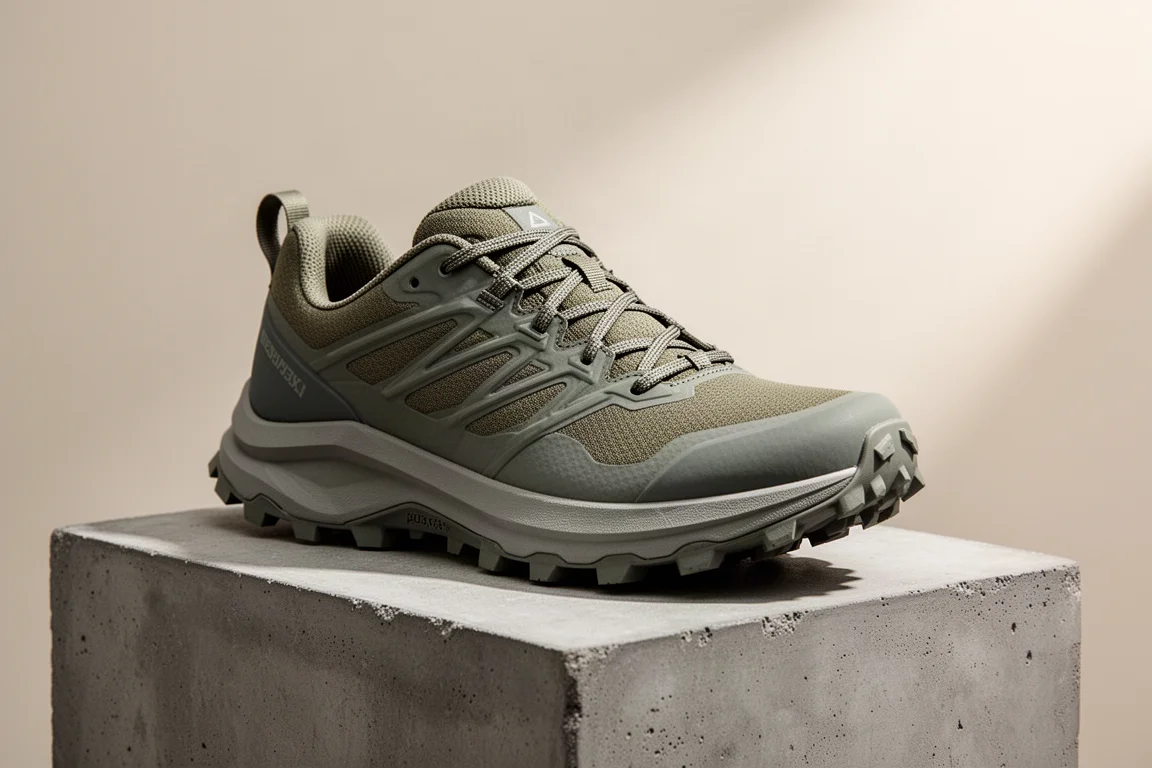
Hoka Speedgoat Trail Shoes
Trail shoes with generous cushioning and a wider toe box. They have been in use for years and hundreds of miles, and this trek was the first long trip for one of the pair. On the biggest day of the route, roughly 30 kilometers with almost 2,000 meters of elevation gain, the cushioning and roomy fit were credited with making the finish possible. For long days on hard mountain trails, that combination is exactly what tired feet want.
Decathlon MT 900 Ultra Light Backpack
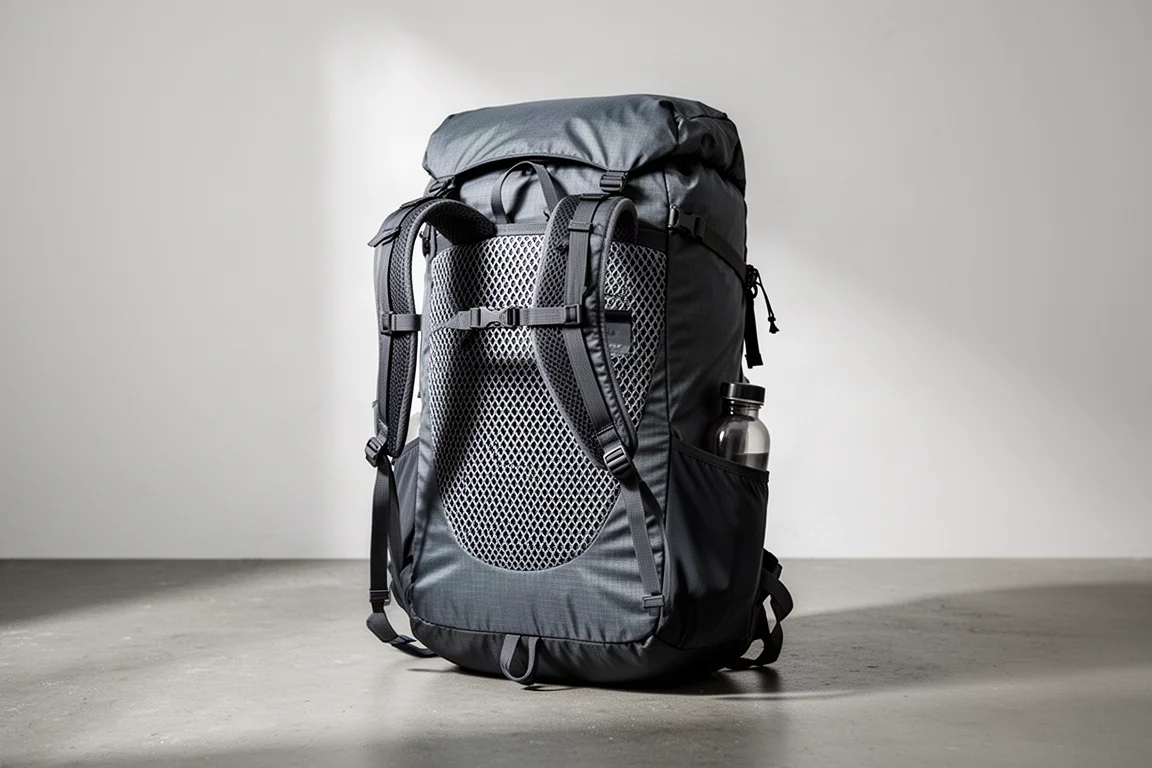
The most interesting piece on this list. The MT 900 Ultra Light is a new pack for Decathlon and new to the market, and the brand had not previously offered a lightweight model. It weighs just over one kilogram, which puts it in the lightweight category, and it carries far better than that number suggests.
Three details stand out. The water bottle pockets use a side-opening design, so a bottle can be pulled out and stowed again without taking the pack off, and the same access works well for bear spray in areas where that is a concern. A trampoline back panel holds the pack away from the spine and keeps air moving, which means less sweat than a flat foam panel. The frame also transfers weight to the hips effectively: loads of roughly 30 to 35 pounds were carried comfortably, including on steep terrain.
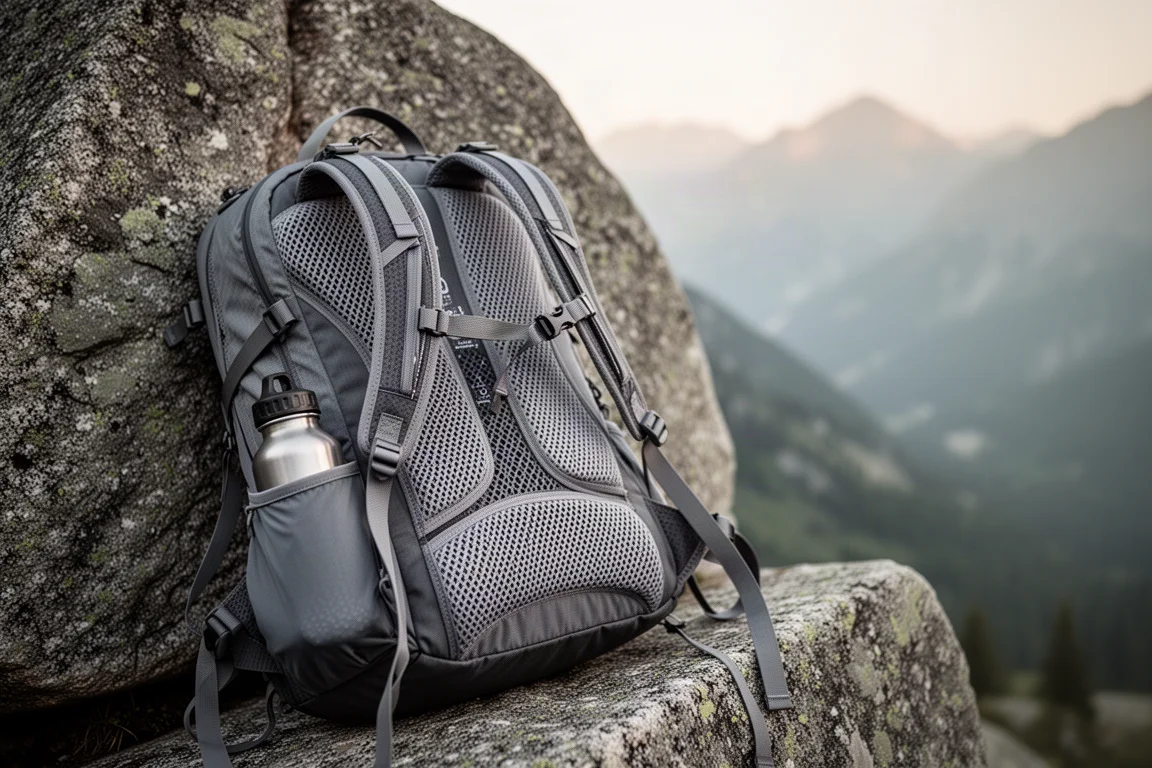
For a pack at this price, the feature set is unusual, and it is the piece most likely to change how a lightweight setup gets built.
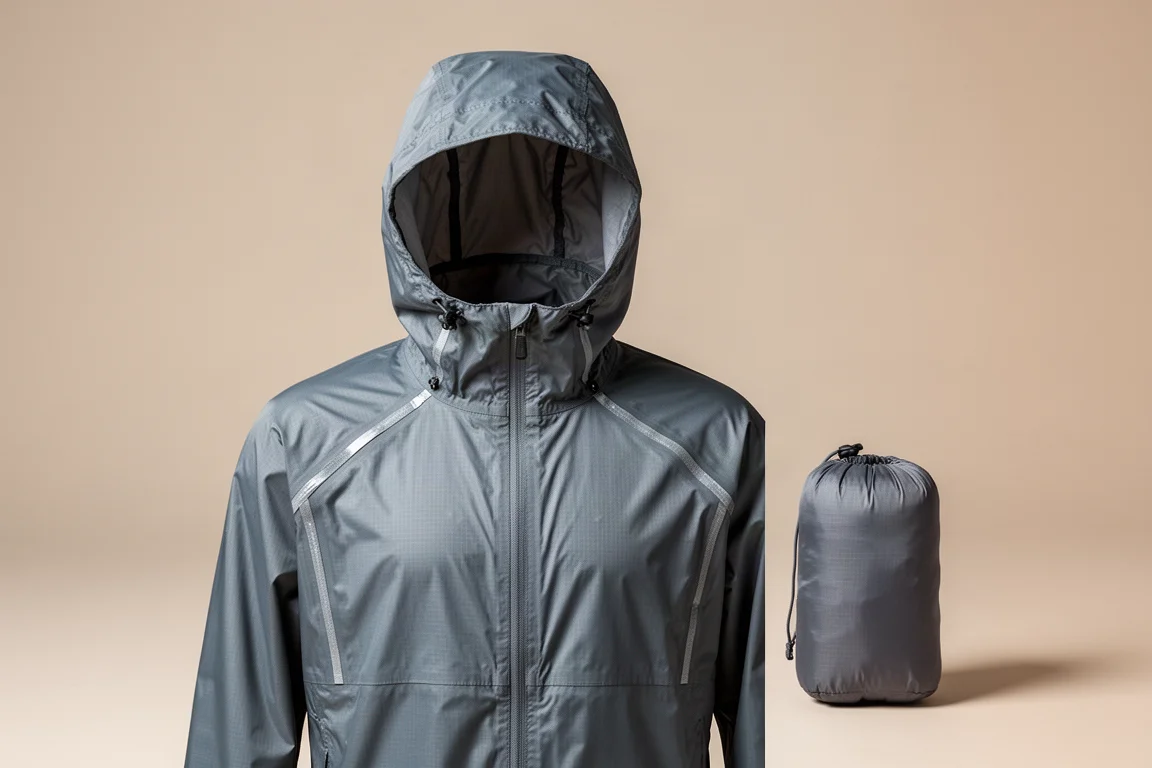
Decathlon FH-500 Ultralight Rain Jacket
A waterproof shell that packs down very small and has taped seams. Weather on this trek was close to perfect, so the jacket only saw about 20 minutes of rain, but it kept the wearer dry through it. That is enough to earn a permanent place in a backpacking rotation, and it is the kind of shell that can live at the bottom of a pack without being noticed until it is needed.
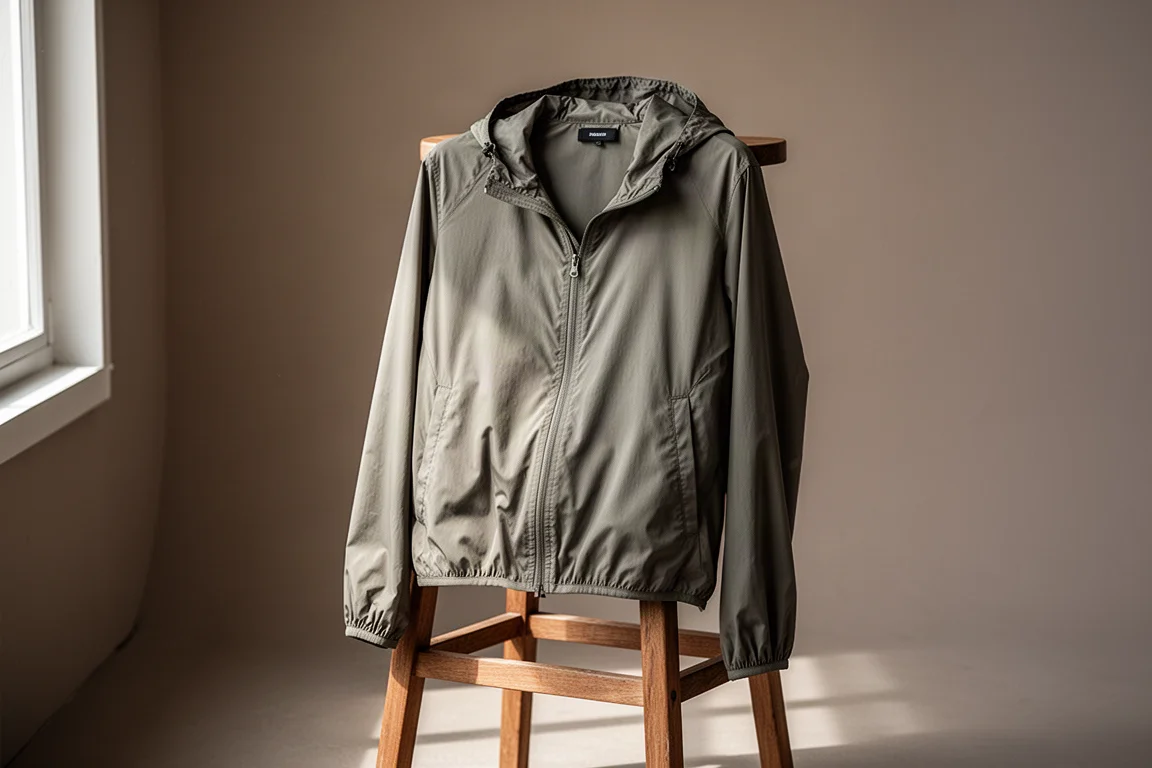
Decathlon FH-500 Wind Jacket
A simple wind shell that came out on exposed alpine sections, over passes, and on cold mornings. It was the most appreciated piece of kit on the trip for one of the two hikers, which is a strong endorsement for a jacket this light and this inexpensive. It layers easily over a thin sun hoodie or a fleece and adds warmth without adding bulk.
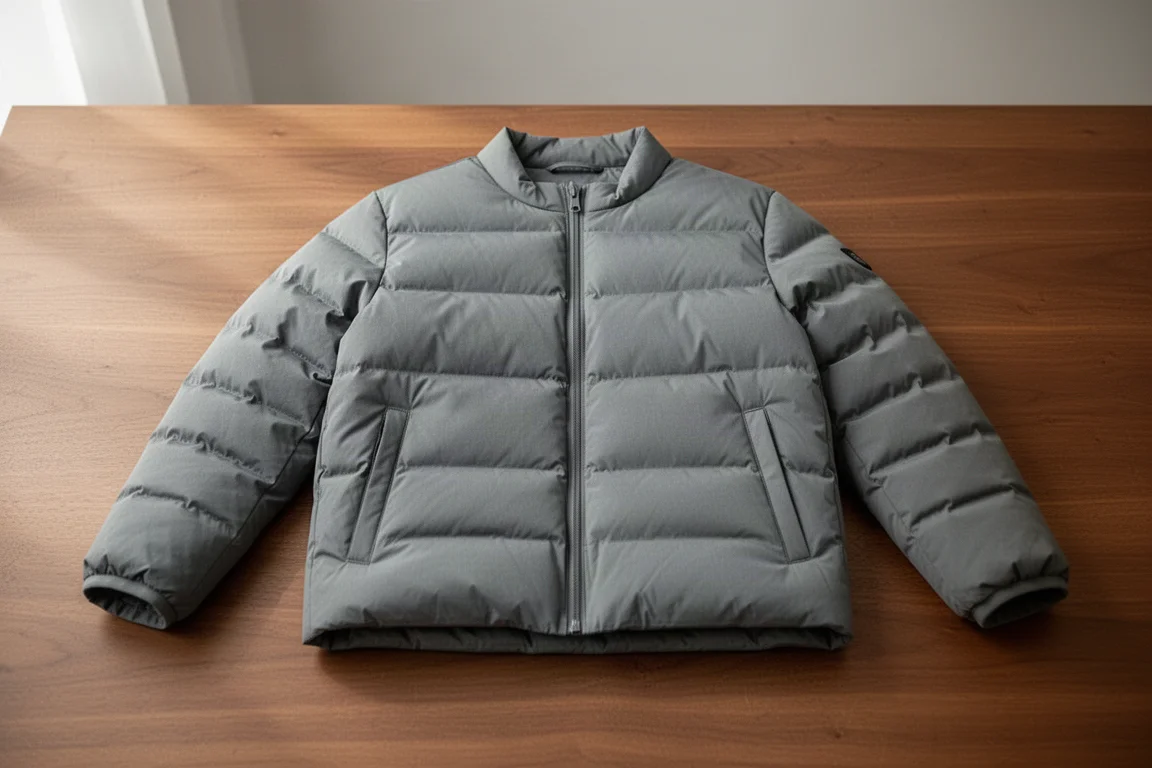
Decathlon Trek 100 Down Jacket
An affordable, lightweight, and genuinely effective down jacket, and one that has been a favorite for years. It provides the insulation needed for cold nights at elevation and packs small enough to disappear into a pack during the day. For anyone shopping for a down jacket in this price bracket, it is a straightforward recommendation.
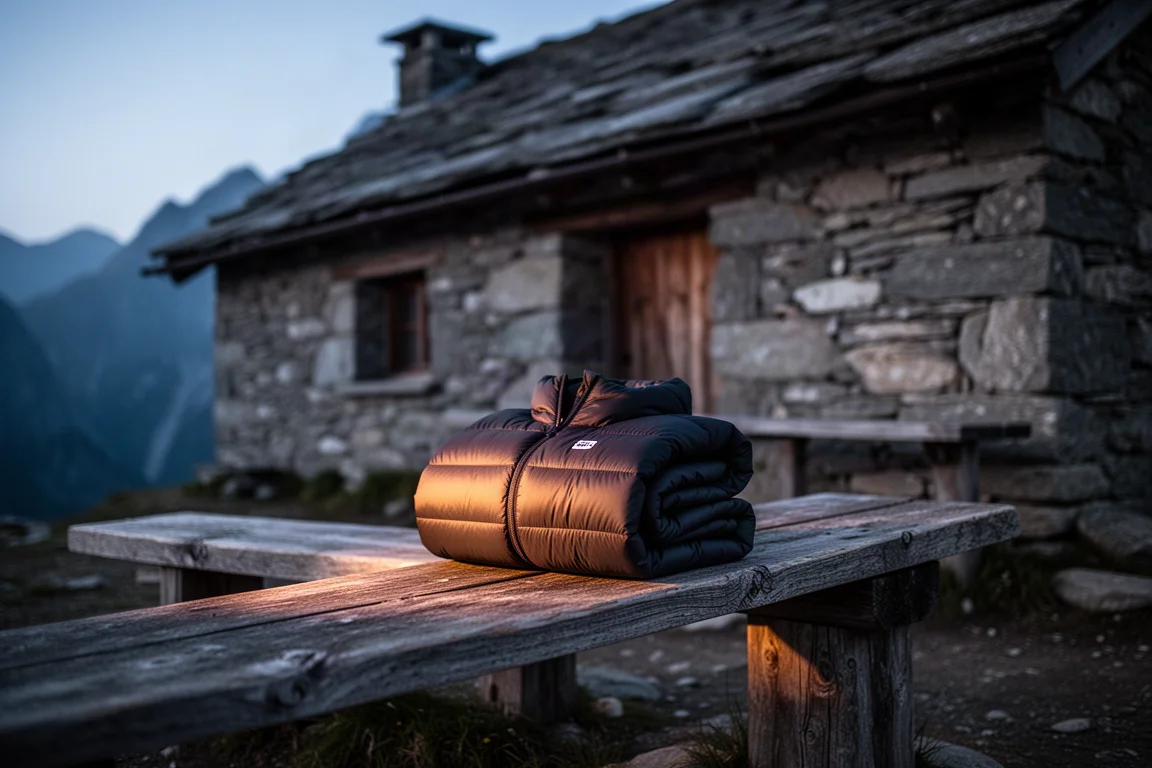
The value here is hard to argue with: real warmth and low weight at a price that leaves budget for the items that matter more.
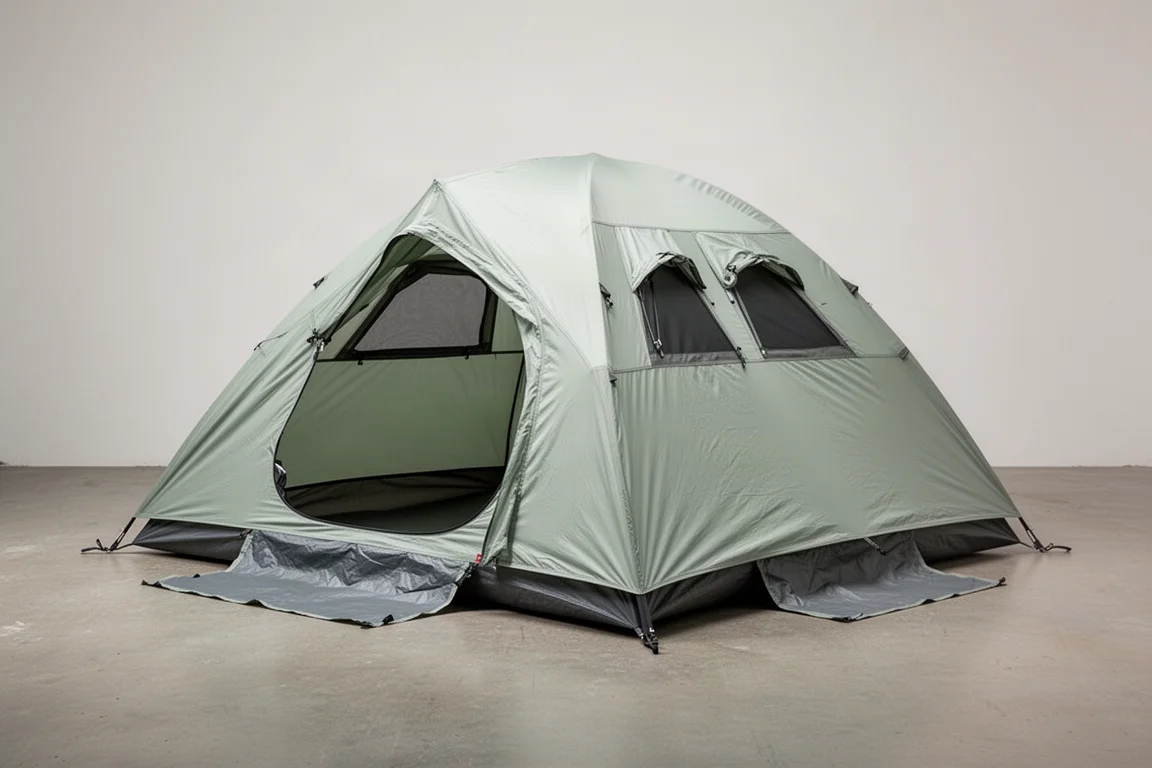
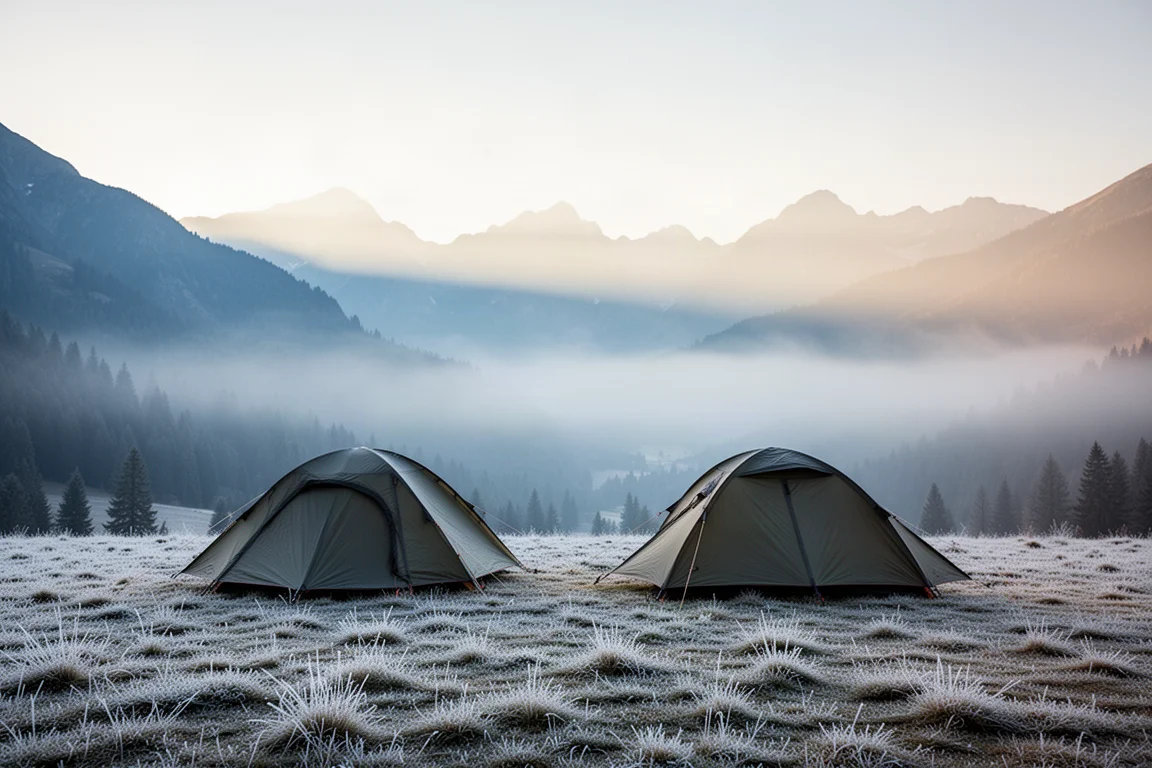
Decathlon Forclaz Trek 900 Tent
A two-person tent that exceeded expectations. It fits a 20-inch pad and a 25-inch pad side by side, which is a tight but workable fit; the tent is tapered, so tapered pads sit best, and two people will bump elbows occasionally. Anyone who wants more room should look at the three-person version instead.
Two features make it more livable than the size suggests. There is a small floor in the vestibule, which keeps packs and boots off wet ground when it rains. At the head end, two large vents are held open with small props, and despite damp mornings with heavy condensation on the grass and trees outside, the inside of the tent stayed dry.
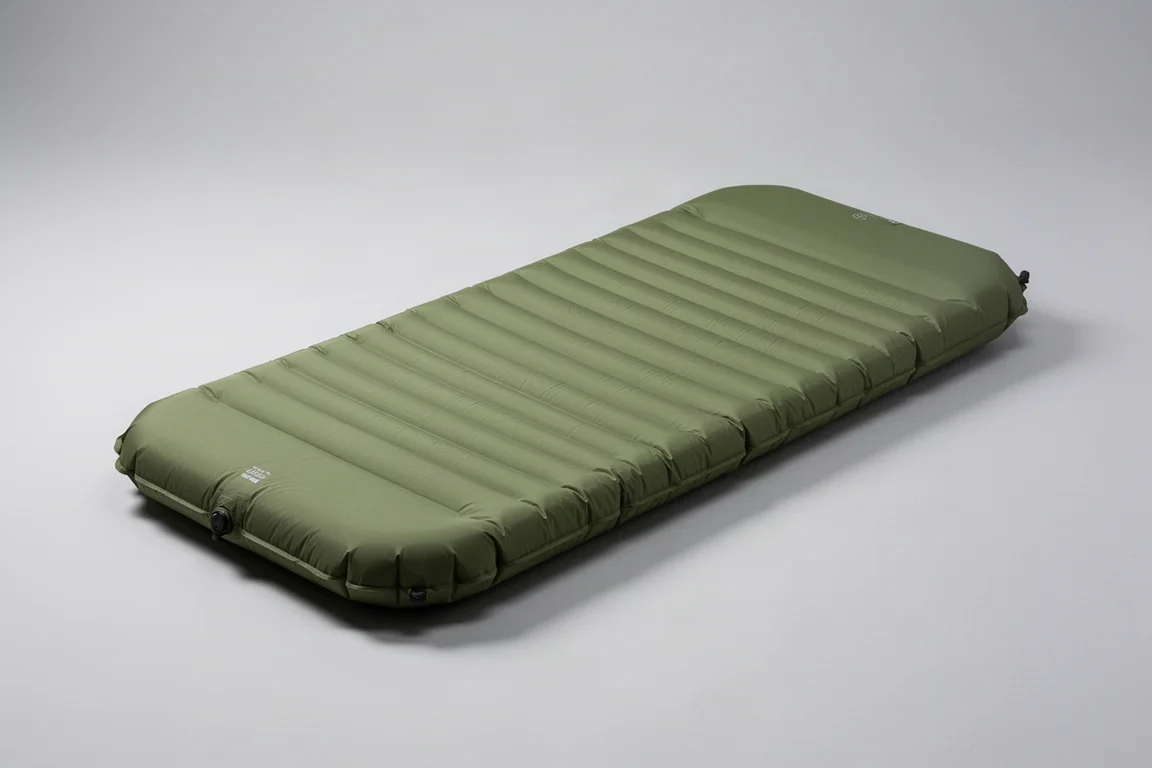
Exped Ultra 3R Sleeping Pad
A new pad on the market, and a comfortable one. It kept its user warm through cold nights and provided the cushioning needed for a restful sleep on hard ground, which is the whole job of a three-season pad.
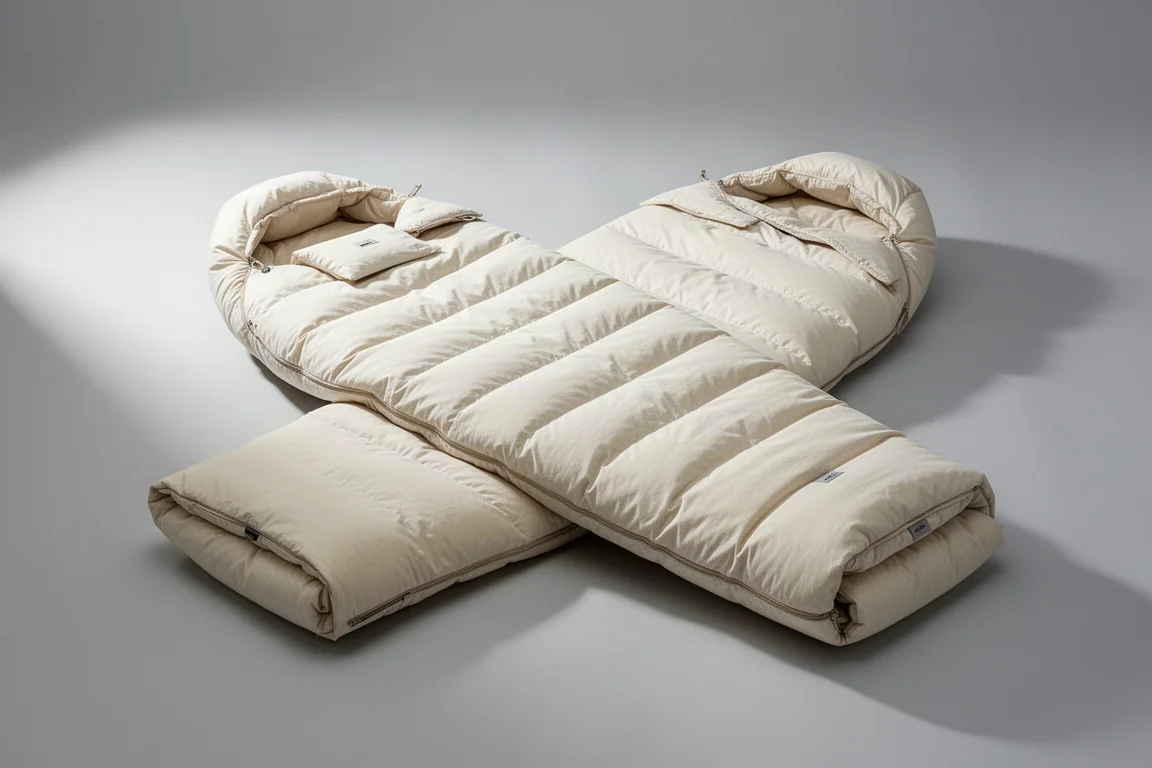
Decathlon Forclaz Trek 900 Down Sleeping Bag
A down sleeping bag rated to a zero-degree comfort limit, and one that proved accurate: temperatures dropped close to freezing and the bag stayed warm throughout. The XL size weighs just over one kilogram, so it remains a lightweight option despite the generous cut. Sizing runs roomy, with the XL comfortable for someone around 5 feet 10 inches and the Large similarly roomy for someone around 5 feet 4 inches, so sizing down is worth considering.
The bag is also part of Decathlon’s undyed line, which uses fewer dyes in the manufacturing process. That makes it a reasonable choice for hikers who care about the footprint of their kit as well as its weight.
For cold-weather backpacking at a moderate price, this is one of the strongest picks on the list.
Buying Advice: Where to Spend and Where to Save
Prioritize footwear, the pack, and navigation. Those three carried the most weight, literally and figuratively, on this route: the shoes made the biggest days possible, the pack handled 30 to 35 pounds without discomfort, and the watch resolved junctions that would otherwise cost time. Trekking poles are the cheapest performance upgrade here, and on terrain with long descents they protect knees and hips in a way that is hard to replace with anything else.
Save on shells and insulation. The rain jacket, wind jacket, and down jacket are all inexpensive relative to comparable gear, and all three performed. It is also worth knowing that Decathlon designs and tests its hiking and backpacking gear in the mountains of France near Chamonix, where the design teams spend weekends on multi-day trips with the equipment they build. For budget-conscious hikers, that context is reassuring.
Conclusion
A gear list only proves itself over distance. After eight days of long climbs, steep descents, cold nights, and damp mornings, these ten items were still doing their jobs: light enough to carry, comfortable enough to forget about, and affordable enough that the total cost stays reasonable. Start with the shoes, the pack, and the poles, add the insulation you need for the conditions you expect, and the rest of the list falls into place.
Further reading
Related Reviews
Hiking Gear
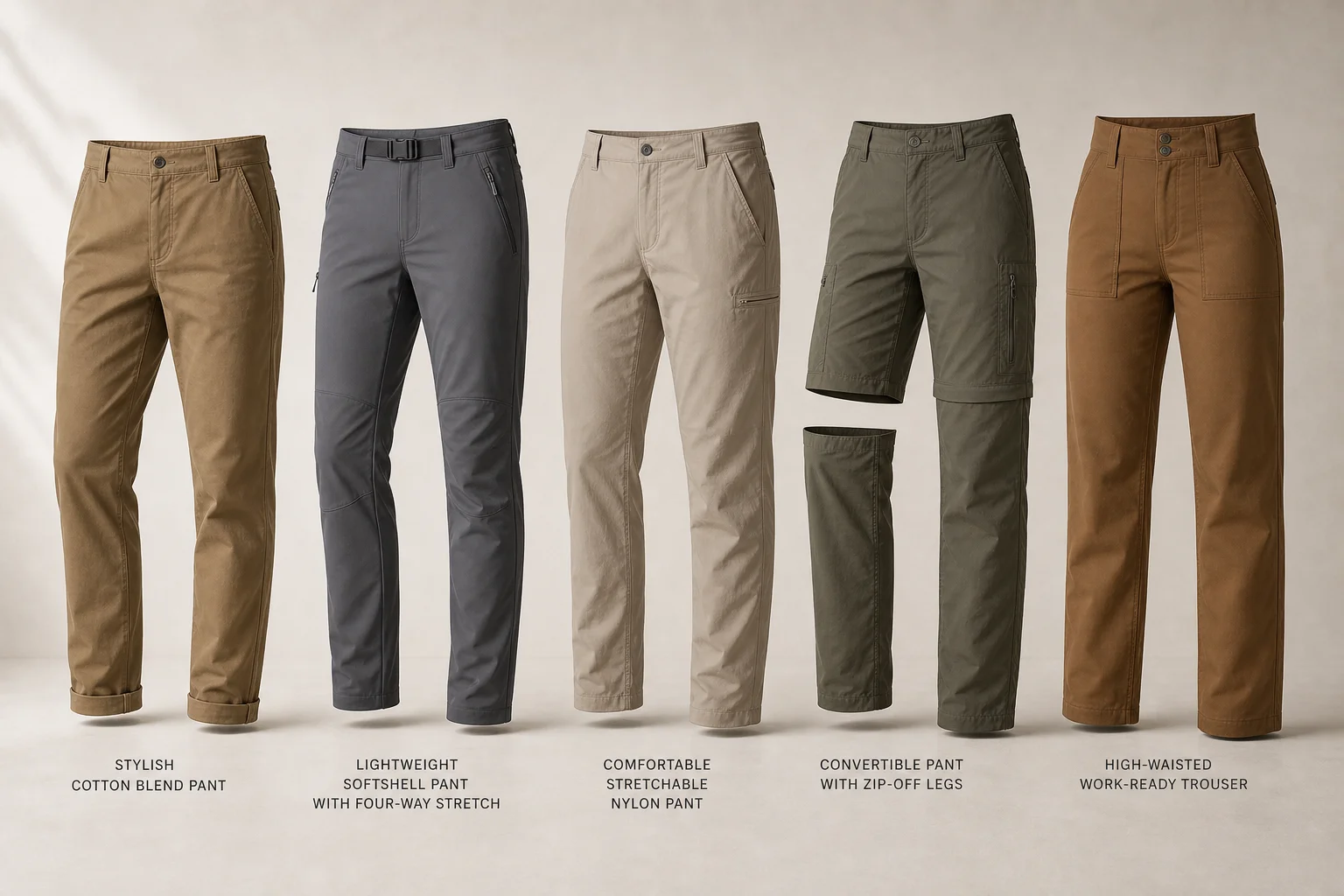
Best Hiking Pants on Amazon: Five Practical Options for Different Needs
A practical review of five hiking pants with clear strengths and trade-offs, from lightweight convertible styles to durable work-ready trousers.
Hiking Gear
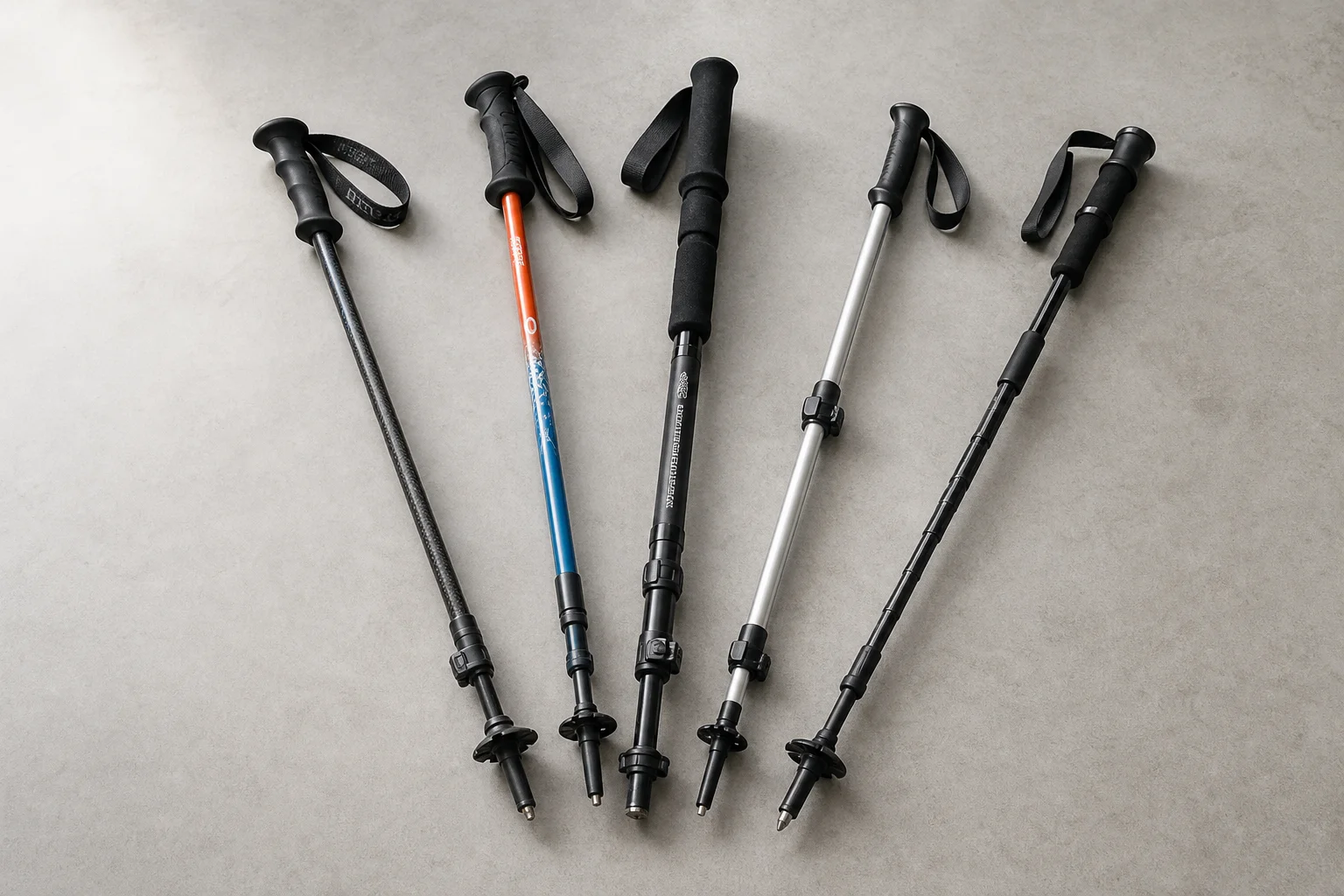
Best Hiking Poles 2026: Five Options for Different Trail Needs
A practical review of five hiking poles, from lightweight carbon designs to versatile all-terrain options, with clear strengths and trade-offs for each.
Hiking Gear
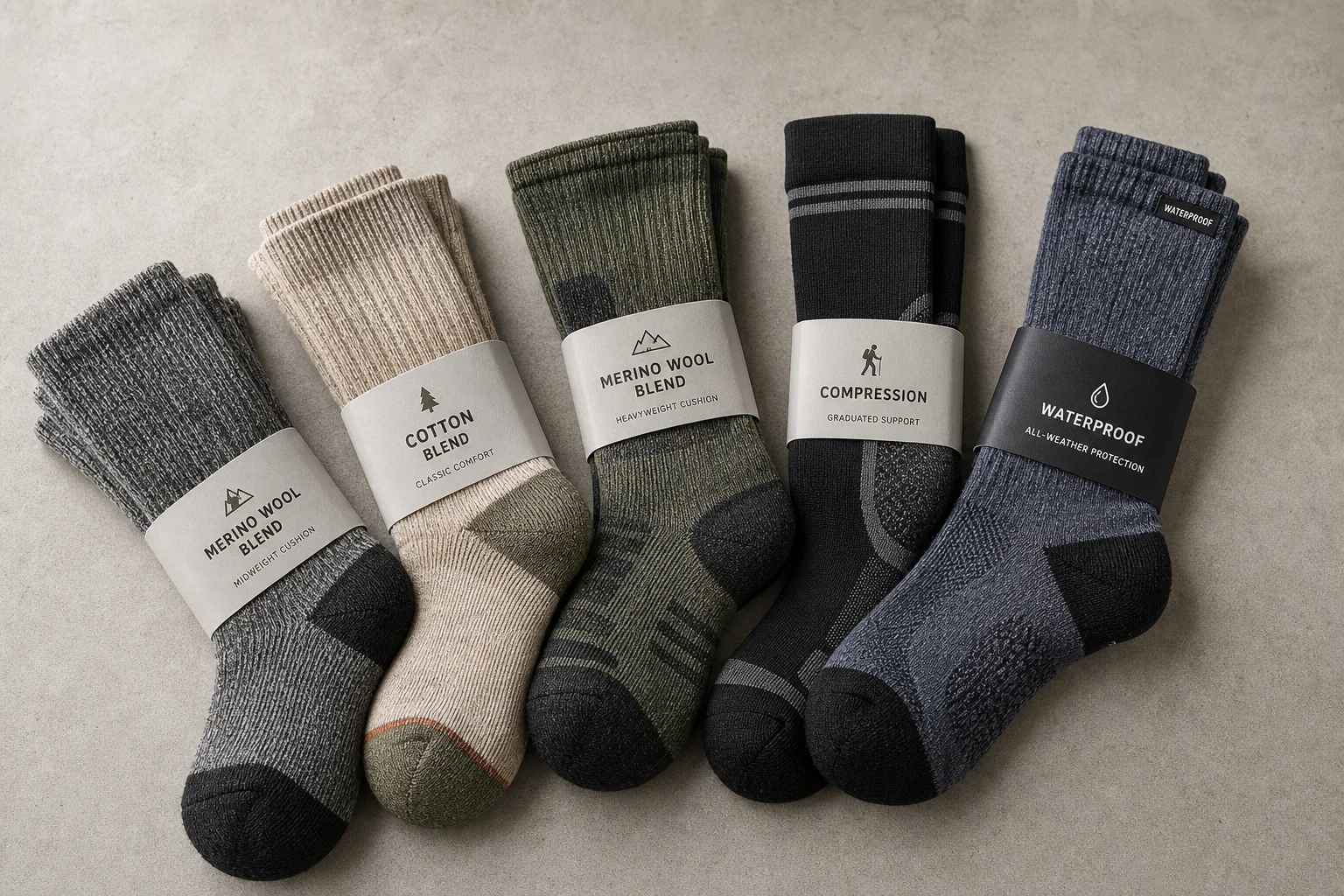
Best Hiking Socks 2026: Five Top Choices for Different Trail Needs
A practical roundup of five hiking socks, from lightweight merino options to heavy-duty compression styles, with clear guidance on which suits your outdoor activity.