Hand Tools
Lighted Torpedo Levels: Klein vs Milwaukee Compared
Two illuminated torpedo levels, similar price, very different strengths. We break down lighting, magnets, weight, and build quality to help you pick.
Introduction
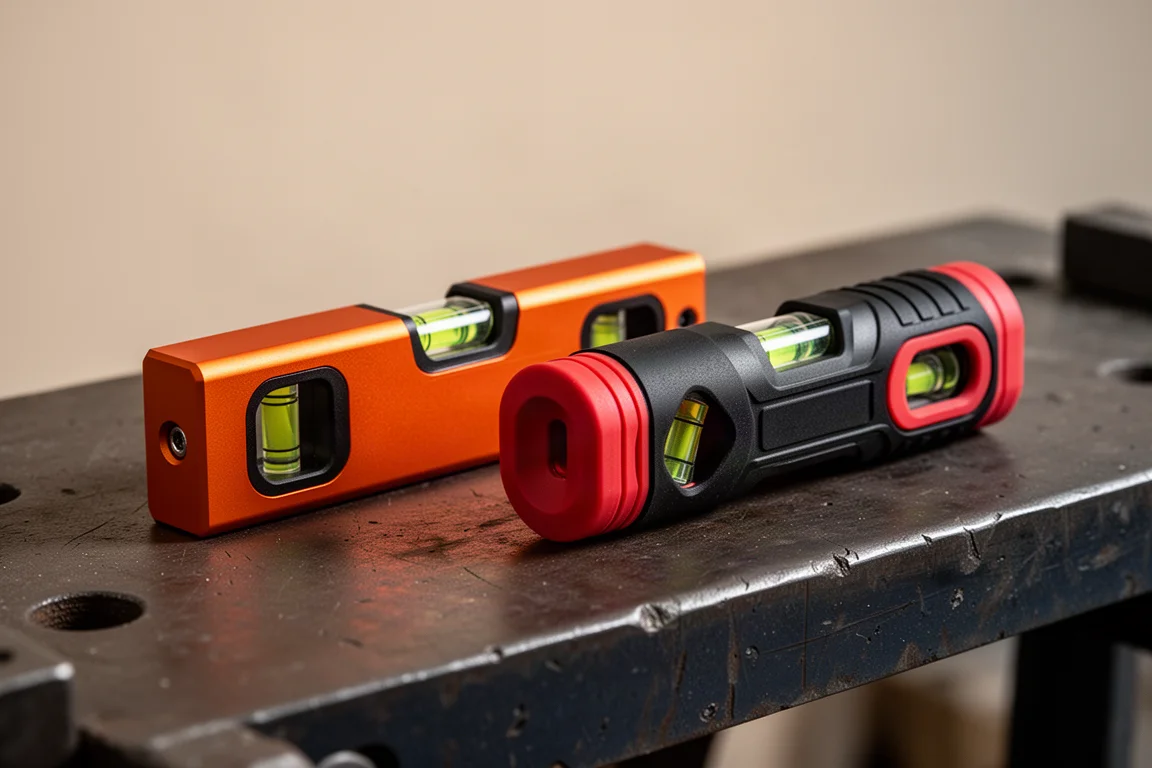
A good torpedo level is one of those tools that rarely leaves your side once it earns its spot in the bag. We compared two illuminated versions, one from Klein and one from Milwaukee, both of which take two AA batteries, light up at the push of a button, and sell for roughly $34 depending on where you shop. Neither one is perfect, but each has real strengths, and combining the best of both would produce the level neither quite delivers.
Why a Lighted Level Matters
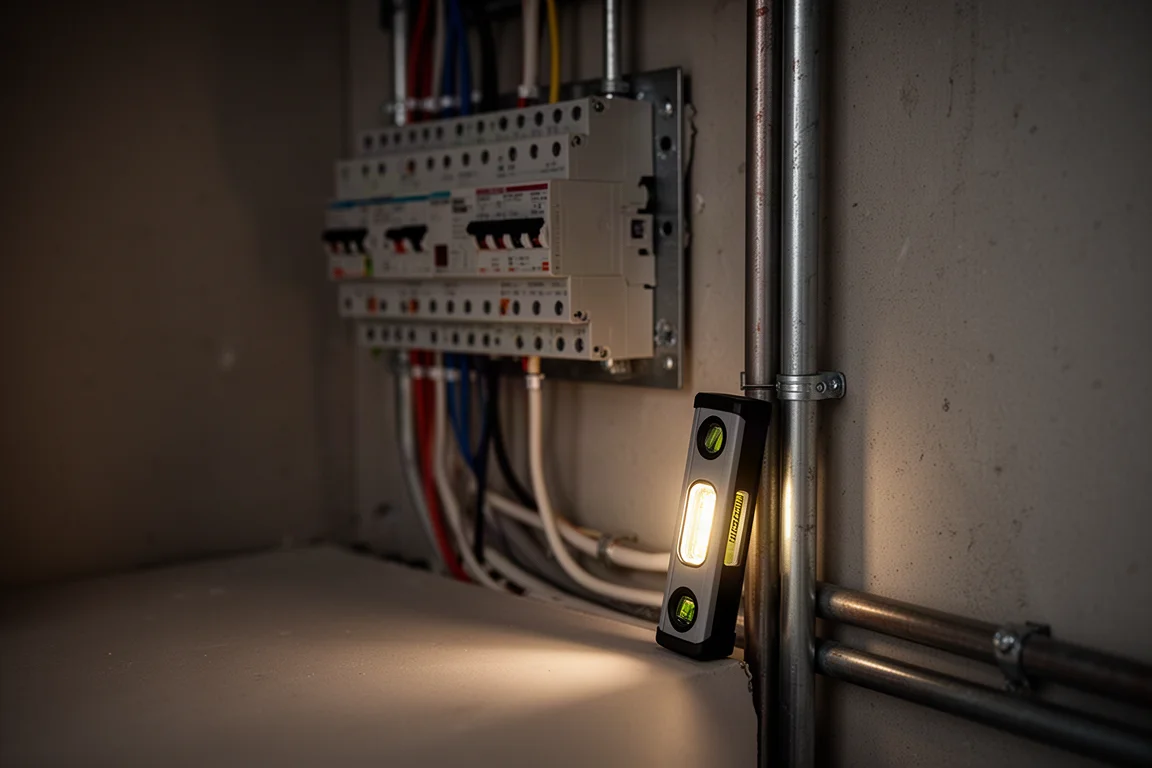
If your eyes have started to struggle with high-contrast detail up close or glare, reading a small bubble in the dark is genuinely hard. Both of these levels solve that problem in a way that instantly beats fumbling with a flashlight or headlamp.
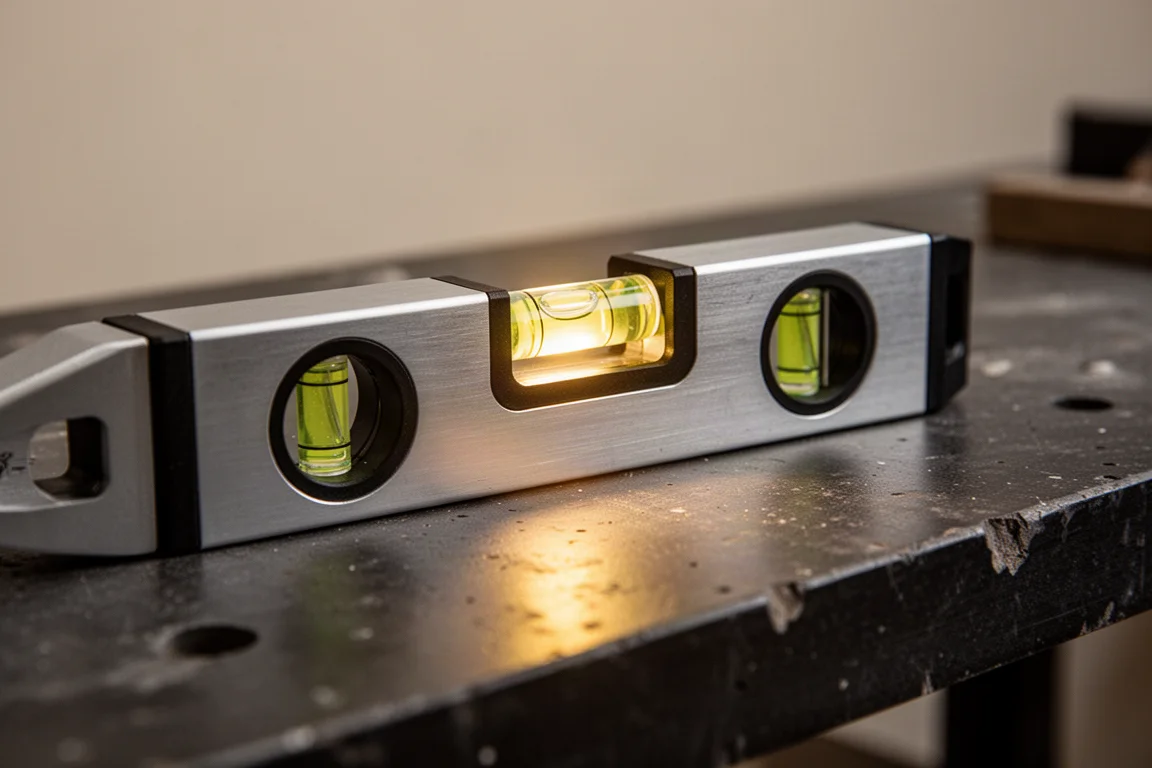
Both lights simply turn on and off with a button, illuminating the vials. There are no dimming modes or other controls, which keeps things simple but also means any design flaw in the lighting shows up immediately.
Klein Lighted Torpedo Level
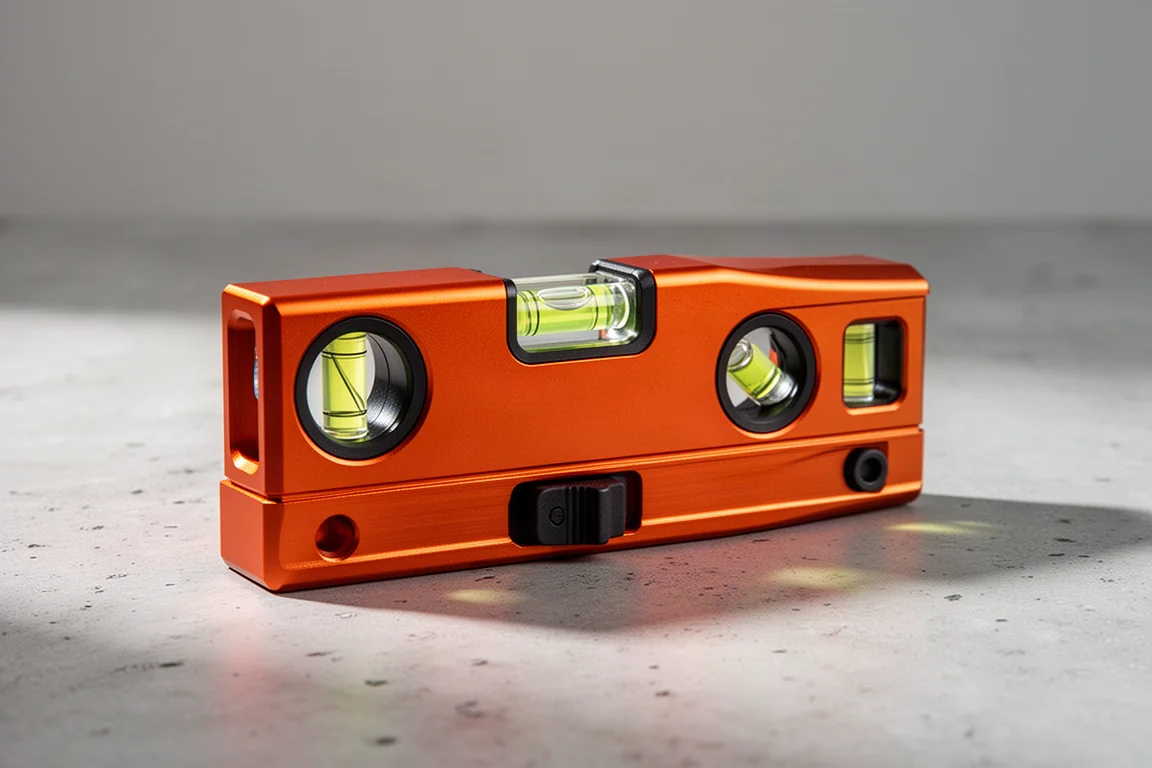
The Klein is a solid chunk of aluminum with plenty of vial real estate, multiple vial choices, and a top-facing window that makes it notably easier to read from above. It includes 90-degree and 45-degree vials, and its battery cover is a clean, simple, screwed-on design that inspires confidence.
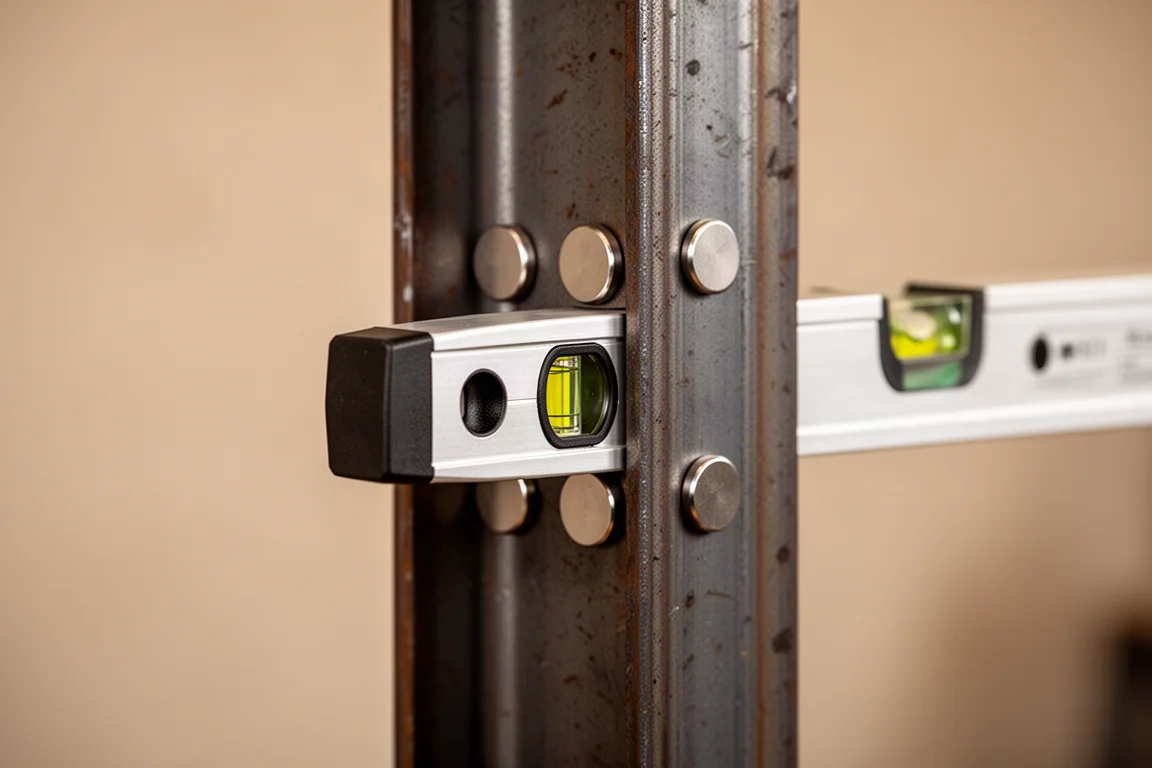
The standout feature is the magnet system: a track design holds four extremely strong magnets slightly recessed, and they grip hard enough that getting the level off a surface can be a challenge. That strength cuts both ways, though. The Klein weighs 310 grams (10.9 oz) versus the Milwaukee’s 237 grams (8.3 oz), and the light only illuminates the vials from one side, which leaves noticeable falloff across the longer vials. Worse, on the 45-degree vial the light bulb itself is visible and bright enough to compete with your reading eye, which is hard to forgive.
Milwaukee Lighted Torpedo Level
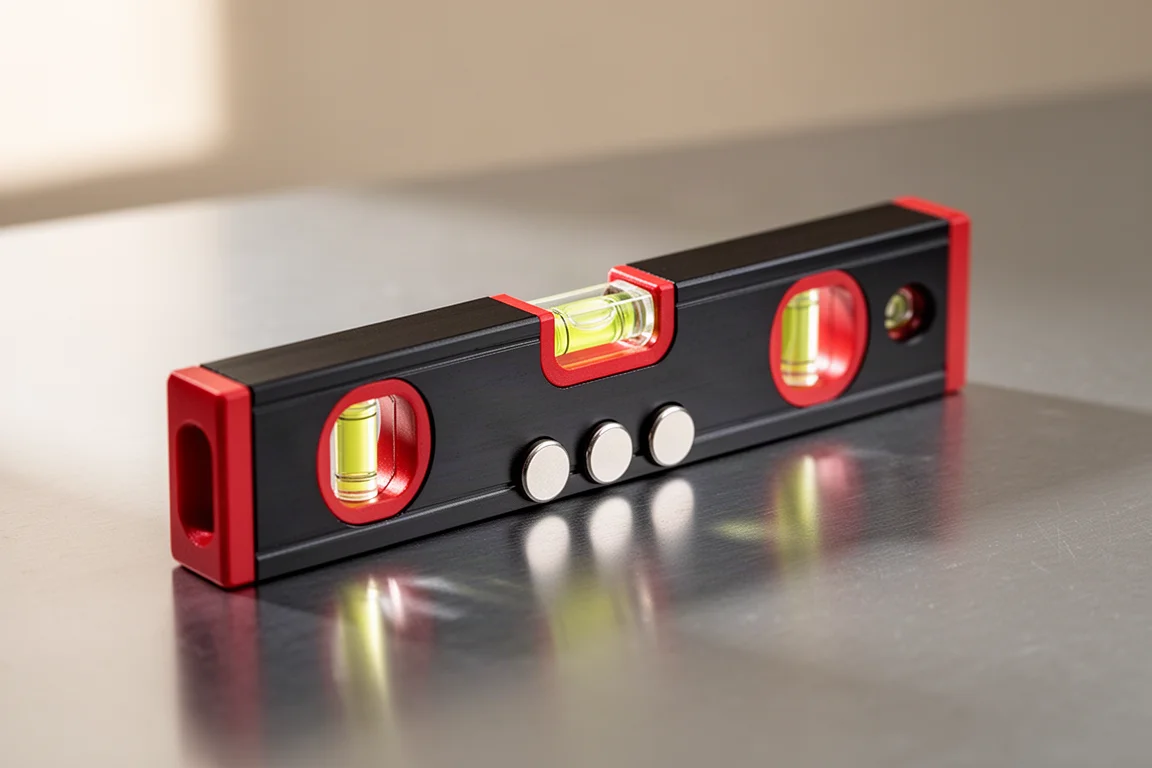
The Milwaukee is lighter, thanks to a thinner I-beam-style aluminum frame with more internal plastic components. Its lighting is the best in this comparison: the vials are lit from both sides, making the bubbles dramatically easier to see. Only one of its lights is noticeably visible to the eye, and even then it is less invasive than the Klein’s 45-degree issue.
Its magnets are three round neodymium units that sit flush, and while they work, they are held in less securely and simply are not as strong as the Klein’s. On a smooth surface you can wiggle the level off from center, which feels wrong for a tool designed to attach to things. The vials are also quite short, to the point where you may not get the whole bubble inside the window for some measurements, which undercuts the benefit of the dual lighting by concentrating a lot of light in a small space.
Batteries and Build Details
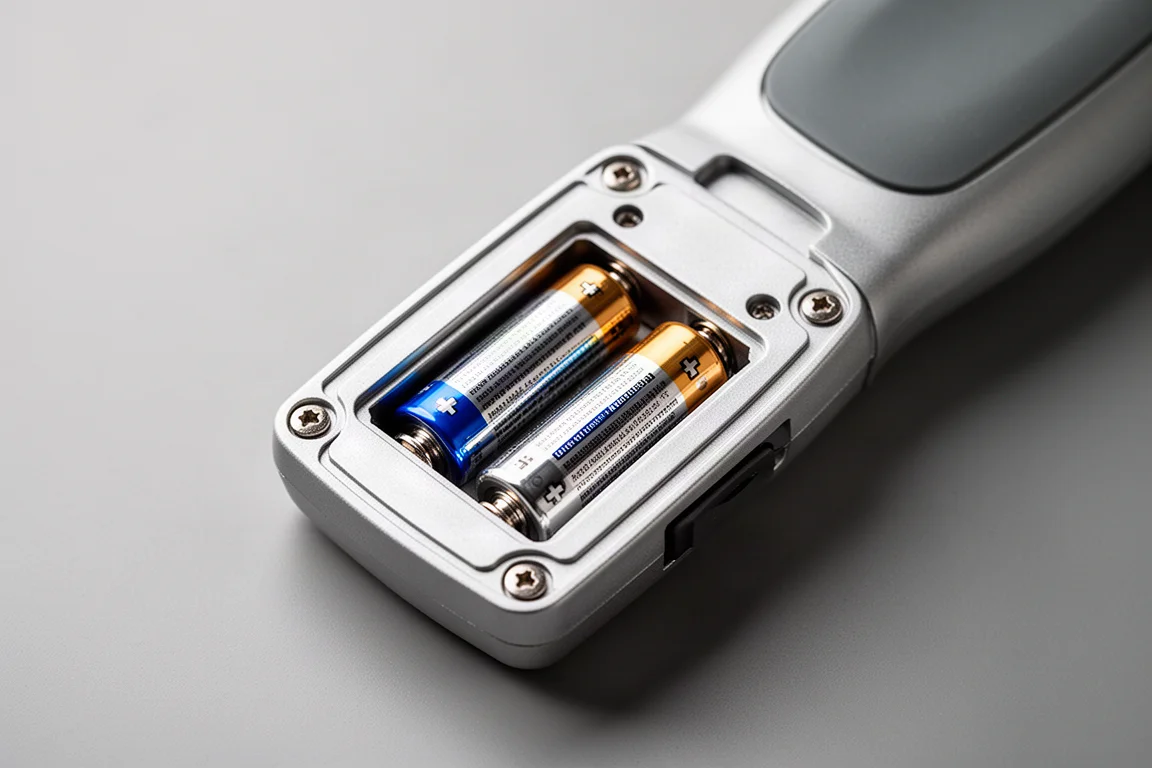
Both levels run on two AA batteries. Interestingly, the Klein ships with working batteries included, while sample units of the Milwaukee have arrived with dead test batteries, so it is worth checking yours on arrival. Both include auto-off timers so the lights will not drain the cells if you forget to switch them off.
The Klein’s screwed battery cover is the preferred design here: solid and simple. The Milwaukee’s cover looks less convincing, with a slightly melted appearance around the edges. On durability, the Klein’s solid metal construction wins over the Milwaukee’s lighter frame, though that weight difference is real if you carry it all day.
Buying Advice: Which One Should You Pick?
There is no outright winner, which is why ending up with both is a defensible move. If you want stronger magnets, a bigger, more readable vial area, easier top-down reading, and more durable construction, the Klein is the safer bet. If you prioritize a lighter tool and better vial lighting from both sides, the Milwaukee makes the stronger case.
The ideal level would combine the Klein’s magnets, weight, top window, and 45-degree vial with the Milwaukee’s dual-sided lighting and recessed bulbs, plus longer vials all around. Until that tool exists, choose based on which trade-off bothers you least: visible glare and one-sided lighting on the Klein, or weaker magnets and short vials on the Milwaukee.
Conclusion
Both illuminated torpedo levels are a genuine step up from reading an unlit level in the dark, and both are priced similarly at around $34. The Klein wins on magnets, durability, and readability from the top; the Milwaukee wins on lighting quality and weight. Whichever trade-offs you can live with, a lighted level is one of the more underrated quality-of-life upgrades you can add to a tool bag.
Further reading
Related Reviews
Hand Tools
Best Diagonal Cutters 2026: 16 Pliers Tested for Cutting Power and Durability
We put 16 diagonal cutters through nail, screw, drill bit, and hex key tests to find the best value picks for your toolbox.
Hand Tools
Best Hex L Key Sets 2026: Nine Sets Tested for Real-World Torque
Nine hex L key sets from budget to premium, tested for torque, fit, and durability. See which sets deliver real performance and which ones to skip.
Hand Tools
Best Locking Pliers 2026: Top Picks Tested for Grip and Durability
We tested 18 brands of 10-inch locking pliers for grip strength, jaw bite, build quality, and ease of release to find the best options for tough jobs.