Snowboarding
Lib Tech 3D Anti-Matter Tips Explained: Lighter Nose and Tail, Recycled Materials
What Lib Tech 3D Anti-Matter Tips change about a snowboard's nose and tail, how recycled PET fits into the core, and whether the weight saving is something you will actually feel.
Introduction
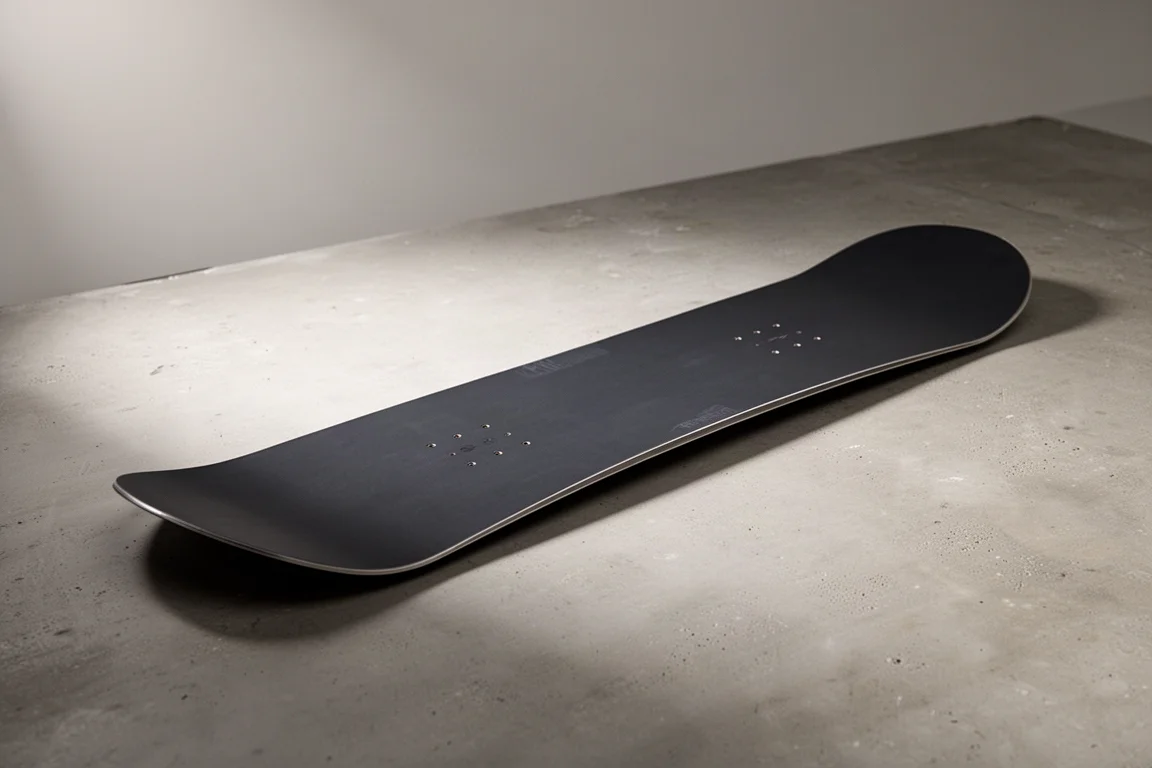
A snowboard’s swing weight is decided mostly by what sits at the two ends of the board. Lib Tech’s 3D Anti-Matter Tips are the brand’s answer to that problem: a deliberate reduction in the mass of the nose and tail, with recycled material filling the space that gets removed. This article explains what the technology does, how it is built, and whether it deserves a place in your buying decision.
What Lib Tech 3D Anti-Matter Tips Actually Are
3D Anti-Matter Tips describe a reduction in the weight of the nose and tail, made to improve swing weight so the board is easier to throw around. The name itself is proprietary to Lib Tech. The broader idea of lightening a board’s extremities is not unique to the brand, and the 3D Anti-Matter label is Lib Tech’s own interpretation of that approach.

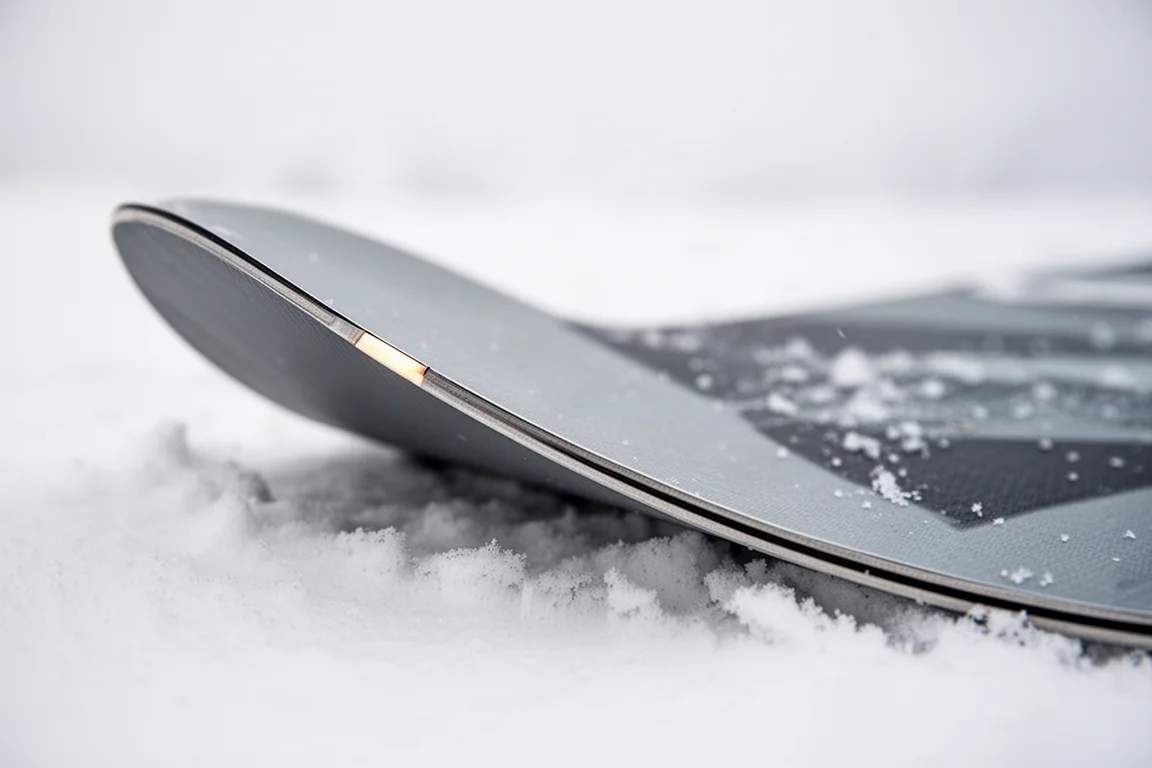
The visible result is a cutout in the nose and the tail, which is then filled with a lighter material rather than left open.
How the Recycled Core Works
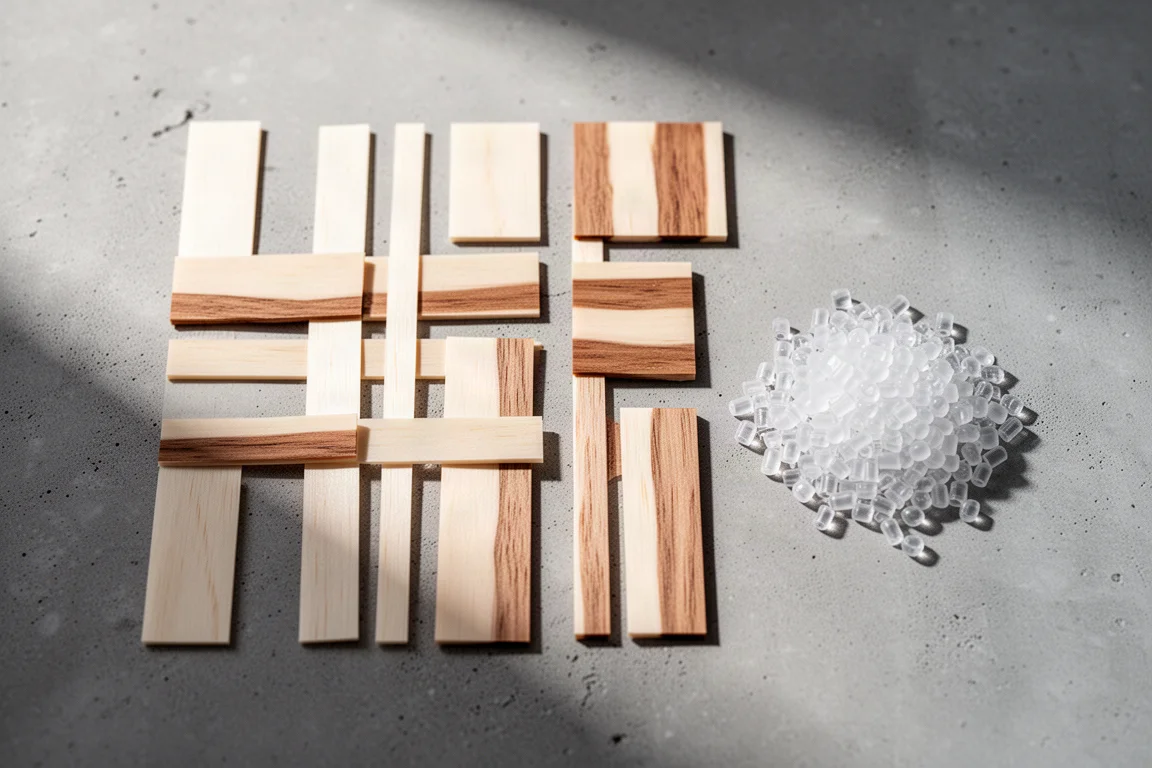
The material that goes into those cutouts is recycled PET, the plastic used for drinks bottles, paired with paulownia, aspen and birch wood in the core. The PET is the lighter and easier material to place into the nose and tail, which is why the cutouts exist in the first place. It also carries the sustainability story: plastic bottles are pulled out of the environment and reused inside the board instead of being discarded.
Does the Weight Reduction Change How the Board Rides
The weight reduction is real, and less mass in the tips does lower swing weight in principle. The practical question is whether a rider notices. Mervin-built boards tend to start heavier than many alternatives, so the reduction can be absorbed by the board’s baseline weight. Riding a board built this way, the change in swing weight is easy to miss, and most riders will not feel it unless they are extremely sensitive to weight.
In other words, the technology does what it says, but the effect is subtle rather than transformative.
Who These Tips Suit
Riders who care about where their gear’s materials come from get the clearest benefit, because the recycled PET content is the most substantial part of the story. Riders who track every gram will appreciate the trimmed tips as part of a lighter build. For everyone else, the feature is a nice detail rather than a deciding factor.
Main Strengths
- Less mass in the nose and tail, which lowers swing weight
- Recycled PET plastic bottles used inside the core
- A change that stays localised to the board’s extremities, alongside paulownia, aspen and birch core woods
- A credible environmental angle rather than a purely marketing-driven one
Together, these strengths point in the same direction: a board that is slightly easier to move around and a little more thoughtful about where its material comes from.
Things to Consider Before Buying
The swing weight difference is small, and on a heavier baseline construction it may not register at all in normal riding. The recycled material content is a stronger reason to value the feature than the performance gain. Treat 3D Anti-Matter Tips as one attribute among many, not as a headline reason to buy.
Buying Advice
If you are already comparing boards and one of them carries 3D Anti-Matter Tips, it is a reasonable bonus rather than a tiebreaker on its own. Decide on shape, flex, size and the terrain you actually ride first, then let the lighter tips and recycled core materials tip the balance if everything else is equal.

For riders who want their gear to reflect a lower-impact material choice, the recycled PET content is the part of this story worth paying attention to.
Conclusion
Lib Tech 3D Anti-Matter Tips reduce weight in the nose and tail using recycled PET alongside wood core materials. The weight saving is genuine but subtle, and the environmental story is the more meaningful part. It is a feature worth knowing about, not one you need to chase.
Product link
View more details for Lib Tech 3D Anti-Matter Tips
This product is mentioned in the review. Check the specifications, options, and compatibility before buying.
View more details for Lib Tech 3D Anti-Matter TipsFurther reading
Related Reviews

Snowboarding
2025 Snowboard Gear List: Five Picks That Earned Their Place on the Mountain
From Zeiss-lens goggles to a hybrid step-in binding, here are five pieces of 2025 snowboard gear that held up across a full season of riding.

Snowboarding
2026 Snowboard Gear List: Boards, Bindings, Boots and Outerwear Worth a Look
A season-ready snowboard setup built from the bottom up: base layers, Strafe outerwear, Ride and Union boots, Union bindings, and two new Capita boards.

Snowboarding
32 Cold World Review: A Playful Hybrid Camber Board for Park Laps
The 32 Cold World blends classic camber underfoot with flat nose and tail sections for a predictable, butter-friendly ride aimed at intermediate park riders.