Snowboarding
Lib Tech TRS Review: A Snappy, Damp All-Mountain Charger
The Total Ripper Series blends C3 camber pop with serious damping, making it a strong pick for aggressive jump and transition riders who still want all-mountain freedom.
Introduction
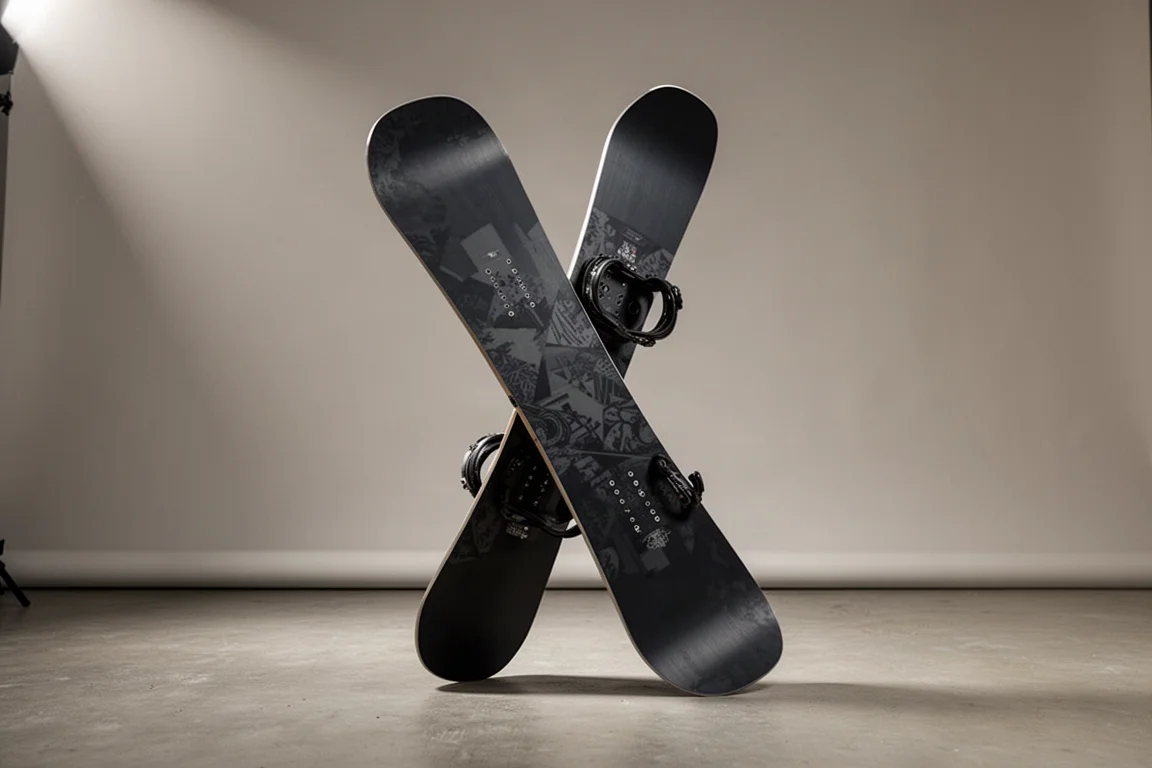
The Lib Tech TRS, short for Total Ripper Series, is built around Lib Tech’s C3 camber profile: camber under the feet, a small amount of reverse camber between the feet, and short flat sections toward the nose and tail. The intent is straightforward. You get the drive, pop, and snap of camber, plus a bit of extra float in softer snow and steadier foot steering.
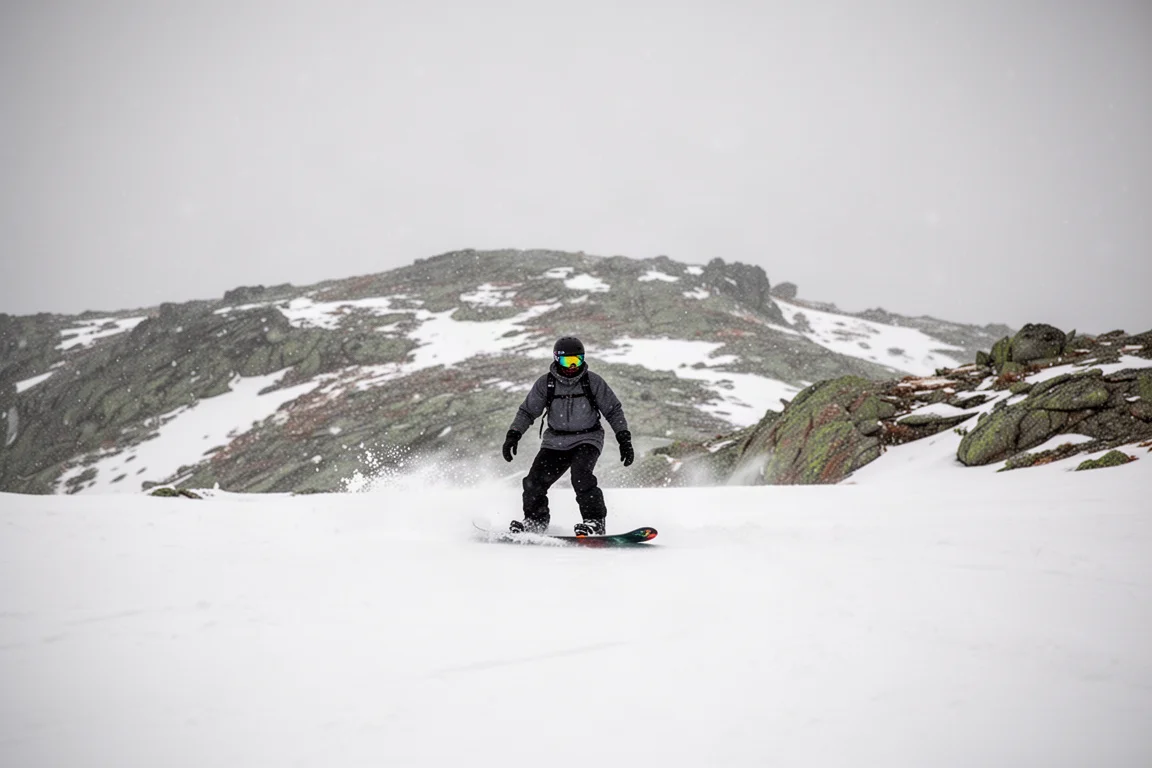
We rode it across two very different days at Steamboat Springs: firm, icy morning groomers littered with chunks of ice, followed by warm, slow, slushy afternoon conditions. Paired with Ride Fuse boots and Jones Mercury bindings, the TRS proved to be a stable, mid-stiff board with classic Lib Tech damping and an edge hold that stands out on firm snow.
Who This Board Is For
The TRS is aimed at the rider who wants to hit the large jump line and ride big transition, but does not want to be pigeonholed there. It is for someone who also wants to drop cliffs and charge down the mountain without worrying about holding an edge. If you enjoy snappy pop, a damp ride, and strong carving performance, this profile will feel familiar and rewarding.
Flex and Feel
The flex lands in the mid-stiff range, and it stays fluid from nose to tail as well as torsionally. When you steer the board on edge, you feel real resistance underfoot, especially when approaching rails and making micro adjustments. That firmness is part of the character: it rewards input and punishes lazy riding, which is exactly what aggressive riders tend to want.
Stability and Damping
This is where the TRS genuinely impresses. The board is crazy stable and very damp. On the icy morning, those chunks of ice were barely noticeable until the board was practically on top of them. It never felt bucked around, and in the slushy afternoon it surfed through push piles without complaint. Micro vibrations simply do not reach your feet the way they do on stiffer, harsher boards.
Jump Performance
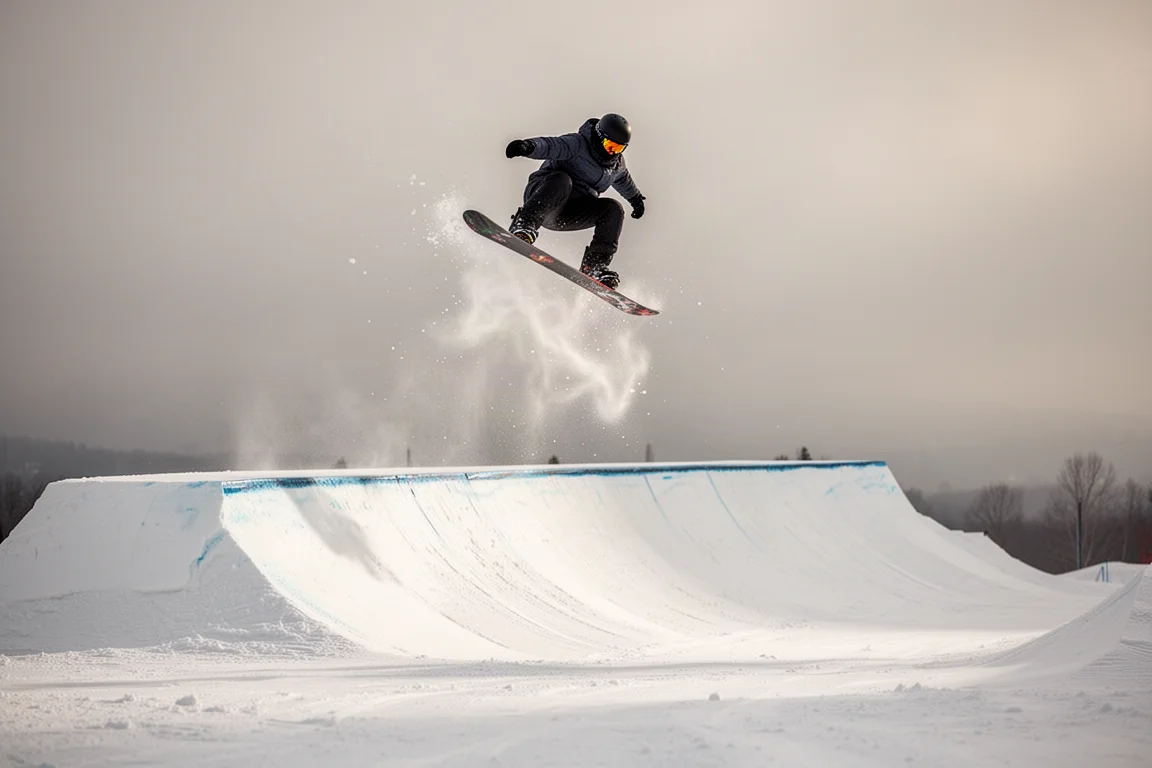
Loading the board for an ollie feels smooth and classic: lean back, and the board propels you forward without bucking or snapping unpredictably. Off jumps it stays stable, and you can set an edge to initiate a spin without the edge grip feeling like it is slowing you down or biting too hard. Landings inspire confidence too: set the edge and trust it to stop your rotation. It handled jumps of any size comfortably.
Butters and Jibbing
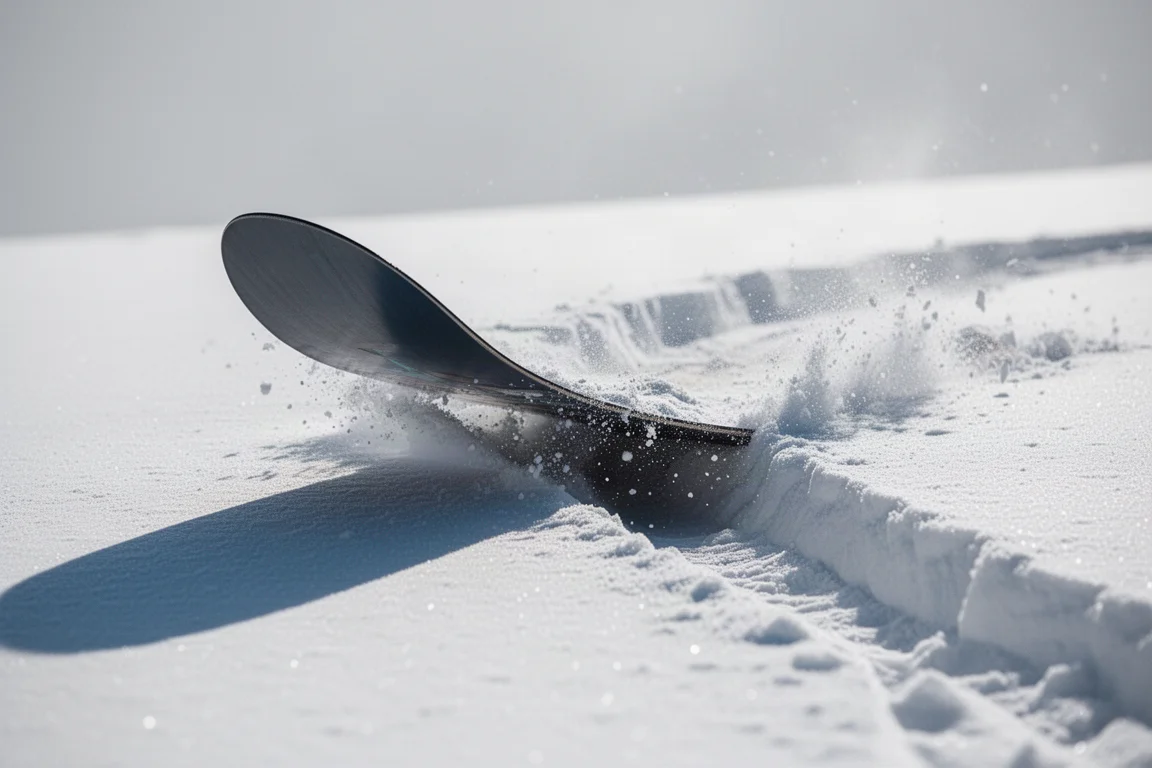
Buttering on the nose or tail requires effort. The board will fight you and offer noticeable resistance, with a bit of a pop out, so spinning out of butters takes technique. Jibbing is a different story. Sliding sideways felt uncomfortable, tail presses and nose presses on rails were a struggle, and when the board did slide sideways it felt catchy. The combination of stiffness and MagneTraction made rails feel grabby, and 5050s felt far more natural.
Carving on Firm and Soft Snow
On icy or firm winter snow, the TRS grips and carves exceptionally well. Quick, short carves are easy to roll over onto, and the edge hold is among the best qualities of the board. In soft slushy snow, precision drops. MagneTraction digs into soft snow, and hard Euro carves can produce some boot bite. On regular winter snow, it does just fine; it is the softer stuff where it becomes less precise.
Things to Consider Before Buying
The main trade-off is versatility on rails. The stiffness paired with MagneTraction makes the board feel grabby when sliding sideways, which limits its jib appeal. A milder magnetraction edge would likely make it more versatile in that section. It is also available in a wide range of sizes: 154, 157, 157W, 159, 159W, and 162, so most riders should find a fit.
Buying Advice
Recommended bindings to pair with the TRS include the Bent Metal Transfer, Jones Mercury, and Salomon Highlander. Comparable boards worth looking at are the Capita Outsiders, Nitro Beast, and Ride Burnout.
Conclusion
The Lib Tech TRS is a fun, snappy board that holds an edge like few others, stays nicely damp, and delivers classic Lib Tech character. It excels on jumps, is a little too stiff for comfortable rail work, and shines hardest for aggressive transition riders. If that sounds like you, it is a very good board to consider.
Product link
View more details for Lib Tech TRS
This product is mentioned in the review. Check the specifications, options, and compatibility before buying.
View more details for Lib Tech TRSFurther reading
Related Reviews

Snowboarding
2025 Snowboard Gear List: Five Picks That Earned Their Place on the Mountain
From Zeiss-lens goggles to a hybrid step-in binding, here are five pieces of 2025 snowboard gear that held up across a full season of riding.

Snowboarding
2026 Snowboard Gear List: Boards, Bindings, Boots and Outerwear Worth a Look
A season-ready snowboard setup built from the bottom up: base layers, Strafe outerwear, Ride and Union boots, Union bindings, and two new Capita boards.

Snowboarding
32 Cold World Review: A Playful Hybrid Camber Board for Park Laps
The 32 Cold World blends classic camber underfoot with flat nose and tail sections for a predictable, butter-friendly ride aimed at intermediate park riders.