Everyday Carry
Leatherman Wave vs a Dedicated Toolkit: Seven Tools That Beat It at Their Own Game
Can a handful of dedicated tools outperform the Leatherman Wave in every category? We break down seven alternatives and explain why the multi-tool still earns its place.
Introduction
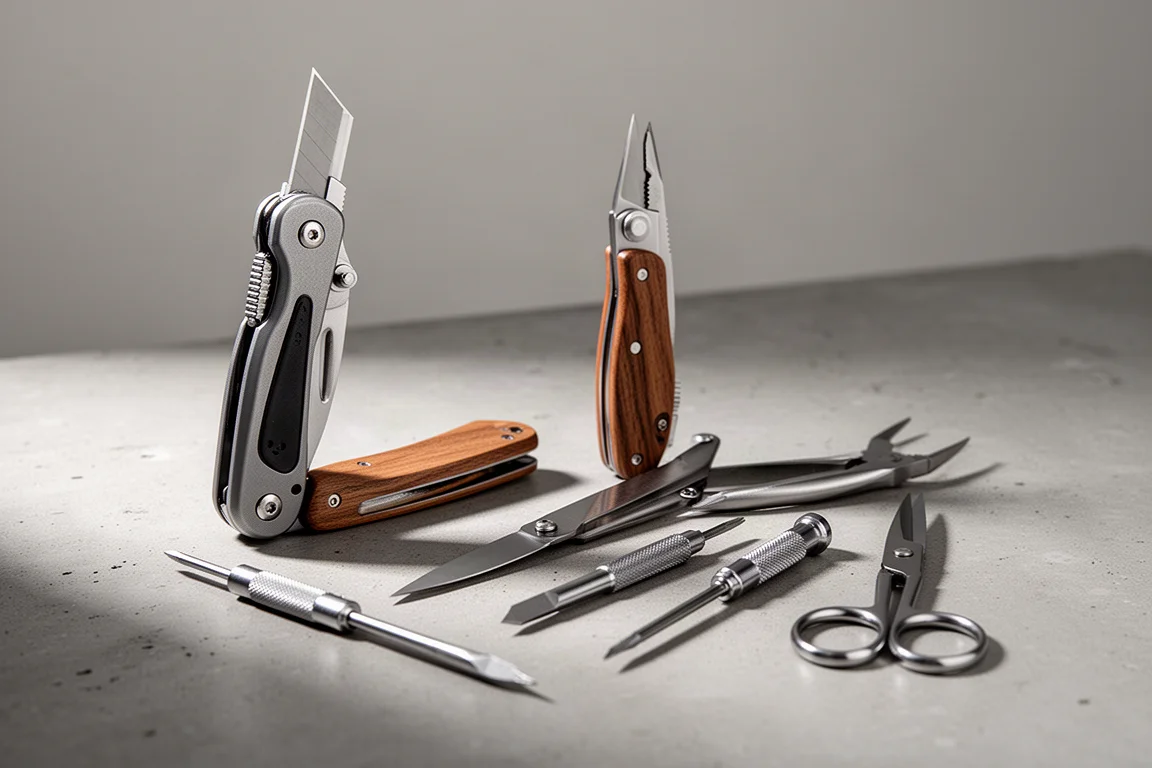
The question sounds almost heretical: why carry a Leatherman Wave when a small toolkit is more capable and often cheaper? A dedicated tool almost always beats the folding version built into a multi-tool. But the comparison is more interesting than a simple win or loss, so we broke the Wave down function by function and found dedicated alternatives for each. The results are revealing, both about the individual tools and about what multi-tools are actually for.
The Blades: Rapid Warrior Utility Knife and Victorinox Paring Knife
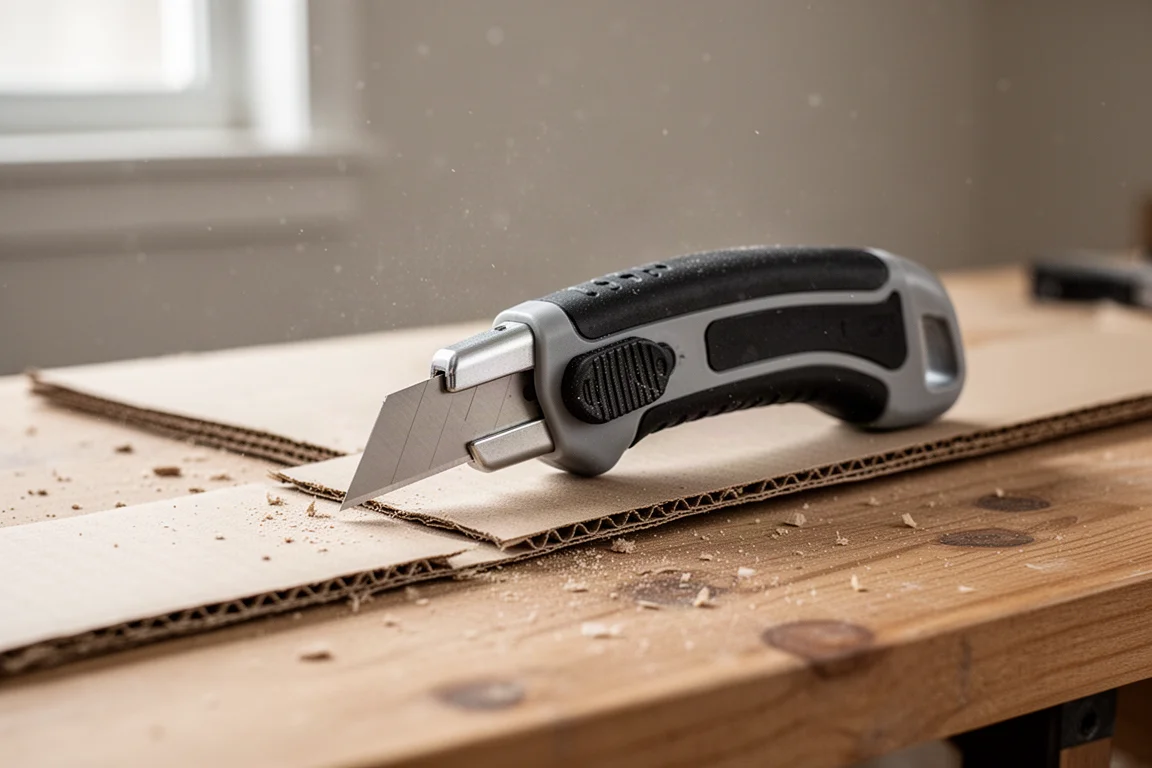
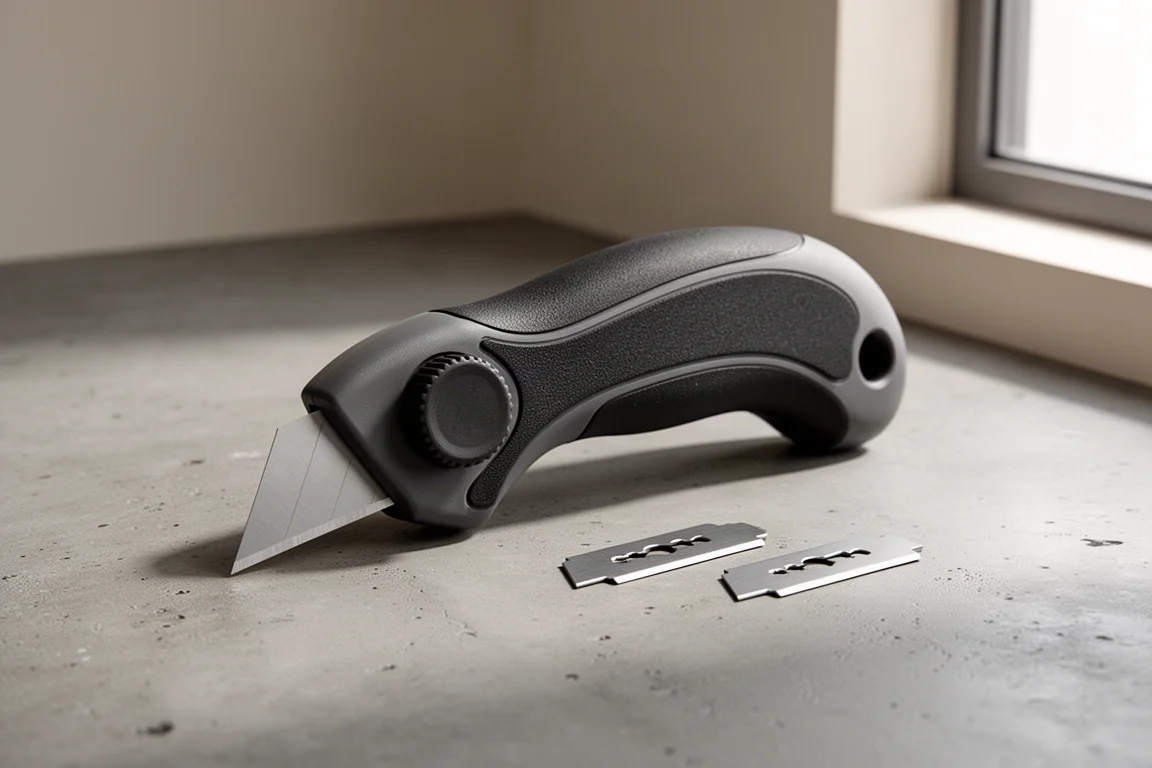
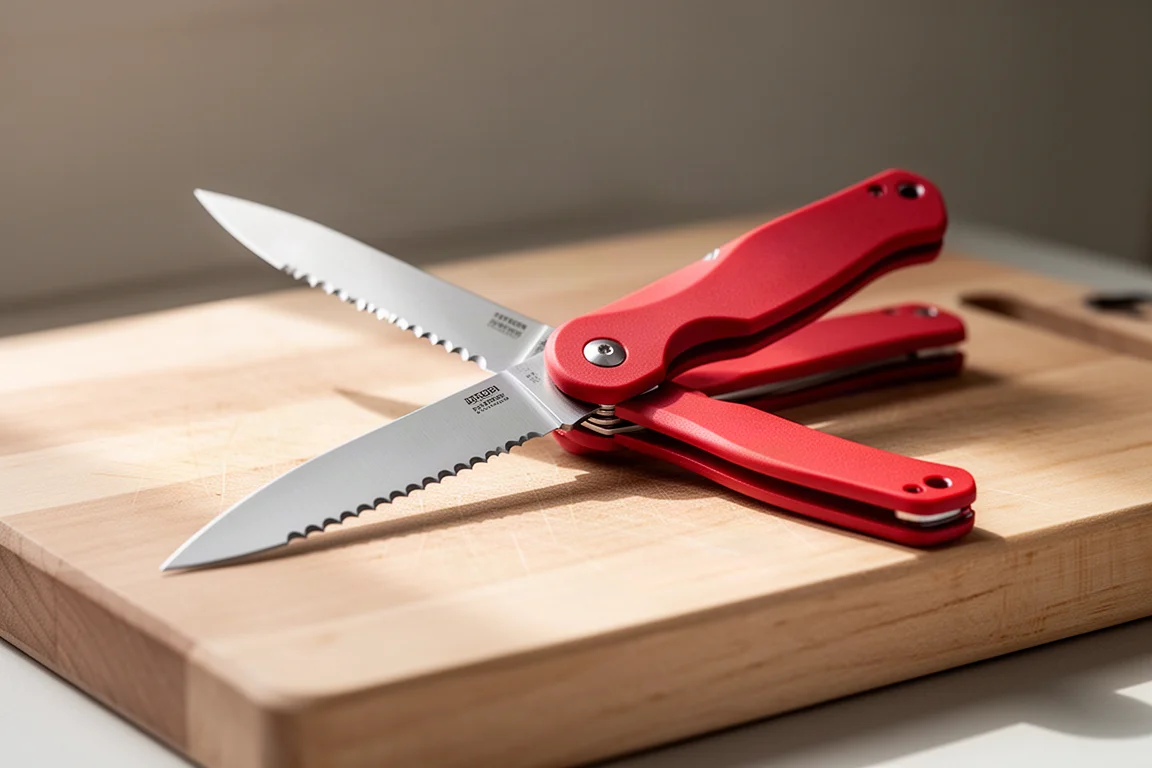
The Leatherman Wave carries two separate blades. The serrated blade is meant for utility work and cutting through man-made materials, and for that job a dedicated utility knife is simply better. The Rapid Warrior utility knife stores an entire stack of replacement utility blades inside its handle, so you can run the edge against hard surfaces without worrying about ruining it. Its ergonomic handle makes it a genuinely better tool for this purpose, and the blade storage turns out to matter for another reason covered later in this list.
For the straight blade, the Victorinox folding paring knife is the pick. It has a blade of just over four inches, and its serrations are extremely sharp, slicing through food with ease. It handles food prep superbly, right down to scraping peanut butter from the bottom of a container and spreading it on bread, and the rounded tip is well suited to that kind of work. Together, these two knives cover everything the Wave’s blades do, and do it better.
The Pliers: Klein Needle-Nose and Locking Vise Grips
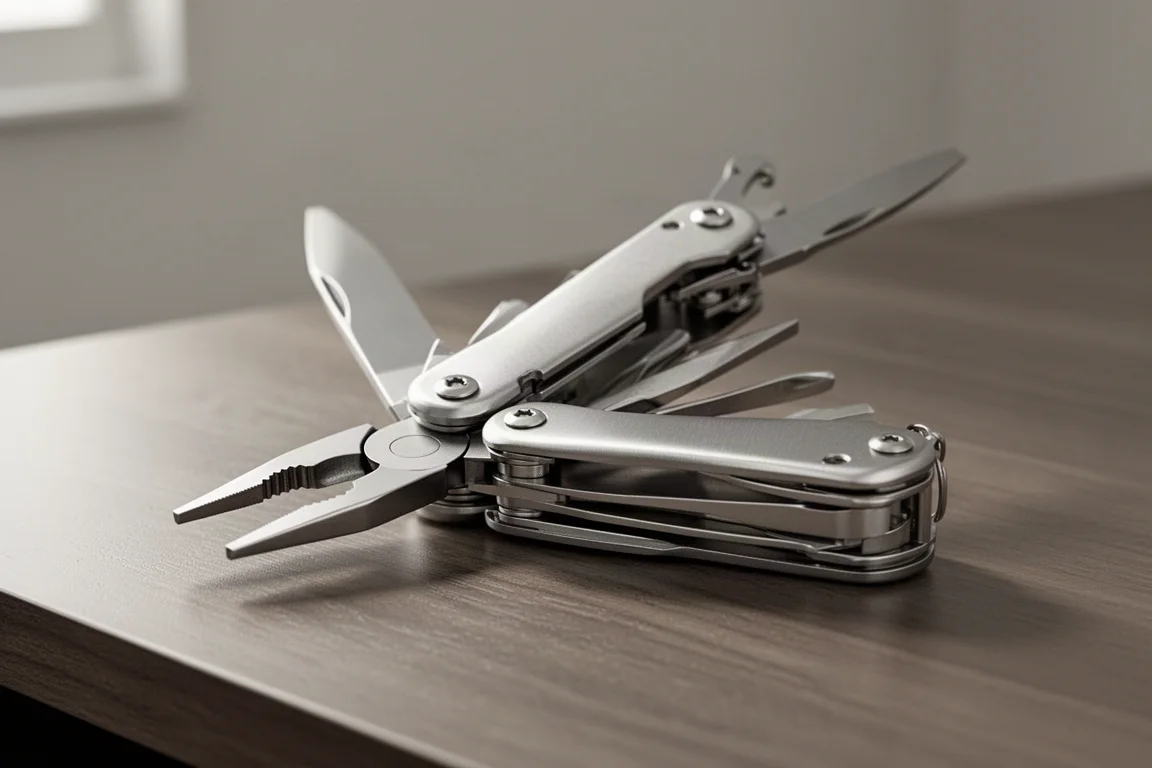
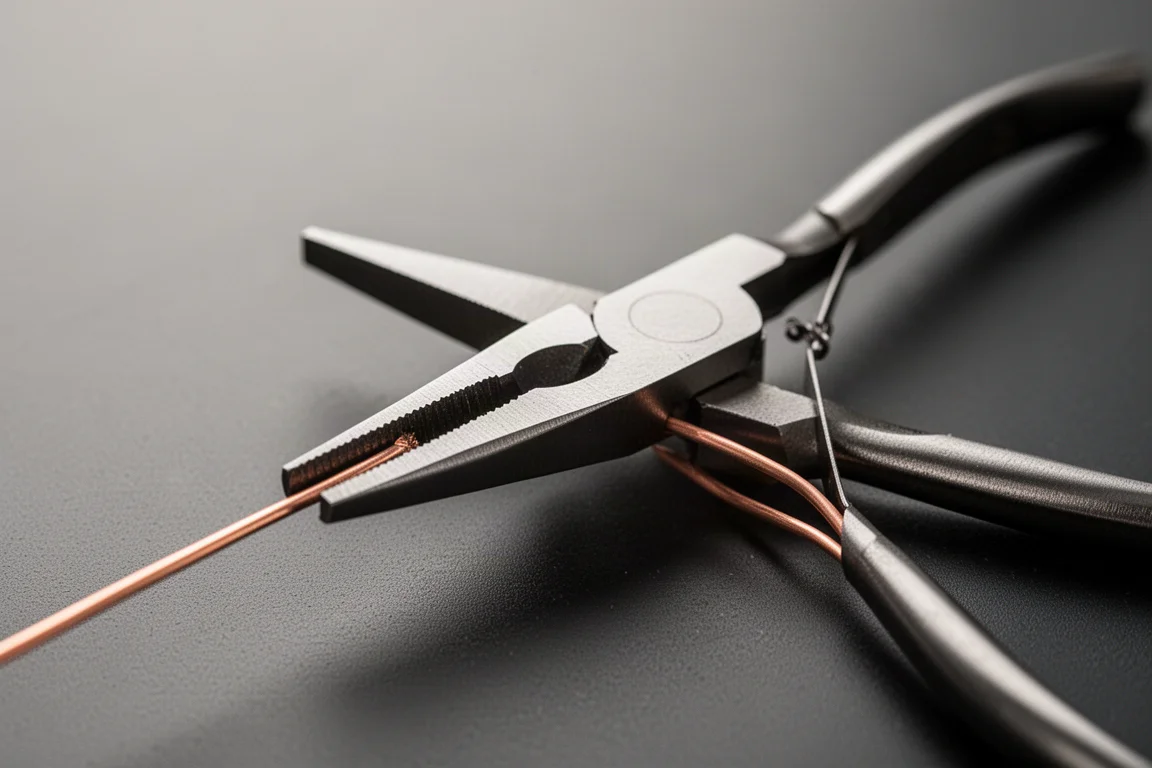
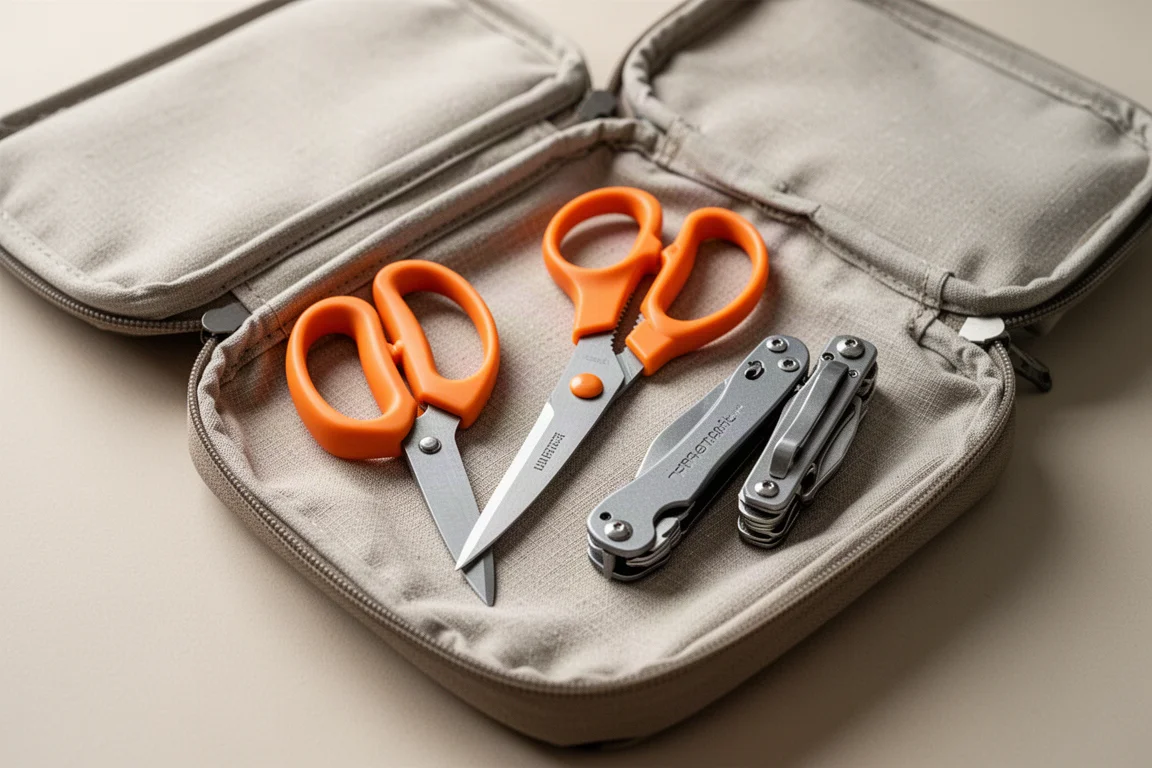
The pliers are the Wave’s mainstay, combining a needle-nose section, a standard plier section for nuts, and a wire cutter. No single compact dedicated tool replicates all of that well, so the better answer is two components. First, the Klein electricians needle-nose pliers offer excellent wire-cutting capability and much longer reach than the Wave.
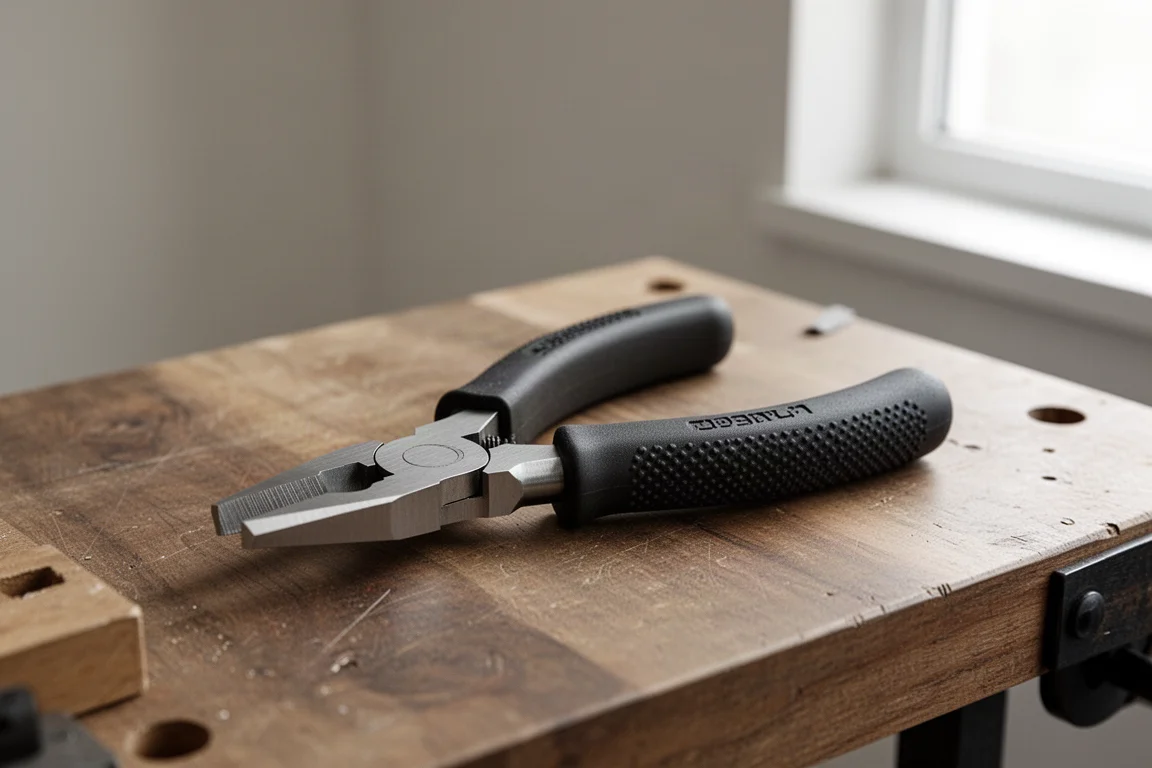
Second, a pair of locking vise grips does something the Wave simply cannot do at all: clamp and hold. This pair also includes hard wire cutters suited to much thicker gauge wire, plus a hidden feature at the front. Grooves cut into the jaws are designed to extract stripped screws, something the Wave cannot manage. Those same grooves can grip the teeth of a saw blade, effectively turning the pliers into a saw handle, which brings us to the next category.
The Saw: Engineer PZ-64 and the Rapid Warrior Blade System
The saw blade on the Wave is small, which limits it mostly to cutting notches in wood. That is genuinely useful when you have nothing else, but a toolkit can do far better. The Rapid Warrior ships with three blades: a hard steel cutting blade, one for fine wood cutting, and a pruning-style push saw. All of them insert into the Rapid Warrior handle.
There is also a second route: the Engineer PZ-64 locking pliers can hold a saw blade in their jaws, giving the kit two different ways to use a saw. When it comes to blade length, there is no comparison. The dedicated saw blade is nearly the length of the entire multi-tool plus its saw, delivering far more cutting capability.
The File
The Wave’s file has three working sides, including a saw cutter for softer steels and a cross-cut file. The cross-cut side, however, is not particularly aggressive, and the Rapid Warrior already covers metal cutting with a dedicated blade. What makes the real difference here is a multi-file set: around nine files in assorted shapes, sold for under ten dollars, that work on both soft and hardened steel.
Rather than one flat file that might not fit the spot you need it to, you get a shape for each task. And if more reach is required, a file can be clamped into the locking pliers in the same way as the saw blade. This is another clear win for the toolkit.
The Scissors: Fiskars Keychain Scissors
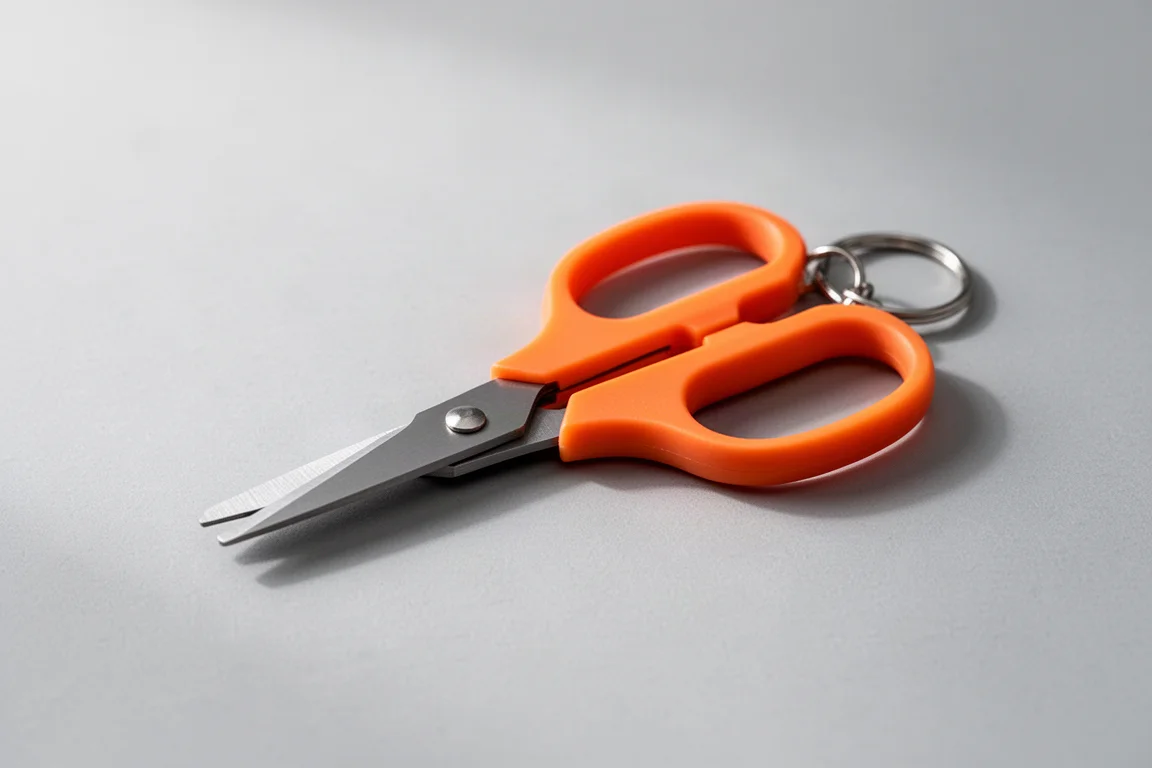
This one is the easiest upgrade in the whole comparison. A pair of Fiskars scissors that clips onto a keychain costs about seven dollars, and in performance terms it outright outclasses the scissors built into the Wave. They are precise enough for fine, careful cuts, have a much longer cutting edge, and will handle materials the Wave’s scissors cannot manage at all.
The Drivers: Klein Precision Driver
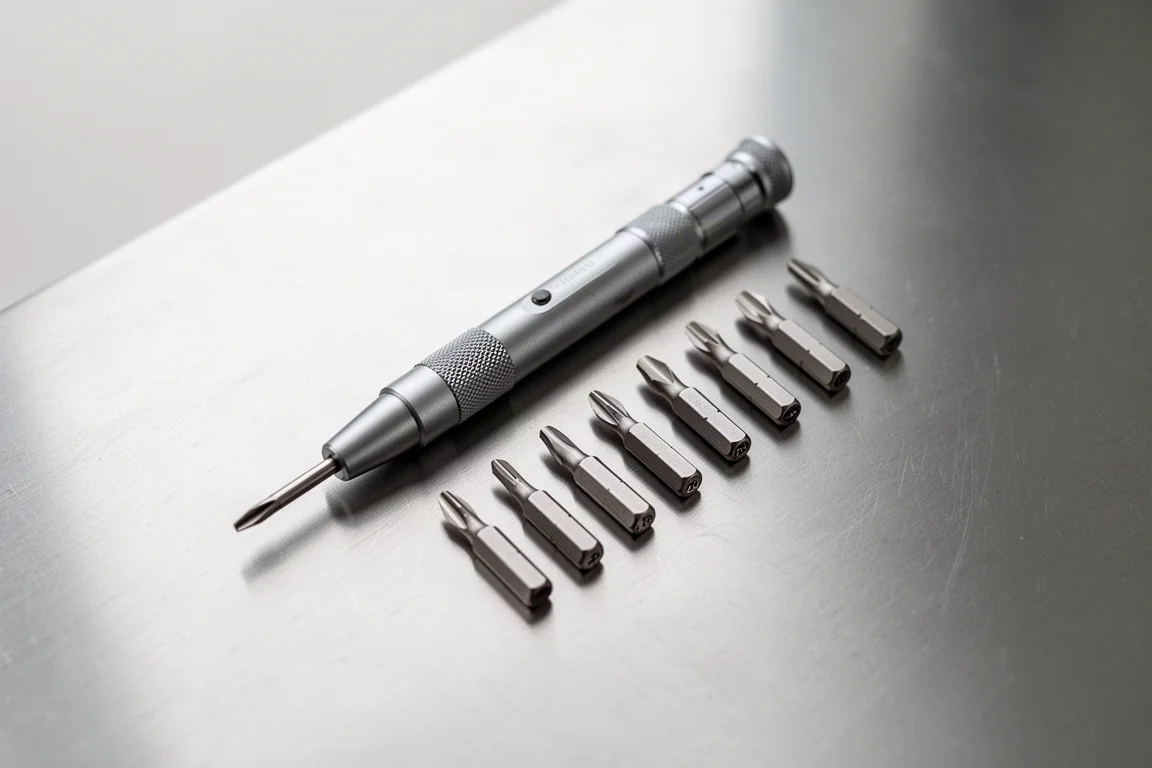
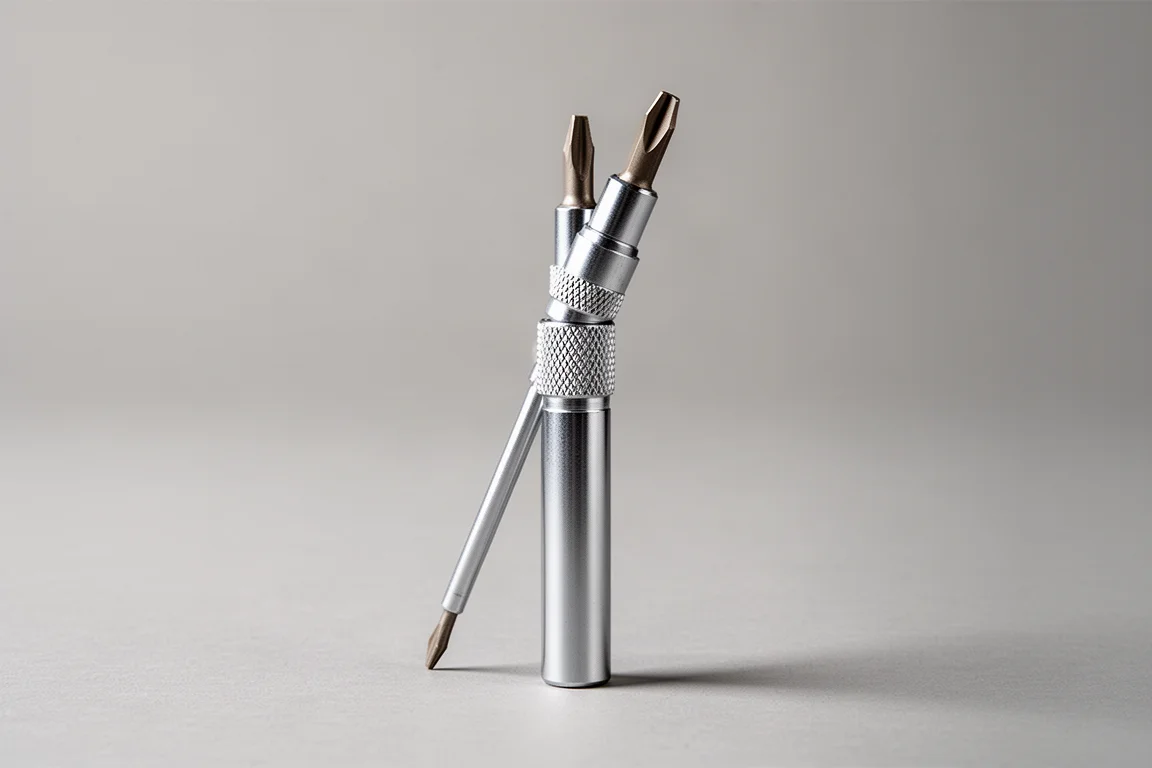
The Wave includes a large flat head, a bit driver, and a micro driver. With the exception of the large flat head, the Klein Precision Driver covers all of it. It packs 27 functions into one compact body, using double-sided 4mm bits, and its reach is long for its size.
The bits it ships with include security Torx, something the Wave’s bit kit cannot accommodate without buying an extension that adds about thirty dollars to the price. Thirty dollars buys a great deal of screwdriver capability in the dedicated world, so this category also goes to the toolkit.
The Can Opener: The One Category the Wave Wins
The Wave’s can opener and bottle opener combo is the one place where the toolkit alternative fell short. A dedicated keychain can opener can be added to the kit, and pliers can technically open a can or a bottle in a pinch, but the leverage on the Wave’s built-in combo is genuinely better than the keychain variety. This is the single category where the Wave takes the win.
The Case for the Multi-Tool: Space, Weight and Time
So if a dedicated toolkit wins nearly every category, why carry a multi-tool at all? Because the multi-tool’s advantage is not capability. It is space and weight. A multi-tool is compact enough to carry on your person, whether in a sheath or on a pocket clip, and the tool you have with you is the only tool that matters. The whole concept traces back to its inventor’s long trip through Europe, where recurring vehicle problems created the need for tools that could be carried at all times without a full kit.
That logic also applies on job sites. For people in the trades, a multi-tool is not a replacement for proper tools, but it can save real time. If you are four floors up and the tool you need is not on you, the multi-tool can often get the job done well enough. Save five minutes a day and, over a year, that time is worth more than the tool itself.
Conclusion
In a head-to-head contest, dedicated tools beat the Leatherman Wave in almost every category, losing only at the can opener. But the two are not really competitors. When space or weight is at a premium, such as on a backpacking trip, the multi-tool is king. When you are at a workbench, the toolkit is unbeatable. Each has its place, and knowing which you need is the real buying decision.
Further reading
Related Reviews

Everyday Carry
Everyday Gear That Deserved a Second Look
A roundup of solid everyday carry items: watches, pens, a pencil, a knife, and a smart ring that each earned a place on the table.

Everyday Carry
KORE Tactical Bifold Wallet Review: A Durable Everyday Carry Option
A close look at the KORE Tactical Bifold Wallet, a reinforced nylon wallet with magnetic closure and room for cards, cash, and IDs.

Everyday Carry
Krabby Wallet Review: A Slim, Simple Carry That Has Stood the Test of Time
A closer look at the Krabby Wallet, a slim canvas and elastic design with a loyal following and a simple, functional approach to everyday carry.