Hand Tools
Last Best Tool 15" Wrench Extender Review: Big Leverage for Less
A budget-friendly 15-inch wrench extender with a dialed-in grab design, plus how it stacks up against the pricier Vim extender.
Introduction
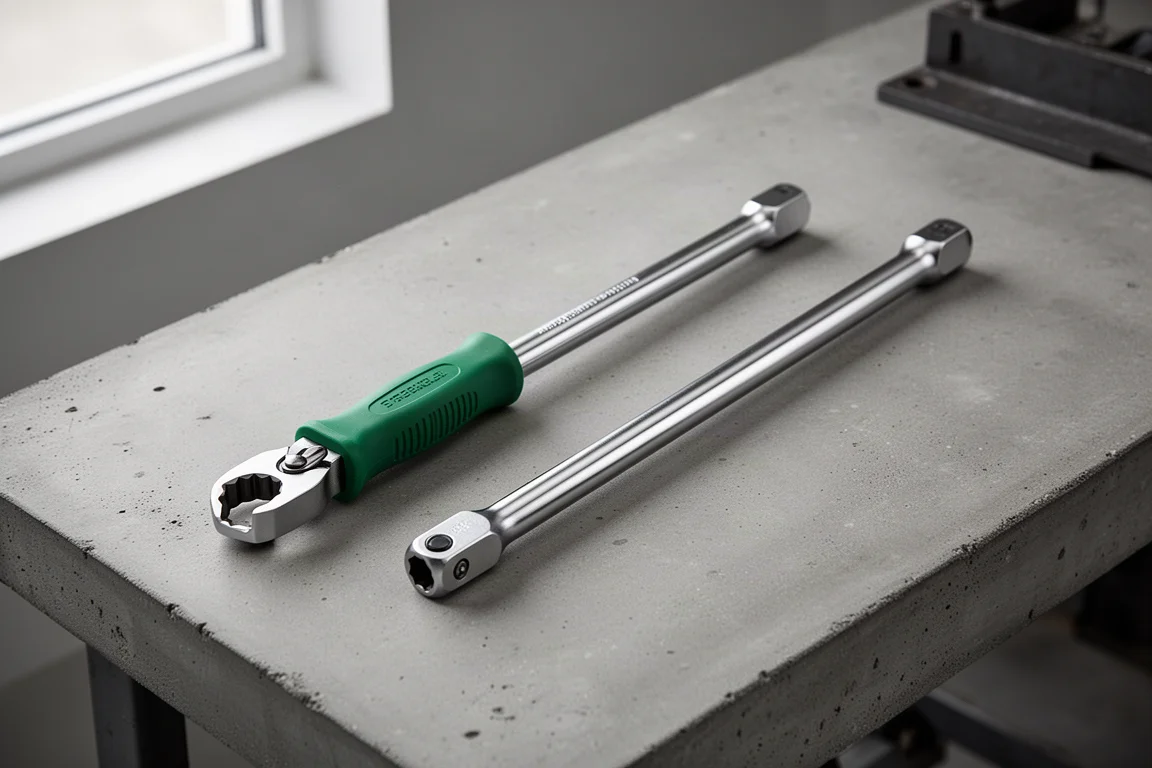
Wrench extenders are one of those tools that seem almost too simple: a steel sleeve that slips over a wrench handle and turns a modest lever into a serious one. There has not been a lot of evolution in this category, and most designs look like variations on the same idea. The Last Best Tool 15” Wrench Extender (Part 1788) follows that familiar pattern but adds a few choices worth understanding before you buy, especially if you have been eyeing the more expensive Vim version.
First Impressions
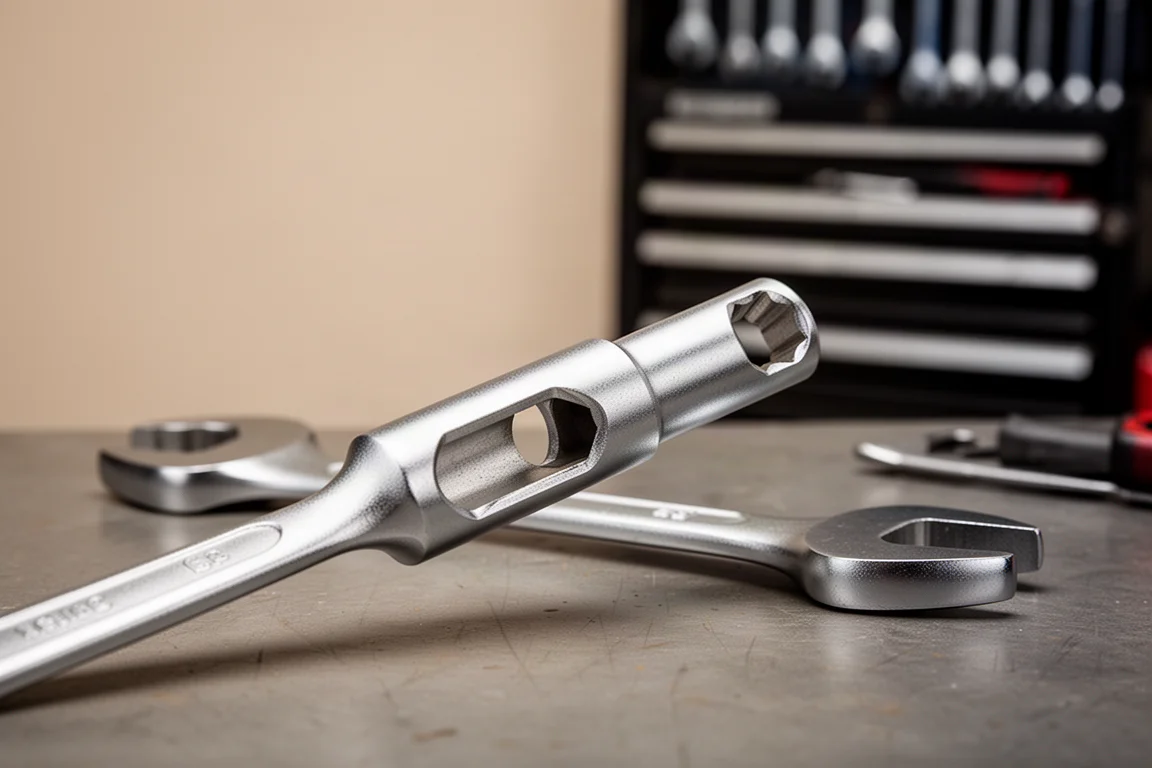
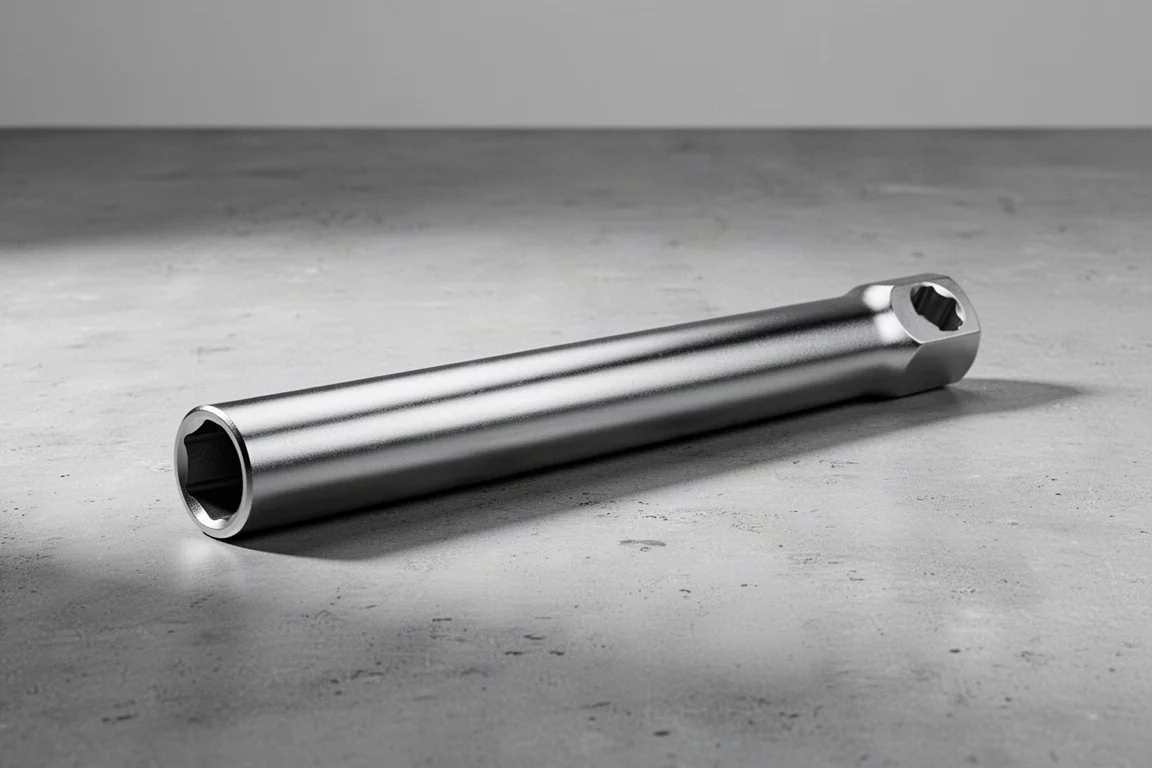
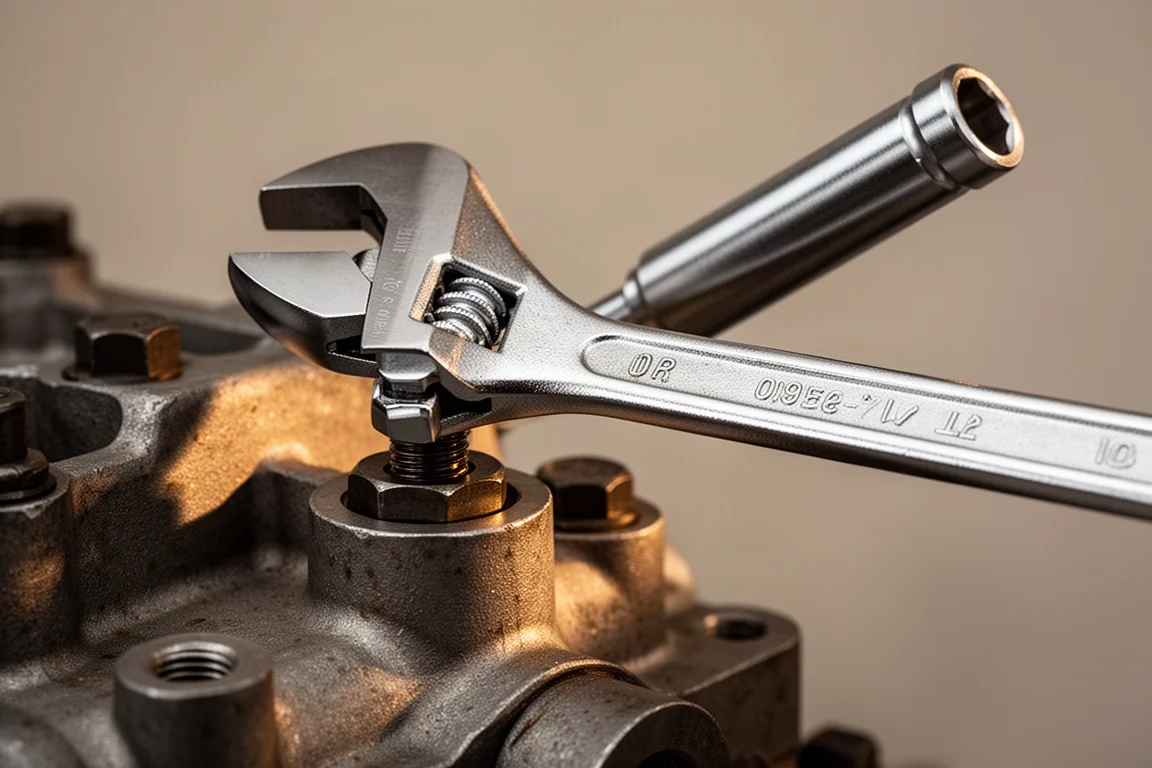
The front end of the Last Best Tool extender is very similar in design to the Vim wrench extender, and the way it grabs a wrench is well dialed in. The sleeve drops onto the wrench, has a cutout for the box end, and can be used on either side of the handle. Once seated, it holds solidly: you can grab it far out at the end and fully control the wrench, positioning it on a fastener and working it without the extender coming loose. It fits better on larger wrenches. On a 1-inch wrench it feels natural, and even on a 19mm wrench the extender starts to make the wrench look small, yet it still grips well enough that you are unlikely to drop it.
The Weight Question
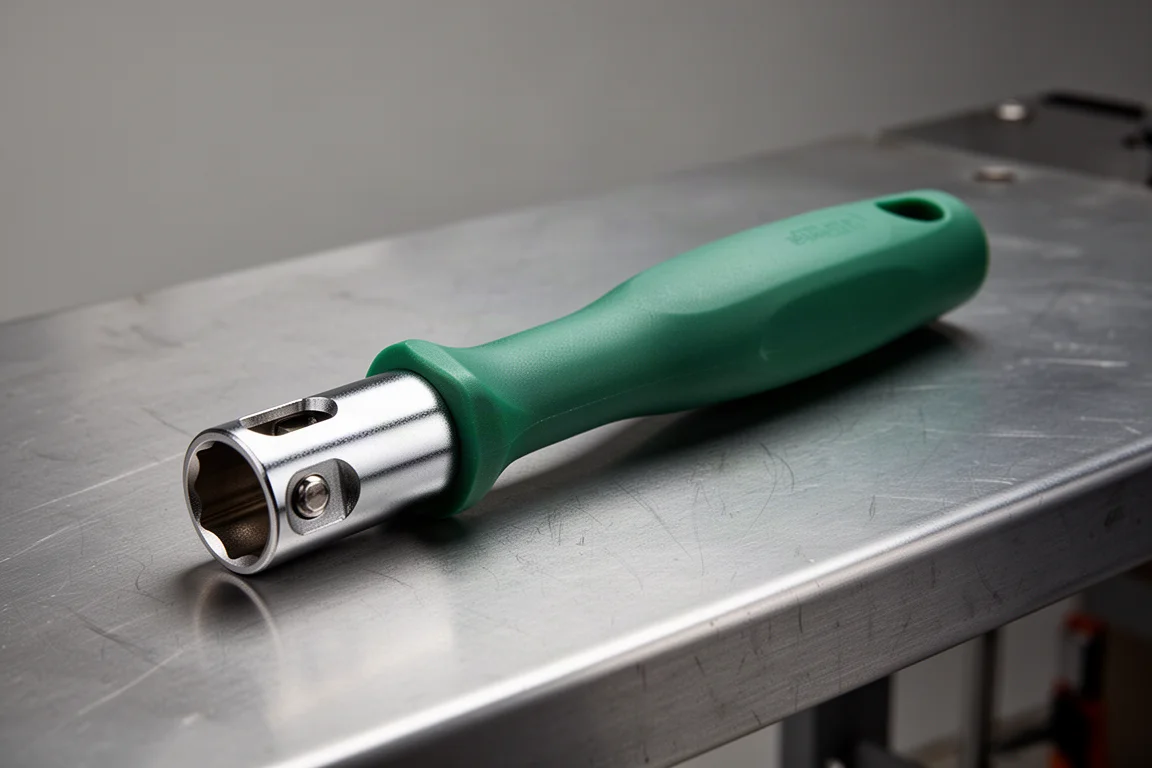
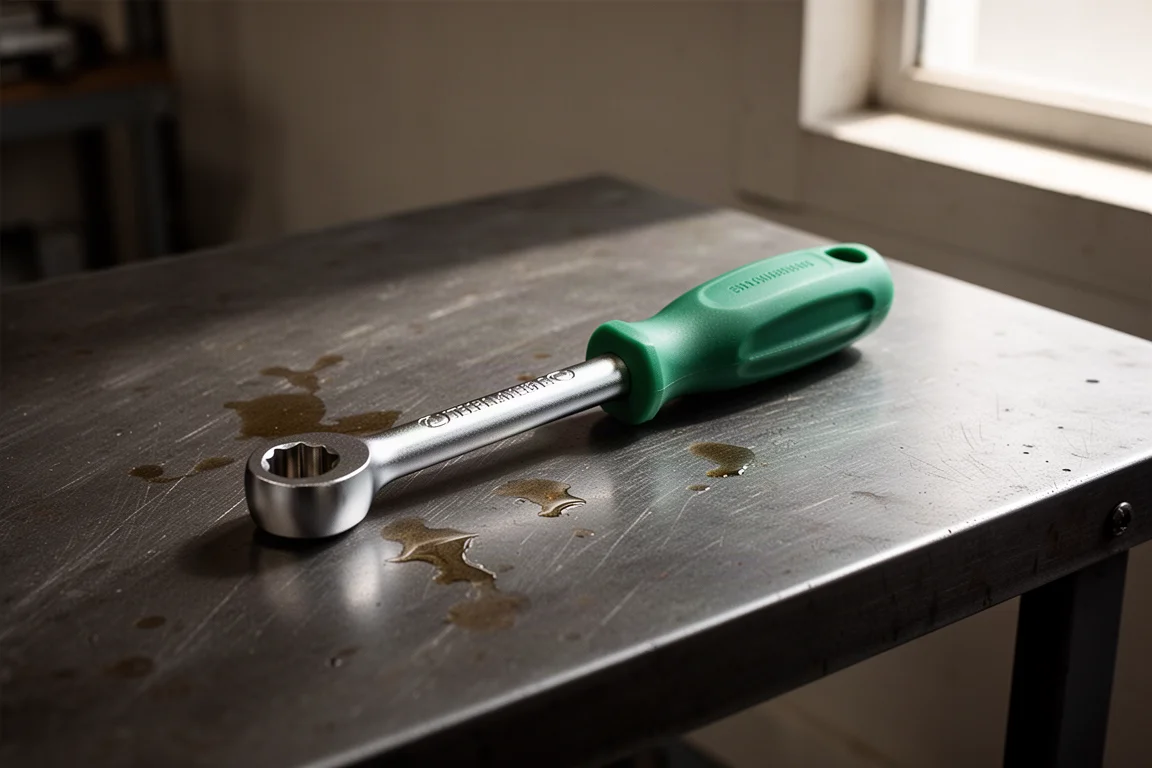
Here is where things get interesting. The Last Best Tool weighs a little over 1.3 pounds, roughly a third more than the Vim, which comes in at about a pound. The extra heft lives in the handle. A quick magnet test reveals there is no metal in the handle from roughly the midpoint back, so the bulk there is something else entirely.
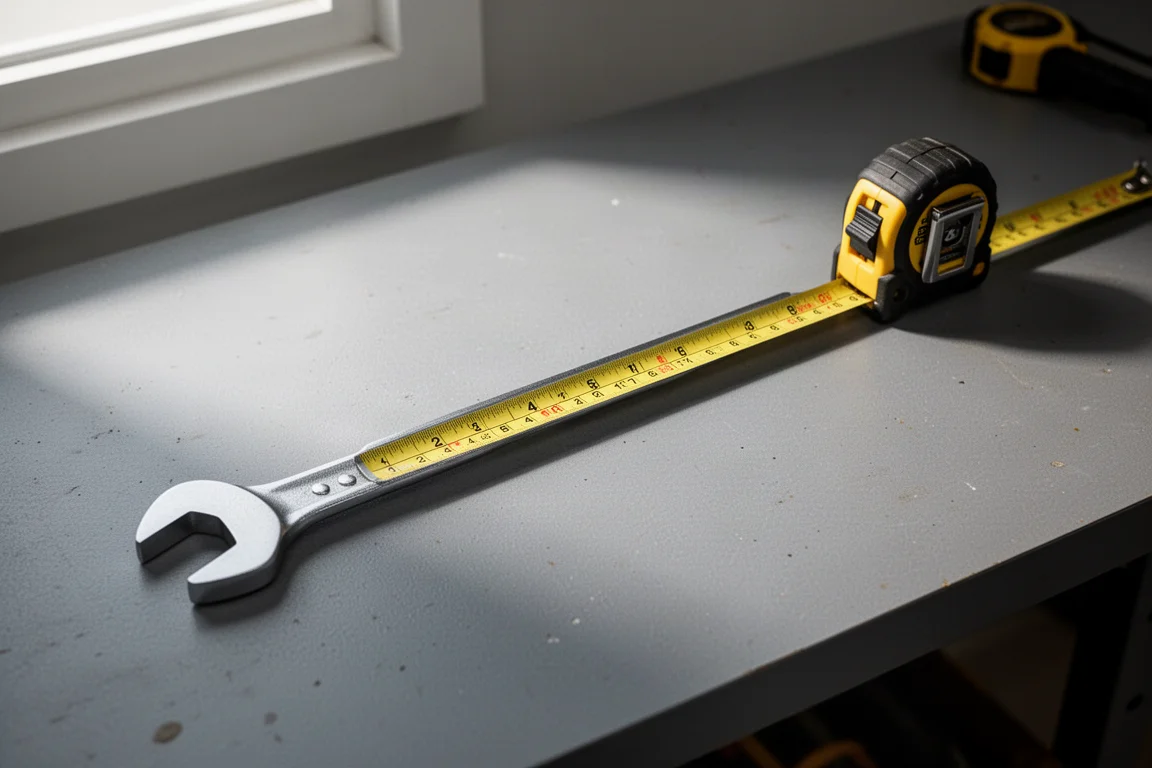
That also has a practical consequence. Measure the actual steel length and you get close to a 12-inch tool rather than a full 15 inches, while the Vim runs the full 15 inches and slightly over. If you are buying strictly for maximum steel-to-steel reach, that is worth knowing.
Where It Falls Short
Two trade-offs come with the green handle. First, added shaft size can sometimes get in the way: a wrench extender is not only about increased leverage but also increased access, and a bulkier handle can prevent the tool from fitting easily into tight spots. It is not a dealbreaker, but it matters in cramped engine bays and machinery.
Second, as with most extender designs of this style, pushing the sleeve against a fastener can cause it to slide around on the wrench. Users have long worked around this by wrapping or connecting the two tools together so the extender stays put under pushing loads. The open-ended grab design excels at pulling and positioning but asks for a little improvisation when you need to push.
How It Compares to the Vim
The Vim extender is the more premium execution of the same front-end concept: full metal throughout, a true 15-inch-plus reach, and about a pound of weight. It retails for almost twice as much, in the $60s, though it can often be found for less through various resellers. The Last Best Tool sells for about $34, which is less than many extenders and more than some, and both tools appear to be made in Taiwan.
If your priority is a lighter, full-length steel tool and you find a reseller discount, the Vim remains a strong choice. If you want solid grab performance at roughly half the price and can live with a heavier, partly non-steel handle, the Last Best Tool makes a lot of sense.
Buying Advice
Choose the Last Best Tool if you mainly want extra leverage on larger wrenches, use it primarily for pulling and positioning motions, and care more about value than absolute reach. Choose the Vim if you regularly work in tight spaces where a full steel shaft and slimmer profile help, or if you want the maximum effective length for stubborn fasteners.
Either way, plan for the pushing problem that affects this whole style of tool: keep tape, a wrap, or another way of securing the sleeve to the wrench nearby for jobs where you need to push the fastener rather than pull it.
Conclusion
The Last Best Tool 15” Wrench Extender delivers the well-dialed grab design the category is known for at a friendly price, with a couple of honest caveats: extra weight, a handle whose rear half is not steel, and an effective steel length closer to 12 inches. Against the Vim, it trades some refinement and reach for roughly half the cost. For most toolboxes, that trade is easy to justify.
Further reading
Related Reviews
Hand Tools
Best Diagonal Cutters 2026: 16 Pliers Tested for Cutting Power and Durability
We put 16 diagonal cutters through nail, screw, drill bit, and hex key tests to find the best value picks for your toolbox.
Hand Tools
Best Hex L Key Sets 2026: Nine Sets Tested for Real-World Torque
Nine hex L key sets from budget to premium, tested for torque, fit, and durability. See which sets deliver real performance and which ones to skip.
Hand Tools
Best Locking Pliers 2026: Top Picks Tested for Grip and Durability
We tested 18 brands of 10-inch locking pliers for grip strength, jaw bite, build quality, and ease of release to find the best options for tough jobs.