Camping Stoves
Kovea Spider Stove Review: Cold Weather Capability in a Compact Package
A long-running three-leg canister stove with liquid fuel capability, excellent simmer control, and a few trade-offs worth understanding before you buy.
Introduction
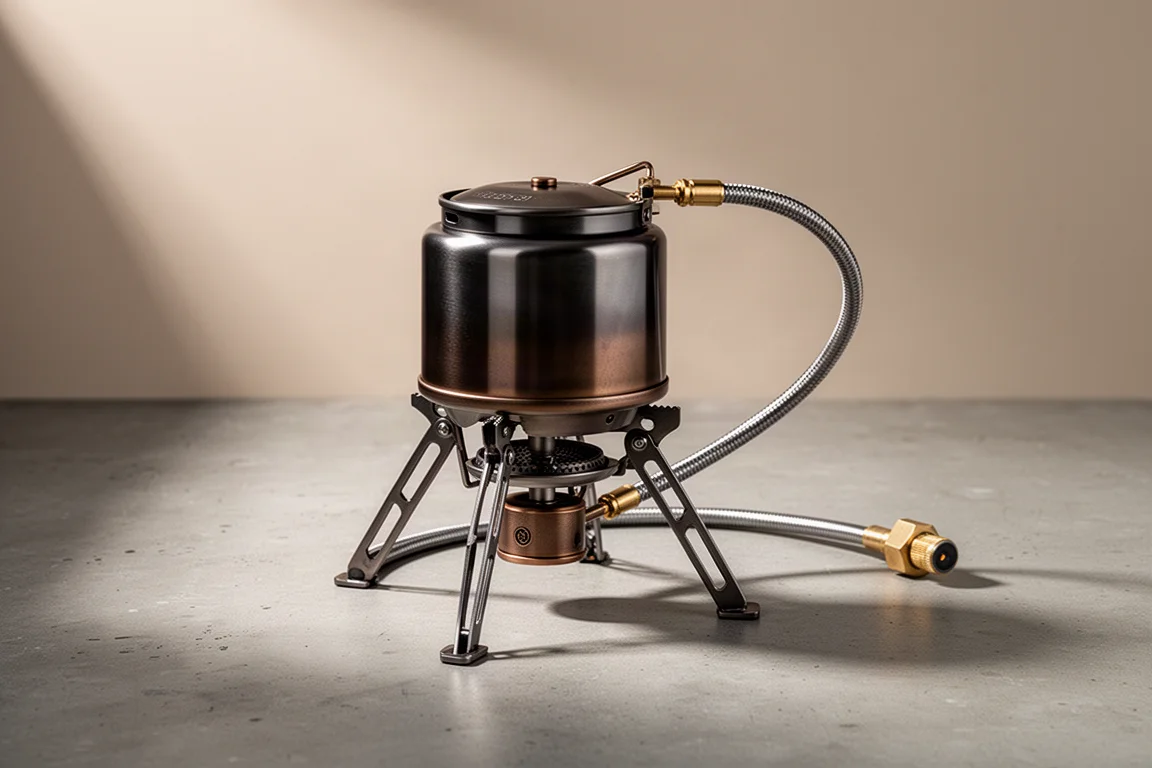
The Kovea Spider is a compact remote-canister stove that has been on the market since 2012, and it remains one of the more distinctive designs in its class. Kovea is a South Korean manufacturer that has been building stoves for a long time and has produced models for other well-known outdoor brands, and that manufacturing background is visible in how the Spider is put together.
What sets it apart is a heat pipe at the centre of the burner head. When temperatures drop, the fuel canister can be inverted so the stove runs on liquid fuel, which is a genuine advantage in cold conditions. It is not a feature that every stove of this shape offers, and it is the main reason to consider this model over cheaper alternatives that look similar.
At the time of writing the Spider costs around $66, which is roughly $20 more than it did a year earlier. That price increase matters, because the value calculation changes depending on whether you actually need the cold weather behaviour.
Who This Stove Is For
This stove makes the most sense for backpackers and campers who cook in cold conditions. The inverted canister mode is the headline feature, and if you never camp below freezing, you are paying for capability you will not use.
It also suits anyone who values a stable cooking platform and precise flame control over shaving grams. The three legs lock into place and the burner sits low, giving the stove a low centre of gravity that stays planted whether it is on the ground or on a table. Moving a pot or pan around during cooking is not a balancing act.
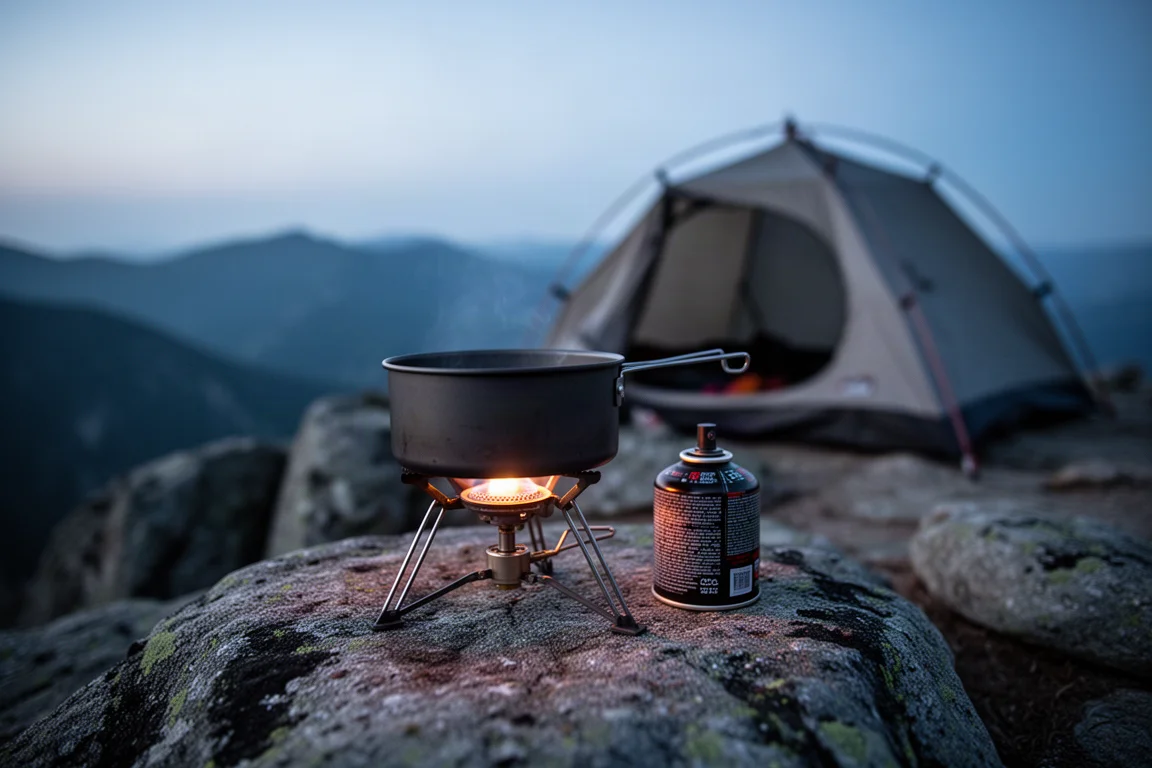
If your priority is the lightest possible kit for high-mileage trips, this is probably not the stove you want. At six ounces for the stove alone, it is not heavy, but it is also not ultralight, and there are considerably lighter options available.
Design and Build Quality
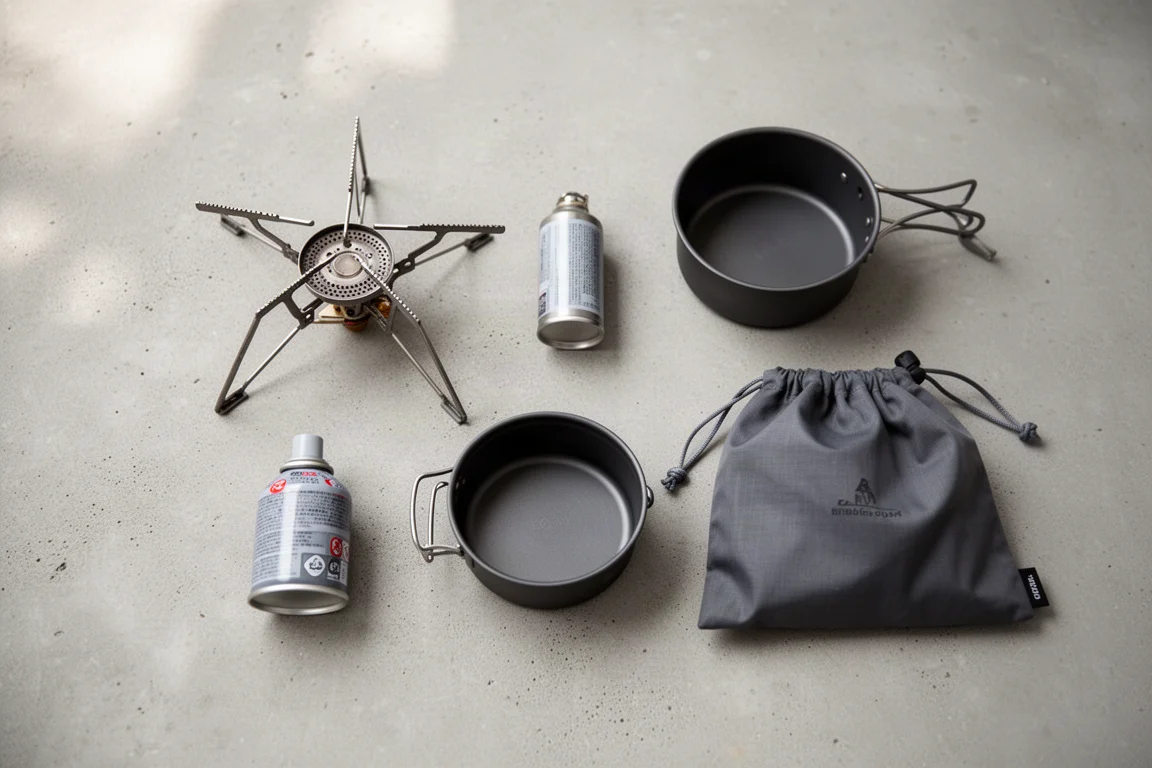
The stove ships with a drawstring storage bag, the stove itself, and a separate piezo igniter. It arrives boxed with instructions. There is no windscreen and no igniter built into the body of the stove, so both the igniter and a windbreak are items you carry separately.
Build quality is a clear strength. The primary material is stainless steel, with copper, bronze, and aluminium components in the assembly. The three legs lock positively and release by pushing them down and rotating them. The pot supports are ridged at the ends to help hold cookware in place.
Dimensions are modest: about 3.25 inches high, roughly 3.5 inches wide when folded, with pot supports around two inches apart. The fuel hose is about 12 inches long and ends in a control valve that attaches to the canister. That valve is marked with a symbol showing which direction increases and decreases the flame, which is a small detail that makes a difference when you are adjusting the flame in poor light.
Real World Performance
A boil test with two cups of water, roughly 475 millilitres and the amount most freeze-dried meals call for, took about four minutes and ten seconds. That is a reasonable result rather than a fast one.
The stove is rated at 5,633 BTU. Comparable modern stoves of a similar design often advertise around 10,000 BTU, so the Spider is working with roughly half the rated output of newer competitors. In practice, that gap is less dramatic than the numbers suggest. Across extended use in the mountains, in snow, and on the coast, the stove never felt slow, and there was never a moment where the boil time became a problem.
The adjuster is one of the best parts of the design. It has a noticeable amount of resistance, which makes fine control easy, and the stove simmers reliably for as long as you need. If you cook real meals rather than only boiling water, that control is worth more than a faster boil.
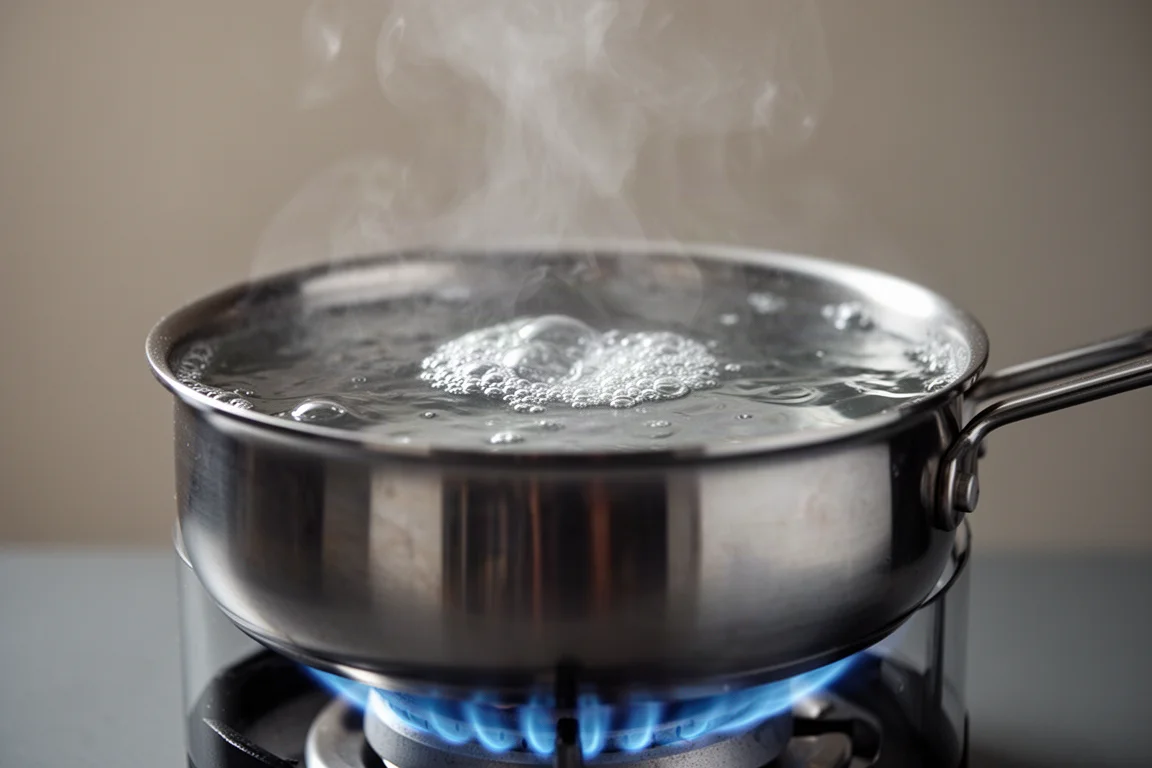
There is one design trade-off to note: the burner head is on the small side. It concentrates heat in the centre of the pot rather than spreading it across the base, so a large one-pan meal with several components takes more attention than it would on a stove with a wider head. It can be done, but a bigger burner head makes that kind of cooking easier.
Cold Weather and Inverted Canister Mode
The cold weather mode works through the heat pipe at the centre of the stove. Liquid fuel travels along the hose, reaches the pipe, is superheated by the burner head, vaporises, and then burns like a conventional canister stove.
The procedure matters. Start the stove upright, light it, and let it run at a good pace for roughly ten seconds so the pipe heats up. Only then invert the canister. Once inverted, output increases noticeably, and the flame can be turned back down to a low setting for normal cooking. Boil times in inverted mode were substantially faster.
Do not attempt to light the stove with the canister already inverted. Liquid fuel that has not been vaporised produces a large fireball, which is exactly the situation the warm-up sequence exists to prevent.
In testing, the stove ran in inverted mode at around 19 degrees Fahrenheit without problems. The canister still needs to be kept warm to begin with, and the sequence above has to be followed each time. Cold weather experience with this stove remains limited, but what has been tested worked well. One practical note: in genuinely cold conditions the hose becomes very stiff and takes more care to position.
Things to Consider Before Buying
The supplied piezo igniter is the weakest part of the package. It simply does not work reliably and cannot be depended on to light the stove. A separate lighter or ferro rod is the sensible approach.
Information about the stove on the manufacturer’s website is surprisingly thin. Output figures and most key specifications are not stated there, which makes it harder to compare the stove against alternatives before buying.
Weight is worth a second look. Six ounces for the stove, or seven ounces with the storage bag and igniter, is manageable but not class-leading. For short trips the extra weight is easy to accept. For a long mileage trip, a lighter stove is the more sensible choice.

There is also the documentation. The stove is sold in the United States with Korean language instructions, which is a genuine safety concern given that the inverted canister procedure has to be followed correctly. Instructions in English would reduce the risk of someone setting the stove up incorrectly.
Finally, consider the price movement. At around $66, the Spider costs meaningfully more than it did a year ago, and there are less expensive stoves with the same overall shape.
Fuel Adapters and Everyday Practicality
A notable advantage of this stove is the range of adapters made for it. These allow the stove to be connected to other fuel types, including large propane tanks and butane. Butane in particular is inexpensive, so the adapter ecosystem can bring running costs down considerably over the life of the stove, especially for car camping and base camp use.
For backpacking, the practical appeal is simpler. The stove folds up neatly and fits easily inside a cook kit, with the storage bag keeping everything together. The locking legs fold flat, the hose coils without kinking, and the whole package stays compact in a pack. The design has barely changed since 2012, and there is a good reason for that: it works.
Buying Advice
The decision comes down to one question: will you actually use the inverted canister mode?
If you camp in cold weather and want a stove that keeps performing when temperatures drop, the Spider delivers that capability alongside excellent simmer control and a very stable base. The heat pipe is not a marketing detail; it changes how the stove behaves in the conditions where most canister stoves struggle. For that user, the current price is defensible.
If you only cook in warm conditions, the recommendation is different. The inverted canister feature is the reason to choose this stove, and without it you are paying a premium for a design that can be found elsewhere for less. There are less expensive stoves with a similar three-leg layout and higher rated output, and if speed matters to you, several of them will boil water in roughly half the time.
Either way, budget for a replacement lighter and treat the supplied igniter as a spare that probably will not work. A small windbreak is also worth carrying, since the stove has no integrated windscreen.
Conclusion
The Kovea Spider is a well-built, very stable stove with a thoughtful design and one genuinely useful trick. Its cold weather performance, precise adjuster, and adapter options give it a clear identity, and the long production run is a fair signal that the fundamentals are sound.
The trade-offs are equally clear: a modest 5,633 BTU rating, a small burner head that concentrates heat, six ounces of weight, an unreliable igniter, and Korean-only instructions in the US market. None of these are dealbreakers for the right buyer, but they are worth knowing before you commit.
Buy it for winter camping and simmer control. Skip it if warm weather boiling is all you need.
Product link
View more details for Kovea Spider Stove
This product is mentioned in the review. Check the specifications, options, and compatibility before buying.
View more details for Kovea Spider StoveFurther reading
Related Reviews
Camping Stoves
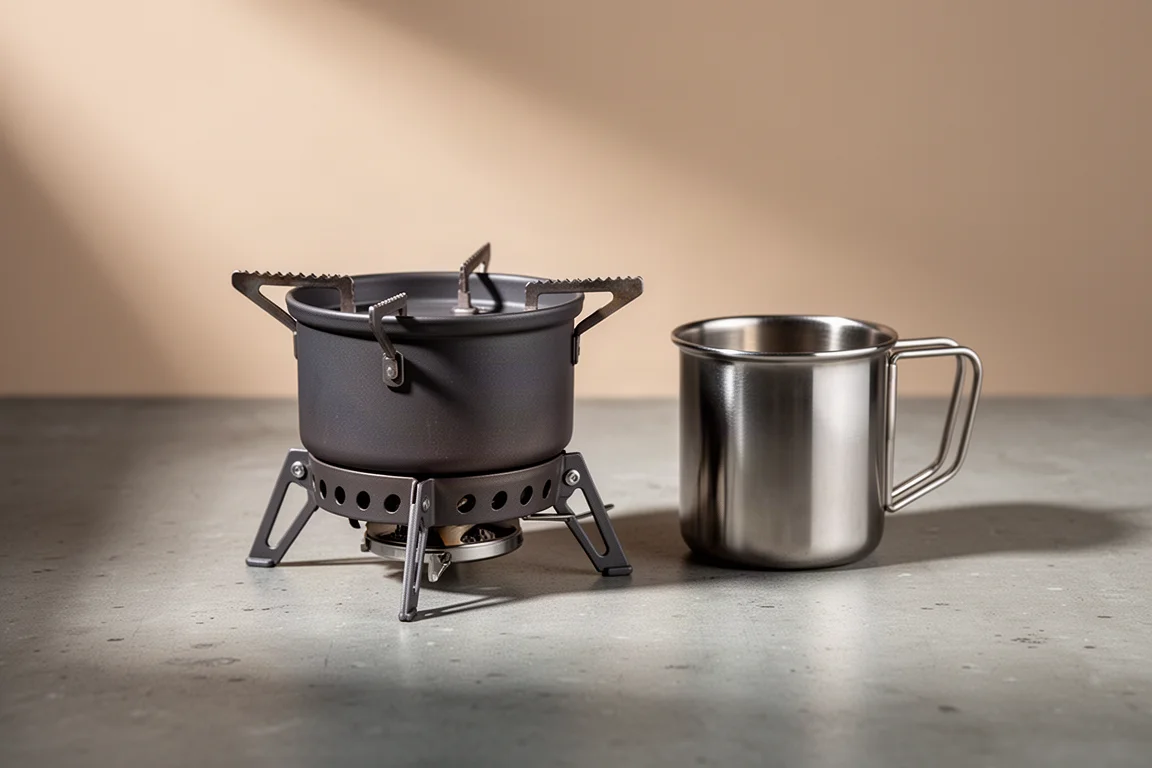
BCB Fire Dragon Mini Cooker Review: A Tiny Folding Stove With Real Trade-Offs
A palm-sized, fuel-flexible folding stove that heats water well enough, but brings flame control, stability, and fuel cost questions worth understanding first.
Camping Stoves
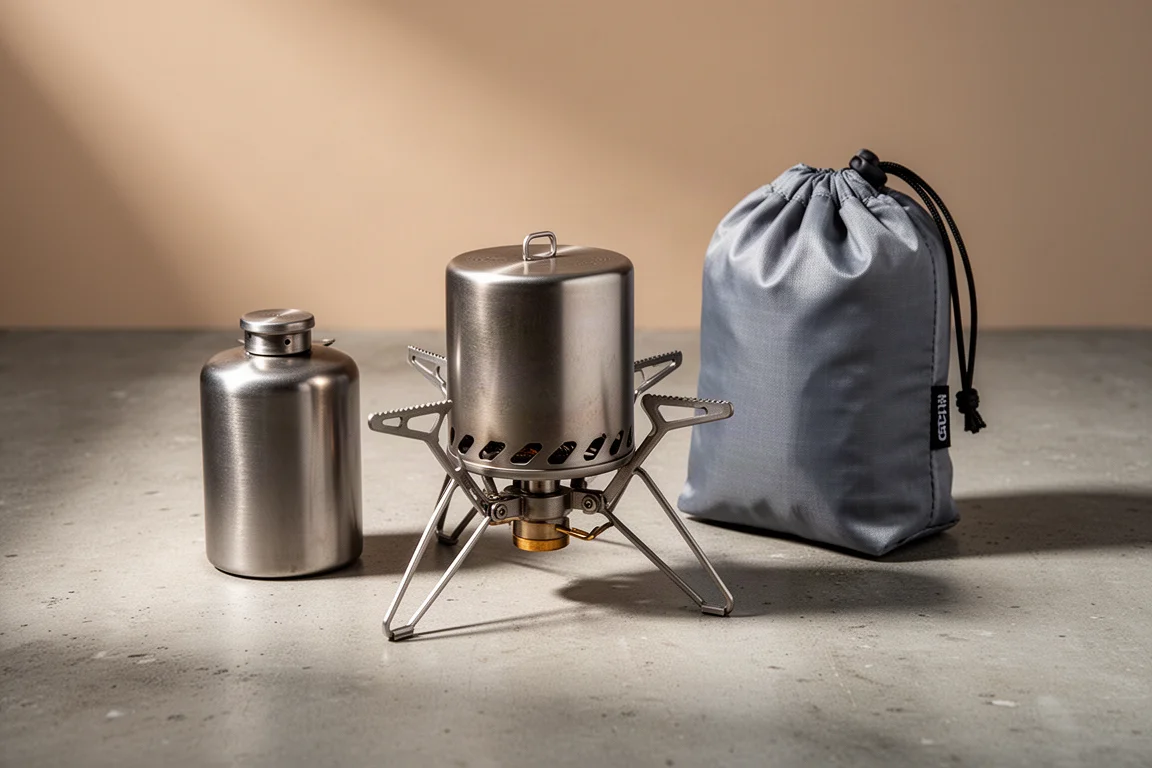
Boundless Voyage Titanium Alcohol and Wood Stove Review: Ultralight Cooking, Two Ways
A titanium alcohol and wood burning stove kit that weighs 4.5 oz complete, boils two cups of water in about 10 minutes, and costs $36.
Camping Stoves
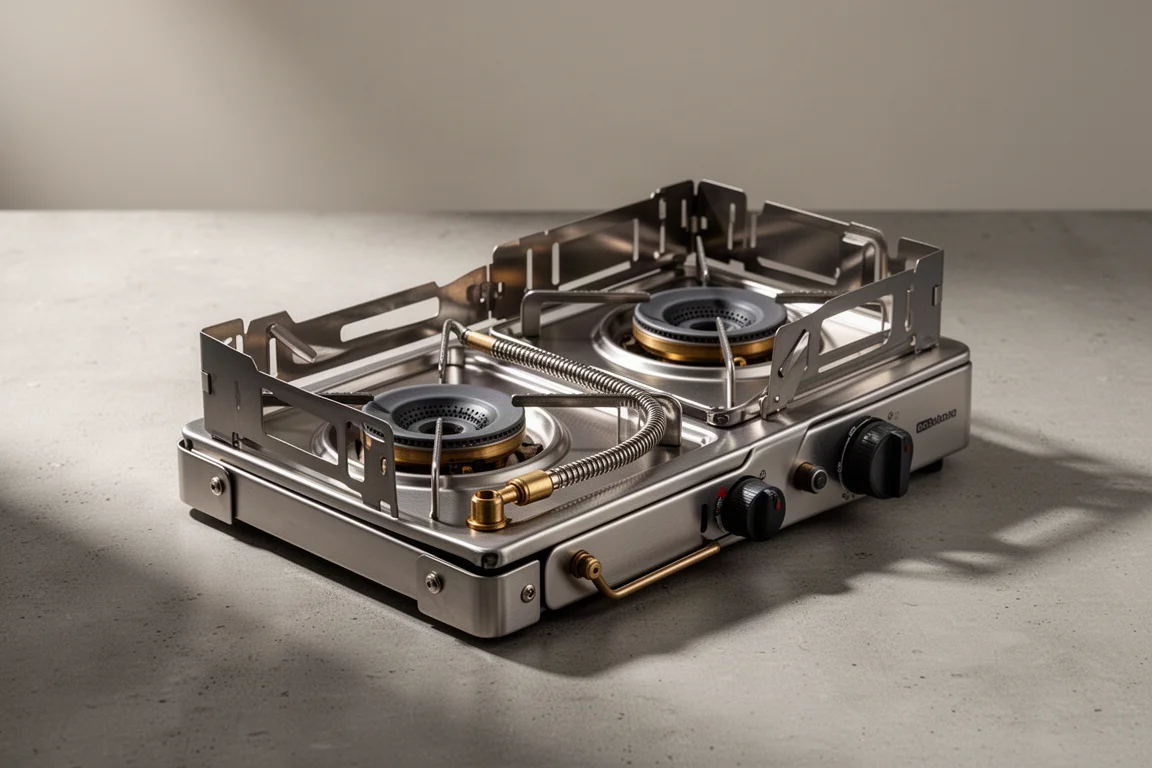
BRS 32 Dual Burner Stove Review: A Folding Two-Burner That Packs Down Flat
A detailed look at the BRS 32, a slim folding dual burner camping stove that expands into a stable cooking platform for around $60.