Kitchen Knives
Kotetsu Chromax Boss Nikiri Review: An Extra-Tall Nikiri With Serious Edge Quality
Takayuki Shibata's new Chromax line brings a tall, clipped-tip nikiri with razor-sharp out-of-the-box performance. Here is how it handled real kitchen tasks.
Introduction
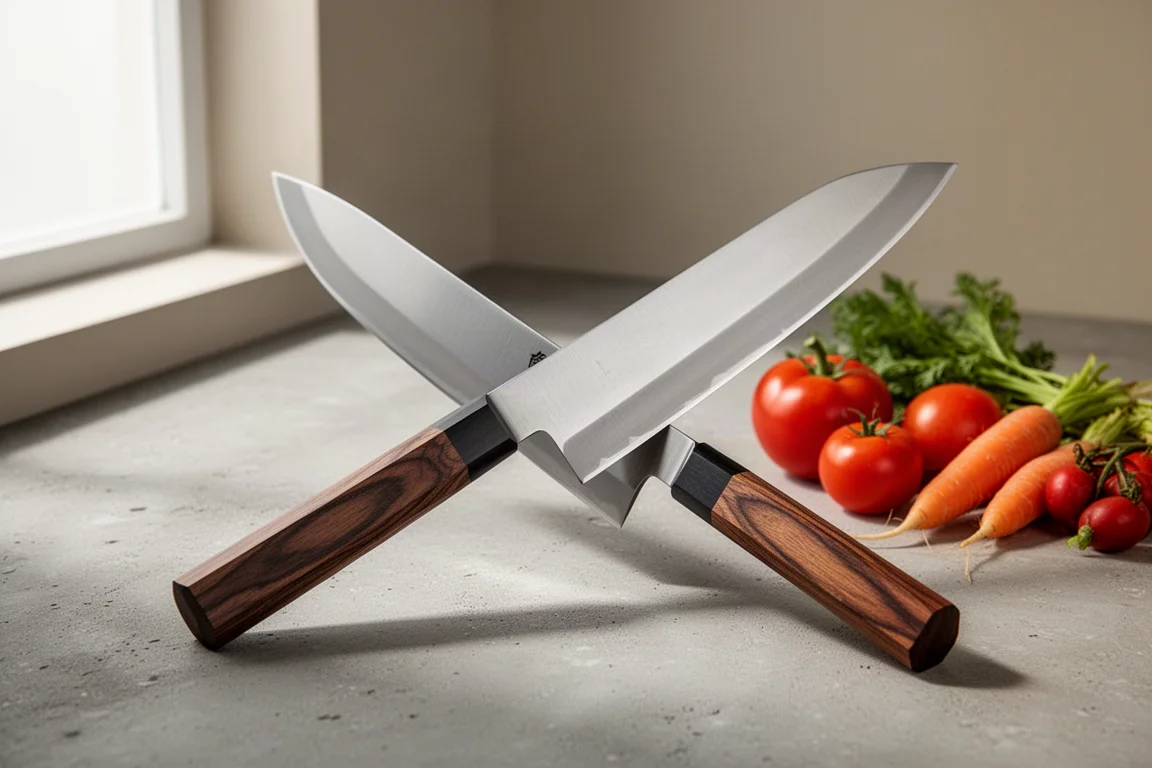
A new knife line has arrived, and it comes from a maker with an impressive track record. Takayuki Shibata, the mind behind brands such as Masakage, Kotetsu, Tinker, and West Japan Tools, is now delivering the Chromax line under the Kotetsu brand, replacing his Type 3 AS line. The line covers several knives, and today we are looking at the Boss Nikiri: an extra-tall take on the classic single-beef slicer shape. We put it through unboxing, everyday vegetable work, and the usual edge tests to see whether it lives up to its name.
Unboxing and First Impressions
The unboxing experience matches the rest of the maker’s catalog. You get a simple black box with a red insert, front and back business cards, a fresh sticker design, and the signature logo sticker. There is also a quick cutting guide explaining the recommended technique: cut obliquely rather than in an up-and-down motion, because oblique cuts put less force on any single spot of the edge. That advice matters here, because the edge on this knife is genuinely thin.
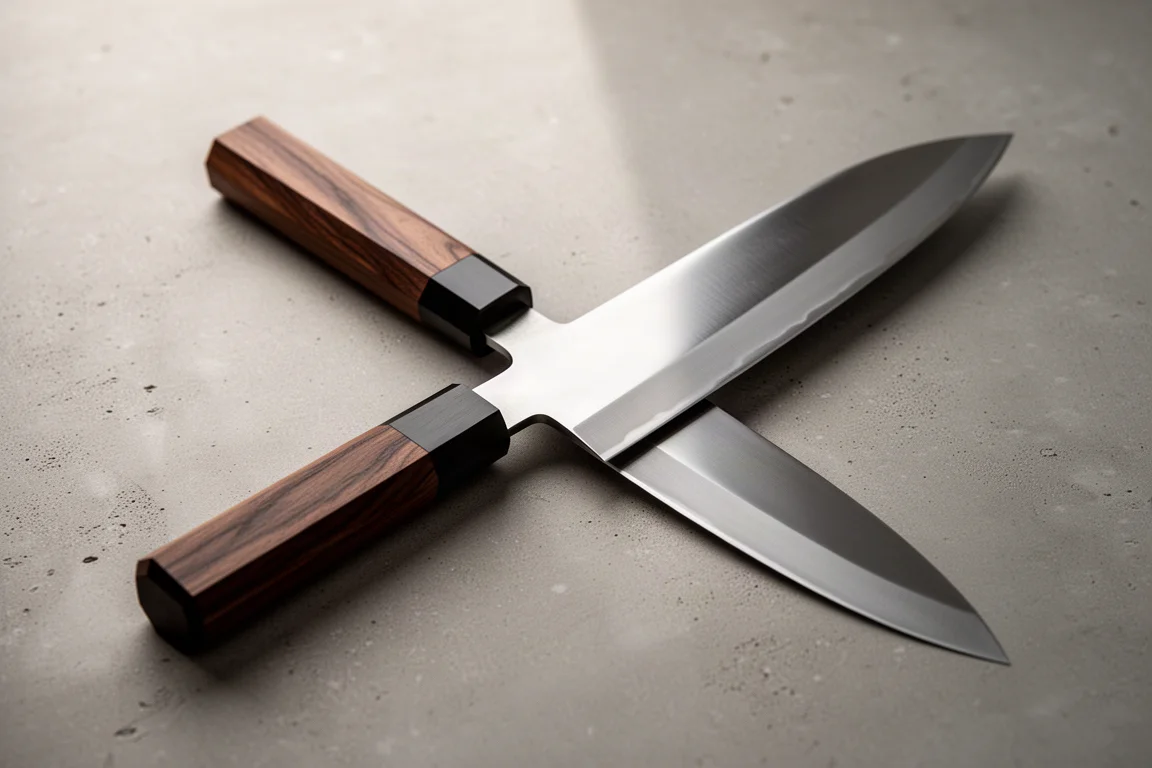
The knife itself sports a classy traditional wa handle in rosewood with a pakka wood ferrule. The blade is where things get interesting. It weighs 187 grams, which is noticeable for a 170mm blade, and much of that mass shows up in its 63mm of belly height at the heel. Most nikiri knives sit in the low-to-mid 50mm range, so this one is distinctly taller, though still well below the height of a santoku or cleaver. The clipped tip, a signature detail of this line, makes it easy to distinguish from the maker’s Type 2 and Type 3 knives.
Steel and Construction
The Chromax line is stainless clad, which means the cladding resists corrosion while the core does the cutting work. Chromax is a semi-stainless steel, so only the core will discolor and develop a patina with use. That gives you a low-maintenance outer shell with the cutting character of a reactive core, a sensible combination for everyday kitchens.
Cutting Performance
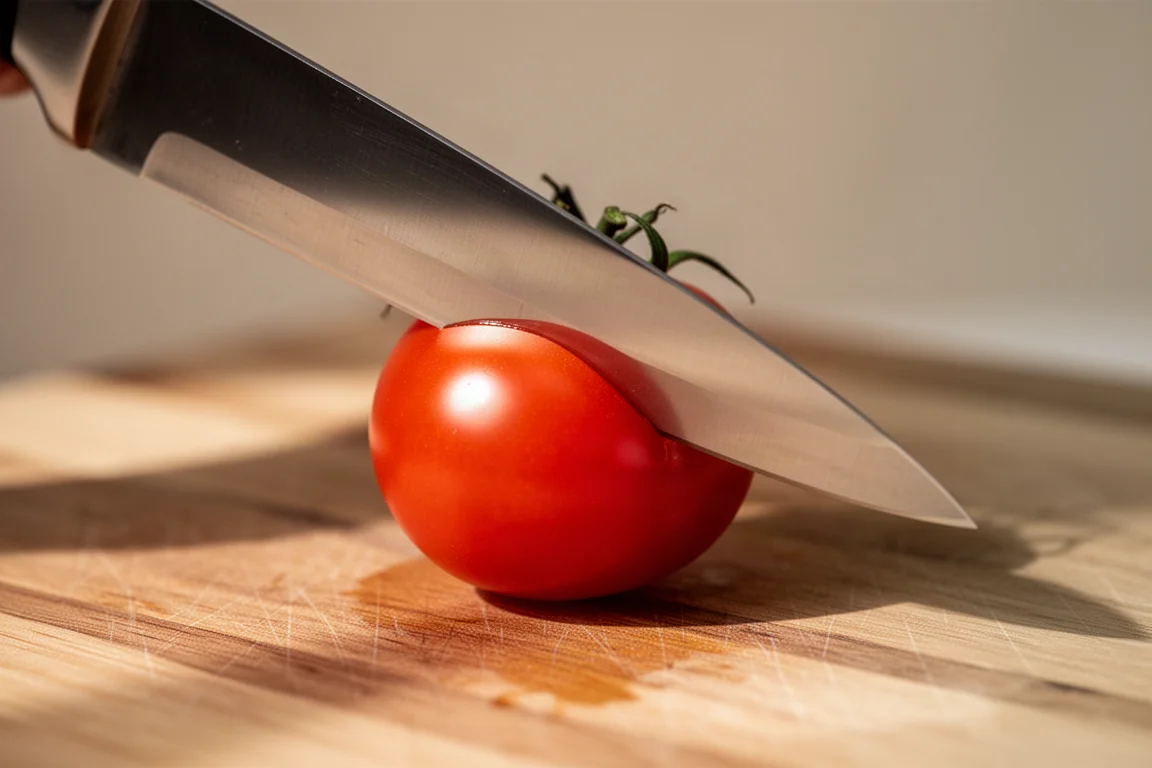
Out of the box, the knife is insanely sharp, which is exactly what this maker is known for. The idea is that you should have an incredible experience immediately, without needing to sharpen before first use. Even a fairly soft cherry tomato was no match for this blade.
Nikiri knives are perfect for batch vegetable prep, and this one proved it on mini cucumbers. The geometry is second to none and noticeably thin, demonstrated cleanly on a pretty beefy carrot. Edge bite is excellent, typical of this maker’s sharpening: the edge bites easily into the skin of a golden beet, and then the blade glides around the vegetable with a simple push.
The same story played out with peppers, which usually have tough skin. This knife is an absolute tank on peppers. It is also where a nikiri truly shines: the flat edge stays in full contact with the cutting board, so you avoid accordion cuts. A flat-edged blade like this is also great on potatoes, and food release was reasonable during testing, producing beautifully geometric little cubes.
Onion Test and Behind-the-Edge Thinness
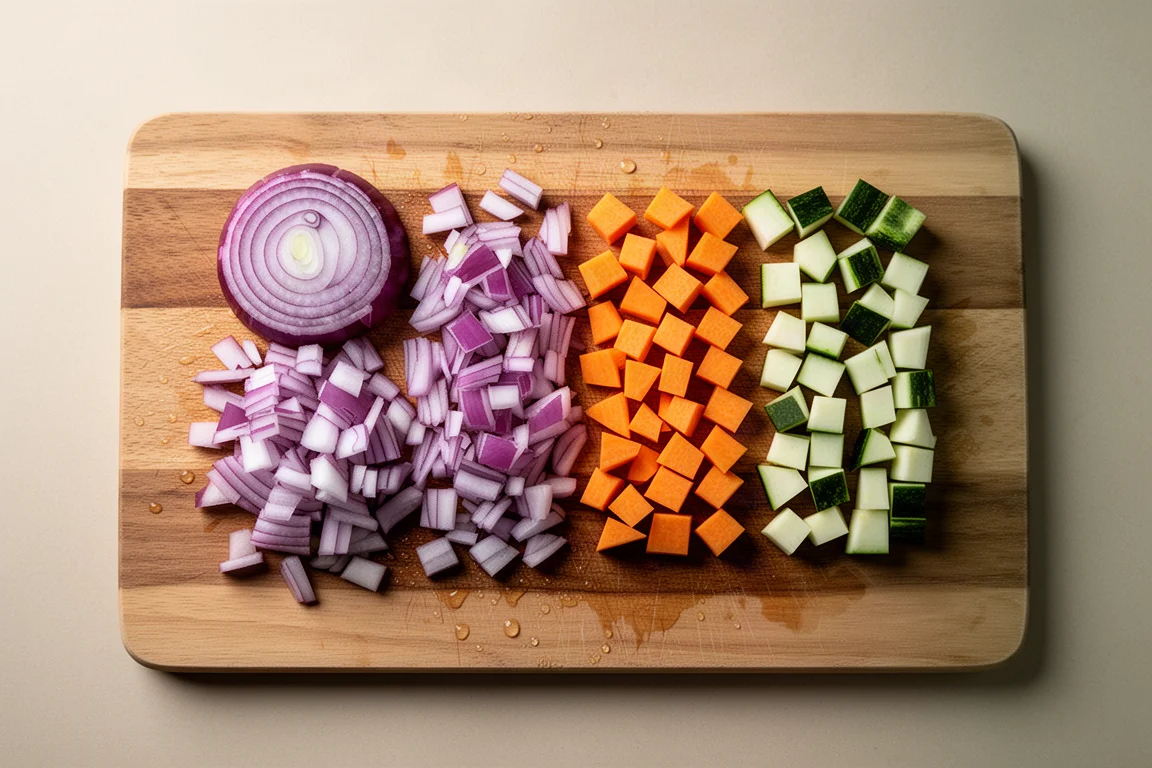
Almost every knife deserves an onion test: vertical cuts and lateral cuts to evaluate thinness behind the edge and drag. The Boss Nikiri produced a very easily diced red onion with clean, straight sides. A final thinness-behind-the-edge test on an overgrown zucchini produced results that speak for themselves: zero cracking sound, which is exactly what you want to hear from a blade this thin.
Who Should Buy the Chromax Boss Nikiri
So, did the Boss Nikiri change long-held feelings about the nikiri shape? Yes and no. The nikiri shape itself is still not for everyone, but the experience of using this extra-tall, extremely sharp Chromax version is genuinely excellent. If you do batch vegetable work, prep tough-skinned produce, or simply want one of the sharpest factory edges you can get out of the box, this knife makes a strong case.
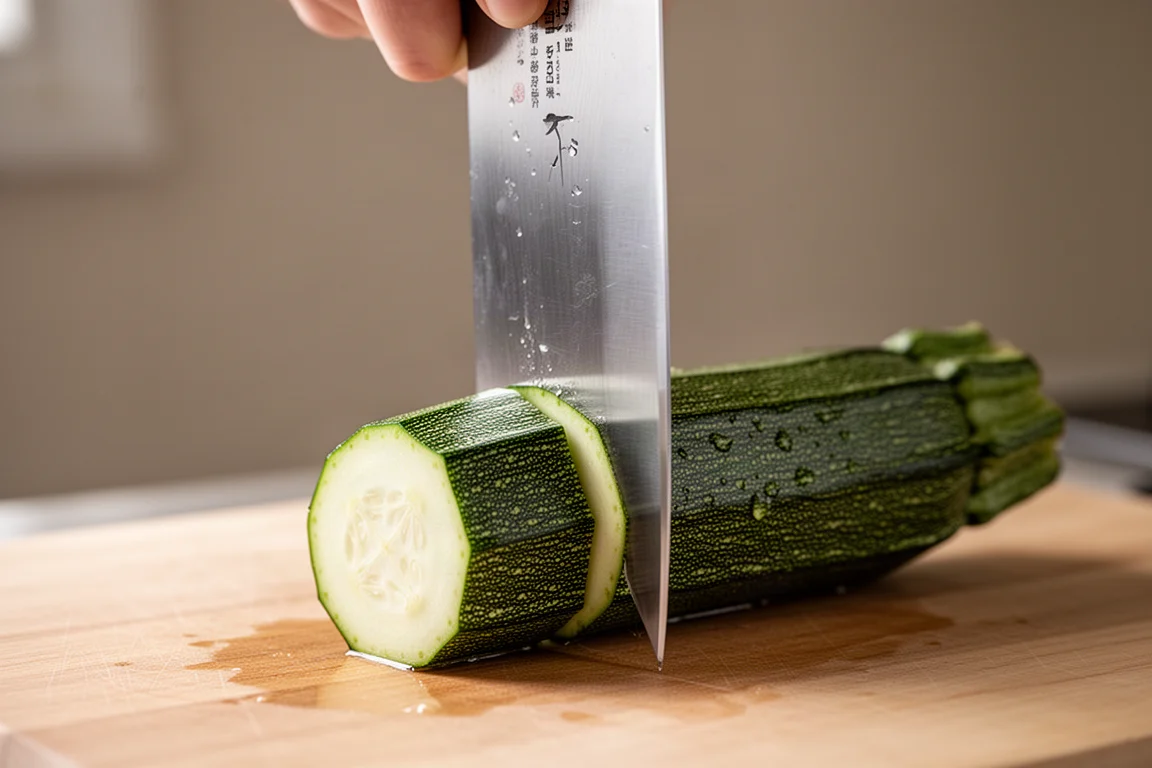
The 63mm heel height is the defining feature. It adds knuckle clearance and flat-edge contact for clean, even cuts, while staying far more nimble than a santoku or cleaver. The stainless-clad construction also keeps maintenance simpler than a fully reactive knife, with only the core expected to patina over time.
Buying Advice
If you already own one of the maker’s Type 3 AS knives, the Chromax line is the direct successor to consider. For anyone shopping a nikiri specifically, this one stands out for its height, its clipped tip, and its exceptional out-of-the-box sharpness. If you prefer more versatile blade shapes, a santoku or gyuto may still suit you better, but as far as nikiri knives go, this is a phenomenal option.
Conclusion
The Kotetsu Chromax Boss Nikiri is a distinctive, extremely sharp, well-constructed knife that elevates the nikiri category even for people who do not consider themselves nikiri fans. Thin geometry, great edge bite, and a tall flat profile make batch vegetable prep a genuine pleasure. If a tall, laser-thin slicer fits your cooking style, this is an easy one to recommend.
Product link
View more details for Kotetsu Chromax Boss Nikiri
This product is mentioned in the review. Check the specifications, options, and compatibility before buying.
View more details for Kotetsu Chromax Boss NikiriFurther reading
Related Reviews

Kitchen Knives
Best Chef's Knives 2026: 27 Popular Options Tested and Ranked
A comprehensive review of 27 chef's knives ranging from $18 to $380, with honest assessments of handle comfort, blade balance, and real-world performance.

Kitchen Knives
Best Chef's Knives Under $75: Two Tested Recommendations
Two practical 8-inch chef's knives that balance sharpness, comfort, and durability without premium pricing.

Kitchen Knives
Best Chef's Knives 2026: 27 Options Tested and Ranked
A comprehensive review of 27 chef's knives ranging from $18 to $380, with honest assessments of handle design, balance, blade profile, and real-world performance.