Outdoor Cooking
Konro vs Portable Konro Grill: Which Diatomaceous Earth Charcoal Grill Should You Buy?
We cooked identical steaks and potatoes side by side on a classic konro and a portable konro-style grill to see which one earns a spot in your backyard or your car trunk.
Introduction
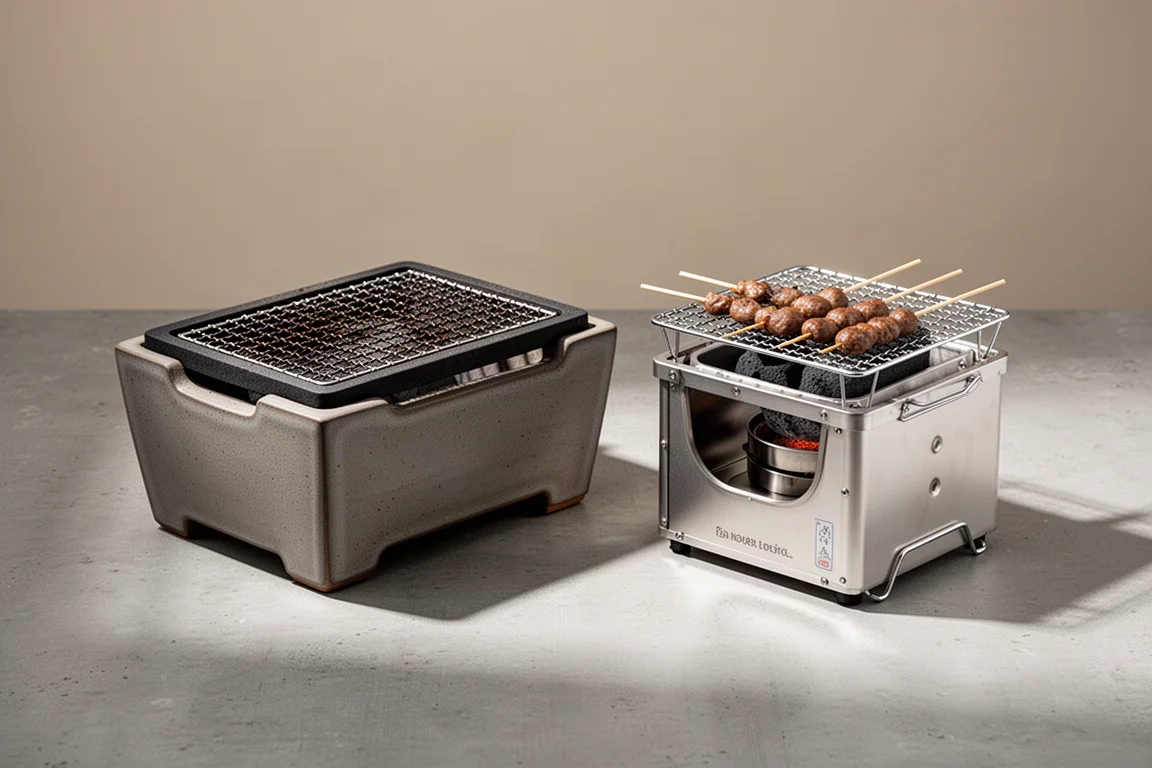
If you have ever eaten yakitori in Japan, you have seen a konro grill in action: a long, low, rectangular box made from diatomaceous earth bricks that radiates intense, even heat over charcoal. Alongside the classic version, lighter portable konro-style grills have become popular for picnics and camping. We ran both side by side with identical charcoal, identical steaks, and identical potatoes to find out where each one shines.
The Contenders
The classic konro is the version you see in yakitori restaurants: heavy, rectangular, and built from diatomaceous earth bricks. The portable konro-style grill takes a different approach. It is lighter, easier to carry to a park for a picnic, and the outside never really gets hot, so you cannot burn yourself on the shell. The charcoal sits inside an inner chamber that slides into a protective outer layer.
The portable model also adds some practical features: you can raise and lower the grill surface, rest skewers on the sides, and angle food in. Both grills have a front air vent, and a small fan helps get the charcoal nice and red when you want extra heat.
The Charcoal: Shirazumi vs Binchotan
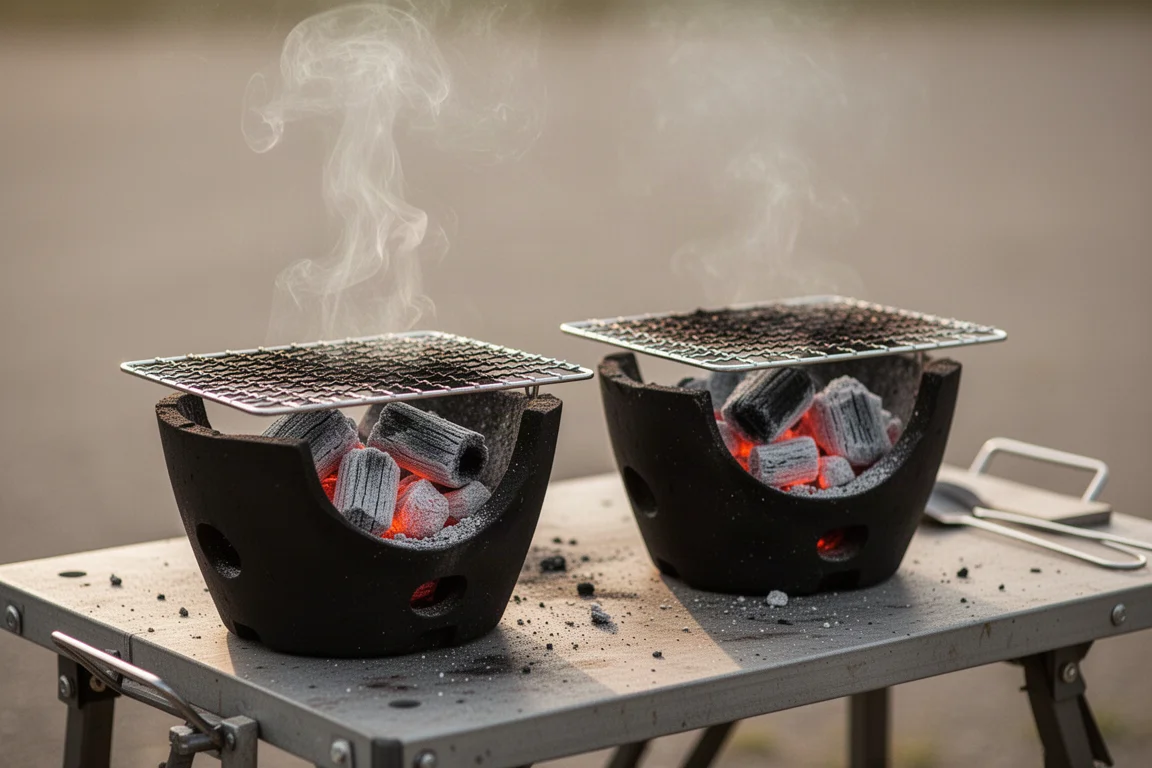
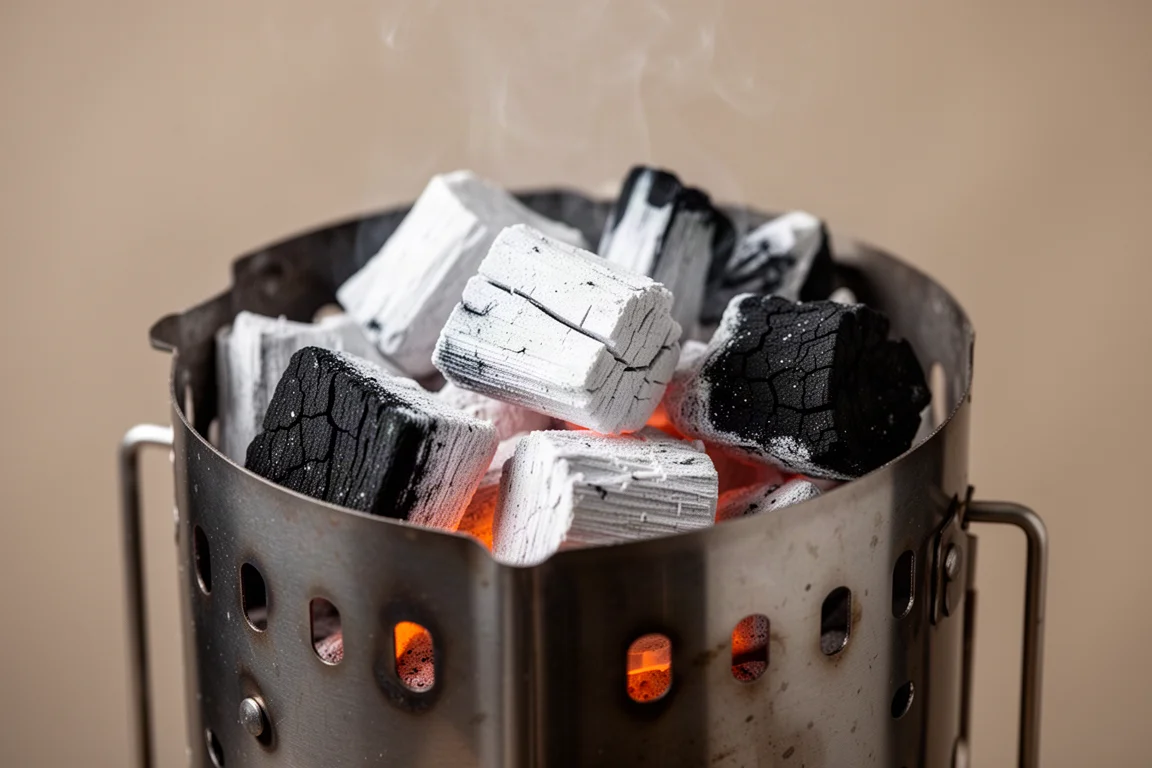
For a fair test, we used the same brick of charcoal in both grills: shirazumi, a white charcoal made from eucalyptus, a fast-growing and relatively sustainable wood. It is not as dense as binchotan, which comes from slow-growing white oak in Japan, but binchotan is expensive. Shirazumi gives you a lot of performance for the price, and filling a larger barbecue with solid wood charcoal is where its value really shows.
White charcoal is fired at around a thousand degrees, which purifies the wood into nearly pure carbon. Binchotan is often cited at around 97 percent carbon, which is why it burns for hours, burns clean, and can even be reused. Shirazumi gives off very little soot flavor and delivers a clean, fantastic heat. We lit both batches at the same time and let them sit for about five minutes so the heat could travel evenly through each grill before cooking started.
Steak Results: The Konro Cooked Faster
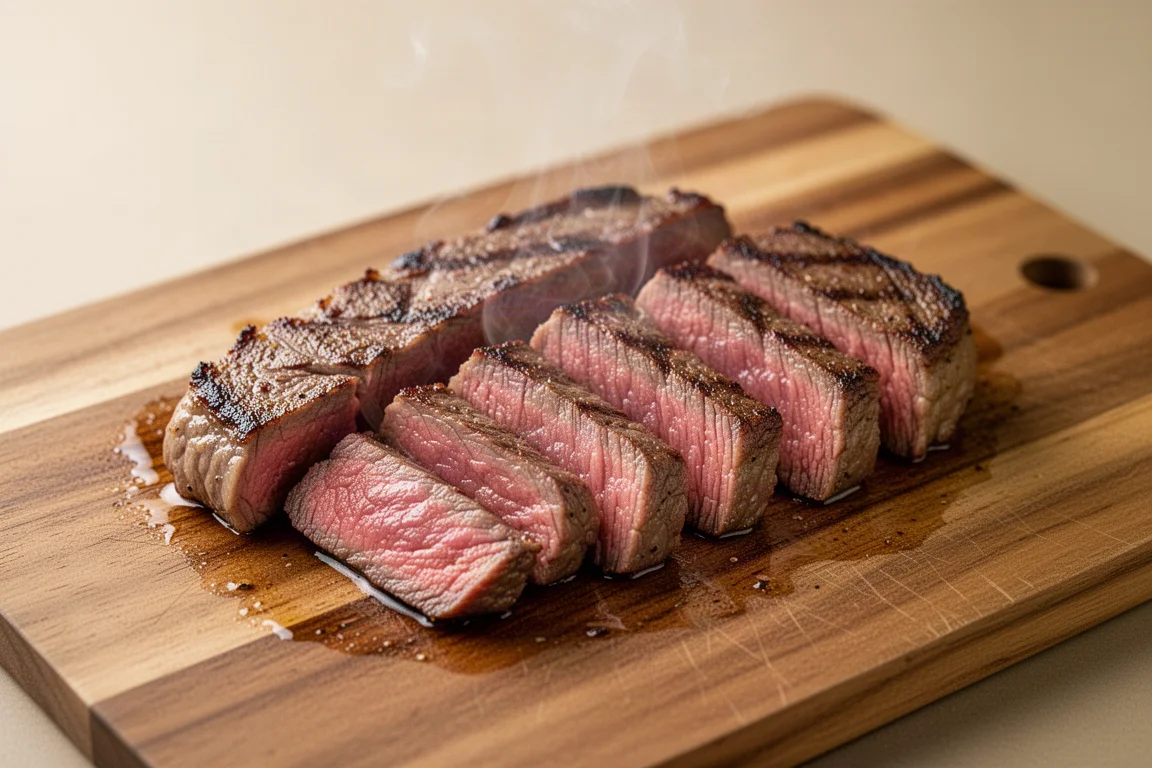
We cooked thin-cut steaks on both grills, flipping after two minutes, aiming for an internal temperature of 135 degrees. The difference was hard to miss: in the same amount of cooking time, the steak on the classic konro measured around 120 degrees internally while the one on the portable grill was at 100. That is a 20-degree gap, and the konro steak showed a better overall cook with more color coming up the sides.
After a rest of half the cooking time, the sliced results backed it up. The konro steak showed a more even gradient from edge to edge, likely because the diatomaceous earth bricks contribute extra radiant heat surrounding the meat. One steak on the portable grill did develop a beautiful sear, but that seemed to come from beef fat rendering and trickling along the underside of that particular piece rather than from the grill itself.
Potato Results: A Slower Story
Whole sweet potatoes cooked directly over the charcoal took around 25 minutes on the konro, with periodic flipping required, and the portable grill version needed even more time. Neither came out perfect. The centers were still a touch crunchy, though the konro potato was slightly further along.
Lessons for next time: move the charcoal to one side so the potatoes are not over direct heat, wrap them in foil, or cut them into smaller pieces. Charcoal-roasted sweet potato is absolutely worth pursuing. Whole peppers and eggplant placed directly on the coals after cooking are another favorite trick, even with the grill grate removed entirely.
Which Grill Should You Buy?
If portability matters, the portable konro-style grill is the easy pick. You can toss it in the car for camping without worrying about it breaking, it stays cool on the outside, and the adjustable grill height plus skewer notches give it real flexibility.
If the grill will live in your yard and never travel, the classic konro is a great choice. Its metal exterior scrubs clean back to original condition, while the konro’s ceramic body builds up a patina you simply have to accept, much like a carbon steel knife. One practical tip for the konro: add a little extra charcoal so you have more heat for searing, and spend time learning how to place your coals, since chimney-heated charcoal comes out uneven, with hot pieces at the bottom and cooler ends mixed in.
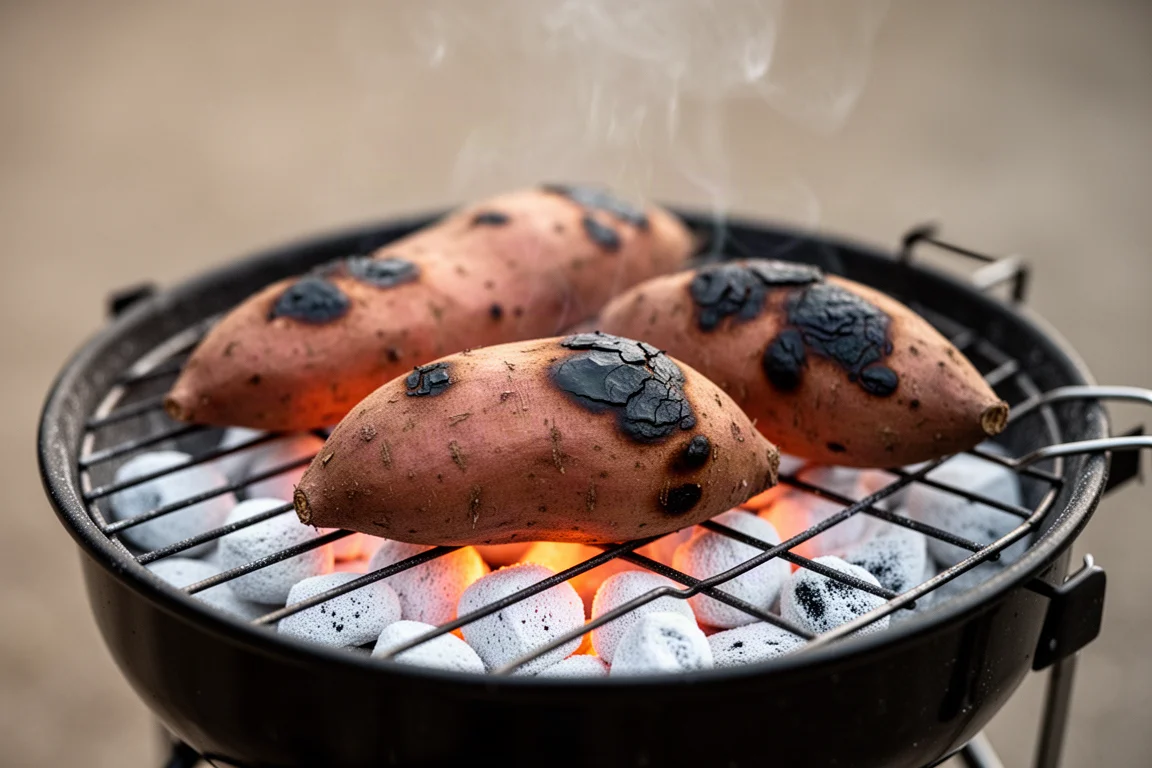
A tip that applies to both: the flavor and end result between the two grills were very similar, so if you only own one, you will never notice the difference. The konro simply cooked faster in our tests, which suggests the claims about diatomaceous earth radiating heat and cooking from the inside out are real.
Conclusion
Both grills cook beautifully with clean-burning white charcoal. The classic konro wins on heat radiation and cooking speed; the portable version wins on weight, safety, and features. Choose based on how you will actually use it: stationary and performance-focused, or on the move.
Product link
View more details for Konro Diatomaceous Earth Grill
This product is mentioned in the review. Check the specifications, options, and compatibility before buying.
View more details for Konro Diatomaceous Earth GrillFurther reading
Related Reviews

Outdoor Cooking
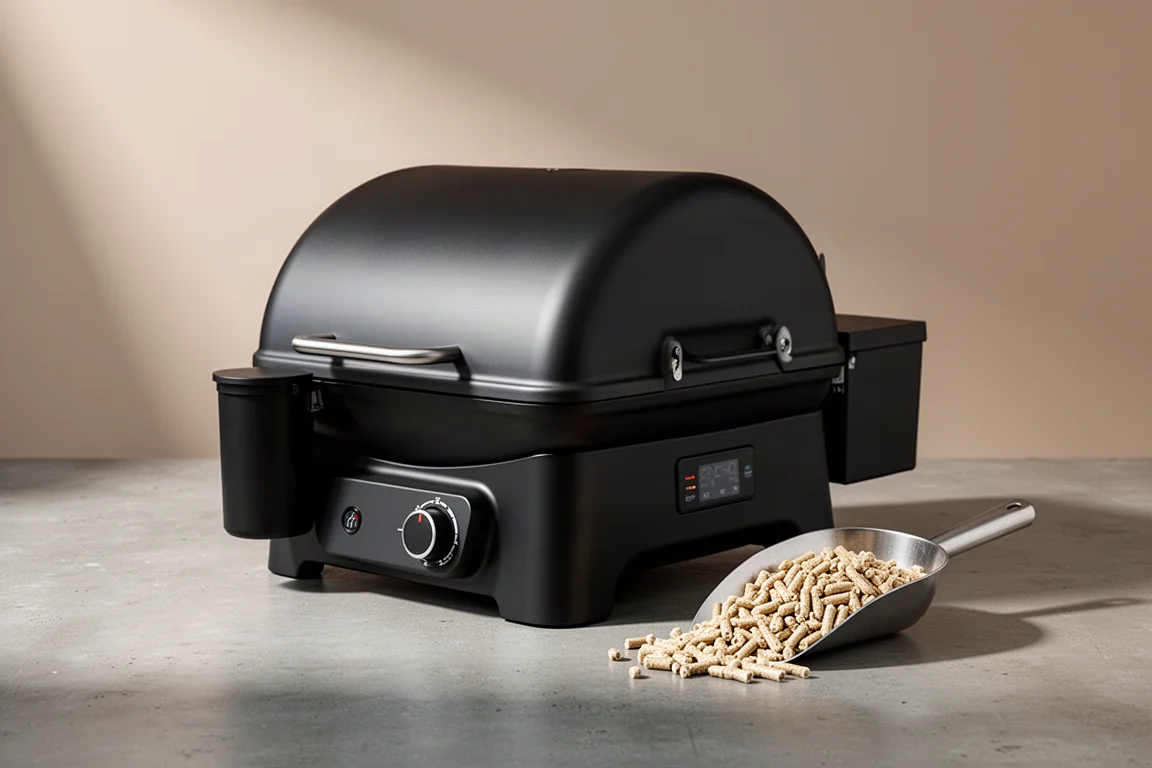
Traeger Wood Pellet Grill Review: Versatile Outdoor Cooking for Every Season
A practical look at what makes Traeger wood pellet grills stand out for home cooks seeking versatility beyond traditional barbecuing.
Outdoor Cooking
Ninja Wood Fire Barbecue Review: Smoky Flavour With Real Weeknight Speed
A compact electric grill with a built-in pellet smoker, quick repeatable cooking, and a cooking area worth checking before you buy.

Outdoor Cooking
Trangia Kettle 30 oz Review: An Ultralight Camp Kettle With One Real Catch
A 6.2 oz aluminum camp kettle for around $25 with excellent pouring and a plastic hardware compromise worth understanding before you buy.