Hand Tools
Koken Tools Worth a Look: Ratchets, Sockets, and Drive Tools That Earn Their Keep
A practical tour of Koken hand tools, from flex-head ratchets to low-profile impact sockets and wobble fix extensions, with buying advice for each.
Introduction
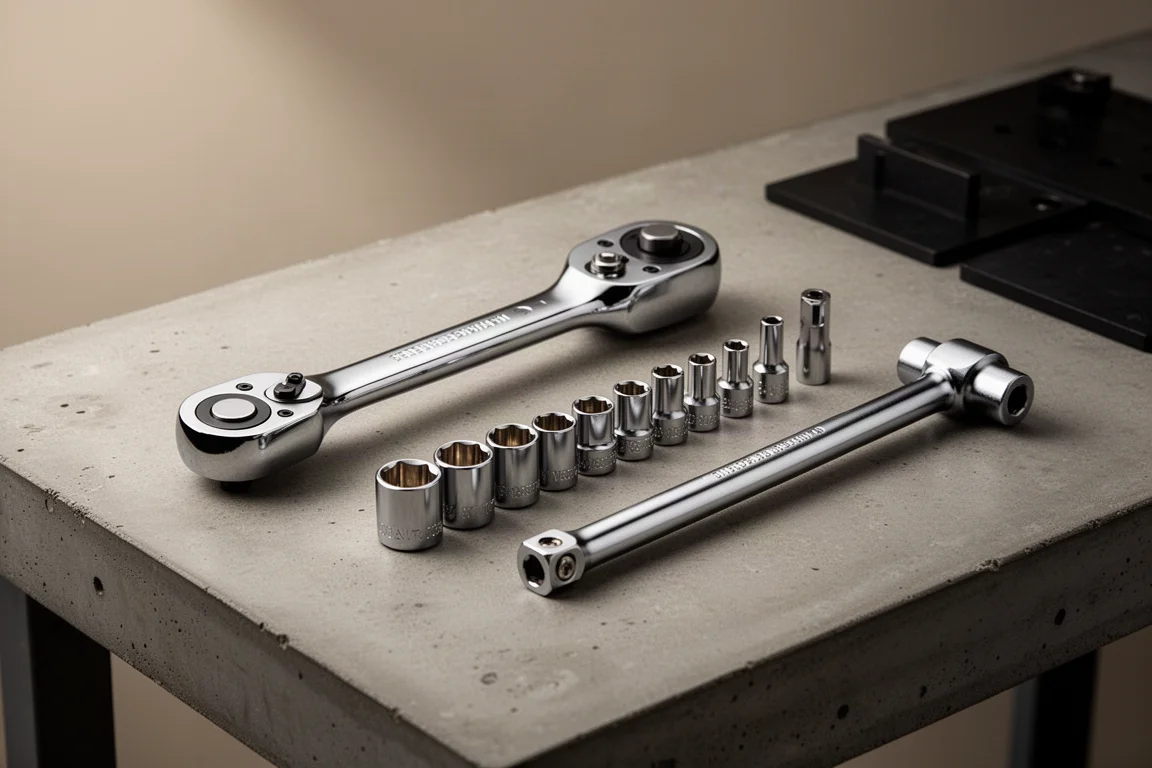
If you have never handled a Japanese-made hand tool, Koken is a good place to start. The brand has a reputation for extremely well-engineered, extremely well-built tools, and most of what makes that reputation easy to believe is the finishing: precise knurling, smooth ratcheting action, and thoughtful head designs that solve real access problems.
This guide walks through the Koken tools that stand out, explains the part numbering system that trips up so many first-time buyers, and helps you figure out what to pick first. Even outside of sale periods, this lineup holds up as a reference for building out a serious garage toolkit.
Why Koken Deserves a Spot on Your Bench
Koken tools are made in Japan and are known for excellent engineering and build quality. These are not impulse buys at the cheapest price point; the philosophy here is closer to buy once and enjoy the tool for a long time. The payoff is in daily use: ratchets that feel smooth under load, sockets that grip fasteners without rounding them, and drive accessories that fit into spaces where standard tools simply will not go.
One thing worth learning before buying anything is Koken’s part numbering. In the ratchet range, the first digit tells you the drive size: a 4 means 1/2 inch, a 3 means 3/8 inch, and a 2 means 1/4 inch. A 5 in the second pair indicates a fixed (non-flex) head, while a 6 means flex head. A B in the designation means the ratchet has a button release, a Z marks the newer high-tooth-count series, and any number after a dash indicates a longer body length.
3/8 Drive Ratchets: The Sweet Spot of the Range
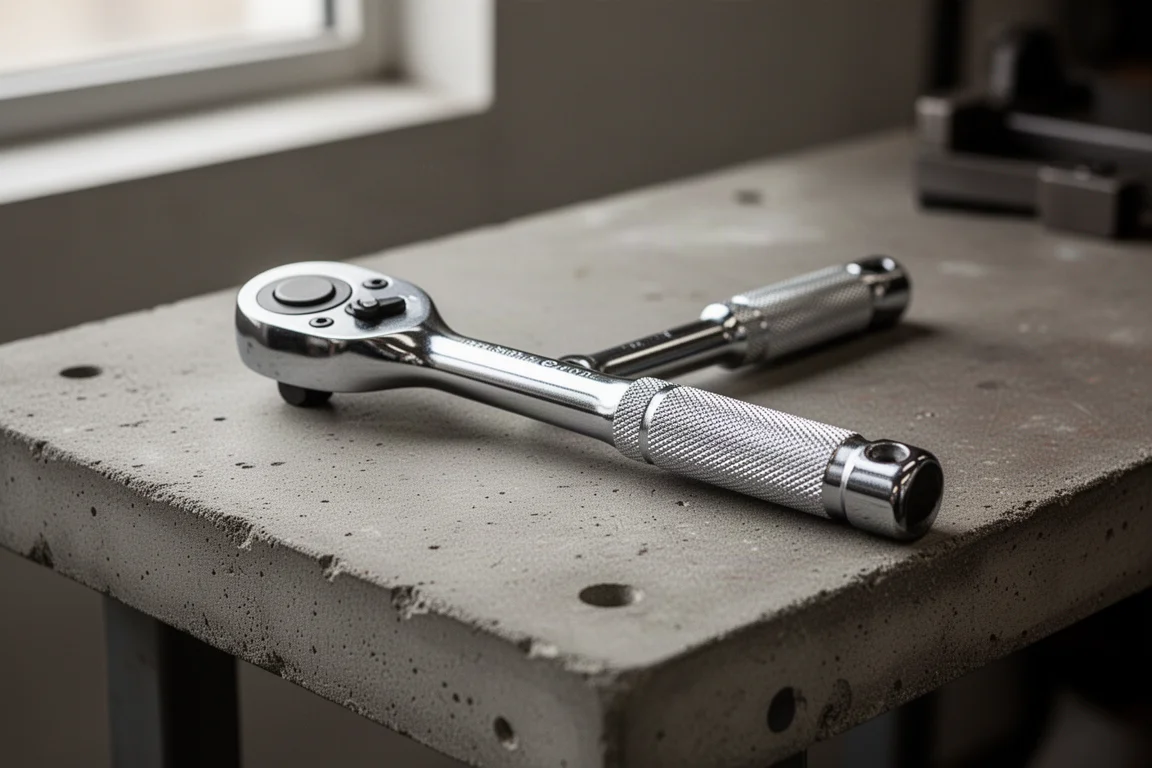
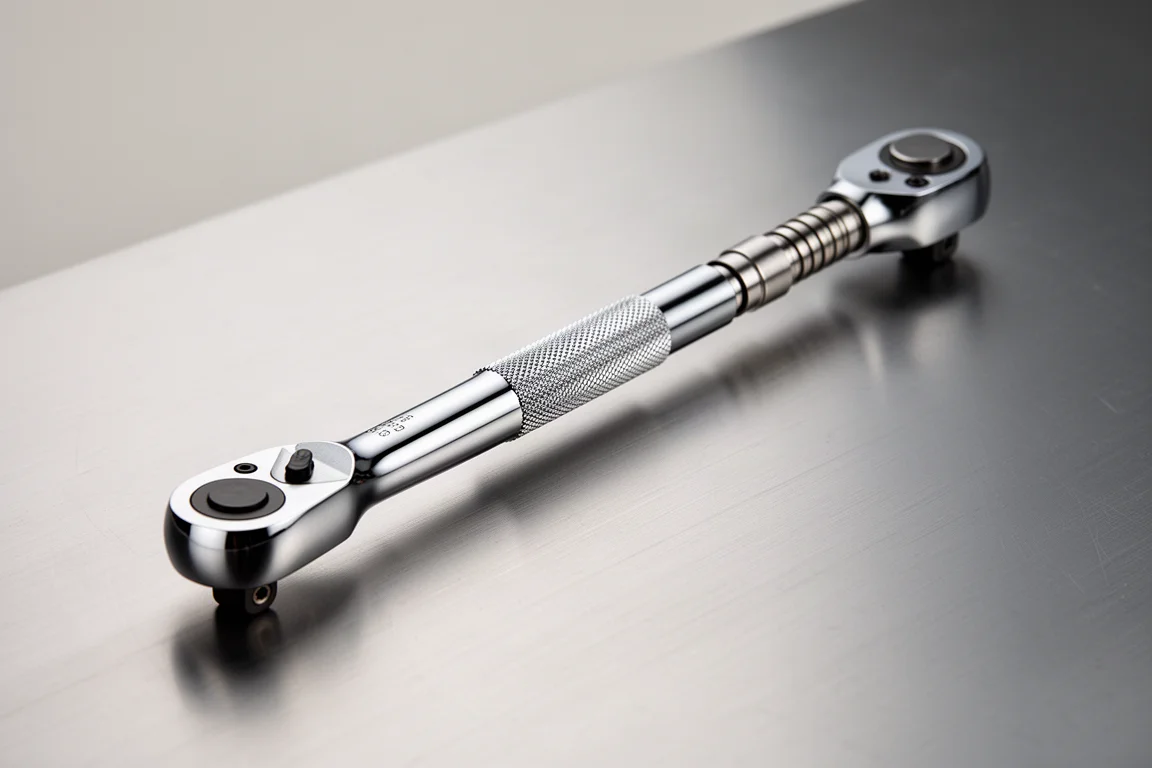
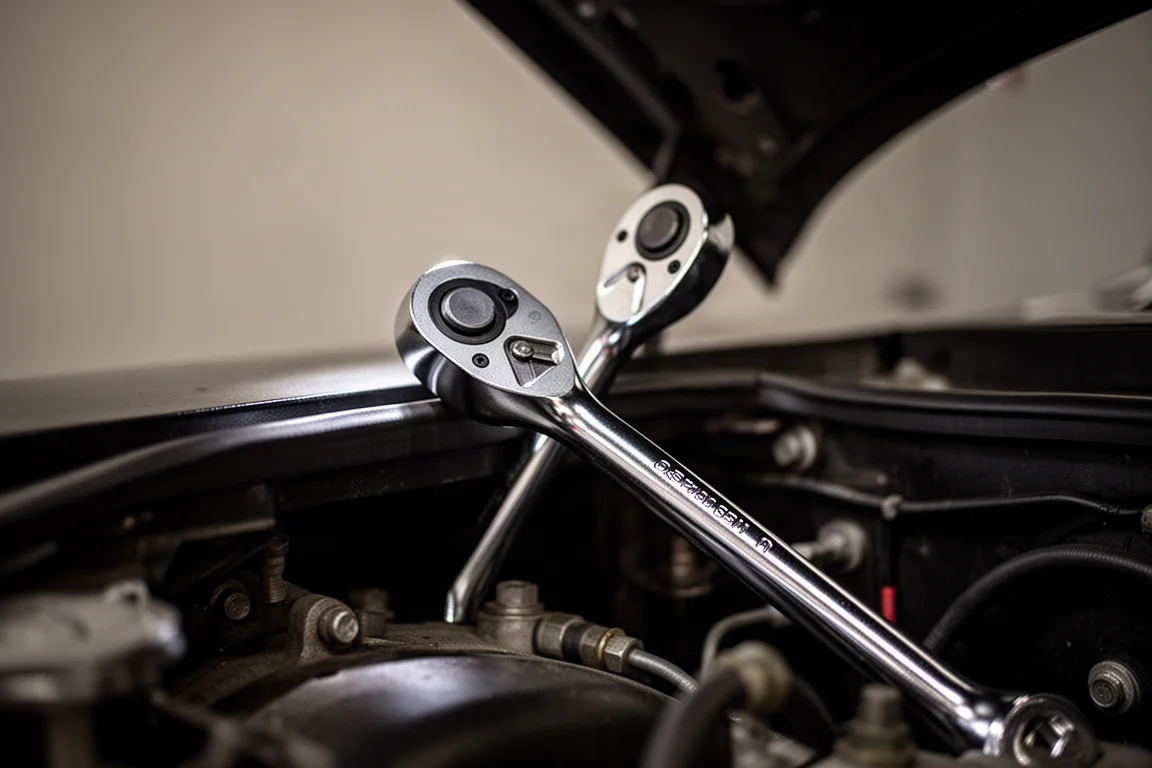
The 3/8 inch drive series is where Koken offers the most variety, and it is where most people should start. The Koken 3726ZB-280 is a flex-head ratchet with a button release and an extended 280mm body, and it is widely regarded as one of the brand’s best. The flex head is super smooth and the overall build quality is excellent, making it a go-to ratchet for general work.
The 3725 is the standard-length, fixed-head 3/8 ratchet without a button release. It is a great ratchet and one that gets grabbed constantly for everyday tasks. If you want the shorter version, the Zeal-series stubby keeps the full-size head but trims the handle, though the compact-head variants below often do more useful work.
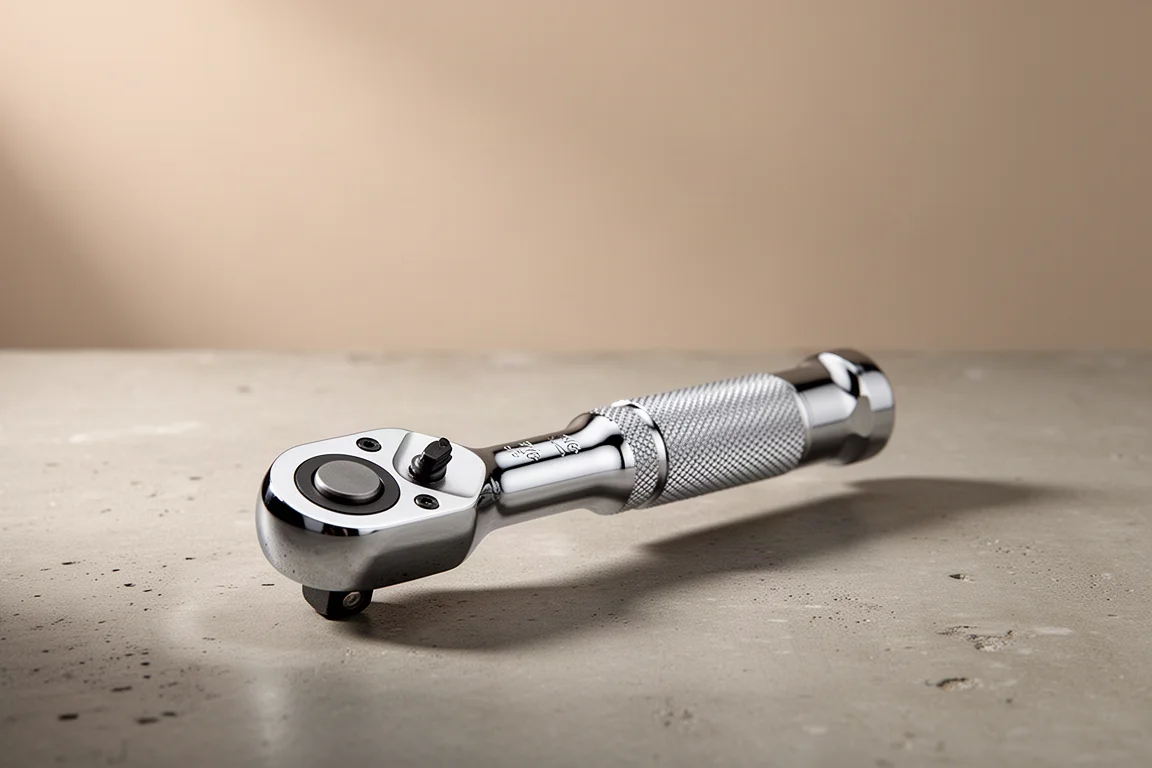
There is also a particularly clever option: a 3/8 inch drive ratchet built into a 1/4 inch body. The head is dramatically smaller than a standard 3/8 ratchet, which makes it ideal for tight quarters like interior trim work or engine work where a full-size tool will not fit. Pair it with Koken’s low-profile sockets and it gets into spots almost nothing else can.
1/2 Drive: One Ratchet, Done Well
In 1/2 inch drive, Koken keeps things simple with the 4725Z. The 4 marks the half-inch series, the 725 indicates a fixed head, and the Z places it in the high-tooth-count Zeal series. It is a super nice half-inch ratchet and the only one Koken currently makes in that drive size.
That single-model lineup is the main caveat: if you want a longer 1/2 inch ratchet or a flex-head version, you will need to look outside the Koken range. As a straightforward, well-built half-inch ratchet, though, it does its job very well.
Zeal Sockets: Low-Profile Access Where Standard Sockets Will Not Fit
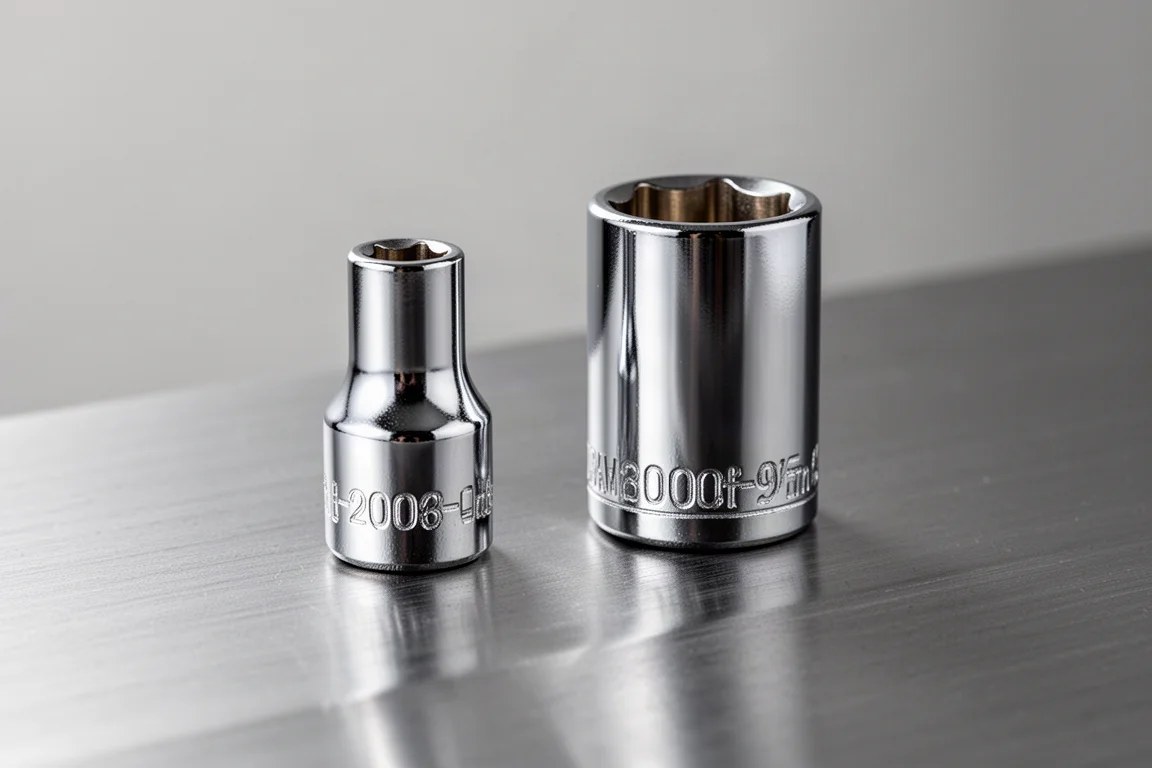
Koken’s Zeal socket series is built around a low-profile design. The heads are dramatically slimmer than conventional sockets, which is exactly what you need when a fastener sits in a recess or close to surrounding components.
The range covers a lot of ground: quarter-inch Zeal sockets in surface drive and deep variants, swivel versions, E-torx sockets, and more. Koken also offers surface drive designs that apply pressure to the flats of a nut or bolt rather than the corners, which makes them a smart choice for damaged or rusted fasteners and for softer materials like titanium or aluminum that you do not want to mark. The Nut Grip variants hold the fastener in the socket, which is genuinely useful for starting bolts in awkward positions.
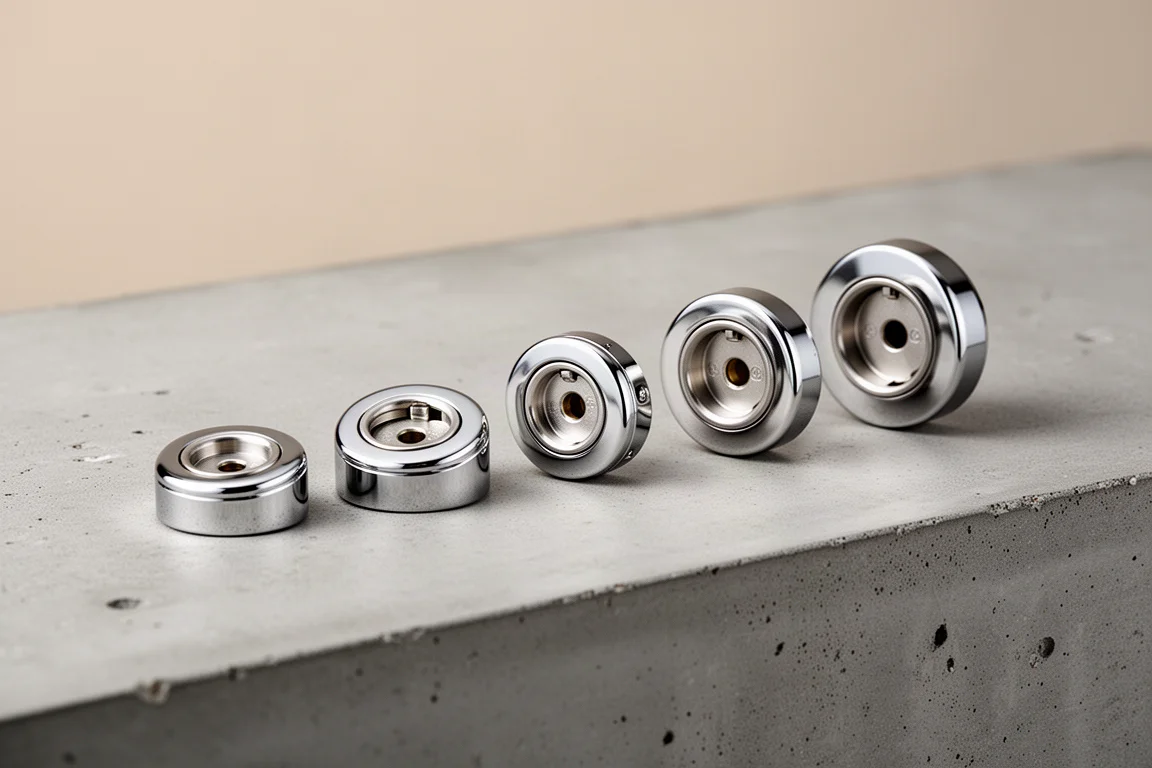
For 1/2 inch drive, the wheel nut sockets deserve special mention. They come with small plastic protectors, and the 19mm size sees constant use. A practical workflow is to keep a non-impact wheel socket on your torque wrench for final tightening and an impact socket on the impact wrench for loosening and initial runs at a low torque setting.
Low-Profile Impact Sockets: A New Favorite in Waiting
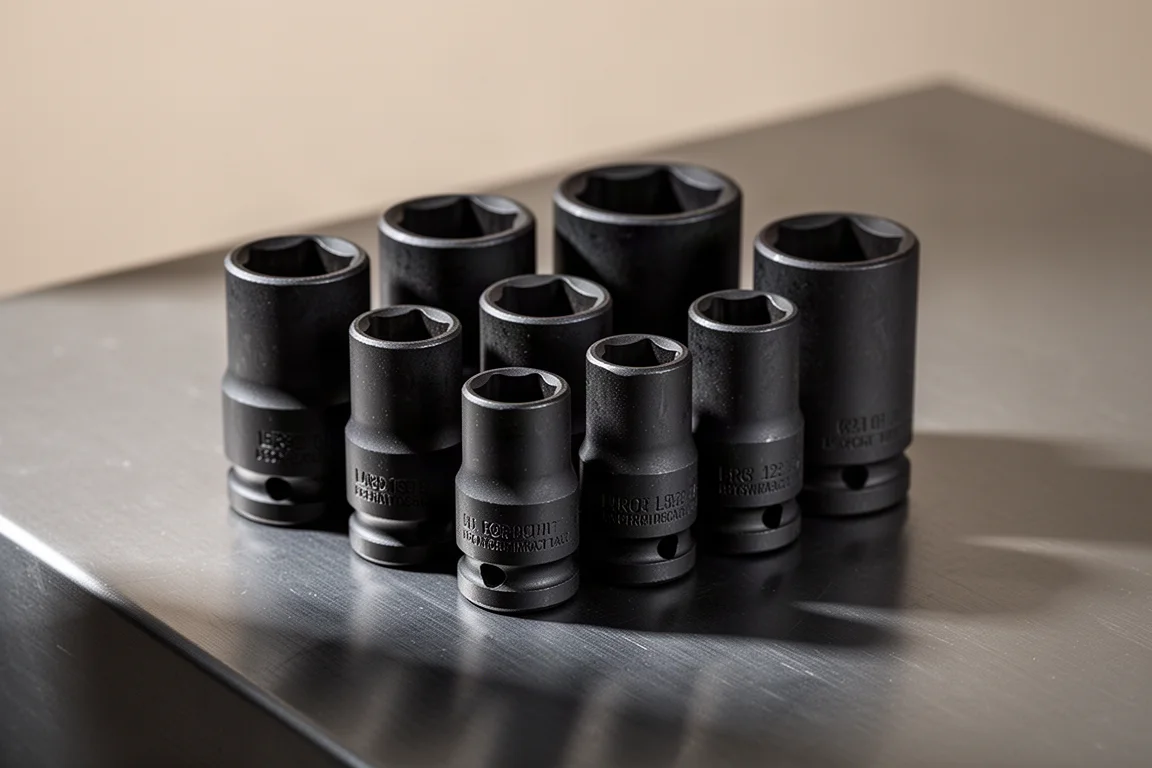
Koken’s low-profile impact sockets are a newer addition to many toolboxes, and the design makes a strong first impression. They are short and thin-walled, so they reach fasteners that a normal impact socket cannot get close to. The engineering details are thoughtful, with markings applied both by roll stamping and laser engraving.
Koken also offers an impact-rated double-joint swivel in this category, which opens up even more access angles when paired with an impact driver. For a big suspension refresh or any project with deeply recessed fasteners, this combination looks like a perfect fit. The thin-wall, low-profile format is exactly what you want running off a compact impact driver.
Wobble Fix Extensions: The Best of Both Wobble Worlds
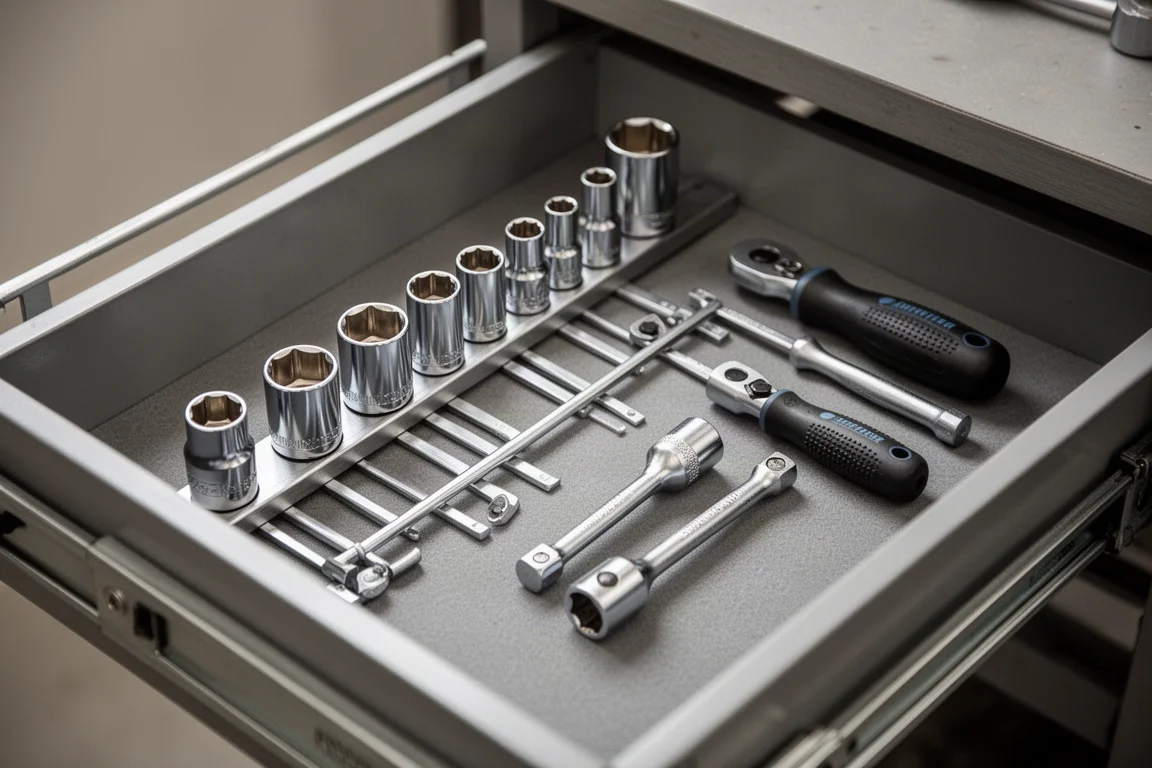
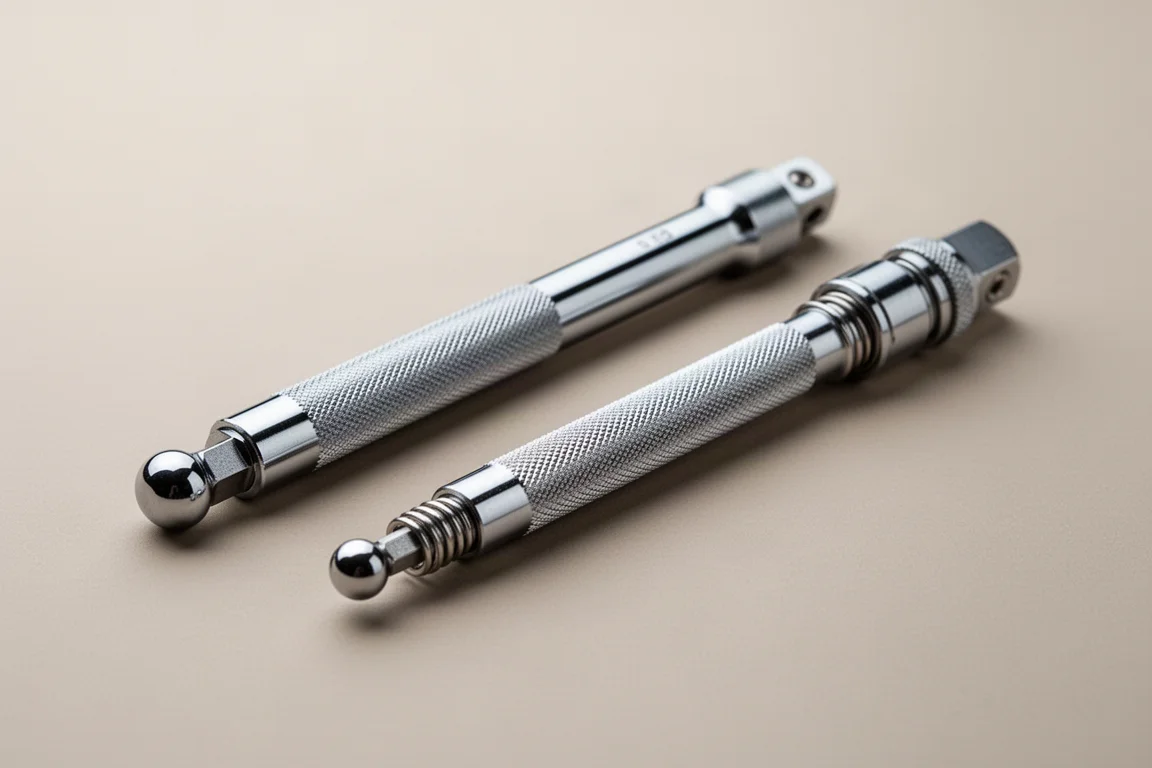
Extensions sound boring until you use a genuinely good one. Koken’s regular and wobble extensions are beautifully made, with excellent knurling and finishing, and they come in tidy sets for both 1/4 and 3/8 inch drive.
The standout, though, is the wobble fix extension. Unlike a standard wobble extension, the ball end here locks: pull the release collar, push the socket into the fixed position, and the socket is now locked in place as if it were a rigid extension. Pull the socket to the outer position and it wobbles as usual. One tool, two behaviors, and no more fighting a socket that flops around when you need it straight.
The honest caveat is price. These extensions are not inexpensive and sit in the fairly pricey category. But the buy-once argument applies here as well as anywhere: this is the kind of tool you may well keep using for the rest of your life.
Koken also makes wobble fix socket drivers with a handle, which work like a nut driver. Seat the socket, use the nut-holding capability to get a bolt started, pull the driver out half a notch for wobble action, and drive it in. Having this format in 3/8 inch drive, not just 1/4 inch, makes it useful for larger fastener sizes too.
Breaker Bars: The Underrated Problem Solver
Breaker bars do not ratchet, and plenty of people skip them for that reason. That is a mistake, because a good breaker bar does something a ratchet cannot: it lets you start a bolt by hand, wind it in with a spinning socket, then apply serious leverage without the mechanism ever being at risk.
Koken offers these in 3/8 inch drive, including a compact version and a longer 400mm length, plus a 1/2 inch variant. The low-clearance heads and pivoting handles make them useful in tight spots. The practical workflow: seat the socket on the bolt, start it by hand so it does not drop out, run it in as far as you can, then either finish with the breaker bar or swap to a ratchet with an extension and socket for the final runs.
Small but Mighty: Swivels, Spinners, and T-Handles
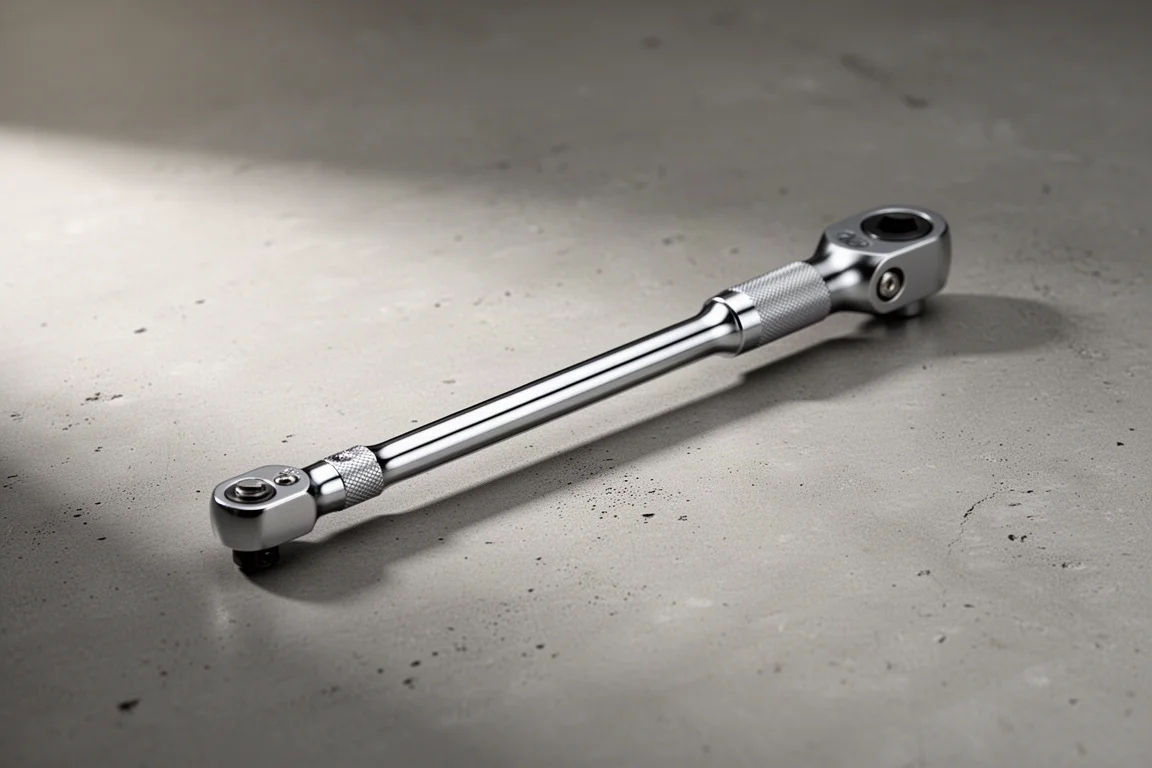
Beyond the headline tools, a few drive accessories round out the range. Koken’s swivels include double-jointed versions and single-jointed ball swivels across 1/4, 3/8, and 1/2 inch drive, and because they are ball rather than pin swivels, they transfer torque in any direction.
The spinners are another highlight. Drop one on a ratchet with a socket attached and you can run a fastener in or out with your fingers before finishing with the ratchet. The multi-position spinner design is genuinely impressive: the handle slides out to spin, or repositions on the shaft for more leverage. It is the kind of piece that shows off Koken’s design and execution.
T-handles, meanwhile, will feel familiar to anyone who has worked on motorcycles, where they are the traditional go-to with a hex bit, Torx bit, or socket attached. Koken’s version carries that usefulness over to car work nicely and is reasonably priced for what it offers. Add the non-Zeal 12-point socket set in a metal case covering 9 to 22mm as a ready-made go kit for larger sizes, and the Zeal socket rails that grip onto metal surfaces for grab-and-go sets, and the ecosystem covers nearly everything.
View more details for Koken 3726ZB-280 Ratchet
Which Koken Tool Should You Buy First?
Start with a 3/8 ratchet. It is the drive size most people use most often, and Koken’s 3/8 range has the widest selection. The 3726ZB-280 flex head is the flagship choice; the 3725 covers the basics beautifully.
From there, match the purchase to your actual work. If you fight recessed fasteners, Zeal low-profile sockets and the compact-head 3/8 ratchet will earn their keep immediately. If you use an impact driver on stubborn or deeply seated hardware, the low-profile impact sockets are the obvious pick. If you want one premium extension that replaces two, the wobble fix is hard to beat. And if you regularly start bolts in awkward spots, a breaker bar plus nut-grip sockets is a combination worth having.
Conclusion
Koken’s lineup rewards buyers who think about access problems rather than just drive sizes. A flex-head ratchet solves angle problems, low-profile sockets solve depth problems, wobble fix extensions solve stability problems, and breaker bars solve leverage problems. Pick the tool that matches the job you actually do most, and you will end up with something built to a standard that makes every future purchase decision easier.
Further reading
Related Reviews
Hand Tools
Best Diagonal Cutters 2026: 16 Pliers Tested for Cutting Power and Durability
We put 16 diagonal cutters through nail, screw, drill bit, and hex key tests to find the best value picks for your toolbox.
Hand Tools
Best Hex L Key Sets 2026: Nine Sets Tested for Real-World Torque
Nine hex L key sets from budget to premium, tested for torque, fit, and durability. See which sets deliver real performance and which ones to skip.
Hand Tools
Best Locking Pliers 2026: Top Picks Tested for Grip and Durability
We tested 18 brands of 10-inch locking pliers for grip strength, jaw bite, build quality, and ease of release to find the best options for tough jobs.