Power Tools
Kobalt 24V Gen 3 Drill and Hammer Drill: Two Compact Cordless Drills Worth a Look
Kobalt's Gen 3 drill driver and hammer drill driver are lighter, shorter, and stronger than their predecessors. Here is where they fit and who should buy each one.
Introduction
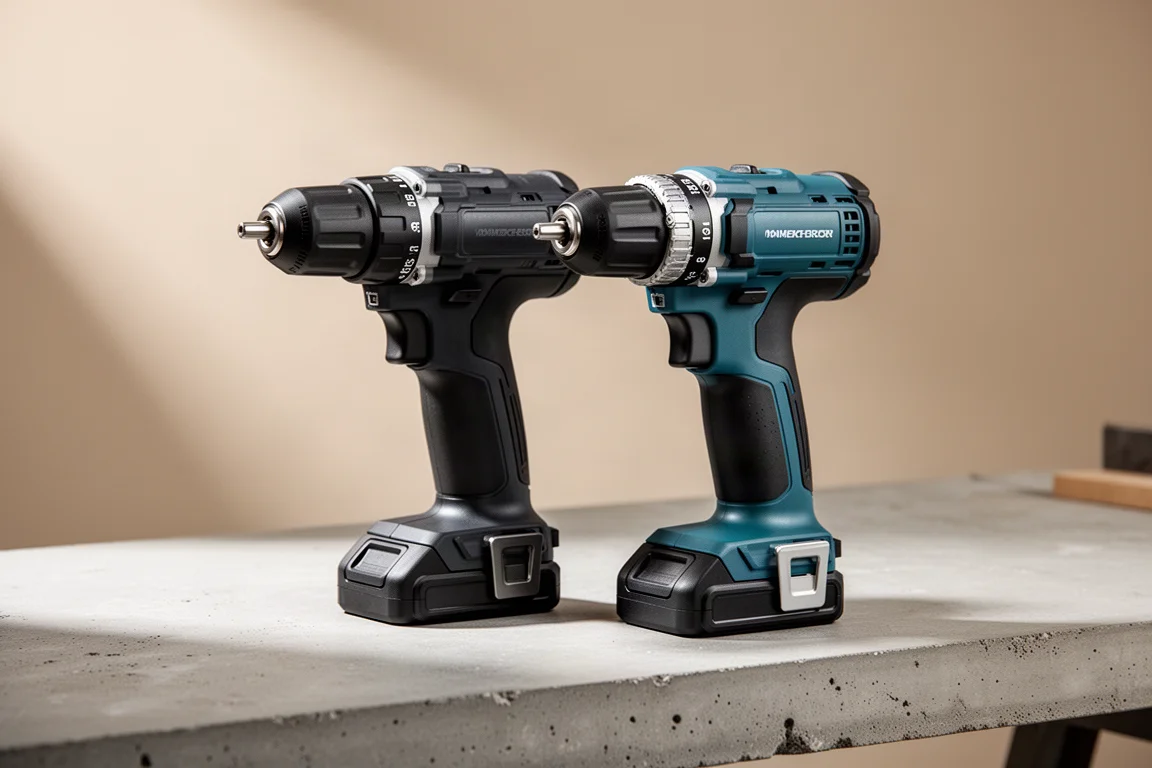
Kobalt’s 24V cordless line has a new generation, and the two tools drawing the most attention are the Gen 3 drill driver and the Gen 3 hammer drill driver. Both continue the brand’s established 24V battery platform while addressing the main complaints about earlier models: bulk and weight.
The big question buyers have been asking is where these tools fit. Are they replacing the original 24V line from several years ago, or the XTR line that launched more recently? The answer becomes clear once you look at the numbers, and it matters for what you buy.
What Changed in Gen 3
The headline story is size and weight. The hammer drill measures 7.1 inches from tip to tail, a full inch shorter than the 8.1-inch Gen 1 version, and weighs 4.8 pounds with a 4.0Ah battery versus about 5 pounds before. The drill driver is down to 6.7 inches and a couple tenths of a pound lighter as well.
Speed ratings carry over from Gen 1: 550 RPM in low mode and 2,000 RPM in high, identical on both tools. The real difference shows up in torque and, on the hammer drill, impact rate. Both areas received meaningful upgrades, which is where the Gen 3 line earns its place.
Kobalt 24V Gen 3 Drill Driver
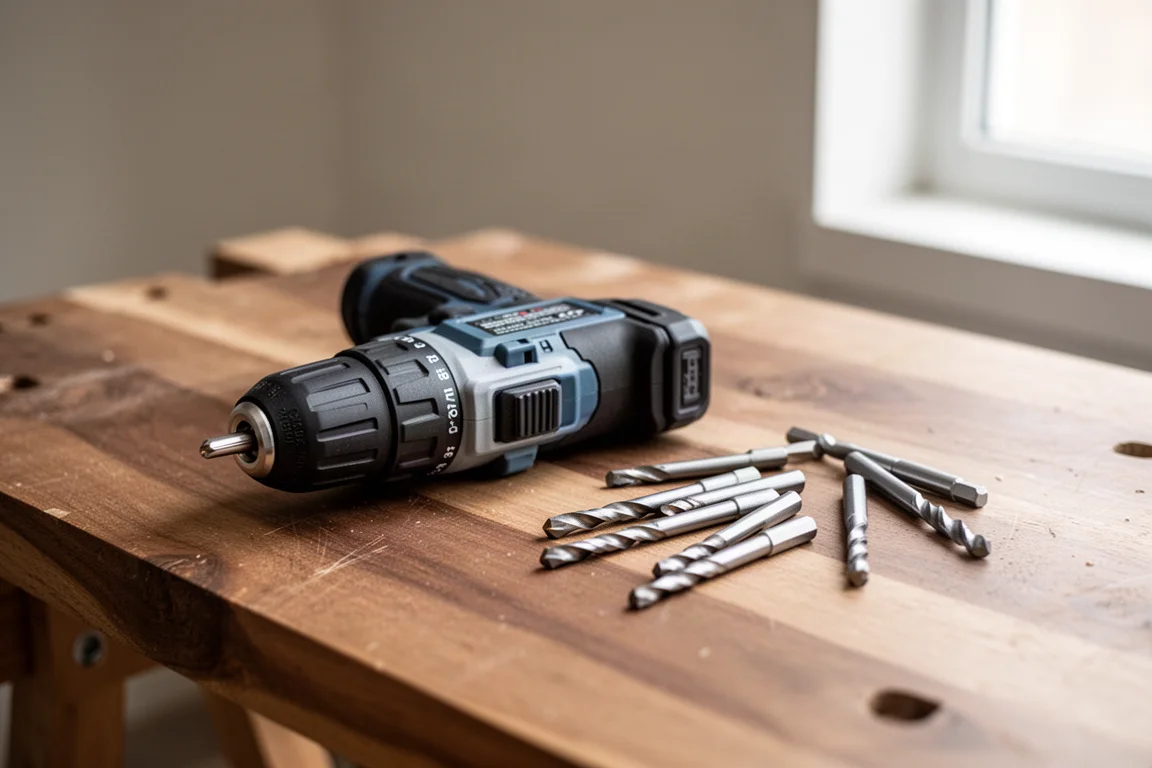
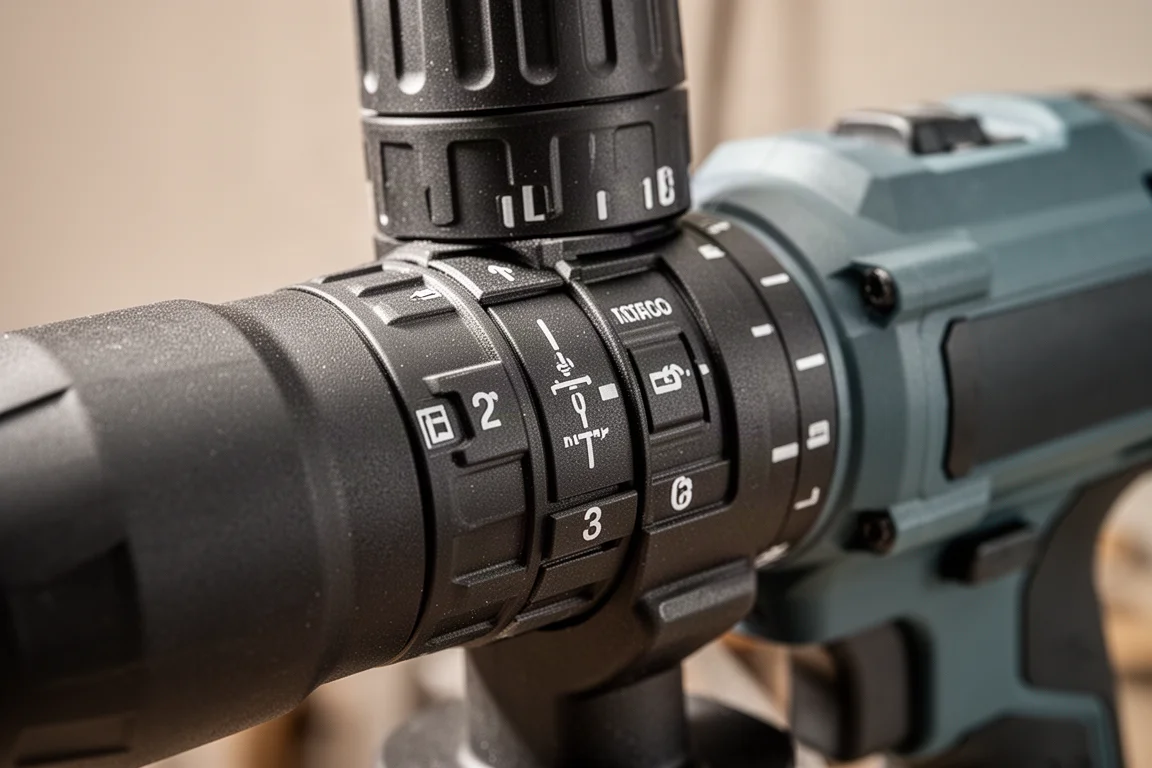
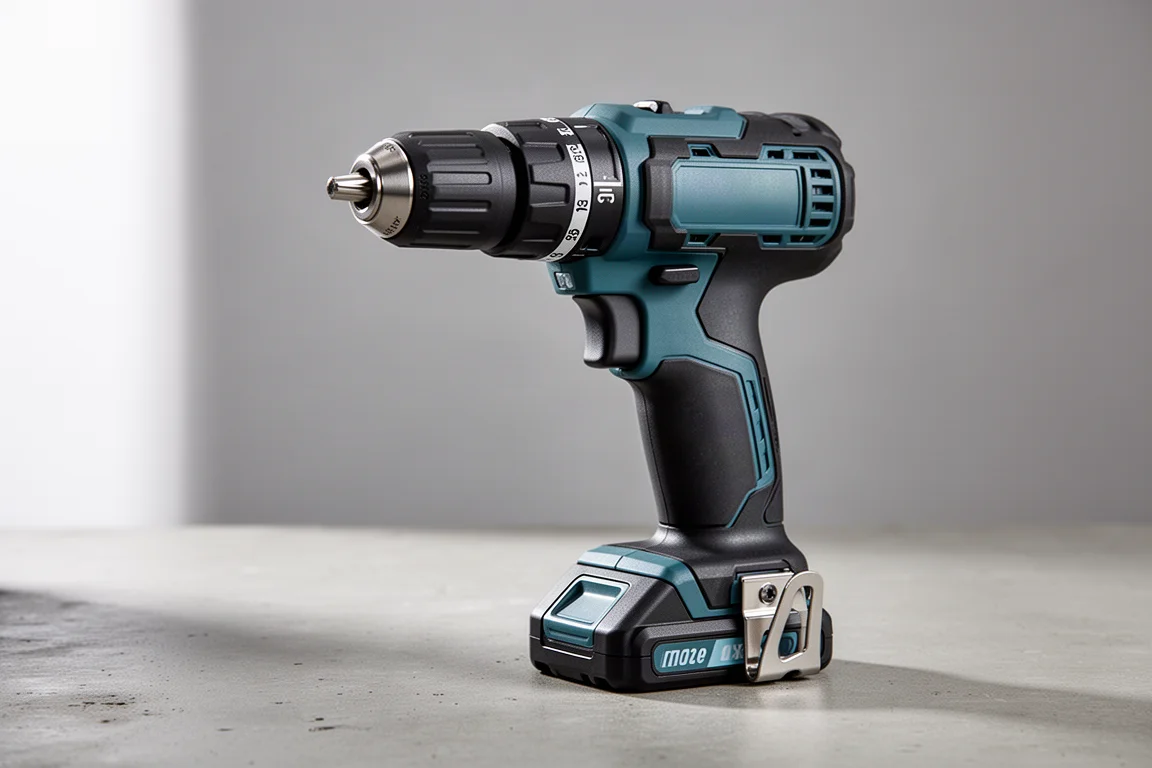
The Gen 3 drill driver is the more compact of the two at 6.7 inches long, and it now delivers 850 inch-pounds of torque, a solid step up from the 650 inch-pounds of the Gen 1 version. It keeps the familiar layout of a single rotating collar that handles both the clutch settings and the driver mode, which is typical for drill drivers and works fine in practice.
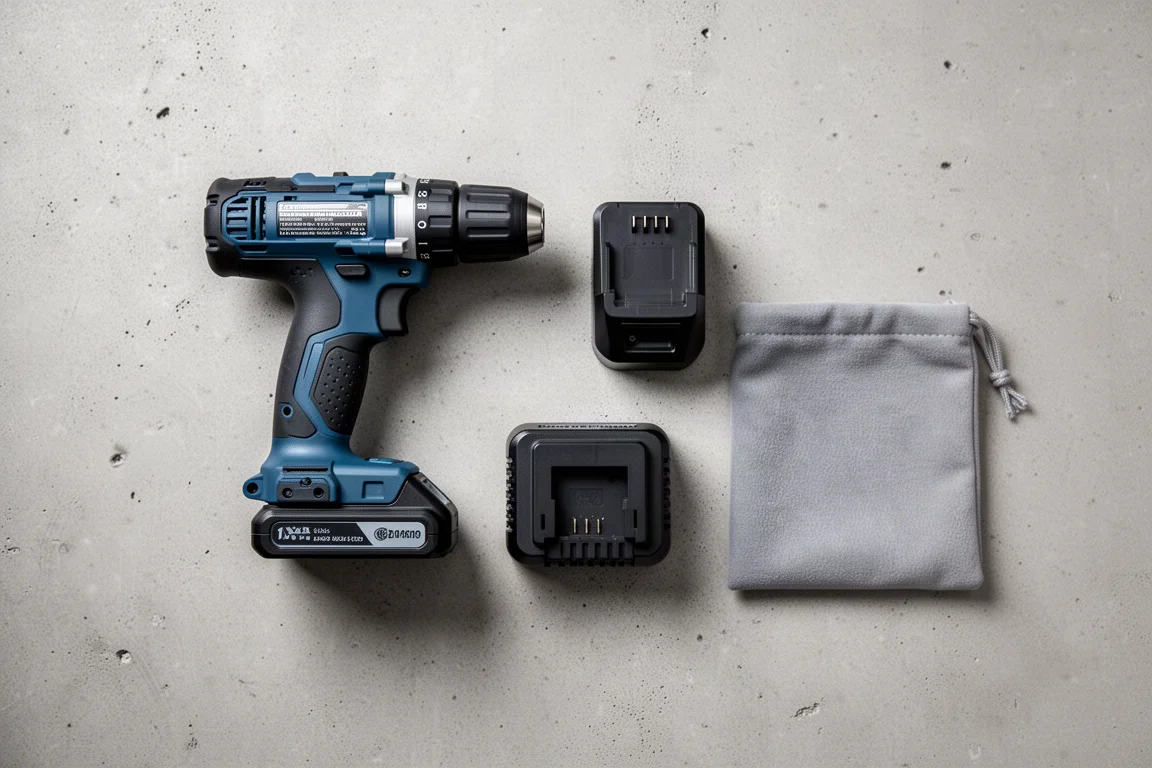
Both Gen 3 drills use an all-metal half-inch Jacobs chuck, which is a quality component you would expect to see on higher-priced tools, and an LED light on the foot illuminates the work area. The drill runs on 4.0Ah Kobalt batteries but works fine with the 2.0Ah pack if you want to save weight. Pricing is a bit unusual at launch: the drill driver is available only as a kit at $139, and that kit includes the 2.0Ah battery rather than the 4.0Ah one. If you want a bare tool or a kit with a bigger battery, that may arrive as the generation rolls out further.
Kobalt 24V Gen 3 Hammer Drill Driver
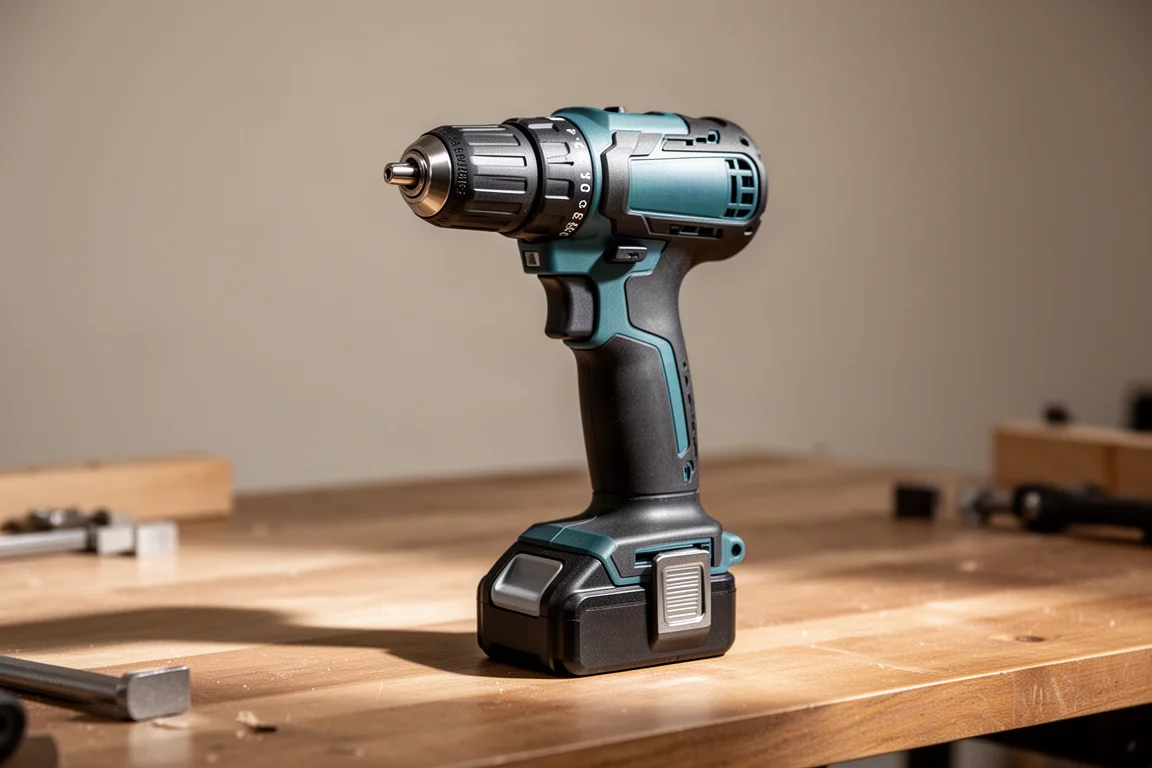
The hammer drill driver shares the same compact philosophy, at 7.1 inches and 4.8 pounds with a 4.0Ah battery. Torque is also 850 inch-pounds, and the hammer mechanism is rated at 32,000 blows per minute, up from 26,000 on the older version. That higher impact rate directly helps concrete drilling.
One design detail worth calling out: this tool uses a separate collar for the clutch. Switching between hammer mode, driving mode, and drilling mode happens on one collar, and the clutch settings sit on their own ring. That separation is something we prefer over a combined collar, and it makes the hammer drill the more versatile tool of the pair. It is sold only as a bare tool at $129, so it makes most sense if you already own Kobalt 24V batteries.
How Much Power Do You Actually Need?
It is tempting to compare 850 inch-pounds against the XTR line’s 1,200 inch-pounds and assume you need the bigger number. But consider the context: not long ago, 850 inch-pounds was as high as any brand’s professional-level drill went, and professionals did excellent work with that figure.
These Gen 3 tools will handle nearly anything you can realistically ask of them, including running large self-feed bits on rough-in work. The extra headroom of XTR is genuinely useful if you know you need it, but for most buyers it is overkill, especially given the price difference. Gen 3 is best understood as a meaningful upgrade to the original 24V line rather than a rival to XTR.
Buying Advice: Which One Makes Sense for You
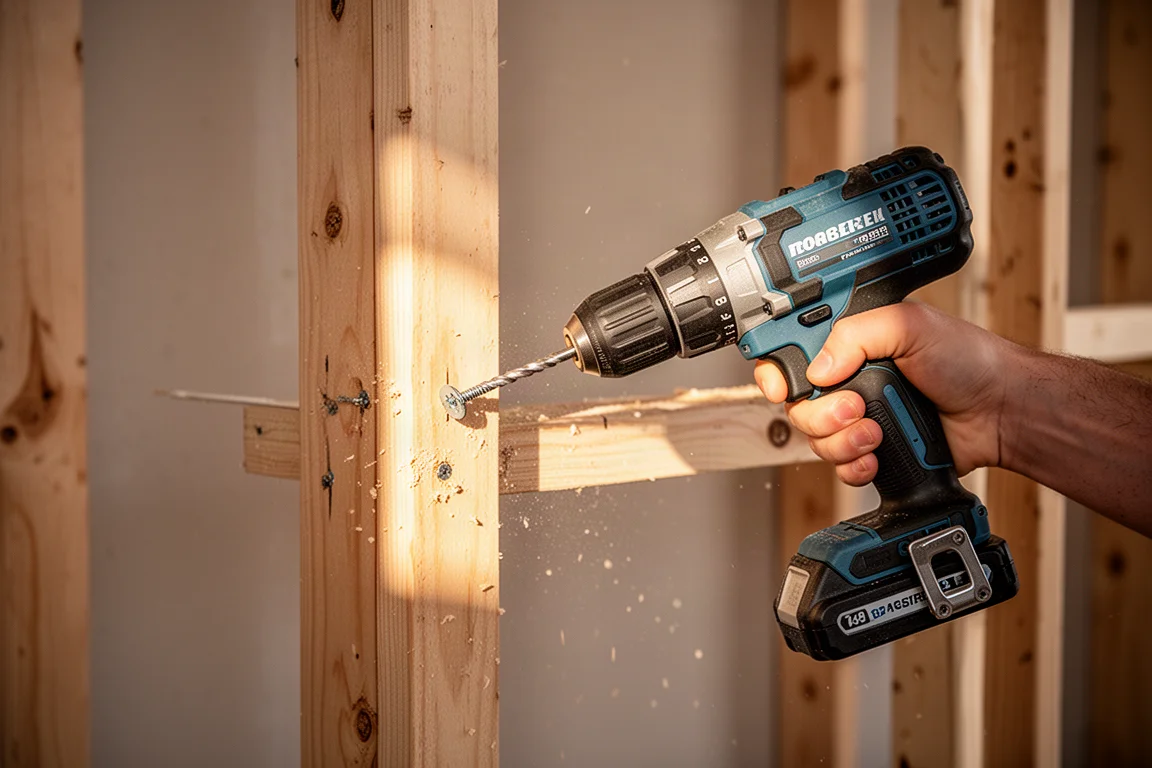
If you mostly drive screws, hang shelves, and drill into wood or metal, the drill driver kit at $139 covers it. If you occasionally tackle masonry or concrete drilling, the hammer drill’s separate mode collar and 32,000 BPM hammer mechanism make it the better all-around tool, provided you already have batteries from the Kobalt 24V platform.
Both tools use the same batteries and chargers, so it is easy to build out a small system over time. Availability is still settling as Gen 3 rolls out, so expect more kit and bare tool combinations to appear.
Conclusion
Kobalt’s Gen 3 drills take a clear step forward: shorter, lighter, and more powerful than the tools they follow, with quality components like all-metal Jacobs chucks across the board. The drill driver suits general-purpose work at an approachable kit price, while the hammer drill rewards existing platform owners who want masonry capability and a more refined mode selector. Neither replaces XTR, but both will do almost everything most buyers need.
Further reading
Related Reviews
Power Tools
Best 1-Inch Pistol Impact Wrenches: Three Heavy-Duty Options Compared
We compare three 1-inch pistol impact wrenches, from a budget-friendly Harbor Freight model to a premium Caterpillar unit, to help you choose the right one.
Power Tools
Best 3/4-Inch Impact Wrenches 2026: Five Contenders Compared
We compare five 3/4-inch impact wrenches across price and performance, from a budget Amazon option to Snap-on's most powerful model yet.
Power Tools
Best Budget Cordless Tools 2026: Walmart Finds That Punch Above Their Price
We tested five cordless tools from Walmart, including a high-torque impact wrench that trades blows with Milwaukee and a $35 duster that outperforms its price class.