Everyday Carry
Knives of the Week: 7 Folding Knives from Vasy, Sencut, and Kaiser
Seven folding knives across three brands, from budget G10 beaters to premium titanium flippers, with honest notes on action, steel, and handling.
Introduction
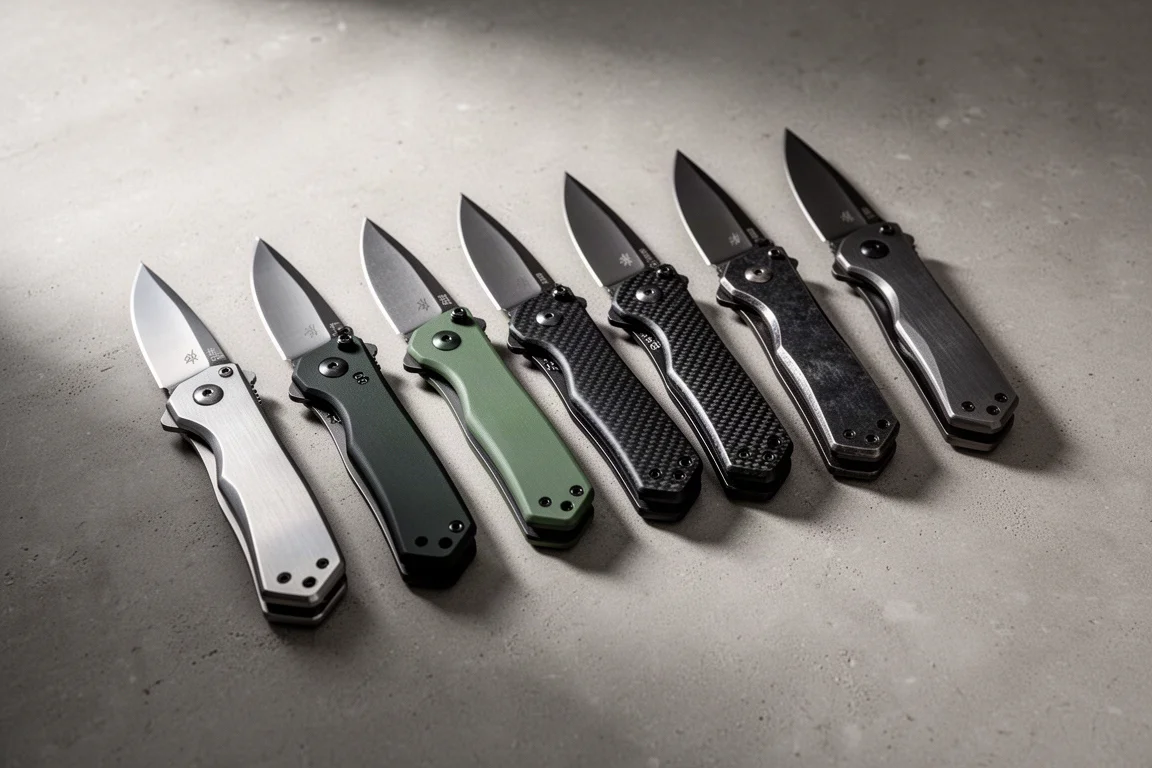
This week brings seven folding knives from three companies: one from Vasy, two from Sencut, and four from Kaiser, spanning everything from a budget G10 beater to a full premium titanium build. Each one has a distinct personality, and a couple of them genuinely surprised us. Here is a brief, honest introduction to each.
Vasy Morel
The Morel from Vasy pairs aluminum handles and an aluminum back spacer with a crossbar lock, wrapped around a blade shape that echoes the Shilin cutter profile made familiar by the Nightshade, though not identically. The interesting part is the grind: rather than a conventional compound grind that thins toward the front for piercing, this one runs a thicker taper toward the back and a full flat grind up front. In practice, the thicker section helps wood split off during carving tasks, closer to what a saber grind offers, while the large flat area handles thin slicing and food prep very well.
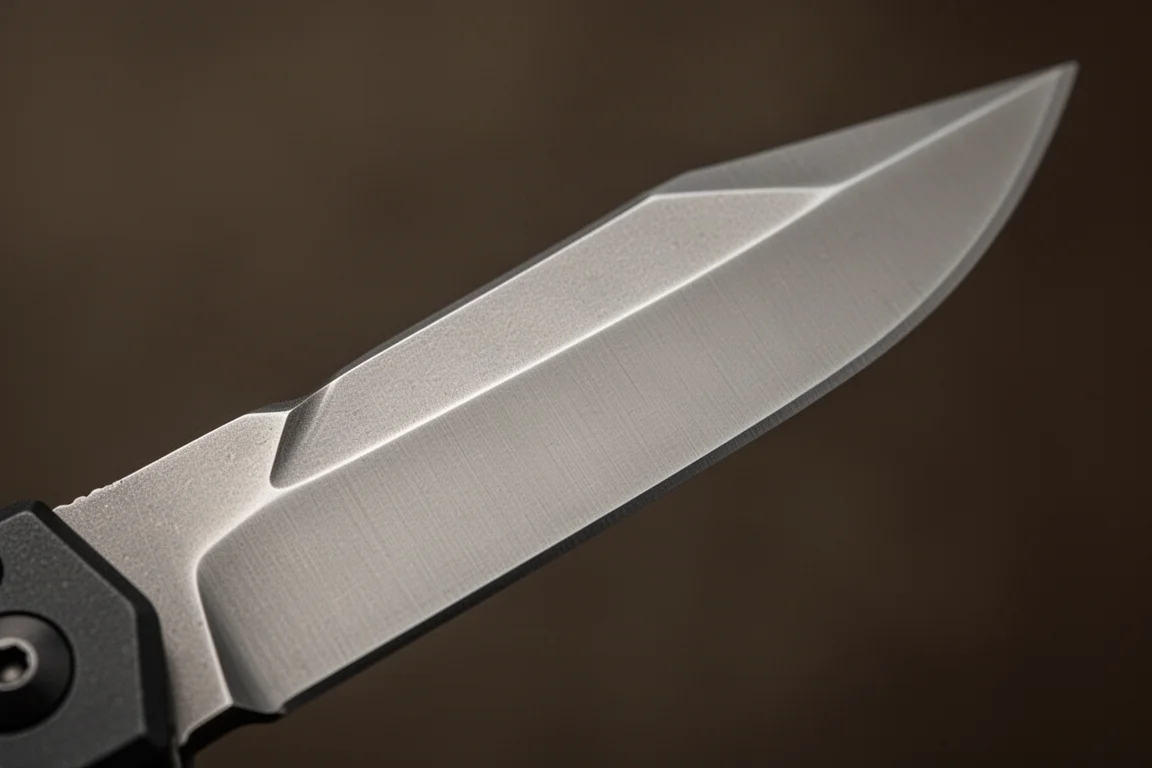
The action is nothing short of excellent. The spring tension of the crossbar sits on the high side, and combined with a smooth detent it makes for a very satisfying fidget, but it also demands good muscle memory. The blade tapers thinner as it approaches the back, which makes the handle very comfortable in hand, yet it also means you need to be disciplined about keeping fingers clear of the blade path when closing. Two-handed operation is completely fine; just build up one-handed technique carefully. This is not our first pick for a beginner. Our one real qualm is the N690 steel, which we consider a step down from 154CM in overall balance and toughness, though plenty of people still rate N690 as a solid mid-grade option and will be happy to see it here. As a design, the handle is great and the whole package shows strong work from Vasy.
Sencut Serene
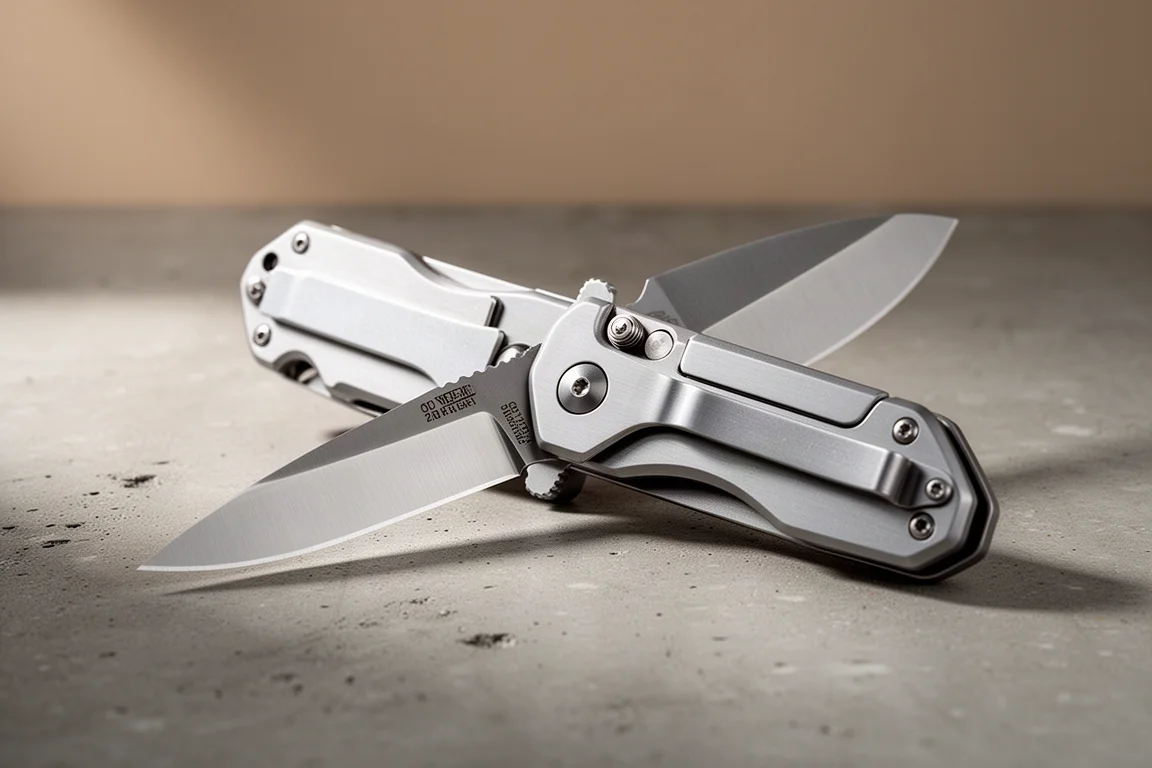
The Serene returns, this time in a new colorway. Instead of the bright green you sometimes see, this version uses a more muted green that reads considerably more grown-up, and honestly it suits the knife well. It runs a D2 blade in full flat grind at 3.5 inches, with a flipper tab and thumb studs.
The real charm is the number of ways you can open it: flipper, button, standard thumb stud deployment, or a reverse flick off the studs. It is a very fidgety knife in the best sense, and it carries all the features of a good EDC blade, handling utility tasks and food prep without complaint. At under $50 with an aluminum handle, the feature-to-price combination is hard to argue with. Between the green and black versions, we lean slightly toward the black, but the muted green is far more in our wheelhouse than expected.
Sencut Jubal
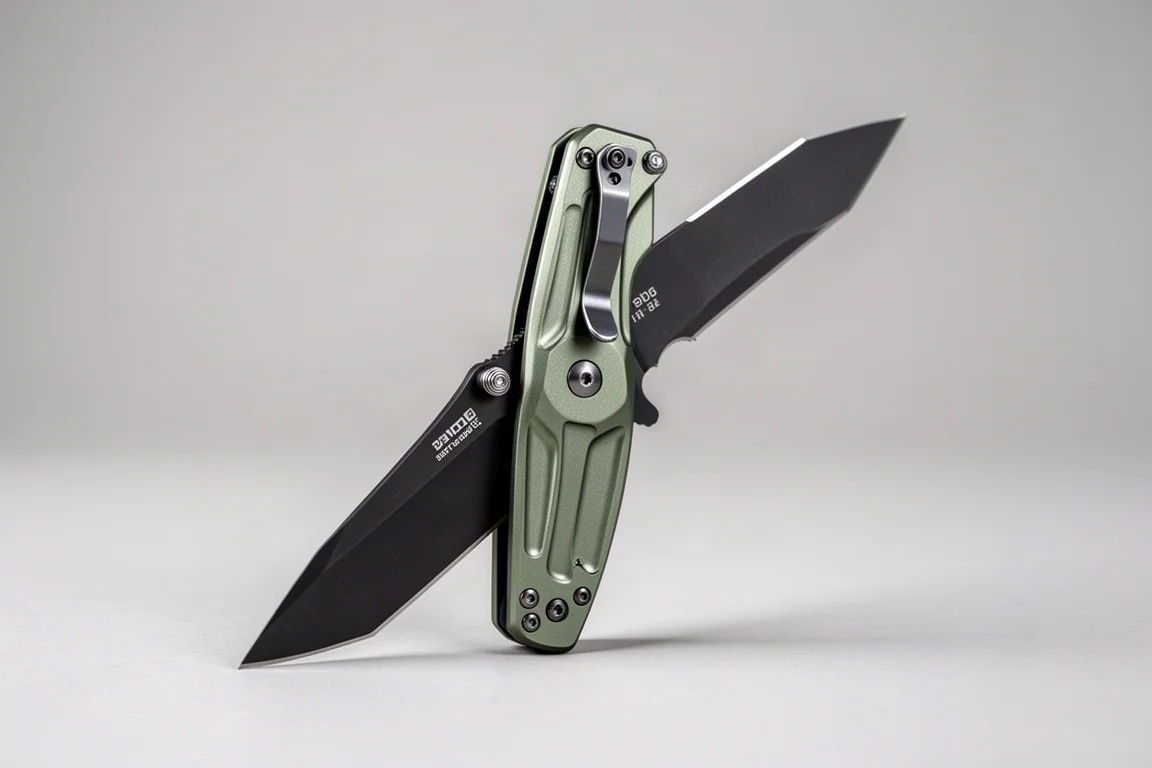
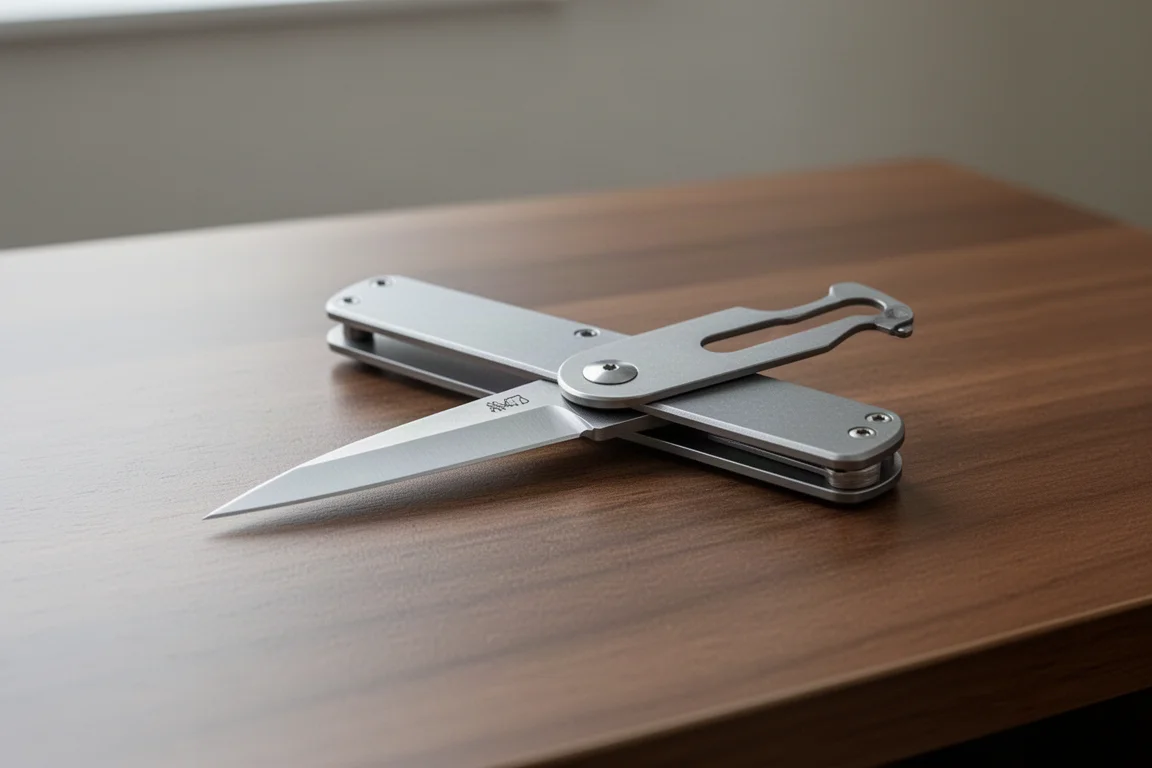
The Jubal is a different animal entirely: very slim, very small in profile, very light, and a front-flipper-only design. That makes it a good draw-cutting knife and a solid package opener, though it feels a little small for food prep, and the blade shape is not our favorite for that job either.
We are genuinely unsure where this knife fits in a rotation, and it may be one of those pieces where you need to know your own use case before buying. Where it does shine is cutting performance: a full flat grind with a wharncliffe blade shape means that tip cuts exceptionally well. It is very comfortable in hand, but the front flipper demands good technique to deploy smoothly, so it will not be for everyone. If slim front-flippers appeal to you, it may be exactly right.
Kaiser Huntsman
The Huntsman is the wildcard of the week, and the one we would never have picked for ourselves, which turned out to be a good thing. The recurve blade with a compound grind is unlike anything else in our collection, cut through with a patterned series of cutouts rather than a true fuller, and backed by S35VN steel. It is a frame lock, more accurately a bolster lock, designed by James Lw.
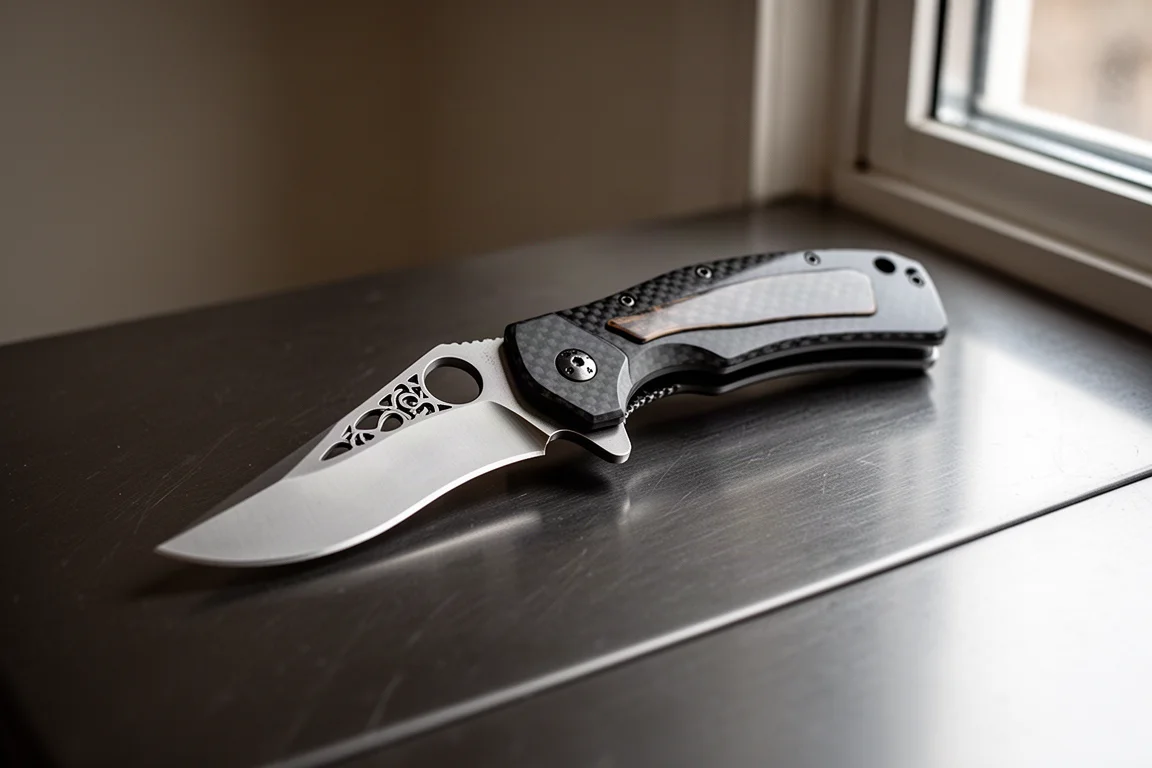
One caution: the lock bar position matters. If you naturally press the lock near the very back of the handle, the blade can come down onto your finger; keep your finger up toward the top portion of the lock bar so it can stop the blade as it falls. The action itself is incredibly smooth, it reverse flicks with plenty of grab space in the cutouts, and the handle, which looks like it should be awkward, is actually remarkably comfortable. For our hand it fits perfectly, though not everyone will have the same experience. Carbon fiber inlays, a carbon fiber pivot collar, a titanium pocket clip, and a titanium back spacer put this firmly in Kaiser’s premium line. It surprised us the most of anything this week, and we suspect it will keep growing on us.
Kaiser Doberman
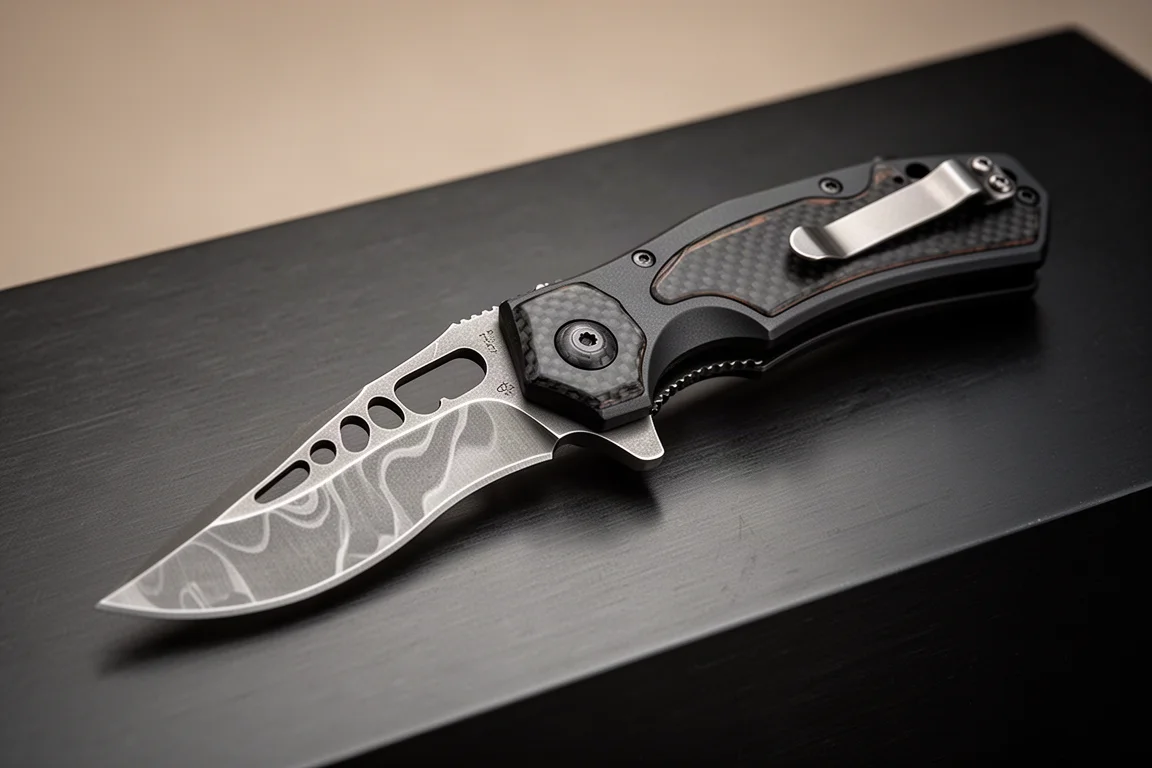
The Doberman might be our favorite Kaiser of the bunch. It is an all-titanium handle in a blackwash finish, which we love, and the titanium pocket clip has a slim, pen-clip look that belies its genuinely strong retention. The S35VN blade measures 3.64 inches, so this is definitely on the larger side, and it arrived perfectly centered.
The flipper tab is deliberately small so you can choke up on the handle, with multiple grip positions available and plenty of jimping running up the spine. That hidden flipper is our one minor complaint: when disengaging the lock you have to move your finger out of the way of the tab. On the other hand, the flipper position is so good that deployment failure is nearly impossible, and there is a comfortable resting place right behind the blade. The action is excellent, the handle is extremely comfortable, and this is one of the few knives here we would genuinely consider as a user. Excellent work from Kaiser.
Kaiser Submarine
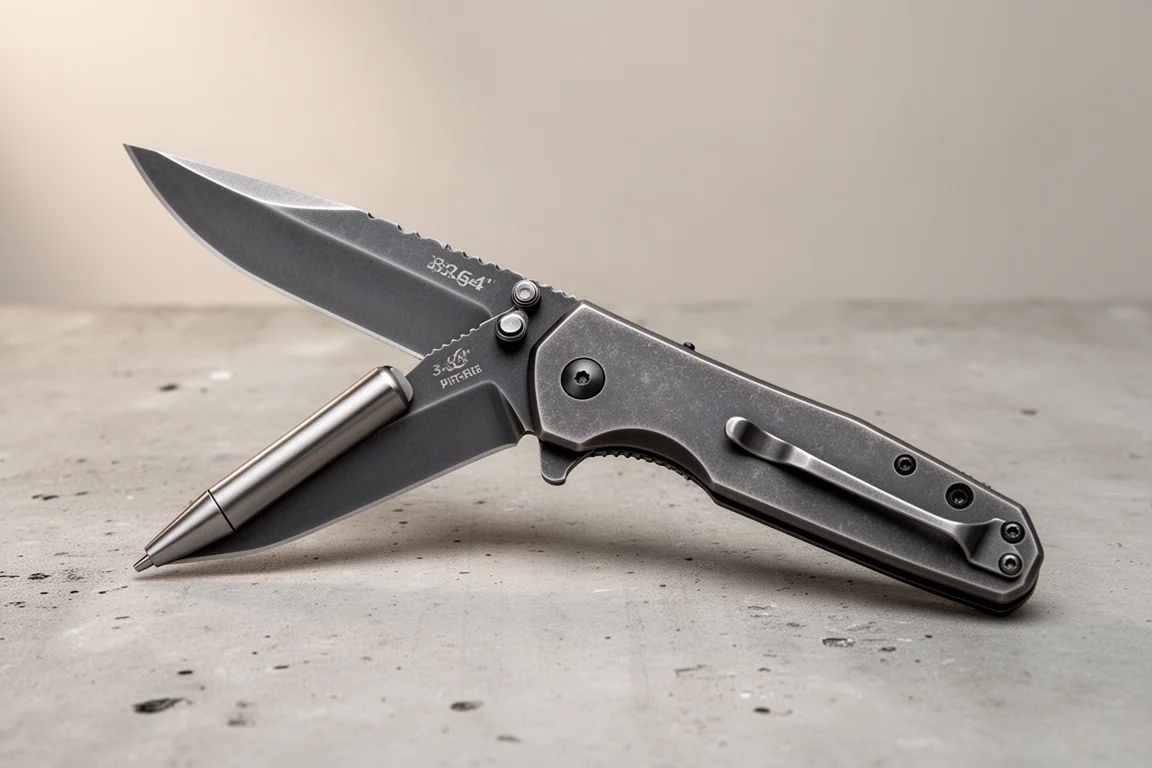
The Submarine opens Kaiser’s budget line, which shares a common foundation: G10 handles, 9Cr18MoV blade steel, and a reversible pocket clip, with the variety coming in shape and purpose. We really like this one. It feels very comfortable in hand, and there are multiple deployment options: a thumb flick through the hole, a standard reverse flick, or a reverse flick using the fuller.
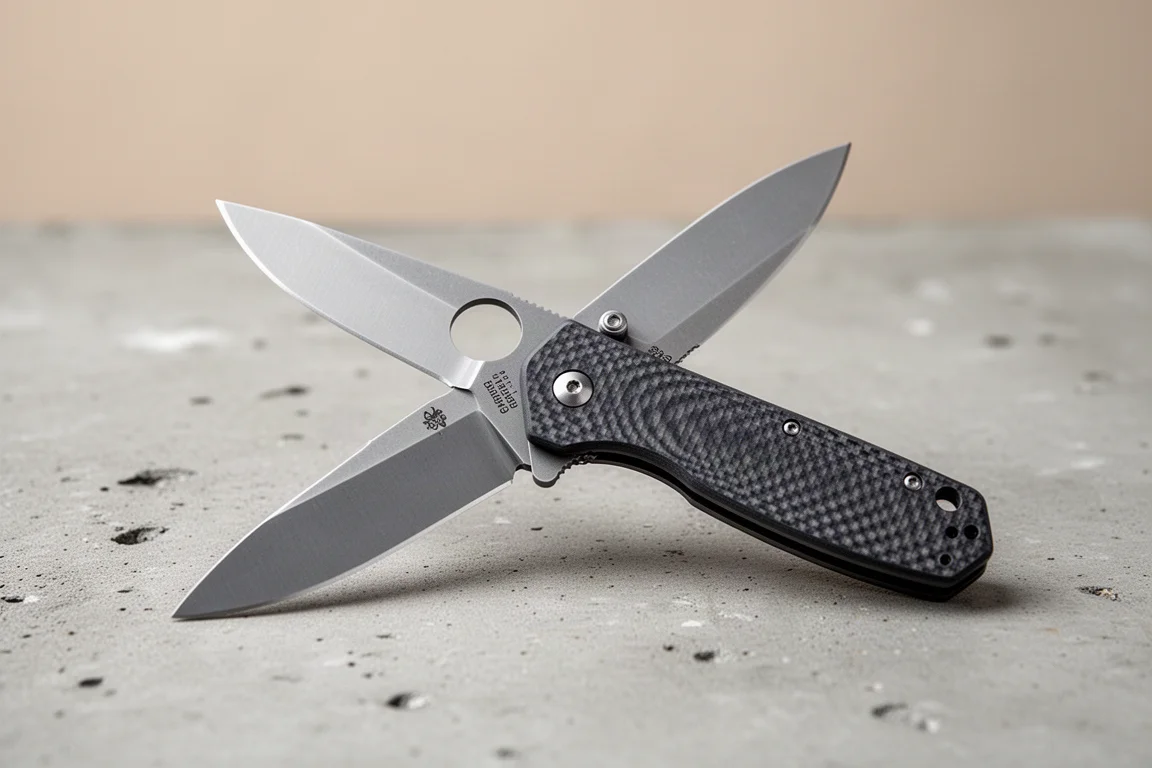
The grind comes nicely even, which matches our consistent experience with this factory. Our only wish is for some jimping at the corner of the flipper, though the flipper’s position makes it very hard to fail regardless. These budget Kaiser models typically run around $40 to $55 depending on the seller and discounts, which is competitive for what you get.
Kaiser Porcupine
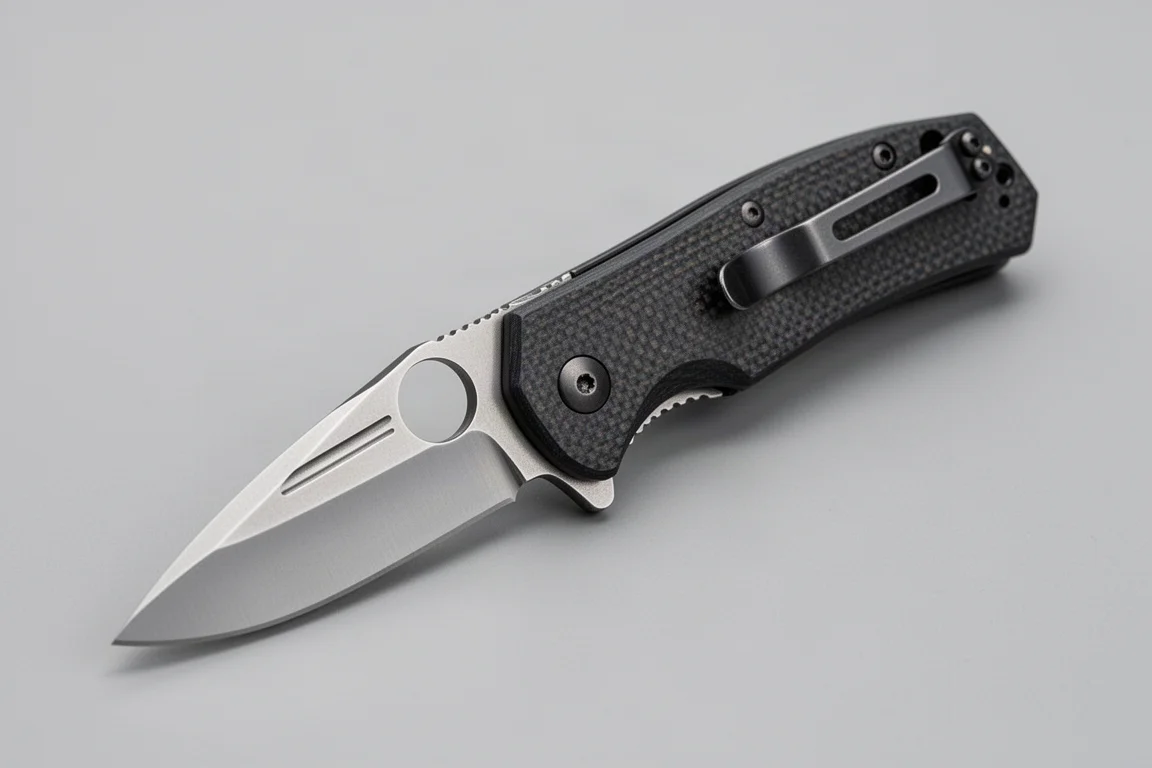
The Porcupine closes out the Kaiser budget line, and its wharncliffe blade shape is a genuine highlight. The action is outstanding, arguably better than most knives at any price, which is not surprising given these are made in the same factory as Kaiser’s high-end models and likely share the same bearings.
The handle is surprisingly comfortable for our hand, though fit will vary from person to person. The same flipper-tab caveat applies here: because the tab is minimal to allow choking up, you need to keep your finger positioned up near the blade when disengaging rather than letting your hand drift back. If you already own smooth-action knives, none of this will be new to you. As a user knife or beater, this is a very solid offering.
Overall Buying Advice
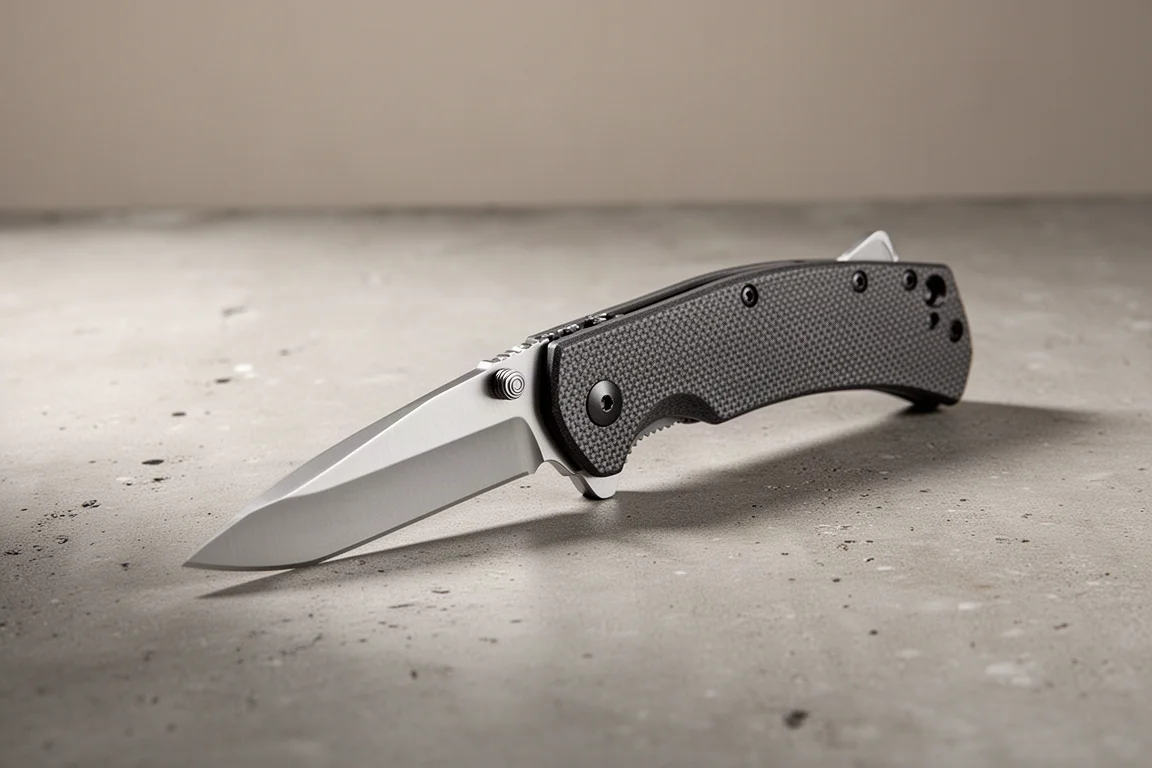
With seven knives on the table, the right choice comes down to experience level and intent. Beginners should look first at the Sencut Serene or the Kaiser budget line, where forgiving deployment, reversible clips, and accessible pricing make the learning curve gentle. The Serene in particular packs a lot of capability under $50.
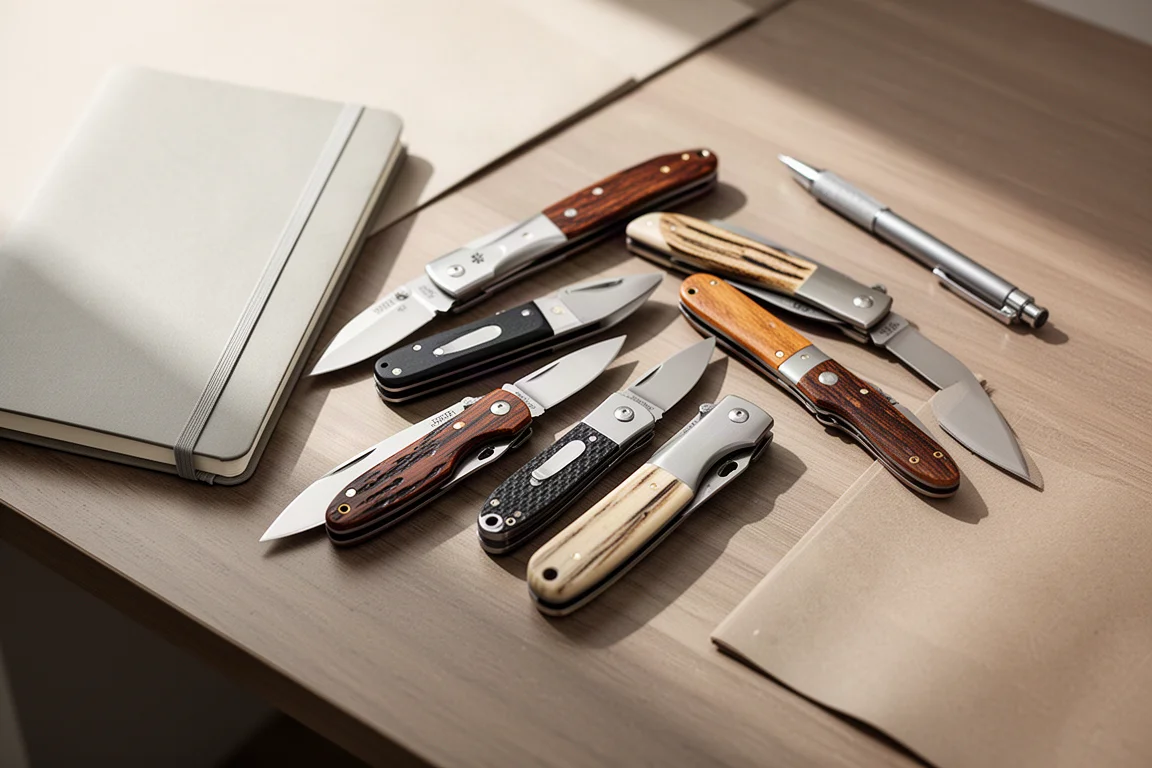
Experienced users who appreciate fast action and refined materials should look at the Kaiser premium pieces: the Doberman for a comfortable all-titanium user, and the Huntsman for something genuinely unlike anything else, with the caveat about lock bar finger placement. The Vasy Morel rewards careful handling with one of the best actions here and a clever grind, provided you accept N690 over 154CM. The Jubal remains the hardest to place, best suited to someone who specifically wants a slim, light front flipper for opening packages and draw cuts.
Conclusion
Three brands, seven knives, and a surprisingly wide spread of personality. The Huntsman surprised us the most with a blade shape we own nowhere else, while the Doberman is the one we would most likely carry as a daily user. Whichever direction you lean, there is something here worth a closer look.
Further reading
Related Reviews

Everyday Carry
Everyday Gear That Deserved a Second Look
A roundup of solid everyday carry items: watches, pens, a pencil, a knife, and a smart ring that each earned a place on the table.

Everyday Carry
KORE Tactical Bifold Wallet Review: A Durable Everyday Carry Option
A close look at the KORE Tactical Bifold Wallet, a reinforced nylon wallet with magnetic closure and room for cards, cash, and IDs.

Everyday Carry
Krabby Wallet Review: A Slim, Simple Carry That Has Stood the Test of Time
A closer look at the Krabby Wallet, a slim canvas and elastic design with a loyal following and a simple, functional approach to everyday carry.