Hand Tools
Knipex vs Snap-on Locking Pliers: Four Pairs Compared for Real Workshop Use
A hands-on comparison of the Knipex 41 14 250, Snap-on LP7WC, Snap-on LP55 Slim, and Craftsman locking pliers, covering release mechanisms, jaw geometry, and value.
Introduction
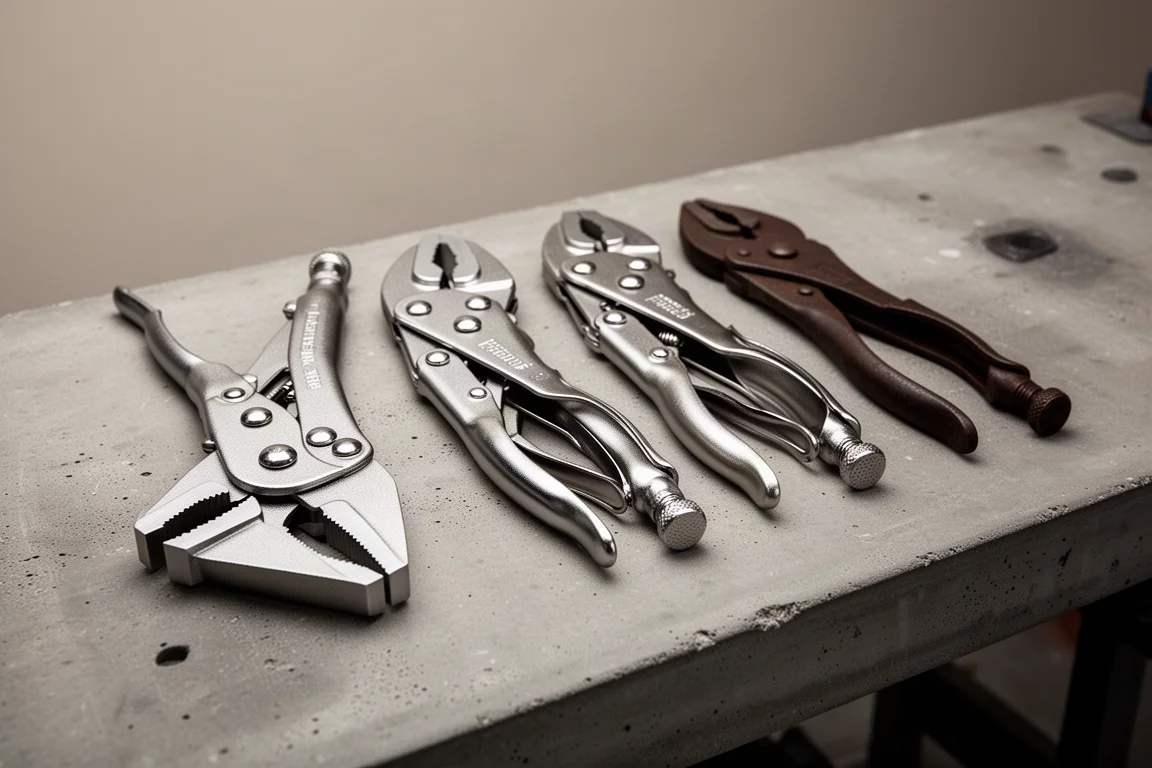
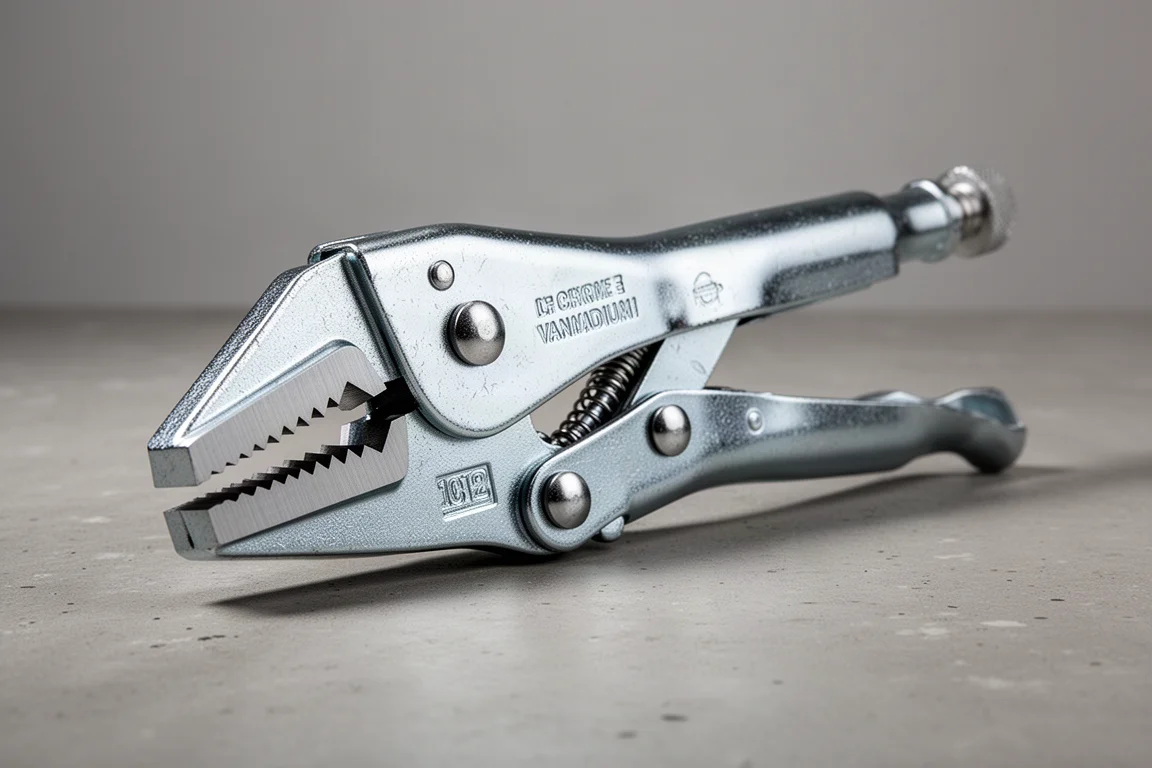
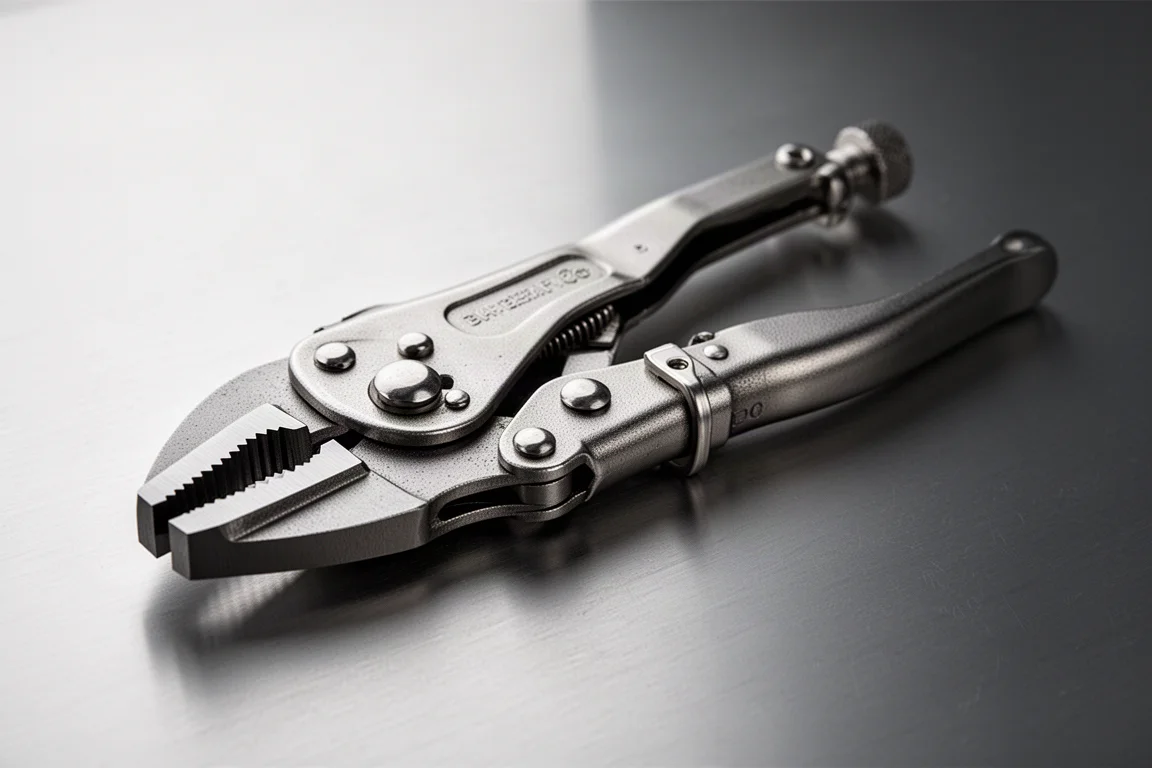
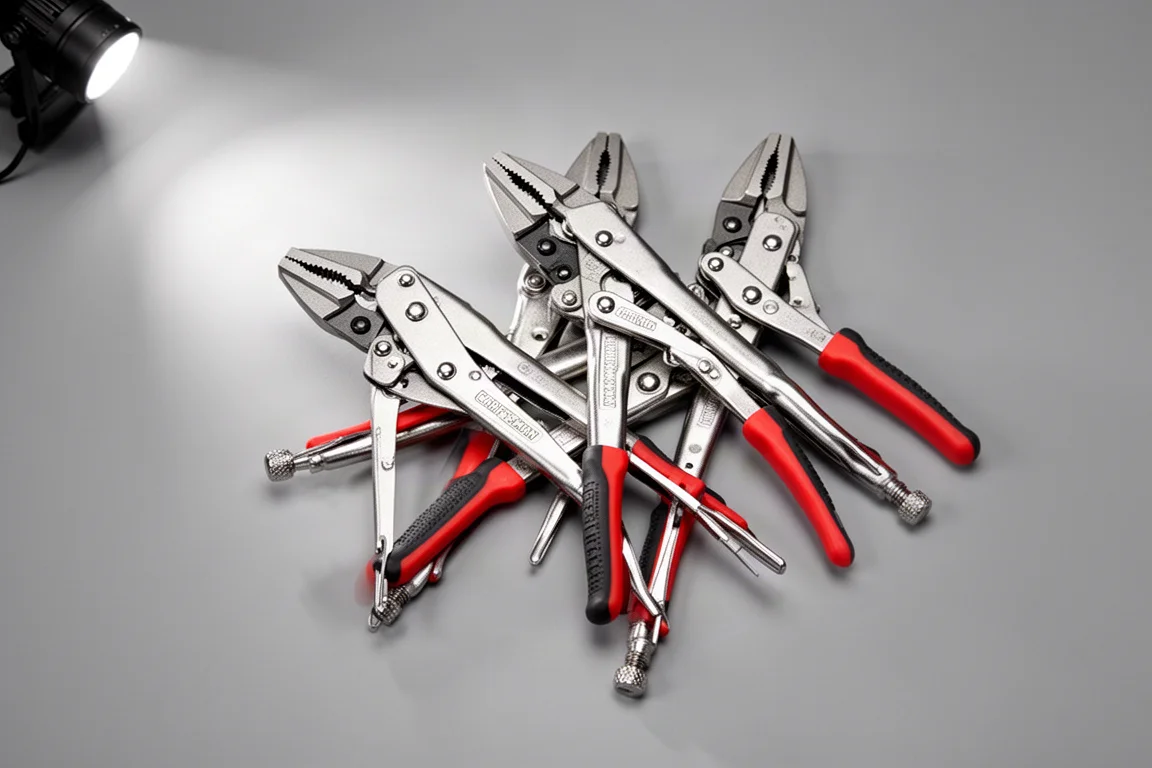
Locking pliers look interchangeable on the shelf, but once you actually work with them, the differences become obvious fast. This comparison brings together four pairs: the Knipex 41 14 250 made in Germany from chrome vanadium steel, two Snap-on options in the LP7WC and the smaller LP55 Slim, and an older pair of Craftsman locking pliers that has held up over the years.
Why the Release Mechanism Matters
The single biggest difference between these pliers sits at the bottom, in the release lever, and it changes how the tool feels in daily use.
On the Knipex 41 14 250, the release lever does two jobs. It releases the tension, but it also keeps the other handle captive. That means you can release the locking pressure without losing your grip on the workpiece entirely, then re-tighten or adjust without the work falling out or the handles springing apart. It also makes mid-task adjustments easier: you can loosen, reposition, and clamp back down in one smooth motion.
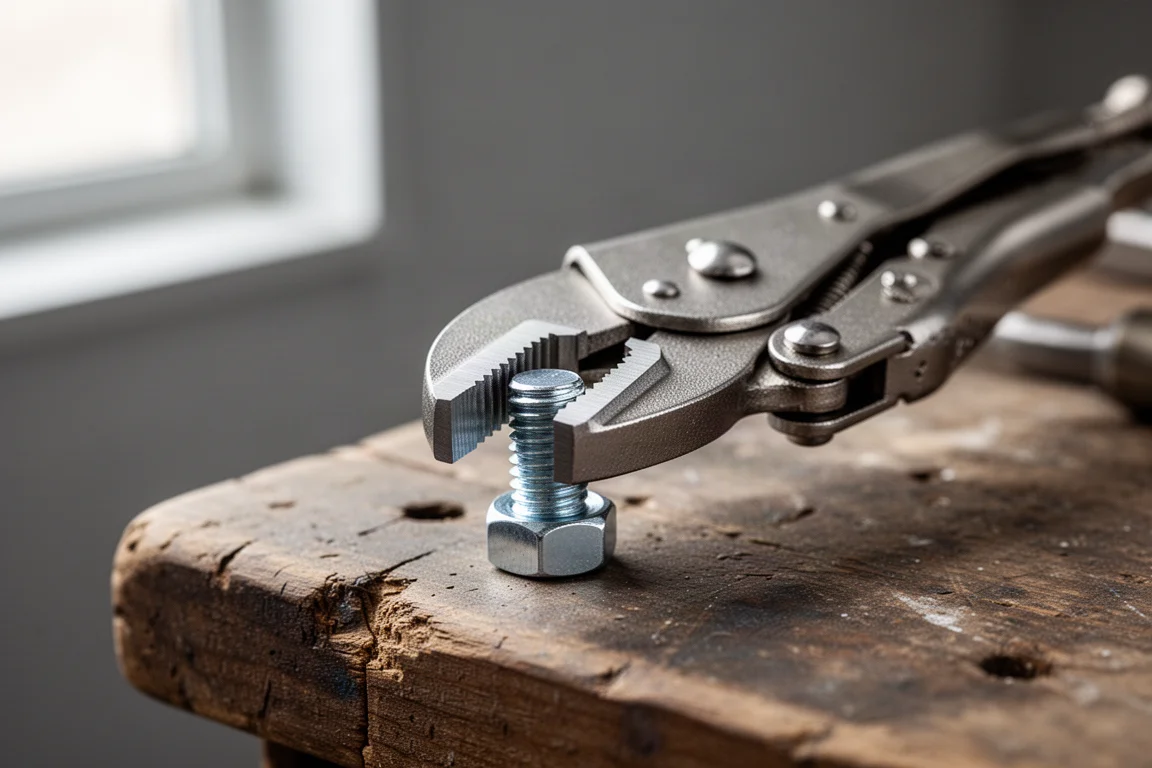
The Snap-on approach requires pushing the release away, and the only way to keep a heavily loaded workpiece captive is to hang onto it with both hands. The Craftsman has a similar locking idea, but it springs the handle totally free once released. Neither is as forgiving when you are trying to make fine adjustments under load.
Build Quality and Thread Construction
All four pairs fold the steel over at the handle and thread through it, but they solve the retention problem differently.
The Knipex simply folds the heavy steel over, drops in a weld, and threads it. The weld is not pretty, but the steel is thick enough that it holds. The Craftsman uses a pinched threaded collar system instead, which has held up over years of use. Snap-on folds the steel like Knipex but adds an extra collar for retention, so you are not risking the fold spreading out under force, with faint discoloration suggesting it may be welded in place.
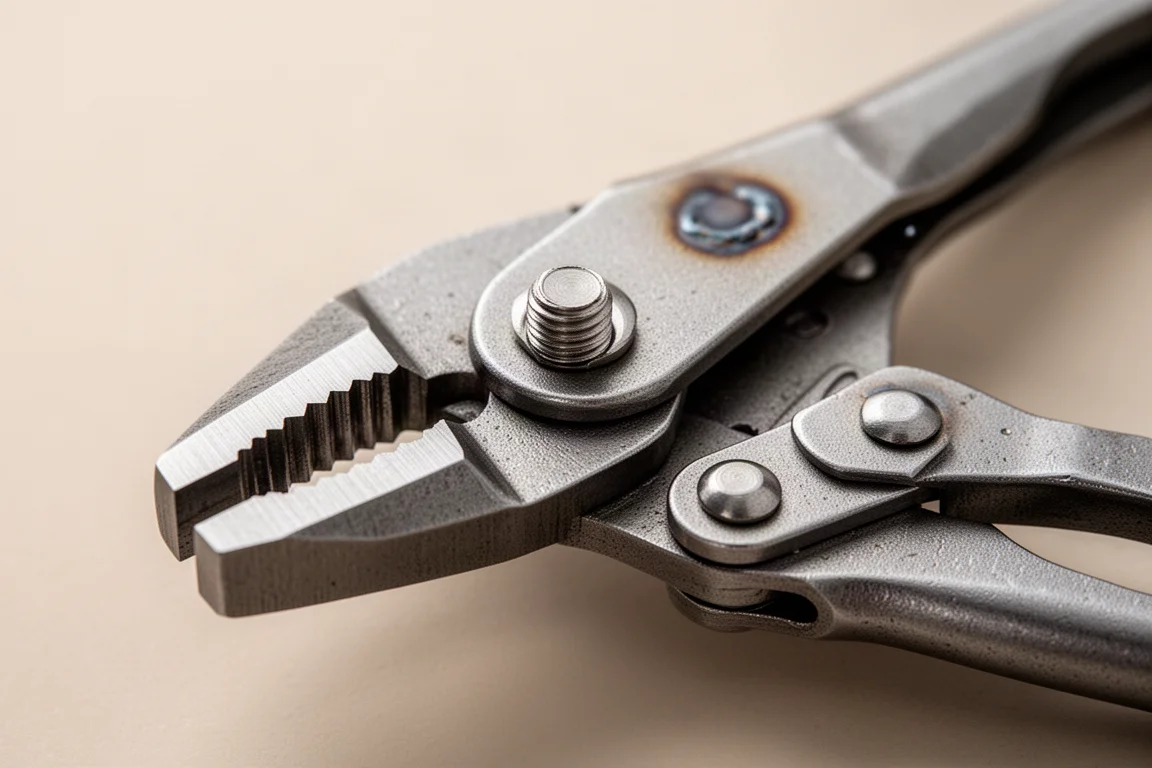
It is worth noting that the finish tells a story too. The Knipex is stamped, press-fit riveted metal with visible tool marks, small dents, and scoring. It looks built to go straight into industrial work rather than to sit on a display wall. The Snap-on pairs, by contrast, are finished to a level you would happily keep in view.
Jaw Geometry and Grip Teeth
The Knipex front end carries the brand’s signature trapezoidal jaw shape, machined nicely at the very tip. That gives a slightly grabbier area up front for smaller nuts, though there is a bit of play in the jaw seating compared to the Snap-on pairs, which are snugger. The Craftsman jaws are tighter still, so much so that the Knipex needs to be held by hand to seat perfectly straight. One quirk to learn: because of how the jaw geometry matches a hex bolt, you have to keep the work centered, or the jaws can slip and pop loose in a different geometry.
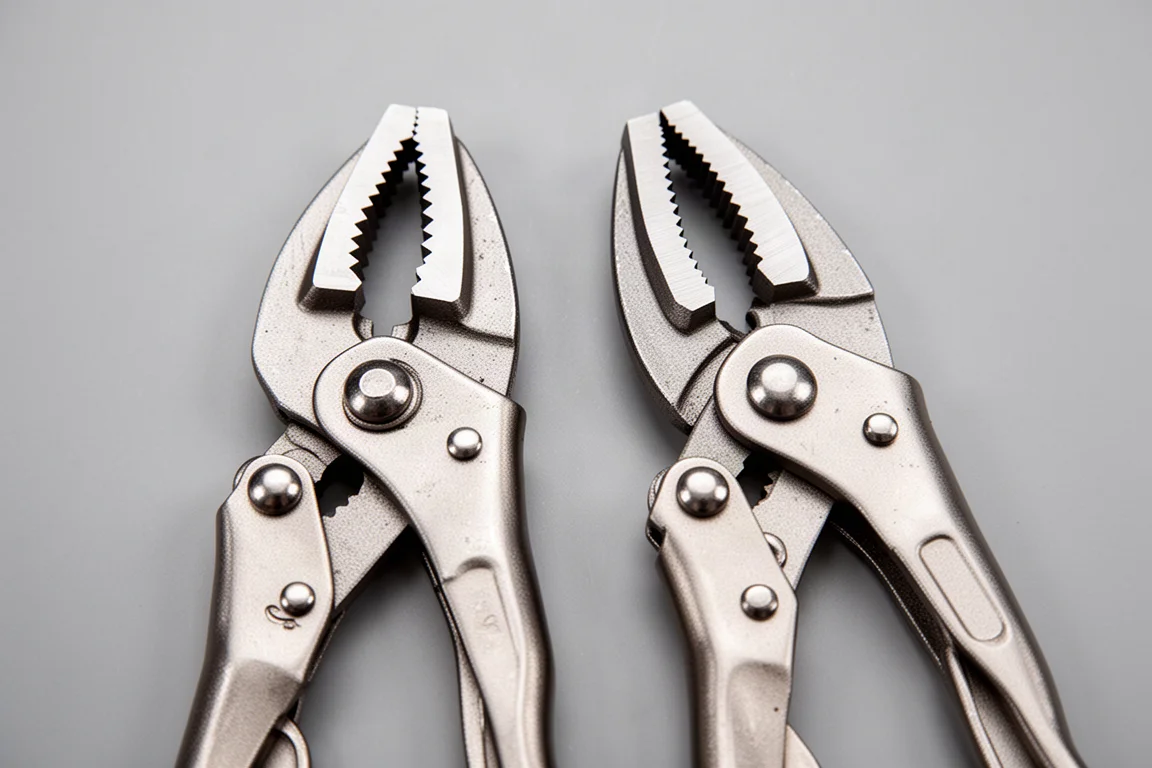
On the teeth themselves, Snap-on markets some of the most aggressive gripping teeth in the category, and the sharp biting surfaces show it. The Knipex teeth are comparatively tame. The Craftsman jaws are smooth by comparison, and the Snap-on LP7WC also includes a cutting station with a knife-and-anvil arrangement for snipping certain materials.
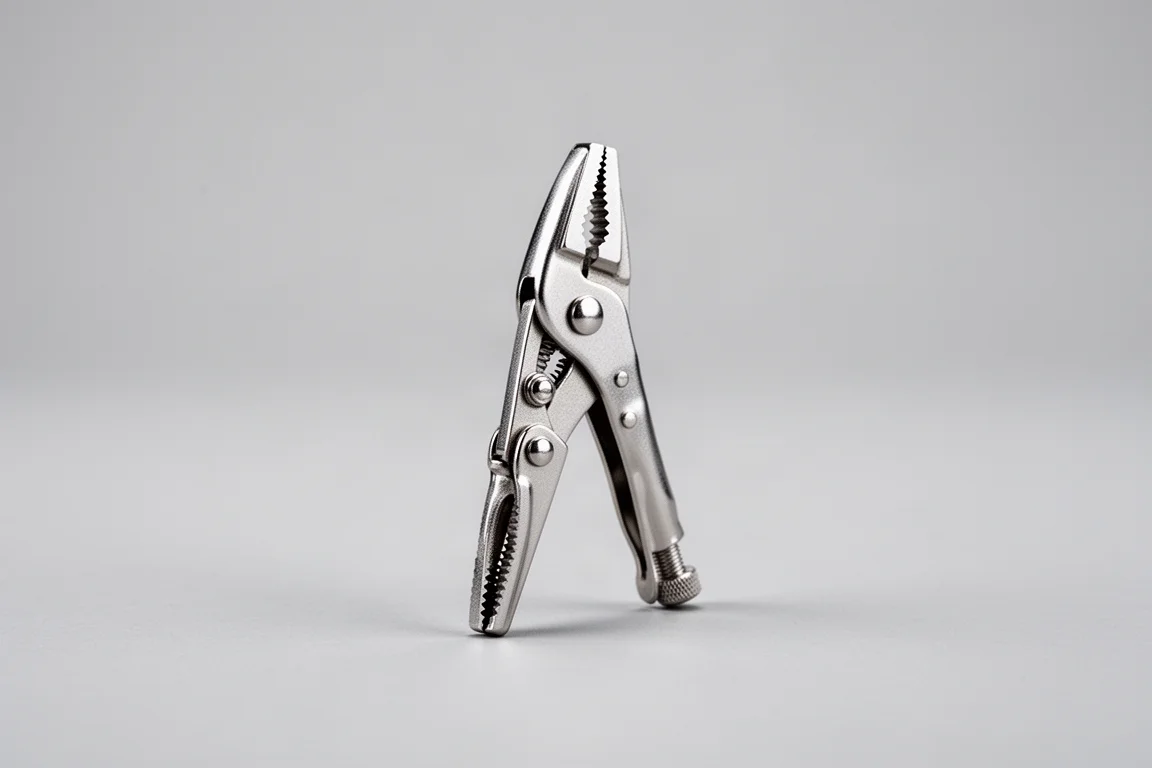
The Snap-on LP55 Slim deserves its own note. This smaller pair, reportedly made in Spain, comes from a line that was notorious for bending and breaking in larger sizes. For low-torque, tight-space work, though, it is well made and pleasant to use. It is a little tougher to release under pressure than the Knipex, and like the LP7WC, it invites you to crank down hard with the adjustment screw.
Which Pair Should You Buy?
The Knipex 41 14 250 came in at around $31, less than half the cost of the Snap-on pairs, and for that money it opens up a genuinely useful design: the captive release lever alone prevents the classic moment where everything springs forward and your workpiece goes flying. If you want a large, workhorse locking plier that prioritizes function over finish, it is an easy recommendation.
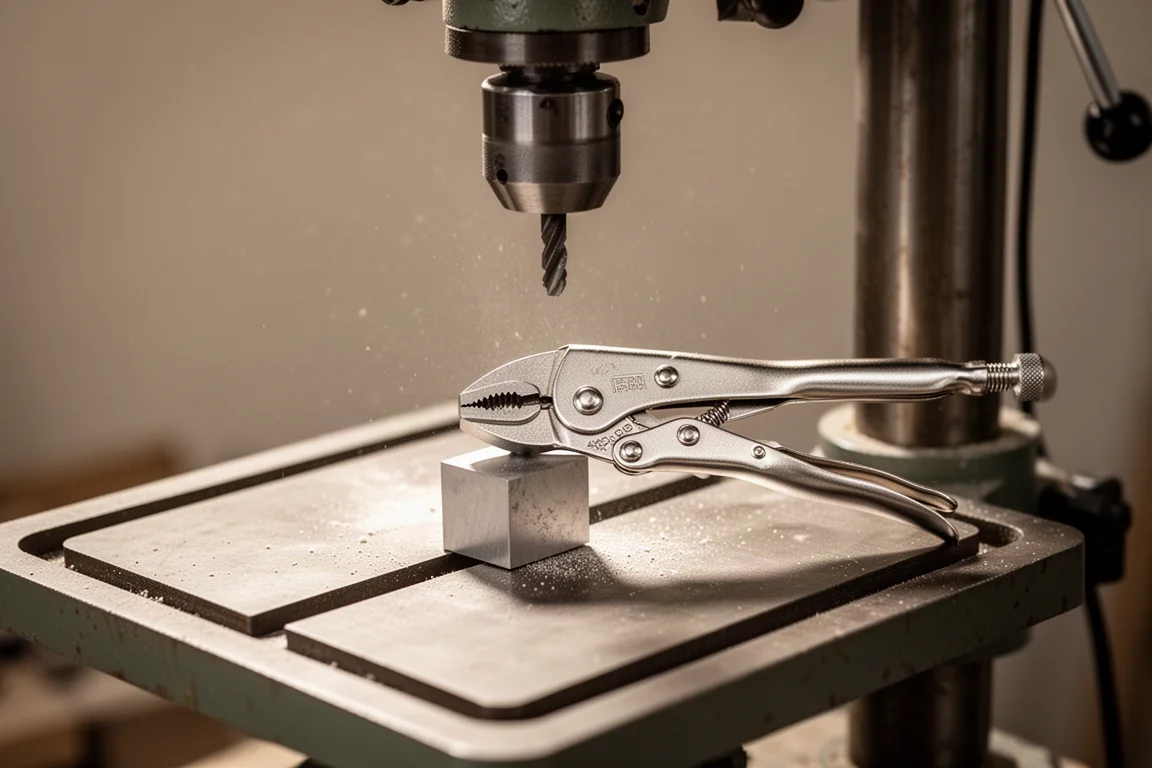
The Snap-on LP7WC suits buyers who want a beefier, better-finished tool with aggressive teeth and a bonus cutting feature, and who do not mind the two-handed release under heavy load. The LP55 Slim fills a niche for low-torque work in tighter spaces. The Craftsman remains a solid, smooth-jawed utility option that has already proven it can last. Interestingly, for some jobs the reviewer-style verdict is that these are different tools for different things: the Knipex is the one worth keeping on the bench for grabbing and extraction work, while something like a simple pry-apart design lives on the drill press as a clamp.
Conclusion
Among these four, the Knipex 41 14 250 stands out for its captive release mechanism and value, the Snap-on pairs earn their price with tighter machining, heavier finish, and extra features like a cutting edge, and the Craftsman proves that a simple design can endure. Match the tool to the torque, the jaw style, and the release behavior you actually need, and any of these can earn a place in the toolbox.
Further reading
Related Reviews
Hand Tools
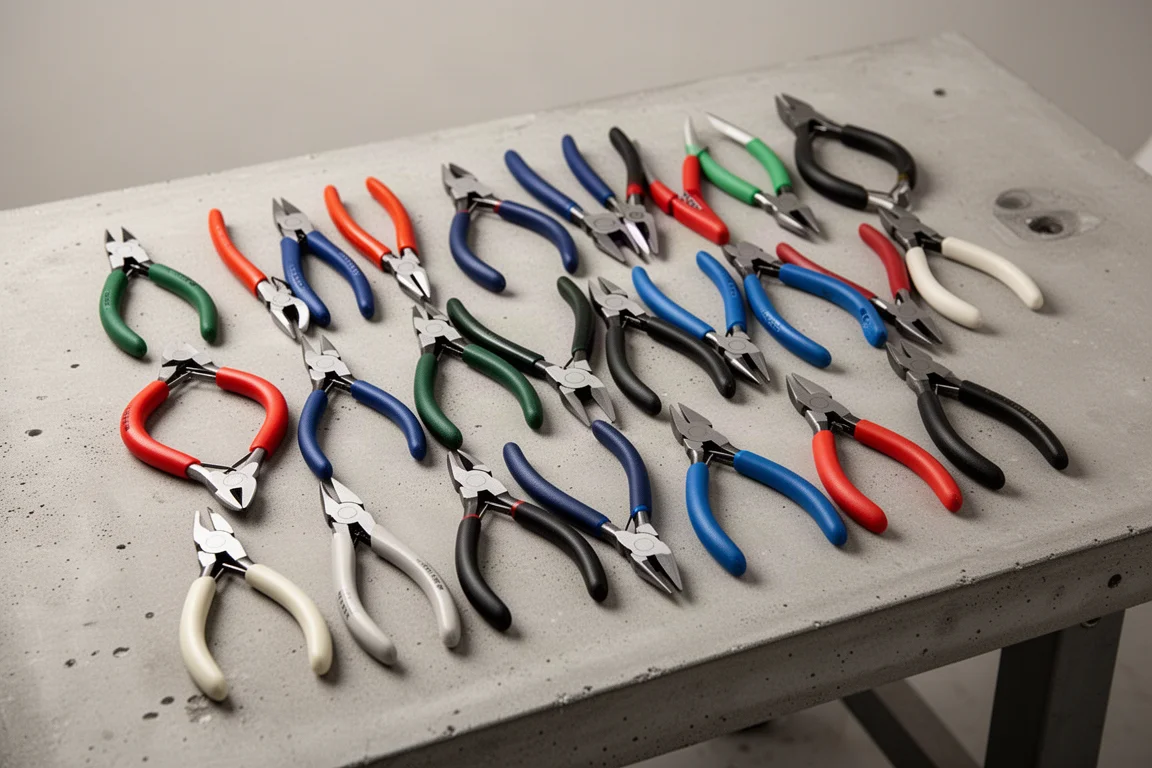
Best Diagonal Cutters 2026: 16 Pliers Tested for Cutting Power and Durability
We put 16 diagonal cutters through nail, screw, drill bit, and hex key tests to find the best value picks for your toolbox.
Hand Tools
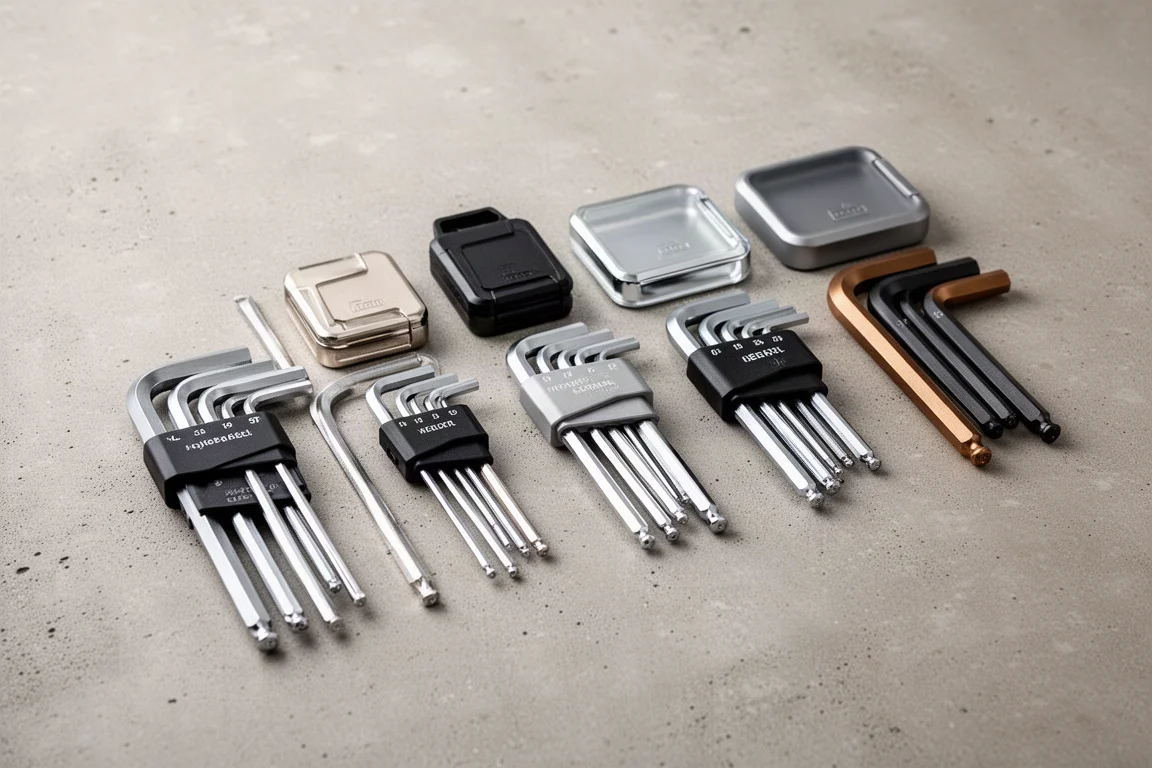
Best Hex L Key Sets 2026: Nine Sets Tested for Real-World Torque
Nine hex L key sets from budget to premium, tested for torque, fit, and durability. See which sets deliver real performance and which ones to skip.
Hand Tools
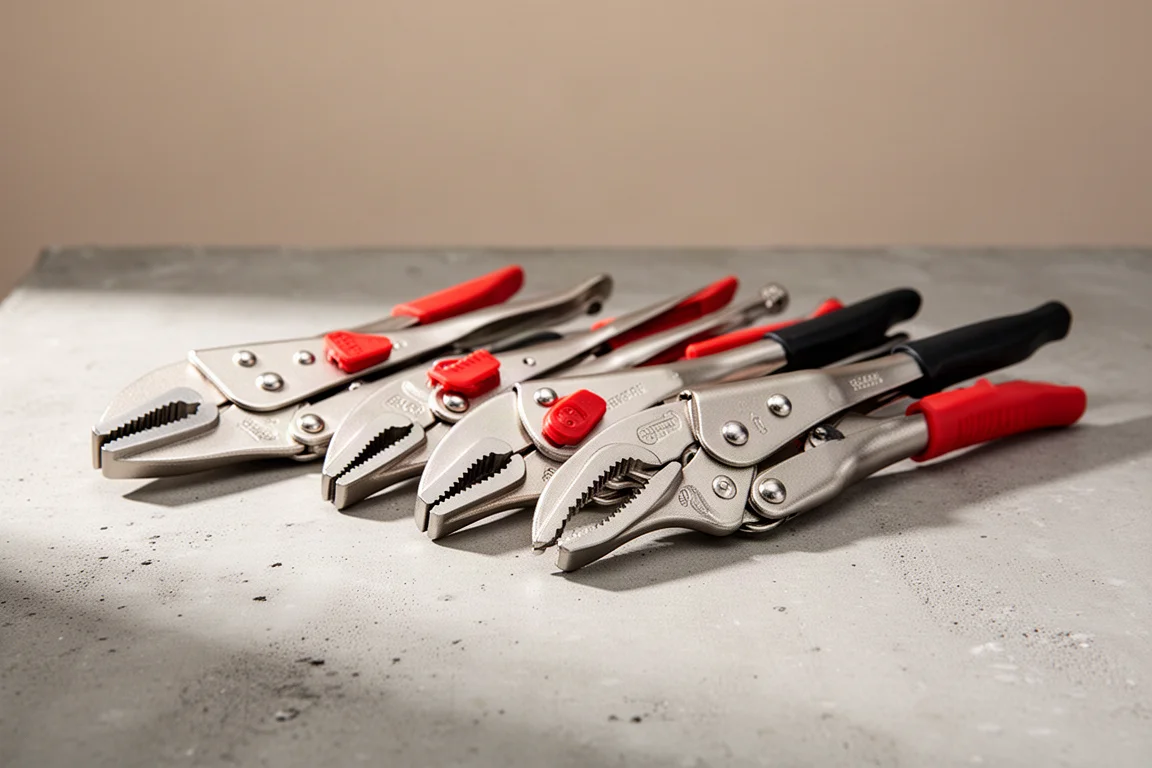
Best Locking Pliers 2026: Top Picks Tested for Grip and Durability
We tested 18 brands of 10-inch locking pliers for grip strength, jaw bite, build quality, and ease of release to find the best options for tough jobs.