Hand Tools
Knipex TwinGrip 8201 vs 8202: A New Take on Slip Joint Pliers
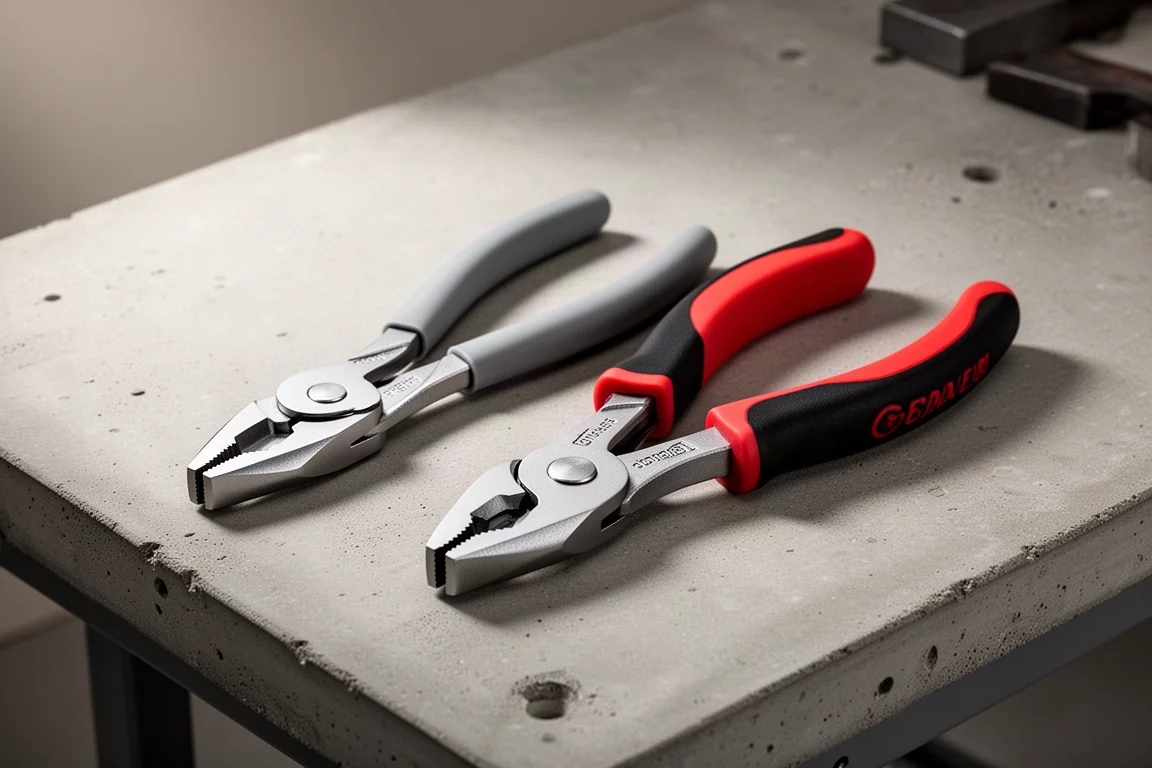
Two variants of the Knipex TwinGrip pliers, comparing the 8201 200 and the comfort-grip 8202 200, and why this design outperforms traditional slip joint pliers.
Introduction
Some tools earn their place in the hand the first time you pick them up. The Knipex TwinGrip is one of them. It borrows the best ideas from several other tool categories, blends them into a single plier design, and executes them well enough that it quickly becomes the pair you reach for by default.
Knipex currently offers it in two flavors at the same length: the 8201 200 and the 8202 200. This guide walks through what the TwinGrip does differently, where it beats a traditional slip joint plier, and which of the two variants makes the most sense depending on how much you care about grip comfort.
What Makes the TwinGrip Different
The head profile alone is a big departure from a traditional slip joint plier. The jaws feature a distinct screw extraction and vertical-holding tip, which gives the tool an unusual talent for grabbing fasteners and starting insertions. That tip geometry is noticeably different from other plier designs on the market.
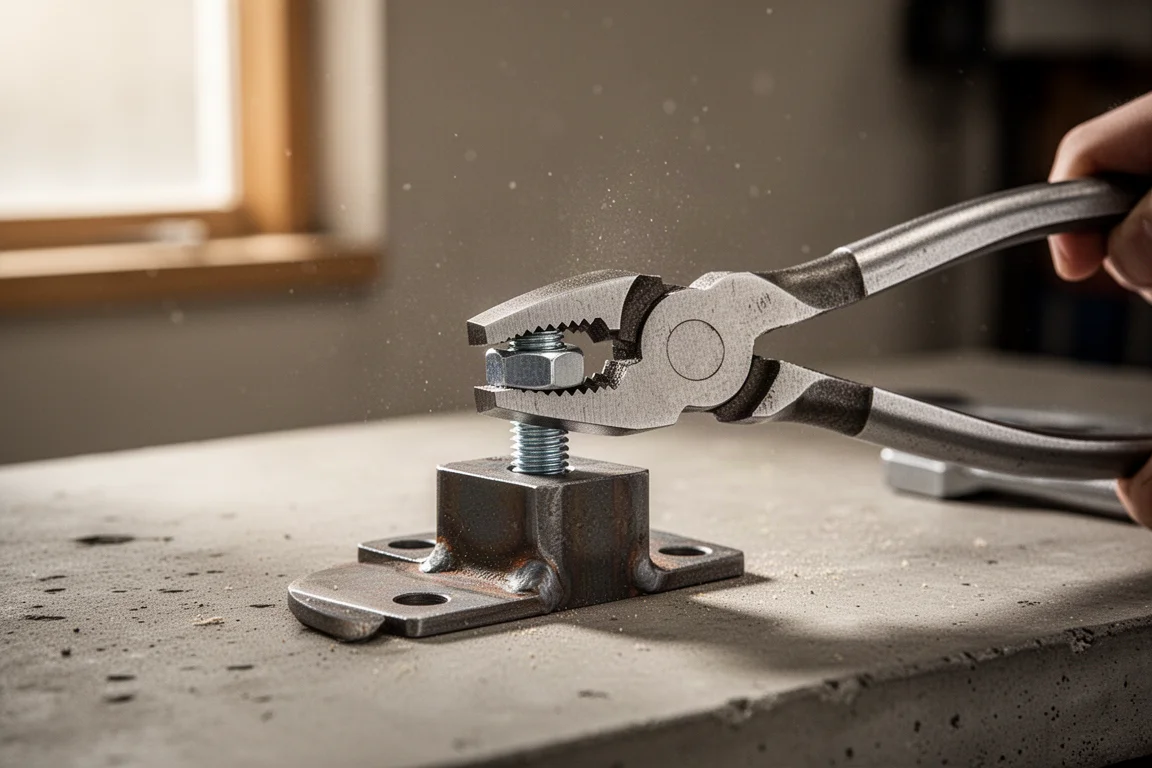
The wide mouth is the other headline feature. It opens far enough to grab a surprisingly broad range of nuts, bolts, and screws, and the way it bites at the tip is remarkable: things stay locked in place rather than wobbling or slipping out. It is equally good at lining parts up for insertion, and you can even work quite a way up the jaw when a task calls for it.
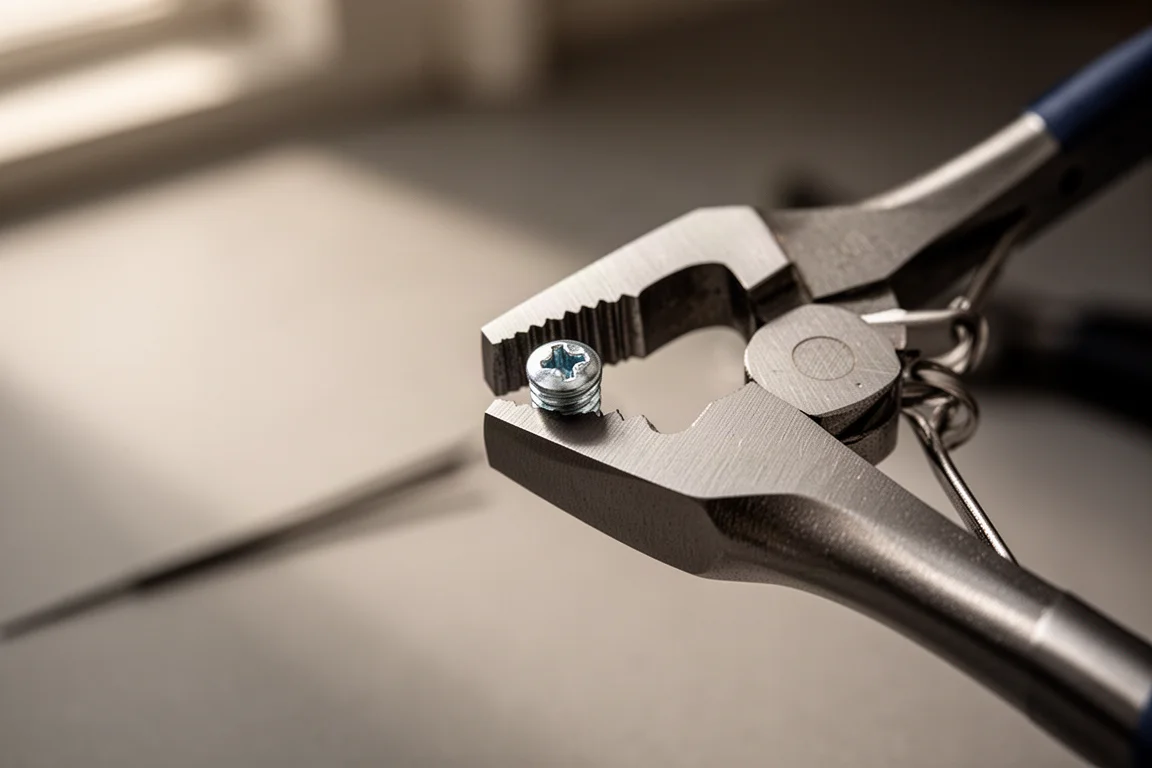
There is a practical demo that shows the difference better than words. Grab a bolt at the tip of a traditional slip joint plier and it immediately turns, wobbles, and slips out, no matter how hard you squeeze. With the TwinGrip on its widest setting, the same bolt locks in solid, and you can click one position tighter for an even more secure hold.
How It Compares to Other Pliers
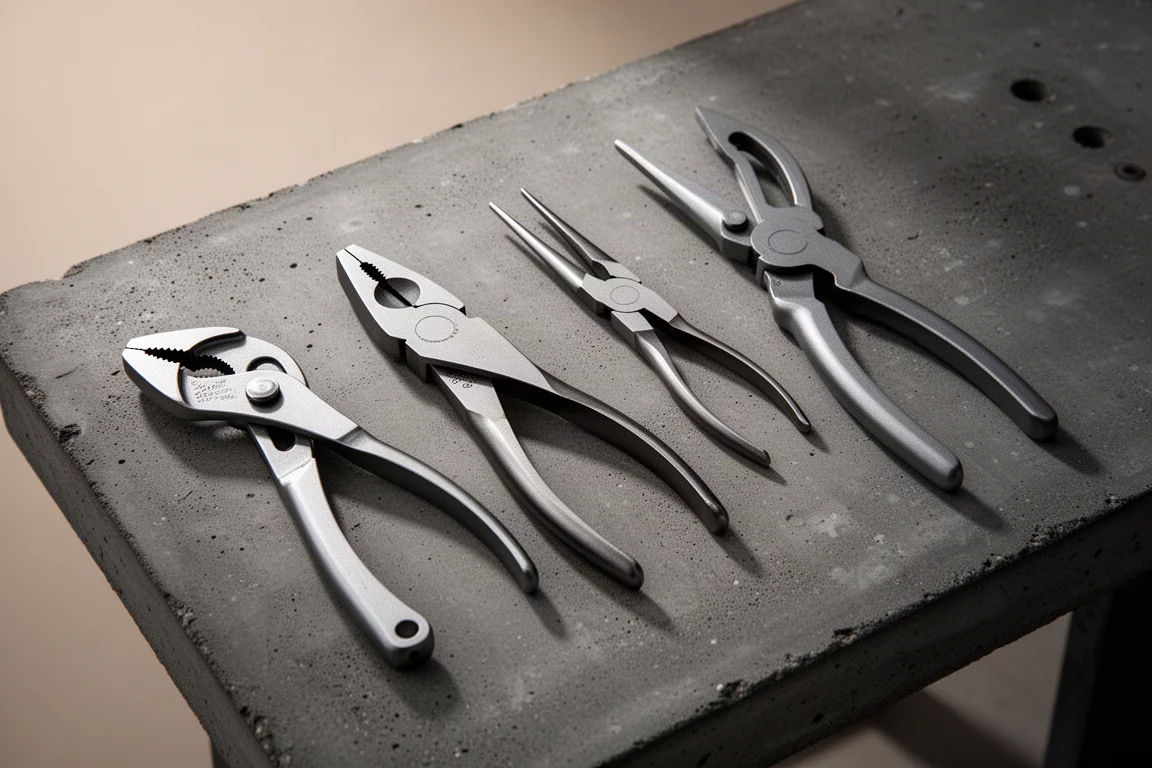
Set side by side, the TwinGrip stands apart from several well-known designs. Compared to the Vampliers, the tip geometry is clearly different. It also differs from Vampire needle-nose and lineman-style pliers, and even from the Snap-on pistol grip, which is the closest comparison but still not the same. None of those alternatives combine the wide mouth, the extraction tip, and the locking grip in one tool.
Another underrated detail is the adjustment range. On its smallest setting the jaws handle fine work with precision, and once you crack them open the range extends comfortably into larger fasteners. There is a maximum practical size for a tool of this length, but within its realistic working range it is ideal for grabbing things, getting them started, and turning them with confidence.
Knipex TwinGrip 8201 200
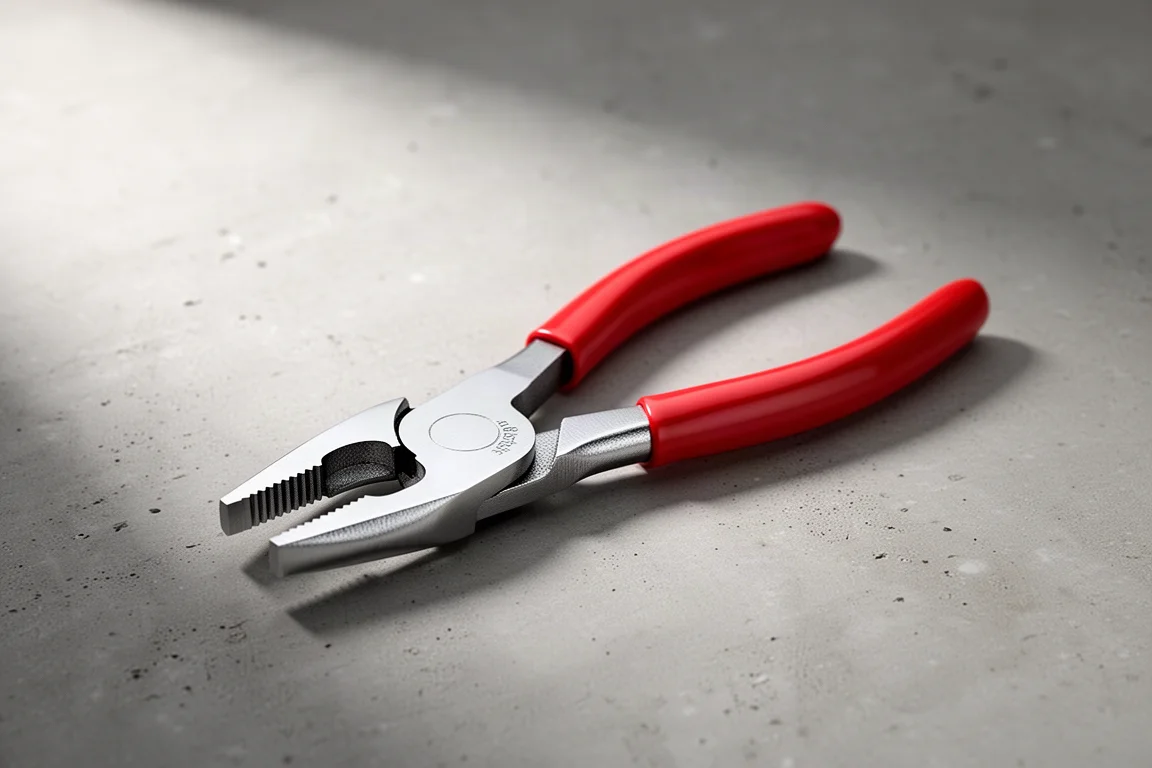
The 8201 200 is the base version of the TwinGrip, carrying the full wide-mouth jaw design, the extraction tip, and the multi-position adjustment mechanism in a standard handle profile. Everything that makes this plier special lives in the head, and the 8201 delivers all of it.
If you are upgrading from a traditional slip joint plier, this is the variant that changes how you work: grabbing different-sized fasteners without swapping tools, and holding small screws vertically without them dropping or slipping. It is the more conventional choice of the two, and it shares the same core jaw performance as its sibling.
Knipex TwinGrip 8202 200: The Comfort Grip Version
The 8202 200 takes the same excellent plier and adds a big, heavier comfort grip handle. The moment you see it and grab it, the difference is obvious. It is the same head design, but wrapped in a handle that feels significantly more substantial in the hand.
These handles borrow from Knipex’s hybrid plier-wire-stripper-cutter mini lineman tool, which uses a similar grip that many users fall in love with. Compared to the thin vinyl dip handles found on many standard Knipex pliers, the 8202’s grip is a clear step up in comfort, and squeezing the handles down gives you noticeably better motor control when working at the tip.
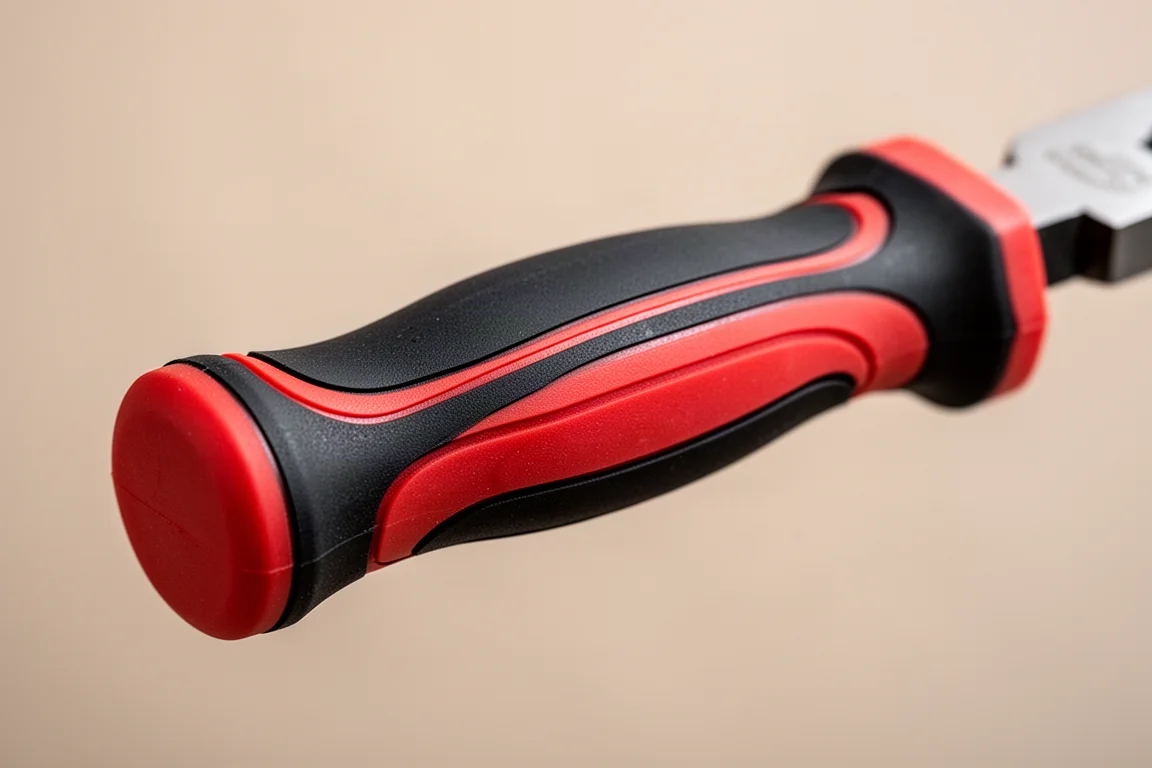
The wider handle also suits the plier’s natural working style. You can open the jaws a hair bigger than needed, then squeeze the handles down to settle into a more controlled grip, and the cushioned surface makes that motion more comfortable over a long session.
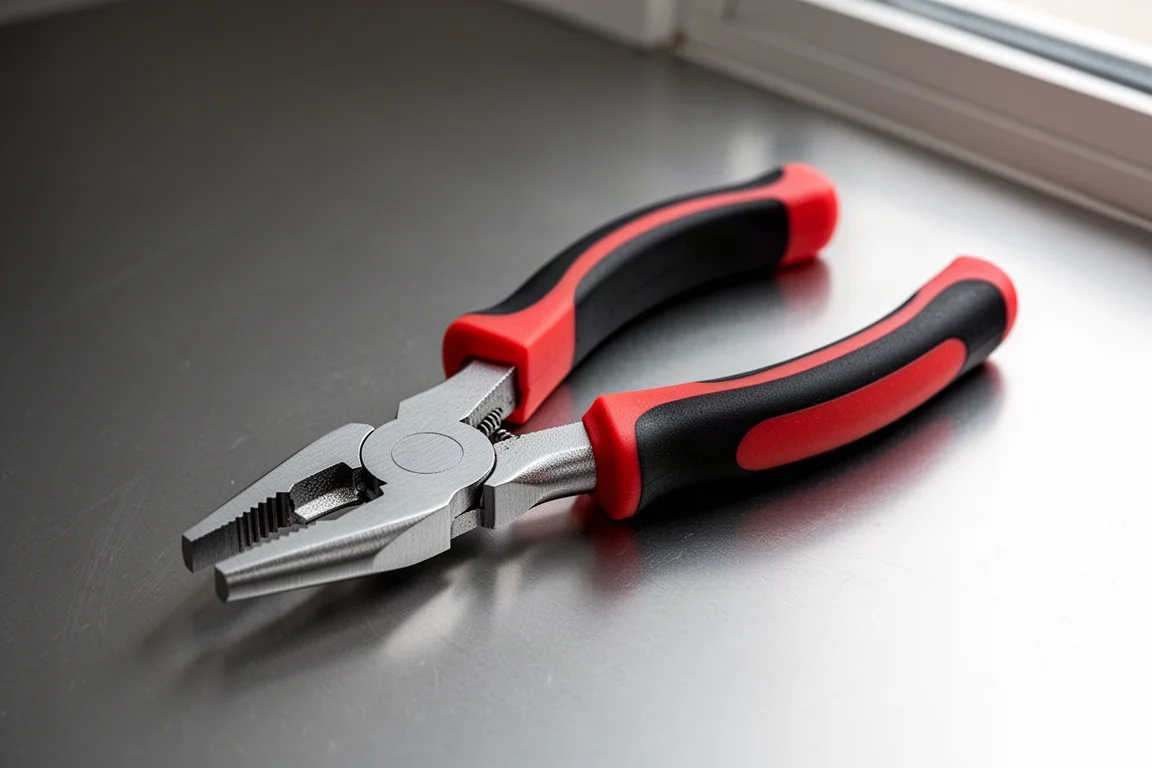
Overall Strengths and Limitations
The TwinGrip platform as a whole stands out for a few reasons: outstanding construction, a no-pinch design, five adjustment positions, a multi-purpose jaw with an exceptional bite, and now, on the 8202, comfort handles. It effectively replaces several tools that previously each did one of these jobs.
The main trade-off is price. These sit in Snap-on territory, which is a real consideration for a hand tool. The counterargument is execution: Knipex has knocked this design out of the park, and the price reflects a level of fit and finish that holds up over years of use.
Buying Advice: Which One Should You Pick
Both variants are outstanding and both are well executed, so the decision comes down to the handle. If the comfort grip appeals to you and you can find the 8202 200 in stock, it is the one to get. The handles were not available for a while, but they are apparently on the market now, and the 8202 is the version that pairs an already exceptional plier with the best handle execution in the lineup.
If you prefer a lighter, more conventional handle or you find the 8201 at a better price, it carries the identical jaw performance and remains a superb tool in its own right. Either way, if you do not own a TwinGrip yet, it is a genuinely worthwhile addition to the toolbox.
Conclusion
The Knipex TwinGrip redefines what a slip joint plier can do: a wide mouth that grabs fasteners of wildly different sizes, a tip that holds screws vertically without slipping, and a grip bite that traditional slip joint designs simply cannot match. The 8201 200 is the classic take, and the 8202 200 adds a comfort grip that many will find worth the step up. Both live in premium price territory, and both justify it with execution that is hard to fault.
Further reading
Related Reviews
Hand Tools
Best Diagonal Cutters 2026: 16 Pliers Tested for Cutting Power and Durability
We put 16 diagonal cutters through nail, screw, drill bit, and hex key tests to find the best value picks for your toolbox.
Hand Tools
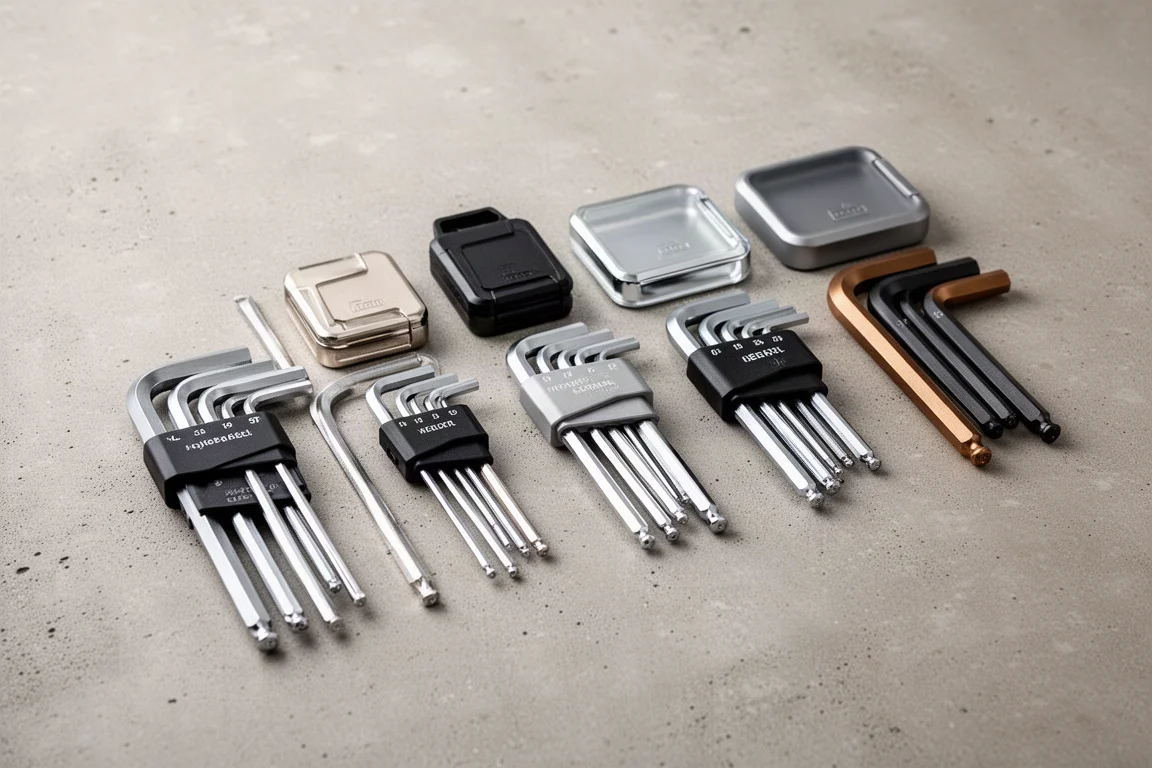
Best Hex L Key Sets 2026: Nine Sets Tested for Real-World Torque
Nine hex L key sets from budget to premium, tested for torque, fit, and durability. See which sets deliver real performance and which ones to skip.
Hand Tools
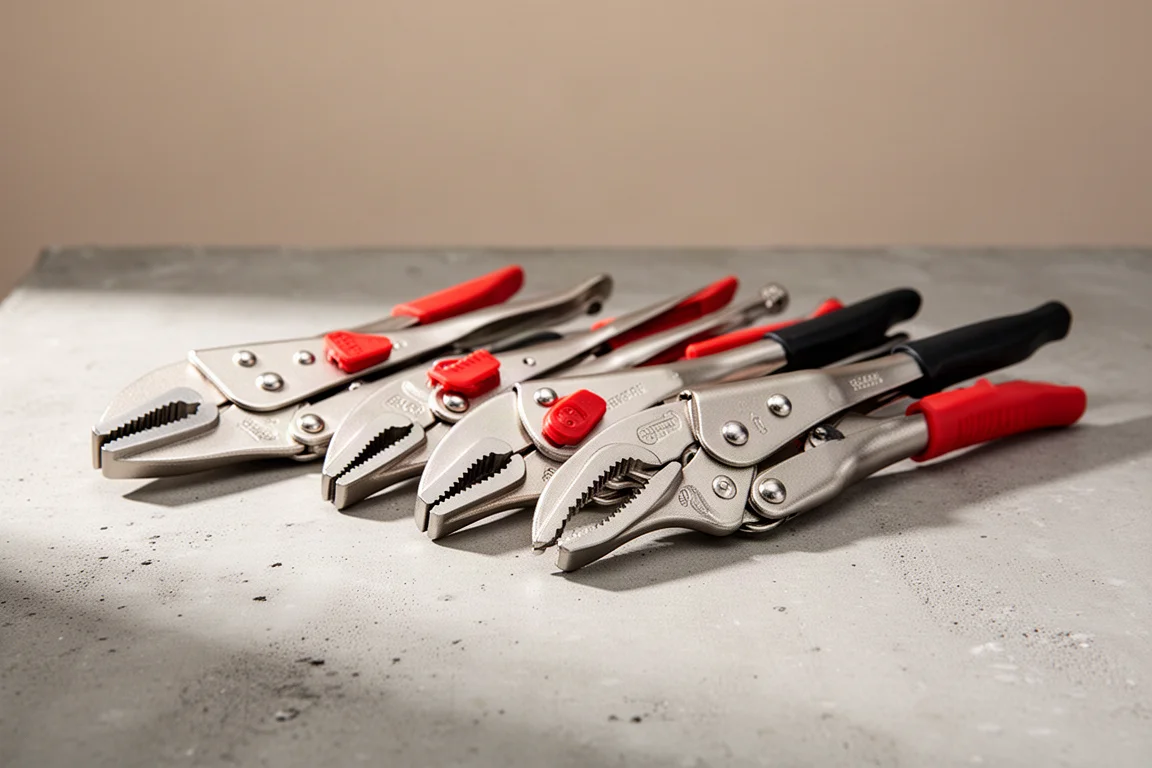
Best Locking Pliers 2026: Top Picks Tested for Grip and Durability
We tested 18 brands of 10-inch locking pliers for grip strength, jaw bite, build quality, and ease of release to find the best options for tough jobs.