Hand Tools
Knipex Twin Grip 150 mm and 250 mm: Two New Sizes for the Plier of the Decade
Knipex has expanded the Twin Grip line with a compact 150 mm and a big 250 mm version. Here is what each size does well and who they suit.
Introduction
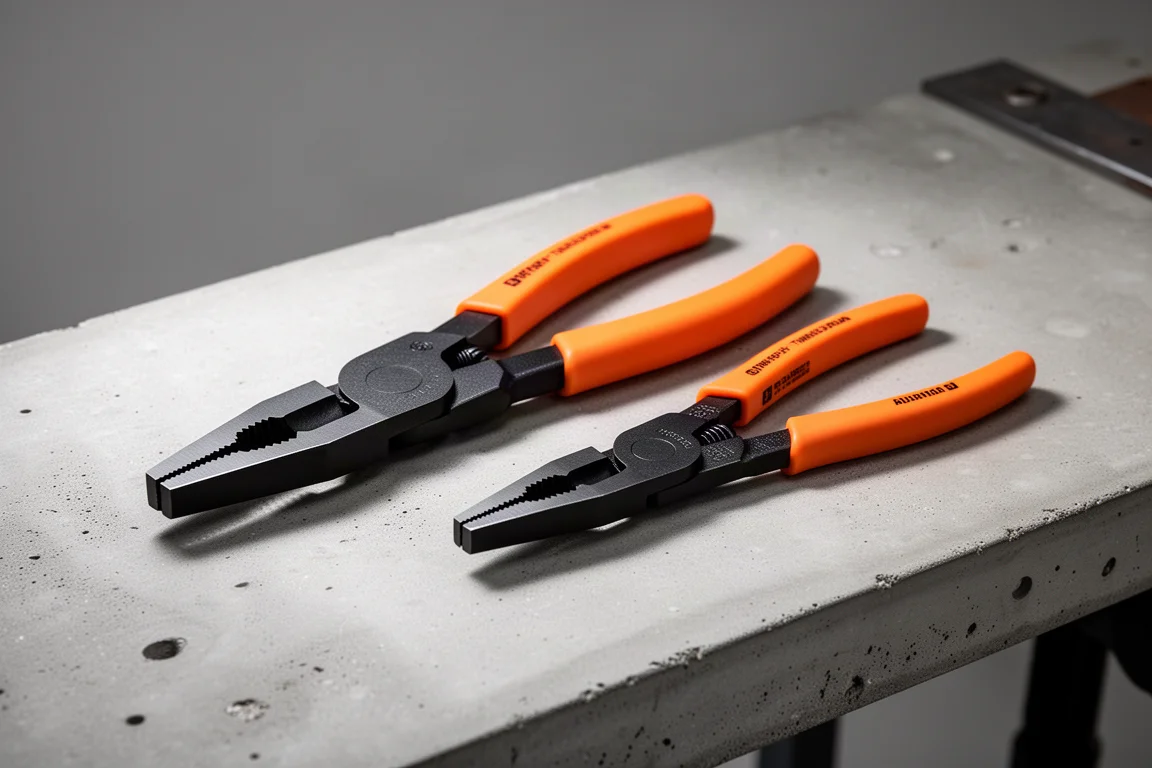
Knipex has quietly filled out the Twin Grip line with two new sizes: a 150 mm version and a 250 mm monster. They slot naturally alongside the existing 200 mm model, and the size difference between them is immediately obvious. Roughly speaking, the small one measures about six and an eighth inches overall and the large one just over ten and a quarter. After spending time with both, the short version is this: the 150 mm looks like a genuine top-tier EDC plier, and the 250 mm is a big, aggressive grabber that one-hand operators can still run comfortably.
Two New Sizes, One Strong Idea
The Twin Grip concept already earned a reputation as one of the most interesting plier designs in recent memory, and these two sizes extend that idea to opposite ends of the scale. The jump from the 200 mm to the 250 mm is significant, roughly 50 mm, and you notice it the moment you pick the big one up. The 150 mm, meanwhile, compresses the same design into a package that competes directly with the small Cobra pliers many people carry every day.
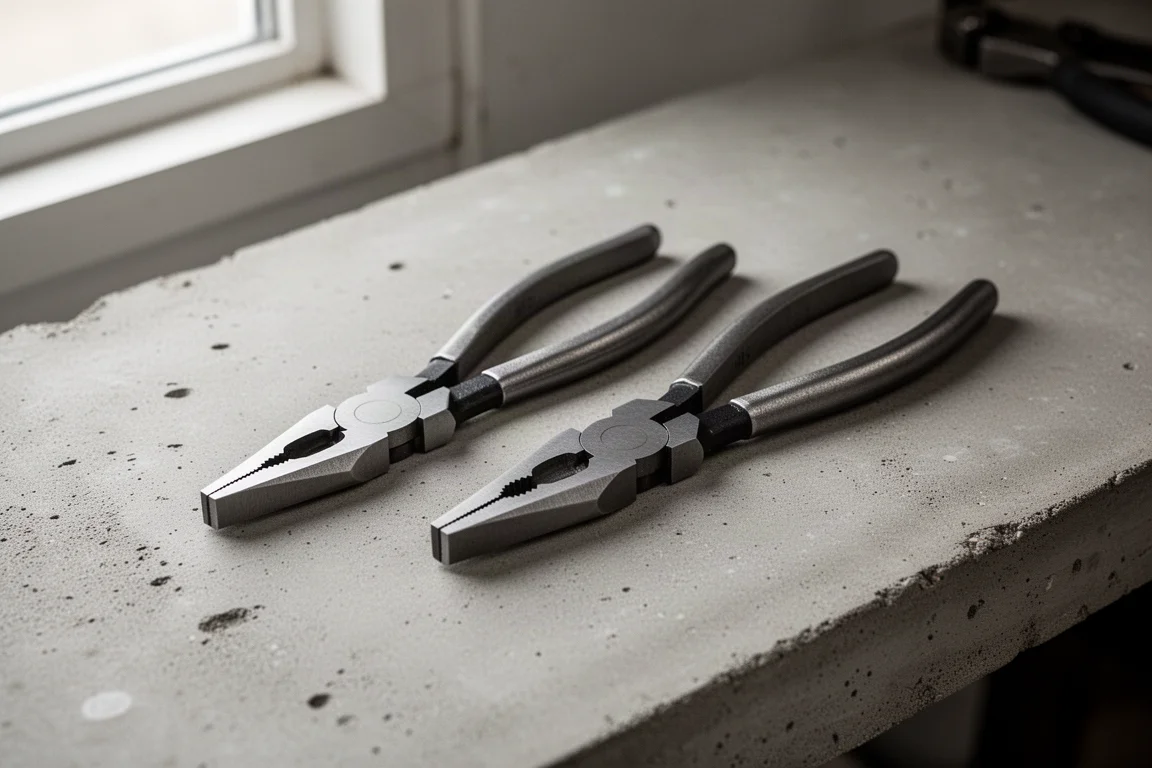
Both versions keep the core Twin Grip strengths: a fine-position slip joint, screw extraction geometry at the tip, and a front end that is genuinely aggressive about grabbing things.
The 150 mm Twin Grip: A Serious EDC Contender
If you carry a 150 mm Cobra, which plenty of people do over the smaller 125 mm, the 150 mm Twin Grip is likely to move into one of the top positions for everyday-carry pliers. Compared with the 125 mm Cobra, the handle width is fairly close, but the front end is noticeably slimmer, which makes it easier to drop into tight areas. That slim nose is exactly why this design is desirable for EDC work.
The jaw tip carries the signature Twin Grip details. The screw extraction surfaces are asymmetrical, with different depths on each side of the trapezoid, designed for setting up on hex fasteners. There is also a dedicated round stock grabbing point. It offers three positions: closed, a middle position, and a large opening. The positioning feels finer than on other models because you do not see a big row of teeth like you do on the larger pliers.
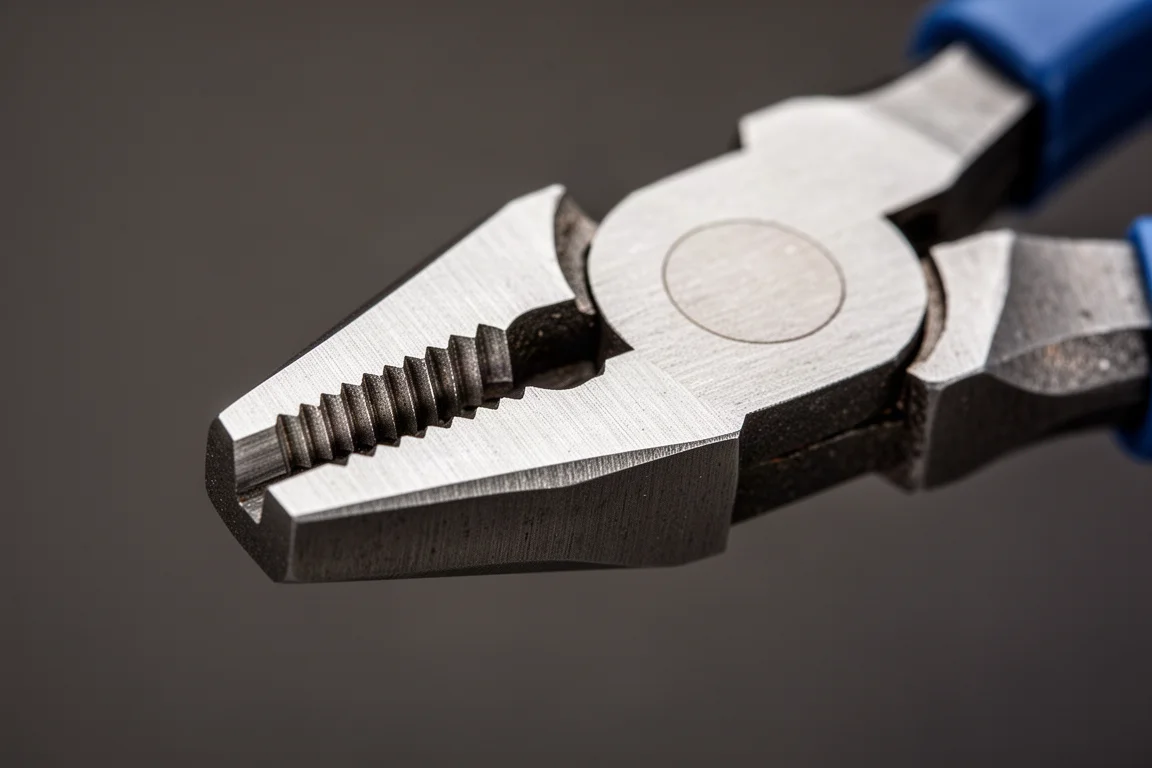
Against the Cobra, the trade-off is clear. The Cobra, because of how much metal is removed from its jaws, has greater access and capacity in its fully closed setting. But the Twin Grip brings screw extraction, a straight-in grab rather than a curved approach, and the ability to pinch small items right at the tip, like pulling a bit out of something snugly, which is simply a different experience than a Cobra.
The 250 mm Twin Grip: Big Capacity Without the Bulk
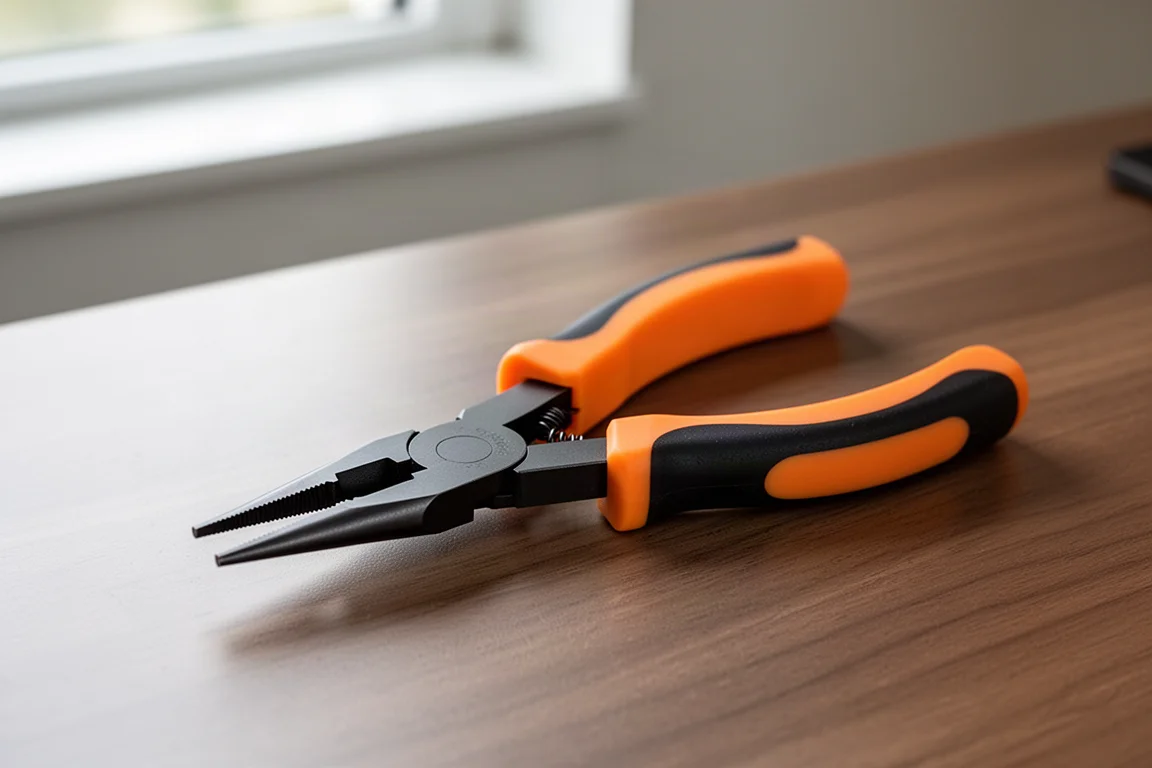
The 250 mm is the showpiece. It has seven different positions, and in its locked wide-open position the jaw spread is genuinely impressive. The pinch guard near the bottom is a nice touch when you are working hard at the front end. Despite the size, it still operates easily with one hand, which is not something you can say about every plier in this class.
It is worth being realistic about what it replaces. A triple slip joint like the Snap-on 49 ACF remains a favorite for its sheer aggressiveness, and the Twin Grip is not claimed to replace it. But the Twin Grip now gives you a big player with a really aggressive front end, and when you need to grab something big, opening it to the larger settings gives you serious capacity.
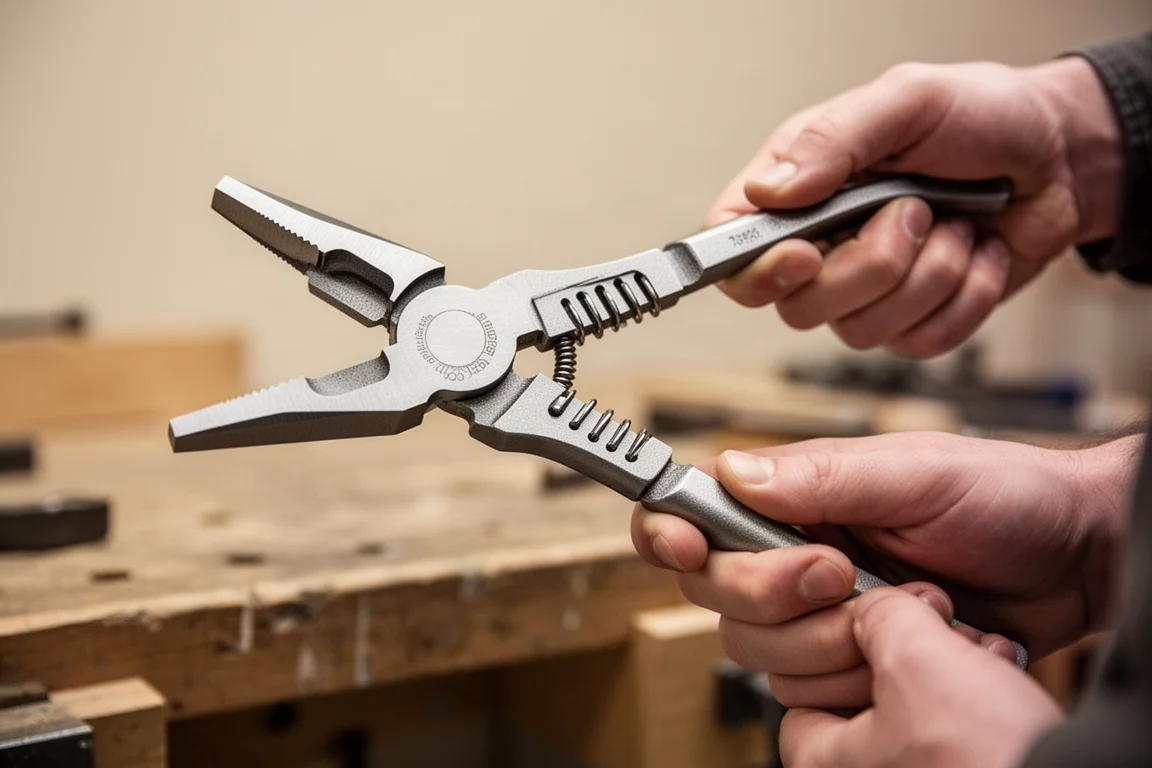
Next to a Snap-on 44 ACF or a 125 mm Cobra, the size difference is dramatic. This is a big, usable tool that feels like a natural extension of a line many people already trust. Given how well the smaller Twin Grip has been received, this one is easy to love too.
Handles and Tether-Ready Options
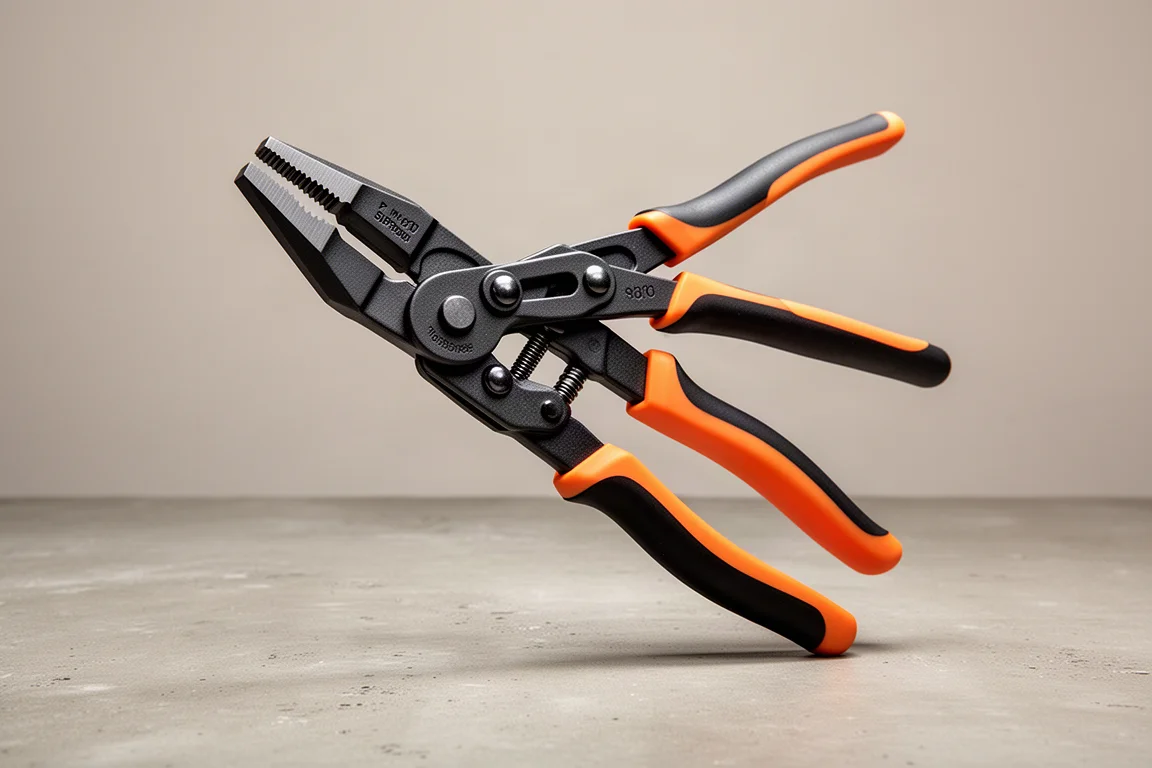
The large model comes with the newer Comfort Grip handle, which adds an extra softer material in the grip zone. The claimed benefits are more confidence, more comfort, and a higher sense of security in the hand. In practice, the difference between it and the standard handle is real but not dramatic; it is not like jumping from one of the slick dipped handles. It fits well in the hand and gives that same Cobra-esque grip feel.
It is also tether ready. You just need the Knipex tether clip, which slides into a slot at the end of the handle as a small ring, and there are color-coded inserts available too. It would be nice if a couple of those inserts came included, but the system works well. One note: the Twin Grip is not currently available in a 1,000 Volt insulated version, though that may change.
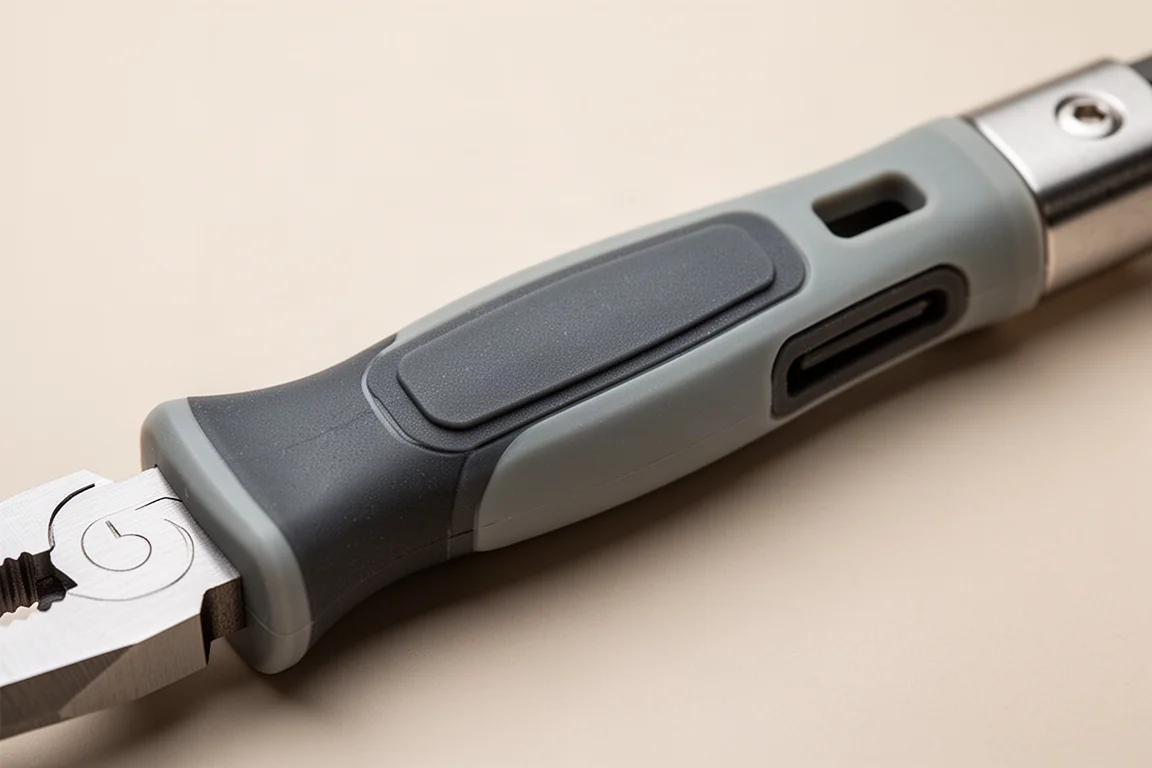
On the small one, the protruding push button is more noticeable simply because the plier is smaller, though it is a feature these pliers share. A wish list item for the 150 mm: handle options, ideally a Comfort Grip version, would make an already strong EDC plier even better.
Buying Advice
If you are choosing between the two, think about where the plier will live. The 150 mm is the pocket-and-pouch tool: slim front end, screw extraction, fine positioning, and a size that competes directly with the Cobra for everyday carry. The 250 mm is the bench and tool bag tool: huge capacity, seven positions, one-handed operation, and a front end aggressive enough to sit alongside dedicated triple slip joint pliers. Many users will reasonably end up wanting both, since they cover opposite ends of the same design.
Conclusion
The Twin Grip design keeps earning its reputation, and these two new sizes make the line far more versatile. The 150 mm has a strong case as a new favorite EDC plier, and the 250 mm delivers big-jaw capacity in a tool that still feels manageable. For anyone who already likes the Twin Grip or the Cobra line, both are easy recommendations.
Further reading
Related Reviews
Hand Tools
Best Diagonal Cutters 2026: 16 Pliers Tested for Cutting Power and Durability
We put 16 diagonal cutters through nail, screw, drill bit, and hex key tests to find the best value picks for your toolbox.
Hand Tools
Best Hex L Key Sets 2026: Nine Sets Tested for Real-World Torque
Nine hex L key sets from budget to premium, tested for torque, fit, and durability. See which sets deliver real performance and which ones to skip.
Hand Tools
Best Locking Pliers 2026: Top Picks Tested for Grip and Durability
We tested 18 brands of 10-inch locking pliers for grip strength, jaw bite, build quality, and ease of release to find the best options for tough jobs.