Hand Tools
Knipex Pliers vs Flare Nut Wrenches: 5 Hand Tools Tested on Rounded and Soft Fasteners
Five hand tools, including the Knipex Pliers Wrench, Cobra pliers and an Amazon Basics lookalike, tested head to head on soft coupling nuts to see how pliers really compare to a flare nut wrench.
Introduction
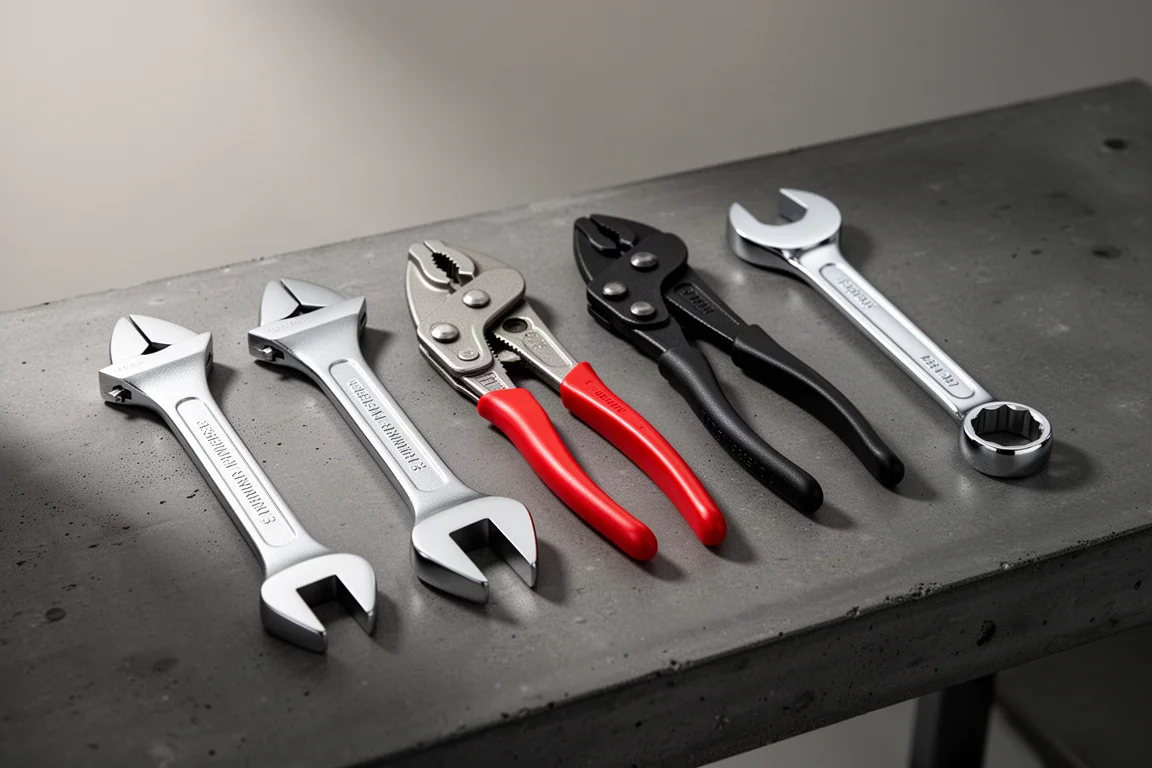
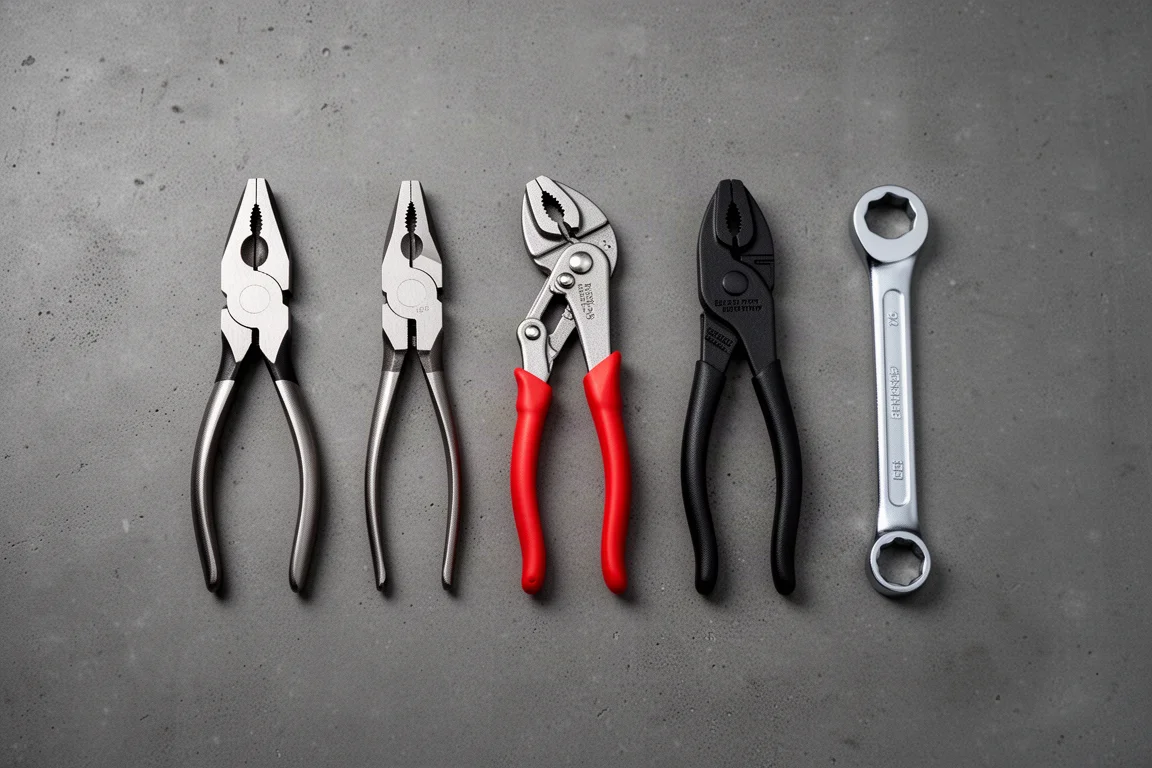
When a line nut is rounded, chewed up, or made of soft metal, a standard wrench often runs out of grip before the fastener runs out of threads. That is exactly the scenario where adjustable pliers keep coming up as the alternative, and the Knipex Pliers Wrench is by far the most commonly suggested option. To find out whether the hype holds up, five tools went head to head on soft coupling nuts designed to slip and mar, alongside a rounded Grade 2 nut and repeated bolt-tension measurements. The lineup: the Knipex Pliers Wrench in 7 inch and 5 inch mini sizes, the Knipex Cobra pliers, an Amazon Basics cobra-style lookalike, and a GearWrench flare nut wrench as the benchmark wrench.
How the Tools Were Tested
To keep the comparison fair, every tool was kept in the same size range as the roughly 7 inch flare nut wrenches used as the baseline, so leverage and footprint stay comparable. The first test was a 30mm rounded Grade 2 nut, a brutal grip challenge. Notably, all of the pliers tested, including both Pliers Wrench sizes, the Cobra, and the Amazon Basics pair, adjusted down far enough to max out the remaining threads on that rounded nut.
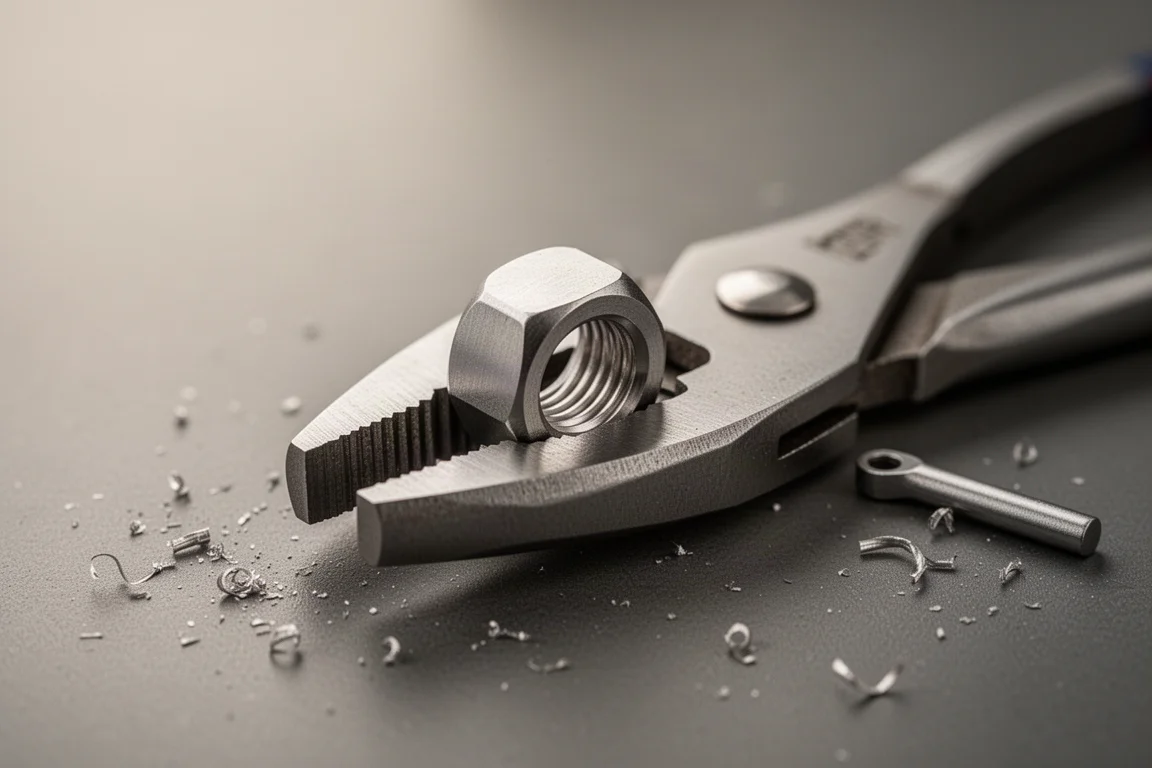
The main event used soft coupling nuts in two sizes, where the external hex is deliberately the weak point. Every test used fresh hardware, and each tool’s result was measured as bolt tension in psi, the point at which grip gave up and the fastener started rounding again. Hardness was also checked with a hardness tester on every jaw, since that reveals a lot about how the tools were made.
Knipex Pliers Wrench 7 Inch
The 7 inch Pliers Wrench usually sells for about fifty dollars and is German made. Its smooth parallel jaws are designed to act like a wrench, squeezing flats rather than biting into them. On the first soft coupling nut it reached 320 psi of bolt tension, climbing to 396 psi when the handles were actively squeezed by hand during the turn. That is an unusual requirement: most Knipex pliers only need downward pressure on the top arm, but this design sometimes wants a full hand grip to maintain bite. It also left light marks on the soft nuts, likely a combination of the smooth jaws and the soft test material.
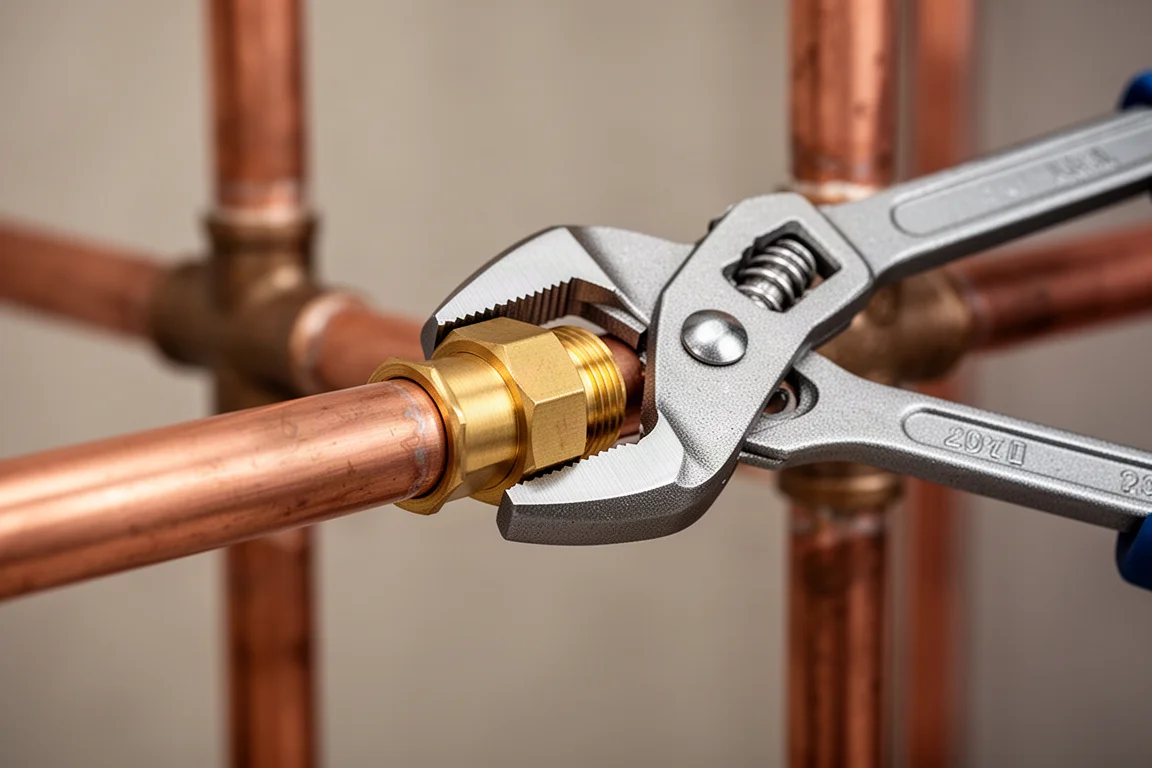
On the larger coupling nut the picture improved considerably. Snugging up the bottom arm when the jaws wanted to spread, the 7 inch Pliers Wrench eventually topped the GearWrench flare nut wrench, using a corner of its jaws against one of the flats. It finished with a total score of 1,106 psi across all tests, just behind the GearWrench’s 1,122, and its jaw hardness measured about 46, coincidentally the same as the average hardness of the wrenches from prior flare nut wrench testing. Less likely to chew up a fastener than toothed pliers, but expect to squeeze with your whole hand on stubborn fittings.
Knipex Pliers Wrench Mini 5 Inch
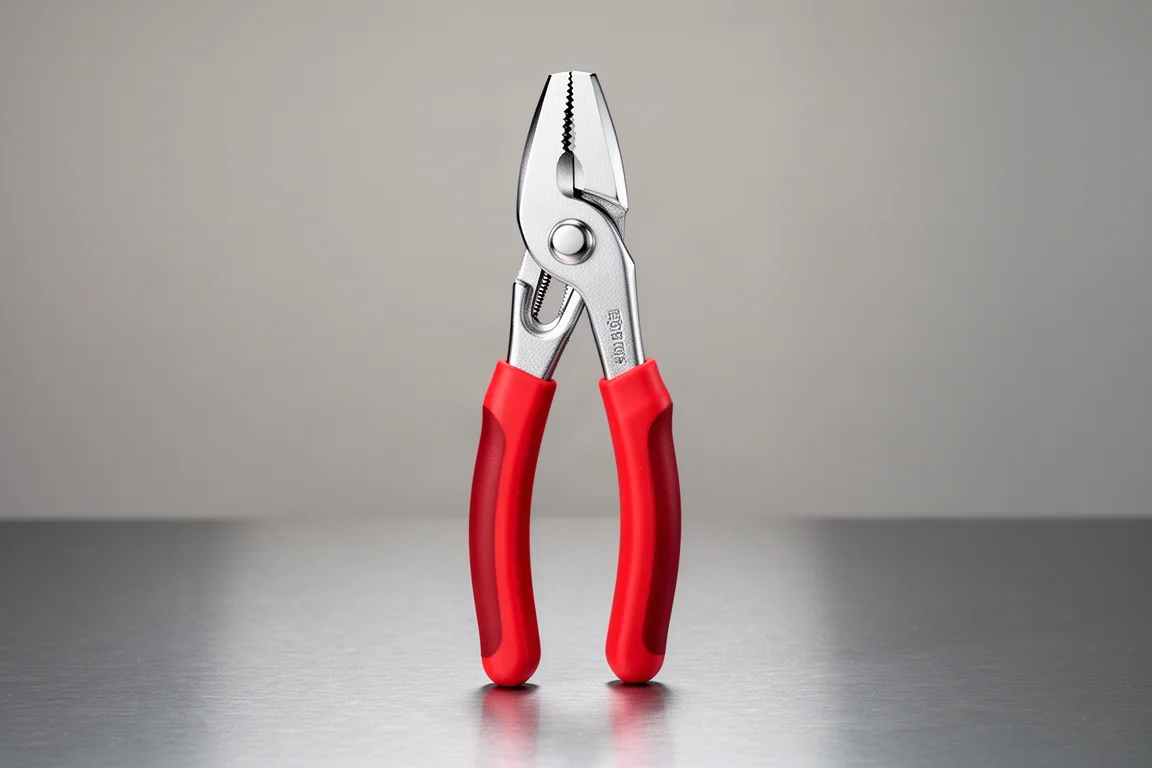
The mini 5 inch version works on the same principle with thinner jaws and shorter arms, trading leverage and contact patch for a much smaller footprint. On the first coupling nut it managed only 170 psi, even with a tight hand grip on fresh hex points. On the larger nut it did better after trying another groove position, climbing to 370 psi, still leaving its mark on the soft metal. Its total came to 549 psi, the lowest of the group.
That said, this was never really its fight. The thin jaws are clearly aimed at tight, small-scale work rather than high-torque scenarios. Where it shines is small nuts and bolts that need a careful turn in cramped spaces, not seized soft fittings that need serious grip pressure.
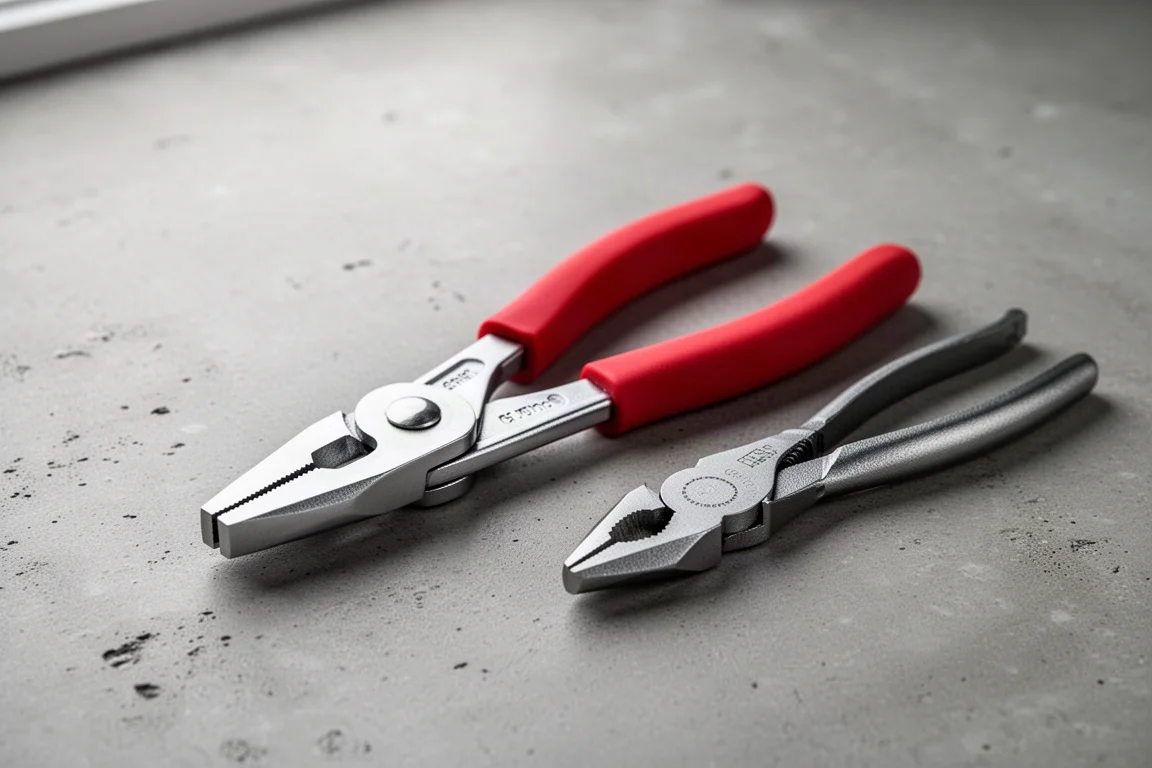
Knipex Cobra Pliers 7 Inch
The Cobra is the tool that put Knipex on the map, and this roughly 33 dollar pair is wildly popular for good reason. Unlike the Pliers Wrench, it has serrated jaws that bite into the fastener, and it holds its grip without needing a death squeeze on both handles. That bite is confidence inspiring when pushing down on just the top arm, though it does mean visibly roughing up whatever you turn, which matters if you plan to reuse the fastener.
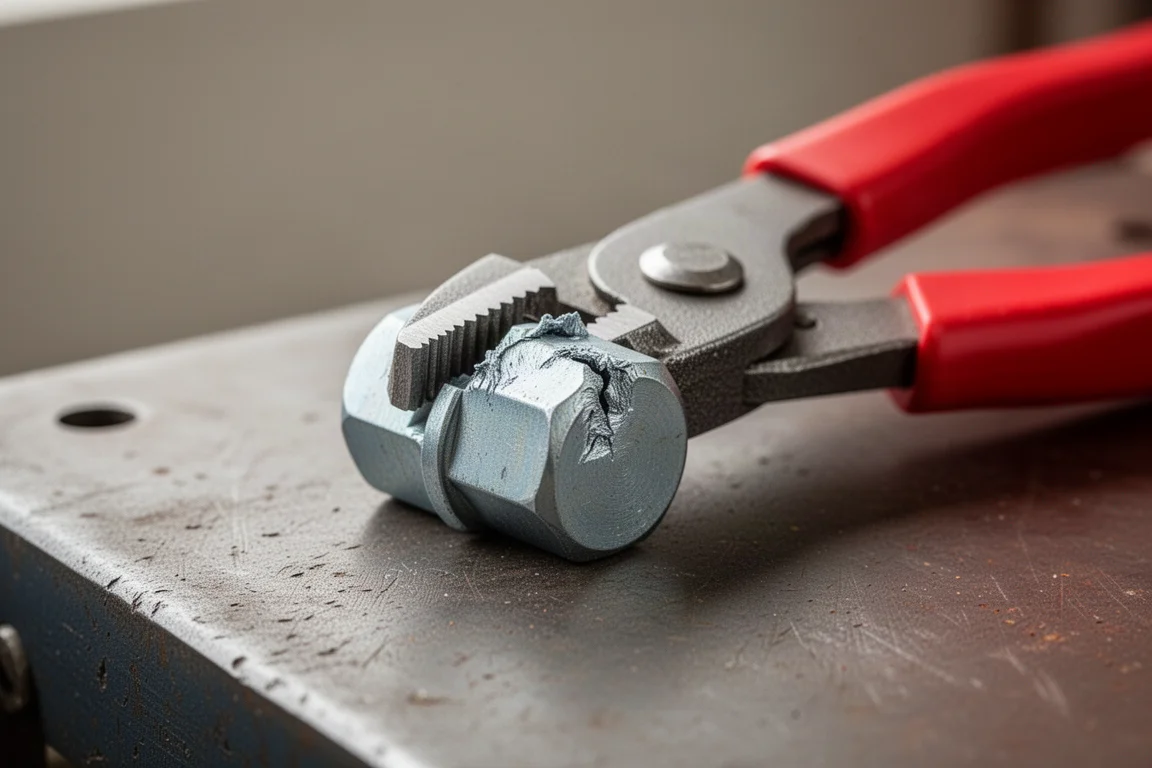
The results were the standout of the day. On the larger 9/16 hex, the Cobra climbed well above every other pliers and above the GearWrench flare nut wrench, nearly beating every flare nut wrench previously tested. With a total of 1,249 psi it took first place overall. Its hardness readings sat in the mid 50s, around 56, which makes sense for toothed jaws that need to resist wear. The trade-off is cosmetic: expect tooth marks, and use it on fasteners you either plan to replace or do not mind marking.
Amazon Basics Cobra-Style Pliers
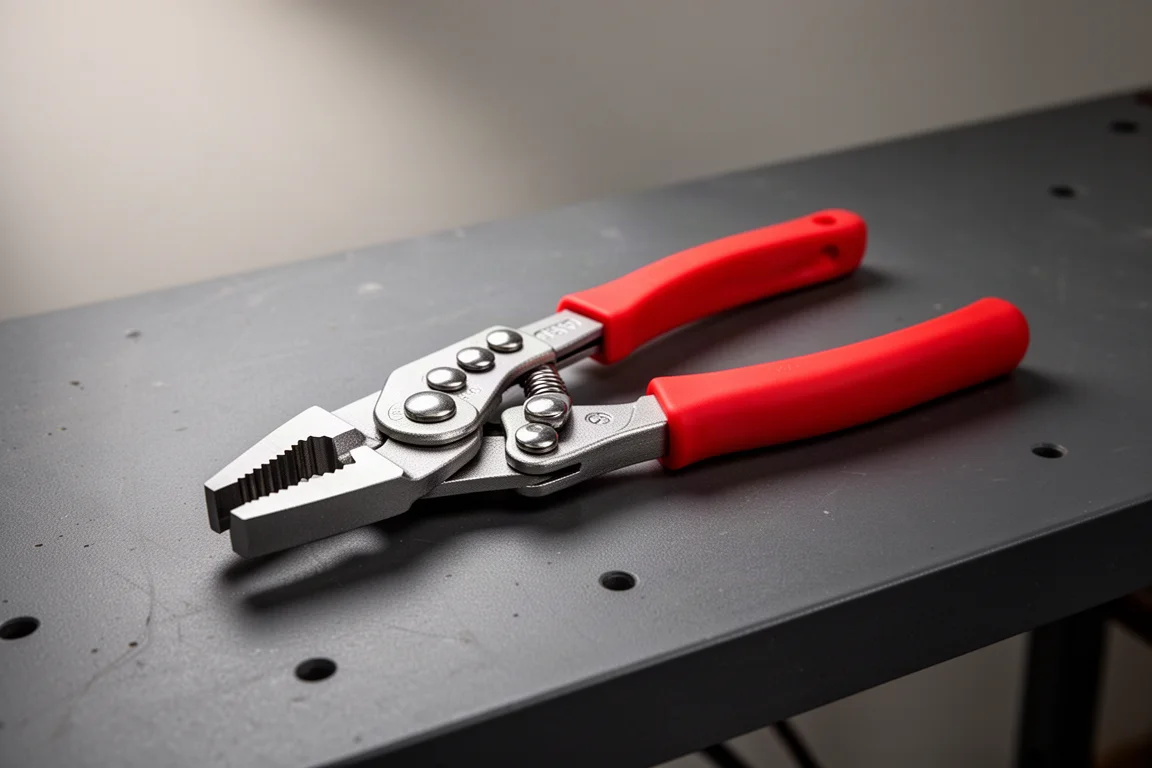
This one surprised everyone. Amazon Basics sells a cobra-style pliers set, including a 10 inch pair, for 21 dollars total, and the design appears heavily inspired by the Cobra right down to the push-button mechanism. Advertised as drop-forged chrome vanadium, the Chinese-made pair performed far better than the brand’s hand tool reputation suggests. On the first coupling nut it climbed to 394 psi, roughly matching or just surpassing the genuine Cobra before the nut rounded out. On the larger nut it also surpassed the GearWrench, finishing at 1,062 psi total, though slippage cost it some material and made repeat attempts plateau.
The odd part is the hardness. The bottom jaw read around 54, but the top jaw measured in the low 40s, an inconsistency that looks more like a heat-treating process issue than intentional design. Whether that causes uneven jaw wear down the road is an open question. Still, at this price the value is hard to deny: it does what it advertises, and for turning plumbing fittings and similar tasks it should work fine, just with some question marks about long-term quality.
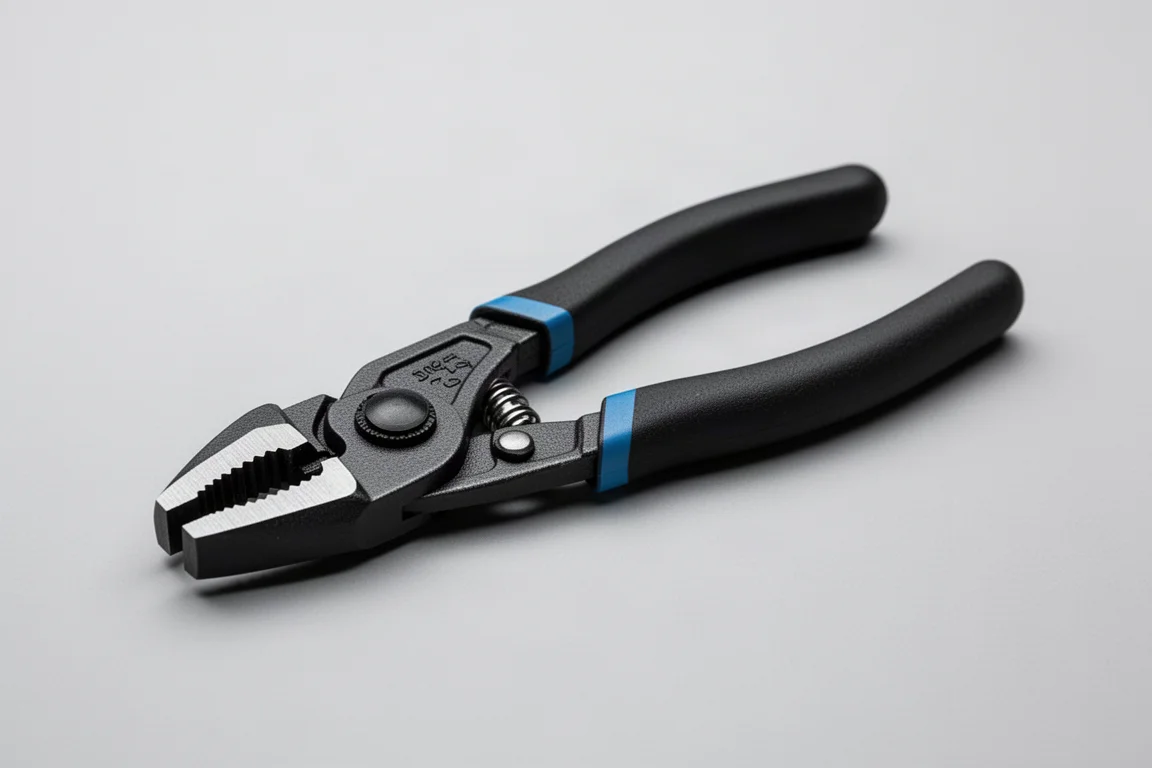
GearWrench Flare Nut Wrench
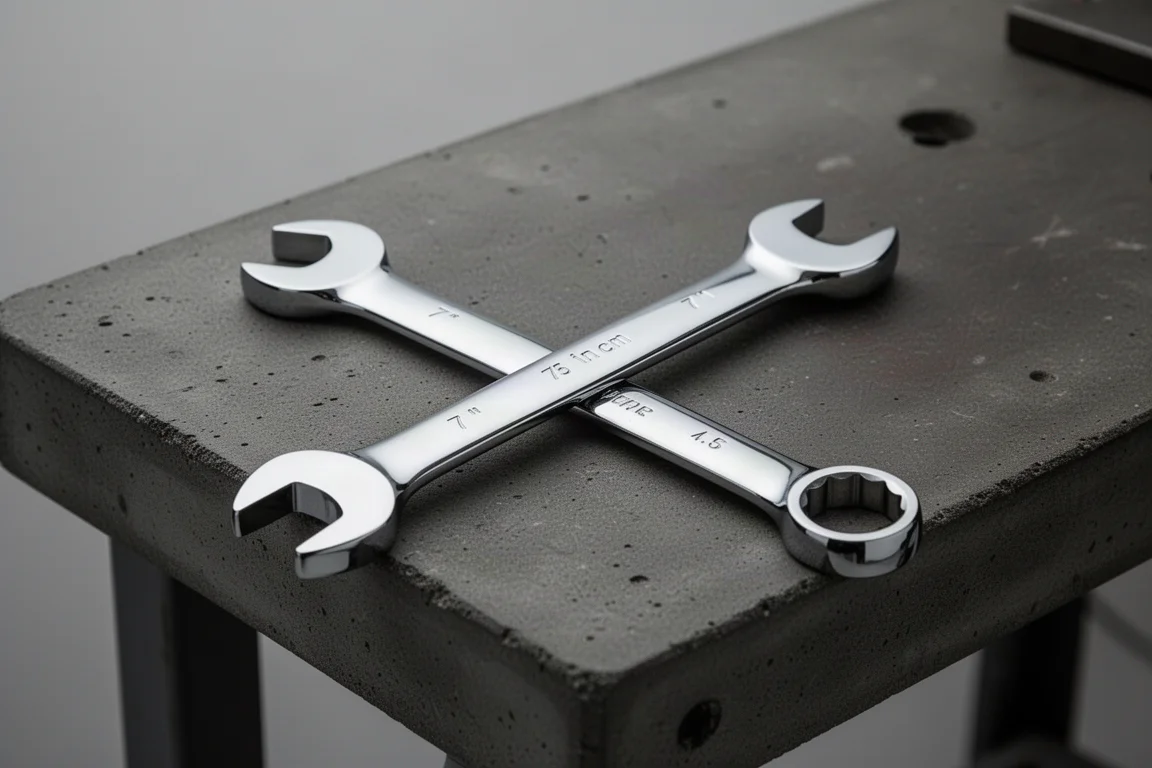
As the traditional benchmark, the GearWrench flare nut wrench put up a solid, middle-of-the-road performance. It reached 507 psi on the first coupling nut and made up to 615 psi on the larger size, finishing with the second highest total of the day at 1,122 psi. It also could not fully close down on the 30mm rounded Grade 2 nut the way the adjustable pliers could.
That is the honest picture of the wrench-versus-pliers debate: a decent flare nut wrench is still a strong all-around choice for line nuts, but a good pair of pliers can match or beat it on soft, rounded fasteners, and the pliers adjust to sizes a fixed wrench simply cannot reach.
Overall Buying Advice
Totaling the bolt tension each tool achieved: the Cobra pliers led at 1,249, followed by the GearWrench flare nut wrench at 1,122, the 7 inch Pliers Wrench at 1,106, the Amazon Basics at 1,062, and the 5 inch mini at 549. Every 7 inch tool outshone an average flare nut wrench on at least one test, and the Cobra beat every flare nut wrench tested except a top-tier professional option.
Practical takeaways: use the 5 inch mini Pliers Wrench for small fasteners needing careful turns in tight spots. The 7 inch Pliers Wrench performs close to or sometimes better than an average flare nut wrench and is less likely to rough up what you are working on, though it may want a full hand grip. The Cobra is the pick when the fastener is already buggered up and just needs to come out, matching the best wrench equivalents for that task. The Amazon Basics set is genuinely hard to beat on value for occasional plumbing-style work, with some caveat about the inconsistent hardness.
Conclusion
Good pliers can genuinely take off a soft or rounded flare nut as well as or better than a typical wrench, and the test numbers back that up. Choose based on what you turn most: smooth jaws and careful grip for fasteners you want to keep, toothed jaws for fasteners that are already ruined, and a trusted flare nut wrench if you want the traditional tool with proven consistency.
Further reading
Related Reviews
Hand Tools
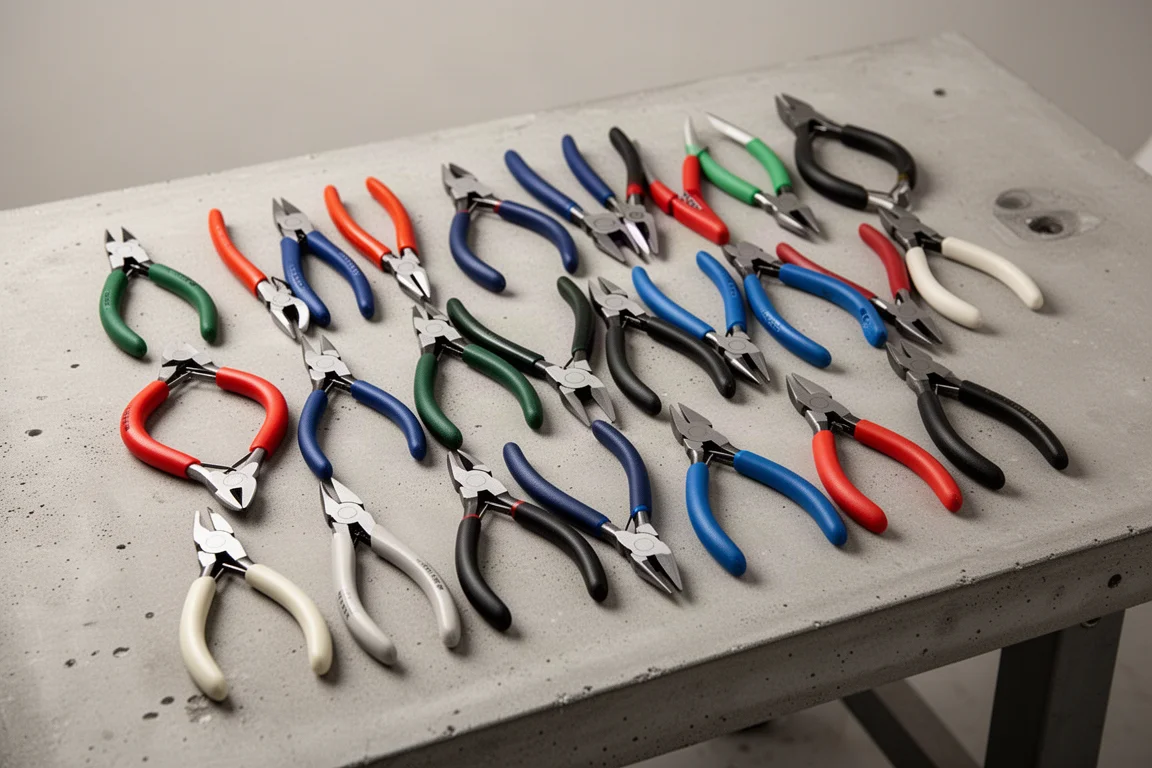
Best Diagonal Cutters 2026: 16 Pliers Tested for Cutting Power and Durability
We put 16 diagonal cutters through nail, screw, drill bit, and hex key tests to find the best value picks for your toolbox.
Hand Tools
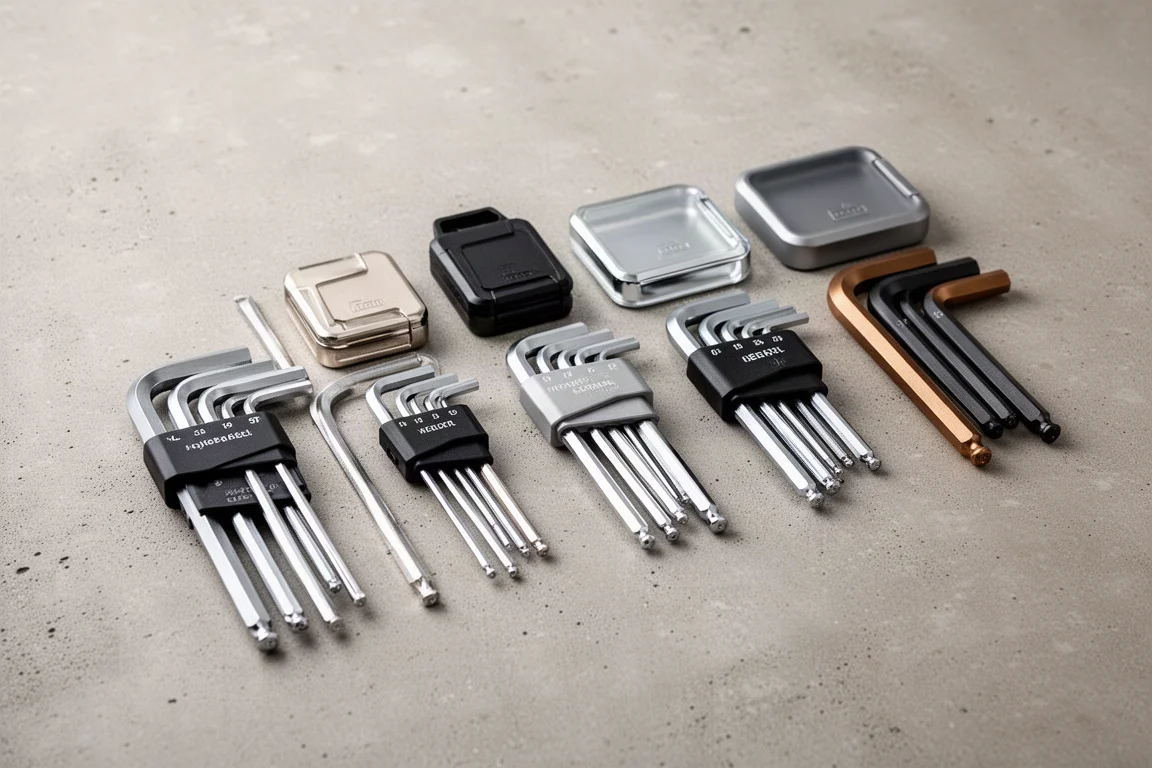
Best Hex L Key Sets 2026: Nine Sets Tested for Real-World Torque
Nine hex L key sets from budget to premium, tested for torque, fit, and durability. See which sets deliver real performance and which ones to skip.
Hand Tools
Best Locking Pliers 2026: Top Picks Tested for Grip and Durability
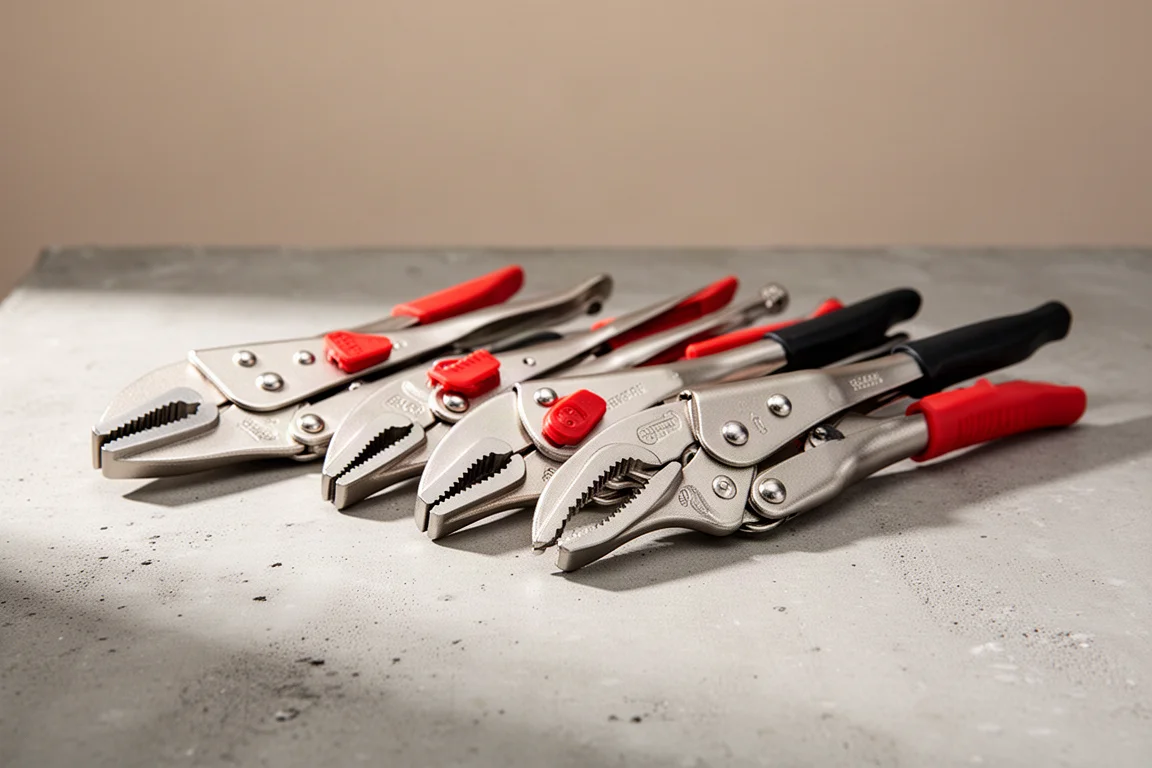
We tested 18 brands of 10-inch locking pliers for grip strength, jaw bite, build quality, and ease of release to find the best options for tough jobs.