Hand Tools
Knipex Plier Wrench vs Snap-on Adjustable Wrench: Which One Deserves the Spot in Your Bag?
Two hand tools with overlapping jobs but very different personalities. A practical comparison to help you decide which one to carry, or whether you need both.
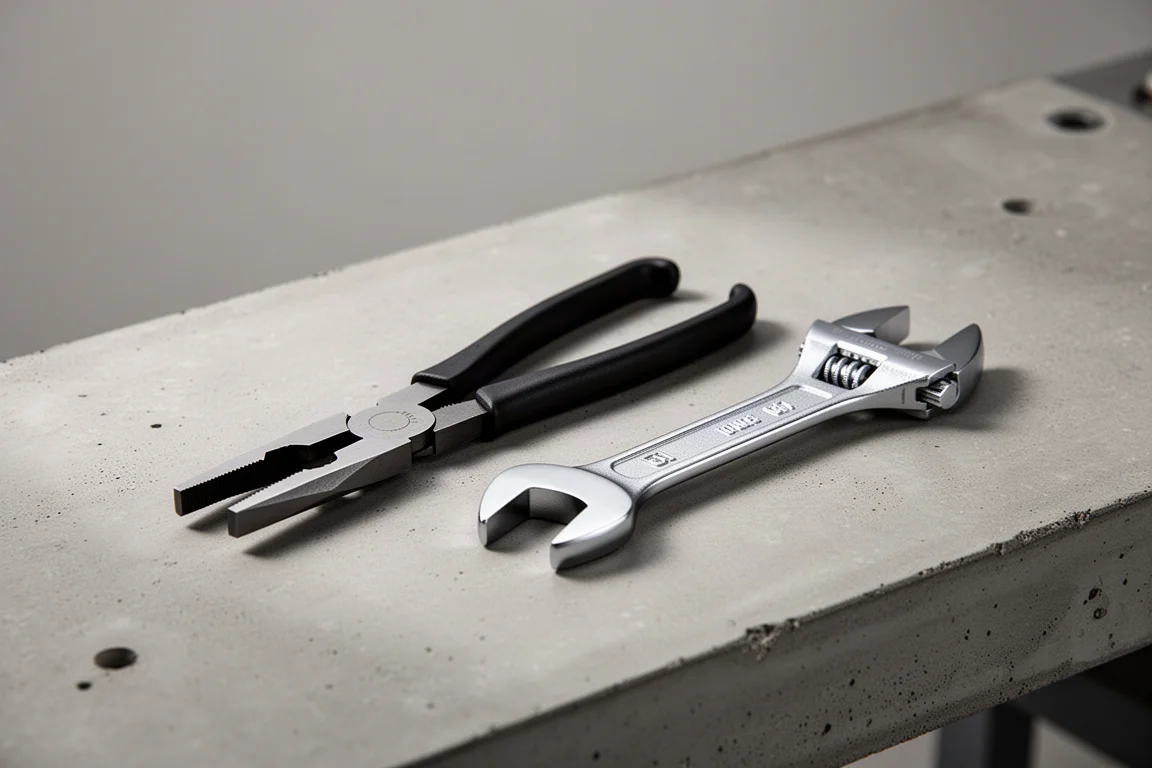
Introduction
Few hand tool debates are as quietly contentious as the one between the adjustable wrench and the Knipex Plier Wrench. Both tools share the same core promise: parallel jaws that adjust in size, so a single tool can handle a wide range of fasteners instead of a full set of spanners. Both do that job well. But they go about it in completely different ways, and each has tricks the other simply cannot copy.
The adjustable wrench, or adjustable spanner, dates back to 1891 and Johan Peter Johansson, the Swede who also invented the adjustable pipe wrench. His company eventually became Baco, and Baco now sits under the Snap-on umbrella. The Knipex Plier Wrench is much newer: Knipex itself has been around since 1882 in Germany, but the Plier Wrench only appeared in 1994, following the Cobra in 1984 and the Alligator in 1973.
So which one earns a place in your bag? Let’s break it down.
How They Grip: Parallel Jaws, Different Approaches
Both tools rely on parallel jaws that adjust to fit the fastener in front of them, which is their main claim to fame. As long as the fastener fits within the tool’s range, you do not need a different spanner for every size. The difference is how the jaws apply force.
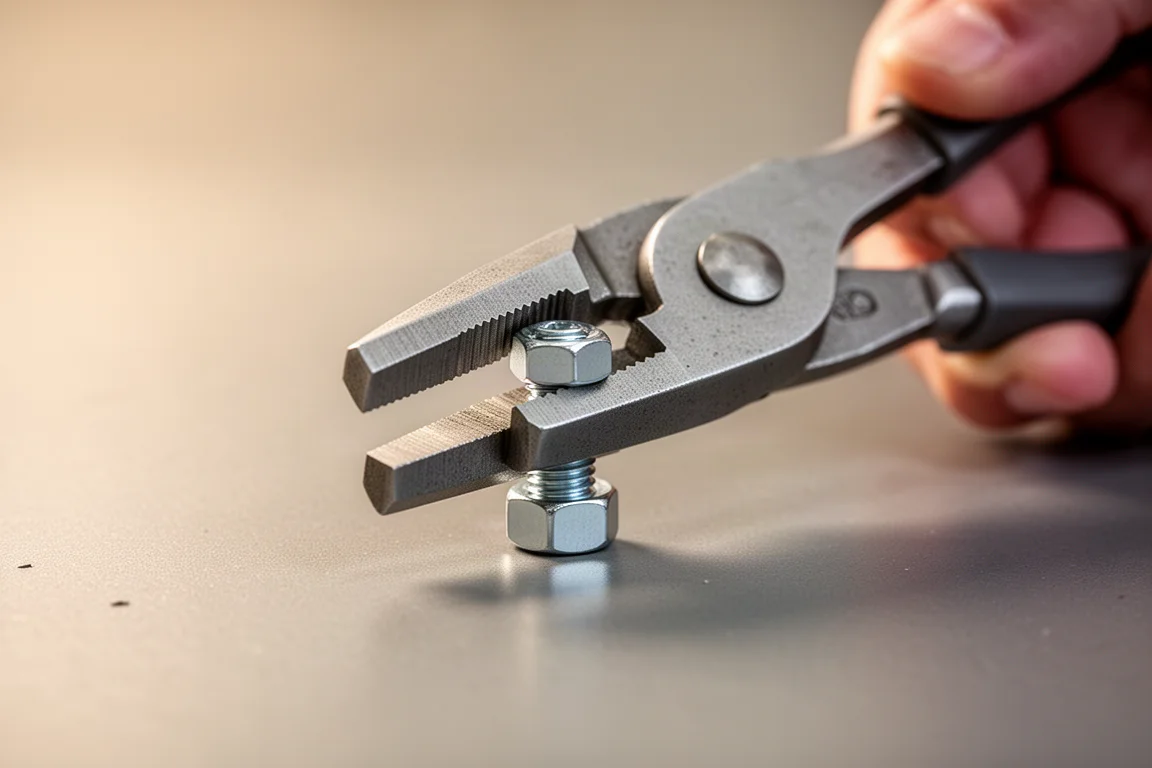
The adjustable wrench uses a worm drive to set jaw width. It is fast and genuinely one-handed: you can dial the jaw open or closed with your thumb, and with a bit of practice you can often feel how the fastener is sitting and adjust without even looking. The trade-off is grip strength. Clamping force depends entirely on how tightly you can turn that worm screw, and adjustable wrenches are notorious for loosening up mid-turn, which can round off fasteners if you are careless.
The Case for the Small Adjustable Wrench
The adjustable wrench really shines in small form. A compact adjustable wrench is arguably one of the most functional tools you can carry: it covers a surprising range of fastener sizes in one slim, light package. The small Snap-on model, made in Spain, is a fully capable wrench rather than a specialty plumbing tool, and it handles an enormous variety of everyday jobs.
The one-handed, blind operation is the big thing here. You can reach into an awkward spot, spin the thumbwheel, and clamp down without a second hand. That speed and convenience is something the Plier Wrench cannot match, and it is exactly why many tool users still reach for the adjustable wrench first when everything else is equal.
Where the Plier Wrench Pulls Ahead
The Knipex Plier Wrench takes a different route. Its camming mechanism applies an enormous amount of clamping force, far beyond what a worm drive can hold. People have used these jaws to smash coins flat, which tells you everything about the grip strength. The classic plier-style grip angle also gives you a much stronger lever arm than a straight adjustable wrench.
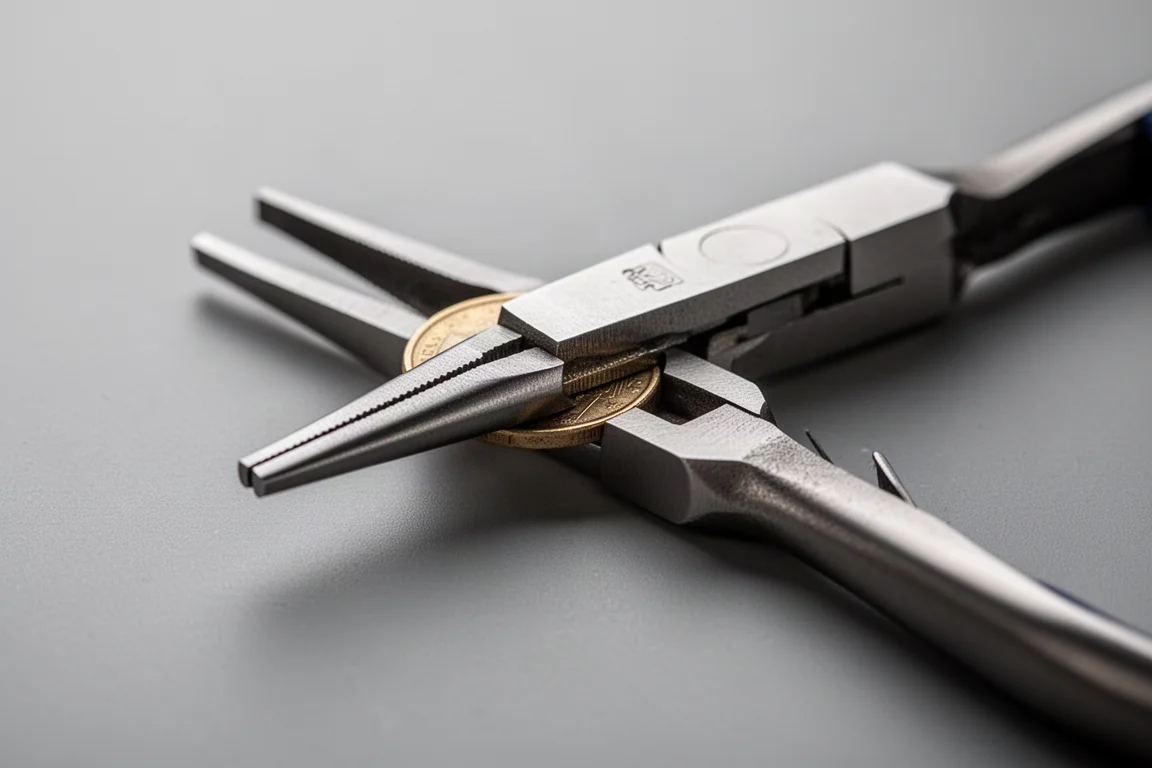
It is smaller and lighter than the adjustable wrench, and it offers something the adjustable wrench cannot do at all: because of the release mechanism, you can rotate it on a fastener to get an essentially ratcheting motion for loosening and tightening. The adjust-and-turn rhythm is not as efficient as a real ratchet, but it works, and it is impossible with a worm-drive wrench.
The downsides are real, though. Adjusting the Plier Wrench is often a two-handed operation unless you go in with the jaws already set. Some people have mastered flicking it to a size quickly, but it is still not as fast as the adjustable wrench in one hand. It is also a fairly large tool even in its smaller frames, and its jaw opening range cannot come close to a small adjustable wrench. Jump up in sizes and it gets closer to what most adjustable wrenches can do, except when it comes to the wide, thin jaws used for plumbing.
Durability and Maintenance
The Plier Wrench is mechanically simple: a pivot and a spring are about all that can go wrong. It rarely clogs up or seizes, and even if gunk builds up in the spring it can be cleaned out. Adjustable wrenches, on the other hand, have a long history of becoming very difficult to turn once the worm gear gets fouled with grit, and cheaper ones can simply break.
Which One Should You Buy?
If you could only grab one tool, there is a good chance the small adjustable wrench is the right call, especially if your work involves lots of different fastener sizes in tight or awkward spots. Its one-handed speed, small size, and broad range make it hard to beat for general carry.
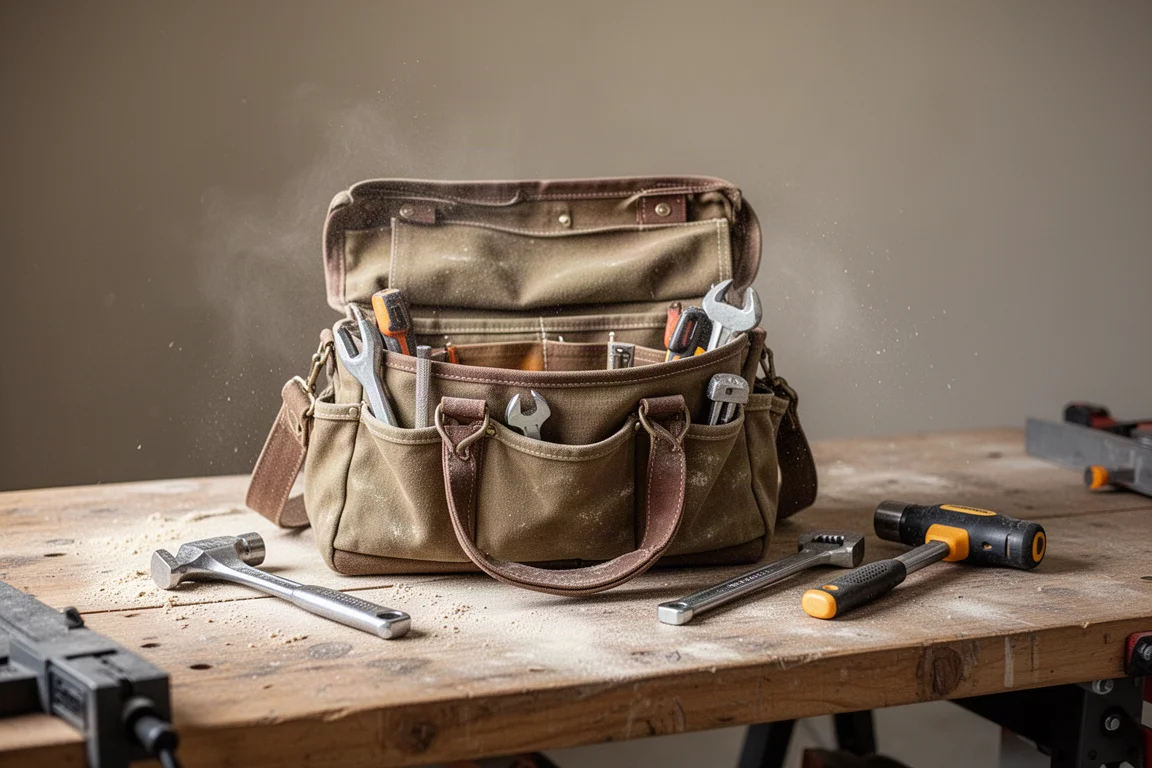
But the Plier Wrench earns its place the moment you need serious clamping force, a ratcheting-style turn, or a compact, low-maintenance tool that will not seize up. And if you work with large fasteners or plumbing fittings with wide, thin jaws, the adjustable wrench still has that covered. For many people, the overlap is great enough that one tool does the job. For others, each tool does things the other cannot, and both belong in the bag.
Conclusion
This is not a case of new replacing old. The adjustable wrench remains the faster, more one-hand-friendly tool with a broader jaw range, while the Knipex Plier Wrench delivers clamping force and versatility the adjustable wrench cannot touch. Know which job you are actually doing, and the right choice usually makes itself.
Product link
View more details for Knipex Plier Wrench
This product is mentioned in the review. Check the specifications, options, and compatibility before buying.
View more details for Knipex Plier WrenchFurther reading
Related Reviews
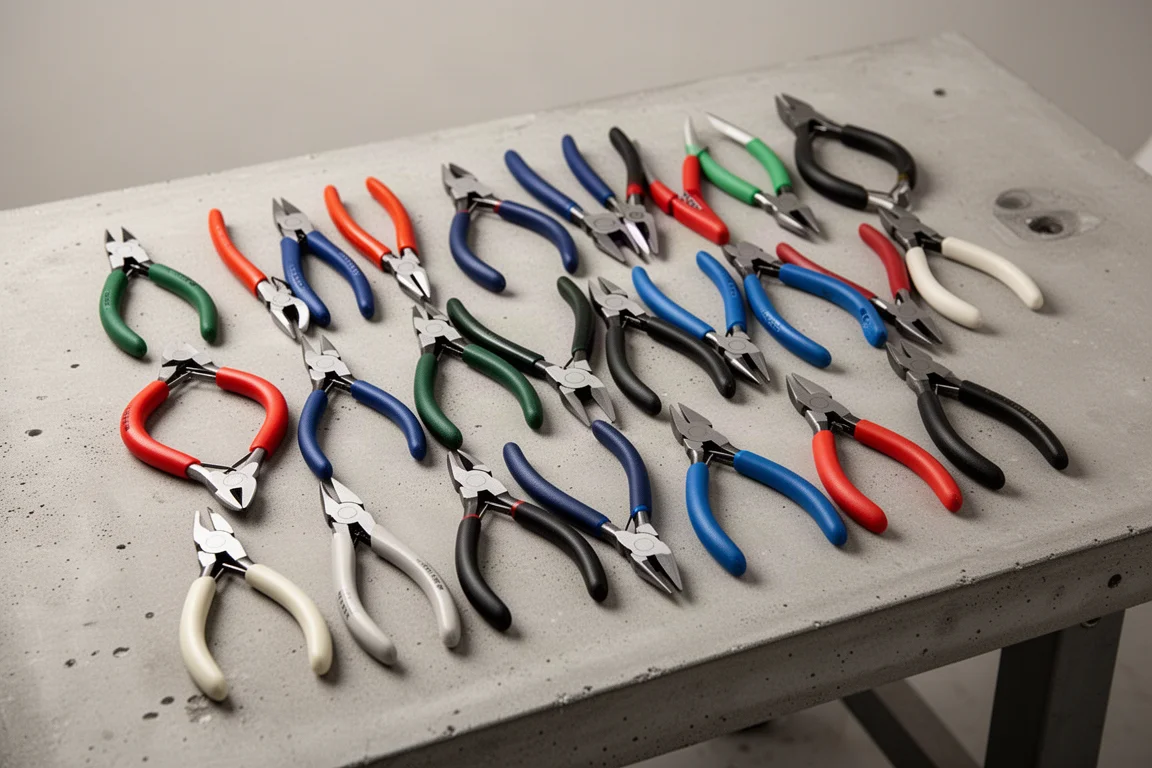
Hand Tools
Best Diagonal Cutters 2026: 16 Pliers Tested for Cutting Power and Durability
We put 16 diagonal cutters through nail, screw, drill bit, and hex key tests to find the best value picks for your toolbox.
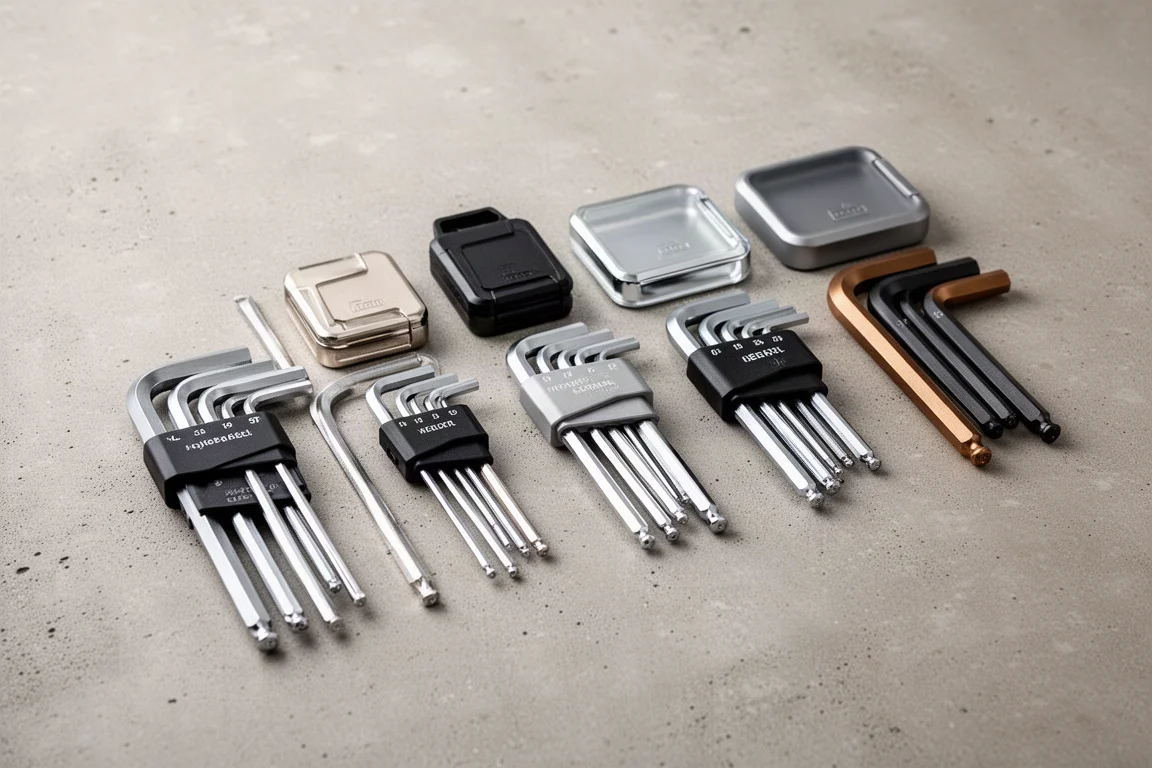
Hand Tools
Best Hex L Key Sets 2026: Nine Sets Tested for Real-World Torque
Nine hex L key sets from budget to premium, tested for torque, fit, and durability. See which sets deliver real performance and which ones to skip.
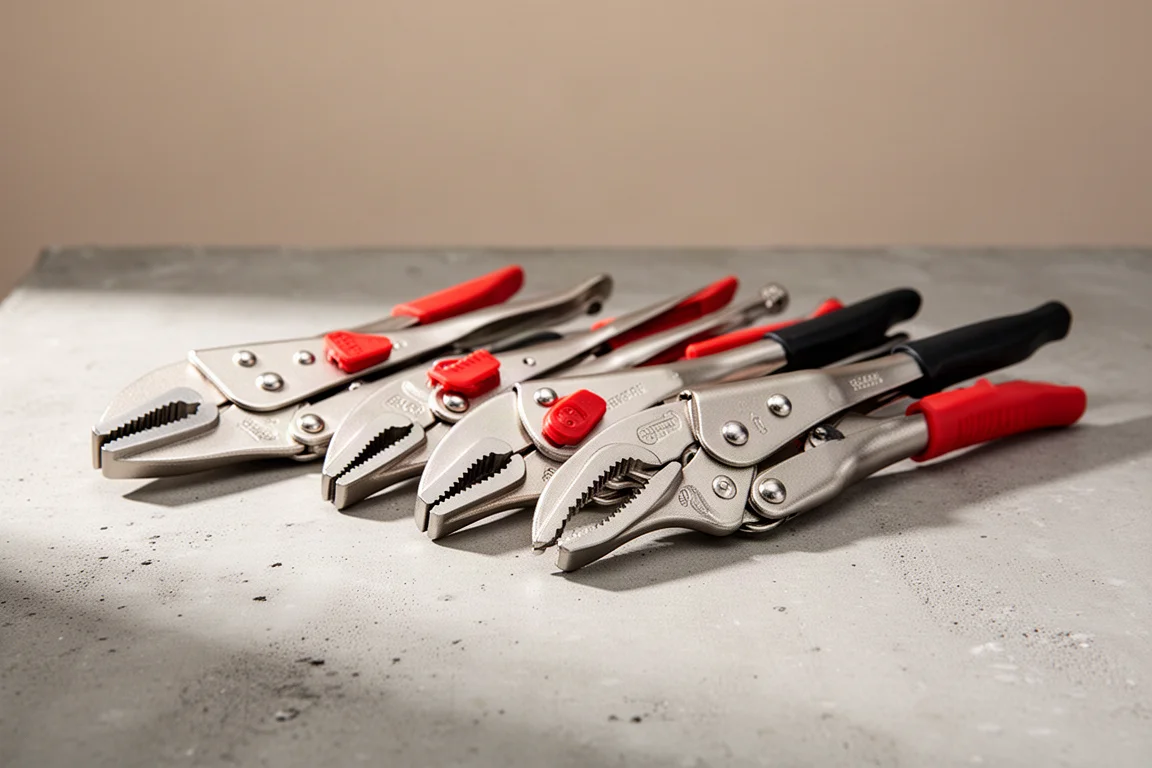
Hand Tools
Best Locking Pliers 2026: Top Picks Tested for Grip and Durability
We tested 18 brands of 10-inch locking pliers for grip strength, jaw bite, build quality, and ease of release to find the best options for tough jobs.