Hand Tools
Knipex Electrician Shears Compared: Pistol Grip 95 52 20 vs Standard 95 51 155
Two Knipex electrician shears with very different handles and ergonomics. Here is how they differ on comfort, cutting, crimping, and carrying.
Introduction
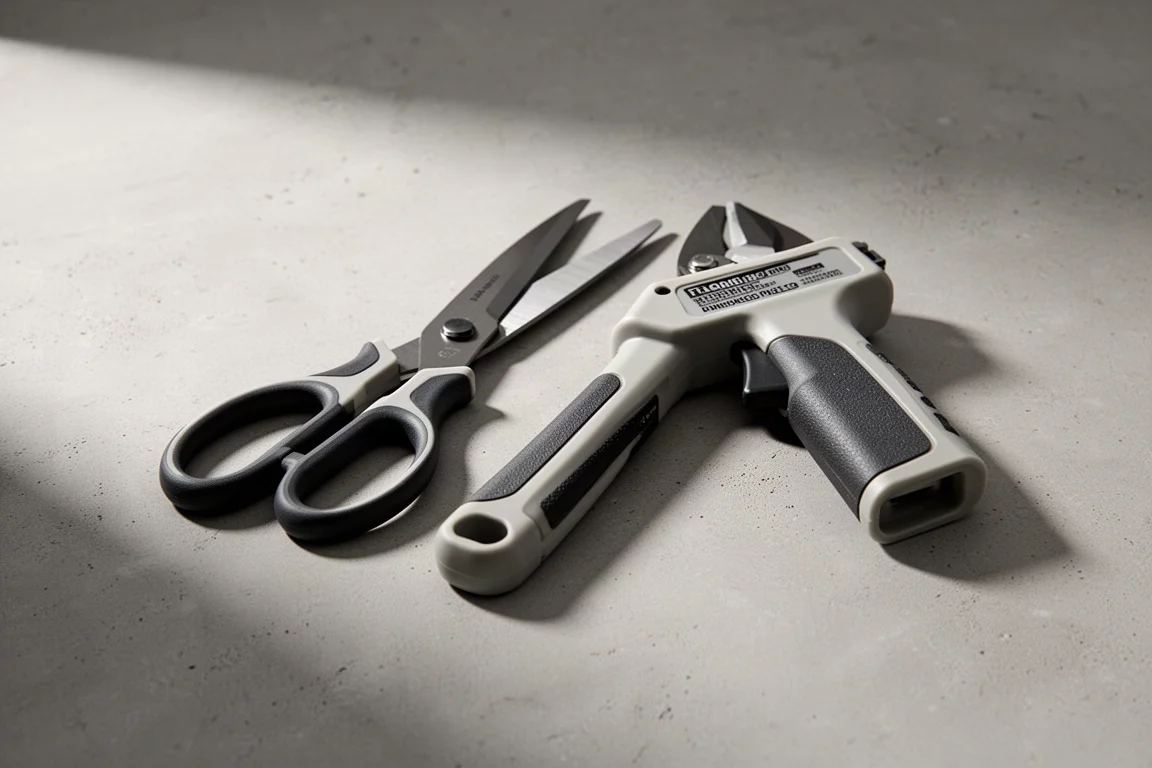
Knipex makes two electrician shears that look similar on paper but handle very differently in practice. The Knipex 95 52 20 is an angled, pistol grip style shear that costs roughly $40, while the smaller Knipex 95 51 155 is a conventional straight-handled shear priced around $20. Choosing between them comes down to ergonomics, how much cable you cut, and whether you care about crimping or carrying options.
This comparison walks through what each tool does well, where they share DNA, and which one makes more sense for your kit.
The Pistol Grip Design: Knipex 95 52 20
The 95 52 20 borrows features from both sides of the family. The handles use fiberglass reinforced plastic with an overmolded rubbery grip surface, laid out smoothly and comfortably. It has a spring mechanism, so the tool opens itself after each cut, and it also carries a pronounced locking tab to keep the blades closed in storage.
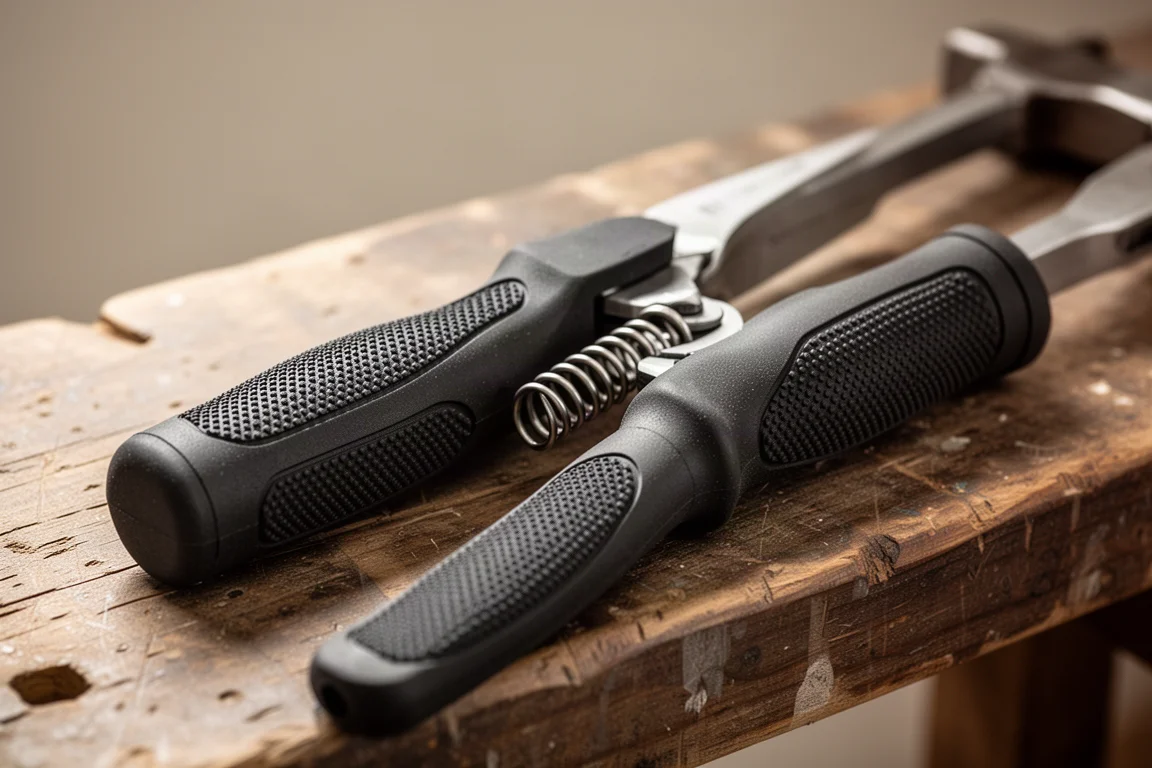
The real ergonomic win is the four-finger handle. The widest point of the grip sits down near the bottom where your fingers actually rest, so they do not get forced together as you squeeze. If you want more precision, you can move your index finger up onto the upper part of the handle, and the spring mechanism makes that lighter, more controlled style of work easier. The angled grip also gives you a much better sight line during recessed work because the handle stays out of the way of what you are cutting.
The Straight-Handle Alternative: Knipex 95 51 155
The smaller shear runs about $20 and uses a two-finger handle. There is a small notch or ledge where you can drop an extra finger, plus some knurled texturing up top for precision work, though precision control is harder without a spring-loaded mechanism. You can fit three fingers into this grip, and there is a ledge at the rear for the little finger.
One subtle but meaningful detail: the oval of this handle has its highest points near the center and drops off quickly toward the bottom, which forces your fingers together and makes them squish during heavy cuts. It is a small thing, but you feel it on longer jobs. What this tool does offer, though, is a nice friction-fit sheath included in the box, and it has cutting and crimping capability in a more compact, cheaper package.
Cutting Performance and Blade Design
Both tools share a similar blade layout. The lower blade is serrated while the upper blade is razor sharp and smooth, a combination that grips soft wire so it does not smear the strands in different directions as you close the cut. Neither tool is designed for steel or hard wire. These are for softer metals, mainly copper and aluminum, and the larger pistol grip model can handle fairly large cable of that softer wire thanks to its big opening.
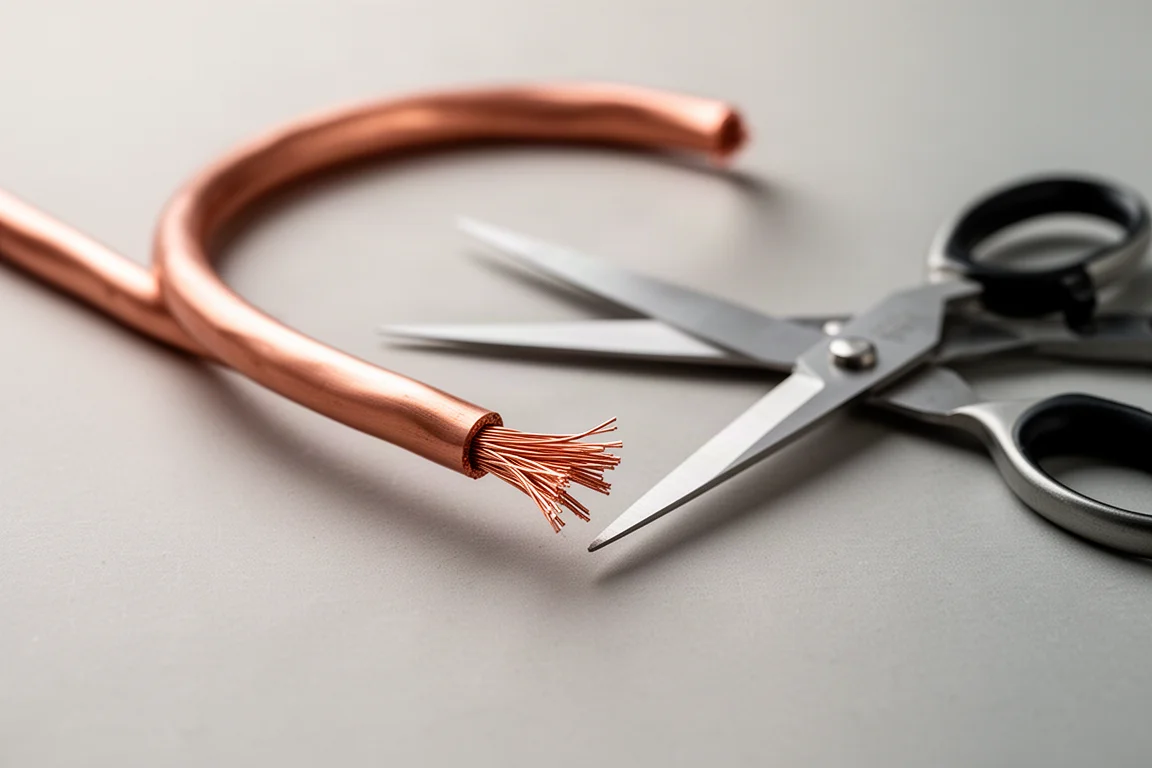
As the jaws squeeze down on a large cable, they form a smaller and smaller center hole, which keeps the strands contained rather than smearing away in different directions. Knipex makes dedicated cutters for hard metal and steel wire, and those are the right tools for that job. Electrician shears are not built to substitute for them.
Crimping: Where the Pistol Grip Falls Short
The 95 52 20 has two crimping points: a larger one for 4 to 8 gauge and a smaller one at the bottom for 10 to 20 gauge. On paper that sounds useful. In practice, the smaller crimp point is the weak spot. The hole is small enough that it does not center the terminal well, does not hold it securely, and terminals can walk out or pop sideways while you work.
There is a mechanical reason for this. A good crimp requires serious force, and on this tool the effort and load points sit nearly on top of each other in the lever system, so you get very little mechanical benefit. The larger crimp point sits closer to the pivot and gets slightly more leverage, but it only goes up to 8 gauge. For anyone doing real crimping work, a dedicated crimper is the better tool, and Knipex makes those too. If crimping is a core part of your job, treat the crimping points on this shear as a bonus at best.
Carrying and Storage: The Sheath Situation
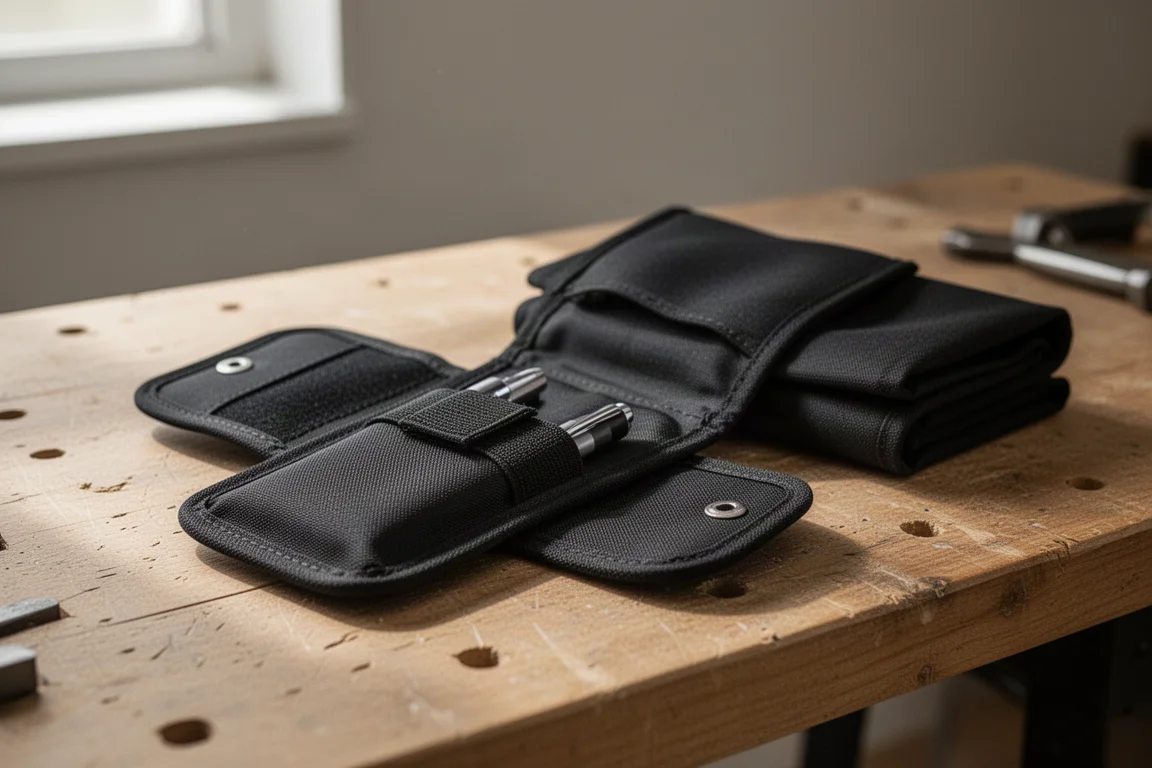
The 95 51 155 comes with a nice friction-fit sheath. The pistol grip model comes with nothing, and that stings given its price. Worse, it will not fit into the sheaths you may already own. The prominent lock tab kicks off the smaller shear’s sheath, and sliding it into an existing Knipex blade sheath causes the sheath to spring open, so the tool is only held by tension. Neither works.
Knipex sells the 001 975 L sheath separately: a black nylon friction-fit sheath with a small elastic holder for a pen or pencil. It holds the tool well, but at about $20, that pushes your total spend to roughly $60 for the shear and sheath combined. It would be a friendlier package if Knipex included a blade cover or bundled the sheath at a lower price.
Buying Advice
The 95 52 20 is the more comfortable tool by a wide margin, and the angled grip makes recessed work noticeably easier. If you cut larger soft cable regularly and value ergonomics, it earns its price. Just budget for the separate sheath, and do not rely on its crimping points for critical work.
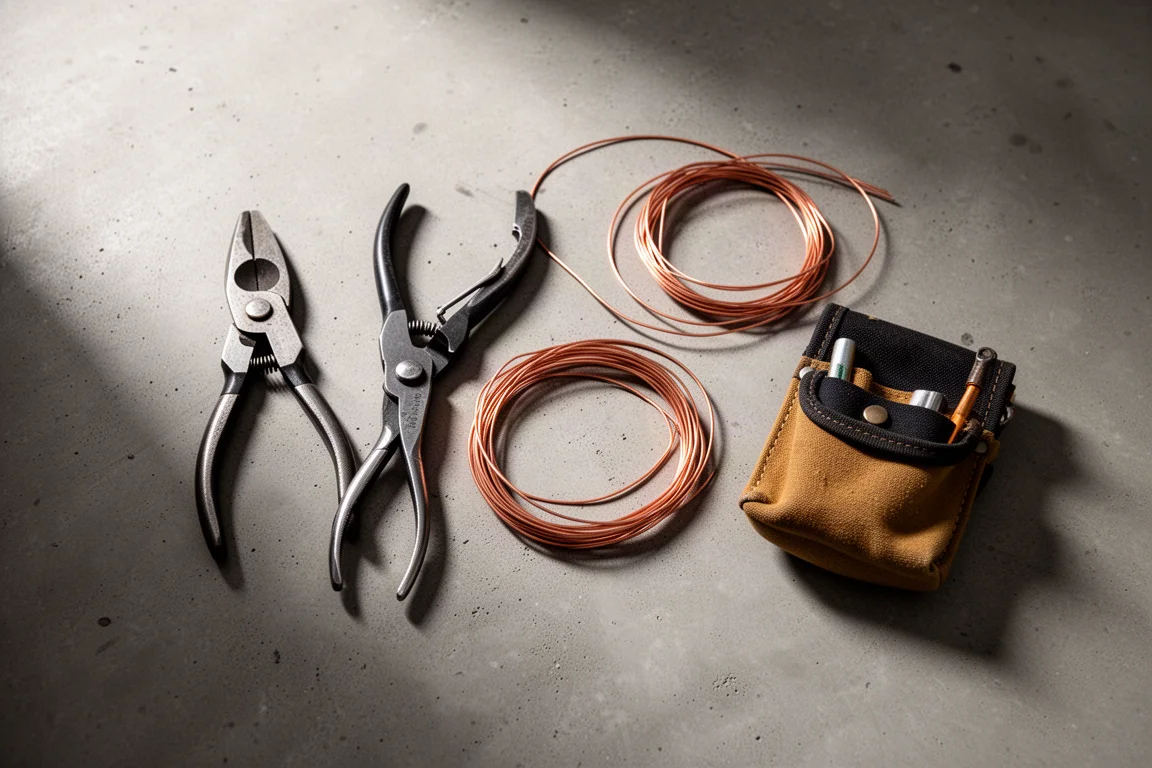
The 95 51 155 makes more sense for lighter duty cutting on a budget. It is compact, cheaper, includes a sheath, and does most of what the bigger tool does on smaller wire. Its handle design is less forgiving on long sessions, and precision work is harder without a spring.
Neither tool should ever touch steel or braided hard wire. If your work involves crimping terminals regularly, pair whichever shear you choose with a dedicated crimper rather than asking the shear to do that job.
Conclusion
The 95 52 20 feels like a thoughtful combination of the two approaches: spring-loaded like the traditional design, larger and better sighted like the angled pliers, with a four-finger handle that genuinely reduces hand fatigue. Its main drawbacks are the missing sheath, the $40 plus $20 sheath combination, and crimping points that underperform. The 95 51 155 remains a solid, affordable straight shear for everyday soft-wire cutting. Pick the pistol grip for comfort and bigger cable, pick the smaller shear for value and simplicity.
Product link
View more details for Knipex 95 52 20 Pistol Grip Electrician Shears
This product is mentioned in the review. Check the specifications, options, and compatibility before buying.
View more details for Knipex 95 52 20 Pistol Grip Electrician ShearsFurther reading
Related Reviews
Hand Tools
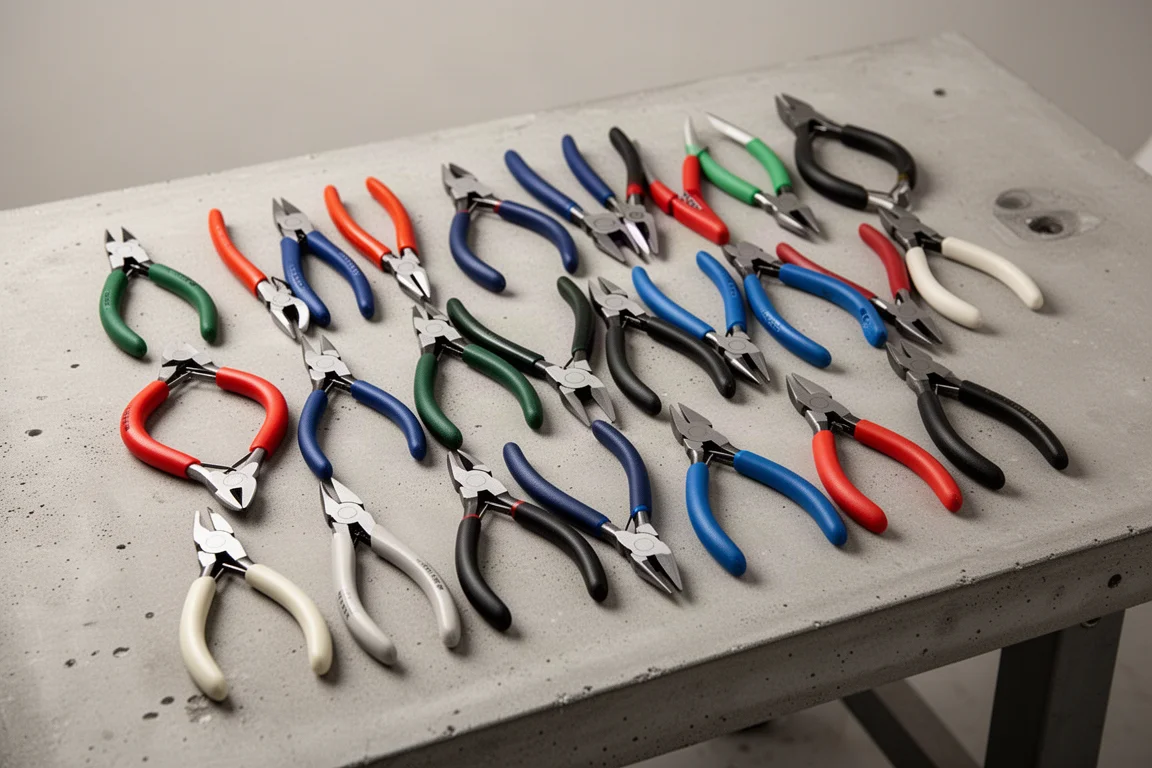
Best Diagonal Cutters 2026: 16 Pliers Tested for Cutting Power and Durability
We put 16 diagonal cutters through nail, screw, drill bit, and hex key tests to find the best value picks for your toolbox.
Hand Tools
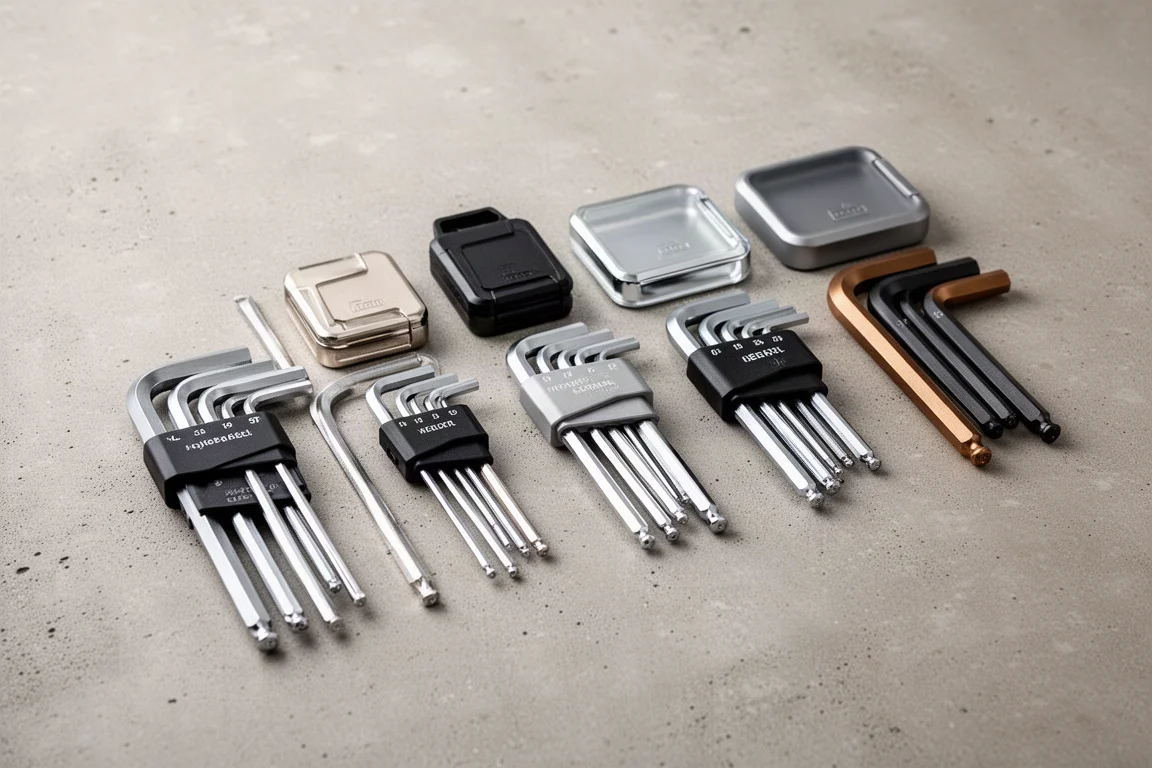
Best Hex L Key Sets 2026: Nine Sets Tested for Real-World Torque
Nine hex L key sets from budget to premium, tested for torque, fit, and durability. See which sets deliver real performance and which ones to skip.
Hand Tools
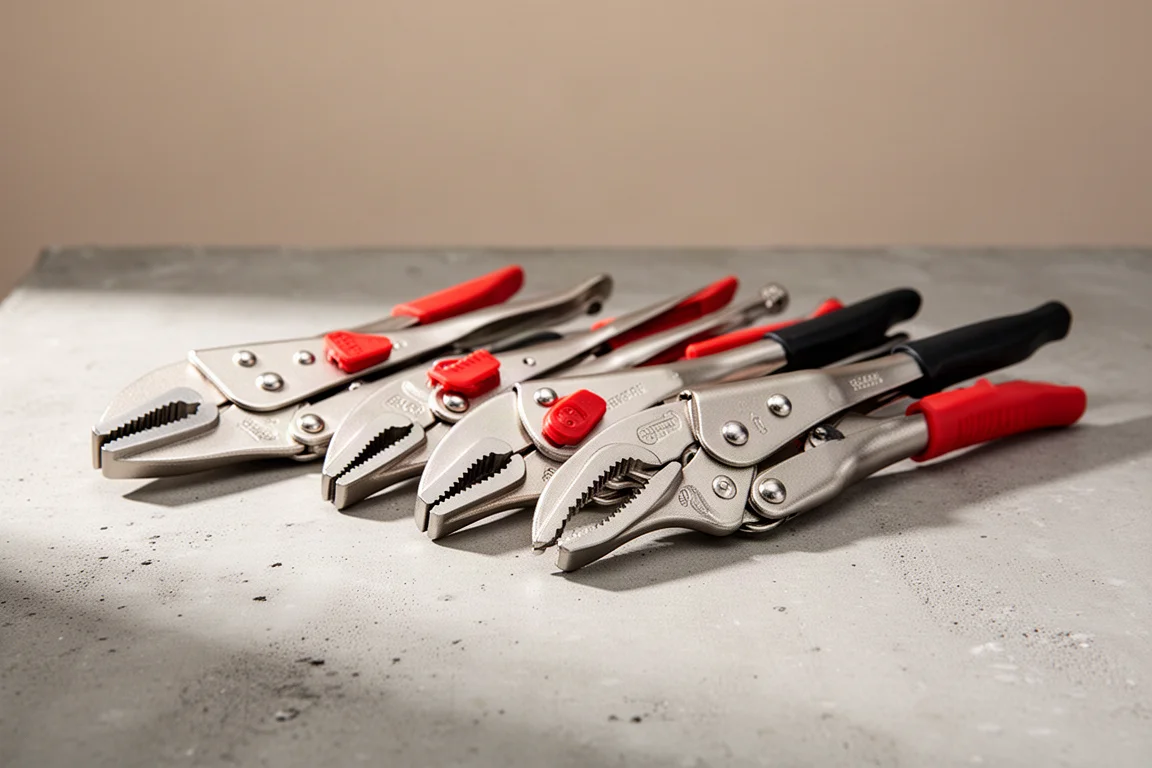
Best Locking Pliers 2026: Top Picks Tested for Grip and Durability
We tested 18 brands of 10-inch locking pliers for grip strength, jaw bite, build quality, and ease of release to find the best options for tough jobs.