Hand Tools
Knipex Electrical Installation Pliers: 13 96 200 vs 13 72 8 Compared
Two German-made Knipex pliers for electrical installation, with wire stripping, cutting, and 1,000V rated handles. Here is how they differ and which one suits your work.
Introduction
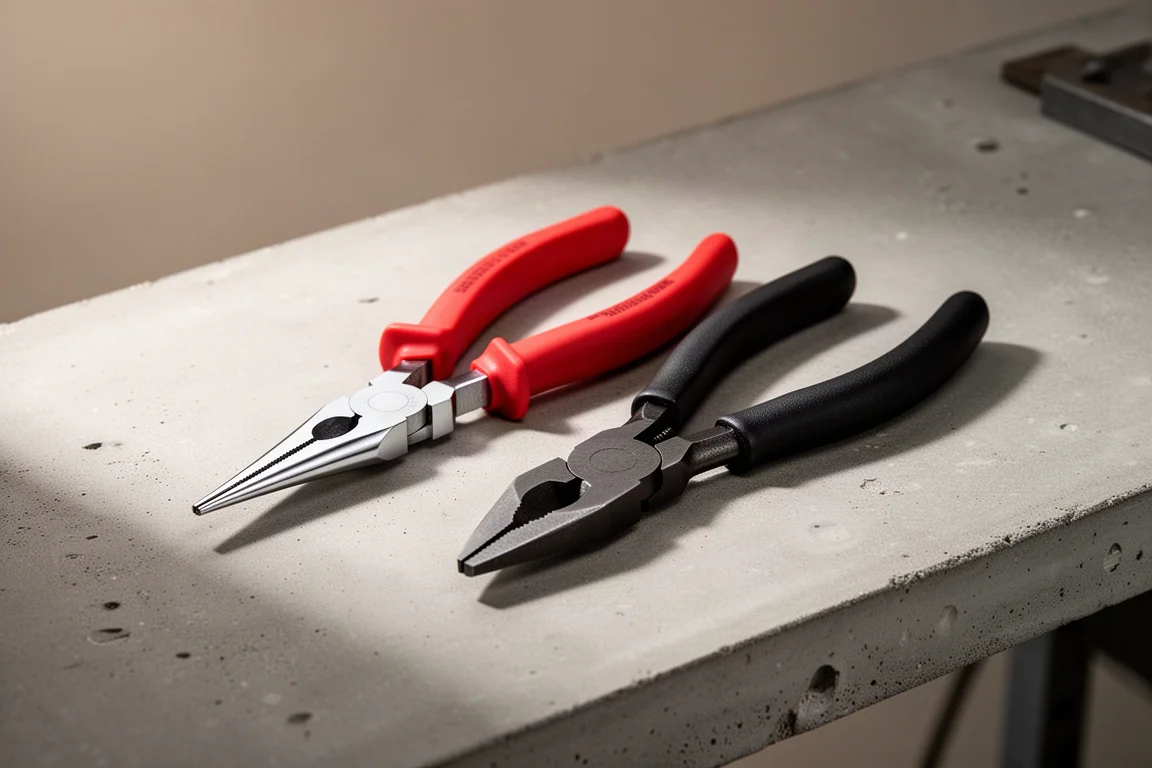
Knipex calls these “pliers for electrical installation,” and the name is accurate. Both models pack stripping, cutting, gripping, and reaming into a single tool that can genuinely replace several separate pliers in an electrician’s bag. After extended hands-on use, one of them has earned a permanent spot at the top of the list for this category.
This comparison looks at the Knipex 13 96 200 and the very similar Knipex 13 72 8. Both are German-made, both share the same basic layout, and both are excellent. The differences come down to tip shape, finish, and a clever locking mechanism that gives one of them a real edge.
What These Two Pliers Have in Common
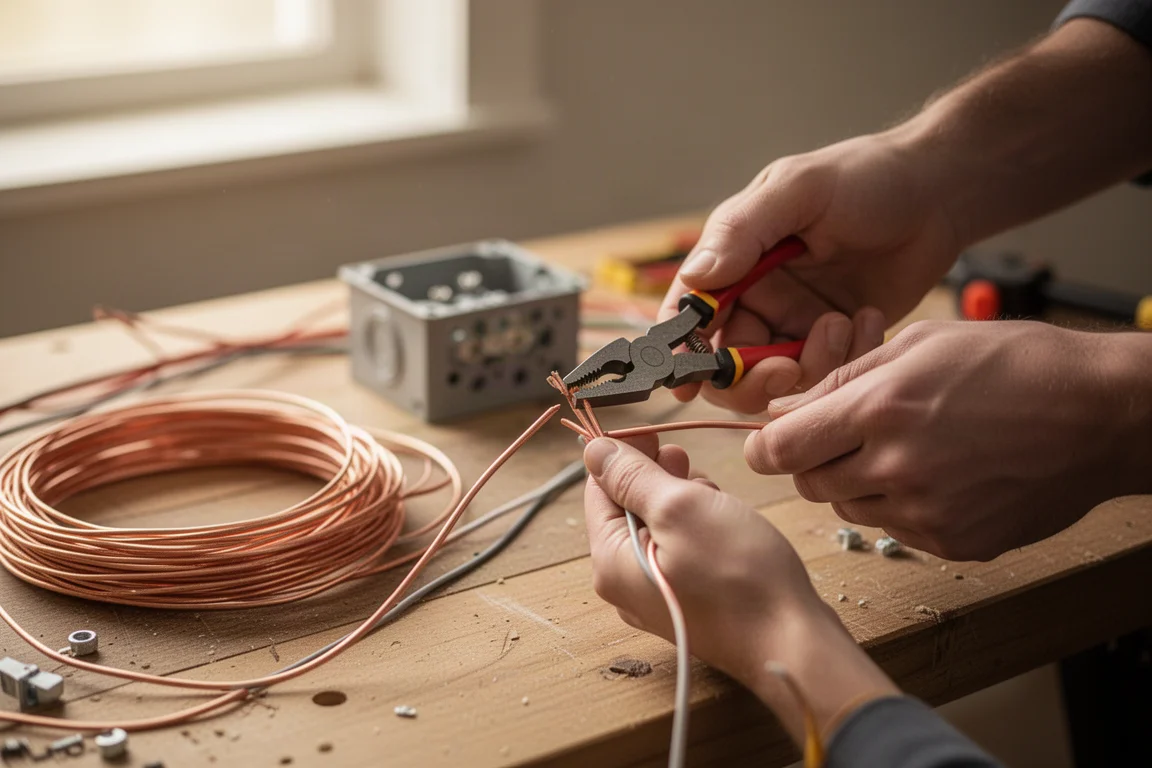
Both pliers follow the same functional recipe. At the bottom of the jaws there is a wire cutter, above that a set of stripping stations (the 13 72 8 offers more of them), then pipe or round-gripping teeth, and finally longitudinal gripping teeth toward the tips. Both are spring-loaded, and both include a way to limit or lock the cutting blade.
They are also both rated for work around live circuits, with insulated handles carrying a 1,000V rating. The cutting action on stranded wire is handled well on both: the larger cutting notch ovalizes as it closes, so stranded wire splays slightly but stays confined, producing a clean cut rather than the wonky results you can get from a plain combination blade.
Key Differences Between the Two Models
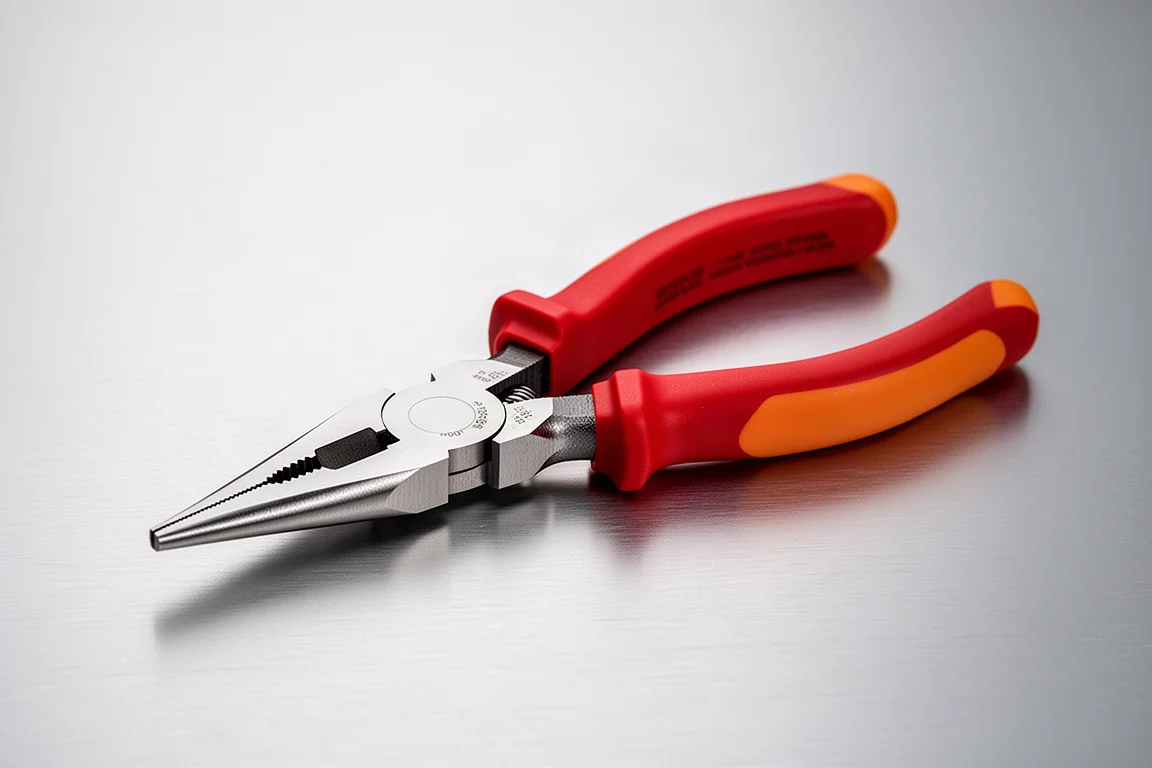
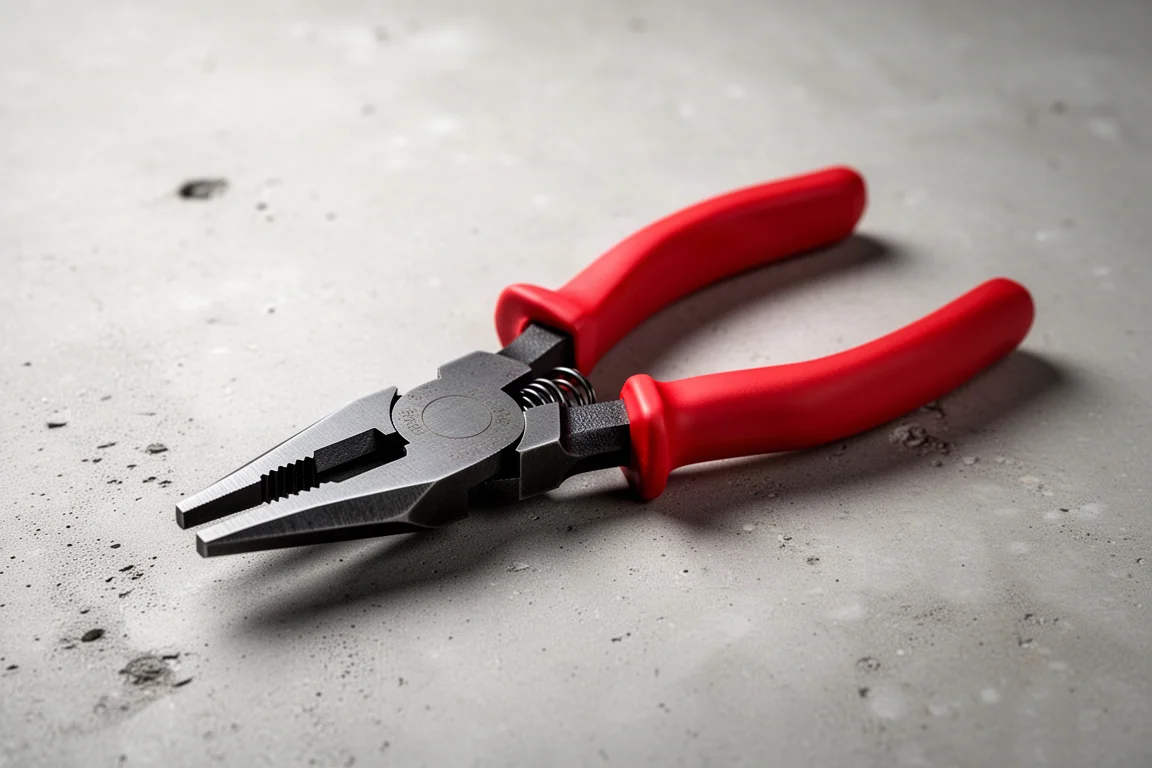
The 13 96 200 has a slim needle-nose style tip that is less than half the thickness of the 13 72 8’s wider, duckbill-style tip. That slimmer profile makes the 13 96 200 easier to work with in tight spaces. It also adds screw-cutting capability, which the 13 72 8 lacks, and its chrome finish resists corrosion better than the dark oxide or phosphate coating on the 13 72 8.
The finish trade-off cuts both ways. Without chrome in the way, the black-coated 13 72 8 can take a slightly sharper cutting edge, and it needs a little less force to cut wire. In practice, both cutters feel tremendously sharp, but if you work in a humid or corrosive environment, the chrome finish is the safer long-term bet.
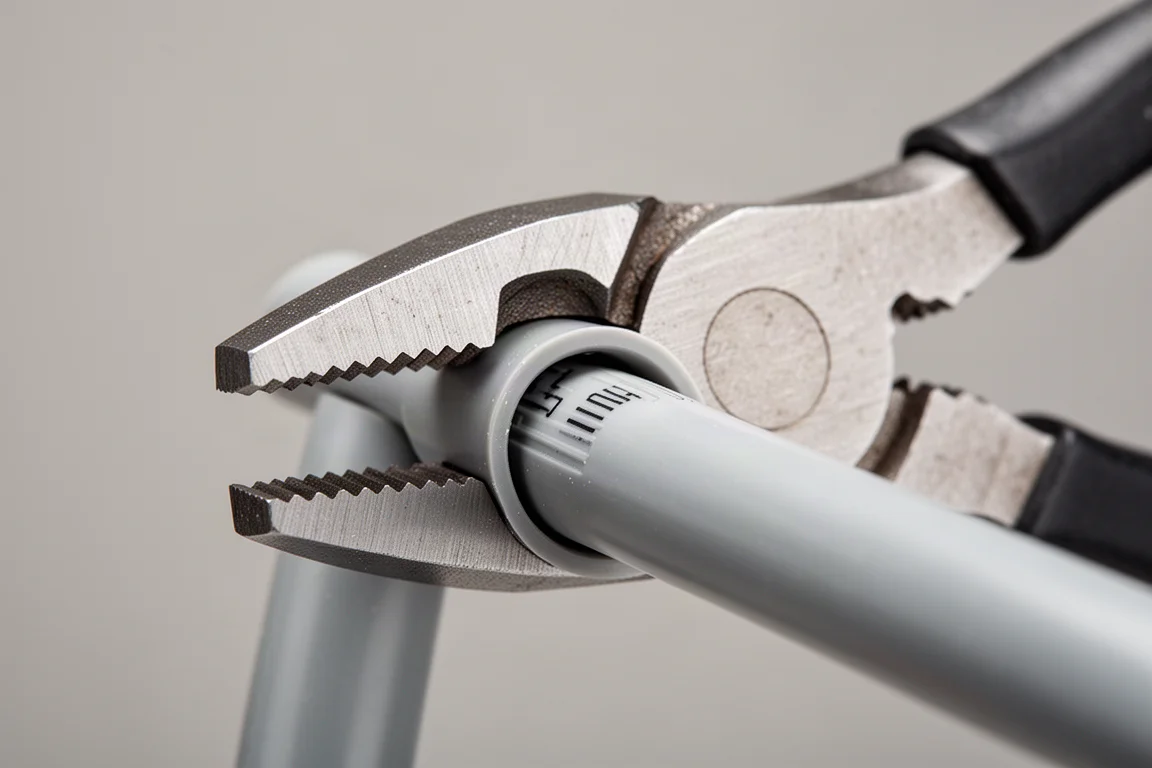
The opening mechanism differs too. The 13 72 8’s spring pops the handles to a fixed stop, though you can extend them further. The 13 96 200 opens to its maximum spread and stays there, which gives it a noticeably wider jaw opening for grabbing larger rounds.
The Blade Limiter, Explained
Both pliers can limit the blade, but they behave differently. On the 13 72 8, the limiter is a lock: with it engaged, the pliers do not provide much useful operation. On the 13 96 200, the blade limiter closes the jaws so they do not quite meet, leaving every function except the sharp cutting teeth accessible. You can still strip wire easily, but the wire cannot reach the cutter unless you deliberately open the handles. It works like a built-in protection mechanism against accidental cuts and nicks.
There is also an interesting quirk: with Romex, the snap of cutting sometimes carries enough momentum to re-engage the limiter automatically. It is unclear whether this is intentional design or a happy accident, but it is clever either way.
Insulated Handles and the Arc-Flash Argument
Both models come with 1,000V rated insulated handles. A useful point raised by users of this handle style: the insulation matters less for accidentally grabbing a live wire and more for preventing an arc. If you drop pliers into a workspace, fuse box, or conduit where two live points sit close together, insulated handles reduce the chance of current arcing across the tool.
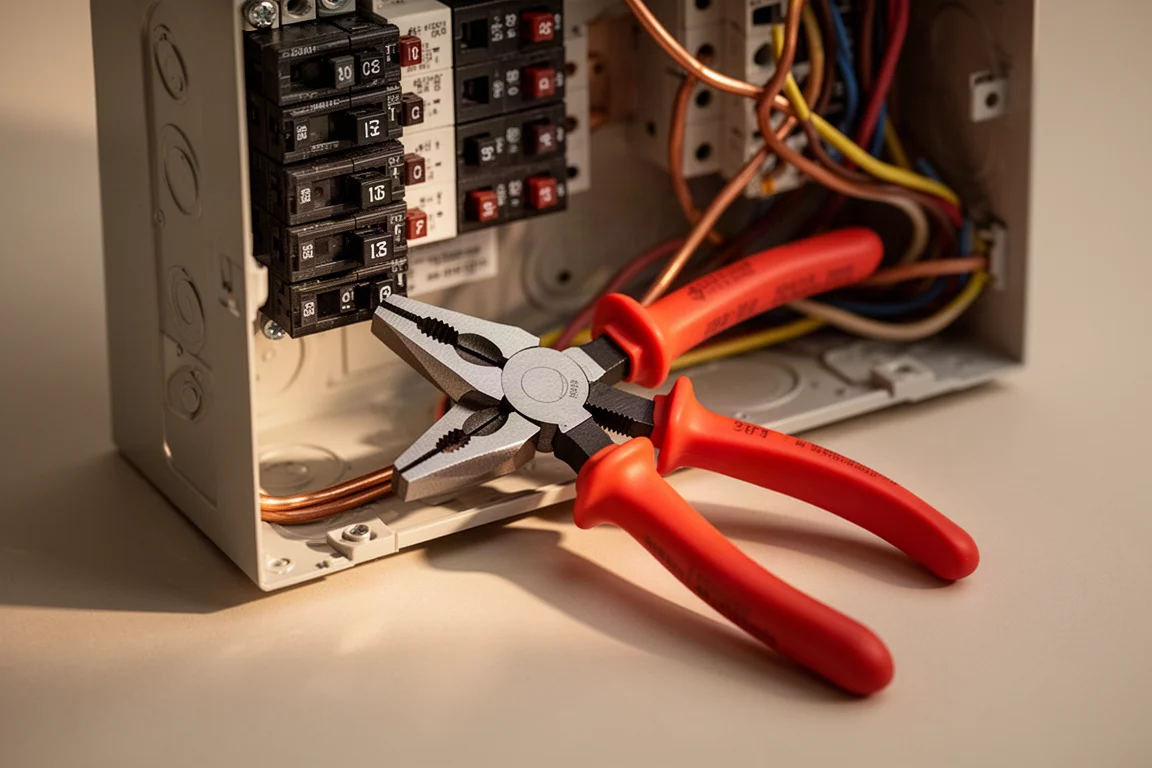
The handles are available in several styles. The 1,000V rated versions offer the most protection but take up more space in a tool bag. A standard dip handle would make the pliers more compact with only minor weight savings, though very slim handles can be slightly harder to use. The right choice depends on the work and whether you need the extra guards.
Cutting, Reaming, and Everyday Use
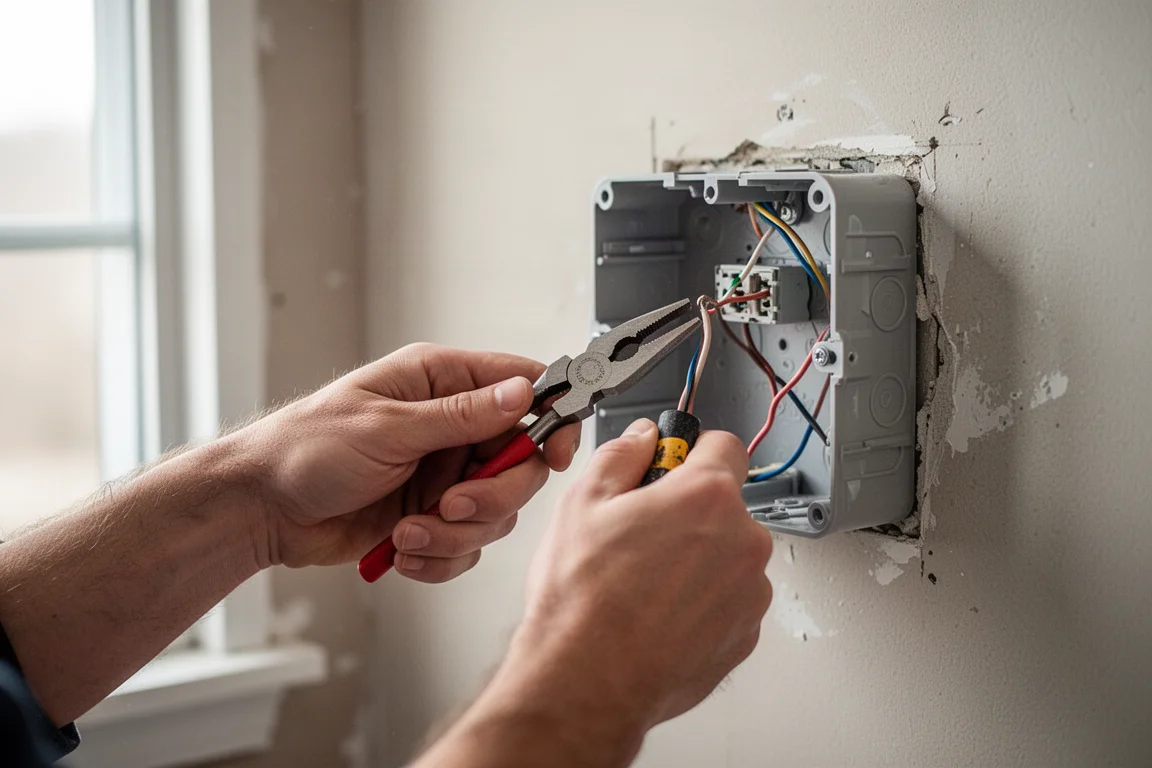
Beyond cutting, the sharp edge near the tip is useful for reaming, particularly on plastic junction boxes and outlets. It is genuinely sharp and makes quick work of deburring. For grabbing rounded material like conduit, the pipe teeth hold securely, and the longitudinal teeth handle flat or odd-shaped stock.
The 13 96 200 has been described as a hybrid, almost a mini lineman’s plier in blade shape, and it competes directly with similar multi-function tools from other brands, including models with larger lineman-style blades, bolt cutting notches, and crimping stations. In day-to-day stripping, cutting, and nibbling on wire, though, these Knipex pliers have moved into the number one spot in this category.
Which One Should You Buy?
For most electricians, the Knipex 13 96 200 is the pick. The slimmer tip handles tight spaces better, the chrome finish resists corrosion, the screw-cutting feature adds versatility, and the blade limiter that keeps most functions usable is the standout feature of the pair. It is a one-size-fits-all hybrid plier with real quality behind it, and it sits at the top of the game in this form factor.
The Knipex 13 72 8 still makes sense if you want more stripping stations, a slightly sharper non-chrome cutting edge that needs less cutting force, or the wider duckbill-style tip for grabbing larger work.
Conclusion
Both of these Knipex pliers are genuinely well engineered, and neither is a bad choice. The 13 96 200 edges ahead thanks to its limiter design, slimmer nose, chrome finish, and screw-cutting ability, making it the better all-arounder for electrical installation work. If your priorities lean toward extra stripping options and a wider tip, the 13 72 8 remains a strong alternative. Either way, you are getting a German-made tool built for real jobsite abuse.
Further reading
Related Reviews
Hand Tools
Best Diagonal Cutters 2026: 16 Pliers Tested for Cutting Power and Durability
We put 16 diagonal cutters through nail, screw, drill bit, and hex key tests to find the best value picks for your toolbox.
Hand Tools
Best Hex L Key Sets 2026: Nine Sets Tested for Real-World Torque
Nine hex L key sets from budget to premium, tested for torque, fit, and durability. See which sets deliver real performance and which ones to skip.
Hand Tools
Best Locking Pliers 2026: Top Picks Tested for Grip and Durability
We tested 18 brands of 10-inch locking pliers for grip strength, jaw bite, build quality, and ease of release to find the best options for tough jobs.